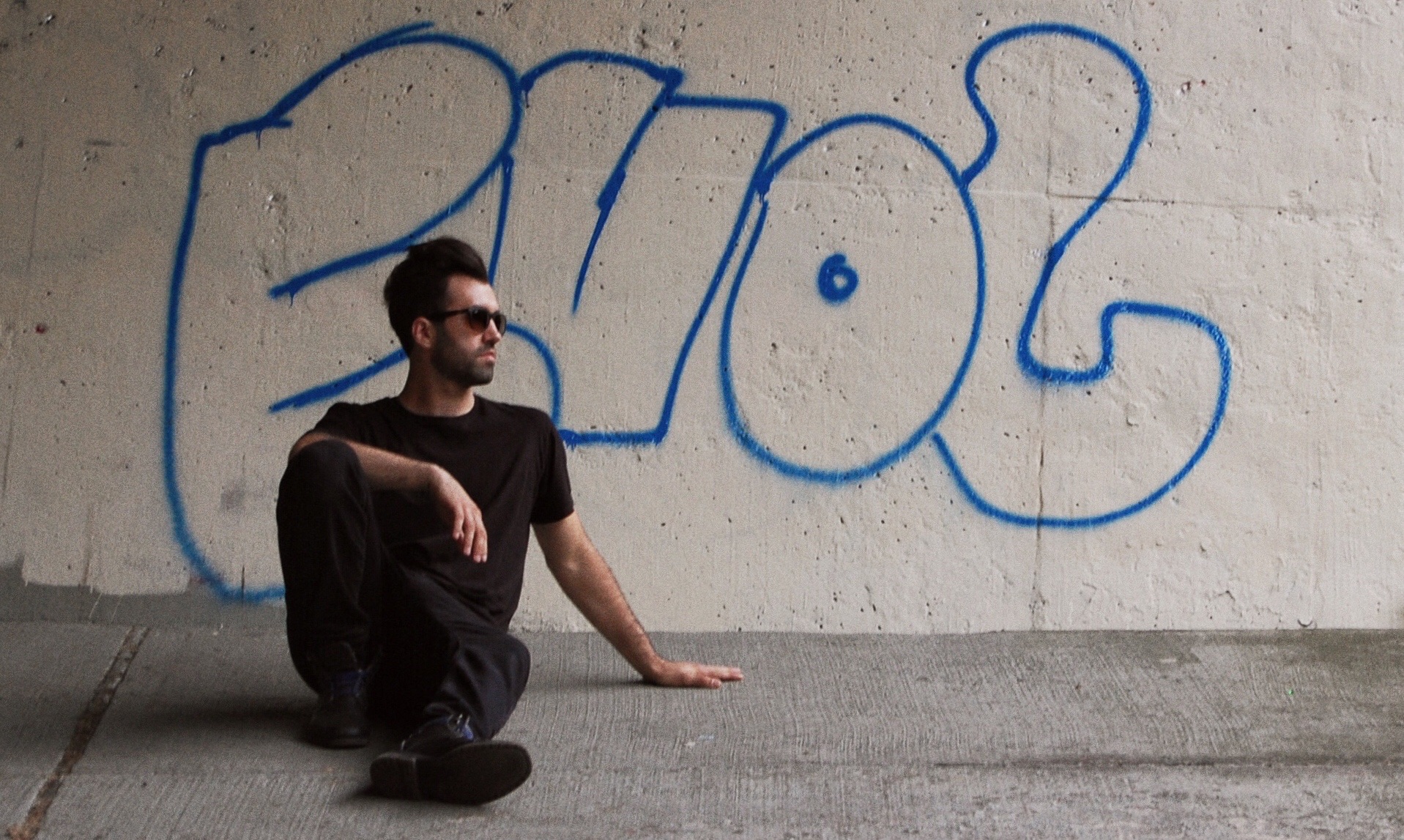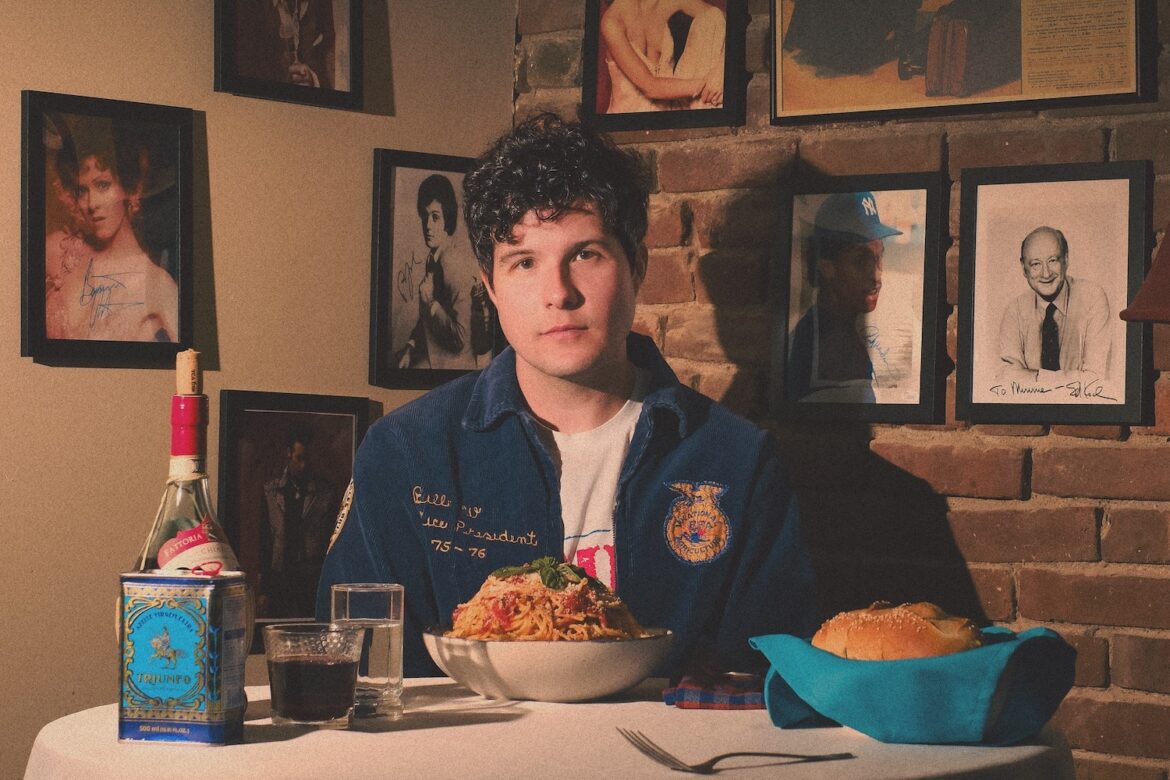
New York singer/songwriter Brian Dunne wrestles with class, adulthood, and the complicated work of trying to have a good life in ‘Clams Casino,’ a spirited rock record that cuts to the heart of a generation learning how to keep going when the dream no longer matches the reality.
Stream: “Clams Casino” – Brian Dunne
I’ve been trying to have a good life…
* * *
Brian Dunne opens his fifth studio album with a line so simple and unadorned, that you might not notice the layers of history and raw emotion lying at its core.
“I’ve been trying to have a good life”: It’s a heartfelt sigh, a candid confession, a generational mirror. It’s also the quiet thesis of Clams Casino, a record rooted in the uneasy, uncertain middle of American life in 2025 – a world where the middle-class is disappearing, the dream feels more distant than ever, and wanting “a good thing” can feel both righteous and increasingly fraught. What happens after the bad guys win? Dunne sings from the crossroads with clarity and heart, tracing the small ruptures and larger reckonings of a generation learning, slowly and painfully, how to get by.
In these songs, wanting more becomes its own moral puzzle, survival carries its own contradictions, and the search for ‘success’ – whatever that means to you – is both tender and fraught. This is Dunne’s most unflinching and deeply human work yet. At its core, Clams Casino (released September 5th via Missing Piece Records) is a portrait of a generation coming of age in the wreckage of a rigged American dream – learning, with honesty and exhaustion and hope, how to keep living when wanting a good life has never felt more complicated.
I’m just trying to have a good life
Clams casino on a Sunday night
Betting the house on a bottle of wine
I’m just trying to have a good time
Is it so bad to want a good thing?
Don’t even let em catch you looking
Don’t let em see you get your foot in
Is it so bad to want a good thing?
‘Cause all I want is just a little bit more
Is that so much for me to ask for?
And clams casino on a Sunday night
Is it so bad to want a good life?
Is it so bad to want a good life?
– “Clams Casino,” Brian Dunne
For over a decade, New York’s Brian Dunne has been tracing the quiet evolution of his generation in real time, album by album – chronicling the modern American condition with generosity, bite, humor, and heart in the process. Based in Brooklyn and raised in the working-class stretch of Monroe in Orange County, he carries both worlds in his writing – a dynamic that anchors his solo project as well as his work in folk rock supergroup Fantastic Cat.
Starting with his third album Selling Things in 2020 and continuing through 2023’s Loser on the Ropes, Dunne has followed a loose constellation of characters – part him, part his friends, part the people he passes on the street – as they age out of idealism and into the harder, stranger realities of “regular old adult life.” These records form an unintentional narrative arc, each chapter landing just a little older, a little wiser, and a little more confronted by the costs of staying afloat in a world that keeps shifting beneath their feet – one where the rules feel rigged and upward mobility is increasingly a fiction.

If Selling Things wrestled with the machinery of American life and Loser on the Ropes fought to stay in the ring, then Clams Casino arrives in the aftermath.
These songs pick up the story once the dust has settled, asking not how you keep swinging, but how you keep living when life hasn’t turned out the way you hoped it would.
“A big part of this kind of writing, where I’m trying to follow a generation through its changes, is making sure with each album that the characters on the album grow up just enough to make sure you know where we are now,” Dunne, 36, tells Atwood Magazine. “So, ‘I’ve been trying to have a good life.’ I felt that in my mid-30s, that’s where I was.”
He continues, “I wasn’t actually bogged down in my angst as I maybe had been 10 years prior. I’ve actually been actively seeking a better life, and so have my peers, but there’s so much that stands in our way. There’s a treasure trove of great things on this earth, and they’re being held captive by the 1%.”
It’s a candid, clear-eyed articulation of the pressure point these songs revolve around: The tension of standing on the bridge between youth and adulthood, neither broke and 22 nor rich and 45, looking out at a world that keeps pulling the goalposts further away. Dunne writes from that narrow breach with empathy and bite, examining what it means to want more when the systems around you seem designed to deny it, and what it feels like to carve out a space for yourself when the dream you inherited no longer resembles the life you’re living.
Sonically, Clams Casino carries the grit and heartbeat of classic American rock, sharpened into something distinctly Dunne’s own.
There are shades of Springsteen’s street-level storytelling and Tom Petty’s melodic punch, but the record lands closer to the emotional urgency of Sam Fender and the diaristic candor of Noah Kahan – artists who bridge the line between rock catharsis and singer/songwriter confession. Dunne leans into a tighter, punchier palette than on Loser on the Ropes, building these songs around two guitars, bass, drums, and synths that flicker like neon against concrete. The arrangements feel wired and restless, propelled by the same tension that runs through the lyrics: the craving for something better, the exhaustion of chasing it, and the stubborn glimmer of hope that keeps you trying anyway. It’s rock music with a songwriter’s spine – big-hearted, plainspoken, unvarnished, and alive.
The album’s emotional weight reveals itself song by song, each track offering a different vantage point on what it means to want a better life when the world keeps moving the goalposts. “Clams Casino” sits at the heart of the record, a restless and sharply drawn portrait of class pride, class shame, and the uneasy space where those two instincts collide. Dunne sings like someone caught between hunger and hesitation, turning over the question of whether a working-class kid is allowed to want the finer things in life without feeling like a fraud. It is equal parts wry, wounded, and defiant, and it sets the emotional compass for everything that follows, a reminder that desire can be both a lifeline and a liability.
She said all you do is bitch and moan
You’re never happy and you’re never home
Everyone wants what they don’t have
And you really don’t have it half bad
But baby I’m trying to express myself
You know the doctor said it might help
If I can release some of this tension
If I can make peace with this question
Is it so bad to want a good thing?
Don’t even let em catch you looking
Don’t let em see you get your foot in
Is it so bad to want a good thing?
‘Cause all I want is just a little bit more
Is that so much for me to ask for?
And clams casino on a Sunday night
Is it so bad to want a good life?
From there, Dunne widens the lens. “Rockland County” imagines the quiet relief of laying the fight down for a moment, the almost guilty comfort of stepping away from ambition and sinking into something simpler, maybe safer. “Everybody has ambitions and goals and dreams of moving to the big city, but I wrote ‘Rockland County’ as an exuberant song of somebody being f*ing relieved of putting it down,” Dunne says. “I found it so entertaining to write; I just fell in love with the character railing against the city where they’ve been living and how full of shit it felt to them. Somebody can catch you in a moment of weakness and sell back to you the very thing you were running from. ‘Oh my god, free parking!’”
Dunne’s lyrics reflect this energy: “Sounds cool! Sounds nice! You know you don’t have to waste your time with rich kids who think this is life,” he proclaims with a mix of charismatic Brian Dunne energy and an exhaustion that feels earned. “Go on back to Rockland County.” A feverish anthem of coming “right back where we started from,” it’s the sound of someone exhaling for the first time in years.
“Play the Hits,” by contrast, bristles with movement and muscle, a ragged, guitar-forward anthem that captures the absurd, aching theater of perseverance. Dunne sings from the tightrope between ambition and exhaustion, circling the question of when pushing forward becomes noble and when it turns into a kind of self-inflicted punishment: “And all the kids down here, they all remind you of you. But they’re a little bit younger, with a little bit more hunger and they look good in leather, too.” The song plays like an inner monologue cracked wide open: The part of you that still believes in the dream arguing with the part that knows the dream has taken more than it ever promised to give. It is funny, wounded, defiant, and painfully familiar to anyone who has stayed in the ring longer than they meant to. In its way, “Play the Hits” becomes a generational anthem, a portrait of people who were told to chase something bigger and are now reckoning with the cost of that chase.
So see yourself out
Your time is up now
It’s out of your control
And play the hits, kid
Just like your dad did
Sometimes it’s time to go
As Clams Casino progresses, Dunne digs even deeper into the emotional and psychological terrain he has been circling, revealing the quieter fears, doubts, and reckonings that shadow adulthood. “Fake Version of the Real Thing” turns its gaze toward authenticity and aspiration, probing the uneasy feeling that everyone is performing a version of themselves to survive. “Some Room Left” softens the light, drifting into an intimate study of internet-era loneliness and the unexpected grace of being seen by a stranger at the right moment. “I Watched the Light” dives deeper into the geography of class and opportunity, asking who gets to stay in the city and who is forced to pack up and leave. And “Max’s Kansas City” closes that circle with a bittersweet, jangling ode to the ghosts of youth and the nights that shape you long after you have aged out of them. Each song illuminates a different facet of the same search, a search for a life that feels genuine, chosen, and possible. Across Clams Casino, Dunne illustrates for us the many ways a person can want, lose, recalibrate, and still get up the next day.
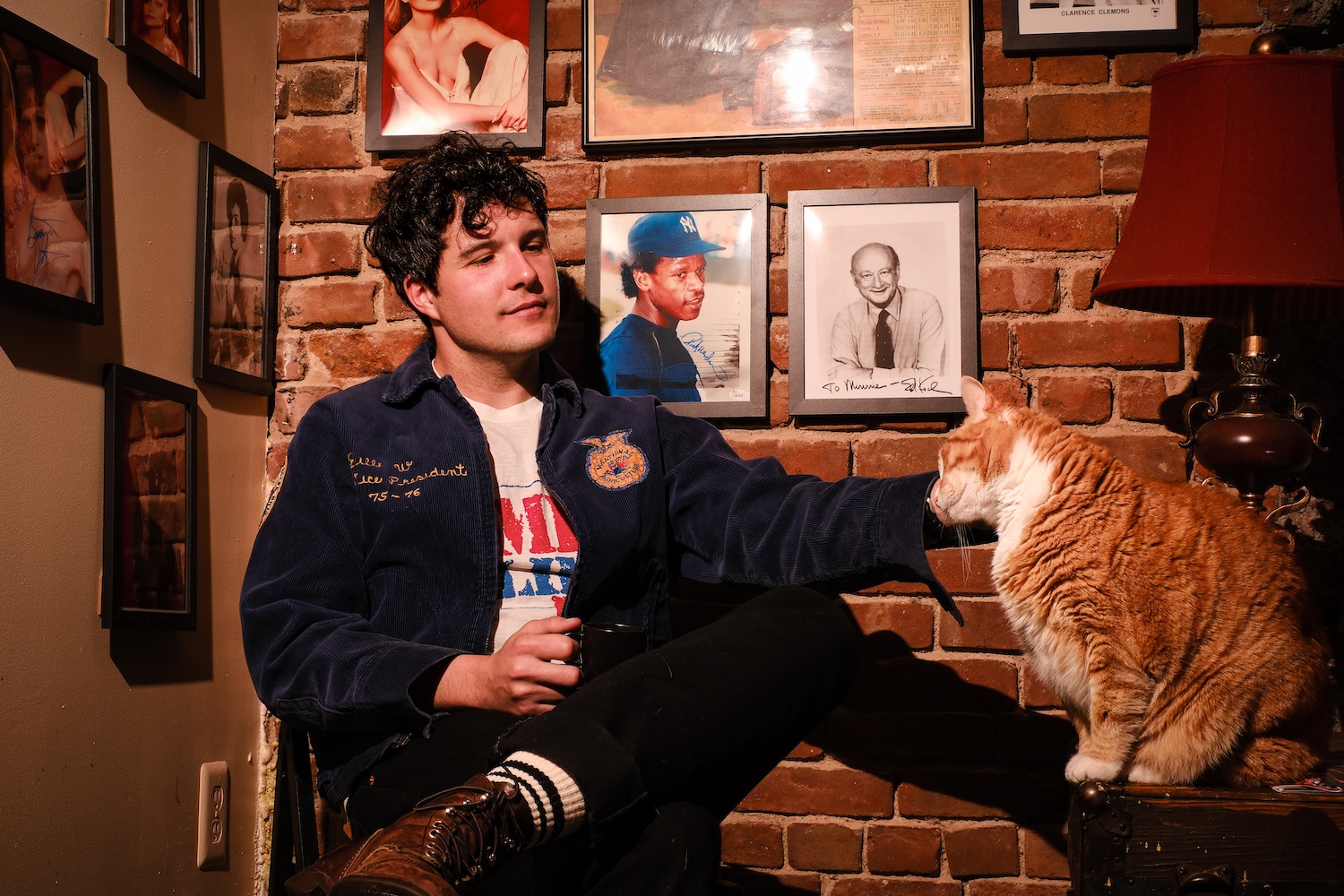
“I’ve never been at the center of alternative culture,” he admits, “but it’s always been very important to me. Every generation has its American dream, and it felt like the millennial American dream was a little more urban. Everybody seemed to have some foot in the counterculture, whether they worked for Morgan Stanley or they played in a rock band. It felt like, as people got older, I started to see I was believing in something that was maybe a little bit of a facade.”
In many ways, Clams Casino marks a turning point in Dunne’s artistry. It’s a milestone for him, not because it is triumphant, but because it is honest. He’s writing and singing from the middle of the story, where nothing has resolved and the world is still shifting beneath his feet. He is not here to reassure us that things will be okay. “I don’t know if the good guys will ever win again,” he admits. “I don’t know if the middle-class is going to make a comeback. I don’t know. I just know that that’s where we are right now in our American lives, and I want to make sure that people have a companion to tell them not that it’s going to be okay, but that it’s okay to feel the way they feel right now.”
Clams Casino is the natural evolution for an artist who has always been drawn to the stories we tell ourselves in order to keep going. “I’ve been obsessed with how people mask their pain,” he says, a fixation that threads through these characters as they shoulder responsibilities their younger selves could not have imagined. The songs here reflect a generation raised on the promise of a dream that never fully materialized, the same dream Dunne now recognizes for its false hope. The little engine that could has grown up, and the climb looks different from this vantage point. What emerges instead is a songwriter committed to honesty above all else, someone who believes that if you paint an accurate picture of a person’s life, they will see themselves in it, no reassurance required. That clarity, that refusal to look away from the breach, is what makes Clams Casino feel like such a meaningful chapter in Dunne’s ongoing portrait of who we become when the world does not bend to meet us.
“My theory on songwriting is that good or bad, if you paint an accurate picture of somebody’s life, whether it’s flattering or unflattering, they will be inherently drawn to it just by how accurately they’re being depicted,” Dunne shares. “I don’t set out to make people necessarily feel better. I just set out to make them feel recognized… I hope they feel deeply, deeply recognized, good or bad or ugly or brilliantly. I want people to listen to these songs and know that their human experience is not solitary.”
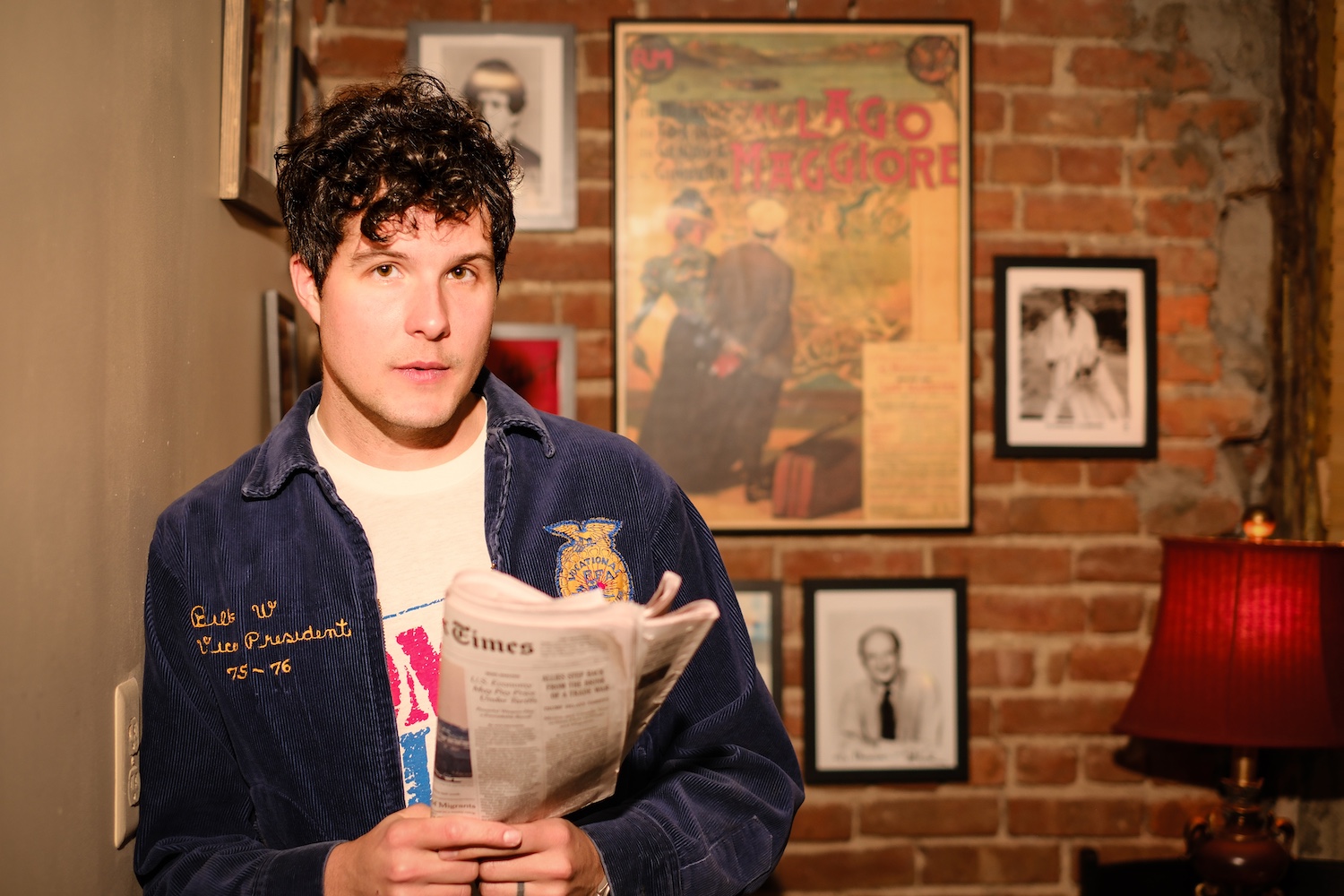
Clams Casino matters because it meets us exactly where we are.
These songs arrive in a moment when the cost of living eclipses the promise of it, when the dream we were raised on feels increasingly out of reach, and when the daily work of trying to build a life can feel unbearably lonely. Dunne is not offering comfort so much as recognition, a mirror held gently to the people who are doing their best in a world that keeps shifting beneath their feet. For those of us standing at the threshold of our mid-30s, or simply standing in the breach between who we hoped to become and who we are right now, these songs feel like visibility. Music cannot fix the economic realities or the exhaustion of this era, but it can remind us that our experience is shared, that our struggle is real, and that we are not moving through it alone. In that way, Clams Casino is more than a record. It is a companion for anyone trying, quietly and earnestly, to have a good life.
Speaking with Atwood Magazine, Brian Dunne opens up about the questions that shaped his latest album and the realities – and realizations – that gave rise to its ten songs. He speaks with the same generosity and candor that animate his music, reflecting on the lives we build, the dreams we inherit, and the complicated ways we learn to carry both. Read our candid conversation below about the making of Clams Casino, the stories behind its characters, and the lessons and uncertainties that continue to shape Dunne’s understanding of what it means to try, to want, and to work toward a good life. As he sings in the closer, “I’m still living it backwards, to hell with the bastards, they are never gonna have your heart.”
It is from that place of honesty and hard-earned clarity that Clams Casino shines – and where our interview begins.
— —
:: stream/purchase Clams Casino here ::
:: connect with Brian Dunne here ::
— —
Stream: ‘Clams Casino’ – Brian Dunne
A CONVERSATION WITH BRIAN DUNNE
Atwood Magazine: Brian, congratulations on the release of Clams Casino! How are you feeling?
Brian Dunne: I feel great. The early response has been really lovely, probably stronger than any of my records so far, so I guess we’re on an upward trajectory based on that. I don’t know. It’s always a little bit nerve-wracking, right? Releasing albums in this day and age is a very strange, uncharted territory so, but I feel pretty good and I’m really super proud of the record.
Your fourth album, Loser on the Ropes, came out about two years and change ago. What's your relationship with that record like today?
Brian Dunne: Yeah, I have a lot of love for that record. I feel as though starting with Selling Things in 2020, I’ve found a continuation of not the same characters per se, but a way of writing about my generation as it grows and changes and the challenges that come with moving from young adult life into just regular old adult life. And to me, the last three records are all part of a cohesive, not a trilogy per se, but just they’re following the same characters through a narrative of their lives.
Let's talk more about those characters, those themes. Why do you think they speak so much to you? Who are the characters to you? Why do you think these themes have been such a salient part of your lyrical output, emotional output?
Brian Dunne: Well, I think from a merely clerical standpoint, I had a writing breakthrough with a song called “New Tattoo” in 2018, which was a song I was writing for ‘Selling Things’. It was a song just about somebody who mirrored me, but other people in my generation, an amalgam of a couple of different people, going from being this young, vibrant, excitable, naive person to a world-worn, hardened figure and how things can shift dramatically over a five-year period. And I had a breakthrough with the song where I realized I could write about this type of thing for the rest of my life. A just continuing story of my generation and its challenges and struggles. And ever since then, I’ve been obsessed with how people mask their pain, how challenges can manifest in people when they’re avoiding their own pain. And I just became obsessed with writing about that.
Because you're from Monroe, if I'm not mistaken, right?
Brian Dunne: Yeah, from Monroe, New York. The funny thing about Monroe, it’s a really strange town. It’s far away enough that it technically has no association with New York City, right? It’s basically a world away. But it’s kind of… It’s a working-class town and it skews a little red and it’s kind of… There’s a bit of a coldness to it. It didn’t feel like a warm place to necessarily grow up. And so because of that, you have that kind of classic, you’re outside the party, there’s a size in that’s happening in New York City and you’re not part of it, but you’re close enough to know that there’s something happening. It’s just not here. And as I’ve gotten older, it has affected my music in a lot of ways because it’s the haves and the have-nots, the rub between the dream and the distance between the dream and the reality, and I have used that a lot. And I, especially on this record, there’s a song called “Rockland County,” which is really technically about Orange County, but I just felt that Orange County had too much Californian whatever.
There's a lot more Orange Counties in the world than there are Rockland Counties.
Brian Dunne: I moved the song to “Rockland County,” but it’s about that push and that pull – if New York City is the dream, Orange County is the practical reality of the dream.
I've been so amazed at your storytelling and your scene-building ever since I first heard “Harlem River Drive.” How do you feel New York City and Brooklyn in particular have been affecting you, of late?
Brian Dunne: Well, I still feel very inspired by New York. I feel that there’s a never-ending cast of characters to wax philosophical about. I mean, I drew so much of the new record from New York, and the idea of this one being that I wanted to dig harder into the disappearing middle-class of New York City and what it feels like in 2025 to be a working-class city dweller, right? Because I feel like in this day and age, the general purview is the city is young kids who haven’t met their maker yet, or rich folks. And those of us that stand in the breach, neither 22 nor wealthy, are part of a very small group of people, but they’re all fascinating stories. And there’s kind of a push and pull between those two things, broke and 22 and rich and 45.
What do you do when you’re middle-class and 36? Basically every song on the album takes a different look under the hood of that, whether it’s “Clams Casino,” which is a song about class pride and class shame and how they kind of clash up against each other. Can you be a down on your luck working-class blues singer and also want more? Does that make you a fraud? Or is it “Rockland County,” this breath of relief you have with putting the fight down? Or “I Watched the Light,” the inverse of that song, about who gets to stay in the city and who has to leave and pack up and head back to their hometown. Or just good old-fashioned song like “Living It Backwards.” Everybody’s going this way and I’m going to just stay down here and see what’s left.
New York City has the highest concentration of wealth in the world. I wonder if it's the young and the money that scream loudest, because I can't imagine that the majority of the 8 million are not working-class. You know what I mean? I think those voices get drowned out in the mix.
Brian Dunne: I mean, I think that a lot can be said of people’s impression of New York versus what it actually is. And I think that, I just love my city so much and I constantly want to represent it in a way that is whole, because I feel that it’s my home. But I also think because of that clashing up against each other, there’s a lot of… There’s a charge to it. And I think it mirrors a lot of what is happening in our world today. With the class politics and who gets to run the show and who has to kiss the ring. And I felt that there was an album in it. I want to say the impetus for the entire concept of the record was I was at this party in the front of my building and I was just talking to an older actor. And we were having a laugh about, there’s all these books in the bookstore near us about like, there’s an entire section of New York City books that are about like the dying city or New York 2011. And every author surmises that New York died right around the time they coincidentally turned 40, right? Every time. Doesn’t matter if it died in 1979, if it died in 1993, if it died in 2011.
It's died many deaths.
Brian Dunne: Yeah, also happened to be the author’s 40th birthday. They were newly sober and they had recently bought a house in Rhinebeck. And that just happened to be the end of New York City, crazily. So we were kind of having a laugh about that. But then he kind of got serious and he was like, man, the scene dies when… Because we were saying, everybody just thinks that New York City dies whenever their scene sort of recedes. And he was like, the scene dies when the good ones sell out and the mediocre ones just have to go home. And I kind of walked back into my apartment kind of chewing on the idea. I didn’t even know if I agreed with him. But I just thought, oh, I saw… I could see how those like those stories would play out. And I started to play with the idea that I could write a record where each song dealt with who gets to stay and who has to move out, who wants to move out, who doesn’t want to stay, but they’re locked into their life. And I could play with all those characters and they could all be me and they could be my friends, but they could also be complete strangers.
Because you must have friends who were in Brooklyn, who were in the city and then you have gone on to, I don't know, Jersey or Long Island or Westchester. The more I listen, the more I find this record is surprisingly personal to me.
Brian Dunne: I was using New York City as a breeding ground for these stories, but I felt that there was a metaphor for how our entire country works, which is who gets all the power, who gets all the money, who makes all the decisions, and who has to eat shit. And I felt like there was a real disillusionment moment in your mid-30s where early in my sanctimonious years, I felt like I was doing something by railing against certain establishment constructs. And I realized now that my heart was in the right place, but they had already won. The bad guys won. And this was going to be how it was. And I had to figure out how to survive within it. And that’s kind of like a really mature but also kind of depressing moment in a person’s life where they realize like, oh, what it all came down to was the almighty dollar, who got to make those decisions, who gets to stay in power, who wins.
And the odds were already stacked against you. And I feel like the records leading up to this record are about that fight, And this record is about what happens after the bad guys win. What do you do? What do you actually do? Do you stay in? Do you leave? Do you have to? Do you get priced out? Do you become an insider? There’s a song on the record called “Fake Version of the Real Thing,” which chronicles me an outsider, an anti-establishment outsider, becoming so good at being an outsider that they hand this person the microphone. And what happens to the outsider when he’s handed the microphone? He becomes an insider. What happens to that progressive politician that’s been invited into the larger institution of their political party. Do they remain the radical that they once were or do they become an establishment politician? What happens to the Indie rock musician who’s brought inside the larger Grammy committee establishment? Do they remain an Indie rock musician or are they just an Indie rock seeming musician?
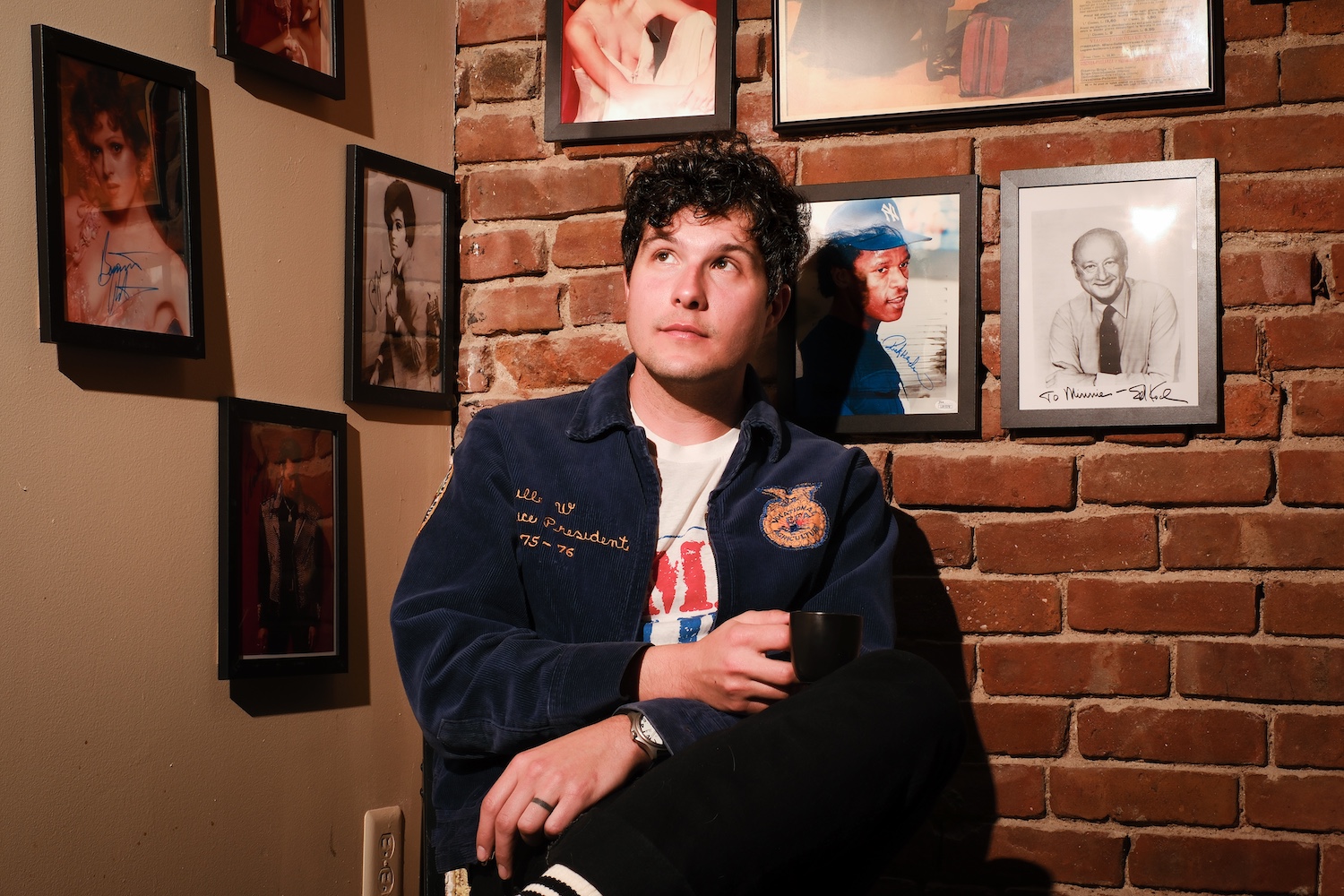
You've been touring so much for your own project and with Fantastic Cat these past few years. Have you seen this in your travels throughout the country?
Brian Dunne: Yeah, I think that’s basically where America’s at right now. We’re in a real moment of true classist America where there’s a deep, deep, deep cultural divide between who has the wealth and who does not have the wealth. And again, with the disappearing middle-class. And I really wanted to… I grew up in a very working-class family. My dad worked in a factory and that was a point of pride for our family to be part of the middle-class. And I just wonder where that goes when it goes?
Do you think the goal is to always keep moving up? Is that kind of the forever goal?
Brian Dunne: Well, it’s challenging, right? Because to me, the reason I started to sing about things like this is because I feel in a way, recused from the discussion because of my particular job. So I feel that I can stand in the breach and sing about either side of the coin. I don’t necessarily feel part of any class. I just feel like a bit of a weirdo with a notebook. Maybe that’s a cop-out. I don’t know. Because I’m a working-class musician. But yeah, that’s the strange rub of the title track, “Clams Casino”. Can I be proud of my working-class roots if I want good things, if I want a big life? If I want those clams casino on a Sunday night, does that make me a fraud? And am I, in my railing against the powers that be, just a kid who wants what he doesn’t have? And I think a lot of the album asks that question, are we doing anything as a society by shaking our fist and pushing against the man, so to speak? Or are we just angry that we’re not invited to the party? Because wouldn’t a lot of us take a seat at the party if we were invited in?
It's kind of like... What’s the power in releasing an album like this that calls it by its name and says it out loud? At the end of the day, is it moving and shaking anyone? Is it good to just call it out? Or as you posit, have we already lost and this is us just kind of licking our wounds?
Brian Dunne: Well, I think that music is a funny thing in that way because I feel like I’m more curious about just representing people accurately. I don’t necessarily have any answers, and I never have. I feel that what I’m looking for in a song is for people to recognize their situation and see themselves in it and how they feel about the end of that story is kind of up to them. So I know that the music that I love, that I found empowering, didn’t necessarily tell me that it was going to be all right. It just told me that I was not alone. And that’s what I seek to do with my songwriting. And I feel that that’s my strength as a songwriter. I don’t seek to tell anyone it’s going to be all right because actually, we don’t know. I don’t know if it’s going to be all right. I don’t know if the good guys will ever win again. I don’t know if the middle-class is going to make a comeback. I don’t know. I just know that that’s where we are right now in our American lives, and I want to make sure that people have a companion to tell them not that it’s going to be okay, but that it’s okay to feel the way they feel right now.
You can't help but keep thinking about the fact that you open this album just with the words, “I've been trying to have a good life.”
Brian Dunne: Yeah. I really wanted to edify the listener and where I was at, right? Because a big part of this kind of writing where I’m trying to follow a generation through its changes, is making sure with each album that the characters on the album grow up just enough to make sure you know where we are now. So I’ve been trying to have a good life. I felt that in my mid-30s, that’s where I was. I wasn’t actually bogged down in my angst as I maybe had been 10 years prior. I’ve actually been actively seeking a better life, but there are things, and I think that so have my peers at 36, but there’s so much that stands in our way, and there’s a treasure trove of great things on this earth, and they’re being held captive by 1%.
You have a song on the album called “Gracie Mansion,” where the mayor is supposed to live. It's got a gorgeous park right there that everybody who's local goes to, but it's also a sign of power and corruption. What's this song about for you, though?
Brian Dunne: So this is one of the first things I wrote for the record. And my initial intent was two things. I wanted to, as I said, I wanted to grow my characters up. And my first idea was I had written a lot about people on the street, people in bars, people in apartments. And I thought, how am I going to grow up the characters in my songs if I am not living a life of domesticity, right? I’m not moving my characters necessarily to the house with two kids, because that simply is not, I can’t speak to that, right? And I thought, well, maybe I just set these songs around a table. So that’s where the song starts is, in the middle of a restaurant, you caught my ear and said what you wanted. And I was thinking about at this time how much of my life I had spent in my head as a result of my own personal ambitions and my dreams. And I think what I was trying to say with this song was that real life was happening. Real life is happening now.
There’s no denying at the point I am in at my life that it’s on. I’m not waiting for it to begin. It’s happening. So if you’re stuck in purgatory of your life, if you’re waiting for your real life to begin, this is a song that was a call to action of shaking loose from some of that deluded young naivete and saying, hey, it’s on. This is your real life, whether you like it not. In the song. I just use Gracie Mansion in the same way that Paul Simon used ‘Graceland,’ that it has the word grace in the name of it. So I used it as an institution to say I have seen beauty and I have seen grace and all that comes with it. And I have still managed to avoid my real life at all costs. That’s how I’m illustrating Gracie Mansion. But I also think it’s just a fascinating place. And I had the title of my notebook for about two years because I was like, man, I got to write a song about the weird house that the mayor lives in.
The other ‘name’ on this album is “Max’s Kansas City.” Is that a real place?
Brian Dunne: Yeah, so Max’s Kansas City was a club. It was a punk rock club in the early ’70s, but it was also like a singer-songwriter joint. So it’s kind of like the nexus of where you would have like the Warhol, the factory crew and Lou Reed would have hung, but also the burgeoning singer/songwriter scene in the early ’70s. This is the most abstract song on the record. The idea of it being as a time travel song about class. And in that, I was thinking about how you are born of your circumstances, whether you like it or not. And the moment that you accept that is a moment you can finally feel peace with your circumstances. So the song starts in this like almost 1600 setting where I am railing against the members of the council and I am not a member of the bourgeoisie and I am shaking my fist at the haves. And it’s this idea that in any time I probably would have been in this circumstance and it’s easy to romanticize the past. But this probably was my lot in life.
And so it’s time to loosen up. And the reason I bring up “Max’s Kansas City” is because the most romanticized time for me as a New Yorker and as singer/songwriter is the 1970s. We’re often most people that do what I do in their moments of darkness think, oh God, if it was only 1972, I would have… I’d be goddamn Neil Young by now. And so I was illustrating this point that perhaps, perhaps, but also perhaps I would have been standing outside the club looking for a way in because perhaps I’m doomed to be an outsider and that’s okay.
What was the hardest song for you to write or put on this album? Were there any moments of difficulty this time around?
Brian Dunne: There’s always the same amount of difficulty in that I’m trying to figure out… I’m trying to put my thumb on a feeling that’s eating at me. Just about every song is something I’m agonizing about in the moment, and then when I… It’s that feeling when you’re trying to find the perfect word for a feeling. And if you can find it, it almost satisfies the feeling. There was a song called “Some Room Left,” which is probably the song on the record that I’m the most proud of, and I certainly feel the most naked about, in that it probably reveals the most about my psyche and my personal experience, in a way that, to some extent, I was worried that it was too pointed, because I never seek to write songs about my trials and tribulations as a musician, because it’s just too self-referential for me. I want anything that I’m talking about that’s personal to feel broad enough that you… The listener, could put your own problems onto. But there’s a bridge of that song that I was just sitting there thinking, I have to answer the why of this song, and I just thought, you know what, I’m just going to tip my hand and reveal my own personal failures and what eats at me.
Let's talk a little bit more about that song, if you don't mind. I'd love to hear more about it in your words.
Brian Dunne: I had written so many songs that zoomed out in broad sense and took on like a different idea of classism, but I wanted to make that trickle down to the personal and how that affects a person on their actual individual day-to-day level. So I had this first verse that said… That was talking, it was obviously about a period of malaise in a person’s life, and I wanted to say early in song, I’ve been living on the internet where all the things I cannot get, they lay in hands of people I abhor. And just this how that can affect a person’s cynicism to watch, as I said earlier, this treasure trove of beautiful things fall into the hands of some of the world’s most just ignorant, idiotic people. And how that can affect the lens with which you view the world and how.
And the song is actually a sweet song. That looking at the world through that lens can give you a deep, deep cynicism that can skew the way that you are looking at life and then you need to get back to hand-to-hand human connection and how that will bring you back to your optimism about the human condition.
Whereas with a lot of these songs, you're kind of mixing fantasy with reality, this one was most mixing reality with reality. You really pulled from Brian Dunne the person; you didn't zoom out.
Brian Dunne: I’ve tended towards periods of malaise, especially in the wintertime. I’m an East Coast kid, so I’m wired that way. And I knew I wanted to set the song around St. Patrick’s Day because it’s usually when you get the first thawing out of the winter. Obviously, it’s not the greatest metaphor of all time, the winter being your depression, the spring being the born anew. And even in that song, I still managed to slip the theme into the who gets to stay and who gets to go. I say in the last verse, well, I suppose that this is it for me. I stop and sit and sip my tea and I think I’ll probably leave here in the fall, but the night is setting in again and I find myself wondering how it’s more or less like tales we tell in bars, how the way one ends, another always starts. And this idea that this didn’t work, I did bottom out. It’s not… There’s still hope left in this vision of my life, but perhaps after this death, I will be born anew.
The album’s lead single “Play the Hits” is really special, and has resonated a lot with me. Tell me about the writing of that song and what it means to you.
Brian Dunne: It’s kind of twofold because part of it you could see it as the world telling you to go straight. “Play the Hits”, kid. But what I really wanted to illustrate with that song is, I think a lot of us, especially those of us who identify with the counterculture, spend quite a bit of time of our youth into our young adulthood swimming upstream, and I certainly feel that way. And not even considering that going with the flow is an option until perhaps you bottom out. And when you bottom out, when you’re left with… When you’re completely hard up, when maybe you’ve had that breakup that puts you out on your tail or you’ve had that going broke moment or you’ve accrued lots of debt and you find yourself, say, back at your parents’ condo just back in your mainstream American life, you might have this come to Jesus that is, have you considered the road more commonly traveled? Have you considered going with the flow? And I think for a lot of us, there was such… Especially millennials, which… Millennials coming of age, was so steeped in being progressive and countercultural that I think a lot of us never even considered the idea. And so it’s a commentary on where our generation is at? At crossroads. Are you going to take the road? Are you going to continue on the road less traveled? Because we’re getting older and it doesn’t get easier.
Or this is maybe your last chance to cross the stream and switch over to the brightly lit highway. And the song does not take any side. I’m not saying it’s a virtue. I’m just saying if you can’t cut it anymore, there is another way. But I don’t necessarily know how I feel about that because I personally feel like I remain on the road less traveled. But that is the fork in the road that our generation is at. Do you head to the suburbs and have two kids? Do you stay in New York and continue to try to hack it on the Lower East Side? Does it matter?
This is once again another singer/songwriter’s delight, a lyric lover’s paradise. Do you have any favorite lyrics on this record that resonate for you, that are especially meaningful for you?
Brian Dunne: I would say there’s one in this song that goes, “we had our time here and it was fine, dear, but now it’s time to let go.” And it’s this idea that you’ve been holding on to an idea of yourself for so long. And at some point, for me personally, I dreamed myself up until about age 26. My entire life, I only pictured myself being about 26 years old. And every year after that, I’ve just tacked on a year. But at some point, you need to take a good long look at yourself and perhaps come up with a new dream. And we had our time here. It was fine, dear, but now it’s time to let go. It’s time to accept that we are not kids anymore. So to me, that one resonates. There’s probably another couple. There’s definitely some on “Some Room Left” that I feel strongly about by the opening line. “It’s been a while since I’ve felt anything. No one knocks, the phone don’t ring, except to say my food is at the door,” which just feels like a very pointed depiction of modern American malaise. The seamless container.
I know a lot of folks my age who are living out of seamless containers and have been for ten years.
Brian Dunne: Yeah, but mostly what I feel strongest about on this album is it doesn’t pass judgment. It’s just a representation of the crossroads that we’re at as a generation. One foot in the young, one foot headed towards the older, and it’s time for decisions to be made. And for a generation that swore it was… Every generation swears it’s going to be young forever, but the millennials have made a particularly good play at it. But I think in the next decade that stands before us, that option will slowly fade off the table. And I’m curious to see where we’re going to go.
Do we become the old folks just like every generation before us?
Brian Dunne: Yeah, we absolutely will.
Does the mind become part of the old folks just like every generation before us?
Brian Dunne: Exactly. Can you hold on to your youthful idealism as your innocence is washed away? Will we remain a progressive generation, or will we slowly head towards conservatism like a lot of older generations do? And do the more anti-establishment, more countercultural figures remain those figures or do they become establishment figures?
I guess we'll just have to wait and see. Coming out of Selling Things, I could never necessarily picture Loser on the Ropes, and coming out of Loser on the Ropes, I could not have imagined Clams Casino. This feels like your most societally-focused record yet. I think your messages are clearer and more universal than anything you've ever put out before. Where do you think you and your characters go from here? If we're lucky enough to still be here in a few years’ time, what do you think we'll be talking about then?
Brian Dunne: I don’t quite know yet. I suppose it depends on where we all go. I will do what I think I do best, which is I will just when I sit down to write the next record, I’ll put my finger up in the air and take the temperature of what I feel is interesting about people. Because the thing is, I’m also not writing about the entirety of the world. It’s what I… This is what I found interesting right now. And I felt like I could see strange occurrences, personality shifts, people that once carried themselves one way, doing a full 180. And justifying that in just the way, and I thought it was simply interesting that our generation now had history. It’s our first wave of nostalgia. And I don’t know. I guess it depends on the way my life goes and who I’m surrounded with. Maybe in two years I’ll be writing a record about what happens after success. That would be awesome. I’d love that. Maybe, something tremendous will happen, and I’ll be writing about that. Or maybe I will just continue to mirror what I feel are the changes within my generation as we inch closer to 40 years old. Maybe I’ll make an adult contemporary record like James Taylor’s ‘New Moon Shine’ that sounds like a glass of Chardonnay. I doubt it. I don’t think I have that in me. Go full sting.
Speaking of the sonics on this record, there's such a breath of life in there. And you have been more prolific than most recently, carrying two torches at once with both the solo project and Fantastic Cat. I'll be the first one to say, I definitely thought Fantastic Cat was going to be this is one-time thing –
Brian Dunne: You and me both!
But I guess, when you're having fun, why do you need to stop? I just feel like this record is especially so alive. What were your goals musically? I'd love to talk about the actual sound of this album.
Brian Dunne: Yeah, I knew I wanted to make a punchier rock record than Loser on the Ropes. Loser on the Ropes was really lush, and it had like a broad atmospheric quality to it, and it just felt like what the world felt like to me in that particular moment. We were coming out of the pandemic, had never lived through something like that. So I wanted that music steeped in a little bit more mysticism and a little more ethereal, to have a slightly more ethereal quality. Although there are punchy rock songs on that to break that up, but songs like “Sometime After This” or even “Loser on the Ropes,” the title track, have a breath-like quality. I wanted this record to be a little bit more plain spoken.
Musically speaking, because I felt that that was what I was singing about. I felt that the music matched the lyric, and I always kind of used the lyric to guide the sonic quality of the record. So ‘Loser on the Ropes’ had a dream-like quality to the lyricism, and I felt that this was a little bit more, even just the first single being “Play the Hits.” It’s a call to arms of like, cut the bullshit. And so that’s what I aimed for with the music. Most of the album is built around two guitars, bass, drums, and synthesizer, and I wanted it to just feel very alive – for every song to feel as economical as possible.
So the music mirrors some of the themes at the end of the day.
Brian Dunne: Absolutely.
In the spirit is paying it forward, who are you listening to these days that you recommend?
Brian Dunne: Well, I mean, Ken Yates would be my first recommendation always. We go way back, but his new record is one of my favorites. It’s my favorite that he’s ever made, and it’s just an incredible piece of work – a truly realized piece of art, and I’m really super proud.
What else am I listening to? I’ve been spending a lot of time with the Kinks. We just did a show with Lucius, and I’ve been going back through their back catalog and really enjoying a lot of their older stuff that I hadn’t been too terribly familiar with. I really enjoy Saya Gray, this artist, and this band Toledo. So that’s kind of what I’ve been chewing on. Oh, another band called Tobacco City. So yeah, I’m always kind of just… I keep like an ongoing playlist of things that just speak to me and I kind of build around it. I’m always a massive fan of Caroline Rose. I get a lot of inspiration from them. I’m trying to think who else I kind of call upon. Yeah, just all my singer-songwriter friends, Matt Susich, Liz Longley. I’m kept on my toes by my peer group and their brilliant work.
What do you hope listeners ultimately take away from Clams Casino, and what have you taken away from creating it and now putting it out?
Brian Dunne: Well, for me, I always feel that if I do my job right, I always feel personally satisfied in that I was really struggling with a lot of this stuff when I was writing it. These were the real questions I was asking myself. Who do I want to be? How am I going to survive through this moment? And music inherently is cathartic. Writing these songs was a cathartic experience. This is where I was at in my life and the things that I was struggling with and the things that were testing my optimism.
So personally, I feel very complete in a way, because for some reason, if I’m struggling with something, if I can turn it into a song, I can put it to bed. It satisfies that need in me. But what I hope people take away from it is what I always hope they take away from it, which is I hope they recognize themselves. My theory on songwriting is that good or bad, if you paint an accurate picture of somebody’s life, whether it’s flattering or unflattering, they will be inherently drawn to it just by how accurately they’re being depicted.
And I don’t set out to make them necessarily feel better. I just set out to make people feel recognized. And so what I hope people take away is that I hope they feel deeply, deeply recognized, good or bad or ugly or brilliantly. I want people to listen to these songs and know that their human experience is not solitary.
— —
:: stream/purchase Clams Casino here ::
:: connect with Brian Dunne here ::
— —
Stream: ‘Clams Casino’ – Brian Dunne
— — — —
Connect to Brian Dunne on
Facebook, 𝕏, TikTok, Instagram
Discover new music on Atwood Magazine
© Marianka Campisi
 © Marianka Campisi
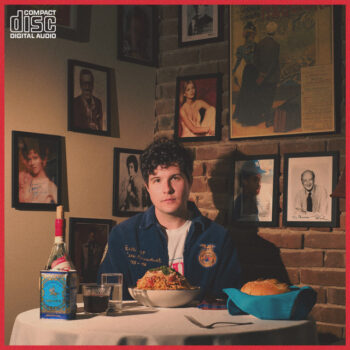
Clams Casino
an album by Brian Dunne