Atwood Magazine is excited to share our Editor’s Picks column, written and curated by Editor-in-Chief Mitch Mosk. Every week, Mitch will share a collection of songs, albums, and artists who have caught his ears, eyes, and heart. There is so much incredible music out there just waiting to be heard, and all it takes from us is an open mind and a willingness to listen. Through our Editor’s Picks, we hope to shine a light on our own music discoveries and showcase a diverse array of new and recent releases.
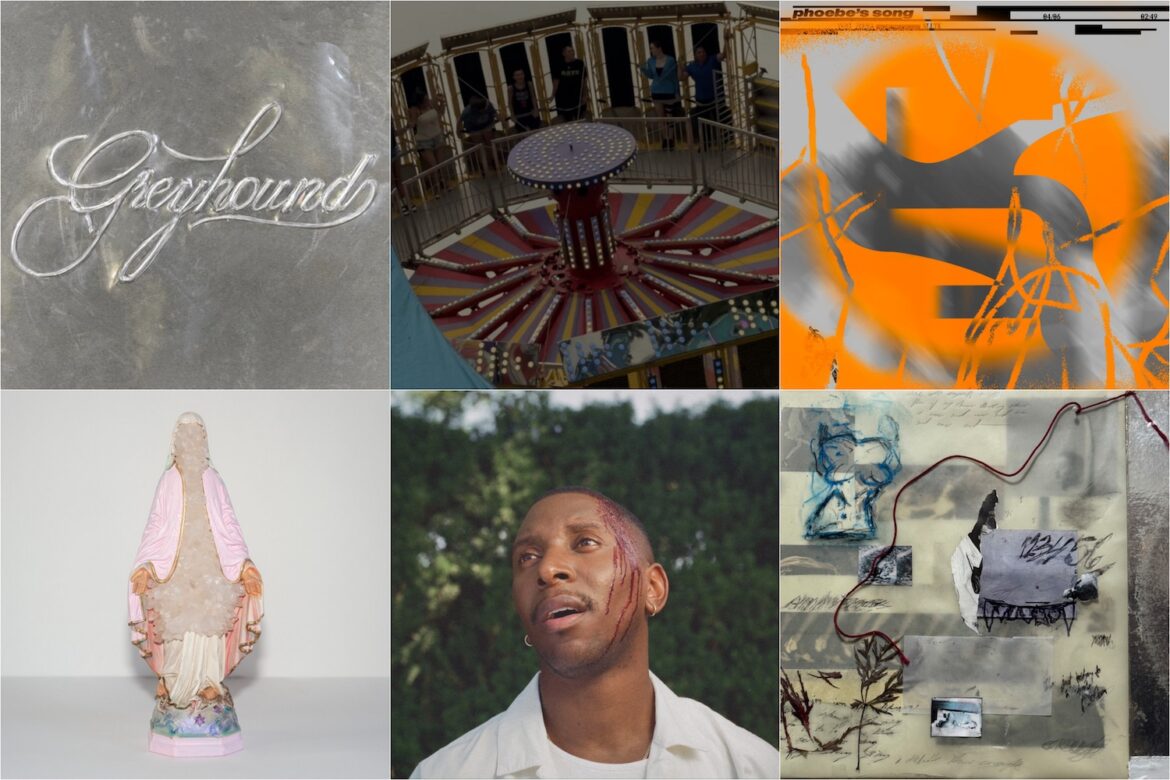
This week’s Editor’s Picks features The Format, Elijah Wolf, mer marcum & Jia*, Samm Henshaw, Katie Tupper, and Yumi Zouma!

 follow EDITOR’S PICKS on Spotify

Boycott Heaven
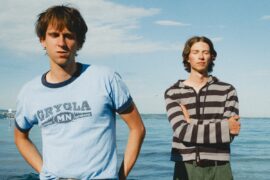
by The FormatThe Format were never a band built for closure. Even at their most romantic, their songs carried that extra voltage – a restless, questioning pulse that made the sweetest melodies feel like they were still searching for ground. So hearing them again in 2026 doesn’t land like a nostalgia play or a reunion victory lap. It lands like a revelation: Two old friends walking back into the room, turning the lights on, and daring themselves to say something that matters.
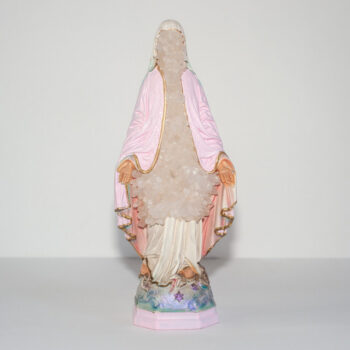
That’s the energy at the heart of “Boycott Heaven,” the title track from Boycott Heaven, The Format’s long-awaited third album, out January 23, 2026 via The Vanity Label. It’s hard-hitting and triumphant, yes – but it’s also thorny, searching, and spiritually combustible, built less like a straightforward anthem than a pressure valve slowly twisting open. The song doesn’t just announce the band’s return; it interrogates what we’ve been promised, what we’ve been taught to worship, and what we cling to when the old answers stop working.
On my, I will pray to the paper
But the people on the way there,
just a distant memory
On my, throw the baby with the water
And anoint your sons and daughters
with some ancient history
Holding on to something
Letting go of nothing
Holding on to something to believe in
Something to believe in
Something to believe in, oh
The phrase “Boycott Heaven” is provocative on its face – spiritual, political, personal all at once – and Sam Means loves that it refuses to behave like a single, settled definition. “To me, it just kind of encapsulated a lot of the things that I was feeling,” he reflects. “Heaven can be a lot of things… it could just be a reward. It could be whatever.” That elasticity is the point. Means is clear that “this isn’t a literal ‘anti-religion’ album at all,” but rather an invitation to sit inside the question: What are we doing this for? “It does really capture so many things about how I feel about the way the world exists today,” he says. “It seems like more and more today, some people are going through life, kind of stomping on things in order to get to the other side… and sometimes you have to call that out.”
Nate Ruess, for his part, frames the song’s core as a present-tense moral urgency – a refusal to outsource goodness to some far-off reward. Asked what “Boycott Heaven” means to him, he replies: “I think… I’m saying there’s more to do in this life – mainly more good to be done in this world – so try to focus on now as opposed to where you are maybe headed next.” It’s not abstract for him. It’s insistently human. If we’re waiting on the afterlife to justify our choices, what happens to the people living inside the consequences right now?
You can hear that tension immediately in the song’s opening scene – a modern ritual rendered with razor clarity: “On my, I will pray to the paper, but the people on the way there just a distant memory.” In a few lines, sung with Ruess’ charismatic passion and angst, “Boycott Heaven” sketches a world where faith becomes procedure, where tradition becomes inheritance, where devotion can blur into habit. Then comes the ache that defines the track’s first half: “Holding on to something, letting go of nothing. Holding on to something to believe in.” It’s a phrase that feels like a confession disguised as a chant – the human need for structure and meaning colliding with the fear of admitting the structure is failing you.
It’s a long line
and it bleeds into the pavement
Sixty-something words to save them
from this recent misery
So ask why-y-y you will
never see the truth
The many ways in which it’s bruised
all of the people you knew
Holding on to something
Letting go of nothing
Holding on to something to believe in
Something to believe in
Something to believe in, oh-oh-oh-oh
And then – like only The Format can – the song pivots from contemplation to combustion. The words hit with the blunt-force honesty of someone who’s done pretending: “Lost my motivation, wasn’t much for chasin’ the cross,” Ruess confides. “Boycott Heaven ‘cause there’s gotta be somewhere better far from the sun.” It’s defiant, exhausted, lucid – a line that doesn’t deny the longing for belief, but rejects the institutions and bargains that so often come with it. Means calls attention to what happens next, too – how the song refuses to end in certainty. “If you listen to the lyrics at the end of that song,” he says, “the chant is, ‘we all could use something’… You need some sort of light at the end of the tunnel to look toward as you’re getting through life.” In other words: The song isn’t preaching disbelief. It’s asking what belief costs – and what it’s supposed to give back.
Lost my motivation,
wasn’t much for chasing the cross
Boycott Heaven ’cause there’s gotta be
somewhere better, far from the sun
Holy roller, please,
the damage to your knees
is something that cannot be undone
So boycott Heaven ’cause they
never, ever gave a f*** about us
That unsettled honesty shows up in one of the cleverest lyrical moves on the track: That inversion near the end. After repeating “Holding on to something, letting go of nothing,” Ruess flips the line into its uneasy mirror: “Holding on to nothing, letting go of something.” Means loves that twist because it quietly admits uncertainty – “a clever little way to just point out, ‘I’m not definitively right here.’” That’s what makes “Boycott Heaven” feel so raw, so real and lived-in: It isn’t a manifesto; it’s a conversation held at full volume, the kind where conviction and doubt trade places mid-sentence.
Holding on to nothing
Letting go of something
Holding on with nothing to believe in
Something to believe in
Something to believe in
Nothing to believe in
Something to believe in
Something to believe in
Something to believe in
Oh-oh-oh-oh-oh
The story of how this album even exists makes that urgency hit harder. Means describes The Format’s whole return as “pretty spontaneous” – not a long-plotted comeback plan, but two friends pulled back into orbit by the sheer gravitational force of making something good. The catalyst was Ruess teaching himself guitar and recording in his basement. Means visited, heard the demos, and couldn’t believe they were just sitting there: “I was like, ‘what are you doing with this stuff? Like, this is great!’ And he’s like, ‘nothing. I’m just having fun.’” A few months later: “Maybe we should do something with this.” Recording began in January 2025, and once it started, it moved fast – weekends, flights, back-and-forth files, momentum building into inevitability. “We didn’t even have a conversation about it… It wasn’t like, well, what’s this going to be? … It was just two friends making music,” Means says. “And about halfway through, it was like, is this a Format record? I think my response was, ‘What else would it be?’”
That’s why “Boycott Heaven” hits like more than a standout track – it reads like the album’s thesis statement, the emotional and philosophical center of a record that’s clearly trying to meet the world as it is. Means says it outright: “It’s called ‘Boycott Heaven’ for a reason. It’s the title track. It kind of explains what’s going on.” And there’s something deeply moving about a band returning after nearly two decades not to smooth over their sharp edges, but to sharpen them – to write songs that still crackle with melody and wit, while staring directly at the chaos outside the window.
As an album, Boycott Heaven feels like The Format refusing to shrink themselves to fit the comfort of a comeback narrative. It’s leaner, louder, and more guitar-forward than anything they’ve made before, recorded with a deliberate live-band urgency that favors momentum over polish. Across tracks like “Holy Roller,” “There’s No Gold at the Top,” “Human Nature,” and “Leave It Alone,” the record grapples with disillusionment, moral fatigue, and the slow erosion of inherited beliefs – not from a place of cynicism, but from hard-earned clarity. These songs don’t posture or preach; they observe, question, and push back, tracing the emotional toll of growing older in a world that feels increasingly unmoored. From the defiant spiritual reckoning of lead single “Holy Roller,” to the clear-eyed indictment of ambition and rot on “There’s No Gold at the Top,” and finally to the devastating moral clarity of “Leave It Alone” – which confronts the violence unfolding in Gaza with a directness that’s impossible to shake – Boycott Heaven reveals itself as a record not just about belief, but about responsibility. What emerges is a body of work that’s restless but focused, intimate yet outward-looking – an album less interested in answers than in honesty, and all the friction that comes with it.
Boycott Heaven is also deeply shaped by the time lived in between records – by adulthood, parenthood, and the lived responsibility of staying present in a world that often rewards disengagement. Where the album’s disillusionment is clear, its refusal to detach is even clearer. These songs sit inside contradiction rather than resolving it: Hope without certainty, anger without nihilism, tenderness without naïveté. There’s no attempt to sand those tensions down or pretend clarity comes easily. Instead, the record documents what it feels like to keep showing up anyway – to choose engagement, meaning, and care not because they’re guaranteed to be rewarded, but because opting out feels like a deeper kind of loss.
For Ruess, that sense of necessity is inseparable from who he and Means are now. “I think we developed as songwriters, but more importantly we developed as people,” he says. “If you’re true to who you are, whatever you’re creating is going to be authentic. This feels like us as people right now.” That grounding is felt across Boycott Heaven, where reflection doesn’t soften the music’s edge – it sharpens it. The album doesn’t attempt to sound younger or wiser than it is; it sounds present. In that way, Boycott Heaven isn’t about closing a chapter or rewriting the past, but about honoring the fact that growth leaves marks – on voices, on values, and on the questions that refuse to disappear with time.
“I just want people to like it and internalize it the same way they have our old stuff,” Ruess shares. “It’s been such a surprise after all these years that people have stuck around, and they’ve stuck around because of what the songs meant to them. I hope this album has the same effect and also brings new people along the way. What I’ve taken away from it is that I actually do enjoy writing and recording music. I’m still very on the fence about the playing life thing, though!”
By the time Boycott Heaven arrives tomorrow, what will feel most miraculous isn’t just that The Format are back – it’s that they sound like themselves and like who they’ve become. Means puts it best when he talks about the album as a whole – it’s “totally unique while also… absolutely a Format album.” The sound is bigger, bolder, more guitar-driven – recorded with that intentional live-band immediacy – but the heartbeat is the same: A band that turns discomfort into catharsis, questions into choruses, and fear into something you can sing back.
“Boycott Heaven” doesn’t hand you comfort. It hands you clarity – the bracing kind that doesn’t let you look away. It’s a song about belief as a human need, and belief as a human trap; about the temptation to wait for salvation, and the moral necessity of choosing the present anyway. It’s the Format’s grand return, yes – but more than that, it’s a reminder of why their music mattered in the first place: They’ve always known how to make uncertainty feel like something you can hold – something to believe in.
So let it go (Mm, mm)
Let it go (Mm, mm)
Let it go (Mm, mm)….
“texaco lights”
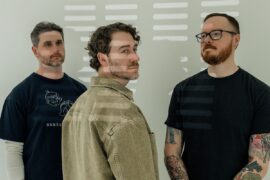
by Elijah WolfThere’s a certain kind of light that only exists late at night in small towns – fluorescent, unmoving, and seemingly old as time. At once imposing yet familiar, it’s a light that watches years pass, holding you in place while you start wondering who you might’ve been if you’d left when you first said you would. You stand beneath it on cracked pavement, surrounded by silence and tire marks, realizing how long that promise has been quietly renegotiated with yourself. That tension hums through “Texaco Lights,” a hypnotic, slow-churning gut-punch from Elijah Wolf that aches with longing, regret, and the quiet devastation of unfinished departures. Built on brooding guitars and a steady emotional churn, the song doesn’t rush toward catharsis so much as sit inside it, circling the same questions over and over until they start to bruise.
Released October 22, 2025 via Mtn Laurel Recording Co., “Texaco Lights” feels like a reckoning with hometown gravity – the kind that pulls even when you’ve gone. “Wanted a different life, born in a different town, under the Texaco lights, over the tire marked ground,” Wolf sings, immediately grounding the song in a landscape of asphalt, gas station glow, and restless dreaming. The Texaco lights themselves become a stand-in for everything that kept him tethered – a small-town beacon that illuminates both belonging and entrapment. There are no stars here, no cinematic escape routes – “not a star to be found” – only the stark truth of staying longer than you meant to.
“‘Texaco Lights’ is a song about growing up in a small town, and growing up wanting to get out so bad,” Wolf tells Atwood Magazine. “Thankfully, I really love where I grew up. It’s strange because during the pandemic, my town Phoenicia really became particularly crowded with folks moving in. I totally get it, and understand why people would want to move there, but I felt that there was this romanticizing of that area in particular, that really swept a lot of the truth under the rug. The Catskills are full of magic, but also hold an intense truth for a lot of people. Growing up in some of those towns was hard, and those stories make up this song, and the rest of the songs on my next record.”

wanted a different life
born in a different town
under the texaco lights
over the tire marked ground
i’m gonna leave you one day
if i ever get out
under the texaco lights
not a star to be found
That push-and-pull mirrors Wolf’s own path. Raised in Phoenicia, New York in the Catskill Mountains and now based in Ridgewood, Queens, Wolf has spent the last decade building a deeply intentional body of work – from On the Mtn Laurel Rd. to Forgiving Season – while also stepping back from his own releases to found Mtn Laurel Recording Co., an indie label (and Atwood favorite) rooted in community, care, and artist-first values. For two years, he poured his energy into lifting others up, putting his own music on pause until an unexpected call to open for Julian Lage reawakened something essential. Playing solo night after night, Wolf found himself chasing that original feeling of discovery again – the same feeling that led him back to a half-finished song waiting quietly on his laptop.
That song became “Texaco Lights.” Finished alongside Felix Walworth (Told Slant), the track carries the weight of hindsight without trying to tidy it up. “Every American dream / cold sweats in the night / coming apart at the seams,” Wolf sings, collapsing aspiration and anxiety into the same breath. The song doesn’t romanticize escape or condemn staying – instead, it lives in the uneasy middle, where people you love let you down, where leaving feels both necessary and impossible. “Now the song could be about anything,” Wolf reflects. “Self-doubt, future exploration, people letting you down. I put my true meaning into it, and now I want it to feel vague for me so it can feel specific for someone else.” “When I call you up and I come around / and you always let me down,” he admits, the line landing with the dull ache of a truth you’ve rehearsed too many times.
when i call you up and i come around
and you always let me down
“I’ve really been thinking a lot about the people I knew growing up in Phoenicia,” Wolf reflects. “Some really intense stuff. Playing in bands with my friends, we all just wanted to get out and see the world. I think we all really loved it there, and definitely still do. But there was this feeling any kid would get in a small town who’s curious about things outside of a mountain range. For me, discovering punk and hardcore was a window into what could be out there.”
every American dream
cold sweats in the night
coming apart at the seams
you’re in the back of my mind
it was clawing at me
under the texaco lights
thirty years in this place
i wanted a different life
Sonically, the song leans into that unrest. The guitars feel heated but restrained, nodding toward Midwest emo and ‘90s indie rock without slipping into nostalgia for its own sake (Wolf credits bands like Modest Mouse and Built to Spill as influences). There’s a churn beneath everything – a sense that the song is constantly circling the same emotional block, unable or unwilling to break free. That repetition becomes the point: This is what it sounds like when a place keeps its hooks in you, even after you’ve built a life elsewhere.
What makes “Texaco Lights” linger is its refusal to resolve. Wolf has said the song is intentionally vague now – specific enough to hold his truth, open enough to let someone else find theirs inside it. That openness is its quiet power. It’s a song about self-doubt, about futures imagined and deferred, about the complicated love we carry for where we come from. And when it ends, it doesn’t offer closure – just the lingering glow of those lights, still burning, still calling, still impossible to forget.
“I hope it feels good for people,” Wolf says simply. “I hope there’s something in there that speaks true.”
In that way, “Texaco Lights” feels less like a return and more like an honest pause – a moment of standing still and admitting how much of us remains shaped by the places that raised us. It aches, it churns, it hits hard – and long after it fades, it leaves a mark exactly where it should.
“Body”
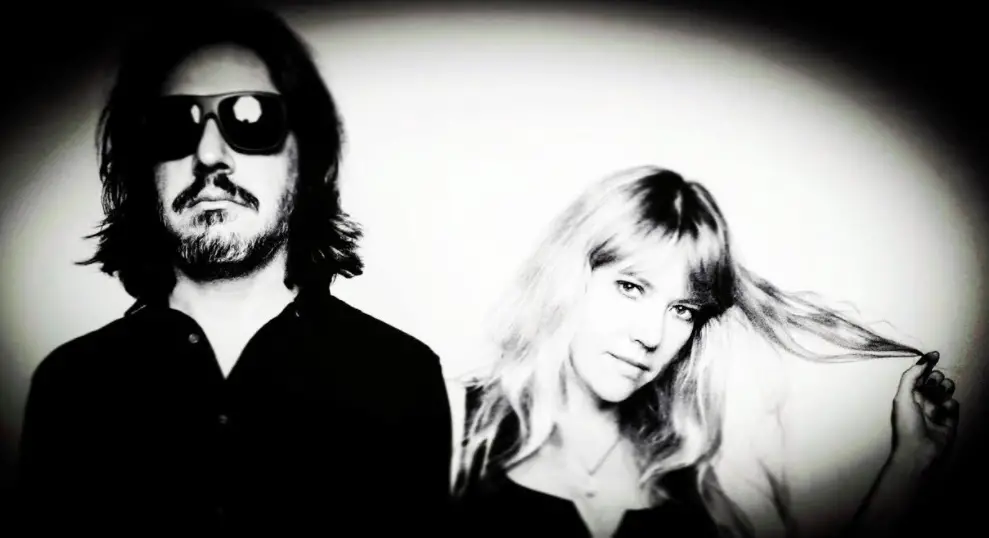
by mer marcum ft. Jia*There’s a particular kind of stillness that only comes when you stop running from yourself – when you finally listen to what your body has been trying to say all along. That’s the space “Body” inhabits: A hushed, hauntingly beautiful moment of reckoning and release from mer marcum, featuring the warm, soul-stirring harmonies of Jia*. Built on a gentle, aching guitar line and voices that seem to breathe in unison, the song unfolds like a confession whispered inward to yourself – tender, exposed, and deeply alive.
Released January 9th, “Body” doesn’t rush its revelations. Instead, it moves with patience and care, letting emotion surface through repetition, restraint, and breath. Marcum’s voice feels close enough to touch, carrying a vulnerability that never performs its pain, but allows it to exist. Lines like I’m listening, listening to my body land with quiet force, framing the song as an act of attention – to memory, to trauma, to the ways we carry experience not just emotionally, but physically. The result is indie folk at its most intimate: Less storytelling than shared presence, less resolution than recognition.
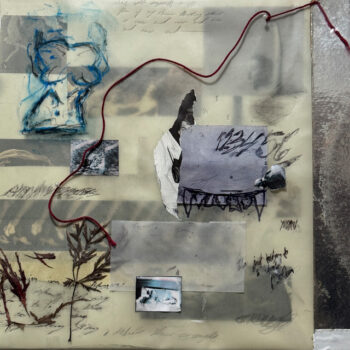
I’m listening, listening to her sing
While I’m taking a shower
I’m finally getting clean
I’ll wash you off for hours
I’ll let the water run blue
But nothing could remove
the taste I have of you
That intimacy is rooted in who these artists are and how they move through the world. mer marcum, a Waco, Texas–born, Brooklyn-based singer-songwriter and producer, has steadily emerged as one of indie folk’s most quietly arresting new voices, blending lyrical intimacy with a willingness to sit inside discomfort rather than resolve it. After releasing music under a previous moniker and earning early support from NPR’s Bob Boilen, Marcum has since found her stride under her own name, crafting songs that feel less like confessionals and more like open rooms you’re invited to enter.
Jia*, the Los Angeles–based duo of siblings Jake and Sophia “Fia” Augustine, bring a complementary emotional fluency to “Body,” known for their warm, R&B-inflected harmonies and instinct for restraint. Together, their voices don’t compete for attention – they listen, respond, and hold space, mirroring the song’s central act of care.
At its core, “Body” grows from Marcum’s reckoning with the idea that our bodies remember what our minds try to outrun. Long before she had language for it, she was circling the truth behind Bessel van der Kolk’s The Body Keeps the Score – a book she admits she wasn’t ready to face. “They say the body keeps the score, and for a long time I believed certain people and experiences would have a permanent hold on me – like an eternal iron grip,” she shares. “I never actually read The Body Keeps the Score; it sat on my nightstand like something I wasn’t ready to face, so instead, I wrote a song.” Rather than narrating trauma directly, “Body” traces its residue – how memory settles into muscle, habit, and sensation, quietly shaping how we move through the world.
That awareness surfaces most clearly in the song’s lyrics, which ground emotional release in everyday ritual. I’m listening, listening to her sing / while I’m taking a shower / I’m finally getting clean, Marcum sings, letting water become both witness and attempted absolution. The desire to wash something away is met with resistance: nothing could remove the taste I have of you. Listening becomes the song’s central verb – listening to others, to memory, and finally inward. Mia says it’s been keeping score, she offers later, naming the truth the song has been circling all along. As the final refrain dissolves into layered voices repeating around, around, around, the song stops moving forward and begins to surround you, mirroring how emotion loops rather than resolves.
I’m listening, listening to my body
Mia says its been keeping score
I wonder how she knows as much as she does
When I was her age I didn’t know enough
I’m listening, my ear is to the ground
I heard what you said
Word gets around
Around, around, around
Around, around, around
Around, around, around
That sense of exposure extends directly to how “Body” was made. Originally conceived as a layered, electronic demo, the song only found its true shape once Marcum allowed it to be dismantled alongside Jia*. “I brought ‘Body’ to them as this super overproduced demo I had made, and they whittled it down and excavated from it this form, which is super exposed and stripped back,” she explains. Recorded live at Wasatch Studios in Los Angeles, the final version preserves first takes – Marcum’s vocal, Jake Augustine’s guitar, Sebastian Jones’ bass – untouched and unguarded. “I didn’t double my vocals, we didn’t really comp anything,” she says. “Feels close to magic.”
That restraint is felt in every breath. Jia*’s harmonies don’t decorate the song so much as hold it, weaving softly around Marcum’s lead like a second pulse. The result is a shared vulnerability rather than a solo confession. “This song makes me feel naked,” Marcum admits – and you can hear it. Every hesitation, every swell of harmony, every silence feels intentional and human in the best possible way.
The collaboration itself grew organically. Marcum first encountered Jia* through a friend, sensing immediately that their emotional sensibilities aligned. When the song stalled in its original form, the group chose to stop forcing it and start fresh. That decision – to listen rather than push – mirrors the song’s own message. “It was scary to let go of the guitar part and melody I had brought in because I was pretty attached to it,” Marcum reflects. “But what a great lesson to learn that when you aren’t so attached to things and you’re willing to let them change, who knows what they’ll become.”
That philosophy carries through the song’s emotional impact. Inspired by the idea that our bodies never forget, “Body” is less about recounting specific events than evoking a sensation – the slow realization of how deeply we’re shaped by what we’ve lived through. Marcum describes it as learning to listen differently: noticing how self-talk, care, and neglect register physically over time, and how awareness itself can become healing. That sensitivity pulses through the song’s structure, especially as its final verse circles and echoes, letting “word gets around” gently surround the listener like a thought you can’t quite shake.
In the end, “Body” feels like both a prayer and a quiet affirmation. It doesn’t offer answers so much as attention. It invites you to slow down, to notice what you’ve been carrying, and to trust that listening itself can be an act of care. Soft without being fragile, exposed without being unsafe, the song holds space for feeling without demanding resolution. It’s a song to walk with, to sit with, to let wash over you slowly – and in its stillness, it offers something rare and generous: Permission to feel, to listen, and to trust what your body already knows.
“Float”
by Samm HenshawLonging doesn’t always scream. Sometimes it drifts – suspended between what was and what might still be, heavy with memory, devotion, and the fear of being left unmoored. That ache runs through “Float,” a smoldering, soul-stirring plea from Samm Henshaw that captures the quiet terror of loving deeply and losing the gravity that once kept you grounded. Built around doubt, tenderness, and the fragile space between holding on and letting go, “Float” moves with a hushed intensity, drawing you inward with the kind of emotional weight that doesn’t announce itself, but lingers all the same.
Here we go again
Search for love in the wrong places
How can I be so blind?
I had you at your best
Like the beauty of our sunset
Never know when it’s bound to end
When you said that you loved me
Babe, did you mean that always?
(Can we turn back the time)
(Treasuring back the night?)
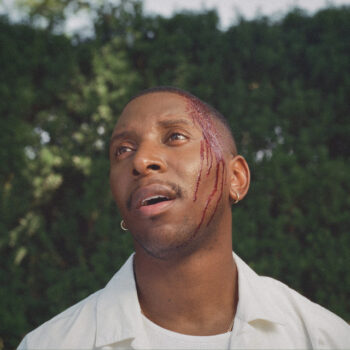
First released in November, “Float” appears on It Could Be Worse, Henshaw’s sophomore album, which arrived digitally this week following a deliberate, vinyl-first release. Written in the wake of his first true heartbreak and recorded entirely with live musicians, It Could Be Worse is an album about grief, healing, and the clarity that comes from sitting with pain long enough to understand it. A London-born Nigerian artist whose work lives at the crossroads of soul, blues, pop, and alternative R&B, Henshaw has long built a reputation for feeling out loud – transforming raw emotion into songs that live somewhere between Sunday mornings and a smoky jazz club. For all of these reasons, Henshaw has become a longtime Atwood Magazine favorite – a two-time Editor’s Picks artist and ‘Artists to Watch’ honoree whose work continues to deepen rather than dilute with each release. And on “Float,” those instincts deepen into something more restrained, more vulnerable, and even more devastatingly honest – truly one of his greatest songs yet, and a beautiful addition to the modern soul canon.
At the emotional center of “Float” is its chorus – a plea that feels as fragile as it is resolute. “Don’t let me float, darlin’, the world looks so much better with you,” Henshaw sings, his voice carrying the weight and ache of someone afraid of losing their tether. It’s not a demand or a declaration, but a quiet request born of love and fear in equal measure. The repetition of “Don’t let me float” turns the phrase into a mantra, giving voice to the universal dread of being left to drift once something beautiful has slipped from reach.
Don’t let me float, darlin’
The world looks so much better with you
Don’t let me float, darlin’
There’s so much more that we said we’d do, oh, ah
Don’t let me float
Don’t let me float
(Float without you)
That sense of suspension mirrors the song’s origin. Henshaw recalls writing “Float” during a brief, emotionally charged session in Los Angeles, just hours before boarding an eleven-hour flight home after learning of his grandmother’s passing. The trip itself felt bittersweet – a moment of transition compounded by loss and absence. “You’re going home and you’re like, the person I go home to, I can’t go and see,” he reflects. “And on top of that, they weren’t there.” In that moment, an image crystallized in his mind: “I just saw two balloons floating together, and then one leaving – and the other one on its own, having to figure itself out.” The metaphor immediately unlocked the song’s emotional core. “I was just like, ‘Oh yeah… don’t let me float. The world looks so much better with you.’”
The urgency of that realization carried through the song’s creation. After finishing the session, Henshaw boarded the flight and listened to “Float” on repeat for the entire journey. “I genuinely believe if it was on streaming platforms, I would’ve given it a million listens single-handedly,” he laughs. But beneath that humor is a deeper truth: “That was the song that made me go, ‘Oh, this is my album.’ Once we did that, I knew what It Could Be Worse was going to sound like.” “Float” didn’t just capture a feeling – it set the emotional and sonic compass for everything that followed.
Don’t you ever tell me this ain’t love
I’d still be there on the worst nights
Prayin’ the wind blows me by your side
By your side
Do you ever think we didn’t try enough?
Words that I don’t wanna live by
I’d like to think we’ve got endless skies
Tell me why
could we turn it, baby?
(Treasuring back the night?) Oh
When you said that me you loved me
Babe, did you mean that always (always)
Always (always), always, always (always)?
Sonically, the song breathes with restraint. Delicate piano lines drift through a hazy, live-band groove, anchored by a supple bassline and understated percussion that allow Henshaw’s voice to remain front and center. There’s heat in the performance, but it’s controlled – smoldering rather than explosive – creating a sense of closeness that feels almost confessional. The live instrumentation adds warmth and spontaneity, giving the song the texture of something unfolding in real time rather than being meticulously assembled.
That philosophy extends across It Could Be Worse as a whole. For Henshaw, soul isn’t a genre so much as a feeling – “life and emotion,” as he describes it – and the album reflects that belief. Rather than building from references or stylistic templates, the record was shaped by chasing a specific emotional truth: the feeling he gets when listening to artists like Aretha Franklin, Marvin Gaye, Curtis Mayfield, or Otis Redding. “It didn’t start with sounds,” he explains. “I was trying to find the thing that I feel when I listen to those records.” That pursuit results in a body of work that feels timeless without being retro, grounded not in imitation but in emotional honesty.
In that context, “Float” stands as both a pillar and a thesis. It captures the album’s central tension – between grief and gratitude, loss and clarity, drifting and grounding – with disarming precision. By the time It Could Be Worse comes into focus, it’s clear that “Float” wasn’t just a song written in a moment of transition; it was the moment everything aligned.
In the end, “Float” lingers because it speaks to something deeply human: the fear of being untethered after love, and the hope that someone, somewhere, might still be holding the string. It’s a song about impermanence and devotion, about learning to sit with loss without hardening your heart. For Samm Henshaw, it’s both an emotional breakthrough and a quiet act of courage – proof that sometimes the most powerful thing a song can do is admit how badly we don’t want to drift alone.
Don’t let me float, darlin’
The world looks so much better with you
Don’t let me float, darlin’
There’s so much more that we said we’d do
Don’t let me float
Don’t let me float
(Float without you)
“Safe Ground”
by Katie TupperLove doesn’t always arrive with urgency or spectacle. Sometimes it moves low and slow, a steady warmth that settles into the body and stays there – the kind of love that listens, holds space, and offers shelter without asking anything in return. That’s the devotion at the heart of “Safe Ground,” an intoxicating, slow-burning soul confession from Katie Tupper that feels less like a performance and more like an embrace. Smoky, brooding, and all-consuming in its restraint, the song draws you in close, meeting you heart to heart in a way that feels intimate, grounded, and deeply human.
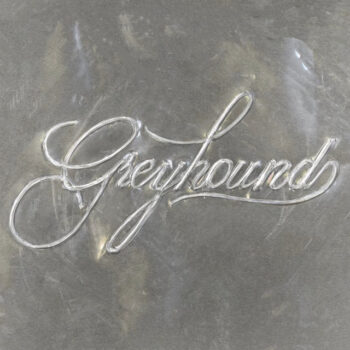
A standout from her brand new debut album Greyhound (released January 21st via Arts & Crafts), “Safe Ground” arrives at a defining moment for Katie Tupper. Born and raised in Saskatoon, Saskatchewan, Tupper brings her prairie roots into conversation with a sound shaped by neo-soul, R&B, and indie intimacy, drawing influence from artists like D’Angelo, Erykah Badu, and Sade while carving out a voice entirely her own. Even ahead of her debut full-length, Tupper has quietly built a global audience – amassing millions of streams, earning a JUNO Award nomination for Traditional R&B/Soul Recording of the Year, and emerging as one of Canada’s most compelling new soul voices. With Greyhound, she steps fully into that promise, offering a body of work rooted in emotional honesty, cyclical self-examination, and the slow, necessary work of learning when to chase and when to stay.
I sleep better when I’m in the city
Better when I’m staying busy
When I’m running around
And see I know holding
me down is a full time
You make it feel like it’s so light
I need you to know
That emotional clarity is felt most powerfully in the way Tupper sings – not to impress, but to envelop. “Safe Ground” reveals one of Tupper’s most powerful instincts as a songwriter: Her ability to translate feeling into atmosphere. Her voice moves with a heavy, enveloping heat – a dusky alto that wraps soul, indie, and alternative R&B into something tactile and magnetic. But beneath the song’s smolder lies its emotional core: A platonic love song written for her best friend, a promise of presence and protection. As Tupper shares, “This is my platonic love song. I wrote it to my best friend about how lucky I feel to know her. It is my promise to her to always be a safe spot for her to land.” It’s a rare and beautiful kind of intimacy – love expressed not through longing, but through devotion, care, and the quiet power of being someone’s home.
The chorus of “Safe Ground” is where the song fully exhales, sinking into its own gravity. “When the tides are low, I’ll always be your safe shore,” Tupper sings, her voice moving in slow, deliberate waves, each line carrying the weight of a promise meant to be kept. Rather than swelling into something declarative or dramatic, the refrain deepens inward – layered vocals folding over one another, harmonies blooming like heat trapped in a closed room. It’s a chorus that doesn’t reach for catharsis so much as reassurance, offering steadiness instead of release, safety instead of spectacle.
When the tides are low
I’ll always be your safe shore
I’ve got you in a constant form
Whatever you’re running from
Offer you my promise now
To shelter when the storm’s inbound
Whether you are lost or found
I will be your safe ground
That sense of smolder is built as much through atmosphere as melody. The instrumentation glows low and heavy, with warm bass tones, restrained percussion, and gauzy textures that wrap around Tupper’s voice rather than competing with it. Every element feels intentionally held back, creating a slow-burn intensity that invites closeness rather than distance. The layered vocals add depth and dimension, thickening the air around each line and giving the song its enveloping, almost hypnotic pull. In “Safe Ground,” intimacy isn’t just expressed – it’s engineered, felt in the spaces between notes as much as the notes themselves.
In that way, the song becomes an embodiment of its promise. “Safe Ground” doesn’t just describe shelter; it is shelter – a place you can sink into, linger inside, and trust not to disappear beneath your feet. It’s the sound of care made tangible, of devotion that doesn’t rush or waver, and of love that proves its power simply by staying.
What makes “Safe Ground” linger long after it ends is how fully it commits to that promise. There’s no dramatic pivot, no moment where the song breaks character – it stays steady, grounded, and resolute, trusting that devotion doesn’t need escalation to feel profound. In a world that so often romanticizes instability or longing, Tupper offers something rarer here: love as constancy. The song’s power comes from its refusal to rush, its willingness to sit in the warmth it creates and let that be enough. As she shares, “I hope ‘Safe Ground’ pushes people to tell their friends that they love them.” It’s a simple hope, but one that underscores the song’s deepest truth – that care, when spoken aloud and practiced consistently, can be just as transformative as passion.
I keep both of my feet to the side street
Love when my drink’s poured for me
But hate feeling needy
What does that say about mе
You know I’d crawl on hands and my knees for you
I dance around but I’m needing you
It’s quiet, but it’s constant
That same emotional honesty carries across Greyhound, the debut album from Katie Tupper released this week via Arts & Crafts. Framed around cycles of chasing and self-recognition, the record explores relationships in all their complexity – romantic, platonic, familial, and internal – with a maturity that belies its status as a first full-length. Speaking on the album’s central metaphor, Tupper reflects, “Greyhounds that race on tracks are given these parameters and rabbit decoys to chase that are unreachable. If the front / fastest dog gets close to the decoy, it just speeds up to make them run faster. The dogs think they are chasing something reachable, but by design it will always be slightly ahead of them. It made me think about my relationships and how I act in the world. I am often both the Greyhound and the decoy – chasing something unreachable and being the thing that cannot be caught.” That tension runs through the record’s emotional core, giving its songs a sense of motion even in their quietest moments.
Across Greyhound, Tupper balances that restlessness with deep empathy, pairing smoky soul textures and intimate vocal performances with lyrics that favor nuance over absolutes. The album feels like a document of learning – learning when to pursue, when to pause, and when to recognize the places and people who offer real grounding. “Safe Ground,” in that context, feels less like an outlier and more like an anchor, a moment of clarity within a larger journey of self-examination and growth.
In the end, “Safe Ground” offers exactly what it promises. It’s a song you can rest inside, one that doesn’t demand anything from the listener beyond presence. Like the love it celebrates, it listens more than it speaks, holds more than it claims, and stays when so much else feels in flux. For Katie Tupper, it’s a quietly powerful declaration – not just of devotion, but of the kind of artist she is becoming: one who understands that sometimes the most radical thing you can offer is a place to land.
When thе tides are low
(no it’s easy now)
I’ll always be your safe shore
(keep you safe and sound)
I’ve got you in a constant form
(I’ll be all that you need)
Whatever you’re running from
Offer you my promise now
(no it’s easy now)
To shelter when the storm’s inbound
(keep you safe and sound)
Whether you are lost or found
(I’ll be all that you need)
I will be your safe ground
“Phoebe's Song”
by Yumi ZoumaLove, at its most real, isn’t fireworks or fantasy – it’s reassurance after a hard day, the calm that settles in when you don’t have to explain yourself, the unspoken thrill of knowing exactly who you want to come home to. It’s built from small moments and shared habits, from comfort and choosing each other again and again. That’s the kind of love at the heart of “Phoebe’s Song,” a tender, open-hearted confession from Yumi Zouma that celebrates devotion not as spectacle, but as something lived, steady, and deeply felt.
Released on November 7 via Nettwerk Music Group, “Phoebe’s Song” arrives as the fifth single from No Love Lost To Kindness – the fifth full-length album from Yumi Zouma, and a deeply momentous one for a band now more than a decade into their journey. Formed in 2013 by Christie Simpson, Josh Burgess, Charlie Ryder, and Olivia Campion, Yumi Zouma have spent the last ten-plus years crafting a catalogue that reads like a living diary, tracing their evolution through their twenties and into a new season of adulthood. Long celebrated for their shimmering dream-pop roots and melodic intimacy, the band have always lived across different cities and time zones – a long-distance dynamic that’s shaped both their sound and their perspective. With No Love Lost To Kindness, Yumi Zouma lean into a rawer, more guitar-forward indie rock palette, carrying the emotional weight of years lived, loved, and weathered together, while remaining unmistakably themselves.
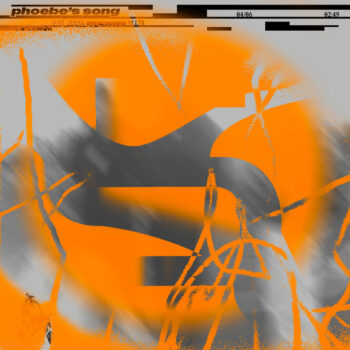
Phoebe works hard
Hard at her job
Hard at the gym
Everything in between
And when she comes home
She don’t wanna see anybody but me
Smoking some weed
Watching TV
Yelling at shots of Travis Kelce
Stupid how some
People just get all that they want
What gives “Phoebe’s Song” its resonance is how unguarded it feels. Lines like “Making movies in the back of my head” and “The silhouettes of love in your eyes / look like heaven but a much smaller size” frame love not as fantasy or climax, but as something lived-in and human – shaped by strange weekends, shared habits, and the grounding comfort of choosing the same person again and again. The music mirrors that intimacy beautifully: Chiming guitars, warm vocal harmonies, buoyant rhythms, and a gentle lift into the chorus that feels like leaning forward rather than falling headlong. There’s a sense of motion that feels less like infatuation and more like trust taking hold.
The heart of “Phoebe’s Song” opens widest in its chorus, where love stops being an idea and becomes a lived, looping truth. “‘Cause I wanna see ya again and again / making movies in the back of my head,” Christie Simpson sings, letting devotion reveal itself through repetition rather than proclamation. The chorus doesn’t chase intensity – it lingers, returning to the same feelings from slightly different angles, as if to say that love isn’t about escalation so much as renewal. When she follows with “The silhouettes of love in your eyes / look like heaven but a much smaller size,” the song lands on its most disarming insight: That real love doesn’t need grandeur to feel transcendent. In this refrain, Yumi Zouma capture the joy of wanting someone not once, but continually – of choosing them again and again, and finding that the wanting itself is enough.
And then comes the quiet truth at the center of it all: “And I’m better now that you’re in my life / I’m all my baby wants.” It’s not a boast or a promise – it’s a recognition. Love, here, isn’t about being completed or consumed, but about becoming more fully yourself in the presence of someone who chooses you back.
‘Cause I wanna see you again and again
Making movies in the back of my head
A collection of the weirdest weekends
That ever caned us
‘Cause the silhouettes of love in your eyes
Look like heaven but a much smaller size
And I’m better now that you’re in my life
I’m all my baby wants
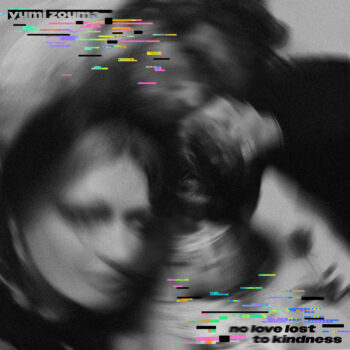
Josh Burgess calls the track an exception within the band’s catalogue – a rare, fully open-hearted love song written and dedicated to his partner, Phoebe. “We honestly don’t have many love songs! It’s a bold testament to our love, but also a small window into the joy of coexisting with your person,” he says. “Thank you, Phoebe. Thank you, world, for sharing this love. One love.” That gratitude isn’t ornamental – it shapes the song from the inside out, turning devotion into something expansive rather than performative.
That sincerity comes from instinct rather than intention. “For me, it was something I had tried in the past but it never felt genuine – unfortunately unrequited love has been our specialty,” Burgess admits. “‘Phoebe’s Song’ however, the idea and the majority of the structure of the song, came to me as a silly song to write to Phoebe after a hard day. Sometimes when you’re not thinking about it that’s when they come. The rumors are true! I’m in love!” You can hear that ease in the song itself – affection slipping in sideways, unforced, and staying because it belongs there.
I know it feels hard
It’s really not far
Don’t take the train, I’ll pay for a car
We won’t do much
We just do whatever we want
Buy some red wine
Though I don’t like wine
You say, “No thanks, neither do I”
With you I’m so calm
Drunk on your charms
You’re the queen of my heart
That looseness also reflects the band’s collaborative core. “We are very collaborative with lyrics; it’s a nice way for us all to get involved and use the language of three people vs. one,” Burgess explains, singling out Charlie Ryder-provided line, “The silhouette of love in your eyes looks like heaven, but a much smaller sign.” It’s a lyric that captures the song’s emotional intelligence – observant, grounded, and deeply felt without ever tipping into excess.
‘Cause I wanna see you again and again
Making movies in the back of my head
A collection of the weirdest weekends
That ever caned us
‘Cause the silhouettes of love in your eyes
Look like heaven but a much smaller size
And I’m better now that you’re in my life
I’m all my baby wants
Placed within the wider world of No Love Lost To Kindness, “Phoebe’s Song” feels especially meaningful. The album marks a turning point for the band, shaped by heavier guitars, jagged textures, and the emotional weight of recent years. Against that backdrop, this song doesn’t deny the darkness so much as offer something steady within it – a reminder that tenderness can still feel bold, and that love, when it’s honest, doesn’t need to announce itself to be profound.
Can’t believe I’m away for a week
Without you baby I don’t sleep
The sun shines only half of the week
When I can’t be next to you baby
Almost done and I’m counting the days ’til I’m back
And I fall, yeah I fall off the track I
Can’t wait to get home to hold you
To squeeze you and take you back in my arms
‘Cause I wanna see you again and again
Making movies in the back of my head
A collection of the weirdest weekends
That ever caned us
‘Cause the silhouettes of love in your eyes
Look like heaven but a much smaller size
And I’m better now that you’re in my life
I’m all my baby wants
— — — —

Connect to us on
Facebook, Twitter, Instagram
Discover new music on Atwood Magazine
Editor’s Picks
follow EDITOR’S PICKS on Spotify