Atwood Magazine is excited to share our Editor’s Picks column, written and curated by Editor-in-Chief Mitch Mosk. Every week, Mitch will share a collection of songs, albums, and artists who have caught his ears, eyes, and heart. There is so much incredible music out there just waiting to be heard, and all it takes from us is an open mind and a willingness to listen. Through our Editor’s Picks, we hope to shine a light on our own music discoveries and showcase a diverse array of new and recent releases.
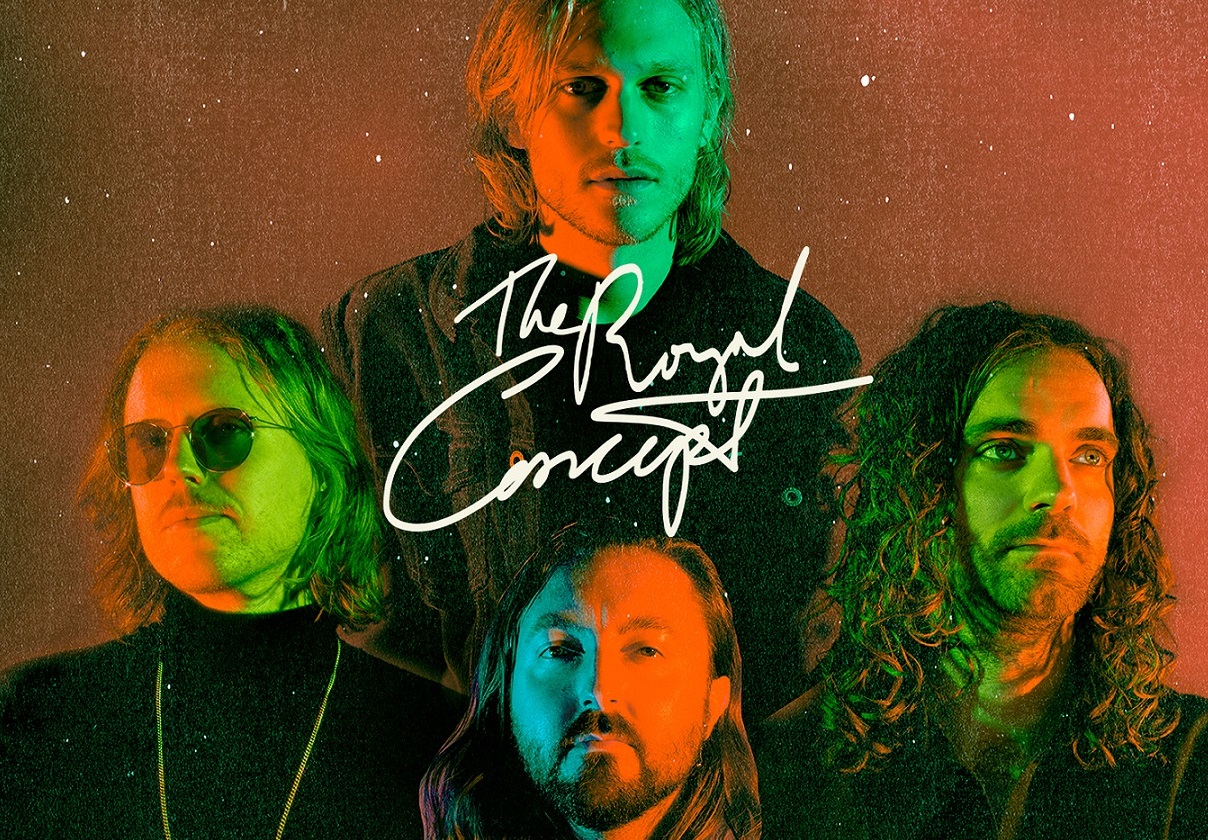
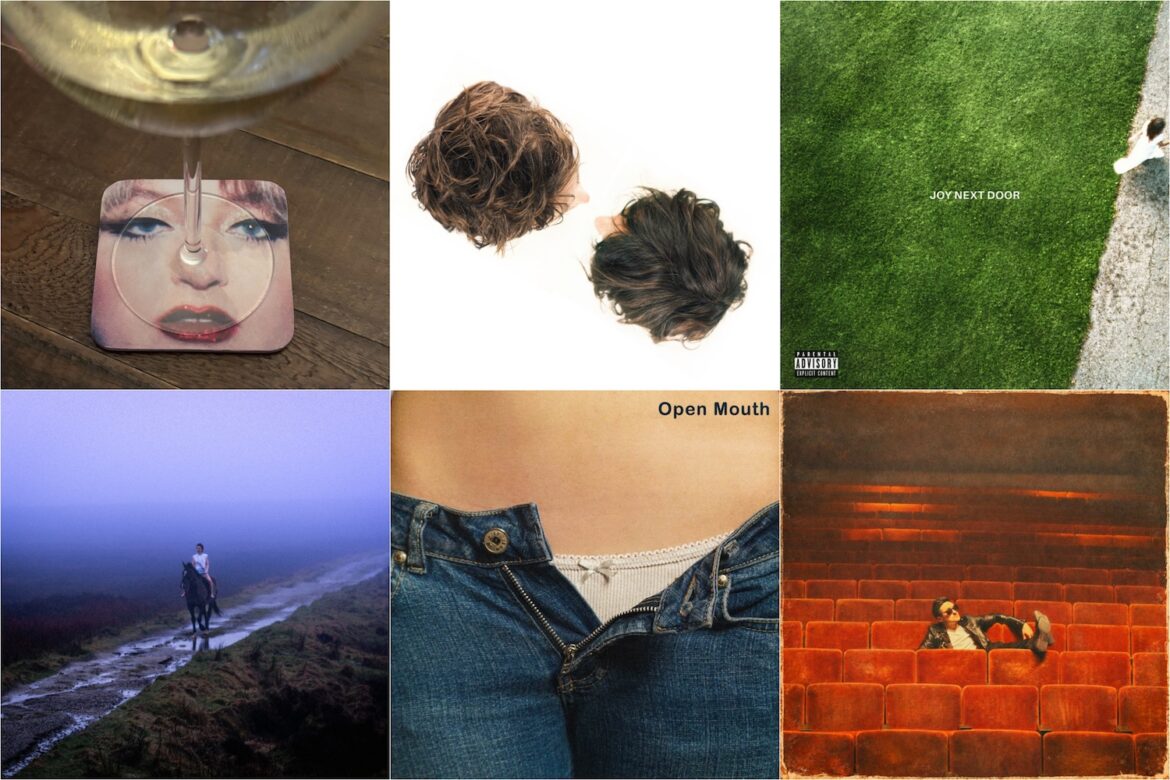
This week’s Editor’s Picks features MEEK, Ray Bull, The Maine, Soda Blonde, Silverdeer, and Noshows!

 follow EDITOR’S PICKS on Spotify

“Fabulous”
by MEEKDefiance can look like many things. Sometimes it’s loud guitars, sometimes it’s glitter, sometimes it’s the quiet act of refusing to disappear. On her explosive debut single “Fabulous,” London-based artist MEEK turns survival itself into a spectacle – a strutting, sparkling pop anthem that dares to say that even in the middle of heartbreak, therapy sessions, tax bills, and existential exhaustion, you can still stand tall and declare yourself unstoppable. Bold, big, unapologetic, and deliciously sassy, “Fabulous” explodes with pop ambition. It’s polished yet bursting with raw fervor and human emotion – instantly intoxicating and irresistibly catchy, the kind of song that stops you in your tracks on first listen. Quite simply, it’s one of the best pop songs I’ve heard in years, full stop – a career-defining kickstart that may just signal the world’s next breakout star.
The song’s central mantra lands like a wink and a battle cry all at once: “I just got my heart broken, but I look f**kin’ fabulous / Yeah, I’m back in therapy, but I look f**kin’ fabulous.” It’s cheeky, cathartic, and instantly unforgettable – a declaration that pain may shape us, but it doesn’t get to define us.

Released January 30 as the title track of MEEK’s debut EP alongside “Brixton” and “I Want Love, But Not That Much,” “Fabulous” introduces an artist who already sounds fully formed. Built on towering vocals, glam-pop bravado, and razor-sharp wit, the song radiates the kind of electric confidence that feels both theatrical and deeply human. MEEK isn’t interested in playing by genre rules either. “It’s been called glam rock, pop, alt… but I’m not trying to create within the boundaries of one genre,” she says. “The forthcoming album will be a demonstration of that.” The result is a sound that feels both timeless and freshly rebellious – the theatricality of glam, the bite of alternative pop, and the kind of oversized hooks that belong in arenas and queer nightclubs alike.
The song itself captures a very specific emotional alchemy: turning adversity into attitude. On “Fabulous,” broken hearts and bad days become fuel for reinvention, and every setback becomes another excuse to dress louder, sing louder, and live louder. As MEEK herself puts it, the track grew out of a moment of personal transformation during her first trip to Los Angeles. “As a kid who grew up on the outskirts with little hope, seeing that Hollywood sign? Damn. I felt… unstoppable. Huge. And fabulous is the embodiment of that feeling I think — looking at everything I had gone through, all the challenges, and just being able to say, f**k yeah. I’m that b**ch.”
That mixture of bravado and vulnerability runs through the song’s DNA. The lyrics gleefully pair melodrama with glamour – heartbreak with mascara, tears with designer fantasies. “The bigger my tears, the bigger my lashes, the curls in my hair / The bigger the hit, the hotter I feel and the less that I care,” she sings, leaning fully into the theater of it all. In MEEK’s world, sadness isn’t something to hide; it’s something to accessorize.
For the artist born Georgia Meek, that transformation from hardship into high-voltage pop spectacle is deeply personal. Raised on the outskirts of Guildford, she endured devastating loss early in life when her father died suddenly while she was still a teenager, leaving her to help care for her younger brothers. The years that followed were marked by instability, grief, and eventually an abusive relationship while she was studying music in London. Music became both an outlet and a lifeline – a place where she could reclaim her voice and begin to imagine a different future.
Slowly, that voice began to sharpen into something unmistakable. Studying production and immersing herself in songwriting, MEEK developed a creative philosophy rooted in independence and sheer force of will. “I’ve never had the option to ask,” she says of her approach to music. “I’ve always had to take. I’ve always had to force my way through closed doors.” That hunger is audible in her music, where enormous vocal hooks and theatrical flair collide with punkish determination.
The irony of the name MEEK isn’t lost on her, either. “I’m loud. Like… very loud,” she jokes. “It’s the most ironic name anyone has ever been given.” Yet that contradiction feels central to her identity as an artist – someone who channels vulnerability into unapologetic spectacle. Her musical influences reflect that wide emotional range, stretching from glam icons and pop titans to indie rock and classic songwriting. “I grew up listening to literally everything from The Libertines to Cher, Siouxsie & The Banshees, Queen, Lorde, Bowie, Beyoncé, The Black Keys, Pink, Simon & Garfunkel,” she says. “I love music, in all forms.”
It’s perhaps no surprise that “Fabulous” found its first proving ground not in a boardroom but on a nightclub bar. Before its official release, the track was tested in London’s legendary Soho gay bar Ku-Bar, where the reaction was immediate and explosive. Midway through the song’s opening moments, the entire room began shouting the now-iconic line back at her. It was the kind of spontaneous pop baptism that artists dream about – and a sign that the song had tapped into something real.
That connection has only grown since the track’s release. The Fabulous EP has already racked up hundreds of thousands of streams while earning support across major playlists and climbing Shazam charts, all while soundtracking the teaser for Apple TV+’s upcoming series Margot’s Got Money Troubles. For a debut release, the momentum is staggering – but somehow it also feels inevitable. “Fabulous” is the kind of song that doesn’t just ask for attention; it kicks the door down and demands it.
Part of what makes the song resonate so widely is its emotional honesty beneath the camp and charisma. MEEK never pretends life is easy. Instead, she reframes struggle as a shared experience – something to shout about, dance through, and reclaim on your own terms. “I’ve had a lot of DMs from fans who are going through some pretty horrific things,” she says. “The consensus has been that ‘Fabulous’ is the brightener – the few minutes in a day where people dance in a hospital ward or scream in an office or tell an ex to f**k off. And that’s exactly the sort of impact I’d like my music to have on people.”
That spirit of defiant joy pulses through the entire EP. While “Fabulous” explodes with glam-pop confidence, companion tracks reveal other sides of MEEK’s songwriting – from the reflective nostalgia of “Brixton” to the biting humor of “I Want Love, But Not That Much.” Together, the three songs introduce an artist who is equal parts showgirl, storyteller, and survivor.
In the end, “Fabulous” isn’t just a song about looking good after things fall apart. It’s about refusing to shrink yourself for anyone. It’s about reclaiming the stage – even if that stage happens to be a sticky bar counter in a crowded nightclub. And if MEEK has her way, it’s only the opening act for something much bigger: a new generation of pop where the outsiders, the misfits, and the gloriously weird finally get to take up space.
“All That You Are”
by Ray BullRay Bull thrive in contradiction. Their music is catchy but unsettled, playful yet existential, theatrical yet deeply human – songs that feel like they’re winking at you while quietly unraveling something more serious beneath the surface. On their exhilarating new single “All That You Are,” the New York duo channel that tension into a dramatic burst of melody and emotional friction, pairing upbeat propulsion with a narrator who can’t quite trust his own heart.
The result is intoxicating. “All That You Are” barrels forward with nervous energy – jangling guitars, restless momentum, and a chorus that hits with undeniable flair. At its center sits a line that feels both devastating and oddly seductive: “All that you are is a lot / But not enough for me.” It’s a brutal sentiment on paper, yet in Ray Bull’s hands it becomes something stranger and more compelling – a confession that sounds less like cruelty and more like a person wrestling with their own contradictions.
I rented out a hotel room
The walls are white
I hope they paint them soon
Oh no
There′s a needle here
I wonder if it’s used
Oh no
Uh oh oh oh
I′m looking for a good escape
I like it here
But not enough to stay
Oh no
I want you near
But not enough to say
Oh no, oh no

That tension is intentional – as Ray Bull’s Tucker Elkins explains, the song is sung from “an unreliable narrator who is being an indecisive, hypocritical idiot.” The voice at the center of the song isn’t delivering a triumphant declaration – he’s caught inside his own tangled reasoning, pushing someone away even as he struggles to understand what he actually wants.
The song itself evolved through several musical lives before landing in its final form. “It started with this very slow, sludgy beat that sounded like people playing drunk together in a garage,” Elkins recalls. Over time the track transformed – tempos shifted, arrangements changed – until one small musical detail unlocked the entire atmosphere. “At one point I heard the acoustic guitar strumming pattern in my head, and that’s kind of where the entire feeling and energy of the song comes from.”
Lyrically, the band built the narrative from a simple image: A rented hotel room and the uneasy solitude it implies. “Sometimes you want to just find a way in,” Elkins says. “So it started with the image of renting a hotel room… then you can just ask yourself alright what’s in here.” From there, the story became an act of self-exploitation – mining one’s own flaws and indecision for emotional truth.
That uneasy self-awareness sits at the heart of the song. Rather than delivering a clear accusation toward someone else, the chorus slowly begins to feel like an argument happening inside the narrator’s own head. “I always kind of viewed the chorus as the person talking to themselves,” Elkins admits. What sounds at first like a breakup anthem gradually reveals itself as something more introspective – a portrait of indecision, insecurity, and the strange feeling of becoming a ghost in your own life.
All that you are is a lot
But not enough for me
So get up off your knees
All that you are is a lot
So throw away the key
Or give it back to me
Released February 4th, the single arrives as the lead introduction to Ray Bull’s forthcoming album Please Stop Laughing, out May 8 via AWAL. For Aaron Graham and Tucker Elkins, the project has been years in the making. “This album is the culmination of years of living together, playing together, and basically doing everything together,” Graham explains. After amassing hundreds of half-finished songs, the process became one of discovery – identifying which pieces spoke to each other and which captured who they are right now.
That sense of eclectic exploration runs throughout their work. Ray Bull draw inspiration from artists who treat music like an open-ended experiment – from Ween and Wilco to Lucinda Williams and The Beatles. Melody sits at the center of everything they do, but stylistically they refuse to stay in one lane. As Elkins puts it, “We like working with variation. We can be chameleons.”
“This track feels representative of the album in that it feels like it’s not coming directly from one of us or one of our specific stories,” Graham adds. “Often people don’t know if we’re being serious or if we’re just joking around, which is why the title track ended up being the album title and sort of this thread running through the album. We wanted to create this sensation of sentiments being abruptly turned on or off, narrators going from heartfelt and trustworthy to insincere and suspect. ‘All That You Are’ is more in the suspect lane.”
Your face is like a moving train
I cannot catch up
Your face is glowing in the rain
I better hold up
But if you’re tired
Or if you wait (then it can wait)
I will be catching up
If by mistake
So I will tell you
What I would say
If you were sitting right
Across from me today
“All That You Are” leans fully into that push and pull between sincerity and suspicion. Ray Bull pair theatricality with a restless, almost mischievous sense of momentum, driving the music forward at every turn. Bold, dramatic, and infectiously catchy, the song is full of angst yet buoyed by an irresistible sense of motion – a track that dances through emotional confusion instead of trying to resolve it. Like much of Ray Bull’s music, it leaves space for ambiguity, allowing the listener to decide whether the narrator is confessing, accusing, or simply spiraling in real time.
And perhaps that’s exactly the point. As the band sees it, songs only truly come alive when listeners bring their own meaning to them. “The ultimate dream is to have people incorporate these songs into their story and their lives,” they say. “The listener completes the music.”
All that you are is a lot
But not enough for me
So get up off your knees
Say it, honey
All that you are is a lot
So throw away the key
Or give it back to me
Your face is like a guitar string
I play with it and wait for it to sing
I’ll sit right here
and you can say anything
Anything
“Die to Fall”
by The MaineSometimes the hardest thing in the world is learning how to let go.
Let go of control. Let go of expectation. Let go of the endless voice in your head that insists you should be somewhere else, someone else, something more. On their electrifying new single “Die to Fall,” Arizona alt-rock stalwarts The Maine transform that restless inner dialogue into a rapidfire burst of melody and momentum. The song hits like a fever dream in motion – dynamic, dramatic, and full of fire – pairing raw emotional tension with the kind of soaring, arena-ready energy the band have spent nearly two decades mastering.
At its core, “Die To Fall” is a conversation with the self. “This tune is a great representation lyrically of where I was and still sort of where I am in life,” frontman John O’Callaghan tells Atwood Magazine. “What happens after you get everything you’ve ever dreamed of? Can we ever be fully present if in our minds we are in a thousand different places at once? This song is me begging my ‘self’ to slow down and appreciate the moments as they come.”

I’m falling in my sleep, you can follow me
Catch you on the way down way down
If this is all a dream, reality’s a tease
Catch you when I comedown comedown
If I could let go (Of this)
This loss of control (Won’t quit), I wish
That existential tension fuels every second of the track. Guitars surge forward with restless urgency, the rhythm section driving the song like a runaway heartbeat while O’Callaghan’s vocals ride the chaos with undeniable charisma. The result is intoxicating – a propulsive alt-rock anthem that feels both celebratory and conflicted, as if the band are racing toward clarity even as the ground shifts beneath their feet.
The emotional center arrives in the chorus, where the song’s dizzying momentum suddenly opens into a moment of release: “I wish that dream came true / Where I don’t pull my parachute / And I feel alive.” It’s a striking image – the desire to surrender control completely, to fall without hesitation, trusting that something meaningful waits on the other side. “Personally, this song is about my inability to fully appreciate the amazing life I am already living,” O’Callaghan admits. “It’s about my desire to be OK with taking my hands off the wheel and going wherever it is I end up. Letting go sounds like a very easy task on its face, but can be very maddening when trying to put it into practice.”
I wish that dream came true
Where I don’t pull my parachute
And I feel alive, I feel alive
I feel alive if I wanted to, well
I wish that dream came true
Where I, I fall right next to you
And I feel alive, I feel alive
I’d die to fall with you
Released January 28th as the lead single from The Maine’s forthcoming tenth studio album Joy Next Door, out April 10, “Die to Fall” offers a revealing glimpse into the band’s next chapter. Rather than looking outward, O’Callaghan says this record turns inward. “This record, I heavily focused on writing from a very singular perspective. I felt like over the last few albums I’ve included almost everyone in the narratives except for myself, and I wanted to be as introspective as possible this go around. That’s what folks can expect from Joy Next Door; a very singular, and at times, short-sighted perspective of a life that I am experiencing.”
For a band approaching two decades together, that level of reflection feels both natural and earned. Formed in Tempe, Arizona in 2007, The Maine have spent their career evolving in public while maintaining a fiercely loyal community of listeners along the way. Yet if Joy Next Door represents a turning point creatively, O’Callaghan insists the band’s foundation remains unchanged. “I’d like to believe that the core of who we are hasn’t changed or wavered in the slightest over the last almost 20 years,” he says. “Creatively, authenticity remains paramount for our band.”
That spirit of growth runs through the album’s symbolism as well. Each era of The Maine has long been associated with a color, and this time the band chose green – a shade that reflects both renewal and forward motion. “To me, green represents growth and the beginning of something,” O’Callaghan explains. “I’d like to think this is the start of yet another chapter in the story of our band.”
If “Die To Fall” is any indication, that chapter begins with fearless energy and a willingness to confront the uneasy truths that come with living the life you once dreamed of. The song rages forward with exhilarating force, yet beneath its explosive hooks lies a quieter revelation: Sometimes the only way to feel alive is to stop trying so hard to control the fall.
And if even one listener hears themselves in that struggle, O’Callaghan says the song has already done its job. “My only hope is that at least one person, after listening, thinks, ‘Oh, I’ve been there too.’ That would be more than enough for me.”
“Suit & Tie”
by Soda BlondeShame is a powerful thing. It lingers in the body, hums beneath the skin, and whispers quietly even in the rooms we’ve fought hardest to enter. For Irish alt-pop band Soda Blonde, confronting that voice head-on has become the driving force behind their electrifying new single “Suit & Tie.” Dark, charged, and hypnotic, the track smolders with tense synths and industrial guitar while frontwoman Faye O’Rourke delivers one of the most direct and emotionally exposed performances of the band’s career – a declaration of identity, exile, and self-reclamation that feels both bruising and exhilarating.
The moment the song begins, O’Rourke cuts through the haze with four deceptively simple words: “You’re so welcome.” The line lands with a sharp edge – a greeting that feels almost confrontational, laced with irony and emotional friction. “It’s layered,” she tells Atwood Magazine. “In the delivery I wanted to give an edge. It becomes almost accusatory. Like – you’re welcome, whether you want to be here or not. It also plays with the Irish habit of hospitality and always making space for others, sometimes at the expense of ourselves.”

That tension – between invitation and accusation, belonging and alienation – runs through every second of “Suit & Tie.” Built on a restless pulse of synths and shadowy textures, the track moves with a slow-burning intensity, each verse tightening the emotional coil before the chorus explodes into its striking refrain: “I’m coming back in my suit and tie.” For O’Rourke, the image carries a deeply personal symbolism. “It’s about this idea of being baptised in one’s own shame and owning it,” she explains. “The suit is like a metaphorical way of me wearing and owning all that shame proudly and stepping out into this new chapter.”
The song grew out of a long-standing sense of displacement that has followed O’Rourke throughout her life. “I’ve spent a lot of my life feeling slightly unmoored,” she says. “Not fully belonging anywhere. The Irishness, the Englishness, the leaving, the returning. Even in rooms I’ve worked very hard to be in, there can be a very loud voice in my head telling me, ‘You don’t belong here.’” That internal conflict surfaces most starkly in the song’s arresting third verse: “I am Irish scum with English blood / I don’t know where I think I’m going / Or of what I’m guilty of.” The line arrived unfiltered in the writing process. “It came out very quickly and I didn’t edit it,” O’Rourke recalls. “Identity can feel blunt. Ireland and England have such a complicated history, and when you personally straddle that line it can create a strange internal friction.”
For longtime listeners, “Suit & Tie” marks a striking new chapter in Soda Blonde’s artistic evolution. Previous releases often embraced sweeping, romantic textures and dreamlike storytelling, but this track turns the lens inward with startling clarity. “It’s confrontational in a way we haven’t been before,” O’Rourke says. “Previous songs were expansive, romantic, sometimes surreal. ‘Suit & Tie’ is staring straight down the lens. It’s less about escapism and more about confrontation with identity, ego and shame. It was very liberating to write.”
The song also reflects a creative shift that has quietly taken shape in the band’s recent work. After exploring lush sonic landscapes across albums like Small Talk and Dream Big, as well as their 2025 EP People Pleaser, Soda Blonde are now embracing a more distilled approach. “What excites me most about what we’re making now is the restraint,” O’Rourke explains. “There’s more space. More confidence in silence. We’re not trying to prove we can do everything at once anymore. There’s something sharper, more distilled. It feels strong.” That sense of intentional minimalism gives “Suit & Tie” its hypnotic power, allowing every line and every synth pulse to carry emotional weight.
From the moment they emerged, Soda Blonde have been one of Atwood Magazine’s favorite Irish acts, a band whose music blends emotional candor with cinematic ambition, instantly infectious melodies, and fearless self-exploration. Formed in Dublin in 2019 by former members of Little Green Cars, Soda Blonde have steadily built one of the most compelling catalogs in modern Irish alternative music. Across multiple albums and a string of ambitious projects – including an orchestral collaboration with Ireland’s National Symphony Orchestra – the quartet of Faye O’Rourke (vocals), Adam O’Regan (guitar/keys), Donagh Seaver-O’Leary (bass), and Dylan Lynch (drums) have developed a reputation at home and abroad for their immersive sound and unflinching lyricism. Yet if their earlier work explored longing, belief, and ambition, “Suit & Tie” signals something more defiant.
“This song was a really big deal for me in marking a new chapter of being unapologetic,” O’Rourke says. “I’ve carried shame since being a young child, and writing this was an attempt to ditch those horrible voices in my head that govern a lot of my actions. I want to help people who feel like I do and help them find some harmony in themselves.”
That desire to connect has always sat at the heart of Soda Blonde’s music. For O’Rourke, songwriting is less about constructing perfect narratives than about articulating the difficult truths we often struggle to admit. “I have an obsessive desire to articulate something that I struggle to articulate,” she says. “We’re interested in the in-between states – longing and disgust, shame and arrogance, belonging and exile. The music shifts because we shift. But the through-line is always that I’m pushing myself to say something that’s tough to admit.”
With “Suit & Tie,” that honesty feels sharper and more fearless than ever. The song burns with tension and conviction, balancing sleek electronic production with a raw emotional core that refuses to soften its edges. And as Soda Blonde step into this new era – one that confronts shame rather than hiding from it – the result is nothing short of mesmerizing: a dark, electrifying anthem about identity, self-acceptance, and the courage it takes to stand fully inside your own contradictions.
If the band’s hope for the song is simple, it’s also deeply human. “I hope people hear the music first and feel like it’s shit cool,” O’Rourke laughs. But beneath that playful aside lies a deeper aspiration. “I’m always looking for people to connect with what we make on a deeper level. I hope people hear themselves in the work, feel seen, and maybe even like themselves a little bit more.”
And if “Suit & Tie” leaves listeners standing a little taller – owning the messy, complicated truths that shape who they are – then Soda Blonde have already done exactly what they set out to do.
“Open Mouth”
by SilverdeerDesire rarely whispers. More often, it pulses – hot, restless, and impossible to ignore.
On “Open Mouth,” Los Angeles duo Silverdeer surrender fully to that electricity, crafting a feverish alt-rock reverie that simmers with heat, haze, and barely contained tension. Guitars roar in shoegaze overdrive while synths flicker like neon through smoke, and vocalist Halsey Bousquet glides through the chaos with a voice that is equal parts tender and intoxicating. The result is spine-tingling and sultry all at once – a song that smolders with seduction while still hitting with the force of a wall of sound.
That duality has long defined Silverdeer’s sonic identity. The project of guitarist/producer Nika Fazeli and singer/lyricist Halsey Bousquet, the Los Angeles duo draw inspiration from both classic and contemporary alternative worlds – artists like my bloody valentine, Slowdive, The Smashing Pumpkins, and Deftones alongside modern torchbearers like Fontaines D.C., Beach House, and Wolf Alice. Their music exists somewhere between those poles: lush and atmospheric yet visceral, nostalgic yet unmistakably modern. As they explain, “We’ve always said that we are not a shoegaze band but have shoegaze elements.”
Open my mouth
And show me what you take me for
Grab a hold
Look up at me, when you want more
Heard you came here for me
(I did the same baby)
Head to your place and never leave
(Sounds kinda tempting)
I wore this skirt just for you
Like only I could do
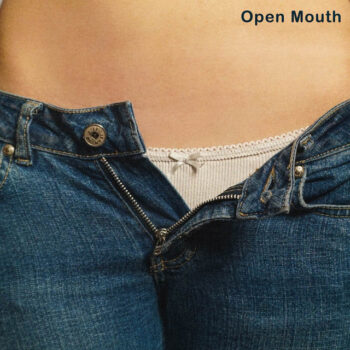
With “Open Mouth,” however, the pair lean into something new: playfulness, sensuality, and the thrill of letting go. “We’ve been wanting to make a really sexy song for a while, but it never felt natural and we always grew to hate the demos,” they tell Atwood Magazine with a laugh. “But with ‘Open Mouth,’ the key to it was making it super playful and fun and not taking itself super seriously.” The spark came when Fazeli sent Bousquet a collection of early musical ideas, including a looping sample and bassline that quickly became the backbone of the track. From there, the song took on a life of its own.
“We started writing this song as Halsey started exploring her sexuality after not being super comfortable with it for a while,” the duo explain. That journey of discovery and confidence courses through the track’s lyrics, which revel in intimacy and near-missed secrecy: “We’re not alone / People could hear us next door / You cover my mouth / A secret that no one could know.” What could have been purely provocative instead feels triumphant – a celebration of desire, agency, and the thrill of shared vulnerability.
That sense of liberation was only possible after a major creative turning point for the band. Previously releasing music under the name saturn 17, Fazeli and Bousquet stepped away from that project as they grappled with writer’s block and an evolving artistic vision. The rebrand to Silverdeer marked a fresh start – one that allowed them to explore louder, darker, and more emotionally expansive territory. “‘Open Mouth’ was the third track we recorded for the EP,” they share. “Only through the rebrand were we able to make a song that felt like entirely new territory for us, something that wouldn’t have felt right under our older name.”
The song now stands as a pivotal moment on their forthcoming EP House of Devotion, out in May. Conceptually, each track represents a different room within a symbolic home built from love, memory, and emotional connection. If every song opens a different door, “Open Mouth” leads listeners straight into the bedroom. “It’s playful, it’s physical, it’s intimate,” the duo explain. “Our House of Devotion is a place that reflects on connection – how we relate to people who have entered and exited our lives.”
Musically, the track explodes with that intimacy and immediacy. Guitars surge forward in waves while Bousquet’s voice lingers close to the ear, whispering and soaring in equal measure. The chorus distills that tension into a moment that feels both intimate and electrifying. Over surging guitars and a restless pulse, Bousquet delivers the song’s central refrain – “You open my mouth / And you show me what you want / So I’ll give it to you” – with a voice that hovers between vulnerability and invitation. Her line lands somewhere between confession and invitation, its softness wrapped in a storm of distortion and rhythm. The words themselves are disarmingly direct, but the feeling they carry is far more layered: Surrender, curiosity, trust, and the electric charge of being wanted. It’s the sound of two people stepping fully into the moment, the music swelling around them like heat in a closed room, every note amplifying the rush of closeness and the thrill of giving yourself over to desire.
You open my mouth
And you show me what you want
So I’ll give it to you
And that tension is exactly what makes the song so compelling. “We hope listeners feel hot and horny,” the band joke, before offering a more thoughtful reflection on the experience of making it. “If at least one person feels like that or a little more comfortable in their skin, then we’ve done our job. Through ‘Open Mouth,’ we realized that being an alternative band does not mean you have to write sad songs all the time. Fun songs are just as serious as sad songs. We don’t have to keep up a moody persona in order to be seen as ‘real’ artists.”
In other words, desire can be just as powerful a creative force as heartbreak.
With “Open Mouth,” Silverdeer embrace that truth without hesitation. The track radiates with sensual energy and fearless experimentation, capturing the dizzy rush of attraction and the freedom that comes from owning it fully. If House of Devotion invites listeners to wander through the rooms of love, memory, and connection, this particular door swings open onto something irresistible: a space filled with heat, curiosity, and the intoxicating thrill of surrender.
“FOMO”
by NoshowsFear doesn’t always arrive quietly – sometimes it barrels in at full volume. On “FOMO,” New York alt-rock artist NOSHOWS turns anxiety into adrenaline, unleashing a feverish indie rock eruption that roars from start to finish. Guitars rip forward in a relentless surge, drums pound with urgent momentum, and Max Satow’s vocals ride the chaos with a breathless intensity that feels seconds away from combustion. It’s loud, charged, and electrifying – the kind of song that grabs you by the collar and refuses to let go, its restless pulse capturing the overwhelming sensation of wanting to be everywhere at once and nowhere at all.
That urgency is no accident. NOSHOWS has built his sound around emotional friction – a combustible mix of indie rock, pop hooks, dance rhythms, and raw hard-rock attitude. As Satow explains, his music lives at the intersection of genres and personal experience: “I write music that is a cross between indie rock, dance, hard rock, pop, funk and a hint of hip hop. My music is very personal and reflective, but touches on themes of heartbreak, anxiety and addiction in ways that many young people can relate to.” The songs may translate through headphones, but they’re designed for a more visceral setting. “The songs are at their finest when we’re live, loud and sweaty at a crowded venue.”

That spirit surges through every second of “FOMO.” Built on sharp riffs and a runaway tempo, the track barrels forward with the nervous energy of a mind that refuses to sit still. At the center of the storm is the song’s explosive refrain:
I have a fear of missing out, I just can’t take it
What if tonight’s the night it all goes down?
I have a fear of missing out, I just can’t break out
So now I can’t stop stop stop stop
The chorus captures a feeling that is both universal and deeply personal – the panicked sense that life is happening somewhere else, just out of reach. The repetition feels almost compulsive, echoing the racing thoughts that spiral when anxiety takes hold. Satow delivers the lines with a mixture of urgency and exhaustion, his voice caught between craving and resistance as the band’s blistering momentum pushes the tension to its breaking point.
For Satow, that emotional chaos came from a very real moment of transition. “I wrote ‘FOMO’ really soon after I first got sober, when I was still mentally attached to my old lifestyle,” he tells Atwood Magazine. “When you get clean, everything changes, but one of the biggest shifts is your social life and how you spend your weekends.” The sudden absence of those familiar rituals left a void filled with restless questions and creeping doubt. “I knew I couldn’t go out anymore, but my mind would spiral on weekends with anxiety about what I was missing, what was happening without me, and whether I was disappearing from the world.”
That internal tug-of-war became the song’s emotional engine. “It feels seductive, anxious, and a little unhinged because that’s what craving feels like,” he explains. “Your brain is split in half – one side knows the consequences, and the other side is completely impulsive and obsessed.” Rather than hiding that tension, Satow leans into it sonically, building a track that feels as restless and impulsive as the emotions behind it. Fast tempos, jagged riffs, and confrontational vocals combine to mirror the sensation of a pulse racing out of control.
Yet for all its chaos, “FOMO” ultimately carries a sense of perspective. Writing the song allowed Satow to transform anxiety into something creative rather than letting it consume him. “It was weirdly therapeutic,” he says. “One of the first times I was able to turn that anxiety into something creative instead of letting it eat me alive.”
That transformation lies at the heart of NOSHOWS’ music. Influenced by boundary-pushing icons like The Beatles, Nirvana, The Strokes, and Tame Impala, Satow approaches songwriting with a fearless instinct for experimentation while still chasing melodies that linger long after the noise fades. “What excites me most about the music I’m making right now is that it’s leaning harder into my raw, weirdo instincts while still keeping the earworms and pop hooks front and center.”
With “FOMO,” those instincts collide spectacularly. The track surges with a restless intensity that mirrors the anxious momentum of modern life, capturing the dizzying pressure to keep moving, keep chasing, keep showing up. But beneath the roar lies something more reflective – the quiet realization that the fear of missing out eventually fades, even if it feels overwhelming in the moment.
And as NOSHOWS channels that chaos into a blistering, breathless indie rock anthem, the result is nothing short of exhilarating: a song that transforms anxiety into electricity and proves that sometimes the loudest music comes from the most fragile places.
— — — —

Connect to us on
Facebook, 𝕏, Instagram
Discover new music on Atwood Magazine
Editor’s Picks
follow EDITOR’S PICKS on Spotify