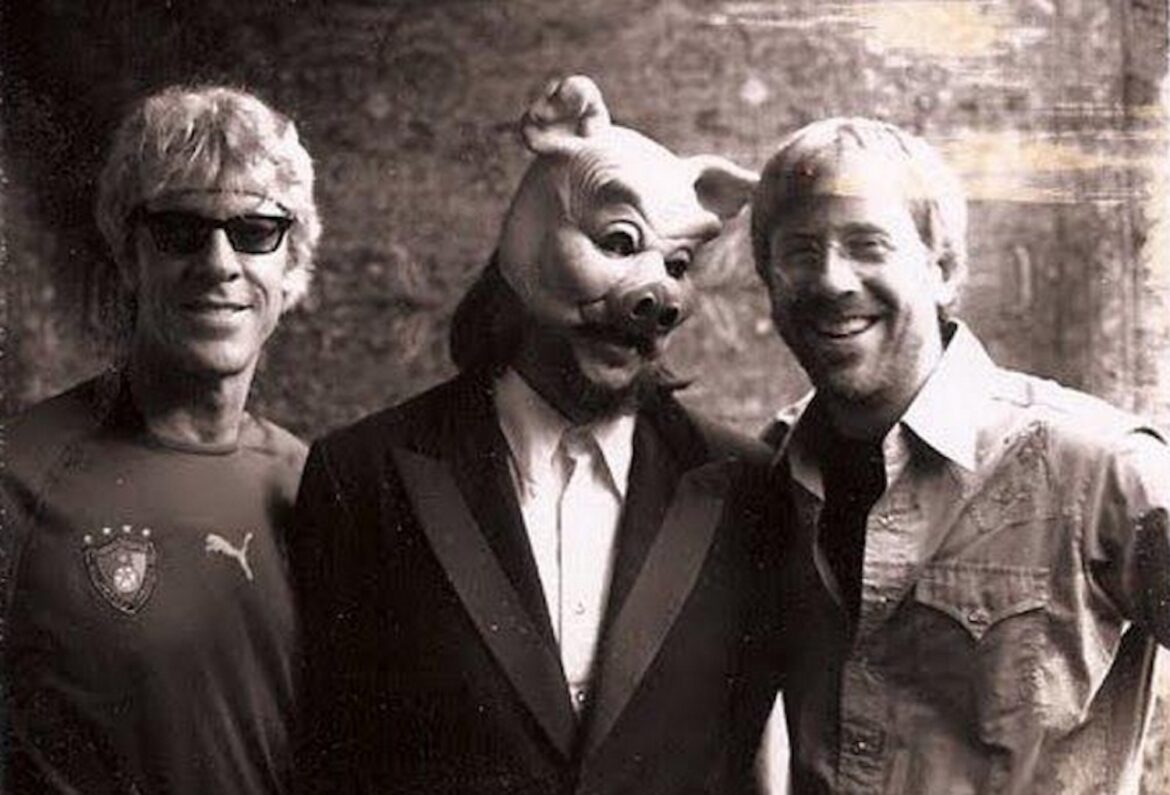
Oysterhead’s unlikely chemistry produced a memorable album and the promise of more, only for world events to derail two planned tours. Their story offers a different explanation for band longevity: Sometimes the secret isn’t more brilliance, but having a little lukewarm water to balance the fire and ice.
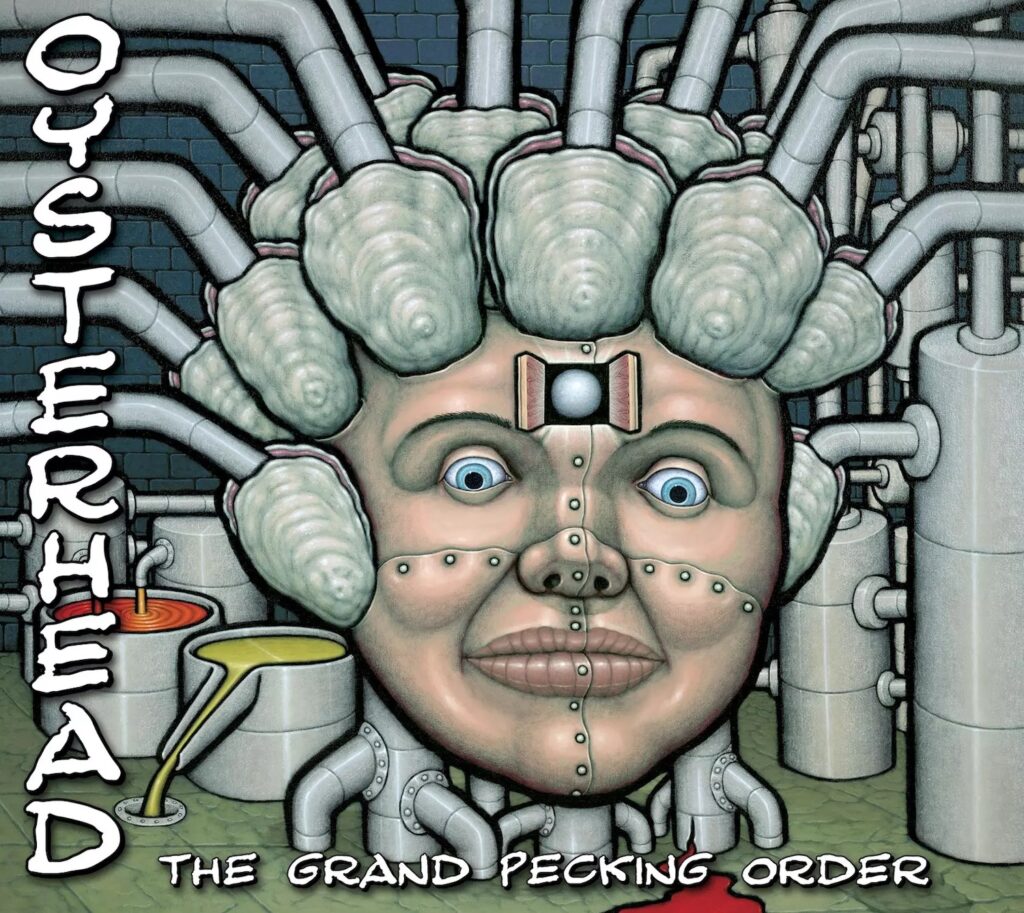
Stream: ‘The Grand Pecking Order’ – Oysterhead
The term “supergroup” gets thrown around in music fairly often.
The phrase is commonly thought to be coined for the formation of Cream in 1966 although Eric Clapton, Jack Bruce and Ginger Baker were coming from blues acts, not huge rock acts already in the public consciousness. Soon after, supergroups started popping up with more regularity: Led Zeppelin, Blind Faith, Crosby Still Nash & Young, etc.
An important distinction that sometimes gets bastardized is that supergroups are formations of bands where all the members have had legitimate success with other bands prior to the new group. As wonderful as their solo careers were later, The Beatles were not a supergroup. And KISS certainly wasn’t.
There are some inherent pitfalls in any supergroup. Everybody there has got an ego about what they’ve accomplished without the band, so the normal dynamics of following a leader (for better or worse) don’t apply. The fictional Spinal Tap bass player Derek Smalls described his receding personality as “like lukewarm water” instead of fire and ice. There is usually no lukewarm water to be found in a supergroup.
Why do some brilliant, strong-willed musicians make extraordinary collaborators in short bursts but struggle to sustain a band?
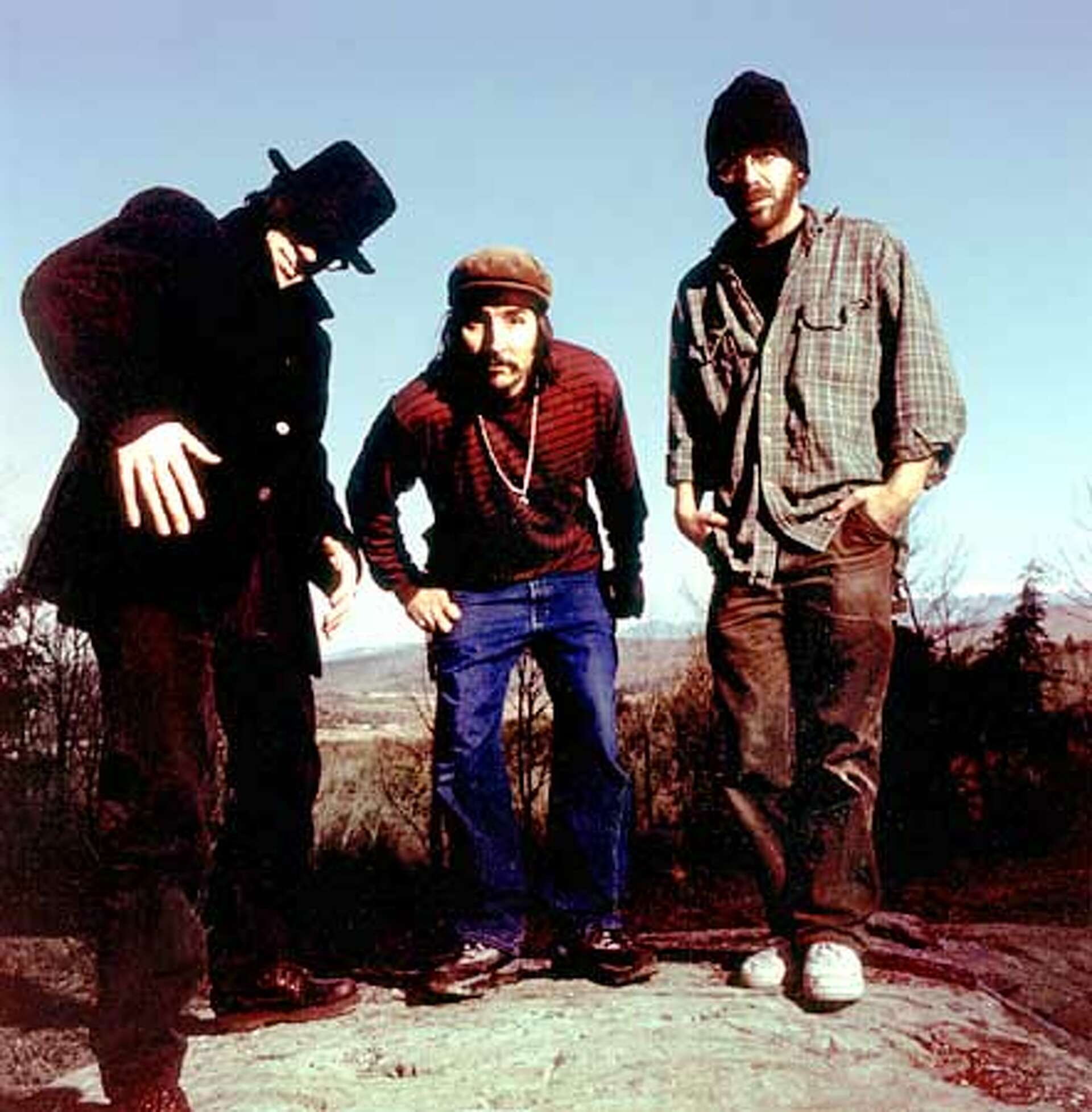
Oysterhead makes for a perfect example of the phenomenon. Each member – Les Claypool from Primus, Trey Anastasio from Phish, and Stewart Copeland from The Police – is accustomed to being major creative forces in their main bands, or even unofficially the “leaders” of their band; although Sting might have something to say about Police leadership despite whatever Copeland thinks.
They formed in 2000 when Les Claypool was asked to assemble a band of stars for JazzFest in New Orleans. He was already friendly with Trey, and they both had Copeland at the top of a short list for drummers. Personal note: I was at that JazzFest and that night went to Tipitina’s and did not make it to the Oysterhead show at a local theater. It’s the only time anybody has regretted seeing music at Tipitina’s in New Orleans.
When these groups start, big personalities getting together can produce spectacular chemistry. Oysterhead’s album of quickly written original material, The Grand Pecking Order, produced spectacular musical chemistry. “Oz Is Ever Floating” and “Owner of the World” can go toe-to-toe with any of their other recordings, and “Shadow of a Man” is an incredible showcase for their specialties all coming together: Claypool’s oddness when frontman, Trey’s bigness, and Copeland riding what seems like a dozen cymbals in the song.
Stewart Copeland has a longer history of leaving a scorched earth behind him, whereas Claypool and Anastasio still play with their respective original bands. Copeland left behind another short-lived brilliant supergroup in the world of jazzpop, Animal Logic; and his contentiousness with Sting at times is legendary.
It’s not fair to blame Copeland for the end of Oysterhead. It wasn’t built to last in the first place. And there are two really odd coincidences of planned Oysterhead appearances being scuttled due to huge unforeseen consequences. They were touring in the fall of 2001 until the 9/11 attacks, leading to cancelation of September shows. Then again, they were all set for more touring in 2020 when the COVID-19 pandemic and quarantine came about.
But supergroups and regular groups often hit the skids when a brilliant force in the band can simultaneously make a band better and harder to live with. Think James Murphy in LCD Soundsystem, Lindsey Buckingham in a very accomplished Fleetwood Mac, and to the nth degree with Billy Corgan and Smashing Pumpkins.
When it comes to creative tension at the outset leading to great creativity, then morphing into just tense tension and disharmony at the end, it’s reminiscent of sports teams.
Often a baseball manager comes in to shake things up and gets immediate results from great players. Think “hardass” managers like a Dick Williams or a Billy Martin in baseball, or football coach Bill Parcells, whom players tune out after a few years.
Or it happens when there are just too many star personalities on the same level on the same team. Shaquille O’Neal and Kobe Bryant, and the 2000s Los Angeles Lakers come to mind. There weren’t enough basketballs for the two of them – and both had enough talent for a championship team to be built around their strengths; plus, they just didn’t get along. So, Shaq requested a trade to Miami. By the way, Shaq did some music recording, and he poured bleach on the relationship in a 2008 freestyle rap, “Kobe, Tell Me How My Ass Tastes.”
Maybe the question isn’t “Why didn’t Oysterhead make it?” and instead, “How does any band stay together?”
The further they got and the more their sound developed, George Harrison didn’t want to be John and Paul’s little brother anymore. The Eagles were a constant mess, with Glenn Frey and Don Henley being the two of the most talented and litigious songwriters around.
And perhaps the key to the continued success and longevity of the Rolling Stones owes more to the lukewarm water of Charlie Watts and Ronnie Wood, and the same for U2 because Adam Clayton and Larry Mullen are neither “fire” nor “ice.”
Meanwhile, Oysterhead exists infrequently enough that they’re still friendly. And they are actively considering finally getting that tour together, the one that was twice previously canceled. Let’s just hope that doesn’t mean there’s another worldwide tragedy on the way to interfere.
— —
:: read more on Atwood Magazine ::
— —
— — — —

Connect to us on
Facebook, 𝕏, Instagram
Discover new music on Atwood Magazine