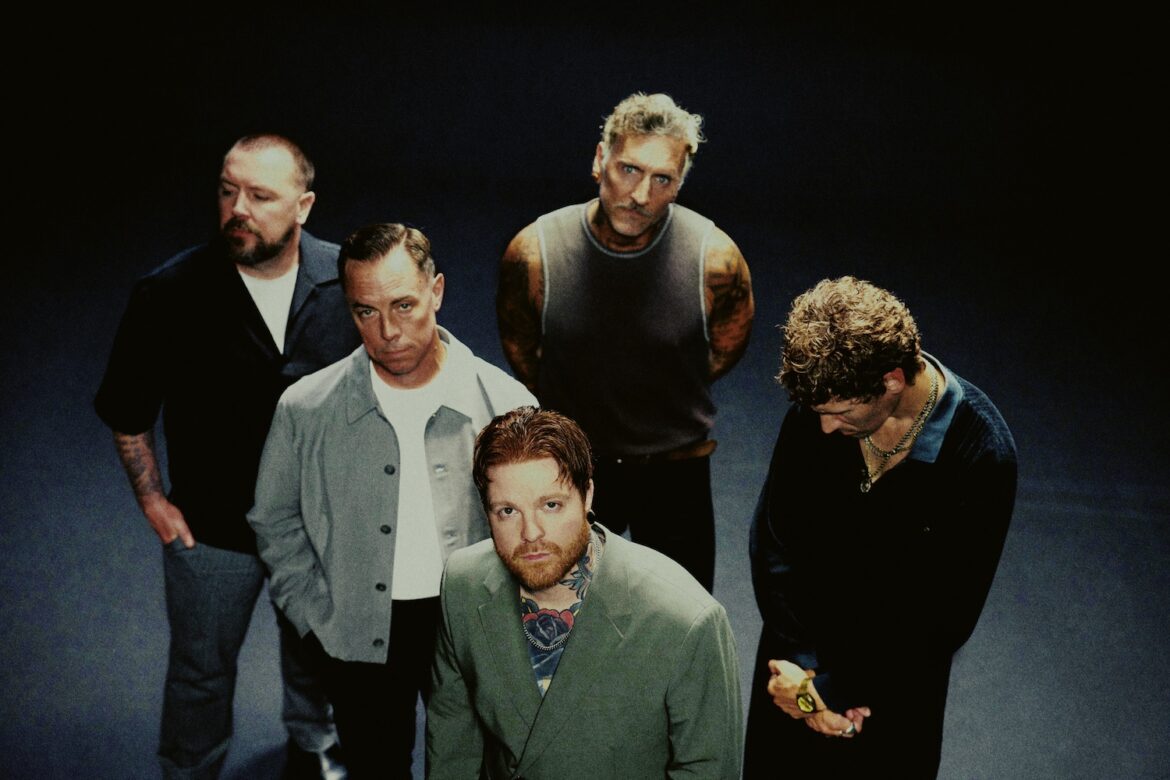
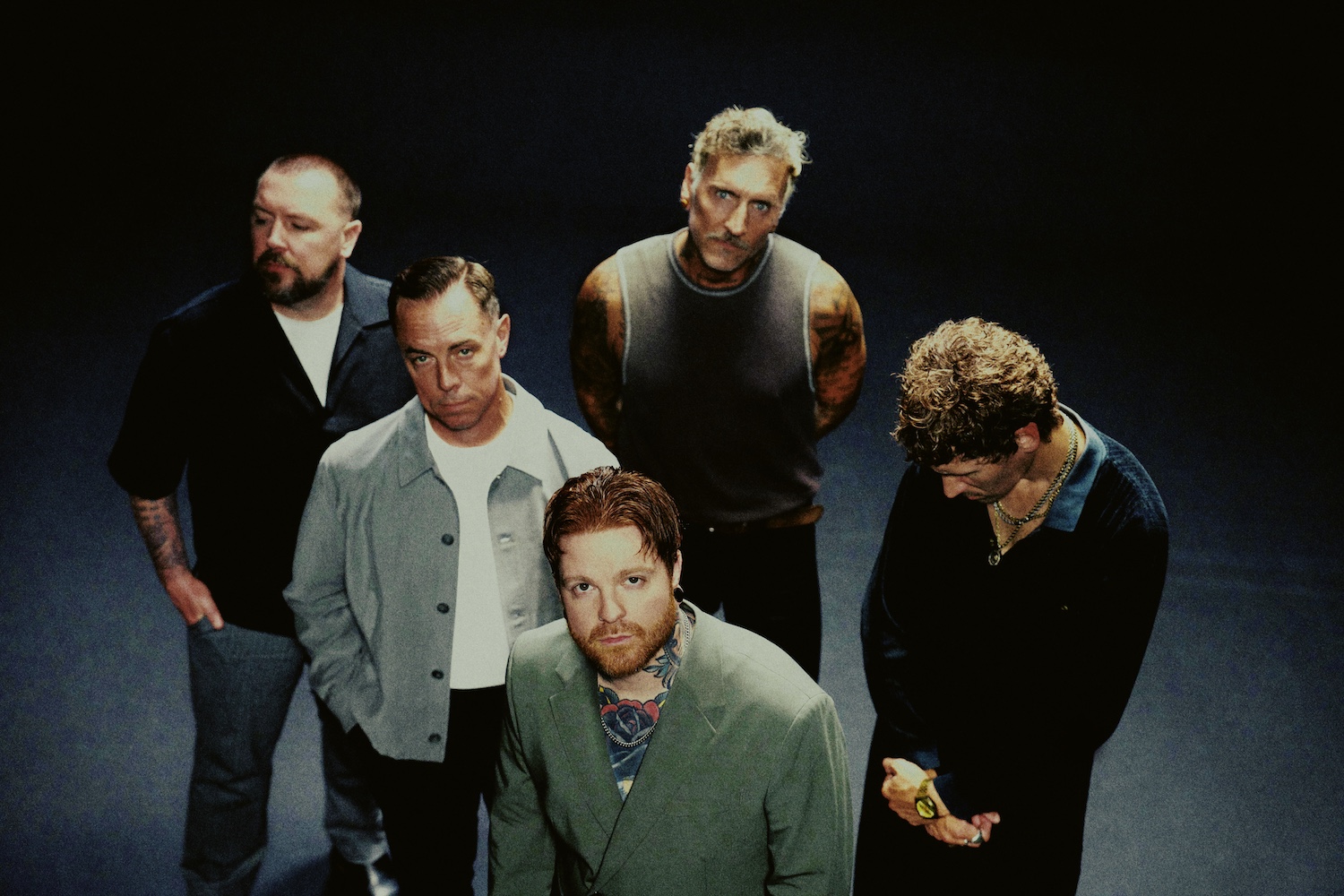
Following a breakup, reunion, and major lineup change, Anberlin drummer Nathan Young reflects on the making of their dynamic ninth album ‘CURRENCY,’ the creative trust that has sustained the band, and the shared love of music that keeps them moving forward.
Stream: “NEVERAFTER” – Anberlin
For more than two decades, Anberlin have survived the kind of changes that can easily become endings.
They have broken up, found their way back to one another, watched years of touring give way to a pandemic, and eventually faced a question few bands with their history ever expect to answer: What happens when the voice at the center of it all steps away?
When longtime vocalist Stephen Christian stepped back from touring in 2023, Anberlin could have left their story where it was. Instead, Christian helped point them toward Matty Mullins, opening a door the band weren’t entirely sure they would walk through. What began as an uncertain next move became CURRENCY (out now via Equal Vision Records), Anberlin’s first full-length album with Mullins on lead vocals and a record that carries more than twenty years of history without being trapped by it.

There are traces of the past throughout CURRENCY. Pieces of unfinished songs were pulled from old folders and given new lives, while fresh ideas came through collaborations the band might not have considered years ago. With Kellen McGregor producing, Anberlin found a balance between the sound longtime listeners know and the possibilities that come with hearing a different voice over it.
That tension between history and possibility sits at the heart of both CURRENCY and this chapter of Anberlin. The band have never had to erase who they were to find out who they could become. This time, they simply chose to keep going.
Atwood Magazine spoke with Anberlin’s drummer and founding member, Nathan Young, about the uncertainty surrounding Christian’s departure from touring, Mullins’ arrival, revisiting unfinished music, the disagreements that make songs better, the meaning behind CURRENCY, and why, after all these years, making music together still matters.
— —
:: stream/purchase CURRENCY here ::
:: connect with Anberlin here ::
— —
Stream: ‘CURRENCY’ – Anberlin
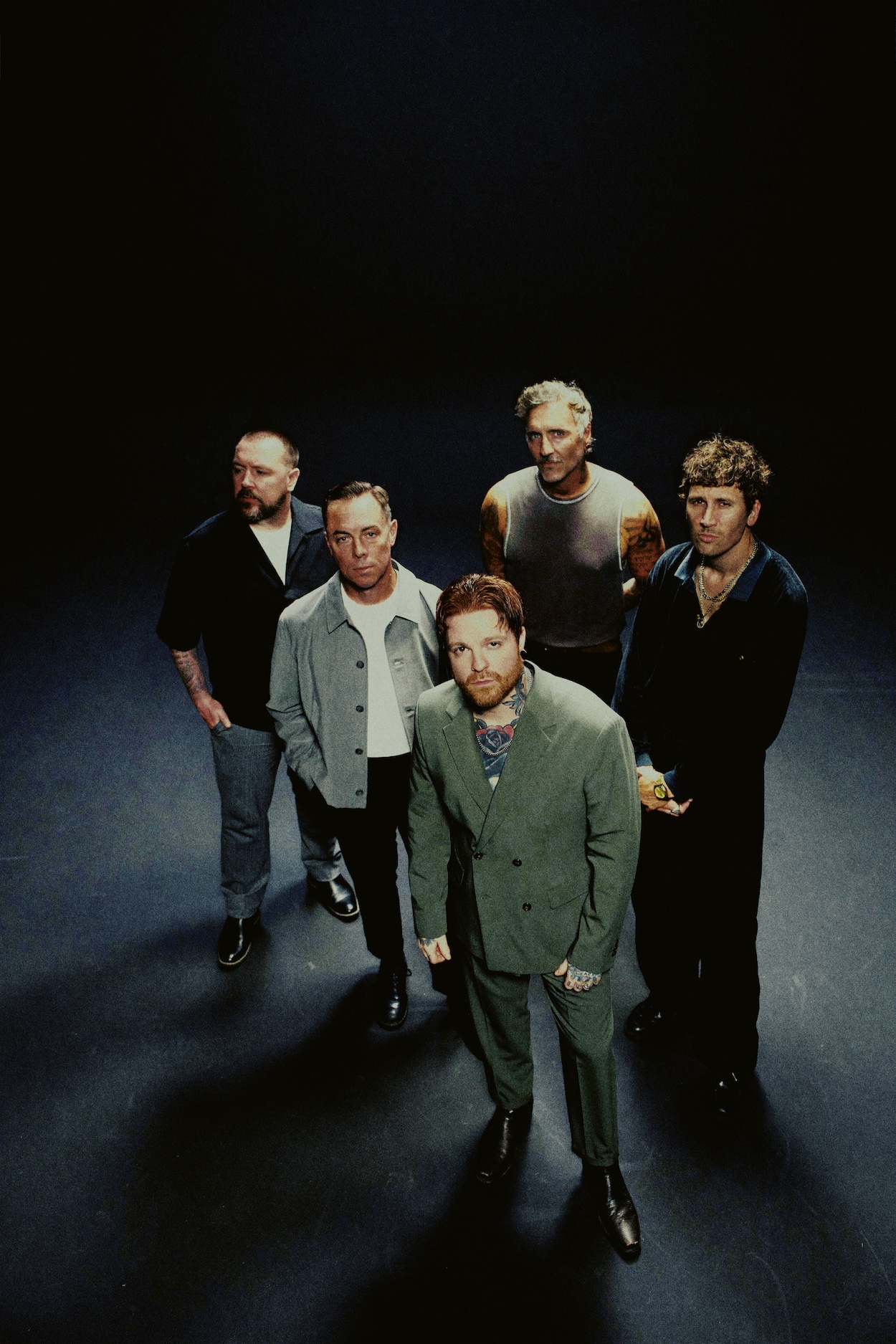
A CONVERSATION WITH ANBERLIN

Atwood Magazine: For anyone discovering Anberlin through this interview, what would you want them to know about the band?
Anberlin (Nathan Young): I would say, you know, we’ve been a band a long time. We started in 2002. We’ve been through a lot of changes, switched singers a few years back, and we’ve accomplished a lot since then. I would just say, if this is your first time hearing about us, that you come into it with an open mind and dive back into our past catalog and hopefully enjoy the whole process for a band that’s been around as long as we have.
You’ve been making music together in some form for more than two decades. Who influenced you when you were first starting out, and who inspires you now?
Anberlin: It’s a great question. Early on as a band, we were all very much into Jimmy Eat World, Foo Fighters. Third Eye Blind was a big influence. And then for our guitar player, a lot more stuff from the Smiths and bands along those lines. So that would be earlier.
And then I would say now there’s a lot of different ones depending on who you talk to in the band, but Third Eye Blind is still a big one. Everyone just has a broad musical style, and the way we all write is pulling from all sorts of different areas from different bands.
What do you think Anberlin takes from in terms of genres? What do you think it’s a combination of?
Anberlin: Yeah, I’d say it’s still more in the modern alternative world. Like I said, depending on who you’re talking to in the band, our guitar player listens to a lot of Bruce Springsteen, so when he writes, not that you would correlate one of our songs to one of his songs, he has a lot of inspiration from that when he writes. So, like I said, a broad spectrum, but it makes Anberlin what it is with all of our different musical tastes.
When Stephen decided to step back from touring in 2023, there was a point where it felt like Anberlin might break up again. What were those conversations like?
Anberlin: Yeah, that was definitely a unique time for us, just hitting the spot where we weren’t sure what we would be able to do. Swapping singers is a pretty tough go. So we were faced with the decision to keep pushing and trying something unique and different, or letting that be the end.
At the time, it felt like the right move, and I think it was, just being where we’re at. We’ve got to put out the new album, and it’s a big change for sure to switch singers at this point in a band’s career. But we figured at this point, we’ve tried and we’ve done so many things, so we figured we might as well give it another go.
I mean, there’s always the albums you can go back and listen to. We’ve put out a lot over the years. So for us, it’s just more of a fun decision to go for it.
What ultimately made you decide that you still had more you wanted to do as Anberlin?
Anberlin: That’s a great question. Yeah, we just felt like at that point, we worked so hard through the pandemic and doing all of the livestreams that we did. There was a chance to finally get back out and be able to play shows and see what that felt like.
I think as a collective, we just felt like we wanted to give that a go and see what was on the other side of that and see what it would be like to write music together. And so I think we’ve accomplished a lot, and no matter what, I’m very, very thankful for what we’ve been able to do.
How did Matty enter the conversation as the person who could take over lead vocals?
Anberlin: That actually came directly from our original singer. He came to us, “I’m taking a step back, but I have an idea. I know there could be a really good fill-in replacement for me.” So he introduced us to Matty, and we chatted with him, and it made a lot of sense at the time, so we decided to go for it. But yeah, the initial start of it was Stephen, our original singer.
CURRENCY is the first album with Matty singing lead. Did you guys approach making it differently because you knew this record would introduce this version of the band?
Anberlin: Yeah. We had a bunch of conversations about music. I think we all agreed that it could be a cool move to have a more classic Anberlin sound on the music side because we have a new singer, so it’s a cool way to introduce not too many changes at once, if that makes sense.
I think if we were gonna continue with the band name, use Anberlin, the fact that Anberlin is all of us, to go in that direction. We thought it would be cool to give the fans of this band for a long time something that felt familiar, but also something new and fresh.
The idea that his voice is so different than Stephen’s was already the fresh thing, so we figured if we could find this balance of new and nostalgic Anberlin, we could put it together. So that’s what we moved up to.
You have a folder of unfinished songs that have never made it onto previous records. Why did you want to go back to those songs rather than start completely fresh?
Anberlin: We never went back and just took a whole song as it was. We just took parts of it or took, like, an idea from one of those songs, and it seemed to spark something new. And so that was, like, a cool decision to go back.
But we didn’t do that for all of them. That was just a handful of songs that we figured would be a cool place to start and see what stuff we could use. Since then, we’ve written more. It just helped guide the feel. That’s the direction we were going.
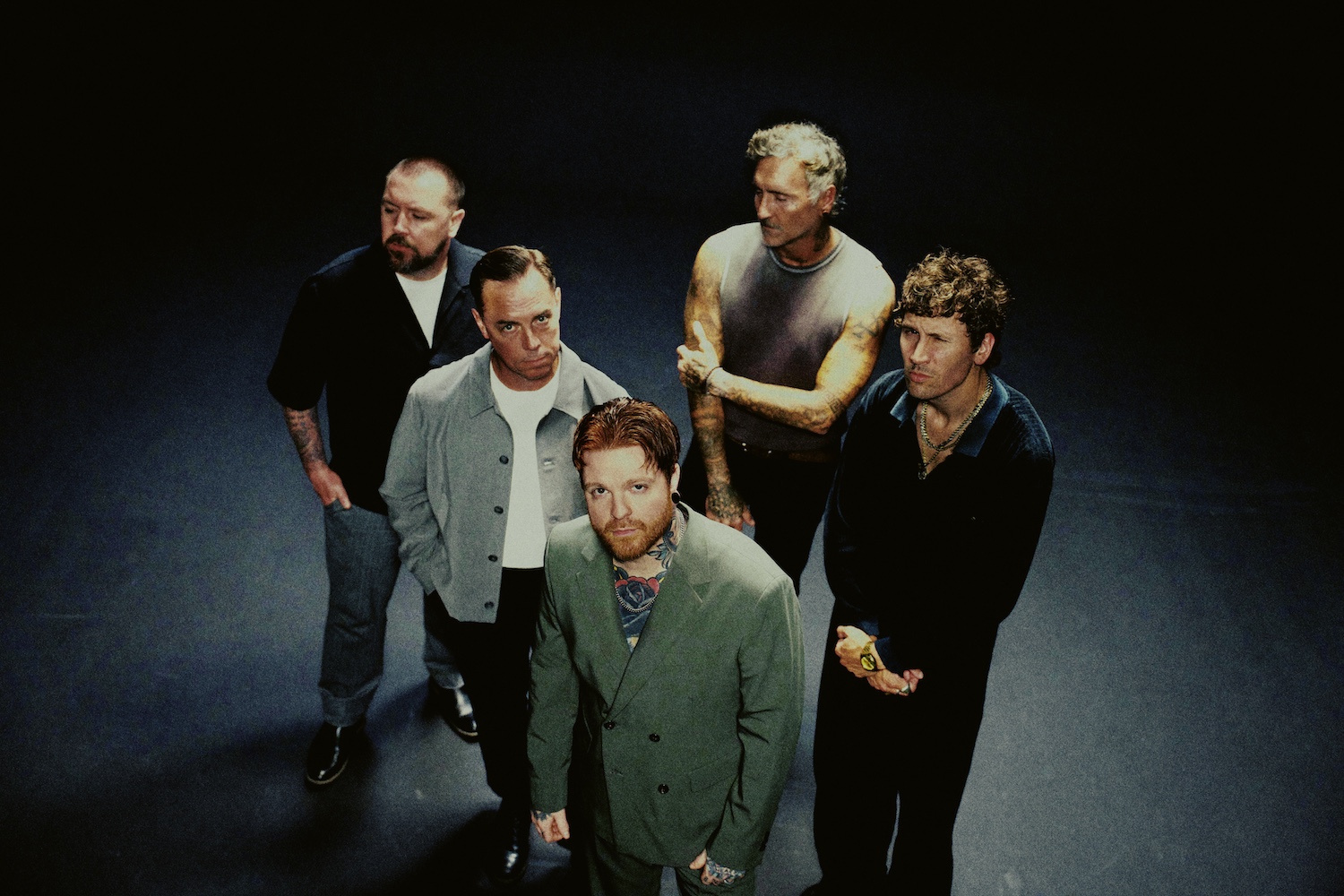
When you listened to those unfinished songs after all that time, did any of them feel different from how you remembered them?
Anberlin: All the different sounds, and especially when Matty starts singing on it and the way we approach it, it feels like you can hardly remember what the original sounded like because so much has changed. It’s definitely a big switch from the original concept.
I mean, some of them, like I said, were just an idea of a part that Joey had or whatever, and so that turned all the way into a full song. So it’s definitely a big difference between the start and the finish of the song.
After making music together for this long, how do you guys handle disagreements when you have completely different ideas about where a song should go? Has that gotten easier over the years?
Anberlin: It definitely has. I think at this point, we have a lot of trust that has been built up over the years with how well we work together and write together. So for us, there is, I think, a lot more of a comfortable aspect that we have later on in our career, just because we always have that mutual respect.
When you spend more time with someone, you grow closer to them, so you kind of think like they are. We all start working in a good way. Not that there still can’t be disagreements. We had a few on this album for sure, which is good and healthy. It means everyone cares. If someone’s pushing back at something, it’s not for any other agenda than that they think it is the right move.
So when those disagreements happen, it’s not necessarily something that ends up being a problem. It just becomes something we work towards the right decision, and usually at the end, almost 100% of the time, everyone feels like it was the right decision.
So we have a good, healthy balance of being able to speak clearly to each other, but also understand that we’re all coming from the same spot, which is trying to do the best possible thing we can for the song.
“NEVERAFTER” opens the album with a lot of energy, but there’s something more painful underneath it. What’s the story behind the song?
Anberlin: That would be more of a question for Matty. We were there when we were writing it. The basis for that song was a couple of different things from way back in the day he’d been through and different things that people had gone through in his life.
And so the themes of this album were a mix of a lot, where we were writing from different perspectives and different stories from each of us. They all poured in together. So a lot of them are stories, just more like life stories that are able to be connected to. So “NEVERAFTER” is in the same vein as that direction.
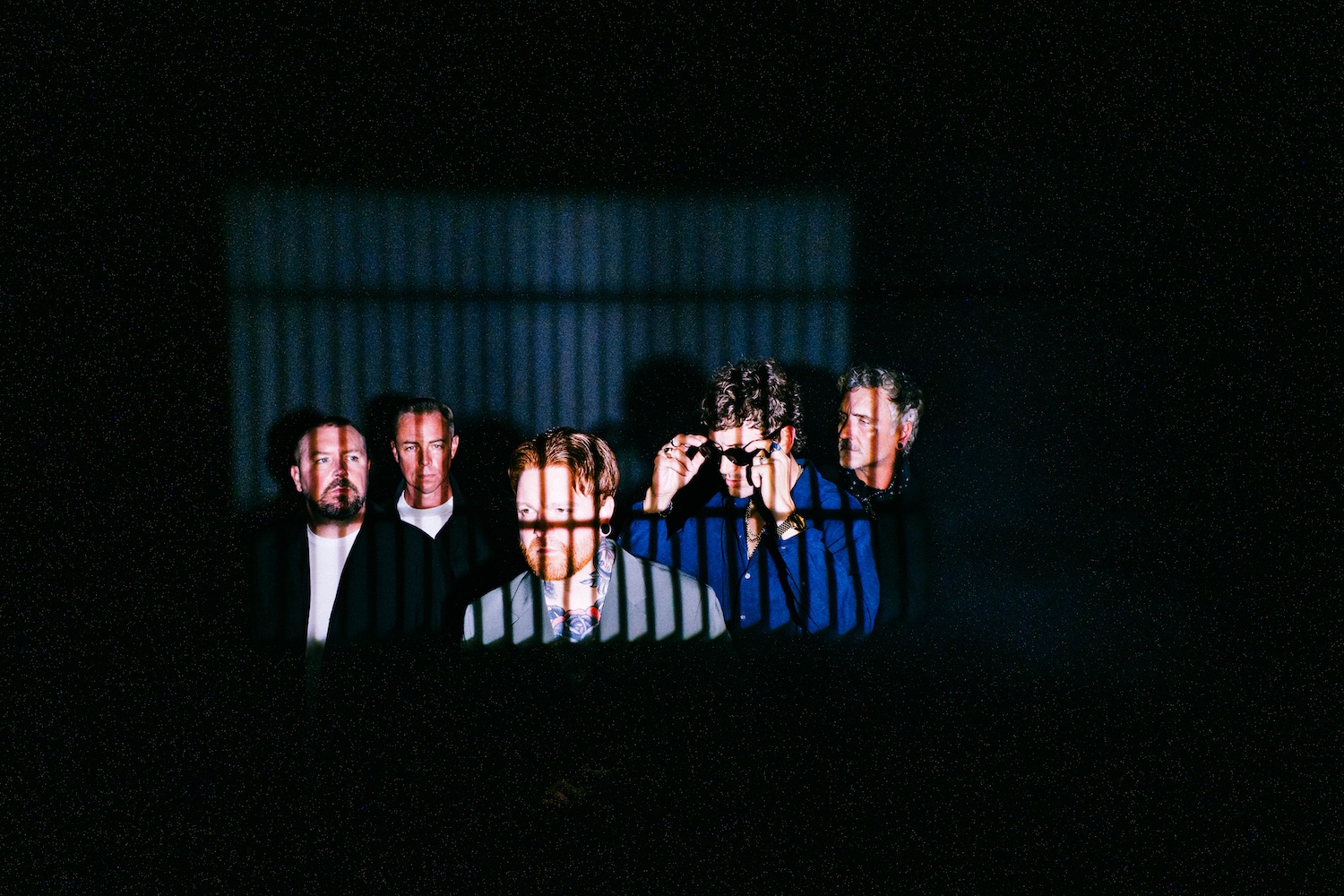
You guys worked with several other writers on CURRENCY. After writing within Anberlin for so many years, what was it like opening that process up to more people?
Anberlin: It was another side of it as a writer. So it was fun to just have, like, another person involved. The way we wrote was really cool. There was no scenario where it was like someone wrote something for us. It always started with us, with the music and the idea of it, and just another person to bounce ideas off of and write with.
So we really had fun with it early on, so we continued it for the whole album because it was just really fun. A lot of my friends were involved and a lot of different connections that we all have. We’d never really opened it up to that. It just made for a lot of really cool creative stuff that we never would have been able to do without opening it up.
So it was really fun and very, very proud of what we were able to do with all of them, for sure.
You guys produced this album with Kellen McGregor, who already has a long creative relationship with Matty through Memphis May Fire. What did Kellen bring to Anberlin that made him the right person for this record?
Anberlin: A big one for sure was obviously him being as close as he was to Matty and having that connection. We were able to really get a longer process with Kellen, which was really cool. We just had a cool understanding, and he’s such a talented dude when it comes to sound, so we were able to just spend a lot of time dialing exactly what we wanted it to be.
Honestly, he just did a couple of test mixes for us early on, and he just felt like the right person and understood where Anberlin was at in this era of the band.
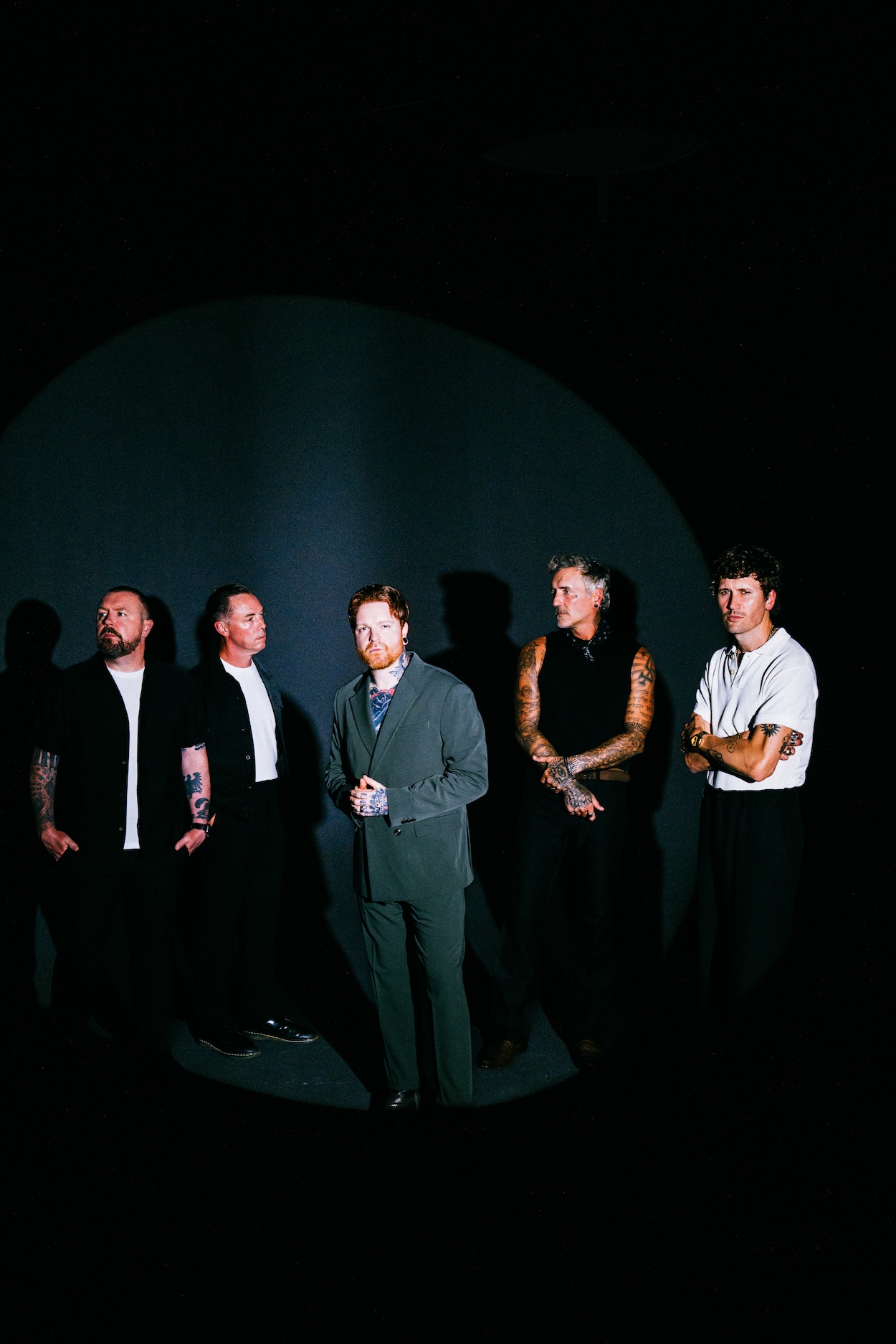
CURRENCY has songs that go in some pretty different directions. How did you guys decide what still felt like Anberlin when you were making the album?
Anberlin: Yeah, so I think the art of it, like I said, with all these different ways that we write now and pulling some older songs, and then also writing new songs and doing it with Matty, at the end of the day, we just all really trusted each other with where we felt like was the right move for each thing.
So there wasn’t a big conscious decision other than, like, “Does it sound cool? Do we feel like this is us?” Across the board, that ended up being one of the songs on the album.
Why did you guys choose ‘Currency’ as the title? What does that mean to you in relation to these songs?
Anberlin: For us, we’ve used that title in a lot of ways when we’re just talking about life and recognizing that everyone’s currency is so different between each other. There’s so many different things that you can put on that title, and I think that’s a big one.
We’ve always said time is our currency, and just there’s so much happening right now in the world and the movement, and everything feels for sale. There’s so many things that wrap it up.
So it’s not really a concept album, but it’s just an overall response of what it feels like right now in the world, at least when we were writing and making this album. What we all talked about within our group about what is important to us and what is our currency, how you carry that, was the art of it.
But we didn’t come up with the title till everything was done, so it just fell into place pretty well.
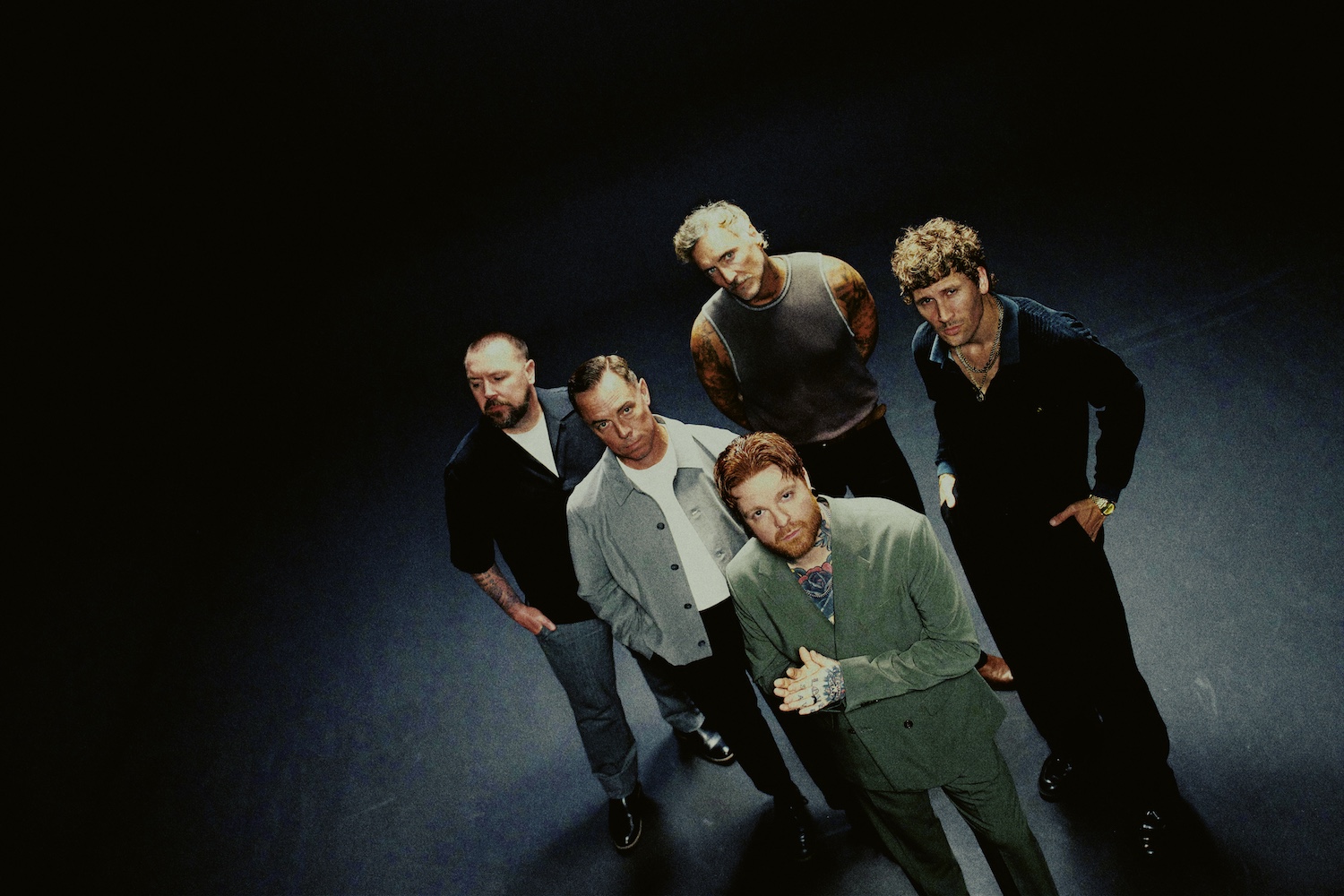
There was a point when the band could have ended. Now that CURRENCY is finished and you’ve made it through such a major change, what are you most excited about when you think about where the band can go from here?
Anberlin: Yeah, just with this album and what we put out and the go-for-it, I think it can open up a lot of different doors. The album is pretty broad. It could reach a lot of different audiences, and the goal is that it just continues to do well and people like it and can grow and put us where we need to be, with the right band and next tour.
I think it could open up a lot of doors at this point in our career that could be really cool.
Anberlin broke up in 2014 and came back four years later. When you reunited, did you do anything differently to make being in the band work better the second time around?
Anberlin: There wasn’t really anything too bad internally or anything that was really awful. It’s just the amount of time that we were on tour and continued to be on tour. So really, more than anything, it was just the right time for us as a whole with where we were at.
So when we got back together, there wasn’t a whole lot of, like, repatching we had to do, just because there wasn’t a whole lot of bad stuff at the end of the first time we broke up. So it was a pretty easy transition getting back into it, since it ended so well the first time.
What about the album are you excited for people to hear?
Anberlin: For sure. I think towards the back half of the album gets pretty, like, happy and riffy. I think a lot of people are going to like it a lot. It’s a little bit more old-school Anberlin, maybe our first couple albums.
So yeah, I think it’s really fun. I think even the last song on the album, I really like that song. It’s a really special one to me. So yeah, I think fans are gonna really like the back half of the album. I mean, it’s all good, for sure, but I’m excited for everybody to hear that part of the album, for sure.
Is there a moment with a fan that made you realize how deeply Anberlin’s music had become part of someone else’s life?
Anberlin: Oh man, there really are so many. Throughout my career, there’s all different conversations I’ve had and relationships I’ve built through it.
There’s been a handful where people have named their children after the band name or after a song, and that’s always such a really cool thing, especially being a father now, just how much that would mean and a band could mean so much to someone that maybe they name their child that.
So those are the type of interactions I’ll never forget, for sure. Anything in that vein, I think, is really cool.
After everything the band has been through, what still makes you guys want to get in a room and make music together?
Anberlin: It’s something you’ve done for so long, and it’s something that is such a meaningful part of your life. And so I think it’s just a love of music and the love of being able to play what you want and do what you want and create, and that people care about it is a really special feeling that I don’t think any of us will ever take for granted.
I think that is the thing that will always push. Anytime music is made, the goal is to reach people in that world. For all the times that we put out music, it will always be for that reason, for sure.
— —
:: stream/purchase CURRENCY here ::
:: connect with Anberlin here ::
— —
— — — —
Connect to Anberlin on
Facebook, 𝕏, TikTok, Instagram
Discover new music on Atwood Magazine
© Jacob Moniz
 © Jacob Moniz
CURRENCY
an album by Anberlin