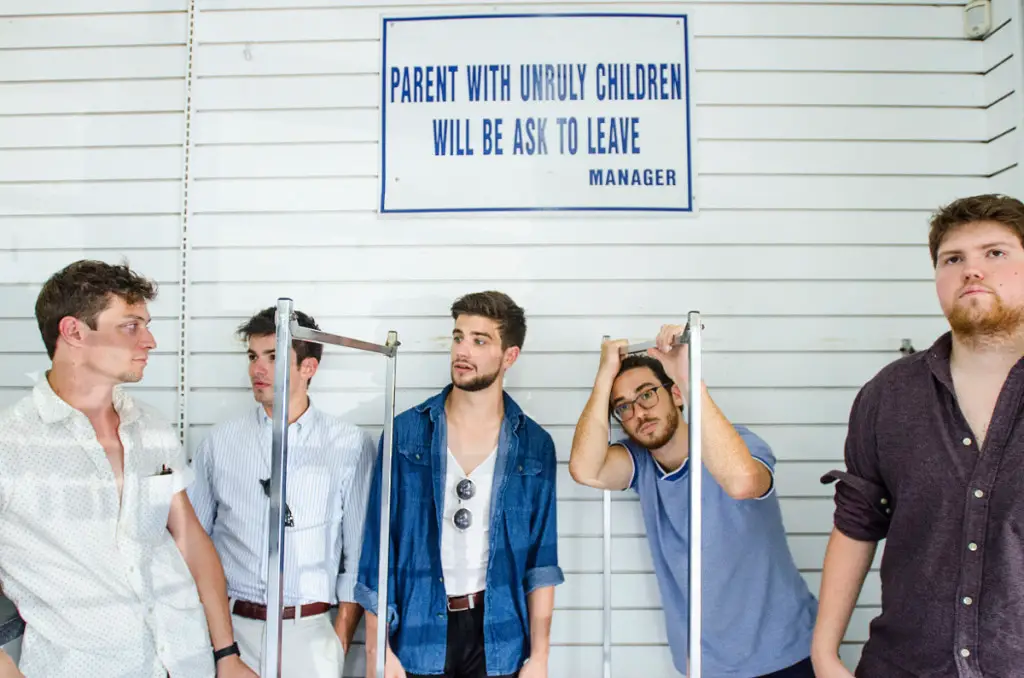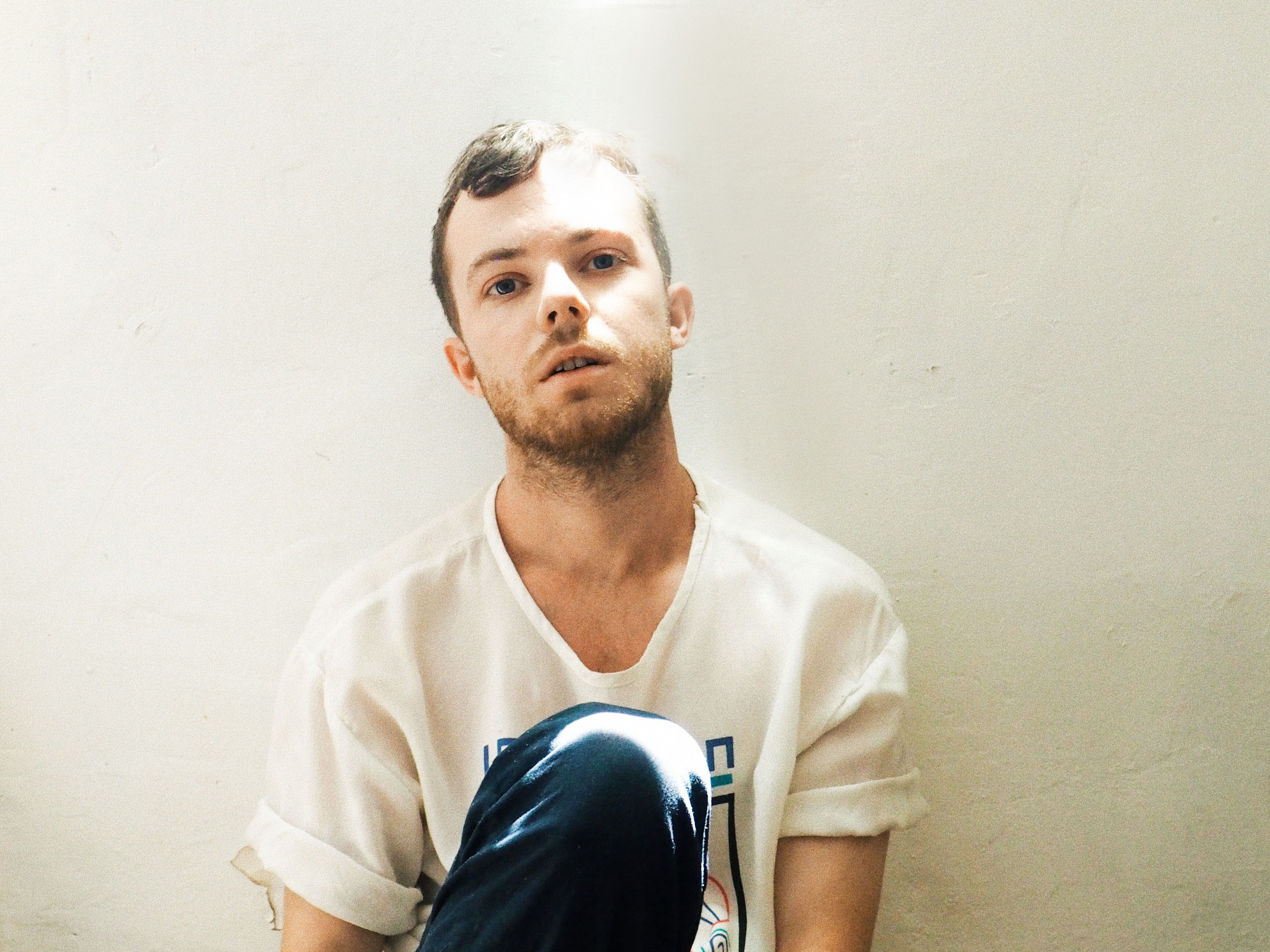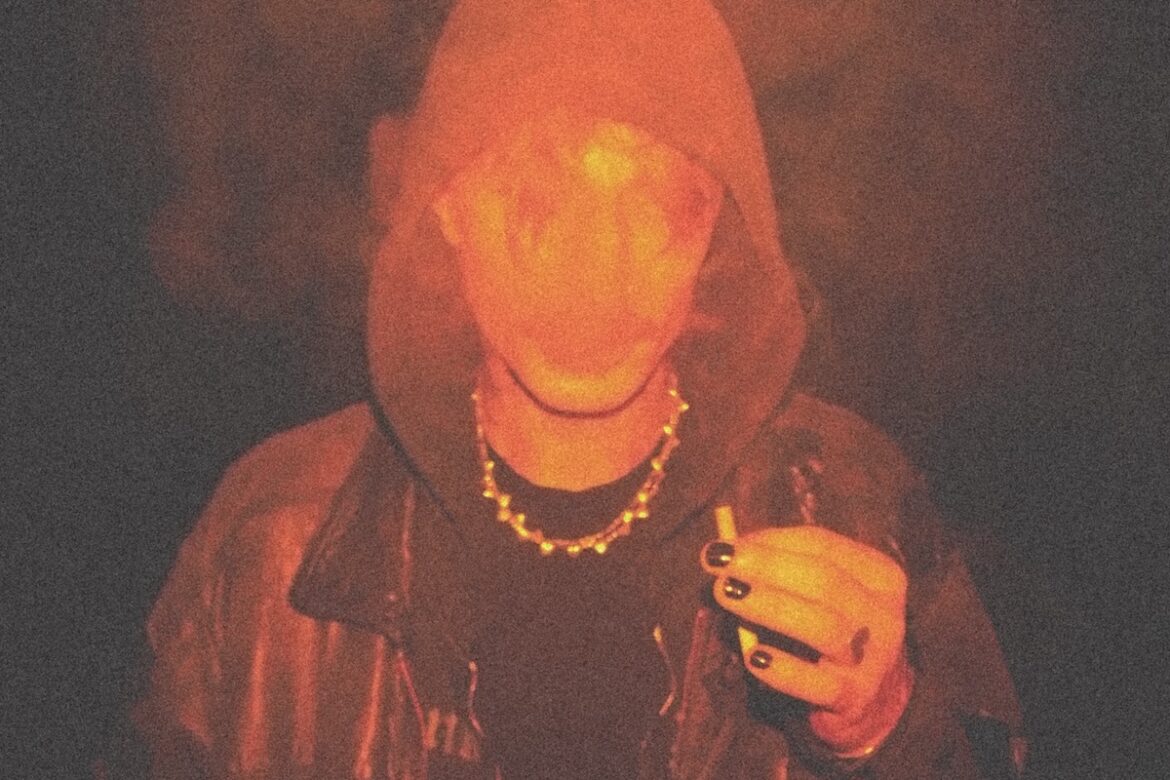
The Haunted Youth’s Joachim Liebens opens up about his achingly unguarded sophomore album ‘Boys Cry Too,’ a raw reckoning with heartbreak, masculinity, shame, and the hard-won freedom of feeling everything. Through a stirring mix of melancholy lyricism and hopeful rhythms, the Belgian indie rock sensation channels his own post-breakup anger and anxiety into a space for men to grieve without shame.
Stream: “deathwish” – The Haunted Youth ft. Max Fryi
In a culture that often discourages emotional transparency, what does it look like for a man to openly embrace heartbreak?
Vulnerability and grief sit at the center of The Haunted Youth’s achingly unguarded sophomore album Boys Cry Too, a record that reclaims heartbreak as a universal experience – one that finds meaning in loss rather than denial.
Written in the aftermath of a breakup, the album finds Joachim Liebens examining the mistakes he made and the lessons he learned along the way – sitting with his anger, anxiety, shame, and sadness rather than pushing those feelings down. In doing so, the Belgian songwriter behind The Haunted Youth challenges traditional notions of masculinity often reinforced by social media, and the voices – online and off – that tell men to turn pain into power, revenge, or emotional distance.
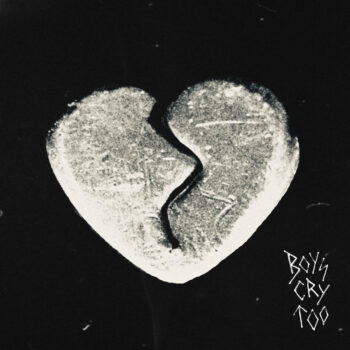
Released May 8, 2026 via Play It Again Sam, Boys Cry Too marks The Haunted Youth’s second full-length album and a striking evolution from 2022’s debut LP, Dawn of the Freak. Where that debut introduced Liebens’ dreamlike world of loneliness, nostalgia, and shimmering indie rock, its follow-up cuts closer to the bone, channeling heartbreak’s anger, confusion, self-questioning, and fragile hope into something more raw, intimate, and direct.
“It’s just about how you did give a f*** about this person; that’s what matters,” Liebens tells Atwood Magazine. “It’s about grieving the fact that it’s not about what you wanted and accepting every stage of what heartbreak meant for me. I wanted to validate my feelings and not just judge it.”
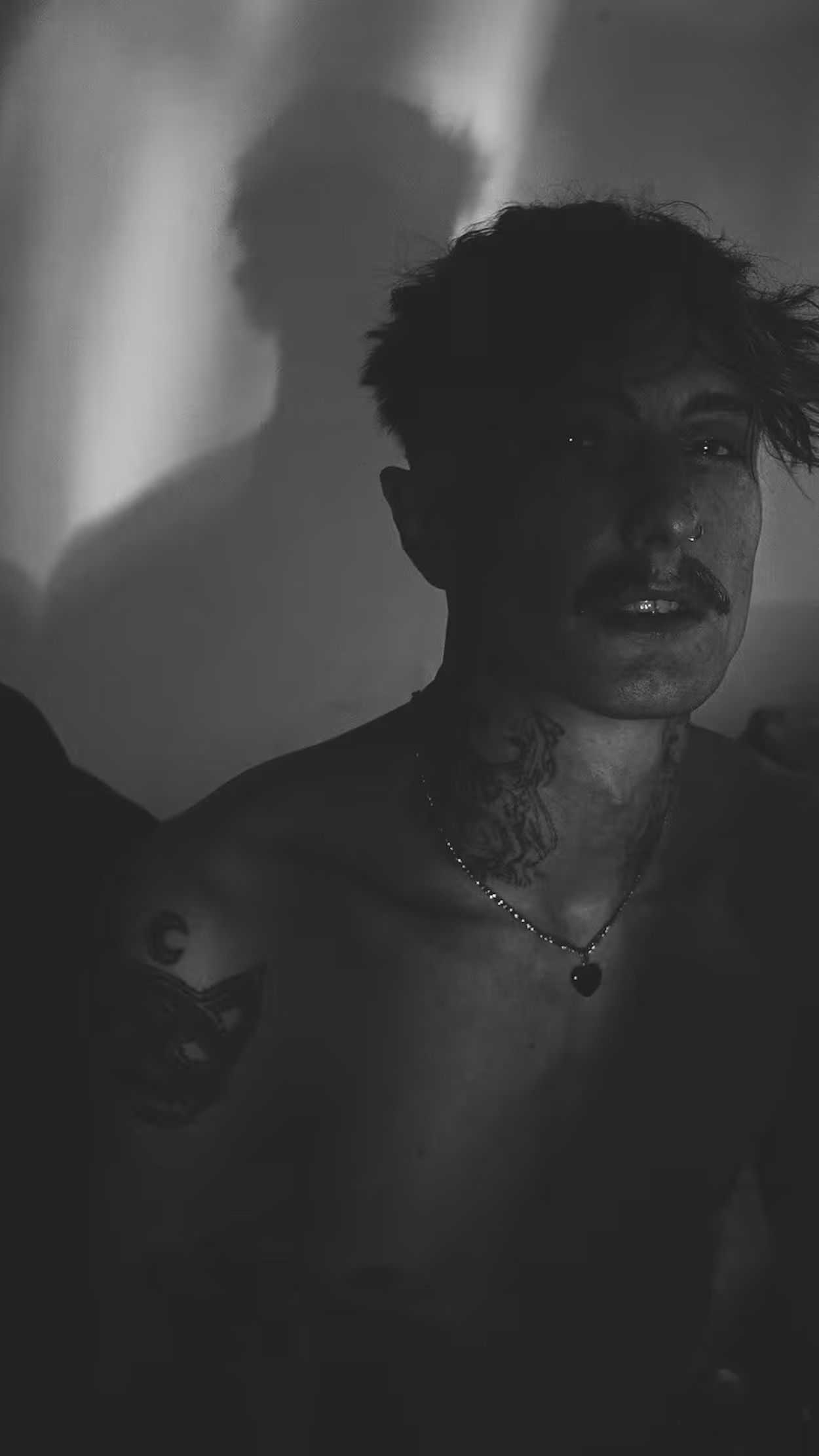
This validation gives Boys Cry Too its ache, as well as its purpose.
The album doesn’t offer heartbreak as something to conquer, outrun, or weaponize; instead, it creates space for feeling to exist without shame. “It should hit you in the face with anger and anxiety,” Liebens says, “and then it’s supposed to take you somewhere where you can feel what you feel.”
In conversation with Atwood Magazine, Liebens discusses the influence of American culture on his songwriting, music as a form of self-discovery, and how emotional openness has reshaped his understanding of masculinity. Fans will get to experience the unpacking of his thought process firsthand, as The Haunted Youth is set to tour across Germany, France, the Netherlands, and Belgium throughout July.
Read our interview below, and let Boys Cry Too meet you in the mess of feeling everything.
— —
:: stream/purchase Boys Cry Too here ::
:: connect with The Haunted Youth here ::
— —
Stream: ‘Boys Cry Too’ – The Haunted Youth
A CONVERSATION WITH THE HAUNTED YOUTH

Atwood Magazine: In a 2024 interview, you mentioned that one of your biggest goals was bringing The Haunted Youth to the U.S. After building such a strong following across Europe, has anything surprised you about introducing your music to American audiences?
The Haunted Youth (Joachim Liebens): I felt so at home somehow. I’ve been bottle fed by American culture all of my life, so it made more sense to me; it always felt more exciting than my own culture and I felt like musically and artistically, I always related much more to American culture. I’ve been listening to American music for most of my life and naturally gravitated towards it. It felt like the ultimate reward to be accepted by this community I was so inspired by.
It was a really scattered week in Austin, but I loved playing the shows there; I love the way venues were set up, the people that came – I don’t have anything bad to say about it. It was an all-out, really good experience.
On that note, you've spoken before about feeling connected to American culture through music and songwriting. Can you elaborate on which aspects of that culture have influenced the way you tell stories in your songs, and why you feel such a strong connection to them?
The Haunted Youth: I guess it’s just the flavor of it. It always had this really free spirit and vibe in a way that I couldn’t find in Belgian music. American sounds so good in songs and maybe that’s my personal bias, but I have so much more of a soundboard to what I’m trying to express. I decided for myself that I want to sound like the music I grew up on.
In terms of songwriting as a form of therapy, are there any songs from your earlier work that, in hindsight, helped you process emotions or experiences you didn't fully understand at the time?
The Haunted Youth: I remember writing “Fist In My Pocket” and that is, for me, the first real song that hits hard – before that it was learning all of the traits of the craft and trying out different things. When I was writing that song, I could feel like it was written in two or three sessions that were super emotional; I was in tears writing it – it was so cathartic. I remember talking to my manager that I was scared if I try this too much, it might lose the whole magic, so the recording of the song was the first time I tried recording it. There are even a few lines I forgot in the recording and then I start singing again but somehow it didn’t matter because there was so much vibe to it. When it comes to the themes of my past, they all came together in this one song.
You've previously talked about physically “painting” your music. Have you ever discovered something new about a song through painting that you hadn't realized while writing it?
The Haunted Youth: Painting was my way to experience music but also express myself emotionally and artistically, but I ended up feeling like the art world wasn’t really my ultimate thing. I felt like I kept hitting this wall with music where nobody could teach me anything I wanted to know and I kept feeling stuck. I love painting though, don’t get me wrong; I love getting in the layers, being obsessed about color, form, and aesthetics. I’ve always been more like a collector of ideas and right now, I feel like music has become the ultimate way of collecting them and presenting them back to the world.
Many of your lyrics explore vulnerability or uncertainty, yet they're often paired with very light instrumentals. What draws you to that contrast between emotional heaviness and a more uplifting or atmospheric sound?
The Haunted Youth: People ask me this a lot – they notice there’s always this irony in my songs that sounds really epic or happy or cute but it’s about suicide. I really put that forward – to try not to take your own suffering too seriously even though I used to be a really depressed person, really negative thinking and song was my tribute to that. I always loved dark ironic humor. It showed me maybe this is a cute way of smiling at your own suffering; I’m not the first to do that – The Smiths would do that in their own way.
In terms of audience, are you looking to relate to people who are going through the same experiences or is your goal to spread awareness in general of the situations described in your songs?
The Haunted Youth: There’s these different levels to it; one thing I like about the way that people have interacted with my music is it starts with a personal need and an obsession with this sound. On the other hand, when I try to really help myself with a song and the song ends up helping me, it surprised me back in the day, but it’s actually pretty logical in a way that might affect another person going through the same stuff. We’re all human so if it works for one then usually it’s gonna hit most people in the same way who can relate to it. There’s a reason why I call my band the way it’s called; it calls for that sense of community, which I have been looking for my whole life, and I never really fit in. I started to feel like music was my community and what gave me purpose in my life – a sense of identity.
It’s about this deep gladness for me – a sense of catharsis or dealing with my emotions but the fact that I’m looking for community, I don’t want to be alone, I want to relate to people, and music has been this vessel for that. I feel good about making somebody else feel good, whether I intend to or not.
Boys Cry Too has been described as a deeply personal record. Was there a particular song on the album that felt especially difficult to share once it left the studio?
The Haunted Youth: I think the whole album was a really vulnerable thing to share; I wrote it in a way that everybody can relate to, without them having this documentary about a thing in my life. The person I wrote it about, she’s gonna hear it at some point and knowing that I was putting my heart on a plate for a person that’s probably not gonna appreciate it was definitely a sensitive thing to do, but also very necessary. The whole title is just me trying to show up for my feelings.
For someone discovering The Haunted Youth for the first time through Boys Cry Too, what do you hope they take away from the album after their first listen?
The Haunted Youth: I want them to find a place to let their emotions run so they are ready for the world again afterwards. When you look up “how to get over her” or heartbreak tips online for boys, you get videos of Andrew Tate and all of these bad examples. It was when I went to therapy – I lived with my therapist for three months when I was really bad, I had to take pills to sleep – she taught me about journaling. I was having this internal battle and this fight with her instead of getting into my emotions. I was always trying to win and saying depression doesn’t exist, blah blah blah. I was getting so stressed, so anxious, so angry so I was turning into a shell of myself and the moments that were really valuable to me in that process was when I was able to get out of my head and accept that this broke my heart.
They [guys] should find that for themselves because it’s one thing to become rich and successful but why want to make her jealous about your life now or make her regret leaving you; all that is bullshit. It’s just about how you did give a f*** about this person; that’s what matters. It’s about grieving the fact that it’s not about what you wanted and accepting every stage of what heartbreak meant for me. I wanted to validate my feelings and not just judge it. It’s super inclusive, almost saying we’re more like you [women] than you think; here are all these feelings I have, I just communicate them differently. I get angry first but then I get into this formal, vulnerable side because I’m ashamed and embarrassed and that’s how I wanted the album to feel. It should hit you in the face with anger and anxiety and then it’s supposed to take you somewhere where you can feel what you feel.
— —
:: stream/purchase Boys Cry Too here ::
:: connect with The Haunted Youth here ::
— —
— — — —
Connect to The Haunted Youth on
Facebook, 𝕏, TikTok, Instagram
Discover new music on Atwood Magazine
© courtesy of the artist
 © courtesy of the artist
Boys Cry Too
an album by The Haunted Youth