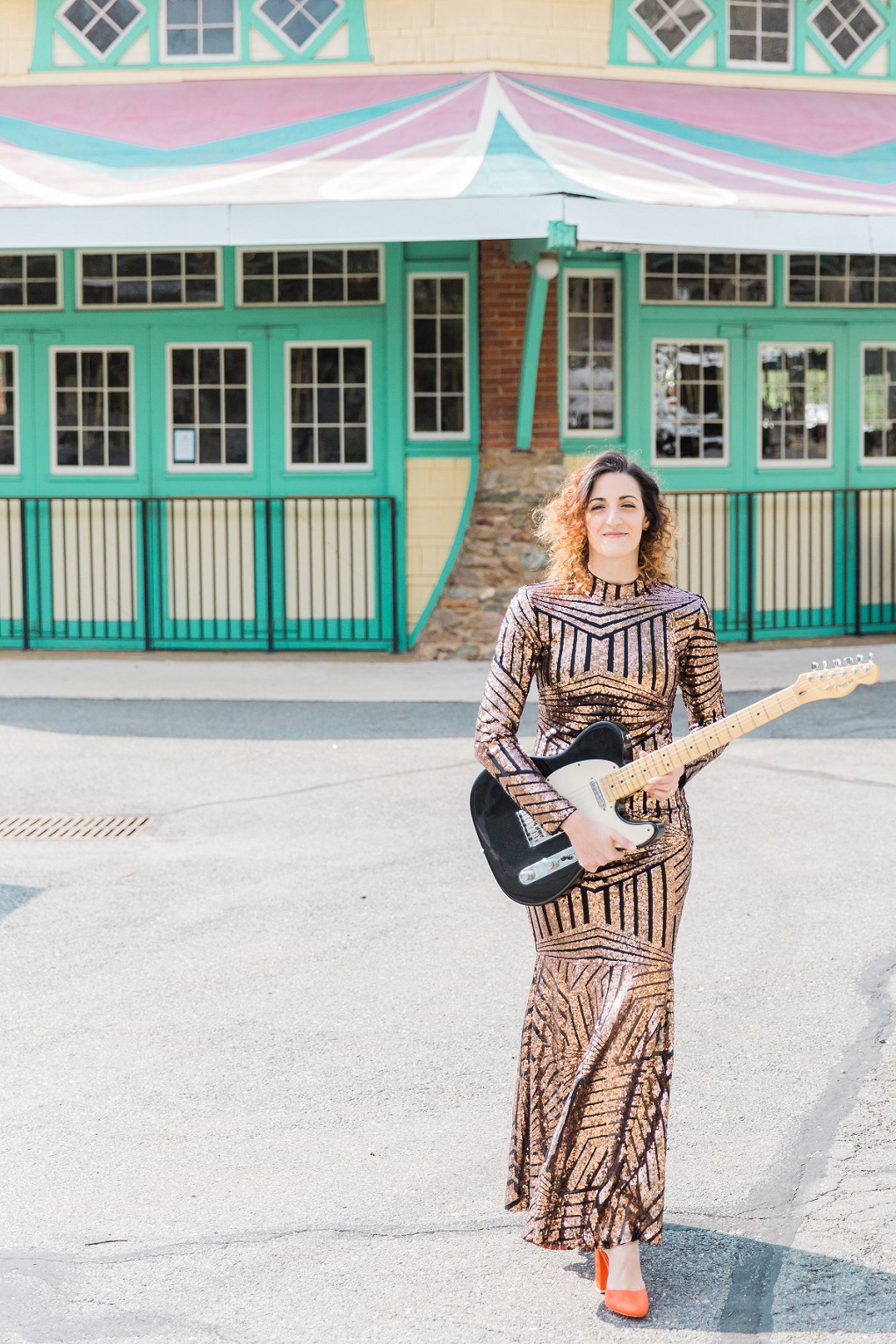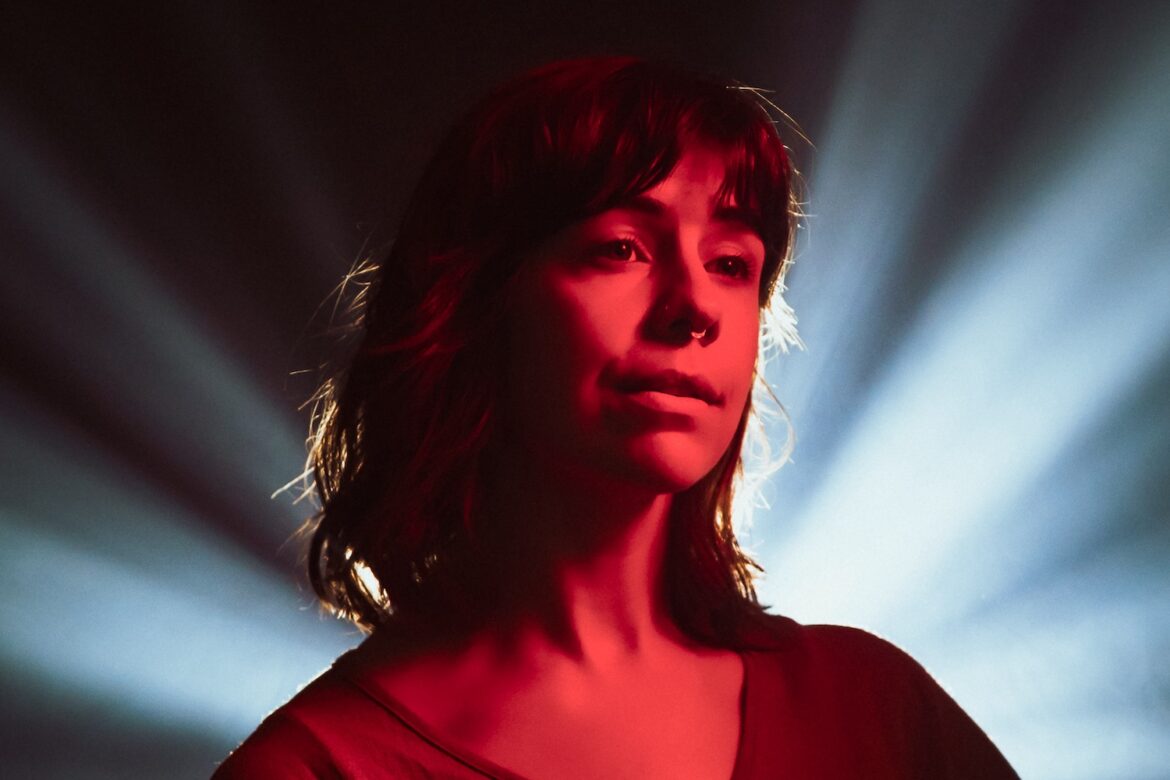
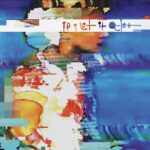
Sweltering, feverish, and soul-stirring, Josaleigh Pollett’s “The Witness” transforms the need to be seen, held, and understood into a blazing demand for connection. That raw urgency widens across Pollett’s restless, beautifully spacious fourth album ‘If I Let It Quiet,’ as Pollett and Jordan Watko (Crowd Shy) weave organic instrumentation through electronic textures, folding the sounds of their separate environments into a breathtaking exploration of distance, transformation, and the relationships that help us recognize ourselves as we change.
Stream: “The Witness” – Josaleigh Pollett
Sweltering, smoldering, and soul-stirring, Josaleigh Pollett’s “The Witness” burns with the heat of a confession that can no longer stay private.
Drums churn beneath glowing guitars and electronic pressure, while Pollett’s voice surges with desperate, radiant force, transforming the need to be seen into a physical pull – a flare in the blood, a hand reaching through the dark. By the time they cry, “Tell me I’m right / Tell me you like it,” the song has stopped asking politely. It demands recognition.
Ask a complicated question of the witness –
I think that he is here with us
I keep feeling like I’m getting to the party
just when everyone is leaving
I don’t need an audience for every feeling,
But god I know this one I do
I can see why you are doing what you’re doing,
I can see a part of me in you
“The Witness” sits at the blazing center of Pollett’s fourth album, If I Let It Quiet, released July 24 via Audio Antihero and Lavender Vinyl. Written and performed with longtime creative partner Jordan Watko (aka Crowd Shy) across Salt Lake City and Osaka, the twelve-track record stretches their well-established marriage of intimate songwriting, organic instrumentation, and electronic world-building into its most spacious and fully intertwined form yet.
Pollett has spent nearly a decade widening the possibilities of that songwriting. Their 2017 debut, Strangers, grew out of an acoustic and folk world, bringing together friends in their hometown of Ogden, Utah for what Pollett now affectionately calls the “banjo-tinged folk record of my dreams.” Meeting Watko in 2019 opened another door. On 2020’s No Woman Is the Sea, Pollett’s intimate writing began colliding with his layered production; by 2023’s In the Garden, By the Weeds, the two had become roommates, close friends, and increasingly intertwined creative partners, building an electronics-infused record whose restless density reflected the pandemic isolation surrounding it.
Success widened Pollett’s world – In the Garden brought broader attention and opportunities to share stages with St. Vincent, Torres, Deep Sea Diver, DeVotchKa, Mini Trees, and others – but Watko’s eventual move to Japan radically altered the conditions under which their partnership could continue. Rather than breaking the collaboration apart, the distance clarified what it had become. “I no longer hear a Josaleigh song produced by Jordan Watko,” Pollett tells Atwood Magazine. “I hear a song written by us both, explored to its limits through both of our ears and selves.”
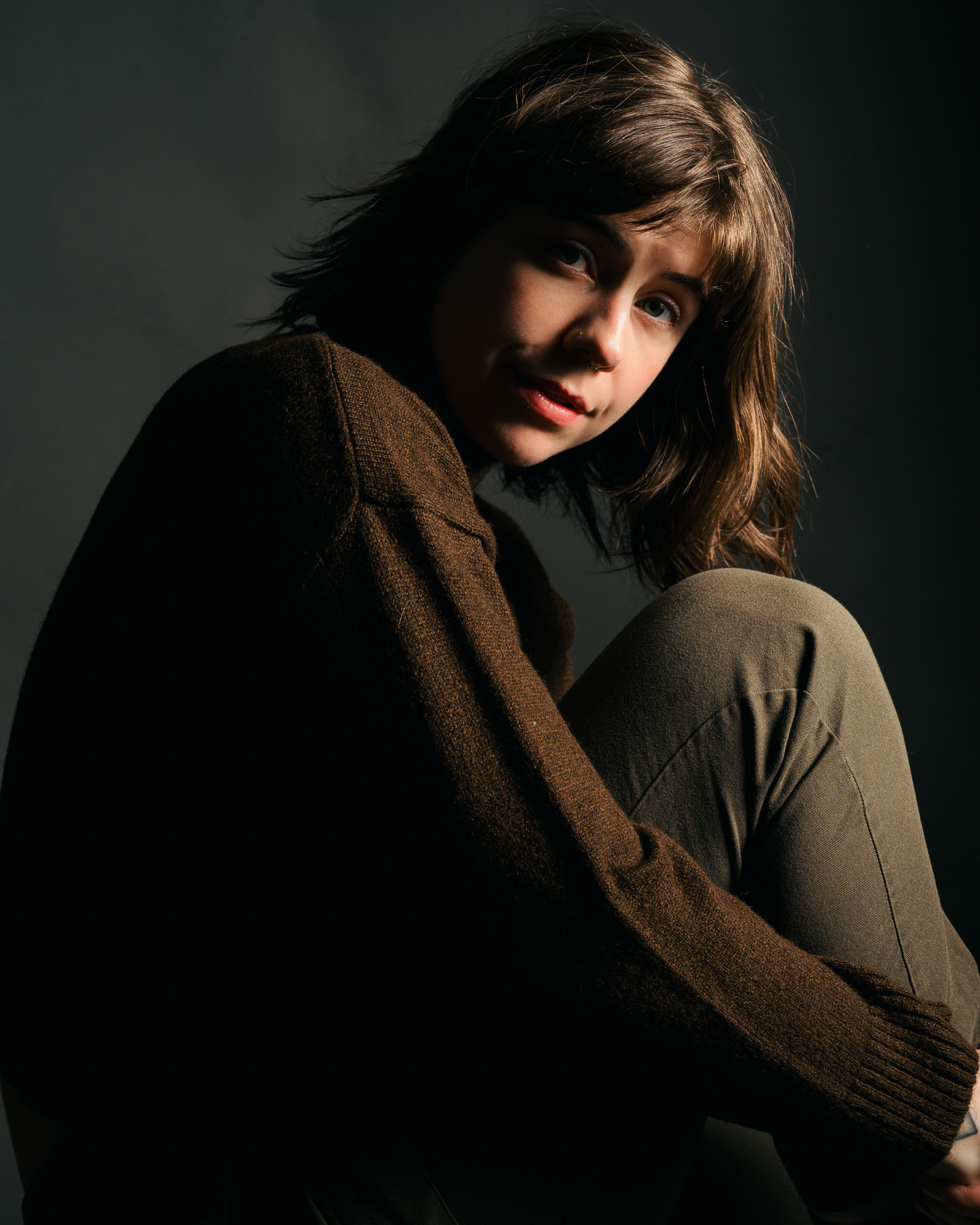
For Pollett, songwriting begins with the hope that honesty might make the bewilderment of being alive a little easier to carry.
“My music is an attempt at making sense of the world around us,” Pollett tells Atwood Magazine. “An attempt at an outstretched hand to make people feel a little less alone. In my own personal experience, being a human being is the most bonkers thing that will happen to any of us. It’s incredibly confusing, joyful, sticky, gross, hilarious, and absolutely devastating.”
Could it be that we arrived at truer places,
once we stopped following the map?
Couldn’t arrive at myself without you –
maybe you could feel like that?
That outstretched hand drives “The Witness.” Written several months after Watko relocated to Japan, the song emerged alongside sweeping changes in Pollett’s relationships, sense of self, and understanding of what connection could look like beyond familiar roles. Its central realization is simple but enormous: To be seen, held, and understood, we must learn to offer that same attention outward.
“I don’t need an audience for every feeling / But god I know this one I do,” Pollett sings, balancing self-awareness against an almost unbearable hunger for affirmation. The verses move through missed arrivals, emotional absence, and unstable identity, but the chorus erupts with naked directness: “Will you tell me that I am a good person / and take me out when I fight it?” The desire is not merely to be praised. Pollett wants someone close enough to witness the performance, recognize the resistance beneath it, and refuse to look away.
Tell me I’m right
Tell me you like it
Will you tell me that I am a good person,
and take me out when I fight it?
Say what you mean
To hide it is violent
All the people that I told all my secrets
now just stare at me in silence
“I had just deleted my Twitter account and ended a relationship where traditional gender roles were completely dismantled, and it really opened up so much for me and how I view myself and want to be perceived by other people,” Pollett explains. “I was leaning on platonic friendship so much and just reveling in the feeling of being loved by people who had seen and understood so many versions of me.”
“We all really need each other, and it took me a long time to figure that out.”

That need courses through the song’s arrangement. Ken Vallejos’ drums keep “The Witness” in a restless, rolling churn, while Watko’s production surrounds Pollett with a charged atmosphere that seems to contract and expand around every admission. The music smolders rather than explodes all at once, sustaining its pressure until vulnerability and intensity become inseparable. Pollett sounds pulled forward by the song even as every lyric circles the fear of arriving too late, changing too quickly, or disappearing without anyone there to notice.
At moments, “The Witness” recalls Death Cab for Cutie at their most emotionally exacting – not through imitation, but through the way Pollett pairs Ben Gibbard-like narrative precision with an arrangement that keeps tightening around every admission. The party, the small talk, the new dress: ordinary details become portals into loneliness and longing, while the song’s smoldering propulsion gives those scenes the same ache, urgency, and lift that define the band’s finest work.
The second verse cuts even deeper: “Sometimes I can go a week without feeling / I come to with a gasp during small talk.” Emotional numbness breaks without warning; tears arrive disguised as weather; time vanishes. Then Pollett locates the bottom of the spiral: “I think it’s when there’s no witness / No one to see you at the party with your hair long / Spinning in a new dress / And knowing it’s a new dress.”
Sometimes I can go a week without feeling,
I come to with a gasp during small talk
It’s not that I’m crying over weather,
It’s just that I don’t know where the time goes
I think I found what’s at the bottom of the spiral –
I think it’s when there’s no witness
No one to see you at the party with your hair long,
Spinning in a new dress
And knowing it’s a new dress
That last detail is devastating. Being seen means more than occupying another person’s field of vision. It means having someone understand what has changed, what it cost, and why the new dress matters. “The Witness” aches for the people who recognize our becoming – not merely the final version, but every revision along the way.
“I’ll tell you my name / when it’s in a new language,” Pollett sings later. “Will you tell me I’m your favorite version of me? / And then watch while I change it?” The question holds the song’s most profound challenge: Can love survive transformation without demanding permanence? Can another person celebrate who we are now while leaving room for whoever comes next?
I’ll tell you my name
When it’s in a new language
Will you tell me I’m your favorite version of me?
And then watch while I change it?
Blink twice for yes,
Swim out at high tide
All the people that we told all our secrets
they all cheer from other timelines

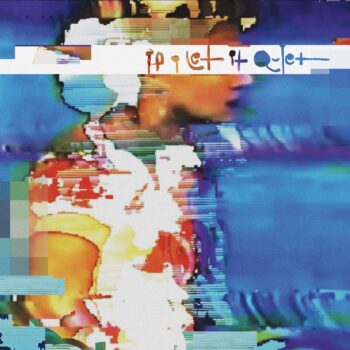
For Pollett, “The Witness” also establishes the emotional foundation of If I Let It Quiet.
Distance runs through the album in countless forms – geographic, romantic, familial, platonic, psychological – but connection remains its counterforce. These songs repeatedly abandon maps, question fixed directions, and search for language expansive enough to hold change. “The Witness” sets that journey in motion by naming the primal need underneath every rupture and reunion: Someone must be there to know us, and we must be willing to know them in return.
“So many of the songs on If I Let It Quiet are explorations of distance – emotional and geographical – mainly around relationships of all kinds: familial, platonic, romantic,” Pollett says. “‘The Witness’ feels like setting the stage for why each of the other songs had to happen. The basis for any other conflict or connection is just needing to connect and feel seen.”
The dreamy, brooding “Cherry” introduces that imagery almost immediately: “I cut my hair / But I still don’t look like you / I burned the map / Now the north is a sound.” Direction stops being geographic and becomes instinctive, something heard rather than followed. The song carries that disorientation through blood, family, memory, and old punks growing into comfortable shoes, letting identity remain unsettled without treating that instability as failure. A few tracks later, “Like a River” pushes the same question inward until Pollett arrives at the lyric that gives the album its name: “If I let it quiet / Who am I if not my thinking?” The problem is no longer where to go. It’s whether the self can still be recognized once the noise drops away.
If I let it quiet
Who am I if not my thinking?
Bright light, spiral
I think that I am gonna be up for a while
“Bed of Quiet” lives inside the sleepless aftermath. Pollett calls it “an over-thinker’s anthem,” and its central loop – “A little doubt that I let right in / I make a choice and then I make it again” – traps indecision inside a room where rest never quite arrives. The Death Cab for Cutie resonance surrounding this record becomes literal here: The song incorporates a sample written and recorded years earlier by Chris Walla and Beau Sorenson, folded into guitar crunch, percussive movement, and Watko’s nocturnal electronics. Its pitch-shifted post-chorus also marks the only moment Watko sings on the album, his voice surfacing inside the doubt like another thought that refuses to let Pollett sleep.
This is not my bed of quiet
I don’t see my witness star in the sky
A little doubt that I let right in
I make a choice and then I make it again
By the record’s back half, maps have become objects to distrust altogether. “Escape Routes” admits, “Been mapping it out but the map is not the road,” recognizing how easily preparation can become another form of control. “Radio Player” drifts into a stranger, darker register, where memory behaves like a damaged VHS tape: The old house may no longer exist, a light shines from the television, a ghost appears, and Pollett asks only to be believed. “We All Got It Right” answers that isolation with stories traded through the city and “a shared language at the center,” while closer “Tacit” finally stops trying to preserve the directions. “Map out all the left turns,” Pollett sings, before the record gives its last command: “Still is not the road, rip it up and go.”
Come down gentle
Get lost in the glow
Map out all the left turns, tacit
Still is not the road, rip it up and go
Rip it up and go
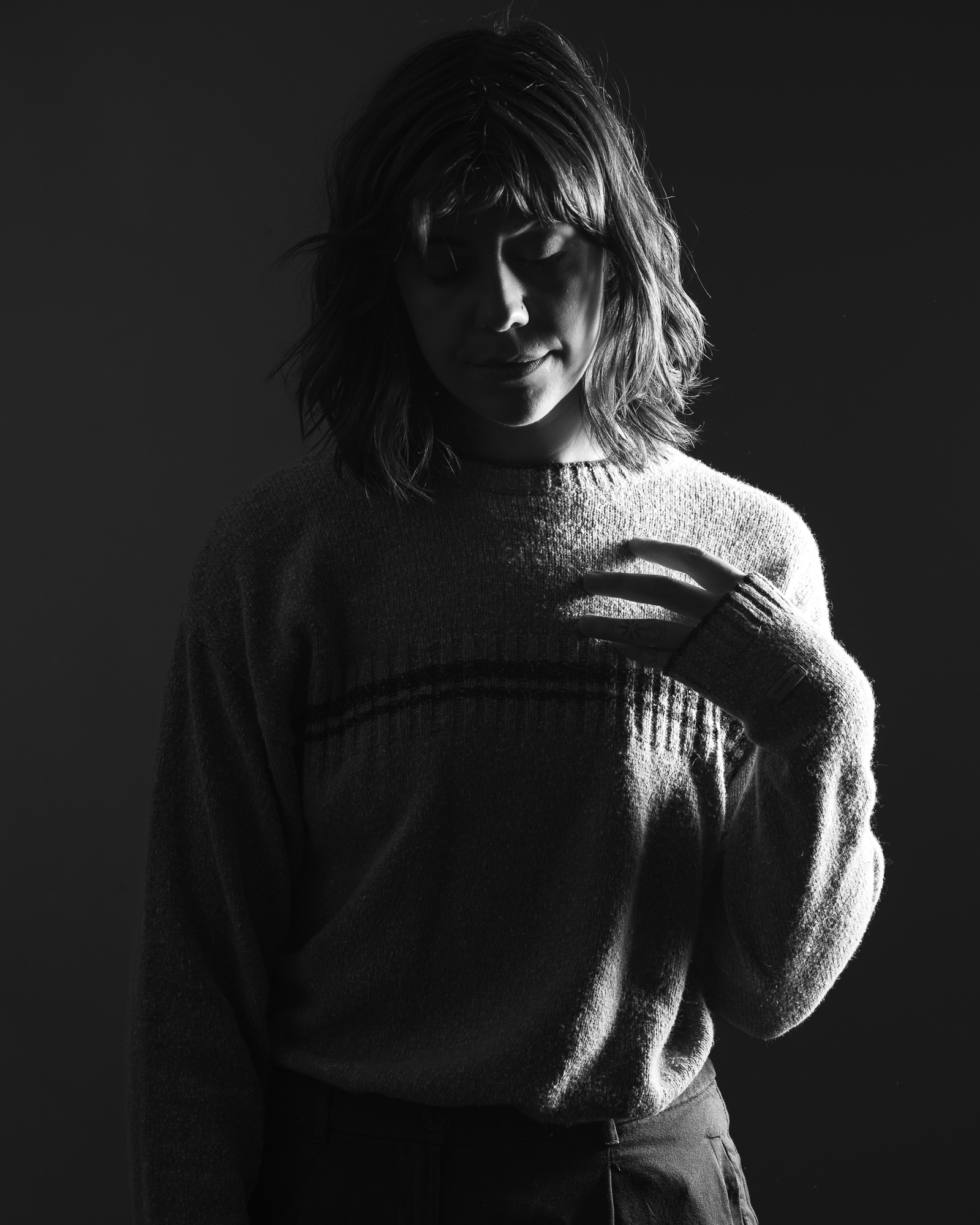
For all those spirals, currents, ghosts, restless bodies, and roads that refuse to stay fixed, If I Let It Quiet is remarkably spacious.
Yet compared with 2023’s In the Garden, By the Weeds, it breathes. Pollett and Watko created the earlier album in pandemic-era isolation, with Watko carrying the overlapping roles of co-writer, producer, instrumentalist, engineer, and mixer. This time, Andrew Goldring’s involvement in additional production, mixing, and mastering allowed both artists to concentrate more deeply on their strongest instincts – and to leave open space for surprise.
“I love that record, but I think it’s f*ing intense,” Pollett says of In the Garden, By the Weeds. “There is so much there, and it really reflects an intensely isolated time for us both.”
“Bringing in Andrew Goldring to help produce and mix the record allowed Jordan to be more explorative with production, which in turn allowed him to push me further as a lyricist and songwriter and vocalist. It gave this project so much more room to explore that I think gives it a new spaciousness that In the Garden didn’t allow for.”
Distance did not merely shape the album’s themes; it entered the music itself. Pollett and Watko folded their separate environments into the recordings – grass crunching beneath Pollett’s feet, planes transformed into low drones, a parade outside Watko’s apartment in Japan, even the snoring of Pollett’s old dog. These sounds bridge eight thousand miles, allowing the rooms, streets, and lives surrounding each artist to meet inside the same songs.
“Due to the distance between us and the fact that we were creating something without physically being near to each other, it felt important to capture the sounds of our respective spaces and build them into the world of the record,” Pollett reflects. “I think it felt like a way for us to feel closer and more connected to each other at a great distance.”
Even the album’s brief connective pieces carry people across that space. Opener “Shed Piano, Birds” gathers voices from Pollett’s orbit into the record before the songs fully begin, while “Yasaka, Natsu” brings in Ryo and Yūki Sambongi from Japan near the album’s end. The effect is subtle but essential: If I Let It Quiet physically lets distant rooms and voices occupy the same recording, weaving connection across distance into the album’s very fabric.
Pollett and Watko have a fittingly playful phrase for that appetite to keep expanding their shared language. “We’re both big Star Trek fans,” Pollett says, “and I just think we always want to be exploring new worlds when it comes to the art we’re making.”

That connection is the quiet miracle of If I Let It Quiet.
The album never treats change as clean or painless; its maps burn, its timelines split, and its thoughts circle through the night. Yet these songs keep reaching outward. They make room for friendship, collaboration, reinvention, and the people who recognize us as we shift from one form into another.
“This album allowed me to loosen my death grip on the things that are dear to me,” Pollett says. “To know that everything changes, and the pain comes from believing that it won’t.”
“The Witness” carries that lesson in every feverish pulse. It’s a brilliant, blazing song about the courage required to know another person and let yourself be known – to speak plainly, to remain present, and to love without demanding stillness. Pollett does not quiet the longing at its center. They turn up the heat until it glows.
Below, Pollett follows that outstretched hand back through nearly a decade of songwriting – from the banjo-tinged folk beginnings of Strangers to a creative partnership with Watko that has become genuine co-authorship across an ocean. They open up about the writers who taught them to circle a feeling until the right detail cuts through, the risks and happy accidents that reshaped this record, and the strange freedom of accepting that change cannot be corralled forever. The map may not be the road, but on If I Let It Quiet, Pollett has learned to trust the motion – and the people still moving alongside them.
— —
:: stream/purchase If I Let It Quiet here ::
:: connect with Josaleigh Pollett here ::
— —
Stream: ‘If I Let It Quiet’ – Josaleigh Pollett

A CONVERSATION WITH JOSALEIGH POLLETT

Atwood Magazine: Josaleigh, for those who are just discovering you today through this writeup, what do you want them to know about you and your music?
Josaleigh Pollett: Oh I love this question. I think I’d want them to know that my music is an attempt at making sense of the world around us. An attempt at an outstretched hand to make people feel a little less alone. In my own personal experience, being a human being is the most bonkers thing that will happen to any of us. It’s incredibly confusing, joyful, sticky, gross, hilarious, and absolutely devastating. When I hear a song that reflects something in myself back to me, it makes all of that experience a little easier to navigate. My hope is that the songs I write can be that to others. Especially those digging into the nuanced, complicated, self-exploratory feelings that are hardest to bring into the light.
With us being about a decade into your career, can you recommend a couple deeper cuts or personal highlights from the Josaleigh Pollett catalog for Atwood’s crate-digging audience to sink their teeth into?
Josaleigh Pollett: I think for those interested in the more acoustic/folk world, my 2017 record Strangers is very, very different from the work I make now. At the core, I still ultimately make singer/songwriter records, but Strangers brought together an insanely talented group of friends in my hometown of Ogden, Utah to make the banjo-tinged folk record of my dreams. “Broken Glass” and “Like a Blessing” stand out to me as fond memories of a much younger and different version of myself. Guitar, drums, and bass were all tracked live together without a click track (what was I thinking!) in the spirit of the Magnolia Electric Company. Though I wouldn’t make this record again, I think it’s very fun.
From my 2020 record, No Woman Is The Sea, I recommend the track “No Man Is An Island” for a very early look at my creative collaborator Jordan Watko (aka Crowd Shy) and I figuring out how to make songs together. His production sparkles shine through and you can feel the early stages of us getting our feet under us in our creative partnership, polite and trying not to step on each others’ toes, but simmering with possibilities.
Who are some of your musical north stars, and what are you most excited about the music you're making today?
Josaleigh Pollett: For myself through a lyric-writing lens, I’ve always really admired Laura Stevenson for her uncanny ability to write around a feeling and then punch you in the gut with the specifics, meandering away from traditional song structure – avoiding choruses unless absolutely necessary. Also the way that Jason Molina gave me a world of devastation and poetry to reflect on in my late teens/early twenties shaped the very nature of how I write today, and I’m always finding ways to nod to his influence on me in my own lyrics. From a production lens for the way that Jordan and I collaborate, we’ve always looked to legends Low, Sharon Van Etten, and Jenn Wasner of Flock of Dimes / Wye Oak.
I’m most excited about our new record because I feel that after making two other records together and growing our friendship, we’re finally able to hear what it sounds like when we make something fully together, greater than just the two of us. I no longer hear a Josaleigh song produced by Jordan Watko. I hear a song written by us both, explored to its limits through both of our ears and selves. I can’t want to continue to evolve that sound with Jordan because I think we really finally found out how to do it on If I Let It Quiet.
How do you feel your new LP If I Let It Quiet reintroduces you and captures your artistry, especially compared to In the Garden, By the Weeds?
Josaleigh Pollett: I think that If I Let It Quiet finds Jordan and I focused in on what we’re good at, stretching ourselves to explore new things, and open to happy accidents and big swings. On In The Garden, we had started writing that during the pandemic and put ourselves into a very isolated space to create it. We had a few collaborators lend some voices and sounds to that record, but otherwise it was all me and Jordan, and Jordan wore all of the hats of co-writer, producer, instrumentalist, and mixing engineer. It didn’t allow for either of us to take a step back and get really essential on one or two things. I love that record, but I think it’s f***ing INTENSE because of this. There is so much there and it really reflects an intensely isolated time for us both. Jordan moved to a new country right as we started to write this new record, and we knew that simply due to distance, spaciousness was going to need to be a priority if we were going to make a new process work. We needed room to breathe, room to focus on changes in our personal lives, and room to hone in on what we were good at. Bringing in Andrew Goldring to help produce and mix the record allowed Jordan to be more explorative with production, which in turn allowed him to push me further as a lyricist and songwriter and vocalist. It gave this project so much more room to explore that I think gives it a new spaciousness that In The Garden didn’t allow for.

You kicked off this era with “The Witness,” a track about knowing that to be seen and held and understood, you must first see and hold and understand. What’s the story behind this song, and how does it fit into the overall narrative of If I Let It Quiet?
Josaleigh Pollett: I started writing “The Witness” about 4-5 months after Jordan had moved. It was one of those rare songs for me where I sit down and the lyrics just come pouring out. Jordan had such a big role in helping me edit them, too. I remember him telling me I had a better chorus in me after I showed him a draft, and I was so grateful for his feedback and trust in me as a writer. I had just deleted my twitter account and ended a relationship where traditional gender roles were completely dismantled and it really opened up so much for me and how I view myself and want to be perceived by other people. I was leaning on platonic friendship so much and just reveling in the feeling of being loved by people who had seen and understood so many versions of me.
So many of the songs on If I Let It Quiet are explorations of distance – emotional and geographical – mainly around relationships of all kinds – familial, platonic, romantic. The Witness feels like setting the stage for why each of the other songs had to happen – the basis for any other conflict or connection is just needing to connect and feel seen. We all really need each other, and it took me a long time to figure that out.
How are you pushing yourself and your sound at this juncture? What’s exciting you from a sonic perspective at this time?
Josaleigh Pollett: It’s always been important to Jordan and I to marry electronic/synthetic sounds with organic ones. Wherever our explorations go, this always seems to stay core to what we do. For this record, Jordan was finding a lot of inspiration in taking that to a deeper level of exploration, where even the digital sounds have organic origins. There are so many environmental sounds on this record – grass crunching under my feet turned into sonic textures through affects, planes going by turned into droning bass sounds, a parade marching outside Jordan’s apartment window in Japan, my old dog snoring to create the world of sound. Due to the distance between us and the fact that we were creating something without physically being near to each other, it felt important to capture the sounds of our respective spaces and build them into the world of the record. I think it felt like a way for us to feel closer and more connected to each other at a great distance. Bringing Andrew Goldring in really felt like such a great way to push the production and bring new perspective in, and allowing Jordan to get into the weeds of lyric writing on this one helped me push myself as a lyricist. We always want to be growing and changing and trying new things to keep this project exciting to both of us. We’re both big Star Trek fans, and I just think we always want to be exploring new worlds when it comes to the art we’re making.

What do you hope listeners take away from “The Witness” and If I Let It Quiet, and what have you taken away from creating this music and now putting it out?
Josaleigh Pollett: I hope that listeners can walk away from this record feeling grateful for each other, for change, for friendship, and for the opportunity to turn into something new. This album allowed me to loosen my death grip on the things that are dear to me. To know that everything changes, and the pain comes from believing that it won’t. My fear at trying something new with this record could have stopped me from trying anything at all. I’m so grateful that it didn’t, because it is more than I ever could have imagined that it would be.
In the spirit of paying it forward, who are you listening to these days that you would recommend to our readers?
Josaleigh Pollett: Lately I’ve been incredibly obsessed with the new album from Philadelphia artist Star Moles, and her new album Highway to Hell. Such incredible songwriting. I’m also still spinning Madeline Kenney’s album from last year, Kiss From The Balcony. She’s such an insane talent, I hope that she always knows that.
— —
:: stream/purchase If I Let It Quiet here ::
:: connect with Josaleigh Pollett here ::
— —
Stream: “The Witness” – Josaleigh Pollett
— — — —
Connect to Josaleigh Pollett on
Instagram, Bluesky, TikTok, Facebook
Discover new music on Atwood Magazine
© PJ Guinto
 © PJ Guinto
:: Today’s Song(s) ::

 follow our daily playlist on Spotify

Stream Josaleigh Pollett