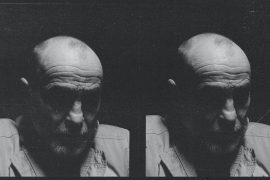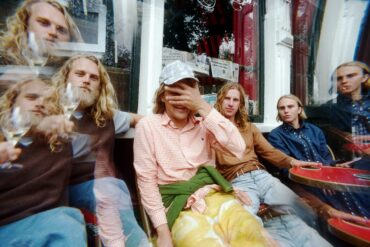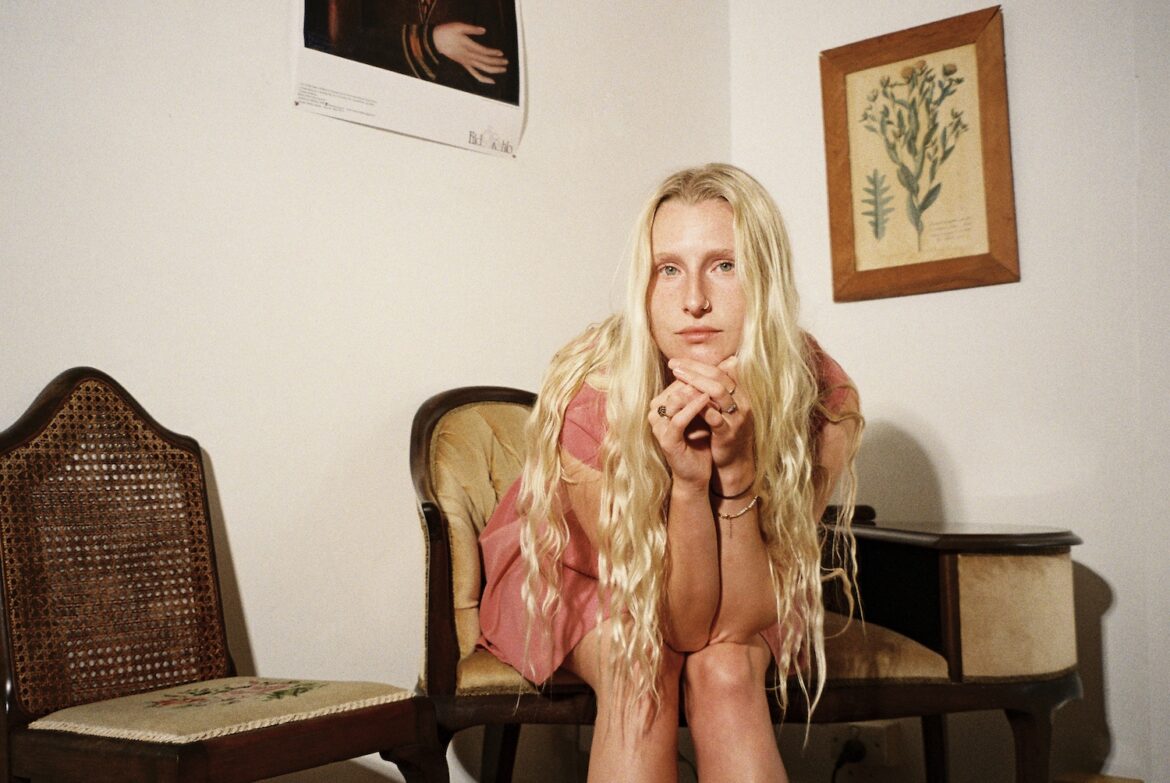
English singer/songwriter Billie Marten reflects on touring, creative reinvention, and finding new ways to make noise without losing her soft touch in a candid conversation with Atwood Magazine.
Stream: “Feeling” – Billie Marten
I am trying to find ways to make more noise without it being performative.
* * *
Inside Billie Marten’s trailer, The Count of Monte Cristo sits on the coffee table.
In another corner, a copy of Mary Shelley’s Frankenstein hides behind various drinks and snacks. We know Billie Marten loves books. She spent the better part of last year hiding custom bookmarks in various independent bookstores while touring her record Dog Eared, a hallmark of things well-loved and well-worn.
Today, Marten is sandwiched between her guitarist and drummer at Outside Lands Music Festival, wrapping up almost two years of consistent touring. Time slows down under Marten’s thumb, as she croons over pedaled tones, “The cat sits in the shade / And I am not afraid of love.” The descending chromatic scale is drowned out by applause, as faithful fans look on adoringly.
In person, there is an almost literary quality to the artist. She measures her soft-spoken words with a teaspoon, allowing them to linger in the air in her low alto. Though a longtime fan, I had no idea that the Ripon-born musician has been crooning her entrancing folk songs for ten years, after a series of viral YouTube videos and a BBC Sound of 2016 award shined a spotlight on her talent.
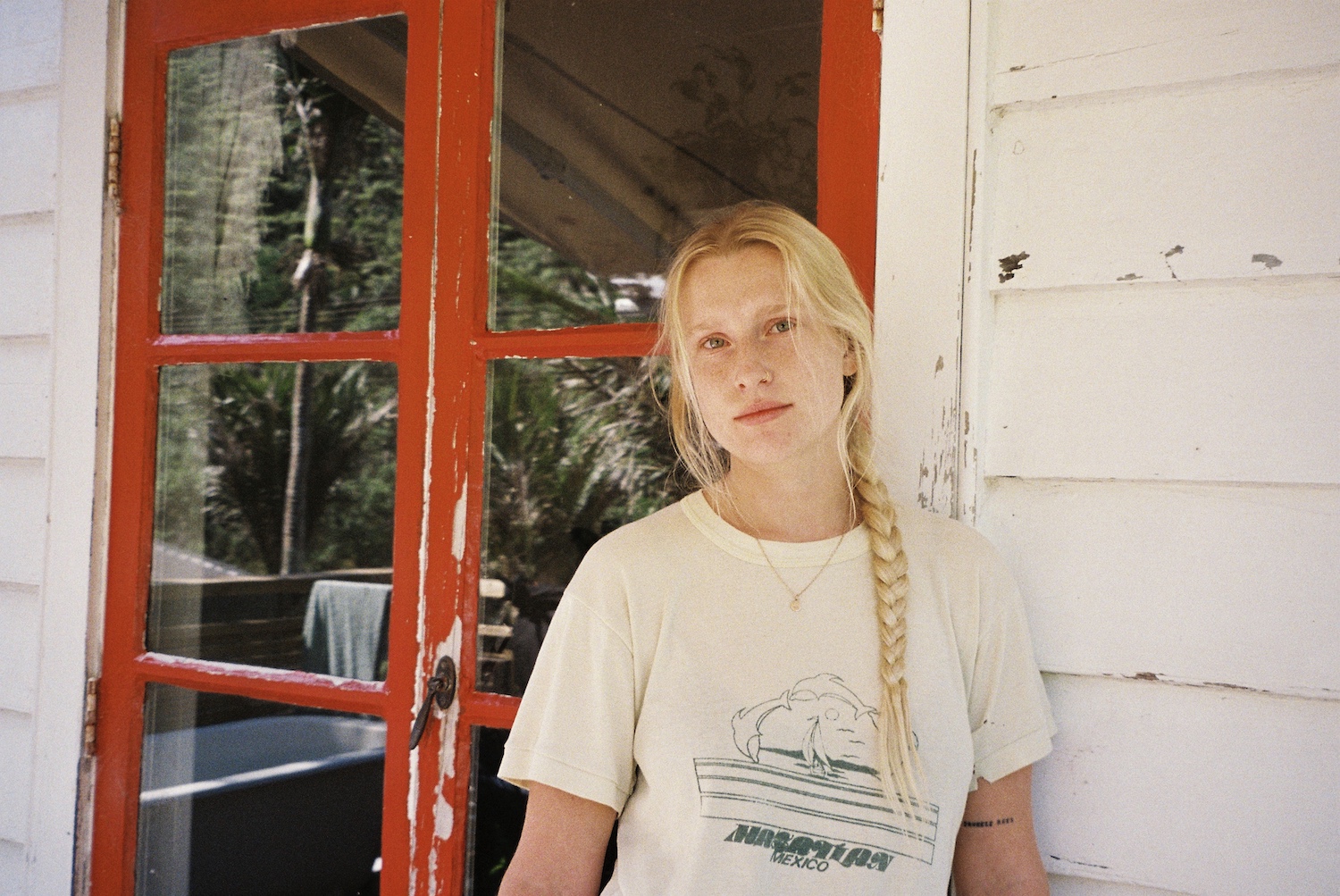
After many years in the industry, Marten is determined to keep the creative doldrums at bay, which she accomplishes by embracing new environments that come with new challenges.
In Marten’s own words, “With Dog Eared, there was a particular need for strangers, fear, and New Yorkers.” Though the fictional daydream writing style employed for her last record may be over, Marten finds new ways to keep the juices flowing.
During her performance, she introduced a new track, called “Rat Trap,” a grittier, more vigorous version of the artist than we have ever heard before. Reminiscent of Jimmy Page’s gilded guitar in “Kashmir,” the song’s chromatic chords and simple strummings run their hands over familiar feelings as if they are old scars.
“Rat Trap” seems to represent a proverbial turning of the page for Marten. This musical evolution is an extension of the venturesome spirit that has always animated her work, only now amplified into something bolder.
As Marten describes in her chat with Atwood Magazine, she is bigger in all senses of the word: In the emotions she is exploring, in her sound, in her daring.
— —
:: stream/purchase Dog Eared here ::
:: connect with Billie Marten here ::
— —
Stream: ‘Dog Eared’ – Billie Marten
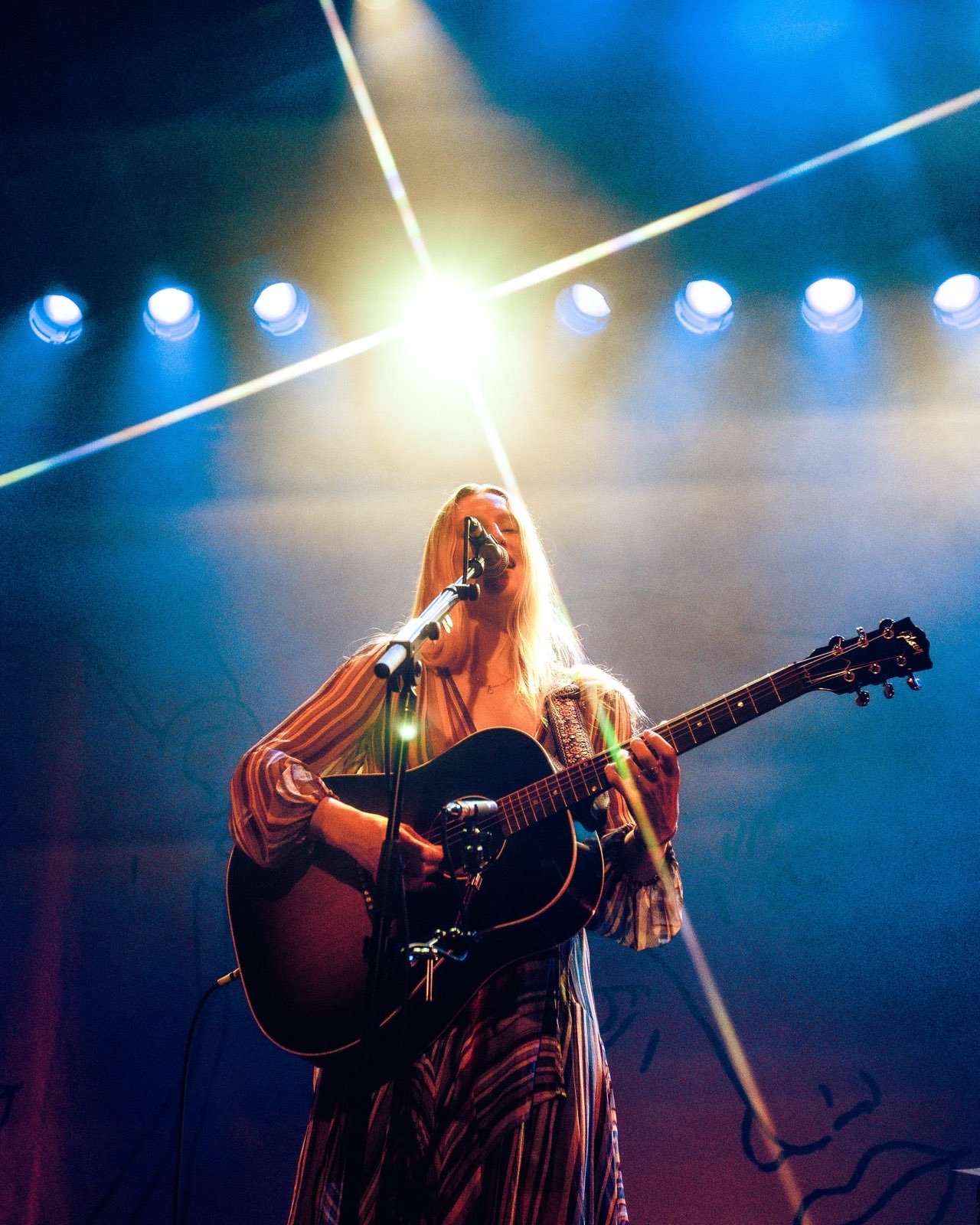
A CONVERSATION WITH BILLIE MARTEN
Atwood Magazine: You’ve talked about working with a band while recording Dog Eared. Is it the same band you played with today?
Billie Marten: There are many variations. Being a solo artist in a time when there are a multitude of songwriters and musicians is difficult. There are many moving parts and people fall in and out of love with touring. And then there’s the record, and I think it depends on who you are making the record with. With Dog Eared, there was a particular need for strangers, fear, and New Yorkers.
Why did you decide to commit to that songwriting process?
Billie Marten: I think it’s very important to keep challenging yourself. I enjoy working with different people. The benefit of being a solo artist is that you can do that; the band you do have and the people you do play with are constantly evolving.
Can you tell me about the collaboration process for the last record?
Billie Marten: Everyone had lyrics and a pencil, and I would do a run-through of the song. They began to shout their ideas.
You’re not really a solo artist anymore!
Billie Marten: I guess not! I have spent a lot of time being the only one singing, playing, and layering. I feel a lot more confident with intuition, but gratification from others that the thing you are doing is on the right path is also very important. I say this now, but my process could change in two weeks.
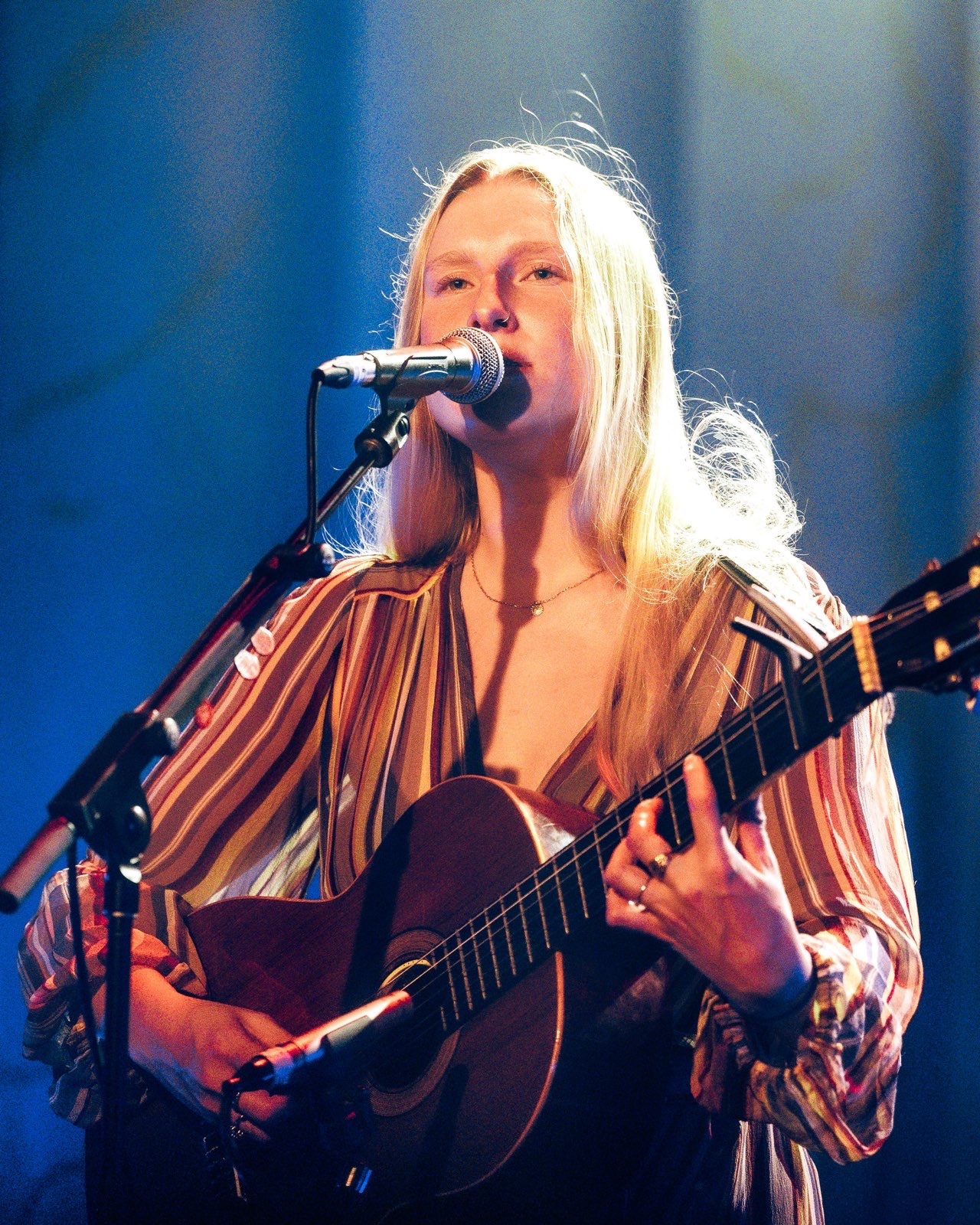
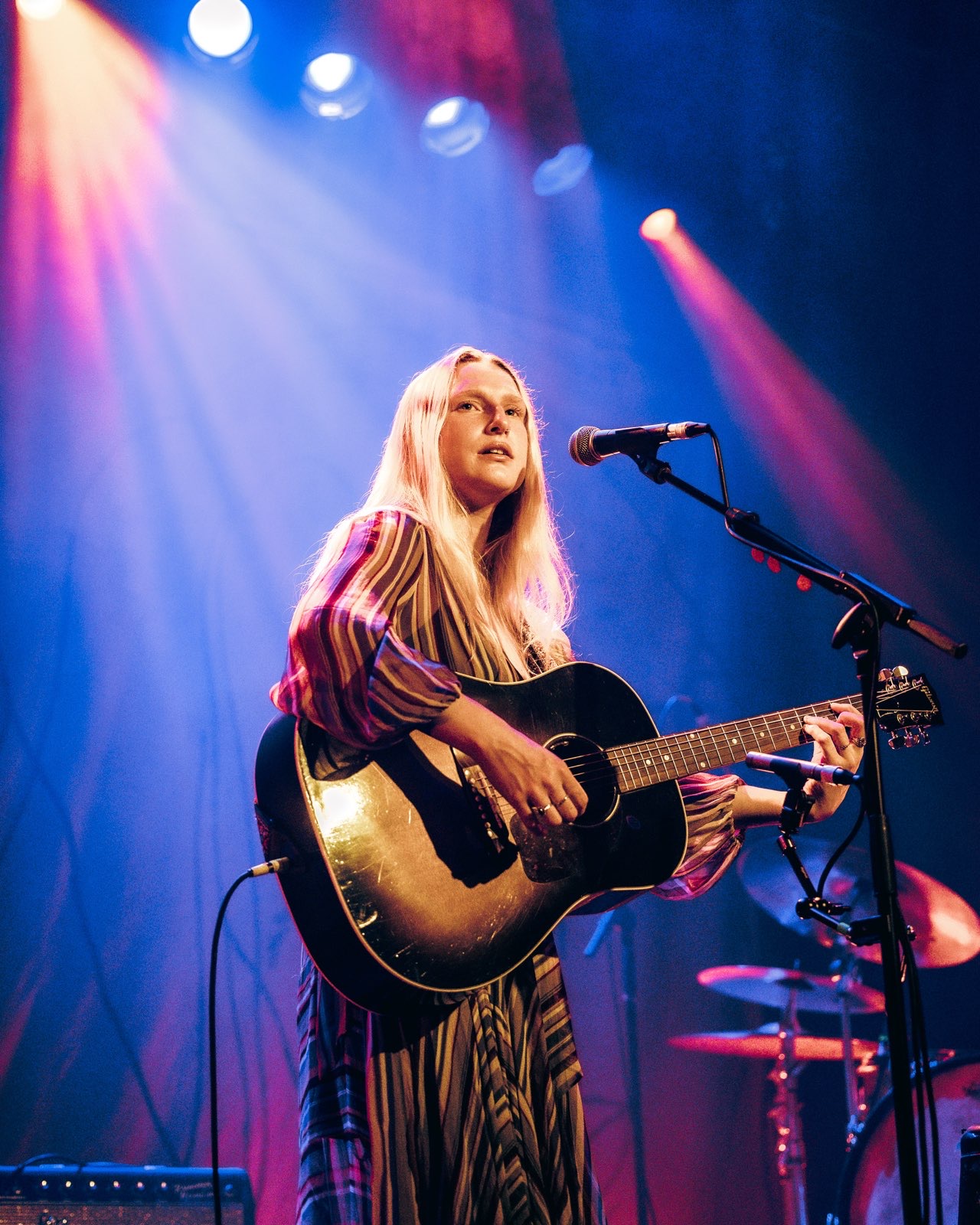
You played a new song for the crowd today, “Rat Trap.” The guitar reminded me of Jimmy Page, which is a lot louder than we are used to hearing from you.
Billie Marten: I’ve had a very soft touch for a while. I have also been defending that my whole life. Especially ten years ago, there was a push for me to be louder. When I belt, it turns into what I call “car singing,” which is very bad and shouldn’t go on the record. I am trying to find ways to make more noise without it being performative. This is quite an angry song about your own home becoming a trap. I have done so much moving around and the silence has become quite loud. I do not generally use anger as a conductor for songs. I think Neil Young is a great example of a grunge guitar hero who is a sweetheart that sings about love.
You have said that you oscillate between feeling tired and worn in the music industry to being fresh and rejuvenated. How are you feeling now?
Billie Marten: I am very tired and worn. But I am definitely, wholeheartedly, not complaining. I can feel in my bones that I need to stop repeating. My days need to start looking different. The main thing you lose when you tour is spontaneity.
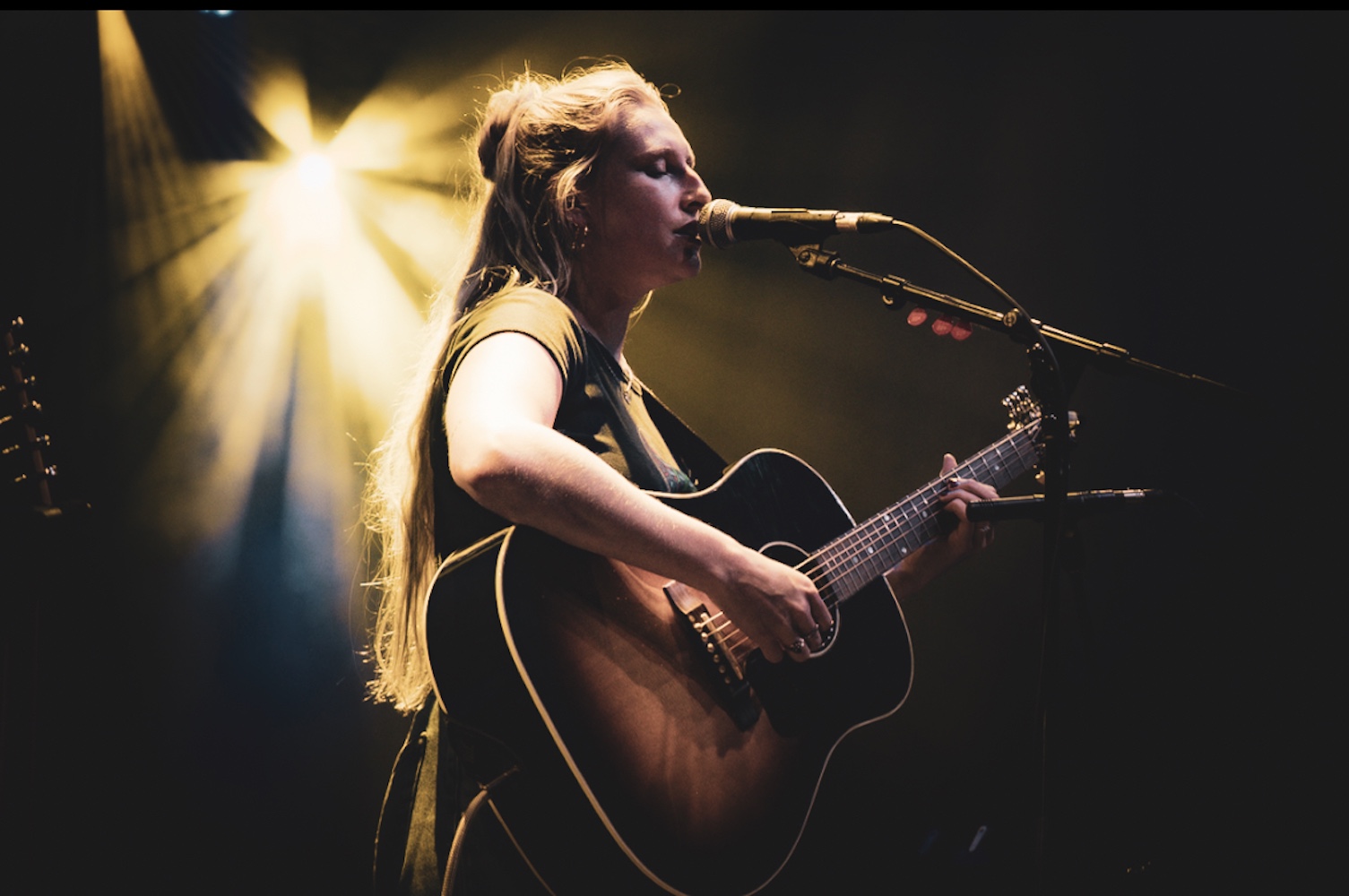
Dog Eared was not autobiographical. Is there a particular writing style that resonates with you now?
Billie Marten: It was a stitch in time. Since I have been touring for two years, my process has changed. There is a lot less sitting at home and waiting for songs to happen. Touring and writing now is about collecting little crumbs. I find the plane to be particularly inspiring. I get big thoughts up in the sky.
It sounds like you don’t use songwriting to process specific events that occurred.
Billie Marten: Lots of pressing things do happen. Eventually, it’ll funnel down into a line. I don’t particularly like writing about direct experience. It is not a nice place to keep going back to. Even if it’s a joyful happening, I don’t want that to dilute. There is one degree of separation. If I am singing something very autobiographical and direct, it’s probably not. The thing that is quite abstract to me is probably saying something direct to the listener.
— —
:: read more about Billie Marten here ::
— —
:: stream/purchase Dog Eared here ::
:: connect with Billie Marten here ::
— —
Stream: “Feeling” – Billie Marten
— — — —
Connect to Billie Marten on
Facebook, 𝕏, TikTok, Instagram
Discover new music on Atwood Magazine
© Frances Carter
 © Frances Carter
:: Stream Billie Marten ::