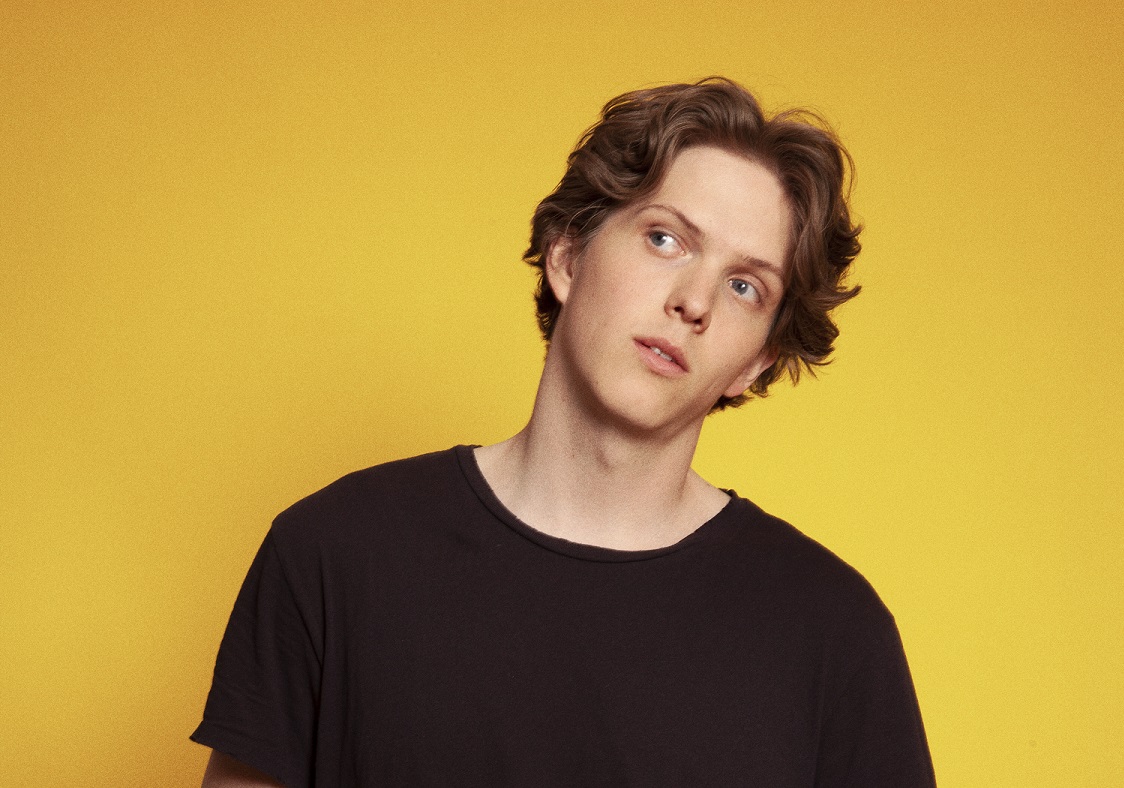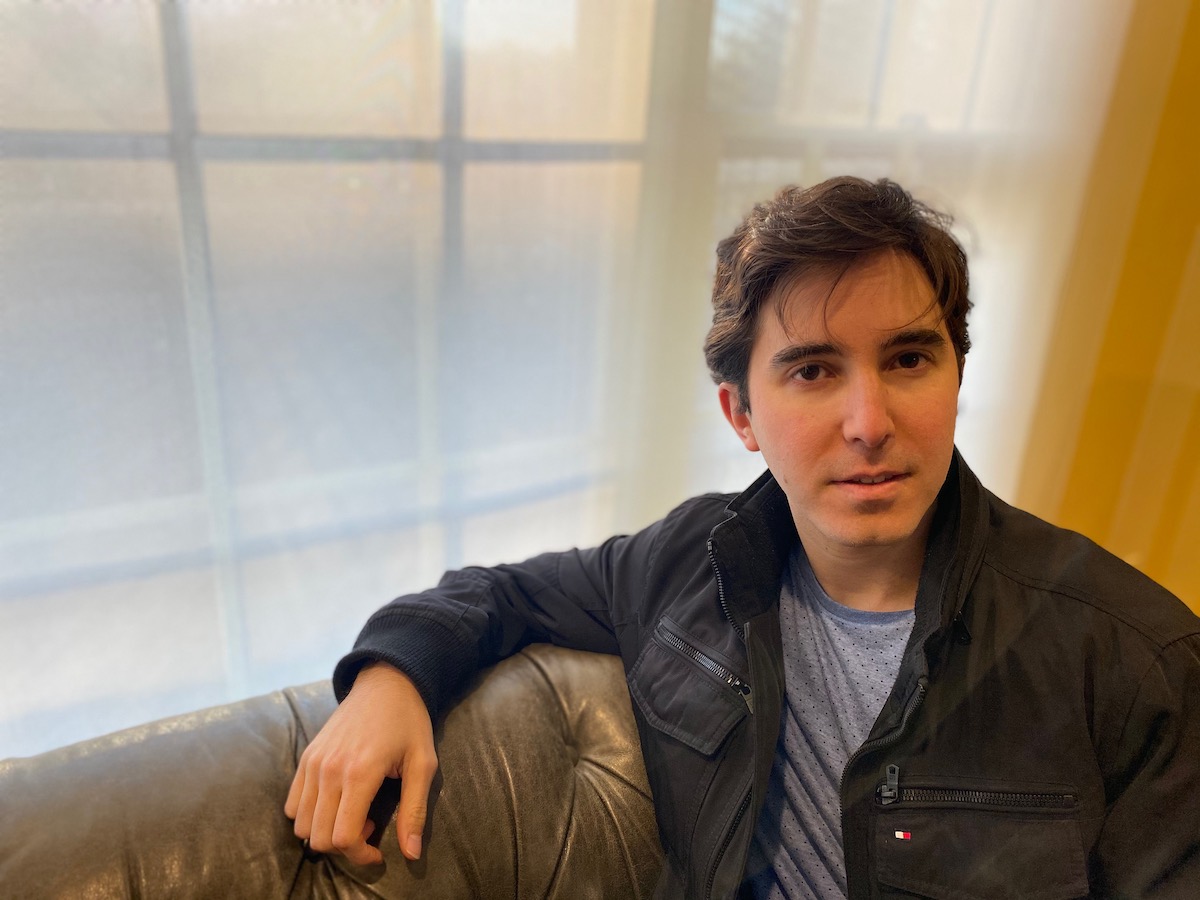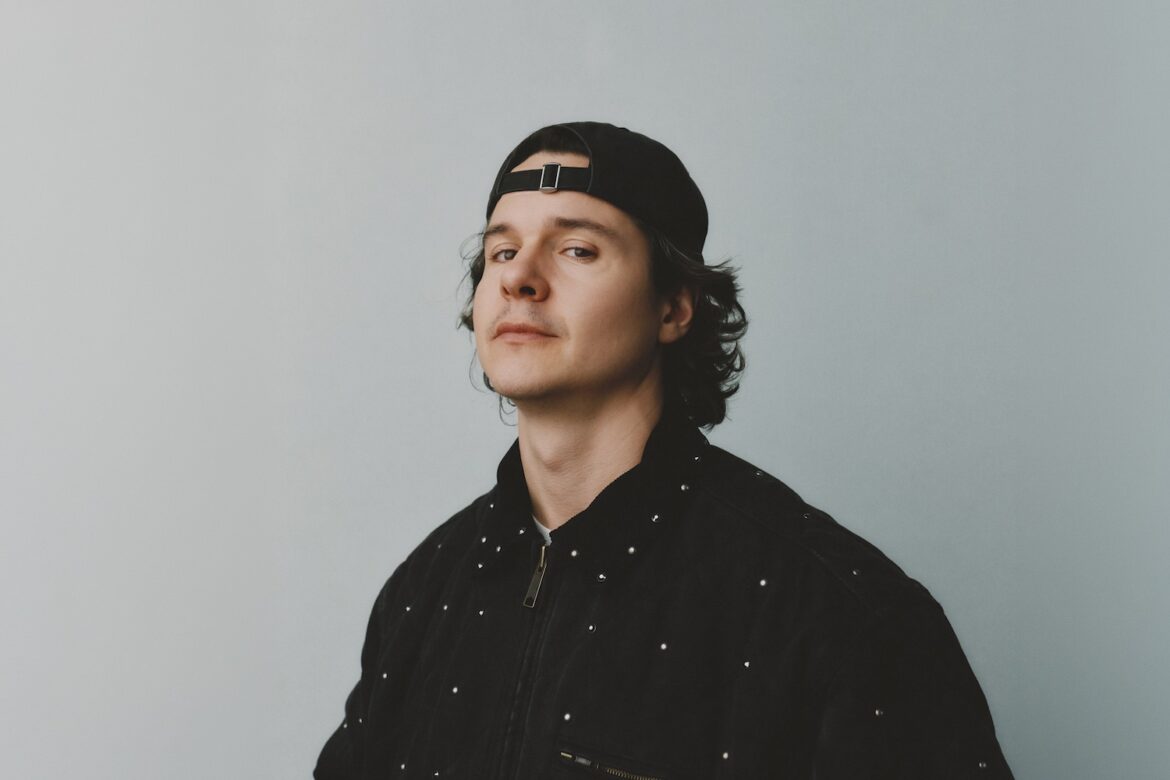
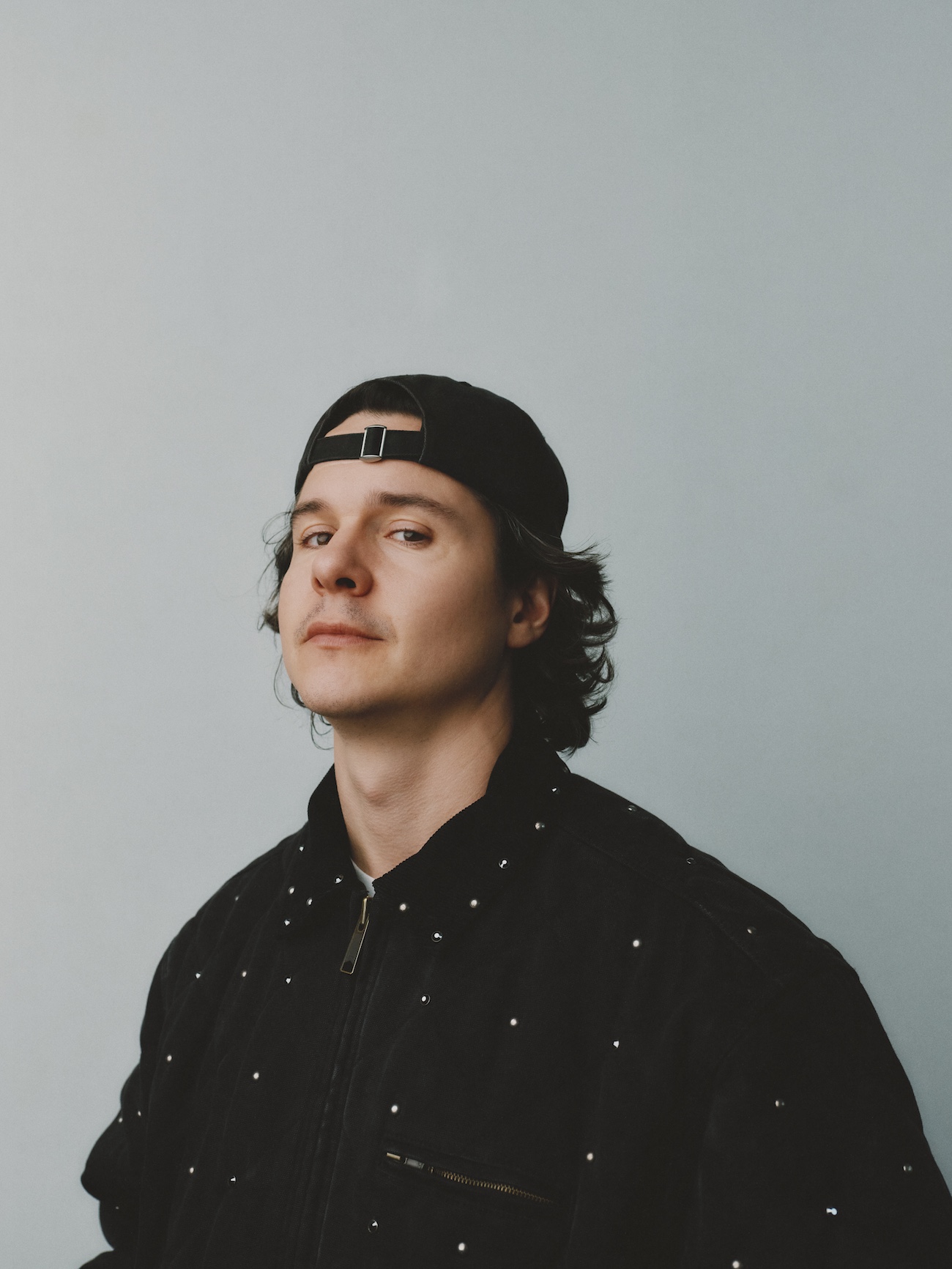
Reconnecting with the folk traditions of his childhood, Lukas Graham frontman Lukas Forchhammer opens up about family, grief, fatherhood, and learning to choose the slow things on ‘Good Times,’ his most personal and full-circle album yet.
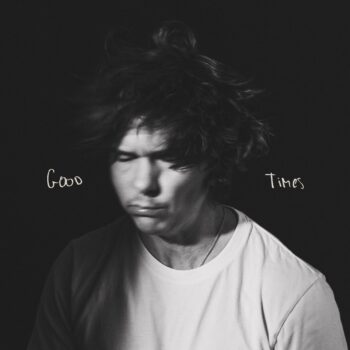
Stream: “Good Times” – Lukas Graham
Sometimes it isn’t until you’re older, with a family of your own, that you realize chasing the future can keep you from appreciating how good life is right now.
Although everyone faces their unique challenges, making mistakes is universal; for Lukas Forchhammer, frontman of Danish soul-pop band Lukas Graham, a lifetime spent learning to accept his own is what shapes his new album, Good Times.
Set to be released August 14, 2026, Good Times is a collection of tracks, each unique in meaning and relatable in its own way. Together, they follow an arc of grief, moving through emotional suffering, acceptance, and, ultimately, forward motion. Where Forchhammer’s earlier work often longed for the future, this album turns inward: a nostalgic look back at life, at the “good times.”
“The whole album is full of a lot of life lessons,” Forchhammer tells Atwood Magazine. “The sad part is everybody has to make their own mistakes to actually make them count, but if you listen closely there’s a lot of pieces in there about being more present and choosing the slow things.”
Lukas Graham first drew widespread attention through a series of intimate, home-shot performances filmed in Copenhagen in 2011, before breaking internationally with their self-titled second album and its global hit “7 Years.” The reflective ballad topped charts in more than 15 countries, earned three GRAMMY nominations, and helped launch a multi-platinum career spanning four albums and hit songs, including “Mama Said” and “Love Someone.” Now composed of frontman Lukas Forchhammer, drummer Mark Falgren, and bassist Magnus Larsson, the Danish band have spent the past decade pairing catchy, cathartic melodies with deeply personal songwriting rooted in family, love, loss, and resilience.
Although primarily recognized for making soul-pop music, Forchhammer was first introduced to folk through his late father, Eugene Forchhammer, a tour booker across Scandinavia. He knew he wanted to pursue music at just nine years old, but it wasn’t until his executive producer recently encouraged him to revisit his folk roots that this project took shape. To reflect how personal this album was, Forchhammer revisited his father’s old contact list and reconnected with friends he hadn’t seen in over a decade.
“Full circle moment doesn’t even do it justice,” Forchhammer smiles. “All of these people were telling me how proud my dad would have been of this album.”
The brevity of writing the album, along with the boundaries he set around his kids’ schedules, also made it more intimate. Before becoming a father, Forchhammer never felt like he was missing something when he traveled; now, three kids later, he’s developed a different kind of patience in his creative process, balancing his writing schedule with theirs. “It’s fun to figure out you can be just as creative between 11 and 3,” Forchhammer says.
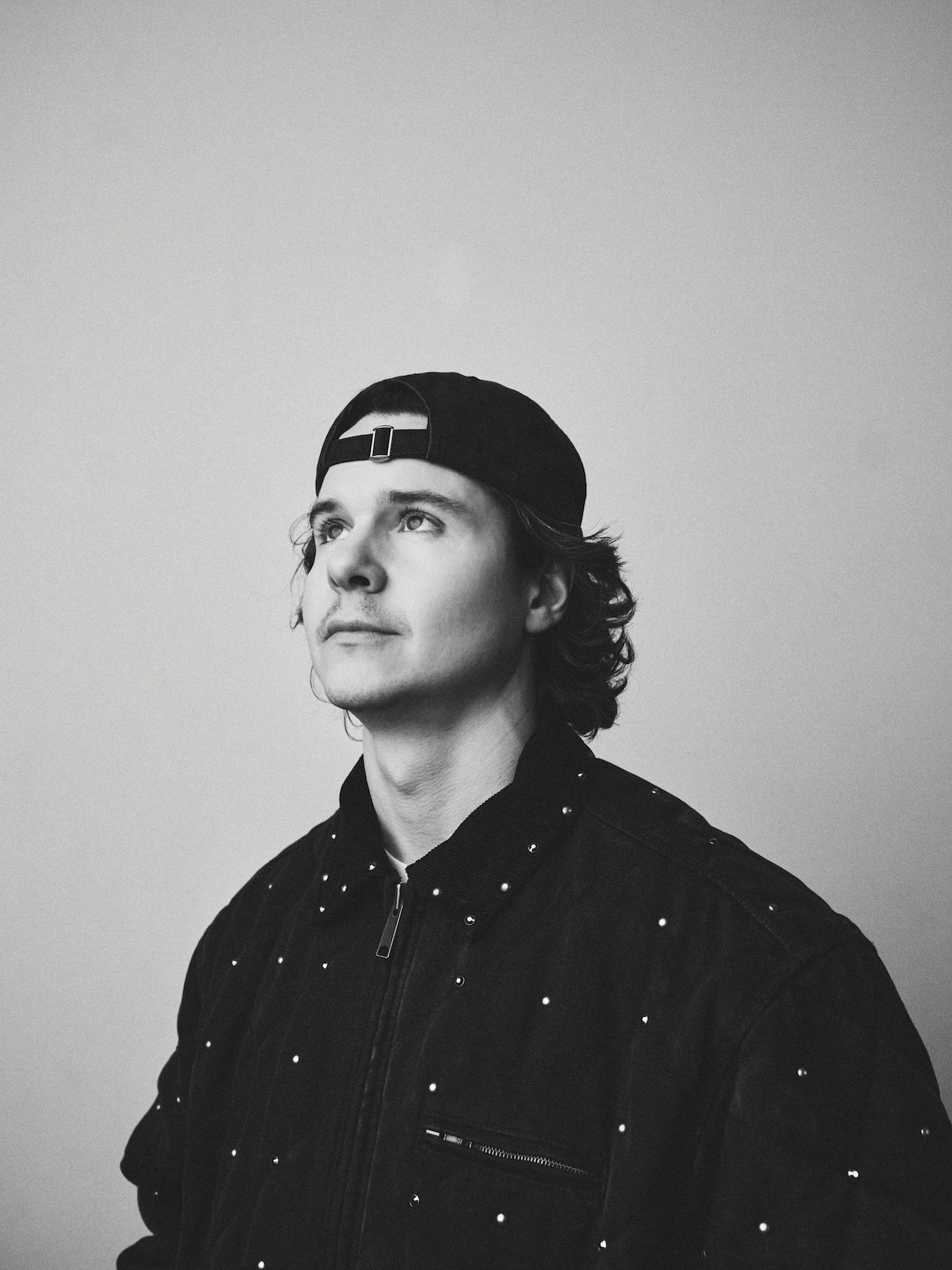
The album marks a key point in Forchhammer’s life: Recognizing that feeling of loss in himself, and understanding that no matter your age, you can always find your way back to a sense of direction.
Even on the up-tempo tracks, Forchhammer notes that he poured a little more of his soul into the album as a whole.
“A recurring thing on this album is that I have not been as present as I could have been in my family life, my friendships, and in my home life,” Forchhammer explains. “I’ve traveled a lot in the last decade and missed a lot of things, from funerals to weddings; it’s tough to admit that in hindsight, I could have done something better or differently.”
Now living in Copenhagen with his family, Forchhammer traces his earliest connection to folk music to the Irish songs he sang in bars as a child. He could see himself remaining in this musical space indefinitely; although he remains proud of his earlier work, this folk-rooted direction feels especially natural.
“I’m back to where I was writing music 15 years ago,” he shares. “I’m writing this for me.”
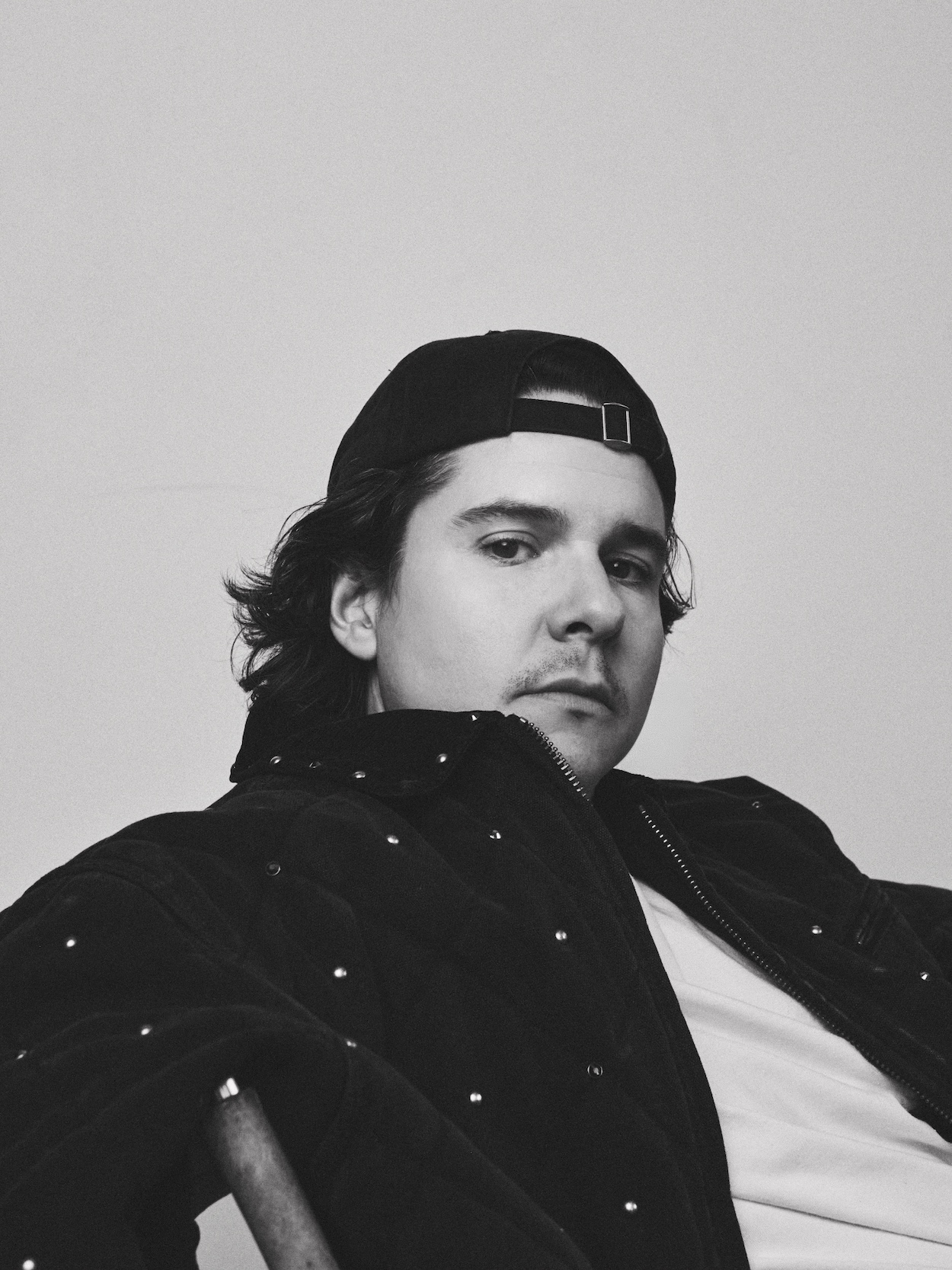
Spreading the messages across this album to as many people as possible is an extremely important step for Forchhammer.
Folk music isn’t a very prominent sector in Denmark, which makes Forchhammer’s decision to pursue it all the more special.
“Before You Go” is the oldest song on the album, written in 2019, and it embodies this nostalgic sentiment. Composed for Forchhammer’s friend Thomas, who has since passed away, the track features a few of his oldest folk musician friends, Alan Dougherty and Michael McGoldrick, who play flute, whistle, and uilleann pipe. The song is now being officially released after Forchhammer played it at Thomas’ funeral with a full band; the release represents a promise Forchhammer made to Thomas: not to let the world hear it until after he passed.
Set to be played during Ed Sheeran’s 2026 North American LOOP Tour this summer, where Forchhammer is a guest performer, the track offers just one glimpse into a bigger picture of Forchhammer’s personal life. Forchhammer says an important part of this tour will be letting people draw the connection between some of his bigger songs, like “7 Years” and “Mama Said,” and these newer ones.
Good Times is a perfect example of how you can always learn more about yourself, how it can take years to finally understand what you truly want in life, and, most importantly, how it’s always worth taking a step back to remember what you’re grateful for.
For Lukas Forchhammer, his family and friends are what he cherishes most, and this 13-track record is one way he’s trying to honor his love for them.
— —
:: stream/purchase Good Times here ::
:: connect with Lukas Graham here ::
— —
A CONVERSATION WITH LUKAS GRAHAM
Atwood Magazine: Talking about your new album, it was described as a full circle back to your father’s Irish folk roots. What did that journey actually feel like once you were in the studio?
Lukas Graham: I had a dream that the first band I ever wanted to start was when I was probably nine or ten, and I wanted to have a folk band because of all the bands my dad used to book that toured through Scandinavia and the random concerts he brought us to. Rap music happened, and I started writing rap songs but for some reason it accidentally became pop so that’s where I ended up. Even with a song like “7 Years” though, the songwriting tradition in that is a folk ballad – there’s just verse A, verse B, and no hook; it might as well be a Woody Guthrie song.
Then a little more than a year ago, I feel like it was March 25, my main collaborator and executive producer Stefan, called me one day and was like ‘bro, I think it’s time you make that folk record you always talked about.’ We found two amazing producers Zach and Roger and then I got this feeling that I had to contact a lot of the people I got to know through my father. Some of them I hadn’t seen in a decade, like Greg Liszt on banjo and cellist Rashad Eggleston, and others like my friend Mike, he drove down to New York every time I had a show in New York; it felt really weird hanging out with a lot of these people at the same time because the last time I was in a room with all of them, my dad was alive.
The same thing happened in Nashville – I was with this dude Sam Grisman, the son of bluegrass legend Dave Grisman, who’s an amazing double bass player. I called him on my birthday last year and was like ‘Sam, you need to put together a team of players for me in Nashville.’ I already had legendary folk and mandolin player Tim O’Brien on hold and then I’m suddenly in the studio with them in Nashville. The last time we hung out Sam was playing a show in Copenhagen when my dad was alive. All of these people that I’ve looked up to since before I had a band of my own were telling me how proud my dad would have been of this album. A full circle moment doesn’t even do it justice.
If your dad could hear this album today, what do you think he would say about it?
Lukas Graham: Probably say I went too American on it. My dad was my biggest fan and I remember when I started writing songs, he would have me play at parties and I wound up performing for a few of these in local Christiania venues. I remember I overheard a conversation where one of his friends was poking a finger at him being like ‘Oh, what do you think your son’s gonna be Elvis Presley?’ and my dad said, ‘No more like a Johnny Cash because he writes his own stuff.’
You’ve written a lot about loss and family in general, but this is probably your most personal work to date. Besides that connection to your father, what do you think makes it more personal than your previous albums?
Lukas Graham: I think what makes it so personal is the length of the writing time was so much less. I wrote this album and recorded it in less than a year, and I don’t think I’ve ever done that before. It was a different sense of calm doing this. I’m 37 now, I don’t really have anything to prove musically where 10, 15 years ago, the thought was ‘oh, what are people gonna think in 20 years?’ Now it’s more like, ‘would I like to sing this song in 20 years?’
Like you said, that nostalgic feeling that even the up-tempo happy songs have – I just poured a little more soul into the entirety of the album. Not that my previous releases haven’t been super personal, but I think I’ve also just gotten better at it.
Do you see yourself doing more of this style of music now moving forward?
Lukas Graham: Yes, it’s kind of in that lane I’m writing right now. I already started the next album because it felt so good to do the last one and the question is, does it go even more folk? Do we stylistically trim down, have fewer instruments on each song… I’m not really sure where it goes yet but what I like about this is I could stay here forever. Folk is where I grew up, it’s the earliest songs I remember singing a cappella at Irish bars in Copenhagen, and it feels like home. And it has to be said, I’m still proud of all my earlier work, this just feels very, very natural at the moment.
Is folk pretty prominent in Copenhagen?
Lukas Graham: Oh, folk is not prominent in Denmark at all. I think the Danes are going to be the hardest ones to convince that this is the way to go. But like I said before, I’m back to where I was writing 15 years ago; I’m writing this for me. Copenhagen is a very small place and suddenly I was working in the United States, where even small cities are pretty f*ing big. I might have lost a little sense of direction, a little sense of somewhere along the way, and then three kids down the line it all came back.
You kicked off the album with “To Know a Girl.” What made that the right song to introduce the album?
Lukas Graham: I feel it’s more unapologetically a folk song, in the sense it doesn’t have a hook and it’s just a banjo-driven ode. A lot of the Irish folk songs I heard as a boy were more describing a feeling than a narrative; there was a Danish music critic who was like, ‘what did I learn after listening to the song besides he really likes to know a girl?’ but that is the point. It’s a feeling of how grateful I am to have my daughters and their mother in my life; each line jumps to a new person in my family.
Would you say the album is based on a feeling, or is there more of a driven message in the songs of the album?
Lukas Graham: I’m not sure there’s a driven message. You could say each song means something in particular to me but I’ve often had that feeling whenever I release a song that it becomes everybody else’s opinion. What it means to me is something different than what it means to you. I wrote a song called “Criminal Mind” about a friend of mine in jail and several people I met thought it was about adultery and I think that’s fine.
At the end of the day, that’s what art can do. It’s not a mathematical equation that is x, y, z; it’s feelings and interpretations and each person’s is valid.
In “Second Chance,” obviously it’s very straightforward in that you were given a second chance in life, but what exactly was the inspiration behind that?
Lukas Graham: I think it’s easier to give everybody else a second chance than yourself so even though the song is written from a perspective of talking to a friend or partner, to me, it’s a look at myself in the mirror and accepting my shortcomings and failures. It’s allowing myself to get back up and try again and do better.
Looking back across your albums, how would you describe your evolution, not just in style from pop to folk, but personally? Are you able to see that growth in yourself along the way?
Lukas Graham: I think that’s a tough question to answer, to be honest. I mean, of course there’s growth. I think Jay-Z said it very nicely: “you say I changed as if I worked this hard to stay the same.” I think there’s a different patience now to the music creation, which actually speeds up the process and I’m better at timing my creativity. If I have writing days in Copenhagen, I have my boundaries around dropping and picking up my kids and if I’m writing in LA, Stefan has boundaries for him and his kids. We used to write all into the night and some crazy good stuff comes out of that, but it’s just evolution wise fun to figure out you can be just as creative between 11 and 3.
Have you noticed a shift in your songwriting as your children have gotten older?
Lukas Graham: Yeah, I mean I never had the sense that I was missing anything when I was traveling before; I think there’s another depth in that this album is more looking backwards and I’ve never really done that before in my songwriting. I was always looking ahead instead of being in the now. Having kids, I look at things a little differently now.
Switching topics to your tour with Ed Sheeran, are fans going to get to hear this new album on the tour, or are you mostly focusing on past hits?
Lukas Graham: I actually had a talk with Ed about that when I was in New York last, and I think I’m going to sandwich the new stuff in the old stuff. I think a very important part of me touring with Ed is going to be letting people make the connection between some of the songs they know and the person I am. I have three songs that are bigger than me – “7 Years,” “Love Someone,” and “Mama Said.” There’s also “You’re Not There” which is pretty big in the States and I think it’s important to let people see ‘oh, that’s the guy who sings that song’ but still play the new stuff. I’m too old to show up and not play something new that excites me.
What do you want people to take away from this album, both for long-term fans and those who are new to your music?
Lukas Graham: The whole album is full of a lot of life lessons. The sad part is everybody has to make their own mistakes to actually make them count, but if you listen closely to songs like “Days Like These” or “Loved You Better,” there’s a lot of little pieces in there about being more present and choosing the small and slow things rather than the big and the fast. It’s a recurring thing on this album that I have not been as present as I could have been in my family life, my friendships, and my home life. I’ve traveled a lot in the last decade, and I’ve missed a lot of things, from funerals to weddings; it’s a tough thing to admit that maybe in hindsight, you could have done something differently and therefore, been in a better position in life than I am now.
“Good Times” is the title track and it’s an up-tempo song but also a nostalgic look at life and looking back and thinking, ‘Jesus, we were so young, and we had such an amazing time.’ It’s not a sad retrospect – it’s more of a positive ‘what an amazing f*ing time we had.’ What I like about it is that I got a few of my oldest folk musician friends Michael McGoldrick and Alan Dougherty to put flute, whistle, and uilleann pipes on it. No one on my team understood it when I said, ‘yeah, we need a bagpipe on that.’ It’s an a cappella opening which I think is really amazing; when we play it live, me and the boys gather on stage with mics and just sing it with no instruments, and it’s like a little moment.
“Before You Go,” which is sort of the heaviest anchor point on this album, even though it’s fairly quick and very guitar driven, has a four to the floor feel. I wrote “Before You Go” in 2019; it’s the oldest song on the album. I wrote it to my friend Thomas, who basically has been dying since the day I met him when I was 20. I sent him the song after we wrote it and he was such an a**hole that he texted me back, ‘that’s not a very good song, don’t release it before I’m actually dead.’ He was joking with me that if I was going to write him a song, I should write him a proper one. A few years ago he texted me back out of the blue and was like, ‘I actually really liked the song you wrote to me. Will you play it at my funeral?’ At that point, he’d had so much surgery that he couldn’t get out of bed anymore and so the first time we ever played it was last year at his funeral, and we’ve played it every chance we’ve gotten ever since. It sounds wrong but it’s a really fun song to sing. Thomas used to go with me to a folk festival in Denmark called Tønder; he’s been in my grandmother’s house with my dad; I used to give him my touring schedule and say, ‘Thomas where do you want to go?’ In 2017, he goes ‘I’m gonna have a surgery, I might lose my smell and taste, and I really want to taste food in Korea and Japan before I lose the ability to do so.’ We flew him out there, he ate all sorts of crazy stuff, he got the surgery, and he didn’t lose his sense of taste OR smell; I feel like he just tricked me into flying him all the way across the world again. The last trip he took with us was in 2019 to Madrid where we drove to Paris and that was the last time he was walking. I have some amazing pictures of him and my daughter sitting outside a restaurant.
Is there a reason why you wanted to include the track specifically on this album?
Lukas Graham: It was a song that in the demo was already so instrumentally folk and Thomas was such a folk fan. It just felt right. It’s one of those songs that’s around four minutes but it just doesn’t feel that way. It feels way shorter and the crazy thing was last year, when we were playing it, people sang the chorus back at me and it was unreleased. It just sounds amazing when people start singing songs back and they don’t even know it yet. Just picture it live in a big stadium – that’s awesome. Definitely a song we’re playing with Ed Sheeran.
— —
:: stream/purchase Good Times here ::
:: connect with Lukas Graham here ::
— —
— — — —
Connect to Lukas Graham on
Facebook, 𝕏, TikTok, Instagram
Discover new music on Atwood Magazine
© Frederik Barasinski
 © Frederik Barasinski
:: Stream Lukas Graham ::