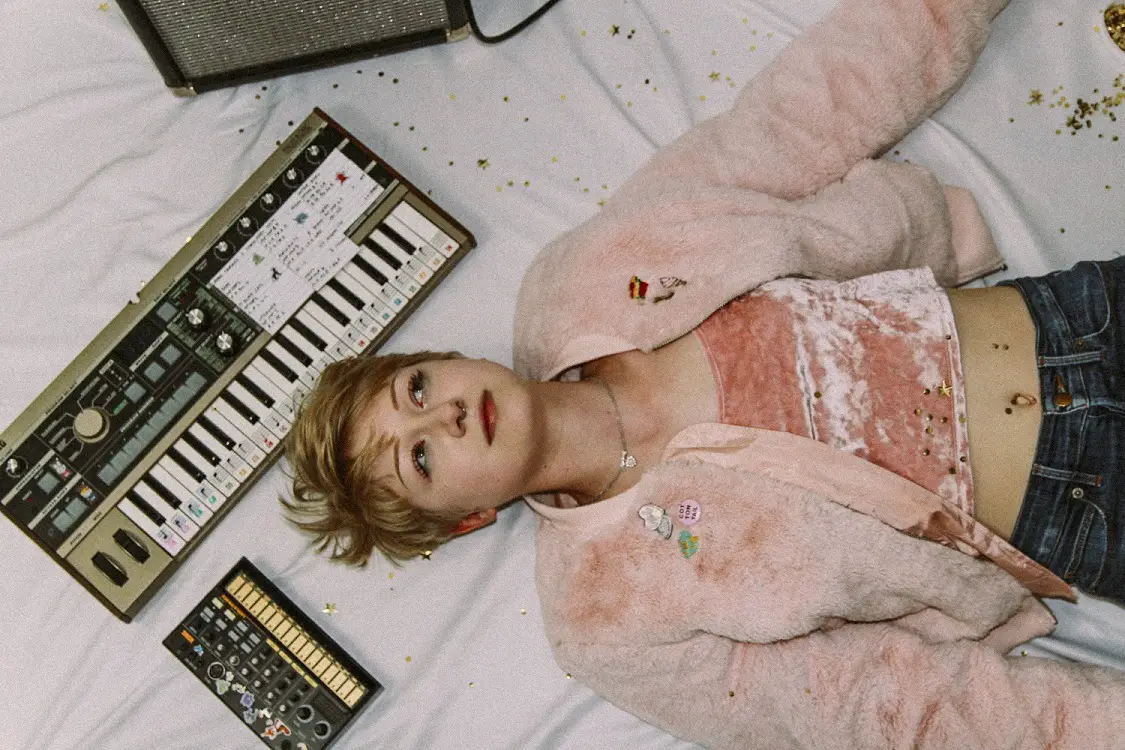
Brighton alt-folk duo Memorial reclaim their creative purpose on ‘Jera,’ a dreamy, soul-stirring third album whose frost-covered songs and gentle drift transform burnout and uncertainty into a tender harvest of renewal and hard-won wonder. In conversation with Atwood Magazine, Jack Watts and Oliver Spalding open up about stepping away from industry pressures, recording live in snowbound Reykjavík, and rediscovering the friendship and curiosity that first drew them to music.
for fans of Aquilo, Flyte, Hovvdy, TOLEDO
Stream: “Dawn” – Memorial ft. Ólafur Arnalds
We’ve always been interested in the small details of being human, the quiet thoughts and inner conversations we all have… The world often feels loud enough already, so if our music can be a gentle whisper that someone finds when they need it, that feels meaningful to us.
* * *
The story of Jera begins with a full stop.
After the release of their 2024 sophomore album Redsetter, Memorial’s Jack Watts and Oliver Spalding arrived at the same threshold from different directions. Watts was burning out while working night shifts as a mental health support worker; Spalding was balancing health challenges with fatherhood and questioning whether he wanted to continue making music at all. Years of recording, touring, and chasing momentum had pulled their attention toward statistics, outside opinions, and a version of success neither recognized as their own. Stepping back became an act of preservation – a chance to recover the wonder that first brought two friends into a rehearsal room together.
I always thought that
the fog was burning dew
Or lost thoughts,
thrown over rolling dunes
What gave it life stole its magnitude
I was wrong once again
Can a bird sing out of tune?
I suppose it’s just what you put it to
Nature is a unique song
to witness and not sing along
I tried to be the jackdaw’s muse,
turning lies into the truth
I was off my head,
I was wrong once again
Feels like there’s nowhere I can move
That doesn’t feel like I’m just passing through
My lungs fill out the words to nature’s song
I was right all along
– “Dawn,” Memorial ft. Ólafur Arnalds
Releasing August 7 via OPIA Community, Jera is, true to its title, a patient, rich harvest of endings, renewal, and creative purpose reclaimed on Memorial’s own terms. Named for the 12th rune of the Elder Futhark (the oldest known runic alphabet) – associated with the year, harvest, and a fruitful season – the Brighton duo’s third album accepts life as a cycle whose meaning often arrives late. Its recurring image is a revolving door: Motion without certainty, unopened exits passing in view, and the choice to keep moving until a new path reveals itself.
Long praised for their soft, tender alt-folk sound and human touch, Memorial are a duo built on the friendship between Watts and Spalding, who have spent more than a decade learning how to listen, sing, and make sense of life alongside one another. Their music speaks in close harmonies, delicately picked guitars, and intimate observations – diaristic songs attuned to inner monologue, the space between people, and the small details capable of revealing entire emotional worlds. When Atwood Magazine first encountered them through their self-titled 2022 debut, we heard a “record of raw connection and humanity” whose folk warmth made friendship itself sound like shelter.
That debut gathered heartbreak, memory, and private conversation into a deeply personal introduction; Redsetter loosened the duo’s grip on perfection and taught them to trust the emotional grain of an imperfect take. Two years later, Jera carries both histories forward while opening the band’s songwriting outward. The harmonies remain the center of gravity, but the album’s characters, collaborators, and snowbound atmosphere give Memorial’s gentle folk language a broader horizon.
To put it bluntly, this album is the most “Memorial” they’ve ever sounded.
“We’ve always been interested in the small details of being human, the quiet thoughts and inner conversations we all have,” Watts and Spalding tell Atwood Magazine. “Musically, we’re drawn to delicacy and restraint, with moments of release when they feel earned. The world often feels loud enough already, so if our music can be a gentle whisper that someone finds when they need it, that feels meaningful to us.”
The breakthrough came when Watts and Spalding stopped asking each song to justify the band’s future.
“We almost approached these songs as though no one would ever hear them,” the duo explain. “And honestly, if they hadn’t felt right, maybe they never would have.” That freedom changed the terms of the work. Memorial stopped writing toward the next release and followed curiosity instead, eventually finding a new creative home in Ólafur Arnalds’ OPIA Community. At Sounds From a Safe Harbour in Cork, they reentered a culture of collaboration and trust; in Reykjavík, heavy snow sealed them inside Arnalds’ studio, where they recorded live in the same room without a click. “There was nowhere else to be and no reason to rush,” they recall. The resulting performances breathe through their imperfections, attentive to the spaces between the duo’s voices as much as the notes themselves. An old upright harmonium, acoustic guitar, and Arnalds’ pianos deepen that unhurried atmosphere. Across Jera, the instruments seem to lean toward one another, while Watts and Spalding’s intertwined harmonies hover between conversation and communion – two distinct voices meeting inside a shared dream.
“Rest (& be thankful)” gives the album’s reset a pulse. A steady rhythm carries the song like scenery sliding past a car window, while shifting vocals and layered harmonies gather pressure around Ben Bishop’s fraying final guitar release. Even as the arrangement swells, the song never loses its closeness; each voice remains near enough to hear the breath inside the harmony, giving the gathering intensity the tenderness of reassurance instead of spectacle. Then the refrain cuts across the momentum: “Wait, hold up, hold on / Rest and be thankful.” The phrase came to Watts after he stopped at the Rest and Be Thankful viewpoint in Scotland during burnout, and Memorial shape it here into a mantra against automatic motion – a command to pause before life hardens into endurance. Niamh Regan enters with a voice that lifts the arrangement while preserving its unease. Her warmth opens the song from within, lending its exhaustion a flicker of grace.
The song’s deepest cut arrives earlier: “All the anger you felt / Doesn’t make you a man.” Memorial locate fear beneath aggression and reject forcefulness as proof of strength. “To us, real strength is found in thoughtfulness, vulnerability and compassion,” they explain. Against the track’s driving motion, the line lands like a hand on the shoulder – firm enough to stop the cycle, compassionate enough to imagine another way through.
Where “Rest (& be thankful)” interrupts the rush, “Dawn” opens the world after it. The lush indie folk lullaby found its final form by accident when its drums were muted during playback, exposing an arrangement spacious enough for every breath and flicker of Arnalds’ playing to register. The song hangs in gentle suspension, its harmonies circling a melody that seems to arrive from the edge of sleep. Arnalds’ sparse touches illuminate the margins while Watts and Spalding sing with an almost weightless closeness, opening a hushed space where sadness softens into safety and wonder.
“Before, we were serving the atmosphere of the song. After that change, we were serving the feeling,” Memorial say. Its closing lines move from rootlessness – “Feels like there’s nowhere I can move / That doesn’t feel like I’m just passing through” – toward lungs filling with “the words to nature’s song.” Here, solitude becomes a site of attention, and attention restores wonder. It’s one of Memorial’s most soul-stirring gifts: A song that meets dislocation with open air and lets the world slowly become beautiful again.
Across Jera, Memorial widen their perspective while preserving the intimacy at the core of their work. Half the record inhabits characters facing doors of their own; the other half reaches into personal territory where happiness arrives unfamiliar and joy can coexist with isolation. “Writing from a slight distance made us feel closer to the songs,” they explain. Dustin O’Halloran, Lisa Hannigan, Sam Amidon, Niamh Regan, and Ólafur Arnalds enter that world with similar restraint, while longtime collaborator Tim Bidwell helped Memorial complete the album in Brighton, carrying their Reykjavík reset back into familiar surroundings. That widening reaches the music itself. Their instrumental choices and the natural drift of live performance lend Jera a tactile softness, while the duo’s voices move from featherlight unison to fuller, aching release. The record can sound frost-covered and secluded, yet its harmonies keep a small fire burning at the center.

A full stop became a harvest. Jera preserves the strain that nearly ended Memorial and the clarity Watts and Spalding recovered by choosing friendship, curiosity, and the work itself again.
Its reminders arrive gently because the pair understand how easily urgency can close a person off; these songs leave the listener enough room to breathe and choose where to place their attention.
Atwood Magazine recently caught up with Memorial to discuss stepping away from industry pressure, recording Jera in Reykjavík, the emotional release in their songs, and the friendship that carried them back to music.
— —
:: stream/purchase Jera here ::
:: connect with Memorial here ::
— —
Stream: ‘Jera’ – Memorial
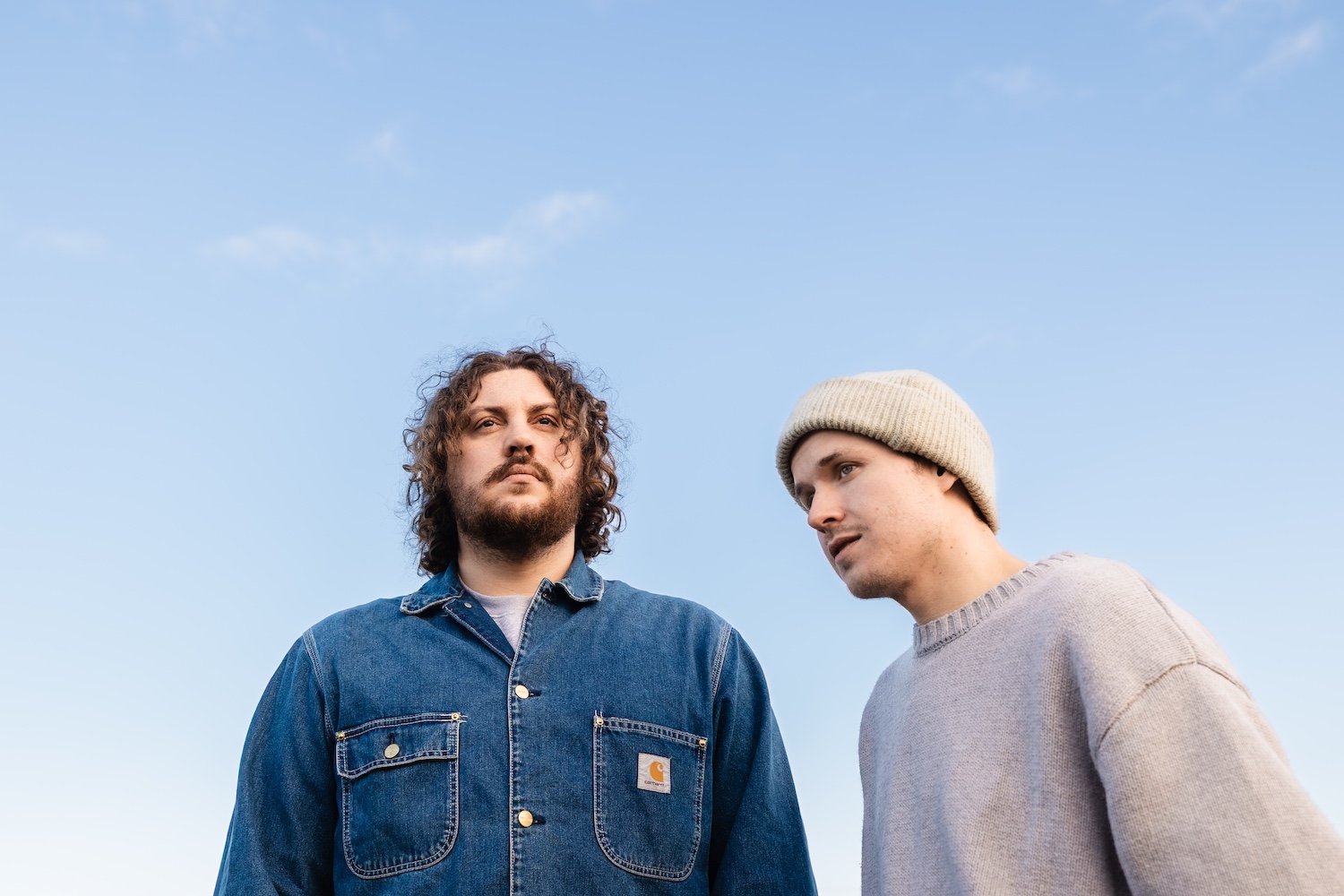
A CONVERSATION WITH MEMORIAL
Atwood Magazine: Jack and Oliver, hello and thank you for your time! We last caught up around your self-titled debut album in 2022. How are you both feeling about Memorial today, four years later?
Memorial: It’s strange to think it’s been four years. It honestly feels like a lifetime ago. What’s reassuring is that we still have the same sense of wonder, curiosity and excitement about making music. We did have a period where we questioned whether everything that comes with trying to build a career in music was really for us, but stepping back and, in a way, starting again gave us a renewed sense of purpose. It reminded us why we began doing this in the first place, and now we’re genuinely excited about whatever comes next.
For those who are just discovering you today through this writeup, what do you want them to know about Memorial and your music?
Memorial: We sometimes wish we had a bit more mystery about us, but the truth is much simpler. We’re two friends who discovered that music was the best way for us to communicate and understand each other, and starting a band felt like the natural extension of that.
Lyrically, we’ve always been interested in the small details of being human, the quiet thoughts and inner conversations we all have. Musically, we’re drawn to delicacy and restraint, with moments of release when they feel earned. The world often feels loud enough already, so if our music can be a gentle whisper that someone finds when they need it, that feels meaningful to us.
It’s been two years since the release of your sophomore LP, Redsetter. What’s your relationship with that album and its songs today?
Memorial: Redsetter will always hold a really special place in our hearts. Making it meant learning to let go of perfection and trust that leaving imperfections in could actually serve the songs better. That was challenging, but incredibly cathartic.
Working with Hannah (Lomelda), Tommy, Kyle and Eric (acre memos) felt completely familial. Everything was made in such a supportive environment, and you can hear that sense of trust throughout the record. The songs will always remind us not only of that time in our lives, but of the people we got to share it with.
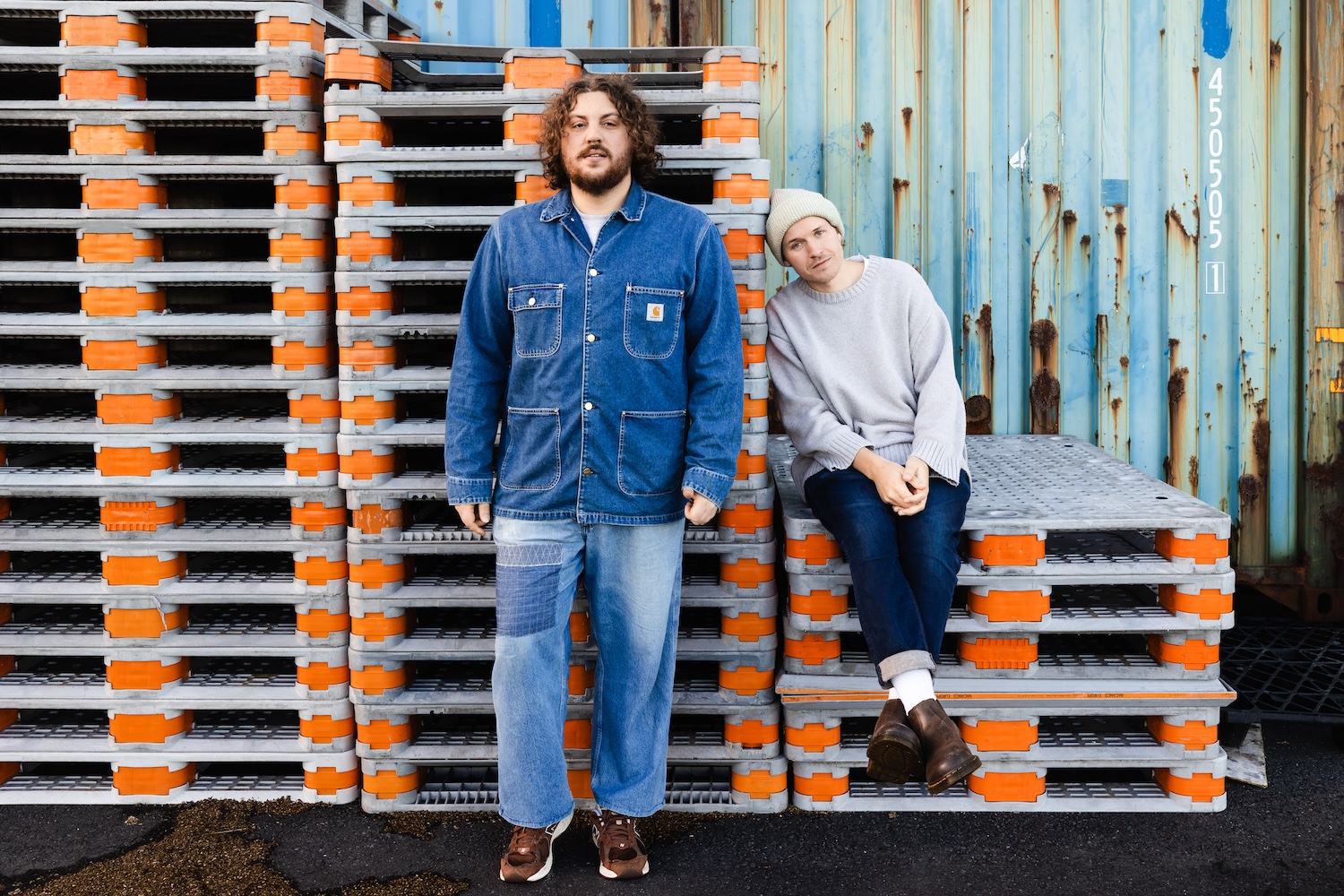
After Redsetter, it sounds like you both reached a point of exhaustion and had to ask some hard questions about music, the band, and what you wanted this to be. What was going on for you during that time?
Memorial: It can feel uncomfortable as an artist to talk about the challenges of the industry, because every creative field has its own struggles. Building momentum is rarely linear. There are moments where everything feels like it’s falling into place, followed by quieter periods that can be difficult to navigate.
When you pour so much of yourself into your art, it can be hard to stay resilient, especially when it feels like your best might never be enough. Alongside that, Jack was working night shifts as a mental health support worker, while Oliver was balancing health challenges with fatherhood, so the time and energy we could give to music felt increasingly limited.
Looking back, we realised we’d fallen into the trap of measuring ourselves by statistics, external opinions and a version of success we thought we were supposed to chase. Taking a step back helped us reconnect with why we started making music in the first place.
At its core, it’s about the two of us creating together, finding joy in the process and sharing it with whoever wants to listen. Everything beyond that is a bonus. In many ways, we already feel incredibly fortunate. Music has taken us around the world and introduced us to amazing people. Of course, financial stability would be welcome, but creating something honest, cathartic and meaningful already feels like success to us.
Your connection with Ólafur Arnalds and OPIA Community feels like a meaningful turning point in this story. How did that relationship begin, and what did it open up for you creatively?
Memorial: We first met Ólafur through the artist residency at Sounds from a Safe Harbour. He was there the same year, and in the spirit of the festival we kept crossing paths in different writing rooms. We ended up singing on a song he co-wrote with Talos, Niamh Regan and Ye Vagabonds, and through that we had time to talk about what we were making and how we were feeling creatively.
Ólafur really seemed to understand where we were at, and he introduced us to the team at OPIA Community. Over the following year we stayed in touch, sharing demos and slowly building that relationship. Everyone was so supportive and genuinely excited about the music, so it all felt like it came together very naturally.
What we love about OPIA Community is how holistic their approach is. There’s a real sense of trust and community. They gave us the support we needed while also giving us the space to simply focus on making the best music we could. Looking back, we’re incredibly grateful for how all of those small moments quietly led us to where we are now.
You returned earlier this year with “Teeth,” the first song from your next LP and the introduction to a new era. What did you need to strip away in order to find your way back to making music on your own terms?
Memorial: Ultimately, we had to let go of writing through obligation. We’d fallen into thinking we always needed to have the next release ready, rather than asking ourselves what we’d make if we were writing purely out of curiosity.
We almost approached these songs as though no one would ever hear them. And honestly, if they hadn’t felt right, maybe they never would have. That mindset was incredibly freeing. It also gave us the chance to rediscover who we are as a band without the noise of expectations or outside opinions. We needed that space to find our own voice again.
I was a student of teeth
you gave me tongue and cheek
Joy is a teacher of stillness
and I’m not ashamed anymore
no the night
has no teeth on me now
no the night
has no teeth on me now
You recorded in Ólafur’s studio in Reykjavík, live in the same room, without a click, while heavy snow sealed you off from the outside world. How did that setting shape the feeling of these new songs?
Memorial: It slowed everything down in the best possible way. There was nowhere else to be and no reason to rush. We could simply exist together in that space and give the songs all the time they needed.
There was a real sense of timelessness to those sessions. Recording live without a click meant we had to really listen to one another and be present. The snow outside almost created this quiet little world of its own, and I think you can hear that sense of space, patience and stillness throughout the record.
“Rest (& be thankful)” feels like a song about slowing down after chaos. What were you both working through when this one came into focus, and what’s the story behind this track?
Memorial: This song actually came directly out of that period of burnout after Redsetter. Our lives outside of music had changed a lot, and work had become increasingly difficult for Jack. He spent some time in Scotland, and on the journey home he stopped at the Rest and Be Thankful viewpoint. It felt strangely symbolic. It’s rare that you recognise a full stop so clearly in your life, but that was one of those moments.
Not long afterwards, we had a writing session with Dan Rothman and Seth Tackleberry. As we were working, the phrase “rest and be thankful” was the first thing that came to mind. Suddenly, all these forgotten thoughts, little signs and pieces of imagery we’d been carrying around seemed to fall into place.
We often find it easier to write by collecting moments rather than starting with a big concept. At first they can feel completely unrelated, but looking back they often reveal a shared thread. In this case, they were all gently pointing us towards the same idea, that sometimes the most important thing you can do is slow down.
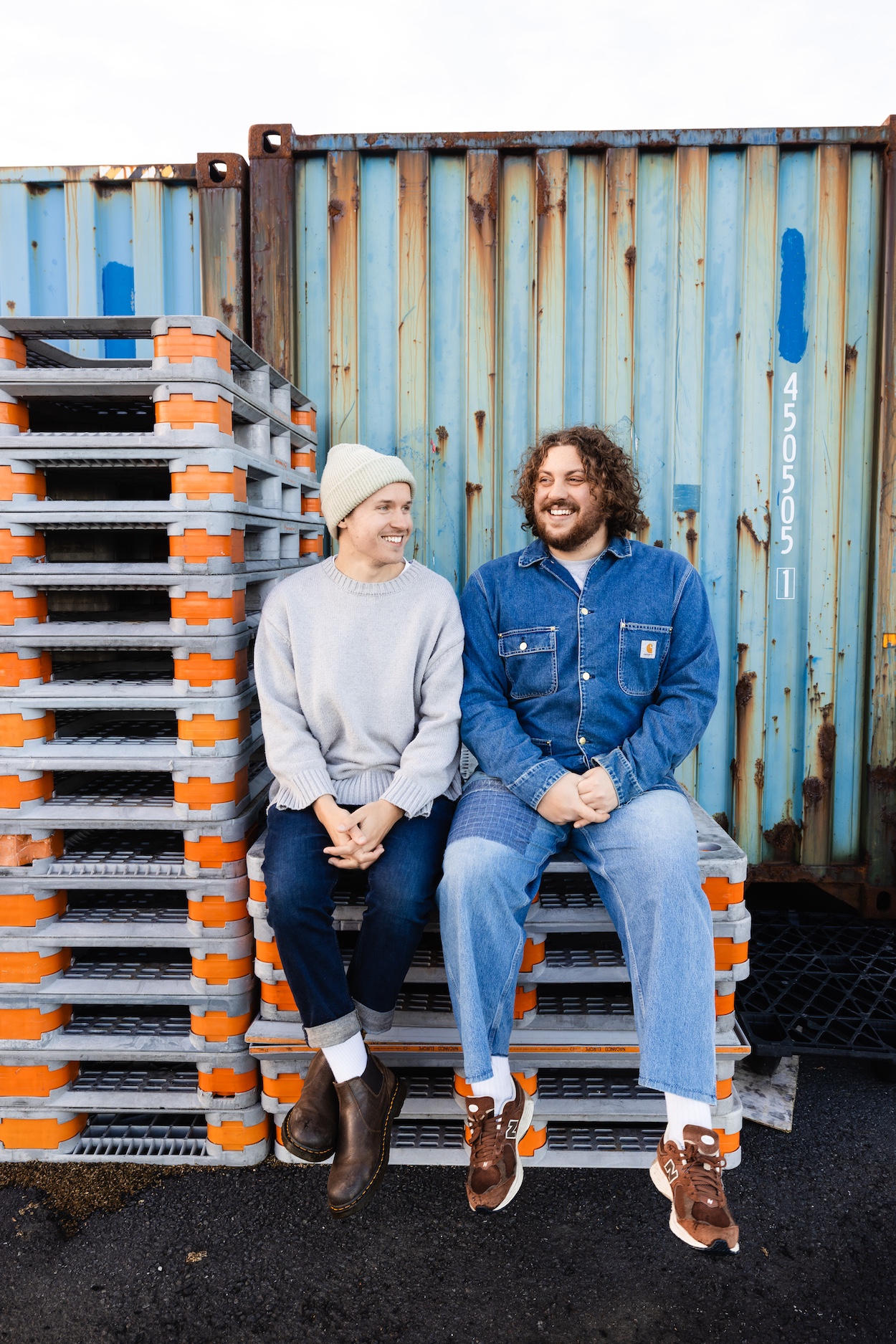
The lyric “All the anger you felt / Doesn’t make you a man” lands with such quiet force. What were you trying to name in that line?
Memorial: I’m a firm believer that behind every harsh or abrasive emotion is usually a much more fragile and vulnerable one. That line is an attempt to recognise the fear that can sit behind someone’s anger, almost as if you’re reminding them that you can see it too.
More broadly, it’s also about challenging the idea that anger or forcefulness is a sign of strength. To us, real strength is found in thoughtfulness, vulnerability and compassion.
The refrain “Wait, hold up, hold on, rest and be thankful” feels almost like an instruction to the self. What did that phrase come to mean to you?
Memorial: It became a simple mantra. It’s short, memorable and almost feels like a little code to live by. Everything before that refrain captures the momentum of life, whether you’re drifting through it or feeling completely overwhelmed. Then suddenly everything stops, and that phrase appears with real clarity.
It’s become something we come back to whenever life feels like it’s moving too quickly. A gentle reminder to pause, breathe and find some perspective.
Niamh Regan’s voice brings such a beautiful presence to “Rest (& be thankful).” What made her feel like the right person to join you on this song?
Memorial: We toured with Niamh around the release of our second album, and one of the highlights of every evening was getting to watch her perform. Her songs carry so much emotional depth, and her voice has this incredible warmth that somehow lifts you, even in the saddest moments. She has a way of drawing you into a song and holding you there until the very end.
We felt this song needed exactly that kind of presence, and she brought it so beautifully. We couldn’t imagine it without her now.
I’m especially moved by your single, “Dawn” with Ólafur Arnalds. It’s such a beautiful, lush indie folk lullaby, soft and tender and haunting all at once. What was it like collaborating with Ólafur in such a direct and intimate way, and how did you go about bringing this delicate song to life?
Memorial: It was incredibly special to work with Ólafur in such an intimate way, especially in his beautiful studio. He was on paternity leave at the time, so music wasn’t really his focus. One day he came by with his dog while we were working on “Dawn,” and we all just sat together, listening and picking up different instruments around the room.
Everything Ólafur played stayed on the record. He has such incredible sensitivity and restraint. He never overplays or overcomplicates things. He instinctively knows how to serve a song.
“Dawn” actually went through a lot of different versions. It originally had a full band arrangement with drums, but at one point the drums were accidentally muted. We listened back and realised the song had completely changed. At first it felt like a mistake, but then it became a conscious decision. Without the drums, the emotion came into much sharper focus. Before, we were serving the atmosphere of the song. After that change, we were serving the feeling.
“Feels like there’s nowhere I can move / That doesn’t feel like I’m just passing through,” you sing at the end. “My lungs fill out the words to nature’s song / I was right all along.” What were you reaching for in that final moment, and what kind of truth or release did you find in that closure?
Memorial: I think it’s surprisingly difficult to recognise how much your state of mind shapes the way you experience the world. When you’re overwhelmed or pessimistic, everything can begin to feel flat and predictable. You almost start looking for evidence to confirm that’s true.
For me, nature has always been one of the few places where that perspective can shift. It reminds you that beauty, wonder and peace exist whether you’re paying attention to them or not. This song became a reminder that wonder, play and solitude are all essential parts of feeling okay.
It’s also about recognising that solitude and isolation aren’t the same thing. Depending on where you are emotionally, they can feel identical. Those final lines are about stepping out of your own way, changing the story you’re telling yourself and realising both realities can exist. The difference is often where you place your attention.
You’ve always written with such care around inner monologue, friendship, uncertainty and the space between people. What were you trying to understand about yourselves while writing this new record?
Memorial: Those themes are still very much part of this record because they’re at the heart of why we write. But this time we approached them differently. Rather than drawing directly from our own lives, we became much more interested in creating characters and stories.
That gave us the freedom to ask questions we couldn’t answer from personal experience. How might we respond if this happened? What must it feel like to live through that? Oddly, writing from a slight distance made us feel closer to the songs. It challenged our assumptions and helped us discover parts of ourselves we didn’t know were there.
Do you have any definitive favourites or personal highlights from the upcoming album, Jera?
Memorial: “Dreamhouse” is definitely one. We’d been playing it live for years but never managed to capture it properly in the studio. This time, maybe because of the environment we were in and the headspace we found ourselves in, everything finally clicked. It feels like the song has finally become what it was always meant to be.
“Church Song” is another really special one. Writing it felt incredibly natural and reminded us of what matters most to us, simply the two of us singing together. It was also the very last thing we recorded. After a label dinner we came back to the studio, put up two microphones and started playing through songs. When we reached Church Song, everything just fell into place. We felt completely in sync with each other, and it became one of our favourite moments from making the record.

What do you hope listeners take away from this new chapter of Memorial, and what have you taken away from creating this music and now putting it out?
Memorial: More than anything, we hope people take away the message itself. We’re big believers in gentle reminders. We’re both quite sensitive people, so when something feels too forceful or urgent, our instinct is often to retreat.
In the spirit of paying it forward, who are you listening to these days that you’d recommend to our readers?
Memorial: With new releases we’ve been listening to a lot of Joshua Burnside recently and also SOAK, Hand Habits, Niamh Regan and Katy Pinke. But we’re always coming back to our mainstays Pinegrove, Sun Kil Moon, Elliott Smith, and Radiohead.
— —
:: stream/purchase Jera here ::
:: connect with Memorial here ::
— —
— — — —
Connect to Memorial on
Facebook, 𝕏, TikTok, Instagram
Discover new music on Atwood Magazine
© Sunna Ben
 © Sunna Ben
:: Stream Memorial ::