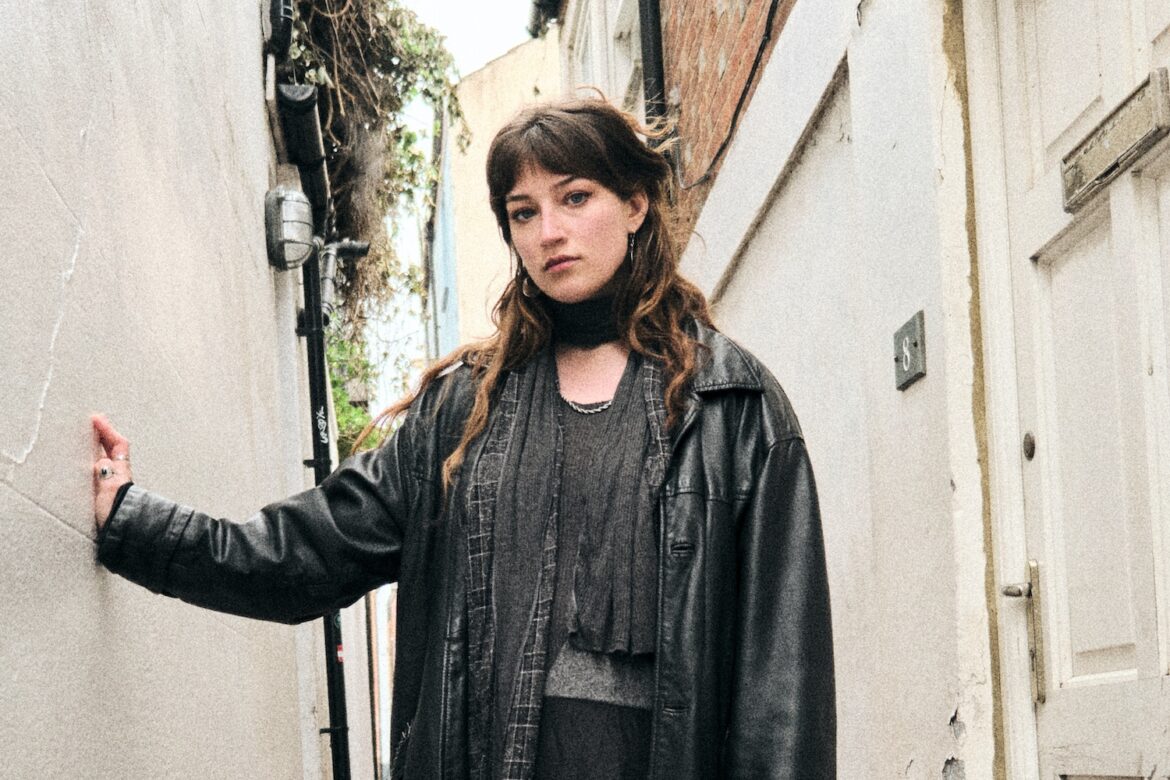
Brighton alt-rock trio Larlin give chronic dissociation a gripping physical form on “Sondheim,” an intoxicating shoegaze-laced reckoning with the dangerous relief of letting someone else decide who you are. In conversation with Atwood Magazine, the band open up about the erosion of self at the song’s center, the instinct-driven process that pushed them into darker, heavier territory, and an achingly evocative new music video that keeps Hoar mobile but immobile as the world moves around her.
Stream: “Sondheim” – Larlin
Chronic dissociation makes you feel disconnected from the world – like you’re living in a dream – so “Sondheim” explores how that can affect your sense of self.
* * *
The most frightening surrender begins when another person’s version of you becomes easier to inhabit than your own.
Disarming and deeply affecting, Larlin’s “Sondheim” catches the exact moment selfhood starts to blur under someone else’s gaze, drifting through restrained verses before guitars and drums break open as Maryann Hoar’s voice cuts through with bruised conviction. Catchy, immersive, and unnervingly intimate, the song captures the strange relief of handing over authorship of your life when living inside it has slipped beyond reach.

Make me in your image
All that matters
is what I am in your eyes
Try and clear the mirror,
But it only makes it
that much less defined.
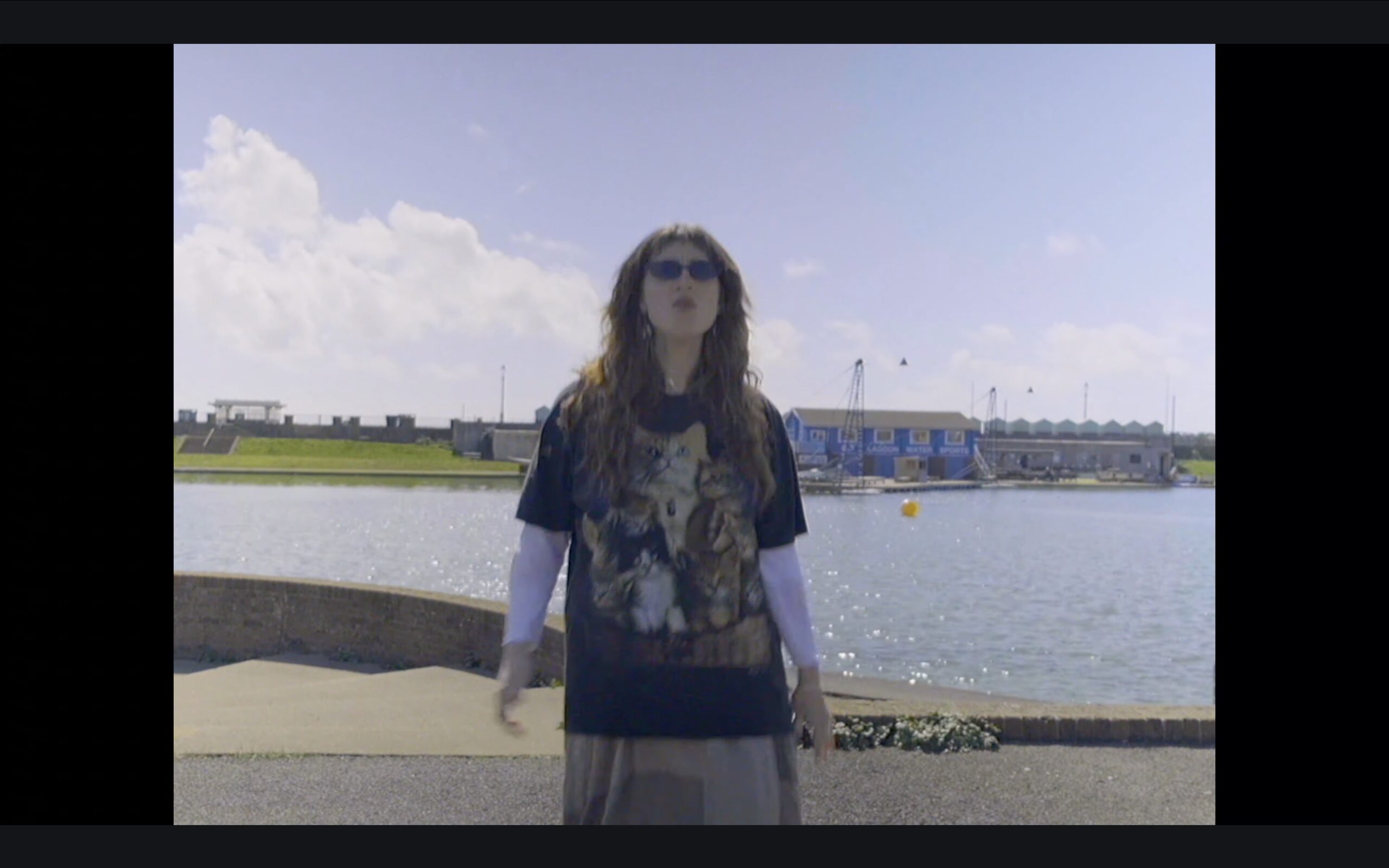
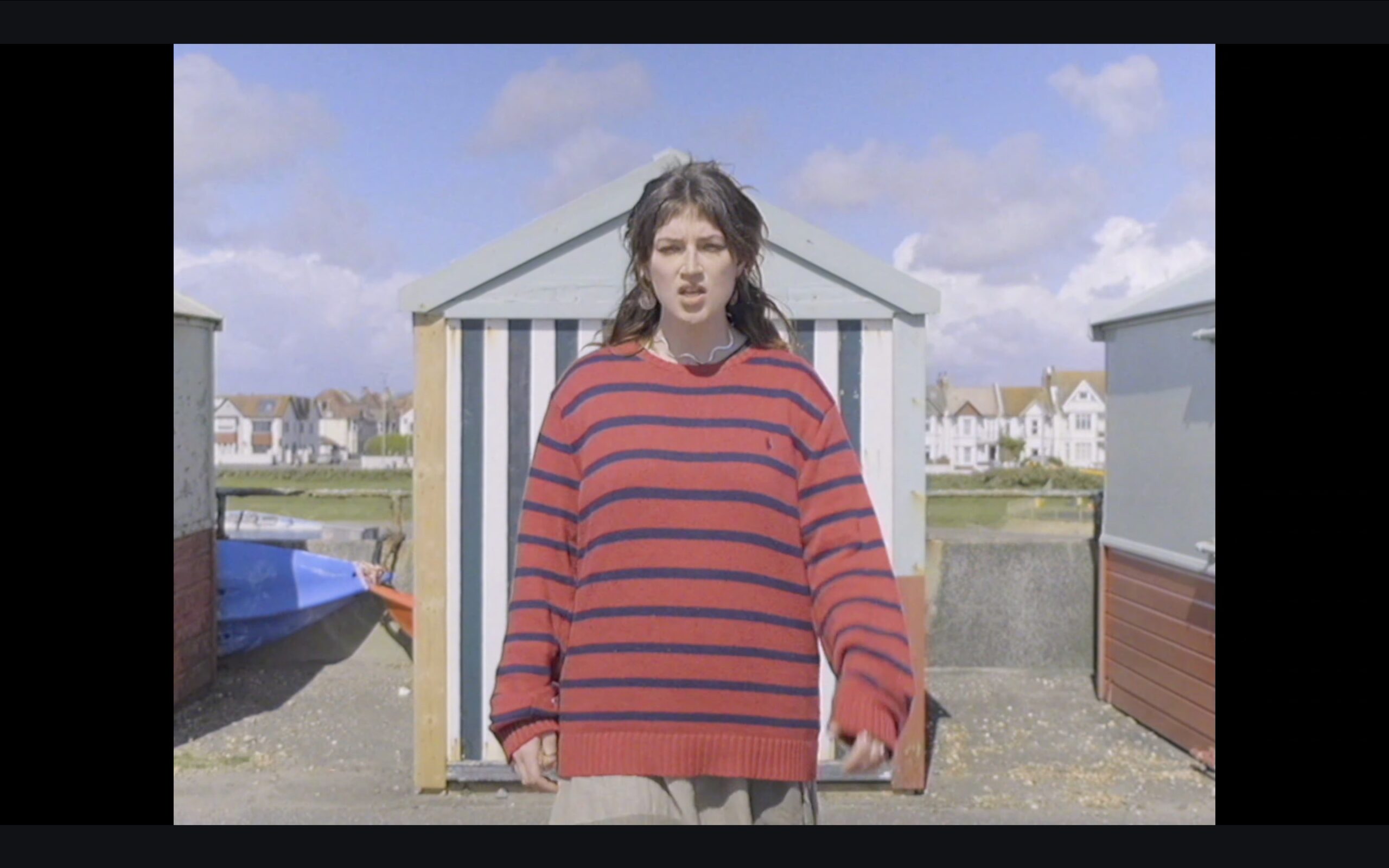
Atwood Magazine is proud to be premiering the music video for “Sondheim,” the haunting new single from Brighton alt-rock trio Larlin. Formed in 2024, the band brings together vocalist and lyricist Maryann Hoar with composers and producers Cameron Nesbitt and Lewis Foord, whose collaborative sound places melancholic songwriting inside dense guitars, forceful dynamics, and shoegaze-tinted production. Released May 1, “Sondheim” marks Larlin’s boldest creative step yet, building on a rising presence across Brighton’s live circuit and support from outlets on both sides of the Atlantic. Its gritty VHS-style video extends the song’s dissociative world through fragmented memories, blurred movement, and the disorienting sensation of watching your own life from a distance.
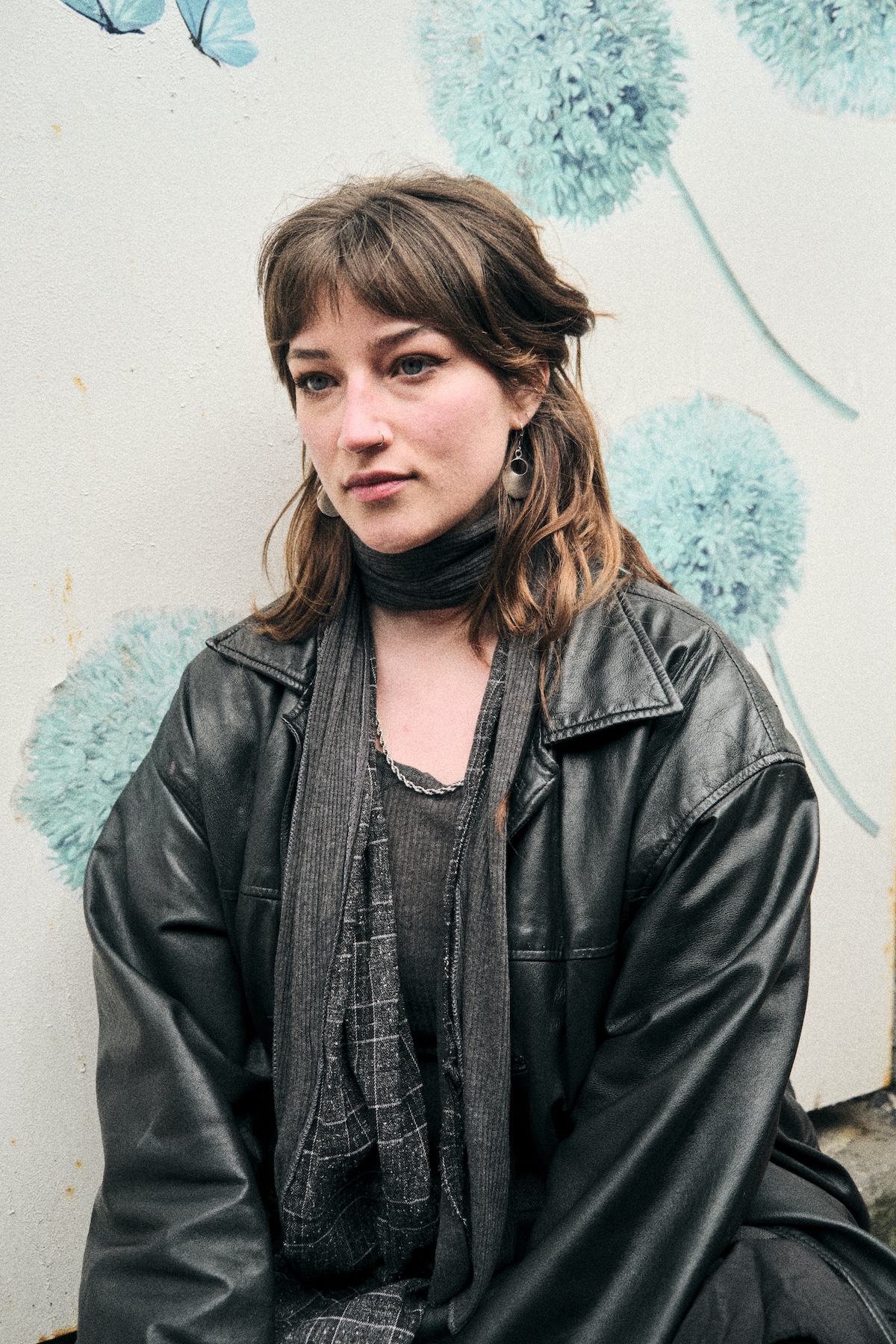
Hoar writes from the place where agency begins to separate from identity.
Her lyrics trace the slow erosion of an inner compass – the point at which another person’s certainty can start to resemble direction. “Sondheim” draws from her own experience with chronic dissociation, a condition that has at times left her disconnected from the world around her and uncertain of her place within it.
“With ‘Sondheim,’ I tried to encapsulate the complex feelings of not always feeling real,” Hoar tells Atwood Magazine. “I wanted to express how easy it is to have your opinions swayed when caught up in this mindset, and let others’ views of you override your sense of self.”
The song opens at the edge of surrender. “Make me in your image / All that matters is what I am in your eyes,” Hoar sings, capturing how readily insecurity can convert another person’s perception into a mirror. Dissociation gains weight and pulse through her plainspoken writing. “You don’t know it / ’Cause I guess I look alive / But I’ve been coasting / Watching the years go by” names the divide between outward appearance and inner experience with devastating clarity.
You don’t know it,
Cause I guess I look alive,
But I’ve been coasting,
Watching the years go by,
I try and focus,
On a feeling, but I’m hiding,
In the motions,
Staying safe on the sideline.
The plea reaches past affection toward instruction. Hoar’s narrator wants another person to supply the coordinates of a life she can no longer locate from within.
“The lyrics are a cry for someone to give you direction,” Hoar explains. “It feels impossible to work out how to navigate your life when you don’t feel embodied within it, so the lyrics beg for somebody to steer you with their perceptions in order to avoid figuring it out for yourself.”
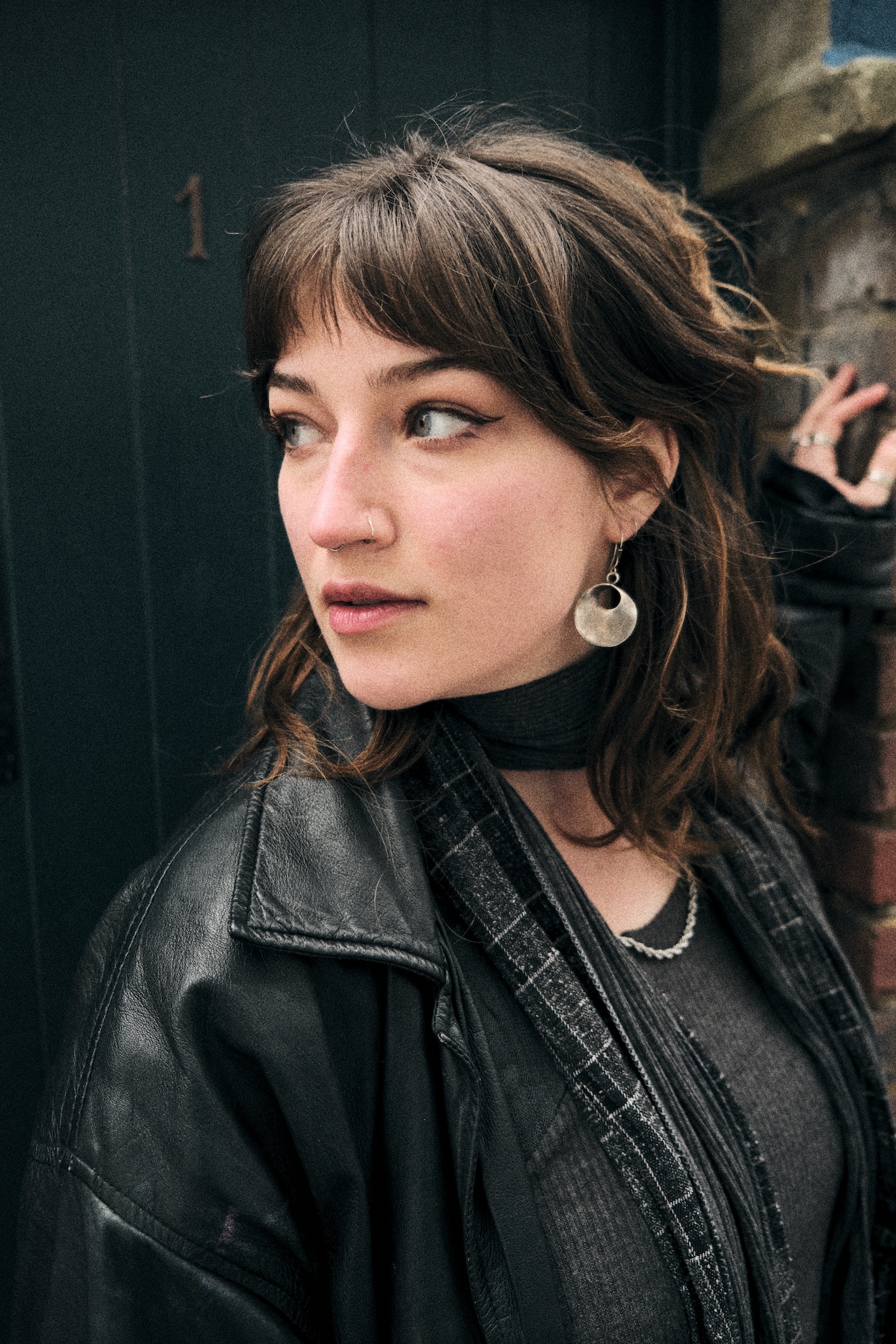
A borrowed identity becomes a coping mechanism.
If another person can provide the script, perhaps the burden of deciding who to be can disappear with it. “Sondheim” understands the seduction in that bargain as clearly as it understands the danger: Being defined from the outside can offer temporary relief while carrying you further from your own voice.
The title concentrates that exchange into a beautifully strange theatrical image. “You could paint a picture / Or maybe you deliver a Sondheim,” Hoar sings, watching another person assemble a version of her in real time.
You could paint a picture,
Or maybe you deliver a Sondheim
I’ll enjoy the notion,
I’m watching you unfolding,
What I might be like.
You don’t know it,
Cause I guess I look alive,
But I’ve been coasting,
Watching the years go by,
I try and focus,
On a feeling, but I’m hiding,
In the motions,
Staying safe on the sideline.
“Within the context of the song, delivering a ‘Sondheim’ means to perform a perception of you,” Hoar shares. “Sondheim himself being a playwright invokes the imagery of acting out an idea of somebody theatrically so they can understand how you perceive them.”
The person at the center becomes a role rehearsed for them. Perception acquires dialogue, movement, and dramatic shape until another person’s interpretation begins to look more convincing than the life underneath it. Larlin’s title makes that loss of authorship theatrical, but the wound beneath it remains painfully real.
The arrangement carries that instability in its bones. Restrained verses move forward without reaching firm ground, while guitars gather around Hoar’s voice and the drums hold their force in reserve. Larlin let the track hover there until the pressure becomes impossible to contain.
“We kept the verses stripped back and understated, almost just ‘chugging along’ to reflect the way life can sometimes feel when you’re moving through the motions,” the trio explain. “That softness helps give the crescendos room to open everything up into these big emotional moments where Maryann explores that sense of dissociation. We wanted those sections to hit hard with big guitars and drums, while layering in more textures to keep the whole thing feeling slightly dreamlike, as if you’re caught somewhere between numbness and clarity.”
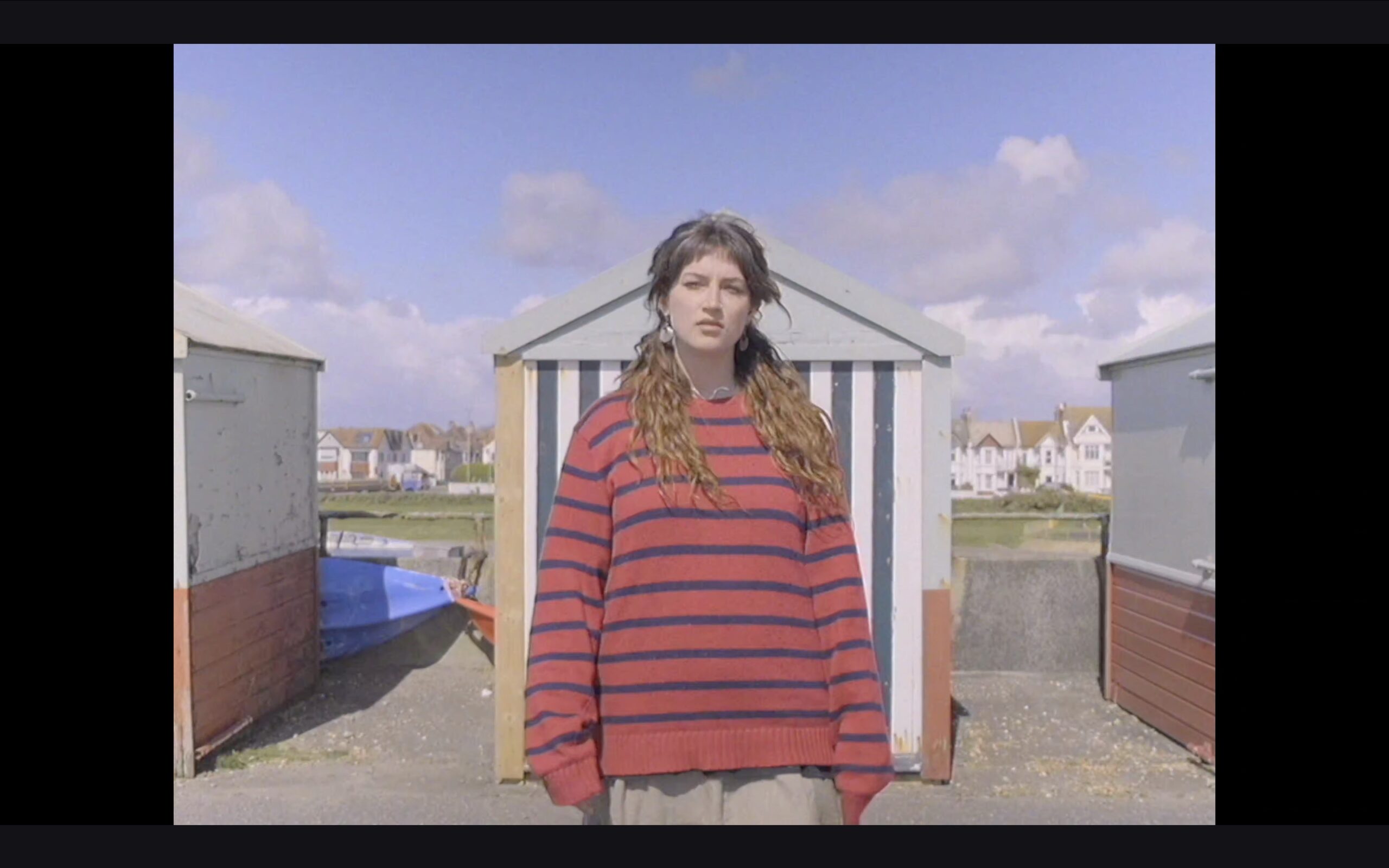
Each eruption registers as pressure finally breaching the surface.
Hoar’s soul-stirring vocal performance rises through the distortion with gathering force, while the band’s shoegaze-tinted guitars enlarge an intensely internal crisis until it fills the room. The louder passages let anguish become physical; they give the body an outlet for an experience rooted in disconnection from it.
“I want you to write me out in a story / I will let you decide for me” is the line that makes “Sondheim” cut deepest, because it lands as both admission and alarm bell – a portrait of someone so far from themselves that being authored by another person can sound like relief. Larlin match that realization with a roar, letting guitars swell and drums surge until confession becomes exorcism.
I want you to write me out in a story,
I will let you decide for me
I want you to write me out in a story,
I will let you decide for me
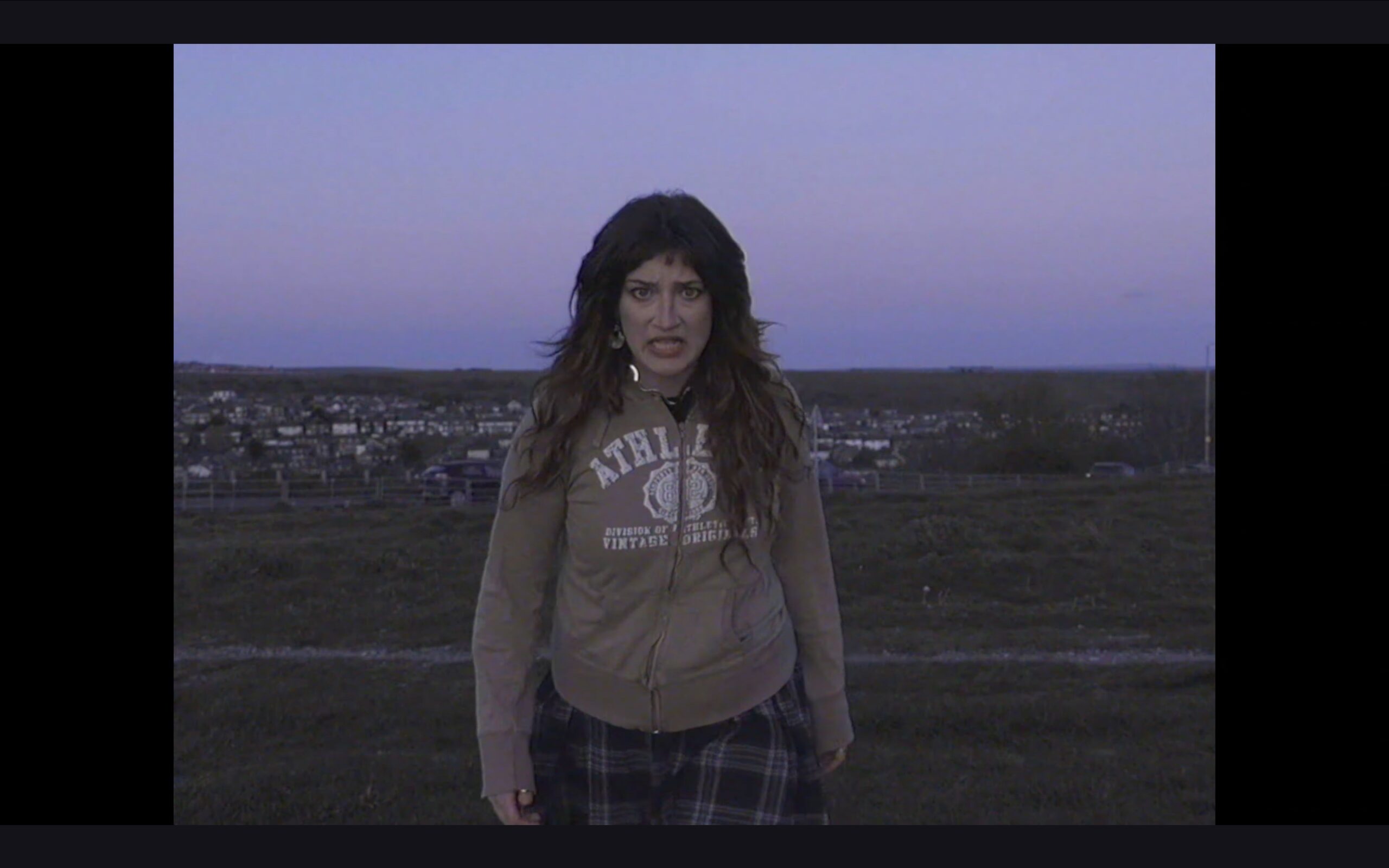
The song’s music video gives that fracture a visual language.
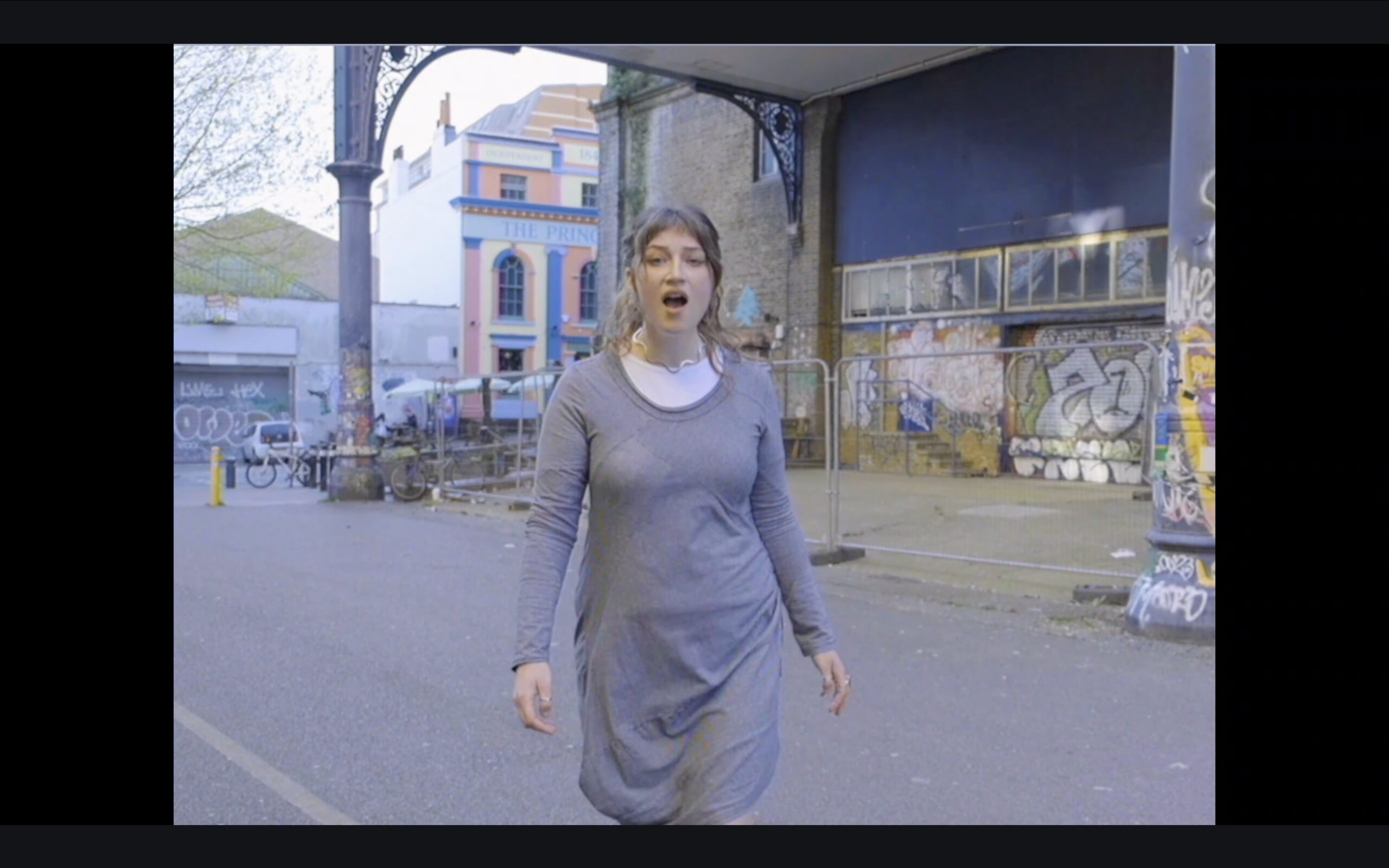
Shot and edited by Jacob Parrott in a gritty VHS style inspired by old home recordings and fragmented memories, it extends the track’s disorientation into grainy images caught between recollection and disappearance. The texture carries the strange intimacy of family footage while stripping away its usual certainty; memory remains visible, yet increasingly difficult to trust.
As Hoar notes, “The VHS style is meant to capture the feeling of living with chronic dissociation, making everything feel hazy and dreamlike.”
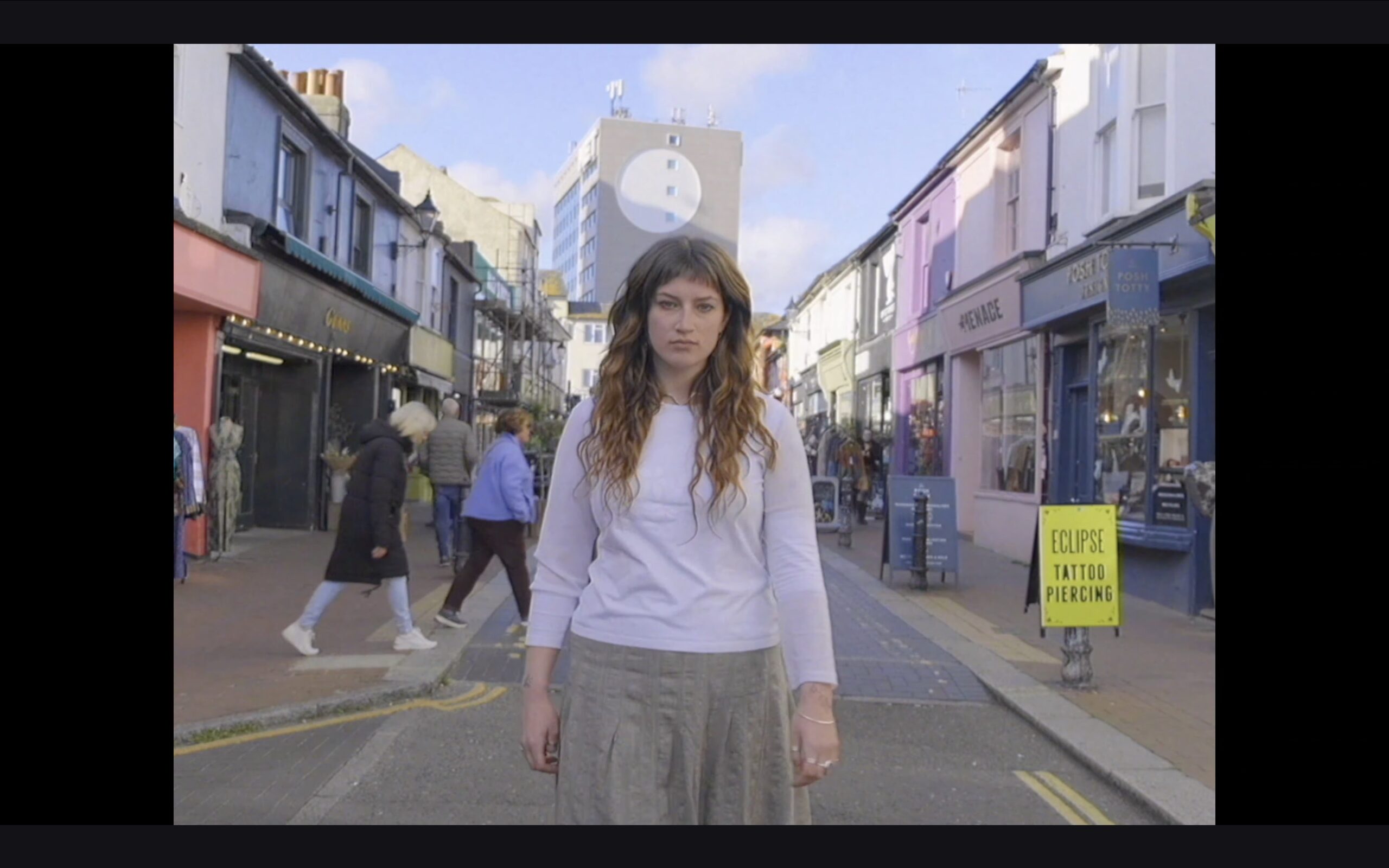
Hoar remains the video’s fixed point while Brighton keeps changing around her. She appears along the seafront, between rows of pastel beach huts, beneath the lights of the pier, on crowded streets, beside a skatepark, and against an open stretch of darkening sky. Day gives way to night; clothing, weather, and surroundings shift between cuts. Yet the framing repeatedly returns her to the same central position, as though the world is carrying on while she remains caught inside a single suspended moment.
Her performance gives that stasis an increasingly forceful physical life. Hoar begins with a stillness that borders on vacancy, staring directly into the lens as each new location arrives behind her. As the music gathers pressure, her body follows: She walks in place, faces left and right, throws her hands into the lyric, and sings with mounting urgency. She is mobile but immobile, full of motion without ever advancing – every gesture intensifying the sense that she is trying to break through an invisible boundary while remaining frozen inside the frame.
The effect gives dissociation a bodily shape. Hoar becomes the only constant across a sequence of places, versions of herself, and passing hours, yet even that constant grows harder to contain as the chorus rises. The video asks us to watch her move through the motions in the most literal sense – occupying one scene after another while remaining unable to arrive anywhere – and her escalating physicality gives the song’s inner rupture a riveting, visceral presence.
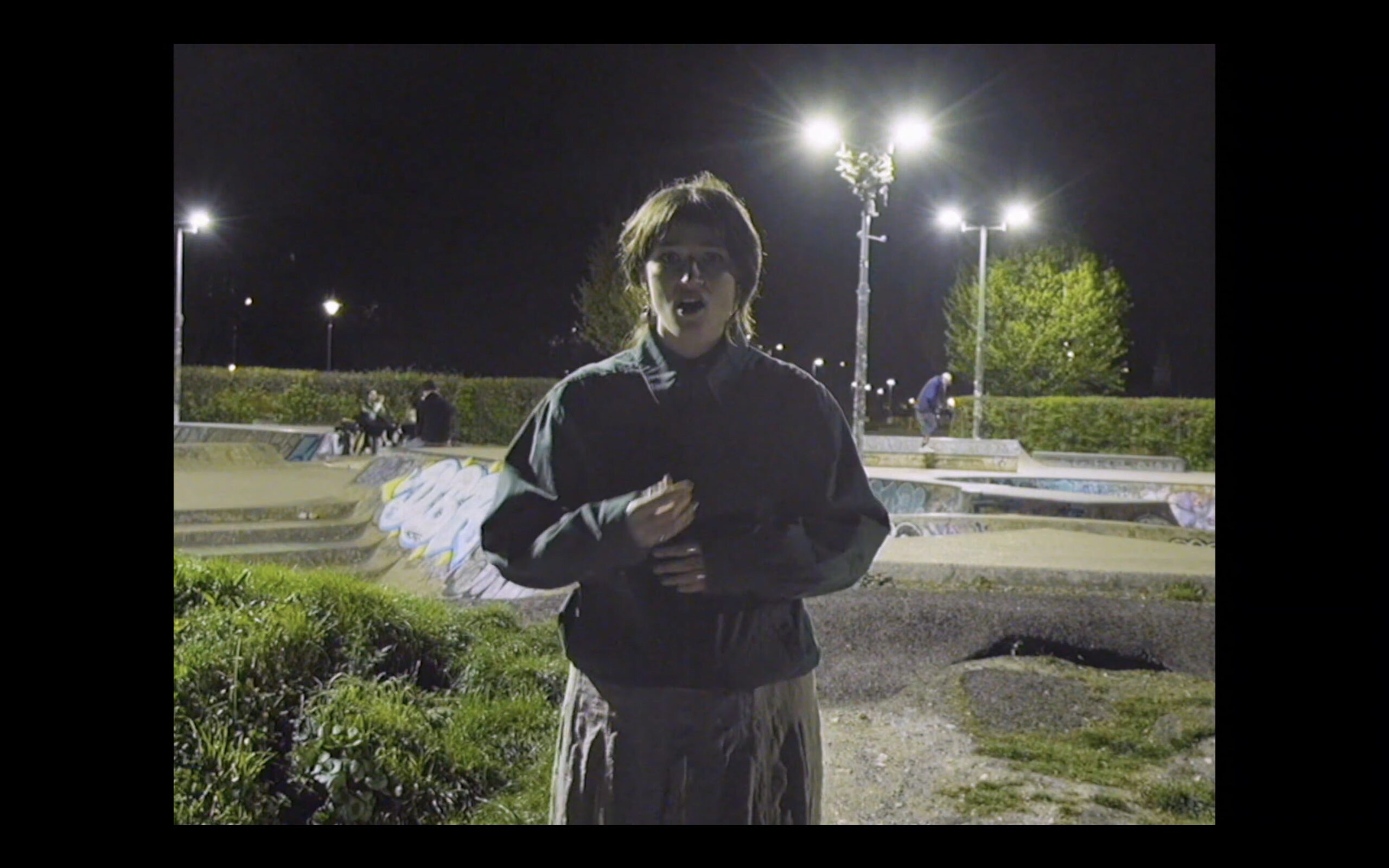
That escalating physicality mirrors the creative leap Larlin make in the song itself.
Their earlier work established a gift for melancholic songwriting and dynamic alt-rock, but this single pushes their music deeper into distortion, density, and controlled chaos. The trio trust the emotional demands of the song enough to let restraint collapse when the lyric reaches its breaking point.
“‘Sondheim’ made us realise how well that darker, heavier side of Larlin works,” Hoar shares. “We pushed the guitars and drums harder than before and it gave the song a real sense of intensity and emotional release. It’s opened up a side of the band that we’re excited to explore more, being able to let the music get louder, heavier and more chaotic when the emotion calls for it.”
For a group formed only two years ago, that discovery carries the charge of an identity taking shape in real time. Larlin’s growing recognition across Brighton and beyond matters because the music itself is advancing with equal momentum. “Sondheim” presents a band testing how far they can push their sound while keeping the person at its center fully visible.
The result is intoxicating: Larlin pull the listener into “Sondheim” with the draw of an undertow, pairing an instantly gripping melody with waves of distortion that make disorientation sound devastatingly beautiful.
Its crescendos surround Hoar’s exposed lyricism with enough power to overwhelm and enough grace to keep us leaning closer, leaving the song suspended between seduction and dread.
Hoar’s experience gives the song its specificity, while its central surrender reaches anyone who has allowed another person’s expectations to answer questions they could not yet answer for themselves. When self-knowledge slips away, being told who to become can offer a dangerous kind of shelter. “Sondheim” exposes the cost of that shelter; Larlin carry that crisis toward a release powerful enough to be experienced in the body, trusting instinct and dynamic force to communicate what language alone cannot hold.
“We’d love for people to come away from ‘Sondheim’ feeling like they’ve experienced something cathartic,” Hoar explains. “There’s a lot of emotion packed into the song and we want the music to give those feelings somewhere to go. For us, making it was a reminder to let the emotion guide the production rather than overthink every decision. When the song needed to get loud, we let it get loud, and when it needed space, we gave it space.”
For a track about being shaped by someone else’s view, “Sondheim” ultimately leaves the opposite impression: Larlin know exactly who they are becoming. Watch the music video exclusively below, and let its fractured images and towering release carry you through the haze before stepping into Atwood Magazine’s full conversation with the band.
— —
:: stream/purchase Sondheim here ::
:: connect with Larlin here ::
— —
Stream: “Sondheim” – Larlin
A CONVERSATION WITH LARLIN

Atwood Magazine: Larlin, hello and thank you for your time! For those who are just discovering you today, what do you want them to know about you and your music?
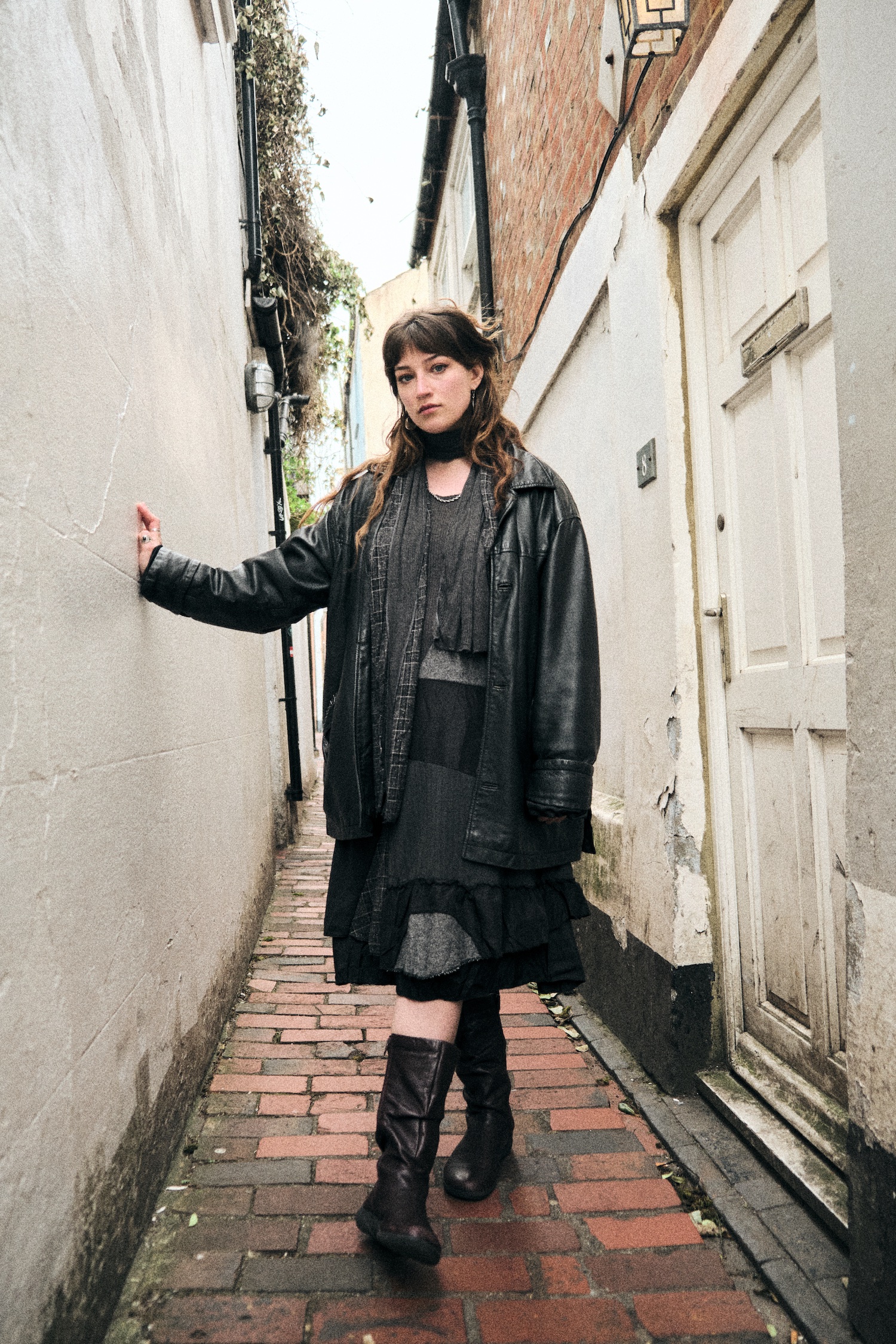
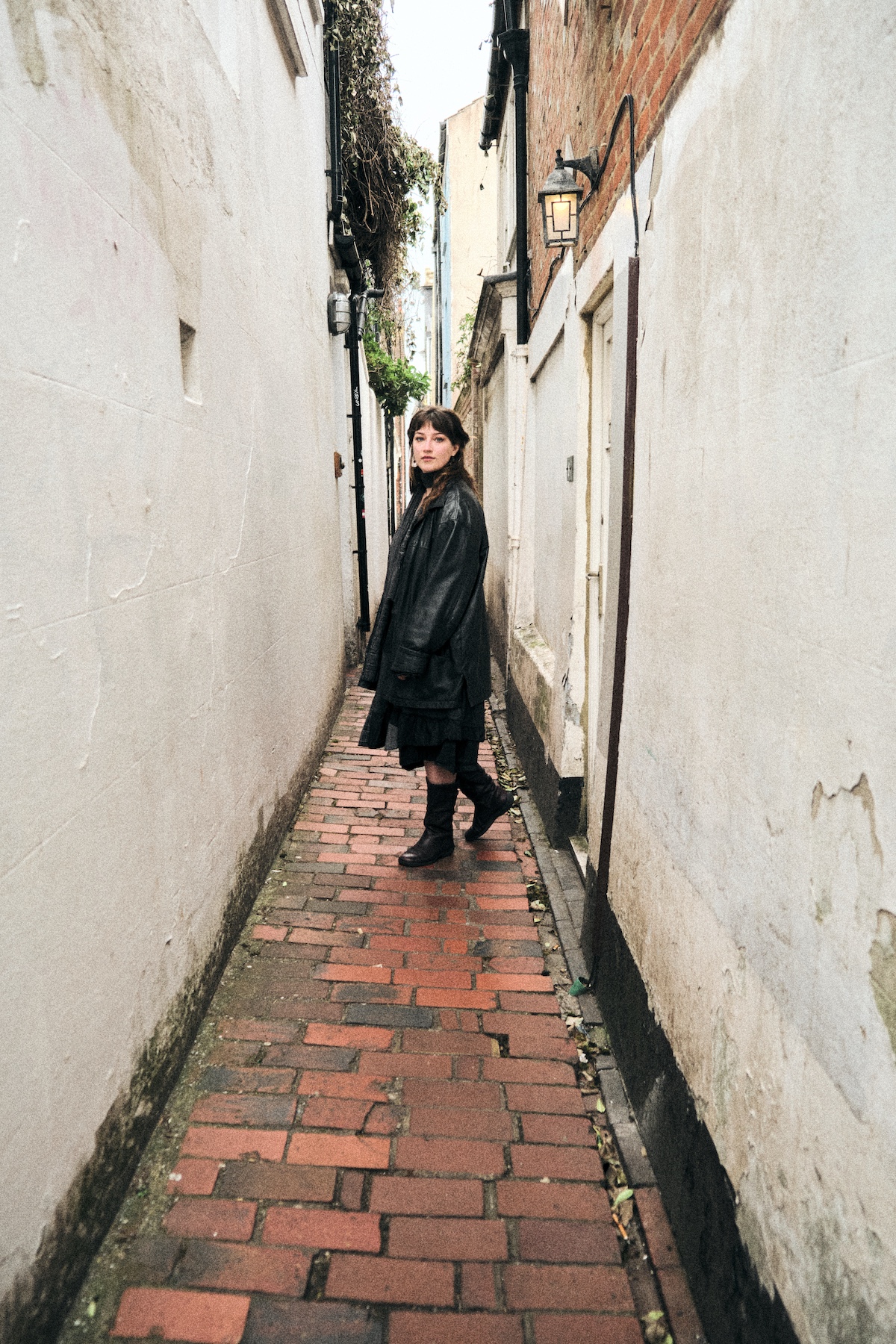
Larlin (Maryann Hoar): We’re a trio of musicians based in Brighton, with Maryann as our vocalist and lyricist, and Cameron and Lewis as composers and producers. We want to make music that takes you somewhere, a journey you can get lost in and hopefully come out the other side feeling like you’ve had a cathartic experience.
Who are some of your musical north stars, and what are you most excited about the music you're making today?
Larlin: Blondshell, Mazzy Star and Fontaines D.C. are definitely some of our musical north stars. The music we’re making now feels even more raw, real and emotional than what we’ve done before. We’re also pushing further into a more shoegazey, grungy sound, which feels like it really connects with Maryann’s lyrics and gives us even more space to explore that emotional side of the band.
You’ve described your sound as emotionally charged alt-rock, sitting somewhere between introspection and intensity. How do you think about that balance inside Larlin?
Larlin: I think the music lends itself really naturally to telling these stories, with quieter moments that give space for introspection before kicking into heavier sections that capture how those situations can actually make you feel: anguish, anger, longing, all of it. Those louder sections let us really lean into those feelings and try to make you feel them physically, rather than just telling you about them.
“Sondheim” explores chronic dissociation and the feeling of not always feeling real. What’s the story behind this song?
Larlin: I (Maryann) have struggled with chronic dissociation for several years, it makes you feel disconnected from the world – like you’re living in a dream – so “Sondheim” explores how that can affect your sense of self and how that can make it easy to care more about others’ opinions than try to work out your own.
Maryann, you’ve said the song is about how easy it can be to have your opinions swayed in that mindset, and to let other people’s views override your sense of self. How did you want to capture that loss of identity in the lyrics?
Larlin: The lyrics are a cry for someone to give you direction. It feels impossible to work out how to navigate your life when you don’t feel embodied within it, so the lyrics beg for somebody to steer you with their perceptions in order to avoid figuring it out for yourself.
The opening line is so striking: “Make me in your image, all that matters is what I am in your eyes.” What were you trying to name there, and why start off there?
Larlin: I (Maryann) feel like that line sets the listener up for the narrative of the song, giving space for that feeling to be developed more specifically throughout.
The title arrives in this beautifully strange image: “You could paint a picture, or maybe you deliver a Sondheim.” What does “Sondheim” mean inside this song?
Larlin: Within the context of the song, delivering a ‘Sondheim’ means to perform a perception of you. Sondheim himself being a playwright invokes the imagery of acting out an idea of somebody theatrically so they can understand how you perceive them.
The final lyric, “I want you to write me out in a story I will let you decide for me,” feels like such a vulnerable surrender of self. Why did it feel important to end there?
Larlin: That line summarises the whole feeling “Sondheim,” of giving yourself over to someone else’s version of you to avoid your own.
Musically, “Sondheim” moves from hushed, introspective verses into these soaring, shoegaze-tinged crescendos. How did you want the sound to mirror that push and pull between numbness and emotional clarity?
Larlin: We kept the verses stripped back and understated, almost just ‘chugging along’ to reflect the way life can sometimes feel when you’re moving through the motions. That softness helps give the crescendos room to open everything up into these big emotional moments where Maryann explores that sense of dissociation. We wanted those sections to hit hard with big guitars and drums, while layering in more textures to keep the whole thing feeling slightly dreamlike, as if you’re caught somewhere between numbness and clarity.
The video’s gritty VHS style feels tied to old home videos, fragmented memories, and the song’s sense of disconnectedness. What did you want the visual world to bring out of the track, and how do you feel the video adds to the song's experience?
Larlin: That’s exactly it! The VHS style is meant to capture the feeling of living with chronic dissociation, making everything feel hazy and dreamlike.
The song also marks a darker, more textural step forward for Larlin. What did making “Sondheim” open up for you creatively?
Larlin: “Sondheim” made us realise how well that darker, heavier side of Larlin works. We pushed the guitars and drums harder than before and it gave the song a real sense of intensity and emotional release. It’s opened up a side of the band that we’re excited to explore more, being able to let the music get louder, heavier and more chaotic when the emotion calls for it.
What do you hope listeners take away from “Sondheim,” and what have you taken away from creating this song and video?
Larlin: We’d love for people to come away from Sondheim feeling like they’ve experienced something cathartic. There’s a lot of emotion packed into the song and we want the music to give those feelings somewhere to go. For us, making it was a reminder to let the emotion guide the production rather than overthink every decision. When the song needed to get loud, we let it get loud, and when it needed space, we gave it space.
In the spirit of paying it forward, who are you listening to these days that you’d recommend to our readers?
Larlin: Junk, Hot Glue, Cordelia Gartside, MLEKO, Puppy Teeth.
— —
:: stream/purchase Sondheim here ::
:: connect with Larlin here ::
— —
Stream: “Sondheim” – Larlin
— — — —
Connect to Larlin on
Facebook, TikTok, Instagram
Discover new music on Atwood Magazine
© Lewis Foord
 © Lewis Foord
:: Stream Larlin ::