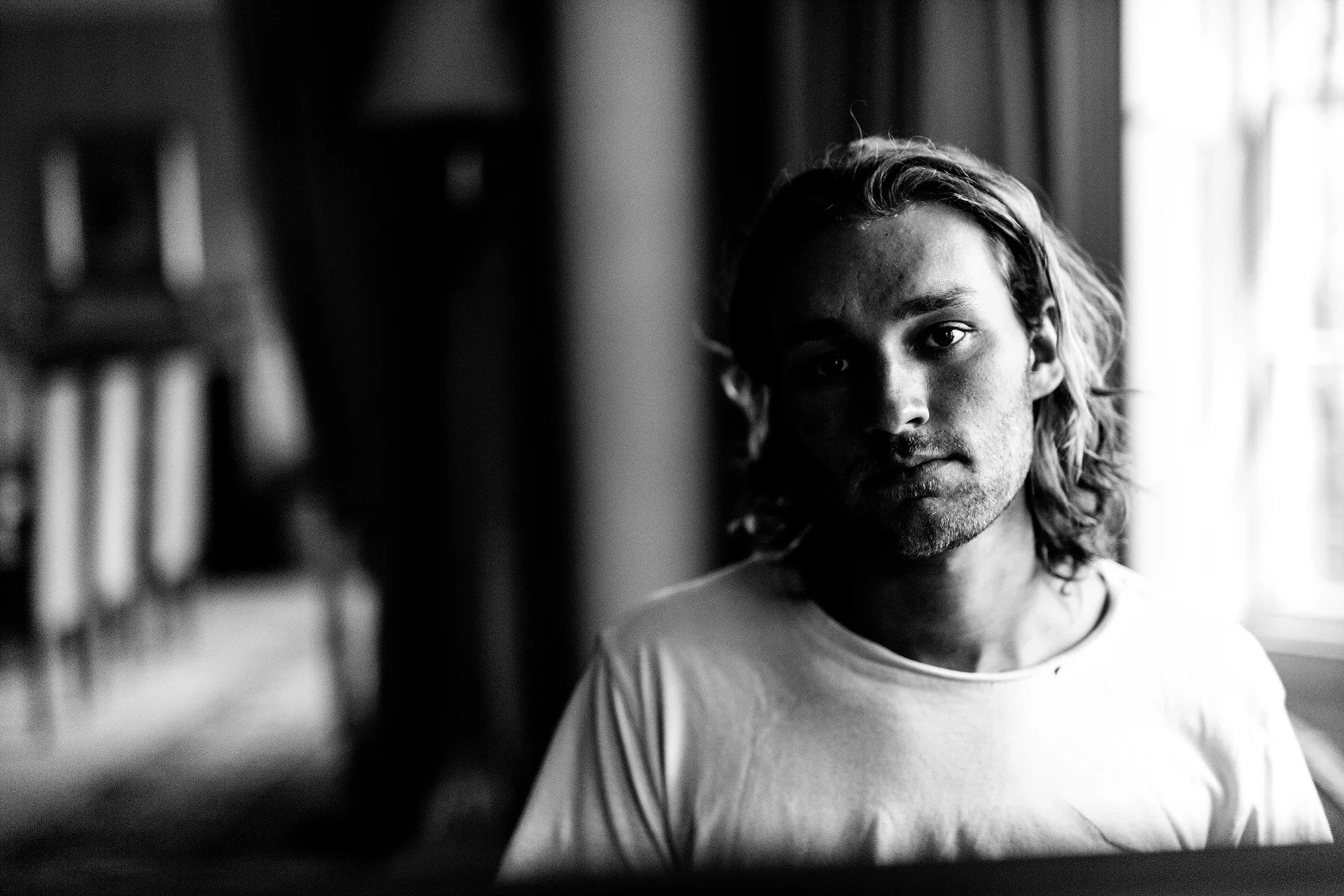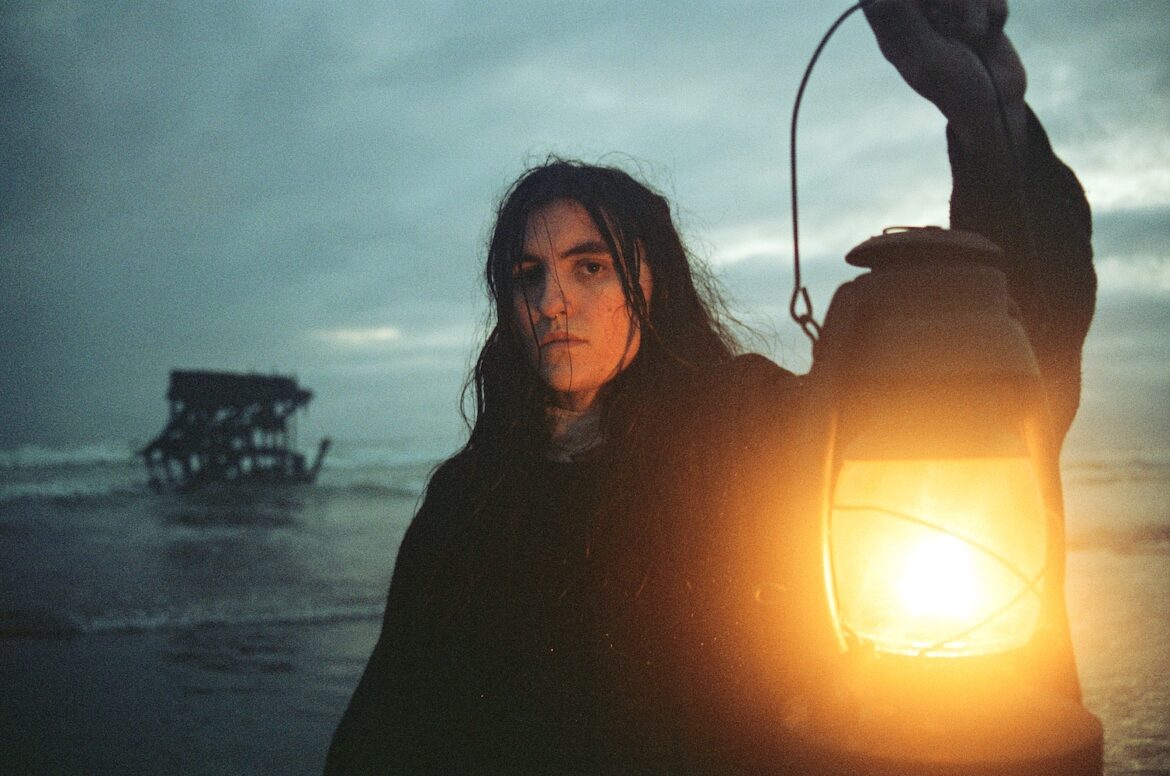
Searows’ Alec Duckart discusses his sophomore album ‘Death in the Business of Whaling,’ tracing its meditations on life, death, and the quiet evolution of his songwriting.
Stream: “In Violet” – Searows
The great white whale of the singer/songwriter is authenticity.
To be poetic without pretension, honest without excess, intimate without obscurity – this balancing act is not merely a display of skill, but the core of the craft.
The first time I heard Searows was in 2022. Alec Duckart’s debut album, Guard Dog, was a frequent companion in dark, wakeful nights. With its spare bedroom production, reverb-drenched guitars, and laconic lyrics, the record places the listener inside the memory, slowing time to a crawl. Four years later comes Death in the Business of Whaling (out January 23, 2025 via Last Recordings On Earth), a sophomore record that arrives with greater urgency, capturing an artist in motion. Duckart and producer Trevor Spencer (Father John Misty, Beach House) are the picture of synergism, working to each other’s strengths and translating Duckart’s intimate songwriting into larger, more dynamic arrangements.
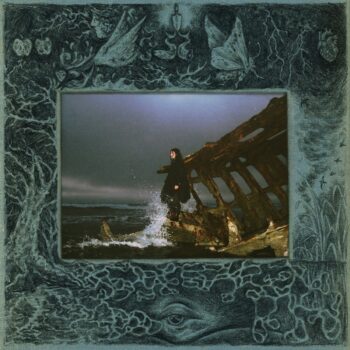
The record’s title hails from a Moby Dick quote: “Yes, there is death in this business of whaling – a speechlessly quick chaotic bundling of a man into Eternity.” Album opener “Belly of the Whale” illustrates this expanse. Its banjo calls back to early 2000s folk giants like Gregory Alan Isakov and Iron and Wine. Like Isakov, Duckart’s ethereal vocals and immersive instrumentation allow the current to sweep you further away from the shore. The cello mimics a foghorn, and the undertow is impenetrable.
Captivating moments are sprinkled throughout the record, some new and some familiar. The breathy glissandos on “Dearly Missed” mismatched over rumbling tom drums are a previously unseen side of Searows. Nonetheless, the terse, barefaced resentment of “Hunter” and folk charm of “Photograph of a Cyclone” hark back to the sounds of “flush” and “End of the World.”
“Dirt” is a touchstone for longtime Searows listeners. Contending with complexity, he softly sings, “And it’s delusion, but it’s peaceful, that this body is not your own. ‘Til the ground pulls you down to the dirt I knew.”

Death In the Business of Whaling trades the “quick chaotic bundling of a man into Eternity” for a patient, painstaking one.
Like everything Searows touches, this project is teeming with an invisible force, a tender gravity that draws you in. This is authenticity as craft – carefully balanced, deeply felt, and unmistakably earned.
Atwood Magazine recently caught up with Alec Duckart to discuss Searows’ second album, Death in the Business of Whaling, tracing its meditations on life, death, and the quiet evolution of his songwriting.
— —
:: stream/purchase Death in the Business of Whaling here ::
:: connect with Searows here ::
— —
Stream: “Dirt” – Searows

A CONVERSATION WITH SEAROWS
Atwood Magazine: You are contending with life and death in this record. How did this allow you to grow spiritually?
Alec Duckart: Writing the album, or writing the songs that became the album was very much like, happened before the concept of what I was making it about. I had all the songs and I connected the dots of what I was trying to say afterwards. I did have this theme or sort of like, thematic conclusion that I didn’t think through.
When you stumbled upon that quote, what was it that resonated with you?
Alec Duckart: I obviously could tell at that point how much I had been writing about death, but in a nature-focused way. I was seeing it as a discontinuation of the process of life and looking at it with fascination. The quote reminded me of many different things, like the danger in what we do out in the open, trying to achieve something, chase after something, or look for something.
When you reoriented to this fascination perspective, did it provide any new emotional outlook on death?
Alec Duckart: I now find it beautiful, rather than a frightening ending. It made me reevaluate what an ending even means. I don’t know how to articulate it very well. It was less daunting and scary. It’s a pretty awesome cycle that we are all privy to.
You describe this album as a shift towards abstraction. Your EPs in particular, like End of the World and Flush discussed anxiety, existentialism, and gratitude at length. How did that project lead you here?
Alec Duckart: That’s a good question. I feel like everything I make in some way informs the next thing. The last two EPs had a lot of my anxieties, in a more straightforward way. I think this project, I wanted it to be more broad, and less of a literal diary entry of my own thoughts.
Your lyrics tend toward the second person point of view, tackling the “I” and the “you.” How did you develop this perspective, and how does it inform your voice as an artist?
Alec Duckart: That is the type of writing I am drawn to the most. I have noticed that in my writing, and I like when it feels like communication. Telling some sort of story through a letter to someone or from someone feels like you can use so little words because whoever you are addressing understands the pieces of the story. It’s a nice way for me to be very vague and symbolic.
That description makes me think of Fiona Apple.
Alec Duckart: I love her, she definitely does that. Sufjan Stevens also does that, really specific moments that sound like he is sharing a memory with someone else.
I heard two semi-new things, one being the heavier Seattle grunge on “Hunter” and “Dearly Missed” and the other being the banjo on “Belly of the Whale.” What made you decide to incorporate these sounds?
Alec Duckart: I just love them. I was listening to a lot of Alex G, who incorporates banjo in such a cool way. I also love the heavy guitars and doom sounding music. It is weird to incorporate these things into the types of songs I write. They feel like a big monologue, some long storied thing that is very different from the music I was listening to while writing and recording.
There is more sonic variation on this record. Was that a result of you not mixing this time around?
Alec Duckart: I definitely had more freedom and options because I was not mixing. I was working with someone else the whole time. I don’t know how to mix drums, and that has sort of prevented me from having drums on songs before.
You had one less thing to worry about. Did you find that it gave you more freedom or comfort?
Alec Duckart: I feel like I need the time and freedom to do what I need to do. I am very perfectionistic, and that’s my downfall. I need someone to come over and tell me to stop.
What is the focus of your perfectionism?
Alec Duckart: Vocals are my biggest challenge. Mixing in general, too. The vocals are my favorite part, but the most agonizing. I have a very specific idea of what I want every word and every note to sound like. I know I am potentially capable of doing that if I have as many tries as possible. But if it is technically exactly how I want it to feel, it loses that raw quality.
I wrote down “raw” and “urgent” as something I noticed in your vocals.
Alec Duckart: I noticed that too. I think that’s because I was in a space where I knew I did not get as many tries as I wanted. I couldn’t record each part until it was perfect. That put a lot of pressure on me. I put pressure on myself to deliver the first time. I think the songs were louder and bigger, and needed more from me.
What did this change from autobiographical pictures help you discover?
Alec Duckart: I think I improve every batch of songs I write. With writing specifically, I think I listened to every old-ish record and thought, “I would do that differently already.” I really liked the process of writing the lyrics for this album. I wasn’t trying to tell the story in a particular way that made sense or was true to real life. It was very much more feeling based.
— —
:: stream/purchase Death in the Business of Whaling here ::
:: connect with Searows here ::
— —
— — — —
Connect to Searows on
Facebook, 𝕏, TikTok, Instagram
Discover new music on Atwood Magazine
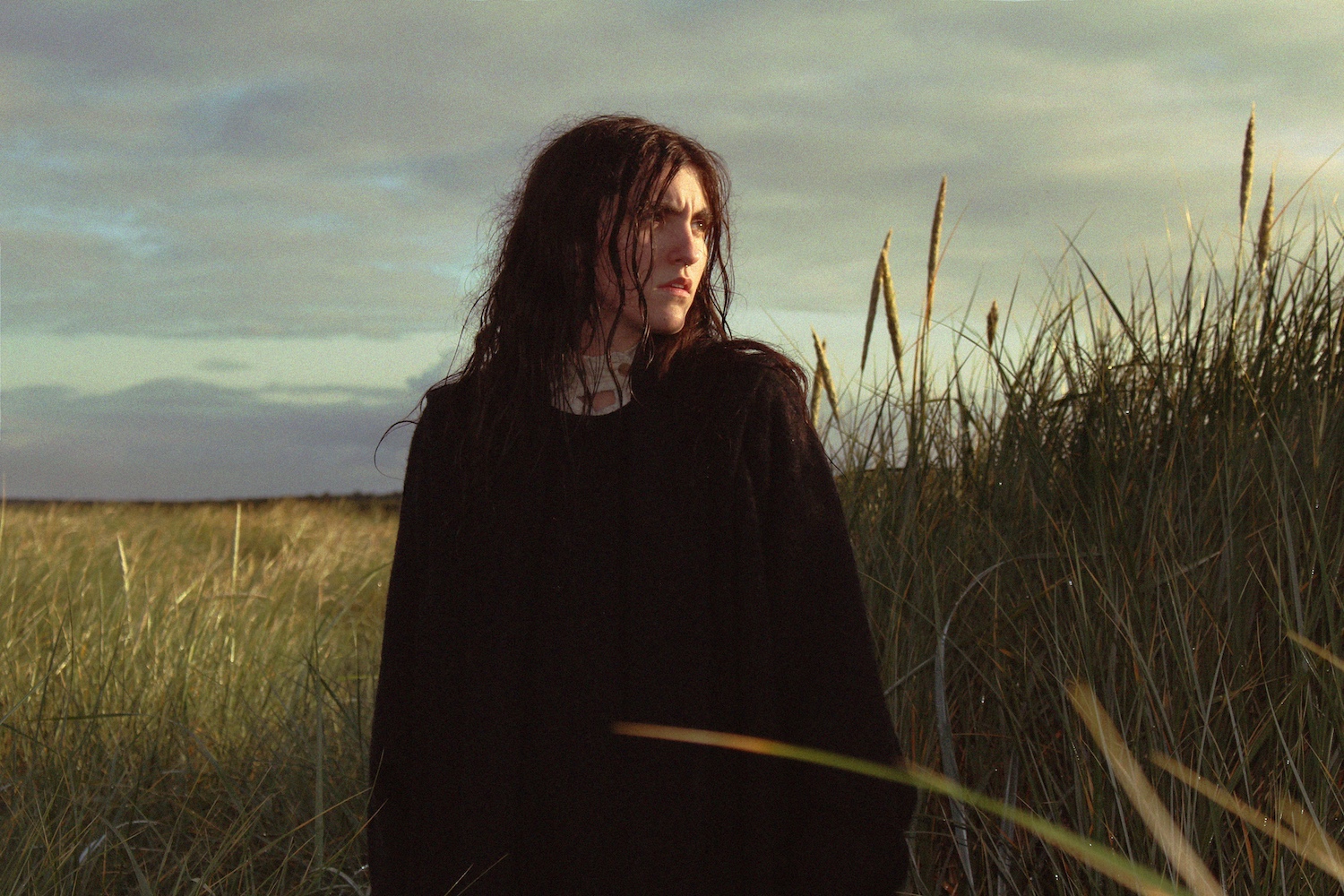
© Marlowe Osteara
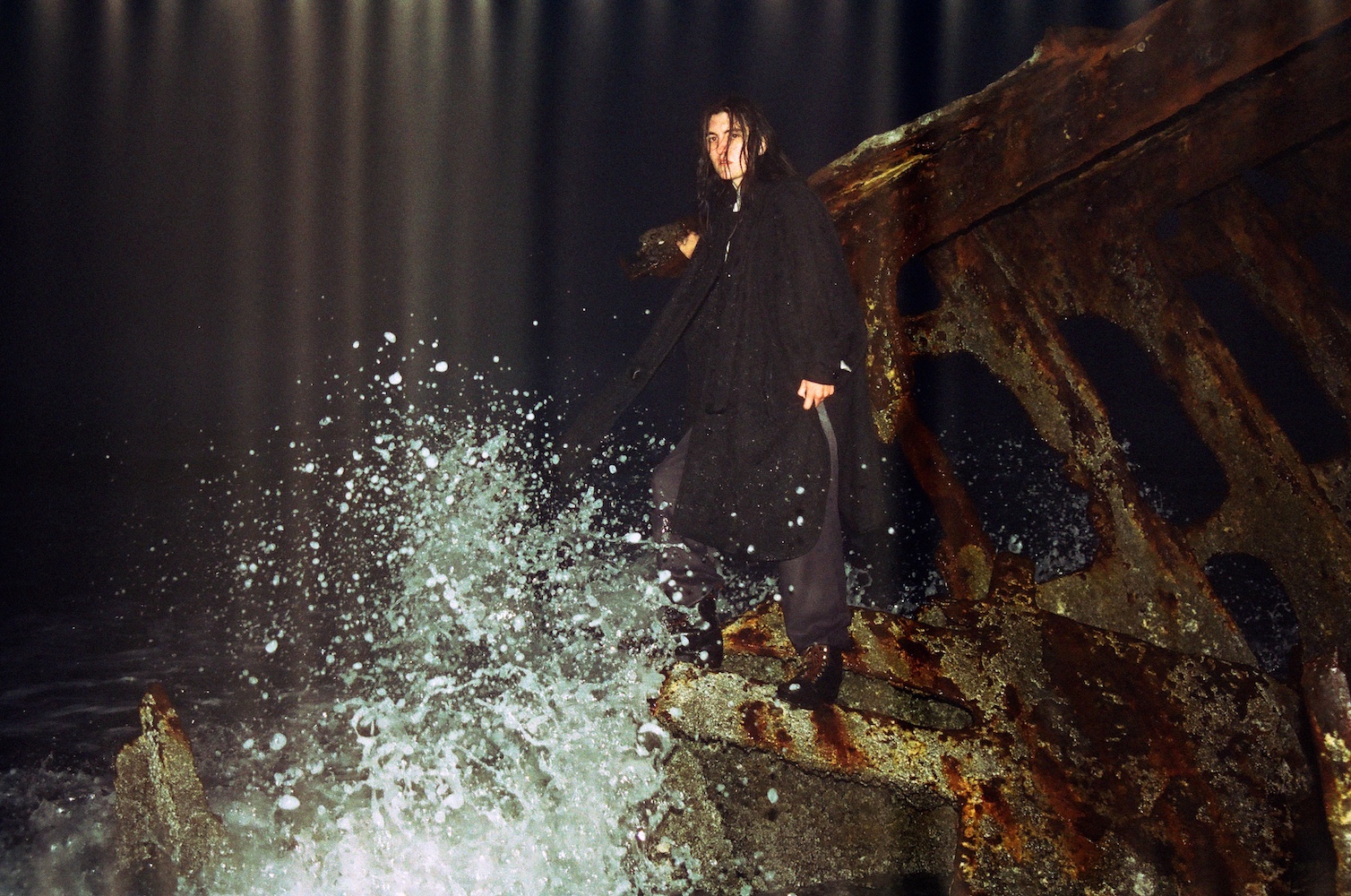
 © Marlowe Osteara
:: Stream Searows ::