In honor of Women’s History Month, Atwood Magazine has invited artists to participate in a series of essays reflecting on identity, music, culture, inclusion, and more.
•• •• •• ••
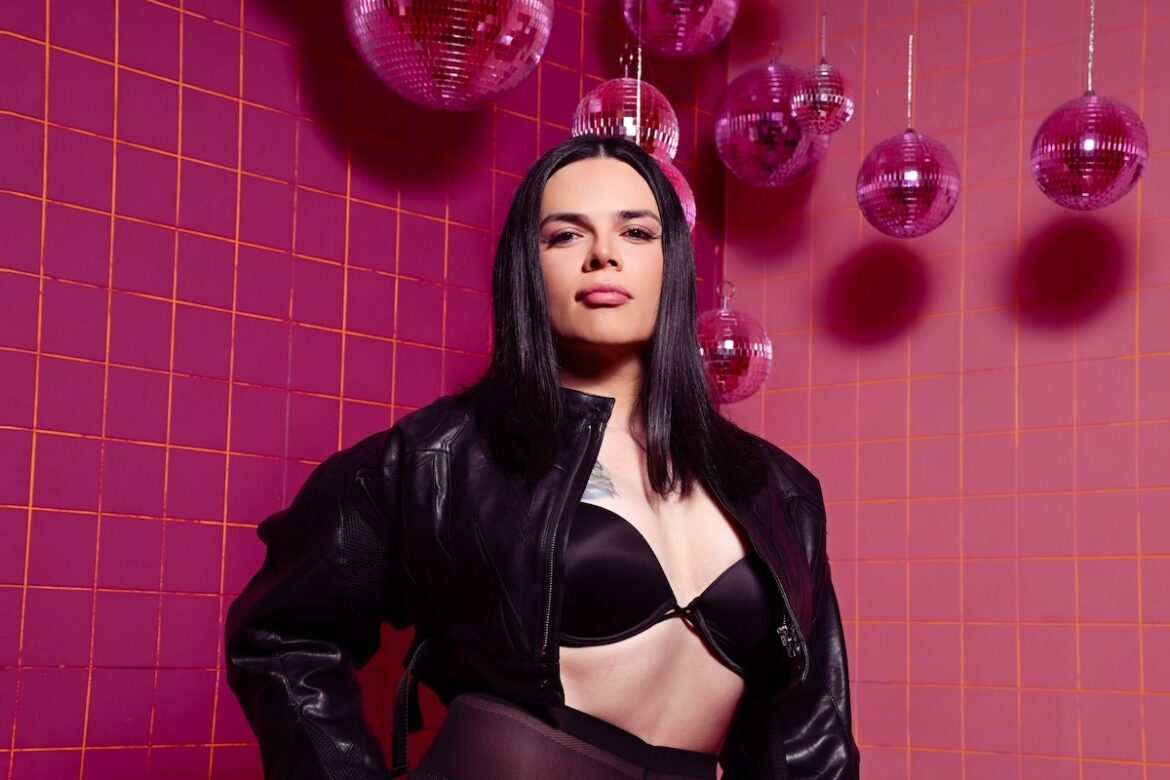
Today, DJ, producer, and artist Valentina Moretti reflects on her journey as a trans woman in the music industry – from rejection and survival to self-determination and creative independence – in a powerful essay for Atwood Magazine’s Women’s History Month series.
Valentina Moretti is a DJ, singer, composer, multi-instrumentalist, and producer known for her forward-thinking approach to electronic music and avant-garde sound design. Though early in her career, she has already garnered industry recognition, with her music praised by figures such as Pete Bellotte, Richard Gibbs, Robert Margouleff, and Gordon Raphael, with whom she has also collaborated. Her work has earned widespread attention across major platforms, including prominent placements on Spotify and Apple Music playlists, as well as a Times Square billboard feature in New York through Spotify.
Moretti has performed at major festivals and venues including EDC, Tecate Emblema, Palacio de los Deportes, and events in New York and Los Angeles, while also appearing in national campaigns such as FOX Deportes’ 25th anniversary and the Super Bowl LVII campaign alongside the NFL. She has collaborated with leading Latin artists including Moenia, María José, and Ximena Sariñana, and serves as an ambassador for Roland, Korg, and Novation – becoming the only Latin American artist to do so. Blending indie dance, house, and techno in her hybrid DJ sets and live performances, Moretti continues to push boundaries through both sonic innovation and artistic independence.
•• ••
BEING A TRANS WOMAN IN THE MUSIC INDUSTRY
by Valentina Moretti
I want to start by saying that I am not trying to portray myself as a victim.
Also, I am not trying to make people think that I deserve recognition in the music industry just because I am a trans person. With that said let me tell you how it has been for me to be a trans woman in today’s music industry.
It is 2026 and a lot of people talk about how far we have come in terms of inclusivity, awareness and even rights for trans people. That, while true in some aspects of life, does not reflect reality, at least in my own personal experience as a trans musician, songwriter and music producer.
I started my journey living in the streets of Mexico. My family and friends turned their backs on me when I decided to be who I am today. I was in a really dark place, about to give up on life, but music saved me and taught me that there will always be hope as long as you believe in yourself and have passion for what you want to do and who you want to be in this world. There are no excuses. You can accomplish anything you want if you really want it and if you do it with love and passion.
I cannot tell you the whole story of my life because I would probably need a book to tell you everything that I have been through, but I can tell you that I came from eating from trash cans to being the first trans woman from Latin America to have a billboard in Times Square, courtesy of a music platform. But it was not easy and I thought about giving up many times.
Facing rejection has always been part of the game in the music industry, but for me it felt like the game was rigged, like it was almost impossible to even get started. Everywhere I went to show my music and look for opportunities, not only was I rejected but also discouraged by a music industry that kept telling me that my music was not good and that my own existence was not something that would get me success, that I should have chosen another path and even given up on who I was as a person.
Tears, sweat and even blood showed me the reality of the music industry. It was not about talent. It was not about the music. It was not about the vision of the world from an artist perspective. It was about what can sell, what fits into society and what is considered correct.
So I thought I would never have a chance.
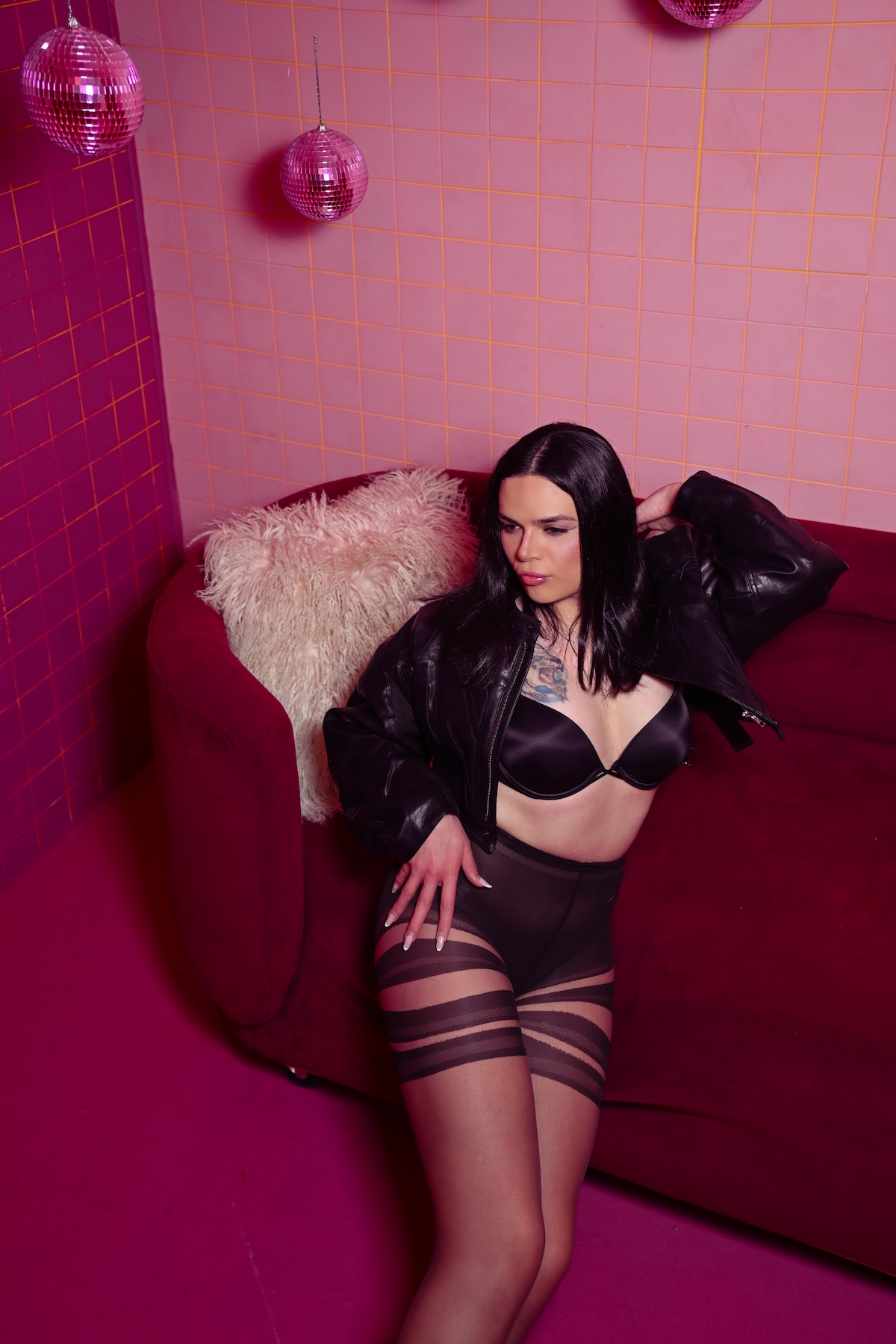
Sometimes people in the industry did not know I was a trans woman but they would still reject me just for being a woman. That was crazy to me. They would say things like “so you just took a picture with your boyfriend’s gear and call it a day” or things like “so who did you fuck to get this song made.” It was very sad for me to hear all that. It made me have empathy with all the amazing and talented cisgender women artists that had to deal with that on an everyday basis. The industry would diminish all my effort, passion and crafting into shallow misogynist judgment. Even worse, once they learned I was trans they would change their narrative into “you are just a fag, you surely cannot be making this music by yourself.” Other times they would just tell me they were not interested in pushing an agenda, completely missing the point of music, since music is a form of self expression that is subjective to the audience’s ears and their own context.
Another disappointment was to learn, the hard way, that a lot of musicians, producers and artists did not want to be associated with a trans woman. I am not going to say names here but I did some songs with some famous artists that, once they learned I was trans, just said they could not go ahead with it because of the social scope. That broke my heart into pieces. It made me feel like there was something wrong with me, like I was destined to be alone, rejected and labeled as a weird crazy person.
But before I gave up I thought, well if no one wants my music and no one wants me as an artist then I will start my own record label. So I created Rex Records to release my own music. To my surprise my music was well received. People engaged with my music, they engaged with my words, with the textures of my sounds and my sonic vibe. It was my first song “Roller Derby Girls,” a very simple composition of electronic music that had some inspiration from my favorite artists like Kraftwerk, Depeche Mode, Pet Shop Boys, Miss Kittin and Madonna, that put me on the map. By the time I did my first album “Technopop” it was reviewed by Mark Reeder, an icon in the electronic music industry, and that helped me get some traction and sell some vinyls across Europe.
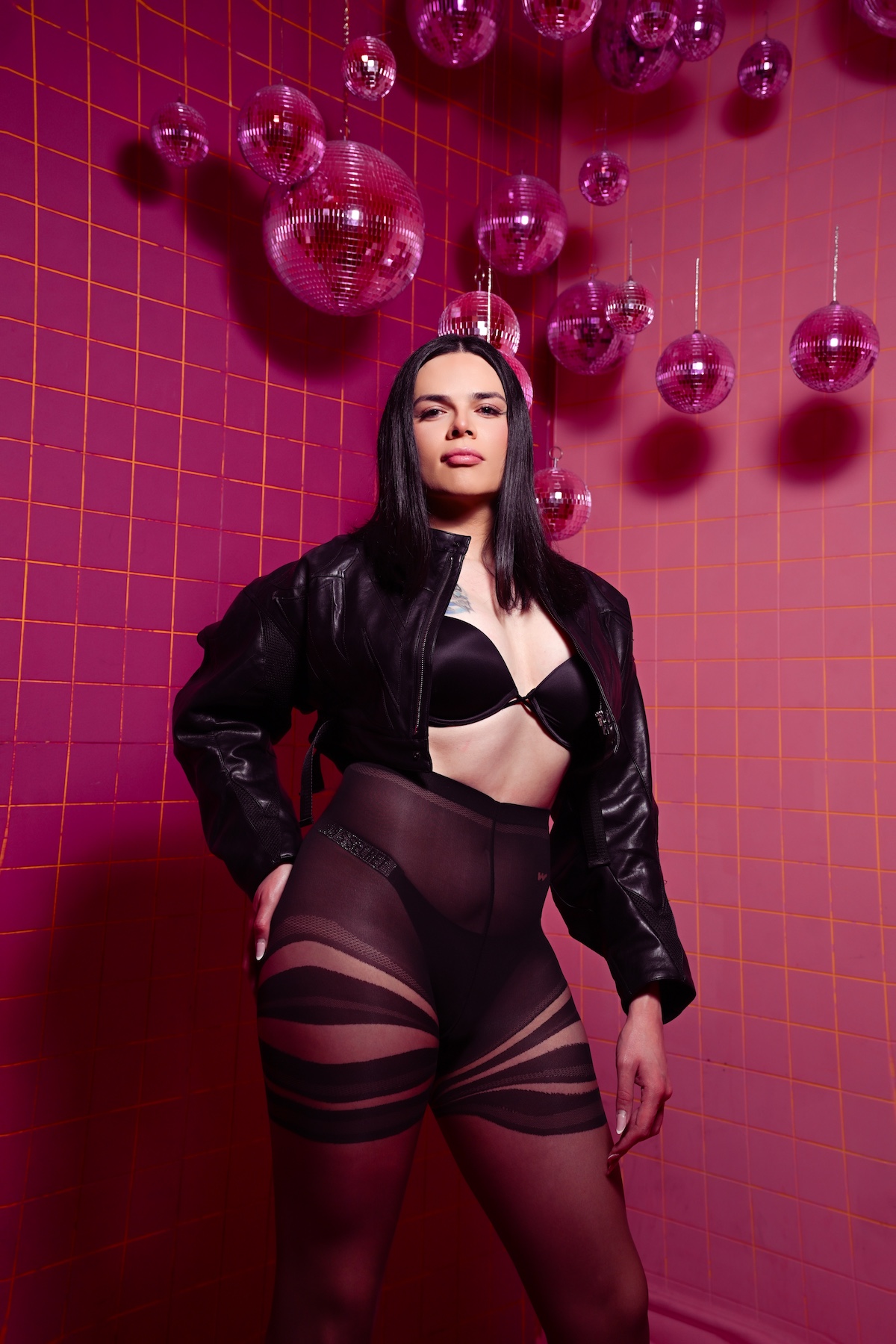
At some point in my career I had to leave my country. I was tired of being sad and alone, tired of having no support, but also I had to be realistic. The music that I was making had almost no market in Mexico, so I went to chase my dreams in the USA, specifically in LA, in hopes of reaching a global audience, which is one of the strengths of electronic dance music. It made sense to me at the time.
Today I am grateful not only for my billboard in Times Square, but also for being part of an official Super Bowl campaign with the NFL and FOX Deportes. Can you imagine that? A trans woman being part of the mainstream world? It was like a dream to me. Not only that but the fact that I did some songs with people like Gordon Raphael, producer of The Strokes’ iconic album “Is This It,” and Zaine Griff, who worked very closely with David Bowie as a vocal coach and backing vocals performer. All of that gave me the confidence to understand that there was nothing wrong with who I was, but rather with the people that refused to accept me as a human being in a world ruled by social injustice. I also collaborated with amazing Latin artists like Maria Jose and Moenia through remixes. After that, the people that once doubted me now praised me. This made me realize that music as an art form can not only survive change, it can also lead it.
2025 was an important year for me. I became the first Latin trans woman to be a headliner in a BBC Radio Dance broadcast with one of my DJ mixes. That makes me so happy because it makes me feel like I am helping to build bridges where there are gaps, so that in the near future more people like me can have an easier and fairer path to follow and accomplish their dreams.
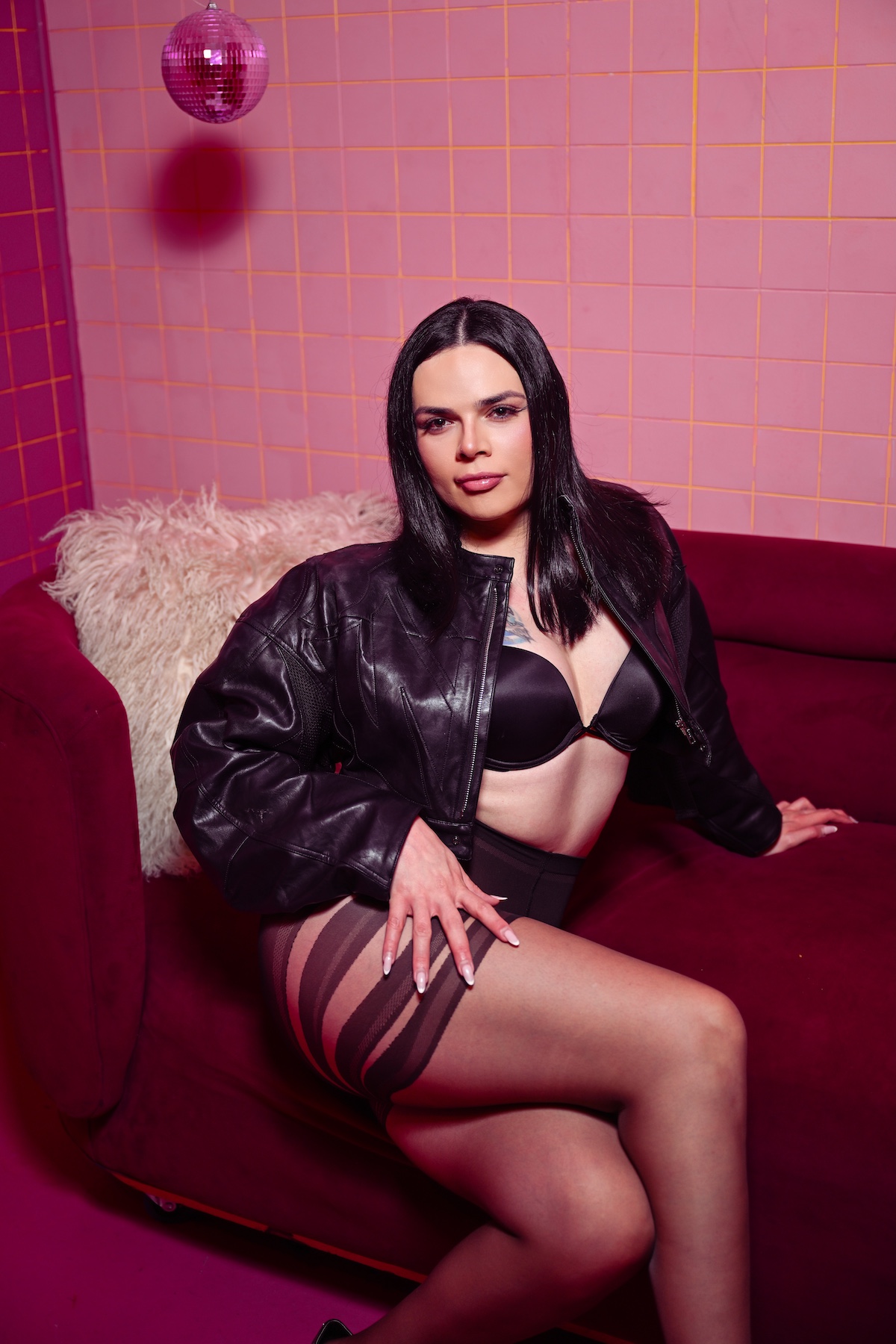
Now in 2026 I am launching my new label CyberFetish on May 1st, with the intention of pushing cultural evolution through freedom of expression by empowering diversity and inclusion in electronic music while having individuality and fearless creativity as the main pillars of the label.
I want to help build a future in music culture by intersecting sonic innovation, style and social progress. I want to help other artists so that they do not feel alone like how I once felt.
I have to say that thankfully, even though I had a very tough life, it has not been all doom and gloom. I have had amazing and kind people that helped me to endure along the way, people that showed me the true nature of being human, love and compassion.
Lastly I just want to say, be brave enough to keep on singing. – Valentina Moretti
•• ••
:: connect with Valentina Moretti here ::
•• ••
•• •• •• ••

Connect to Valentina Moretti on
Instagram, 𝕏, TikTok, Facebook
Discover new music on Atwood Magazine
📸 © courtesy of the artist
Stream Valentina Moretti