Every Friday, Atwood Magazine’s staff share what they’ve been listening to that week – a song, an album, an artist – whatever’s been having an impact on them, in the moment.
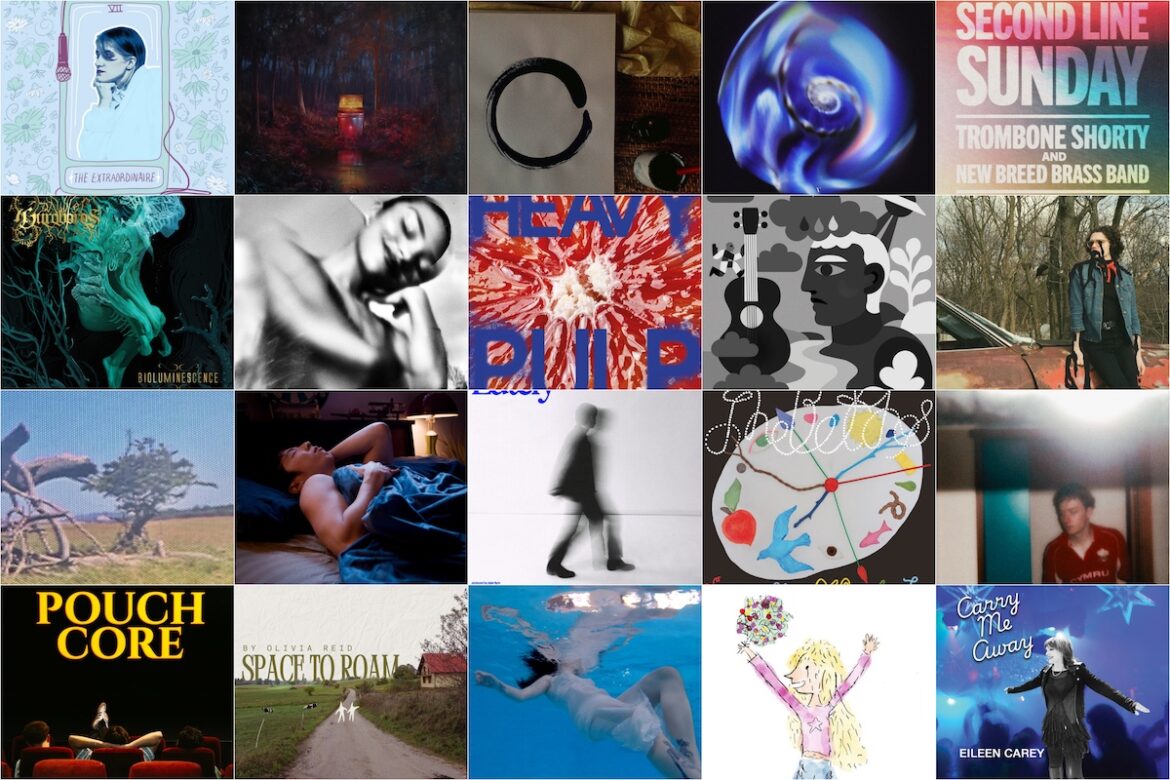
This week’s weekly roundup features music by Olivia Dean, Greet Death, The Beths, Soaked, Lord Huron, GUTHRIE, KENTON, Dawn of Ouroboros, Trombone Shorty, Dylan Flynn and the Dead Poets, The Technicolors, Julia Jade, bacci pouch, PARIS, August James, Marouli, Laura Hickli, Runner, Olivia Reid, & Eileen Carey!
•• •• •• ••
 follow WEEKLY ROUNDUP on Spotify


•• ••
:: The Art of Loving – Olivia Dean ::
Mitch Mosk, Beacon, New York
Olivia Dean returns in full bloom on The Art of Loving – a breathtakingly beautiful collection of songs that feels, to me, like an instant classic. Dean’s voice is a thing of warmth and wonder – every breath she takes sends shivers down the spine, filled with a glistening golden glow. She has a way of finding word combinations that feel timeless and ingenious at once; everything she sings sounds effortless, yet deeply intentional.
Take “So Easy (To Fall in Love),” one of the album’s most irresistible moments: “There’s no need to hide if you’re into me, ’cause I’m into you quite intimately, and maybe one night could turn into three, well, I’m down to see.” It’s playful and coquettish, witty and sincere all at once – the kind of lyric that instantly invites a smile, the kind of melody that lingers long after it ends.
Dean makes us feel the rush, the thrill, the joy of falling head over heels in real time – her emotive delivery equal parts sweet charm and seductive curiosity, full of tiny turns of phrase that turn the head – and the heart – upside down. She captures that fragile, hopeful moment before love becomes real, when everything still feels light, possible, and beautifully uncertain.
Released October 4, 2025 via Island Records, Olivia Dean’s The Art of Loving is a bold, enchanting, emotionally charged masterpiece. Arriving just two years after her critically acclaimed debut album Messy, her sophomore effort finds the multi-BRIT Award and Mercury Prize nominee embracing love in all its tender, tangled, transformative forms. Where Messy explored vulnerability through self-discovery and reflection, The Art of Loving turns its gaze outward – toward connection, intimacy, and the slow, deliberate work of care. Musically, it’s rich with warmth and texture: A lush blend of soul, pop, and subtle orchestral grandeur that feels at once timeless and alive. Each song glows with Dean’s signature sincerity – her voice the thread that binds it all together, a vibrant vessel of both heart and heat, carrying us gently through the ever-shifting shades of what it means to love and be loved.
Every moment of The Art of Loving feels perfectly curated, meaningful, and moving, beginning with its 40-second title track – a lush, intimate prologue that sets the tone for all that follows. “It’s the art of loving, it’s the art of loving / It wasn’t all for nothing, yeah, you taught me something / ‘Gotta throw some paint,’ that’s what bell would say / Something lost and something gained in the art of loving.” Dean sings hot on the mic, her voice framed by gentle piano, layered harmonies, and strings that bloom like sunlight through stained glass.
Pre-release singles “Nice to Each Other,” “Lady Lady,” and “Man I Need” remain radiant standouts – spirited, soulful, and filled with heart – but they’re just the beginning. Each track deepens the album’s portrait of love and all its contradictions: the yearning and confusion of “Close Up,” a grooving ballad-turned-anthem whose dramatic chorus aches, “‘Cause you don’t make it easy, now I’m all close up…”; the cinematic intimacy of “Let Alone the One You Love”; the nostalgic grace of “A Couple Minutes”; the slow, glowing tenderness of “I’ve Seen It.” Produced with longtime collaborator Zach Nahome, The Art of Loving feels like the work of an artist in full command of her craft, unafraid to bare her soul in pursuit of something true.
“I don’t think this is a cynical thing to say but I don’t think love is just magic that happens to you,” Dean shares. “I think you’ve got to put the time in; it’s a craft, it’s like playing an instrument or any other skill… I’m a romantic, hopelessly hopelessly. And I suppose I’m trying to just bring a little bit of love, and loving, back into your life.”
The Art of Loving doesn’t sugarcoat love, but it doesn’t hold back in capturing how magical it is, either. It’s vale la pena, as the Spanish saying goes – worth the pain. And that’s perhaps the greatest lesson Olivia Dean could teach us in this moment: That love, in all its mess and majesty, is something we learn, practice, and live – an ever-evolving art form that asks only that we keep showing up.
:: “Country Girl” – Greet Death ::
Will Yarbrough, Philadelphia, PA

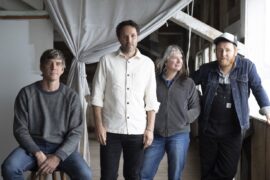
Long-practicing disciples consider it heavenly, but Greet Death have dragged shoegaze’s new wave into hell. Not long after their hometown was thrust into the national spotlight, slowly but surely, the Flint Michiganders rose above the outpour of pedalboard worshippers despite reaching new personal lows. While still pretty heavy, this glowing centerpiece off their latest offering reveals a band that’s lightened up by embracing the grave unknown.
Despite their rosier outlook, “Country Girl” was born and raised from a place that predates Greet Death. As with the other eight tracks devoted to Die in Love, the album’s lead single was recorded in the same basement where Harper Boyhtari and Logan Gaval started swapping vocals and sharing riffs as middle schoolers. The shredding solos still wax and wane like Harvest Moon. And they scrape together enough grimy distortion to conjure the palefaced visage of Motor City legend John 5. But instead of a swirling depressive fog, the band’s newly triple-threaded fretwork weaves with the doom and gloom of The Cure amidst “A Forest.”
Guided by a melody so charming that it’s practically invisible, “Country Girl” revisit ghosts of small-town America’s past and present. Burning steel beaches, a satanic service, The Nightmare on Elm Street and KFC are scattered like clues in a corn maze. Even though “Country Girl” was written before Boyhtari came out as trans, its haunting video proves eerily prescient. Just like a skeleton key, the secret is unlocked by letting life’s mysteries be.
“And when I went to bed / I pondered what the shadows said.” As she sighs herself to sleep, Greet Death open the noise gates and exercise their demons into the light.
:: “Straight Line Was a Lie” – The Beths ::
Julia Dzurillay, New Jersey
The Beths are the closest thing we have left to a ragtag rock group that started in a garage. These New Zealand-based musicians returned with their newest album Straight Line Was a Lie, including singles “Metal” and “No Joy.”
“Straight Line Was a Lie,” written by all four members and produced by guitarist Jonathan Pearce, is just as upbeat yet biting as fans have come to expect from The Beths. It’s a power pop song with a very “on-brand” opening goof up. The simple and straightforward lyrics lament over the progression of life and how achieving success isn’t always guaranteed. It’s “a lie,” some might say.
I would be remiss to not mention Breakfast and Travel Updates — the painstakingly sincere (in the best way) daily recaps from the band’s bassist that have resumed amid the album’s return.
:: “Simple Little Things” – Soaked ::
Danielle Holian, Galway, Ireland
Emerging from Southend with a restless energy that belies their recent formation, Soaked deliver a searing and incisive statement with “Simple Little Things.” The track balances raw garage-rock grit with an indie sensibility, drawing lines from The Libertines and The Strokes to The Clash and Ramones. Brandon Frisby’s lead vocals, clipped and unaffected, cut through tightly compressed electronic drums and crunchy guitar tones, crafting a sound that feels both urgent and intimate. The production, eschewing the band’s traditional amps for electronic simulation, lends the track a fresh, unpredictable texture, allowing the lyrics to resonate with piercing clarity. It is a song that demands attention, yet rewards it with hooks that linger long after the final chord fades.
Beyond its sonic qualities, “Simple Little Things” carries a profound message. Rooted in the pressures of modern self-image and the impact of societal expectations on mental health, the track finds Soaked channeling vulnerability into action through a partnership with BEAT, the UK’s leading eating disorder charity. The accompanying campaign, from the music video to a 50% charity-focused merch line, reinforces the song’s purpose: to confront these pervasive issues while fostering community and awareness. This single not only cements Soaked’s growing reputation as fearless live performers and thoughtful songwriters but also signals an evolution toward more introspective, socially conscious artistry that is as compelling as it is necessary.
:: “Watch Me Go” – Lord Huron ::
Ashley Littlefield, Los Angeles, CA

Los Angeles-based indie artist Lord Huron, the moniker for Ben Schneider, has a way to mend the heart with each lyric, gently strummed through the airwaves. Recently, on July 18th, a new album was released to immerse fans in a mysterious and nostalgic sonic daydream. The Cosmic Selector Vol. 1 provides an internal dialogue to enjoy in their favorite atmosphere. “Watch Me Go” is an instant repeater with an uplifting and riveting riff; it’s hard not to get lost in the excitement as listeners can “ride with the wind” and take off into a new direction. Wherever the wind will take you, you can feel free to let go and enjoy the ride through the groove.
:: “Adrenals” – GUTHRIE ft. Feelds ::
Mitch Mosk, Beacon, New York
“Feeding my adrenals broken up glass, don’t look at me like that.” There’s a line in GUTHRIE’s new single that lands like a gut punch – vivid, unsettling, and quietly illuminating all at once. “Adrenals,” the Australian artist’s first release in three years, is a dreamy, gently aching song that feels like both a confession and a catharsis – the sound of someone finding beauty in the breaking. It’s as raw as it is radiant, a tender tempest of self-revelation and release. Lush, tempered guitars and dynamic drums accompany T’s stirring voice, creating a singular, soul-stirring experience that hits hard and lingers long after it ends.
Well it turns out what I wanted
Was reading rightness into all my faded terms
And trickle down to where my heart is
I couldn’t hear it if it said a word
Live life feeling like unburdened
I want you like that, I want you like that
Returning the perfect person
To sew one of the scraps we had
What’s most striking about “Adrenals” is its duality – the way pain and peace, exhaustion and elation, seem to occupy the same space. The instrumentation moves with a slow, deliberate pulse, mirroring the body’s own rhythms: Heartbeat, breath, the rise and fall between collapse and recovery. There’s fragility here, but also an undeniable strength – the kind that doesn’t announce itself, but grows steadily from within.
Written in the aftermath of burnout and self-reconstruction, “Adrenals” captures what T Guthrie describes as “a moment of euphoric realisation that not only is it okay to fail, but sometimes it’s only through being broken open that we realise who we really are.” The song’s title alone hints at the body’s response to crisis – that push-pull of survival instinct and exhaustion – and through it, GUTHRIE transforms physical and emotional depletion into something healing, human, and alive.
“I heard it and thought ‘oh shit’ – like my subconscious was delivering me a message I wasn’t really ready to hear,” T recalls. “But as I kept writing, something mysterious started to happen.”
That tension plays out most vividly in the chorus, where T sings:
Feeding my adrenals broken up glass
Don’t look at me like that,
don’t look at me like that
Eager like I’m winning when I come last
Don’t look at me like that,
don’t look at me like that
If everything that goes out has to come back
I’ll read you like I’m written as a rough draft
Giving up a good thing that I don’t have
Don’t look at me like that,
don’t look at me like that
It’s a rush of self-awareness and surrender, capturing the strange adrenaline of exhaustion – that instinct to keep running even when the body is spent. The imagery of “feeding my adrenals broken up glass” feels almost primal – the body consuming its own pain, metabolizing heartbreak into endurance. The repeated plea, “Don’t look at me like that,” lands like both a shield and a confession: a recognition of shame, vulnerability, and the desire to still be seen through it.
“Eager like I’m winning when I come last” is itself a haunting line – one that turns self-deprecation into self-acceptance. You can feel the ache of striving, the weariness of always pushing forward, and yet there’s a flicker of light in how they sing it, a knowing smile breaking through the fatigue. This is the moment where “Adrenals” transcends confession and becomes something closer to release – a shedding of pressure, a reclaiming of breath.
By the time T reaches “I’ll read you like I’m written as a rough draft,” there’s a gentleness there, a willingness to accept imperfection as part of the process. The chorus becomes an emotional cycle in itself – depletion, self-awareness, acceptance, and release – a musical embodiment of what it means to break down and begin again.
“I was almost like I was writing into existence the future that I wanted,” T explains. “To feel like it was okay to fail, to have energy back, to be ready for the next adventure… despite the bleak beginning, it ended up being more about the joys of finally giving up something that’s not working and getting to find out more intimately who you actually are.”
Trying to fake and joyfully failing
My interactions with uncomplicated words
And there’s a boldness in the breaking
To walk around on a heel that doesn’t hurt
Perfect for a different person
This story I had I’m giving it back
Wide eyed for the world I’m learning
Moves under those thoughts I had
That act of surrender – of letting go and learning to live again – becomes the song’s quiet triumph. You can hear it in the interplay between T and collaborator James Seymour (Feelds), their voices echoing each other like two sides of the same realization. What begins as solitude slowly blooms into connection, until the song feels communal, cathartic, brimming with life.
There’s truth in every syllable, and a sense of liberation in every note. Aching inside and out, “Adrenals” feels like an awakening – raw, honest, and tenderly triumphant, the kind of song that finds you when you need it most.
Feeding my adrenals broken up glass
Don’t look at me like that,
don’t look at me like that
Eager like I’m winning when I come last
Don’t look at me like that,
don’t look at me like that
If everything that goes out has to come back
I’ll read you like I’m written as a rough draft
Giving up a good thing that I don’t have
Don’t look at me like that,
don’t look at me like that
:: “Gift of Loneliness” – KENTON ::
Chloe Robinson, California

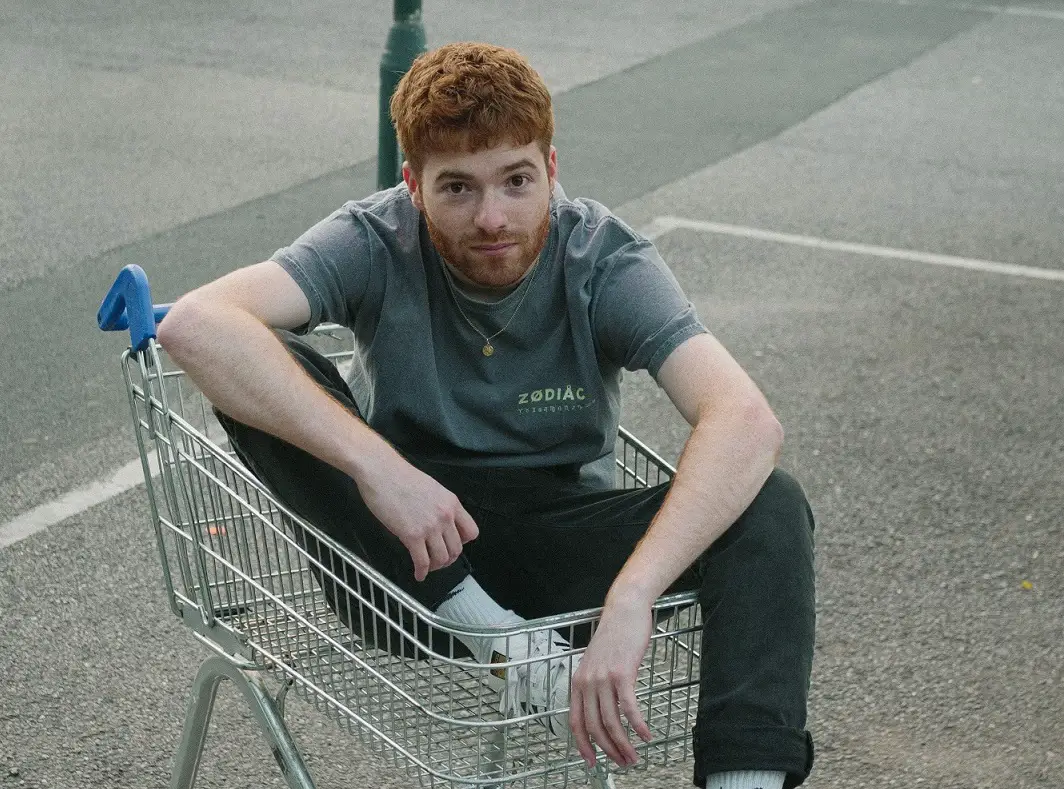
Do you ever feel like you don’t quite fit in, destined to navigate life in loneliness? KENTON shows us that loneliness can be a gift rather than a curse. His recent release “Gift of Loneliness” is all about embracing our differences despite how lonely it can make us feel. His bold, emotive vocals soar over synth driven soundscapes for a piece of pure fiery passion.
The singer reveals, “My pastor gave a sermon about the gifts of the spirit. They included prophecy, service, encouragement, and teaching. After, a girl came up to me, and without hesitation told me ‘you have the gift of loneliness.’ We were maybe 10, but we both knew what she meant. I was queer. I was never going to have a wife, children, any of the things that our church deemed the emblems of a blessed life. God had ‘blessed’ me with the gift of being alone forever. For years, I held onto that label, believing it made me less valuable, less lovable. Reflecting back on it now, I really do see it as a gift.” The video matches the song’s intensity perfectly. As he shifts uneasily beneath the bed covers, his struggle of living life beyond conventional boundaries becomes unmistakably clear.
The acclaimed queer Asian American singer/songwriter is the mastermind behind Sweetmouth, his debut full-length original solo project. An exceptional talent, he is a USC Thornton School of Music graduate with a focus in jazz. Kenton, who grew up in Irvine, CA, is the son of Taiwanese immigrants who later moved back to Taiwan. Much of Sweetmouth is inspired by his 2022 Thanksgiving visit – the first time he had seen his parents in nearly six years. The trip stirred powerful emotions, particularly around his queer identity and the tension between that identity and his parents’ faith. This latest track touches on similar strong feelings.
:: Bioluminescence – Dawn of Ouroboros ::
Will Yarbrough, Philadelphia, PA
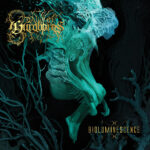
It’s no small wonder that Dawn of Ouroboros found their muse by looking to the sea. After all, not only are the band docked on the bright side of the Bay Area. When he’s not conducting evil experiments with Botanist, head riff engineer Tony Thomas moonlights as a molecular biologist. But following two promising full-length excursions, this year, they’ve resurfaced with an album that glimmers with all the slippery beauty of a pearl.
Dawn of Ouroboros have always ridden their own jet black wave, but Bioluminescence dives deeper into the proggy end of the rising blackened death metal pool. As with TikTok’s beloved anglerfish, the band can adapt their peculiar chemistry to any environment. On the hunt, leads spear forth as if summoned by Poseidon’s trident. Like seaweed, swaying folds of keys provide shelter from emotional predators. However, it’s when seeking a mate that the album really gets freaky.
For those aboard 70,000 Tons of Metal, “Slipping Burgundy” might sound like a far cry from shore. Sinking into the caress of stand-up bass, Chelsea Murphy emerges like a mermaid from some smoky LA dive. Whatever bug crawled into David Lynch’s ear would be tickled pink by her velvet cleans, but when chugging riffs start chopping against the surface, it’s clear that her cries of passion aren’t so clear cut. Amidst a whirlpool of blast beats, she beckons with cavernous death growls. “Drown with me.“
Such a dangerous proposition has never sounded so tempting.
:: Second Line Sunday – Trombone Shorty and New Breed Brass Band ::
Josh Weiner, Washington DC

With summer 2025 wrapping up, I’ve been doing some reminiscence on the major highlights of this past season. My trip around Quebec in the 2nd half of June (“La Grande Aventure Québécoise,” as I called it) was certainly a standout, especially since I got to spend a whole week posted up in Montreal, enjoying show after show at Le Festival International de Jazz. It was surely the most live music I’ve ever consumed in one week (40+ hours of it, I estimate) and one of my very favorite acts of the festival was Trombone Shorty, who delivered a showcase of sheer exhilaration on the main outdoor stage, Scène TD, with his bandmates on the night of June 30th.
Listening to Second Line Sunday, Trombone Shorty’s latest record, certainly takes me back to that incredible evening in downtown Montreal, but it also gives me the satisfaction of seeing the album’s primary message being delivered: that 20 years after the devastation of Hurricane Katrina in 2005, the New Orleans cultural landscape has fully recovered and is as exciting and prominent as ever. “There’s something about the people, something about the atmosphere that you just can’t replicate anywhere else,” says Trombone Shorty (born Troy Andrews) of his native NOLA. There to help him capture the frenetic energy of his hometown are a group of his fellow New Orleanians, collectively known as the New Breed Brass Band, who contribute a variety of instrumentation to Second Line Sunday. They ultimately emerge with a ten-pack of new songs that “really capture the essence of the streets,” as Andrews puts it.
“The crowds out there know exactly what they want, and you have to deliver,” he says. “We wanted it to feel like you’re right there with us.” Whether the music makes you travel in your mind to Bourbon Street, le Quartier des Spectacles in Montreal, or wherever it may be, a terrific time for all fans of brass band music is guaranteed on Second Line Sunday.
:: “Lately” – Dylan Flynn and the Dead Poets ::
Mitch Mosk, Beacon, New York
“‘Cause ‘lately, I’ve been living life the wrong way…” Few moments feel as deeply human, and as dramatically impassioned, as when Dylan Flynn sings those words – weathered yet hopeful, heavy yet full of light. A sweeping, heartfelt anthem that channels the open-road ache of Springsteen and the cinematic intensity of Sam Fender, Dylan Flynn & The Dead Poets’ recent single “Lately” feels pulled from the classic rock songbook. It’s passionate, purposeful, and pure – a song that doesn’t just speak to the soul, but jolts it awake.
Built on a driving pulse of guitars, drums, and keys, “Lately” soars with the help of a glowing saxophone line that bursts through the mix like sunlight after a storm. It adds warmth and color to the Limerick-based band’s full-bodied arrangement, wrapping around Flynn’s voice with an almost spiritual clarity. The result is something that feels both timeless and immediate – heartland rock for the modern age, balancing nostalgia with urgency.
I can taste the moment that
death walked through the door
Break me off some empathy, a feeling I ignore
Gripping tight your tongue,
your lips sit motionless
Fire off a gun, fill it with regret
Take a thought and put it out
That flame is sure to burn
Lighten up your mind
Darkness at every turn
“This song ended up being the first track I wrote after finishing our last album,” Flynn tells Atwood Magazine. “It was one that crept up on me slowly, working on it bit by bit. I remember on our last tour, I used to play it in soundcheck. At the time I was listening to a lot of ‘70s and ‘80s American Rock, stuff that my dad would have introduced me to. I was really getting into Petty, Springsteen, Fleetwood Mac, that kind of thing – and I wanted to make a song that felt classic but modern at the same time.”
That lineage rings clear in every note. There’s a grounded poetry to Flynn’s writing – vivid and unflinching, yet tinged with vulnerability. The chorus stands as the song’s emotional heartbeat: “‘Cause lately, I’ve been living life the wrong way / ‘cause lately, I’ve been feeling kinda lost…” It’s a captivating crescendo, a call for the disillusioned and the restless, for anyone trying to hold on to meaning while the world keeps spinning faster. Flynn doesn’t shout from a pedestal; he sings from the middle of the storm, and in doing so, he invites us to see ourselves in his confusion, his questioning, his fight to stay upright.
‘Cause lately, I’ve been living life the wrong way
‘Cause lately, I’ve been feeling kinda lost
A drowned reflection on the floor
Your mind is showing on your skin
‘Cause lately, I’ve been feeling kinda lost
“At its core the lyrics and themes are very dark,” Flynn shares. “It discusses navigating through life, differentiating what’s right and wrong, and wondering if anything you do makes a difference in the world – classic nihilism. But to contrast that, the music has a breezy up-tempo feel that makes me feel like I’m in California in 1978.”
That tension – between darkness and light, despair and drive – gives “Lately” its power. The song reaches its zenith in a gripping breakdown where Flynn howls “When the world begins to end…” holding the final word like a feral, defiant roar. It’s cathartic and commanding — the kind of moment that pins you in place and fills the air around you with something electric.
‘Cause they don’t care about your sons
Or the signs that come in waves
So I’ll stand upon a bridge
Watch my life float away
You believe in a miracle
A changing of minds
But they all feed the cycle
Made to leave us all behind
So I will bite and I will bark
I won’t leave it up to you
But they’ll still turn to listen
to those that are so few
Are we screaming in a vacuum
Void of love and common sense
Or are we waiting on a moment
When the world begins to end
There’s conviction in every corner of this song, from the raw rasp in Flynn’s voice to the unrelenting churn of the rhythm section beneath him. “Lately” isn’t about resolution so much as release – about recognizing the chaos, standing inside it, and finding clarity in the noise.
It’s that blend of grit and grace that makes Dylan Flynn & The Dead Poets one of Ireland’s most exciting rising bands: storytellers who turn doubt into devotion, and confusion into communion. “Lately” feels like a rallying cry for the lost – an anthem for anyone trying, still, to find their way.
:: “First Class to Nowhere” – The Technicolors ::
Mitch Mosk, Beacon, New York
“You wish you were somebody else, twice as tall as all the lies you used to tell yourself…” There’s an ache that lives inside The Technicolors’ “First Class to Nowhere,” and it hums beneath every note. A dreamy, glistening song full of unfiltered angst and wayward feeling, the band’s first collaboration with Madison Cunningham leans into heartbreak and self-reckoning with disarming grace. Seductive guitars shimmer, vocals entwine like smoke and sunlight, and together they create a spellbinding soundscape that feels as vulnerable as it is intoxicating.
You wish you were somebody else
Twice as tall as all the lies
you used to tell yourself
So paint your lucky open door
Watch your step but don’t forget
to hide your heart beneath your charm
It won’t take long, but never let it
Where The Technicolors’ new album Heavy Pulp brims with swagger and experimentation, “First Class to Nowhere” strips away the façade. Its edges are softer, its emotions exposed. Frontman Brennan Smiley calls it “a sort of ‘get well soon’ card to myself and to that person and to anyone,” explaining, “While a lot of other songs on the album take a different approach – hiding behind masks or playing different characters as a way of revealing something else – it was important for this song to feel as naked and vulnerable as possible and to risk that level of honesty. I’d be lying to myself if I said that came easy.”
That honesty is what makes “First Class to Nowhere” so magnetic. The chorus is a gut-punch of self-awareness wrapped in a glittering melody: “Bleed into normal, bet you’re gonna feel so immortal, until you’re just somebody goin’ first class to nowhere.” It’s a biting kind of poetry – one that turns disillusionment into revelation. The line “bleed into normal” feels like a quiet rebellion, a refusal to fade into complacency; it’s as if Smiley is singing to all the parts of himself he’s outgrown.
Bleed into normal
bet you’re gonna
Feel so immortal
Until you’re just somebody
goin’ first class to nowhere
Madison Cunningham’s presence amplifies that tension beautifully. Her warm, crystalline harmonies seem to steady the song’s ache, adding dimension and empathy to Smiley’s introspection. The two voices weave together like parallel confessions – distinct but connected, both searching for the same elusive sense of peace.
Produced by GRAMMY-nominated Robert Adam Stevenson and featuring BRONCHO’s Nathan Price on drums, the track carries the spirit of restraint – a masterclass in how much can be said when a band chooses space over noise. “First Class to Nowhere” may glide with a soft touch, but its impact runs deep.
Smiley admits this song was hard-won: “For whatever reason, I’ve noticed a pattern where I’ll attempt to write a song directly for someone close, or with that specific person in mind, and it almost always turns out that I’m actually writing it to myself just the same.” That self-confrontation defines the track – raw, reflective, and quietly redemptive.
So take my eyes look at yourself
Through the broken lens that hides
my own disguise so well
I tried to walk on ice in sox
Instead I tripped and fell
into the hammock of your heart
It won’t take long, but never let it
“First Class to Nowhere” doesn’t offer resolution so much as recognition. It’s about learning to see yourself clearly again, even when it hurts. A melancholic lullaby for anyone caught between who they were and who they’re trying to be, it leaves you haunted and hopeful all at once – the kind of song that lingers long after the last note fades.
Heavy Pulp, out now via SoundOn, expands on that same spirit of honesty. Smiley describes it as the band’s “first exploration” into their own world – a record that celebrates imperfection, instinct, and the pulse of real emotion. “We just wanted to keep as much pulp in the juice,” he explains, “and not hide the blemishes.” It’s that commitment to truth – messy, raw, and utterly human – that makes both The Technicolors’ “First Class to Nowhere” and the album it lives on feel so vital right now.
Bleed into normal, bet your gonna
Feel so immortal
I’ll never, I’ll never let you
Bleed into normal, bet your gonna
Feel so immortal
’til you’re just somebody
goin first class to nowhere
first class to nowhere
:: (extra)ordinary – Julia Jade ::
Danielle Holian, Galway, Ireland

Julia Jade’s latest EP, (extra)ordinary, is a luminous seven-track journey that captures both the fragility and flamboyance of finding oneself. Rooted in confessional songwriting and buoyed by her theatrical flair, Jade paints vivid scenes that oscillate between poignant vulnerability and winking wit. From the piano-driven hush of opener “nobody knows” to the cinematic sweep of her ballads, she invites listeners into a space where honesty and playfulness coalesce. The record feels like a decade’s worth of diary entries distilled into song, full of awkward reckonings, quiet revelations, and hard-earned triumphs that speak to the universal growing pains of authenticity.
The EP’s title track and earlier single “missin’ out” cement Jade’s knack for crafting buoyant hooks that linger long after the music fades, while sharper-edged cuts like “ex’s bday” showcase her gift for turning everyday experiences into sly, unforgettable storytelling. Throughout (extra)ordinary, Julia Jade channels the quirky intimacy of Ingrid Michaelson, the narrative sharpness of Rilo Kiley, and the meta charm of Bo Burnham, yet her voice remains unmistakably her own. What results is a body of work that is at once heartfelt and tongue-in-cheek, ordinary and extraordinary; a sparkling reminder that authenticity, in all its messiness, makes for the most compelling art.
:: Pouch Core – bacci pouch ::
Danielle Holian, Galway, Ireland

bacci pouch’s new EP Pouch Core bristles with an unfiltered urgency, a four-track collection that leans into both the nervy immediacy of ’70s punk and the ragged charm of early-2000s indie revival. The Brighton trio wear their influences proudly, Buzzcocks’ sharp edges, The Libertines’ chaotic romance, but never sound trapped by nostalgia. Instead, they funnel that energy into songs that pulse with the restless euphoria and anxieties of early adulthood, spinning tales of uncertainty, longing, and the desperate need to carve out space in an unforgiving world. Lead single “Running Around” embodies this spirit perfectly, its restless momentum breaking away from monotony in search of something bigger, while “Everyday” captures the bittersweet drag of time slipping through your fingers.
What gives Pouch Core its punch is the rawness at its heart. Recorded with producer Sam Coveney at Small Pond Studios, the EP thrives on imperfection, the rough edges only amplifying the sense of urgency and honesty in the band’s sound. Whether in the jagged, Buzzcocks-inspired vocal delivery of “It Ain’t Pretty” or the wiry, garage-rock defiance of “Someone Else’s Clothes,” bacci pouch prove themselves a band capable of bottling the electricity of their live shows without sanding down the chaos that makes them so compelling. At once scrappy and anthemic, Pouch Core is the kind of debut statement that doesn’t just hint at potential – it demands attention.
:: Labyrinth – Paris ::
Josh Weiner, Washington DC

Paris, a DJ/producer from (nope, not France!) Australia, has been active with music-making for over a decade, with her earliest tracks, such as “The Taker” and “Switch,” dating back to the early 2010s. Finally, though, this is the year in which she has released her debut full-length album, Labyrinth. The project’s title is designed to evoke the multifaceted creative process behind it– “going inward, exploring, making sense of all these parts of myself, and then surfacing with something to share,” as Paris Forscutt, who performs solely under her first name, summarizes.
That “something to share” is a remarkable work full of atmospheric transitions, shifting between feeling more ominous (“Sea Storm”) and more upbeat (“Stay”). All the while, Paris’ well-seasoned mastery of the synthesizer and keyboard delivers commanding products, and she’s also assisted by the hypnotic vocal work of two guest artists, Judo Mamba and Rinzen. By the time she wraps things up with the pulsating “Beechworth Cascades,” a song that was inspired by a refreshing hike in the southeastern province of Victoria, Paris has concluded a debut LP to be proud of with Labyrinth.
:: “Figurine Baby” – August James ::
Mitch Mosk, Beacon, New York

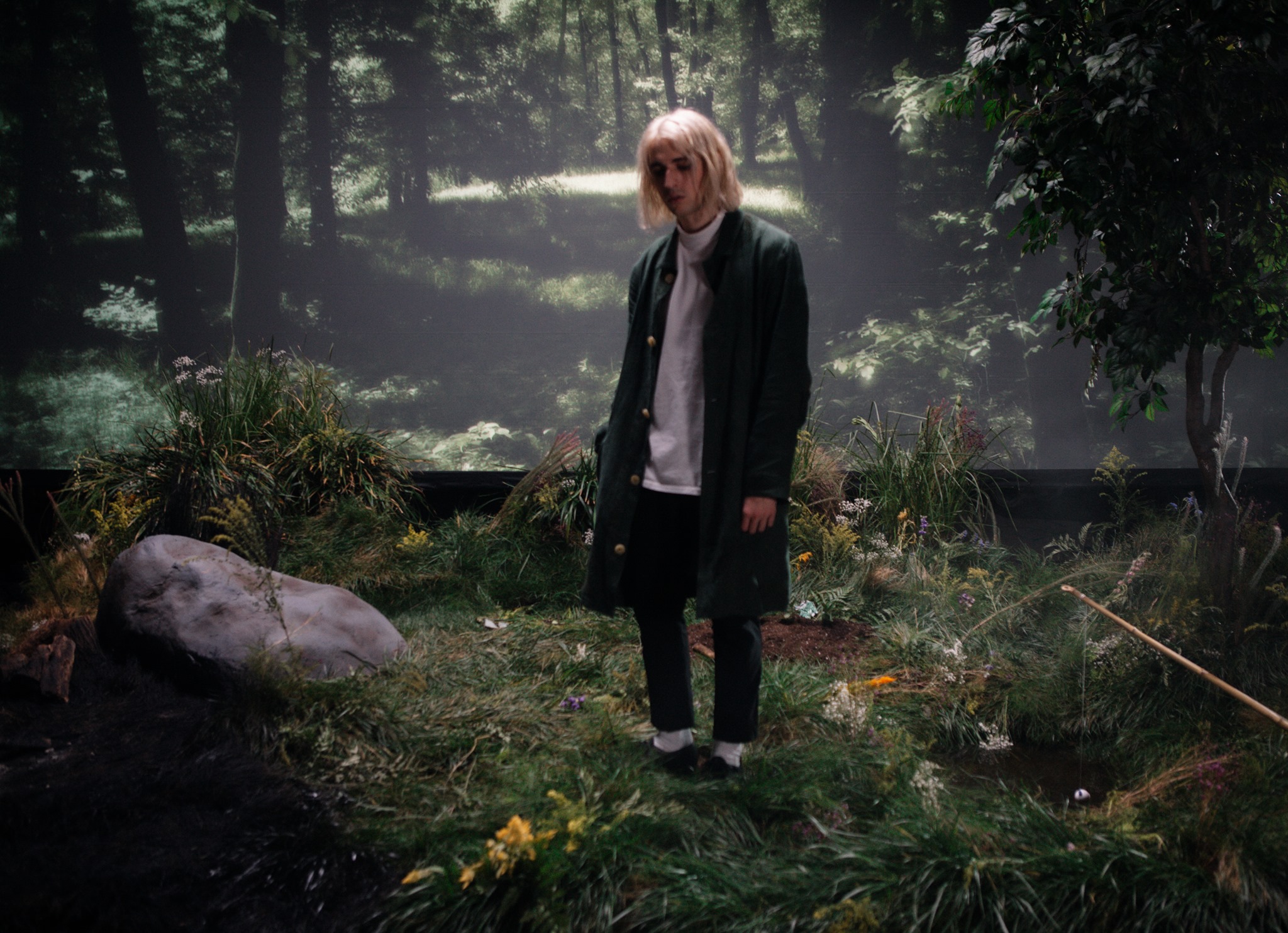
August James’ “Figurine Baby” is a breathtakingly haunting lullaby – a soft unraveling of faith and feeling, sung as if from the edge of a dream. His voice is fragile yet resolute, trembling with the weight of recognition as he sings hot on the mic, pouring himself out in a bold and utterly awe-inspiring display of pure feeling. The result is spine-tingling: A song that doesn’t just stir emotion, but stills the air around it.
The Minnesota-raised, Los Angeles-based artist is a triple threat singer, songwriter, and producer, and that multidimensional artistry shines in “Figurine Baby.” Released in July, the soul-stirring track blurs the line between confession and creation – intricate and ethereal, yet deeply grounded in its humanity.
“You think we’re all His creation, and you, the only thing I put my faith in…” From its first lines, the song aches with devotion and disillusionment. James’s words are tender and brutal all at once, tracing what happens when belief curdles into loss – when love stops feeling like salvation and starts feeling like surrender.
“‘Figurine Baby’ started with a voice memo of Khatumu (co-producer and co-writer) and I chatting and humming while PJ Frantz (co-producer and co-writer) messed around on his guitar,” James recalls. “In this voice memo, which still serves as the main guitar line in the final mix, Khat and I talked about knowing someone too well; the moment when love becomes a kind of belief system, and what happens when it fails you. We leaned into these themes and got a song that lives somewhere between folk intimacy and digital grit, mixing soft acoustics with heavier, synth-driven undertones.”
“Lyrically, it wrestles with devotion and disillusionment,” he continues. “There’s faith, both spiritual and romantic, and the feeling of watching it erode in real time. Fans of Samia, Kevin Atwater, and Sufjan Stevens might find something familiar here, but ‘Figurine Baby’ leans into darker and more layered tones. It’s indie folk with a pulse.”
That push and pull defines the track: soft acoustics blend with heavier, synth-driven undertones, creating something that feels both earthy and ethereal. The chorus is the song’s quiet reckoning – “You bought me a figurine, baby / I laughed at the weird souvenir / You watched me packing your package / Guess I’m just a tourist here.” It’s tender, strange, and devastatingly honest, as though James is trying to make sense of something that’s already fallen apart. The word “tourist” lands like a sigh – the sudden recognition of distance inside a love once thought eternal.
Beneath its haunting calm lies a spiritual current – a song that wrestles not just with another person, but with belief itself. “It’s a Garden of Eden, we’re finally eating the truth – what a punisher.” There’s something biblical in its melancholy, something universal in its ache.
Co-written and produced with Khatumu and PJ Frantz, “Figurine Baby” finds August James crafting indie folk with a pulse: Raw, searching, and unflinchingly sincere. It’s the sound of someone looking at love from both sides and finding meaning in the ruin – a breathtaking reminder that sometimes, faith isn’t lost; it’s rewritten.
:: “Bovine Friend” – Marouli ::
Danielle Holian, Galway, Ireland
Marouli’s latest single “Bovine Friend” is a strikingly tender and atmospheric entry from their forthcoming sophomore album, Tall Tales from a Distant Uncle Volume 2. Opening with chiming bells and a swell of celestial choral voices, the track immediately establishes itself as one of the band’s most introspective offerings yet. Frontman Graham McCusker’s commanding yet vulnerable vocal presence anchors the piece, weaving through layers of saxophone, shimmering keys, and fluid percussion with a warmth reminiscent of Elbow or Peter Gabriel. What begins as a delicate meditation soon unfurls into something expansive and unpredictable, brass and ambient textures lifting the song toward a climactic close with a grace akin to Bon Iver’s most transportive work.
At its heart, “Bovine Friend” is a deeply personal reflection that balances intimacy with grand musical architecture. While its title suggests whimsy, the lyrical core touches on themes of friendship, memory, and the inevitability of loss, filtered through McCusker’s own profound experiences of resilience in the face of illness. It’s this duality, of playfulness and poignancy, of sweeping soundscapes and unflinching honesty, that makes the single so affecting. With this release, Marouli continue to carve out a space where storytelling and experimentation intertwine seamlessly, offering a glimpse of the emotional depth and inventive spirit promised in their upcoming record.
:: “call it off” – Laura Hickli ::
Mitch Mosk, Beacon, New York

A fever dream of grief, grace, and rebirth, Laura Hickli’s “call it off” is utterly intoxicating – an unsettling, cinematic indie pop upheaval that stirs the soul and tickles the ears with layers of alluring sound spliced into one seductive sonic spectacle. The dreamy and the dramatic coalesce in a performance that provokes us to listen in, to come closer, to dive headfirst into Laura Hickli’s world and pick apart her words, to understand her inside and out as she unravels across four minutes of survival, surrender, and strange serenity.
Send me over a blank
birthday card today
With the envelope
still sealed in the bag
I wish things stayed the same
Sign me up for saying
‘no’ to everything
No more photographing
any memory
I wish things stayed the same
I wish things never changed
If I could slow down the winter
Stay home, be like a mother
who hopes I’ll never grow older
I’m calling off, call it off
Calling off, call it off
An ironically upbeat track with a soaring, catchy chorus, “call it off” explores the numbness and disconnection that comes in the depths of PTSD. Hickli sings, “Heated seating and my head is made of lead / Trouble reading and accepting I’m not dead / I wish things stayed the same.” The lyrics are striking in their simplicity and honesty – the sound of someone trying to keep moving forward while their mind stays frozen in place.
Hickli recalls how “call it off” came into being almost by accident – or perhaps through one. “I wrote this song in my garage studio, I know this only because it’s on my computer… I don’t remember writing this song at all,” she admits. That absence of memory is chilling, and it underscores just how deep she was inside the fog of trauma when the song appeared. “I was struggling from severe PTSD flashbacks, unshakeable depression, and a traumatic head injury after our accident. I was deeply troubled and resistant to life, time… everything.”
There’s something devastating in her candor – that wish for stillness, for time to stop because forward motion only meant more pain. “For a year this feeling lingered. I just wanted life to stop, because at the time, life meant pain and suffering and confusion and grief… I couldn’t handle it all.” Those lines peel back the layers of “call it off” entirely: beneath its shimmering, upbeat veneer is the sound of a person caught between life and oblivion, trying to reconcile what it means to go on living when everything inside her has collapsed.
She continues, “I saw my friends continue to live their lives, make plans, and even enjoy themselves. I had absolutely no energy, couldn’t set any goals, harbor any hope. I was over it. I just wished, so deeply, that we had never crashed. That all the turmoil I felt never happened, and things could go back to the way they were, that I could go back to who I was, before the accident.” In that longing, Hickli captures something unbearably human: the impossible desire to undo suffering, to return to a before that no longer exists.
“But I couldn’t,” she admits. “So I remained hopelessly stuck in the middle, resistant to change, grasping at no chance of return. Each moment was a battle moving forward, and took one second at a time. And this is when ‘call it off’ was created. Why is it a bop? I don’t know. I don’t remember.”
That last line hits like a quiet exhale – the strange irony of creating something bright and buoyant in the middle of despair. The result is a song that sounds alive precisely because it was born from the brink, where survival and surrender blur into one.
What follows is pure release. Hickli’s performance is both fragile and defiant, her voice carrying the weight of something unspeakable yet unmistakably human. The production mirrors that conflict: lush but restless, bright but trembling beneath the surface. It’s the sound of survival disguised as pop – beauty born from chaos.
Heated seating and my
head is made of lead
Trouble reading and accepting
I’m not dead
I wish things stayed the same
I’m avoiding all the triggers everywhere
‘Cause life is better
when I’m not so f*ing scared
I wish things stayed the same
I wish things never changed
“call it off” marks the beginning of Hickli’s new EP dark secrets, out now via Ba Da Bing Records. The first in a three-part release cycle chronicling her trauma, fear, and recovery following her devastating vehicle accident, dark secrets is equal parts confession, contemplation, and acceptance. Across its songs, Hickli confronts grief, nihilism, and self-reclamation with raw vulnerability and visceral grace. As she writes in the title track, “I try to see the meaning in life, dark secrets I hold.”
In her own words, this is a record born from darkness but shaped by resilience – proof that even when everything is stripped away, music remains a way back to the light. dark secrets doesn’t just document recovery; it embodies it – a haunting, heart-wrenching, and ultimately redemptive act of creation.
If I could dry up the river
Stay home under my covers
Don’t start thinking of a future
I’m calling off, call it off
Cut it off, call it off
Calling it off, call it off
Cut it off, call it off
:: “Distance” – RUNNER ::
Danielle Holian, Galway, Ireland
Ireland’s newcomers Runner cement their arrival with debut single “Distance,” a bold, slow-burning cut that moves with both grit and grace. Coated in Dan Doherty’s textured production, the track channels the widescreen scope of their ’70s prog-rock influences while retaining the grit and immediacy of ‘90s alternative guitar music. Shards of grunge-tinged distortion crash against delicate guitar lines, while the vocals, tender but unflinching, act as the grounding force. It’s a song that feels lived-in, balancing fragility with explosive release, and suggesting a band already confident in straddling the worlds of post-punk urgency and shoegaze ambience.
What makes “Distance” so compelling is its ability to shift gears without ever losing momentum. The verses are patient, almost restrained, layering instruments with a measured touch until the chorus arrives, blooming into a cathartic storm of raw chords and lifted melody. It’s the kind of moment that feels tailor-made for sweat-soaked live shows yet retains a cinematic weight in its recorded form. Runner prove themselves unafraid to push at the edges of genre, positioning “Distance” as both an homage to their influences and a mission statement for something distinctly their own – A vital first step from a band worth keeping very close tabs on.
:: Space to Roam – Olivia Reid ::
Danielle Holian, Galway, Ireland

Olivia Reid’s latest EP, Space to Roam, is a stunning exhibition of restraint and resonance, each song carefully sculpted to let emotion breathe. Her voice, warm yet crystalline, carries a rare kind of intimacy, inviting the listener inward rather than demanding attention. The opener, “Space to Roam,” sets the tone with gentle expansiveness, while “Love Don’t Leave” captures a bittersweet push and pull between vulnerability and strength. Throughout, Reid’s lyrics shine with clarity and tenderness, offering reflections that feel both deeply personal and universally human. The production, shaped in collaboration with Tim Atlas, So Wylie, and Benji Cormack of Slenderbodies, moves seamlessly between organic instrumentation and dreamlike electronic textures, never overwhelming the songs’ delicate emotional core.
Midway through, “All in Time” and “Quite Simple” explore patience and stillness, each track unfolding like a slow exhale, while standout “Serene” feels destined to become a touchstone for fans, its steady pulse and lyrical grace embodying the EP’s essence of quiet strength. By the time “Steady” closes the record, Reid has created a listening experience that feels less like a performance and more like a gentle conversation with the soul. This is music that lingers, comforting in its honesty and expansive in its artistry, positioning Olivia Reid as not only a gifted songwriter but a distinct and nurturing voice in the landscape of modern indie pop.
:: “Carry Me Away” – Eileen Carey ::
Chloe Robinson, California

Eileen Carey, the award-winning, chart-topping country-pop artist from Altadena, shares her single “Carry Me Away.” The song is about discovering a place of escape and embracing the joy of being fully present. This soul-stirring pop-country anthem reflects on creating room for the pivotal transformations we all need. Carey’s soulful, golden-toned vocals shine on the single, delivering an uplifting chorus over a backdrop of rich guitars and flowing rhythms that lure listeners in.
Described as “West Coast Pop-Country,” her music is lively, warm, and emotionally enchanting. Her hits like “Land with You” and “Good Bad Girl” have dominated radio charts and been celebrated for their powerful lyrics and dance-ready hooks. Carey has shared the stage with icons such as Jefferson Starship and Don McLean. Her concerts are celebrated for getting the crowd involved, encouraging line dancing, sing-a-longs, and heartfelt standing ovations. This latest single is equally as engaging.
— — — —

Connect to us on
Facebook, Twitter, Instagram
Discover new music on Atwood Magazine
:: Weekly Roundup ::
follow WEEKLY ROUNDUP on Spotify
:: This Week’s Features ::