Every Friday, Atwood Magazine’s staff share what they’ve been listening to that week – a song, an album, an artist – whatever’s been having an impact on them, in the moment.
This week’s weekly roundup features music by Mon Rovîa, Zach Bryan, ROSALÍA, Oneohtrix Point Never, McKenna Esteb, Connie Constance, Kings of Leon, Blue Capricorn, Black Taffy, Work Wife, Where’s West?, Nia Perez, Peter DiMaggio, The Barons, Natalie Del Carmen, Rina Rain, Konrad Kinard, Lavaud, Pardison Fontaine, Perspective., Zuko Sian, and DLG.!
•• •• •• ••
 follow WEEKLY ROUNDUP on Spotify


•• ••
:: Bloodline – Mon Rovîa ::
Mitch Mosk, Beacon, New York
There’s a particular kind of quiet that settles in when a Mon Rovîa song begins – not silence, but space. Space to breathe, to listen, to recognize yourself in someone else’s voice. From the very first notes of Bloodline, released today (January 9) via Nettwerk, that familiar warmth returns: Spellbinding folk built on tender harmonies, gentle melodies, and an ache that feels lived-in rather than performed. This is music that doesn’t rush to impress. It opens its hands slowly, inviting you to step inside.
Across his long-awaited debut album, Mon Rovîa deepens the emotional language he’s been quietly refining for years. His gift has always been balance – pairing expansive reflections on our modern world with intimate reckonings of identity, inheritance, and hope. On the title track, he sings, “Ten thousand roads I’ve walked on my own / Further I go, I’m closer to my ghost,” framing lineage not as a burden, but as something carried, questioned, and eventually claimed. Bloodline moves like that throughout: Reflective without being insular, deeply personal without ever turning inward. These songs feel unmistakably his, yet never exclusive – they belong to anyone willing to listen.
That universality has always been the quiet power at the heart of Mon Rovîa’s writing. When he asks “Whose face am I?” over searching guitar lines and hushed resolve, the question lands far beyond autobiography. It becomes communal, echoing the ways we all search for ourselves in memory, family, and the stories passed down to us. Elsewhere, on “Heavy Foot,” his compassion sharpens into clarity, offering an unflinching look at systems of power and survival without losing its human center: “Love me now / Hold me down / And the government’s staying on heavy foot.” Even at its most pointed, the album never hardens. It remains open-hearted, driven by empathy rather than anger.
Ultimately, Bloodline is beautiful not just because of its dreamy arrangements or emotionally nuanced performances, but because of what it offers the listener: Recognition. Mon Rovîa writes about movement, migration, grief, and resilience, but what lingers is the feeling of being seen. This is folk music that charms without disarming, aches without collapsing, and reaches outward at every turn. In tracing his own story, he reminds us of something shared – that we are all shaped by what came before us, and that there is quiet grace in learning how to carry it forward.
:: With Heaven on Top – Zach Bryan ::
Mitch Mosk, Beacon, New York
There’s no easing into With Heaven On Top. It opens like a door already mid-swing, letting in a rush of memory, ache, and unease that feels impossible to shut out. From the jump, Zach Bryan sounds less interested in making something tidy or palatable than he is in telling the truth as it exists right now – messy, overwhelming, unresolved. This is a sobering record, one that feels almost uncomfortably prescient, tracing a somber portrait of American life as 2025 gives way to 2026.
At 25 songs, With Heaven On Top is a beast, and it doesn’t pretend otherwise. These feel like first impressions of a record that actively resists being flattened into a single listen – it demands time, repeat plays, and a willingness to sit with its contradictions. Bryan remains, above all else, a storyteller, and a damn good one. There’s a sense that he gives very few f*s what anyone expects of him, choosing instead to make the music he feels compelled to make. Whether that’s projection or not, the conviction is undeniable: The album’s highs are as intense as its lows, swinging between radiant momentum and gut-punch stillness.
One of the most striking things about With Heaven On Top is how unafraid it is of sprawl. Bryan doesn’t streamline or edit himself down for convenience; instead, he lets the album unfold like a long drive with no set destination. Songs bleed into one another thematically, circling ideas of memory, masculinity, responsibility, regret, and inheritance. There’s a lived-in quality to the sequencing, where smaller moments sit comfortably beside larger declarations, as if to say that meaning is found just as often in the mundane as it is in the monumental. This isn’t an album chasing cohesion for cohesion’s sake – it’s documenting a life in motion.
The spoken-word opener “Down, Down, Stream” quietly sets the emotional temperature for everything that follows. Full of nostalgia and searching, it feels preoccupied with place, time, and the long, uneasy pursuit of meaning – a meditation on how life keeps moving whether we’re ready or not. That sense of drift and longing comes into devastating focus on “Bad News,” a song that’s already taken on a life of its own. Often referred to online as the “ICE song,” it stands as one of the album’s most stark and haunting moments – a brutally honest snapshot of American life in 2026. When Bryan sings “I got some bad news, the fading of the red, white and blue,” it lands like a punch to the chest, mourning the erosion of the American dream and the relentless cycle of fear, cruelty, and division that has come to define the present moment. His nod to Woody Guthrie’s “This Land Is Your Land” only sharpens the sting – a reminder of what this country once promised, and how far it feels from that ideal now. It’s hard to escape the feeling that there’s bad news everywhere, every day, and no clear way to turn off the faucet.
This land’s your land
This land mine too
Is this all true, man?
Or is it just bad news?
Didn’t wake up dead or in jail
Some out-of-town boys been giving us hell
I got some bad news
The fading of the red, white and blue
On the more melodic and sweeping side, tracks like “Appetite,” “Say Why,” “Santa Fe,” and “Anyways” arrive as early standouts – dynamic, driving, and alive with grit and restless energy. They hit hard, not just emotionally, but physically – songs that move forward with purpose and bite. Elsewhere, “Skin” burns slower and deeper, a scathing, aching reckoning that churns through the wreckage of Bryan’s very public and bitter breakup and the ghosts that linger long after the flame has gone out. It’s raw, searing, and unflinching in the way Bryan does best – no distance, no insulation:
I’m taking a blade to my old tattoos
I’m draining the blood between me and you
I’m taking a blade to my own skin
And I ain’t never touching yours again
Yeah, I ain’t never touching yours again
And yet, for all its weight, the album doesn’t close in total darkness. The title track, “With Heaven on Top,” offers something like relief – not a solution, but a sliver of perspective. “You won’t find no answers safe at home / You can’t learn heartbreak from a poem,” Bryan sings, embracing the idea that life’s hardest lessons come from living them fully, painfully, honestly. It’s not naïve hope, but hard-won acceptance – a recognition that even when you go through hell, there might still be something worth holding onto on the other side.
A strong sense of place has always been central to Bryan’s writing, but here it feels heavier, more burdened by consequence. Towns, roads, bars, coastlines, and living rooms become emotional markers rather than scenery. There’s nostalgia throughout, but it’s rarely comforting. Instead, it feels complicated – tied up with guilt, longing, and the uneasy awareness that you can’t go back, only carry things forward. Even when Bryan reaches for warmth or humor, there’s an undercurrent of exhaustion, like someone trying to remember what optimism felt like without fully trusting it anymore.
What makes the album resonate so deeply is that Bryan never positions himself above the mess he’s describing. He’s not preaching, absolving, or distancing himself from the chaos of the world around him. He places himself squarely inside it – flawed, confused, angry, tender, and searching. That humility gives the heavier moments their weight. When he confronts political decay, broken systems, or personal failure, it never feels theoretical. It feels lived. The discomfort is part of the point, and he refuses to sand it down into something easier to swallow.
By the time With Heaven On Top reaches its final moments, the title begins to feel less like a promise and more like a question. What does it mean to keep going when faith in institutions, futures, and even ourselves feels fractured? Bryan doesn’t offer answers, but he does offer companionship. These songs sit with you in the uncertainty, acknowledging that survival itself can be an act of hope. In that way, the album doesn’t just reflect American life heading into 2026 – it challenges listeners to stay awake, stay feeling, and stay human inside it.
We’ll fight for our flags in some foreign place
While those greedy politician boys all rat race
Drive to California and surf the coast
Be known for cuttin’ up and cuttin’ shit too close
It’s a long hard day and a talk with dad
He was a heavy-footed boy in an ol’ fastback
You won’t find no answers safe at home
You can’t learn heartbreak from a poem
And every hard time, song rhyme, friend you’ve got
You’ll have, with Heaven on top
You’ll have, with Heaven on top
Ultimately, With Heaven On Top feels like a raw, unfiltered mirror held up to American life as it is and as it’s becoming. It’s bruising, exhausting, and deeply human. If it sends a shiver down the spine or sparks a visceral reaction, that feels intentional – maybe even necessary. At the very least, it proves we’re still capable of feeling something, and maybe that’s the first step toward finding some kind of heaven on top after all.
:: “Reliquia” – Rosalía ::
Julia Dzurillay, New Jersey

It goes without saying one of the most highly anticipated releases of 2025 was LUX, created by one of the most experimental and sonically interesting musicians today, Rosalía. A stark contrast from the upbeat, dance-leaning Motomami, this new album defies genres and even defies language, with Rosalía singing in over a dozen for the 50 minute collection.
As the first and only single, “Berghain” raised eyebrows by leaning into orchestral pop and even operatic-adjacent sounds. Another track quickly gaining momentum is “La Perla,” especially after Rosalía’s stunning Princess and the Pea-themed live performance on The Tonight Show Starring Jimmy Fallon.
A personal favorite is “Reliquia,” which is probably the most pop-structured song from Lux. The lyrics do a great job of summarizing and highlighting the religious imagery, as well as the songwriter’s personal reflection on heartbreak, latent throughout Lux. Plus, the last 20 seconds go absolutely bananas.
:: Tranquilizer – Oneohtrix Point Never ::
Andrew Lamson
Each song on OPN’s new album is impossibly dense, catering deeply to the deepest desires of an electronic lover. Early tunes on the album, like “Bumpy” have far ranging synths to bring in even a classic Pink Floyd fan. The veteran’s 11th album under the Oneohtrix name may be his finest, and truly expands the possibility of ambient sound.
Ambient or space enjoyers will find themselves right at home, with many songs sounding like a journey through time itself. More than half of the album’s experience is unpredictable, forcing your own understanding of song structure to expand. Just when you think you’re finally along for the ride, a transition so effortlessly smooth blindsides you to a brand new journey. There is no expectation of congruency or accessibility. Oneohtrix Point Never, through a cavalcade of samples, forces you to understand the connection of sound through his own ears. If you’re willing, you will go on one of the grandest experiences released by an electronic artist in years.
:: “Fall Butter” – McKenna Esteb ::
Josh Weiner, Washington DC

“Fall Butter,” according to singer McKenna Esteb, is a song about “capturing the warmth and wistful nostalgia of autumn.” The chance to catch any sort of warmth in what remains of autumn is just about done for the year – certainly here in chilly Boston, that opportunity is finie for now – so, for those who are already missing the sunnier and more foliage-heavy portion of the season, know that the piano-heavy “Fall Butter” has the power to transport you there in your mind.
A native of the Seattle region, McKenna Esteb hopped one state over recently to complete an artistic residency at the Surel’s Place studio in Garden City, Idaho earlier this year. She devised “Fall Butter” in the later portion of the summer, turning to the time-honored tradition of employing the changing seasons as a metaphor for shifts in her own personal life. “‘Fall Butter’ captures the bittersweet beauty of change — that tender space between grief and celebration as the seasons shift,” says Esteb, who remains based in the Boise region. “A lot of this song was very literal to what was going on in my life at that time.”
With songs like “Fall Butter,” she’s poised to make another key life transition as well– from emerging songwriter to seasoned pro. Love You Forever, the accompanying album out later this year, should hopefully help her to complete that shift.
:: “The Offering” – Connie Constance ::
Mitch Mosk, Beacon, New York
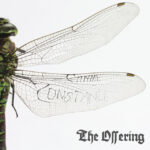
Listening to “The Offering” is like stepping into a ritual already in motion – experiencing something ancient and alive, humming with intimacy and intention. From the first moments, Connie Constance sounds fully embodied, her voice rising from somewhere deep and unguarded. This is a spellbinding return – a smoldering spiritual enchantment built on lush, propulsive production and a sense of purpose you can feel in your chest.
As Constance explains, the song captures the complexities of her experience entering womanhood. “This woman that I am, who comes with uncertainties, insecurities, strength, intellect sometimes, silliness more often, is my offering,” she says. “I will not preserve myself for anyone other than my own desires.”
Lyrically, “The Offering” is intimate and searching, capturing the unease and awe of becoming. “The whole world’s watching / Me learn / How to be / A woman,” she sings, naming the pressure, the nausea, the fear, and the quiet longing for peace without dressing it up. The song doesn’t look for transformation in grand gestures, but in sensation – “the way that the water feels as it’s jumping off my new body” – a line that perfectly mirrors the track’s physicality, its sense of movement and flow.
As the song builds, it opens outward. The Yoruba word “Alafia” – peace – begins as a subtle presence before swelling into the track’s final invocation, turning the personal into something communal. By the time Constance declares, “Hold my head up in my purpose / And say I’m a woman… / This is my offering,” it feels earned, not triumphant so much as honest. She isn’t presenting perfection, but process – loud, messy, soft, and searching.
“Before words and sounds, I knew I wanted to create something that starts intimate and erupts,” Constance explains. “It’s about allowing myself to be loud, messy, soft, and unapologetically me.”
The drums are everything here. Ever-present and driving, they give the song its power and momentum, grounding its mysticism in something physical and undeniable. Each beat feels like a step forward, a pulse of resolve, carrying Constance’s vocals as they move from vulnerability into something fiercer and more declarative. There’s a ceremony unfolding in real time, the music pushing her forward as she learns how to stand inside herself. “Women go through great changes at many stages of our lives, and each time feels just as mighty as the time before,” she says. “I hope this song can be a space for listeners to feel seen and not alone.”
Ultimately, “The Offering” feels like both a release and an invitation. It’s a song about surrendering to growth, about allowing yourself to be seen in flux rather than waiting to arrive at some finished version of yourself. With its charged rhythms, soul-stirring vocals, and spiritual undercurrent, Connie Constance doesn’t just return here – she steps forward, offering herself fully, and asking us to do the same.
:: EP #2 – Kings of Leon ::
Ashley Littlefield, California
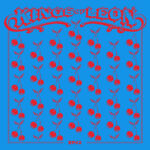
Since their debut in 2003, Kings of Leon’s narrative sound has evolved, with their notable debut, Youth and Young Manhood, laying the foundation for their signature, deep, nostalgic sound, featuring electric rock riffs, elements from cousin Mathew Followill and brothers Nathan and Jared, and signature vocals from Caleb Followill. With other albums to carry the light and sound they share, Only by the Night and Come Around Sundown showcase notable tracks such as “Sex On Fire” and “Pyro,” which lead to a sensational journey of discovery through their discography. Kings of Leon returned at the end of the year with EP #2, surprise released in early November. The four tracks span, giving a bright opening of light through the window. Each luminous tune is energetic and captures the wild spirit: to live life organically.
The four tracks on EP #2 start with “All the Little Sheep,” with an infectious groove to move your body to with punchy rhythm guitar riffs and swinging vocals that transport you to immerse yourself and “dream about beaches.” Soaking in the sunrays, “To Space” carries soothing tambourines while reflecting on the daily distance of meeting expectations with the humility of reality, dawning back through the sound of echoing doubts. Savoring the slower pace of the EP, “Pit To The Rind,” allows listeners to resonate with solitude and patience, embracing the catharsis of presence and enveloping compassion to share with the world. Finally, the last track on the EP brings listeners back to the wild with an instinct like “The Wolf,” leading the way for a riveting drum pattern that stirs the wild creature’s instincts. The latest release from Kings of Leon is a groove into the expansion of their discography, and the world anticipates their next development in their next album.
:: “MISERICORDIA” – Blue Capricorn ::
Danielle Holian, Galway, Ireland
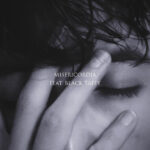
Blue Capricorn’s latest single, “MISERICORDIA,” is a stunning dive into shadowy introspection, merging downtempo, darkwave, and experimental electronica with a cinematic grace. Clocking in at just under four minutes, the track showcases a seamless collaboration with Dallas-based producer Black Taffy, whose ambient, beat-driven textures provide the perfect counterpoint to Blue Capricorn’s whispered, emotionally raw vocals. From the first note, the song envelops the listener in spectral layers and meditative pacing, creating a soundscape that feels both intimate and expansive. The lyrical improvisation, centered on themes of mercy, forgiveness, and resilience, reveals an artist unafraid to confront personal turmoil, offering a hopeful, yet deeply reflective, emotional journey.
What sets “MISERICORDIA” apart is its balance of vulnerability and sonic sophistication. Meticulously mixed by engineer Alex Bhore, the track allows each ethereal synth, fractured percussion, and resonant pulse to breathe, crafting a rich, three-dimensional listening experience. Rooted in Blue Capricorn’s personal growth and therapy-influenced songwriting, the single resonates with authenticity, transforming introspection into a universal moment of connection. For fans of artists like Shlohmo, Clams Casino, or Nosaj Thing, “MISERICORDIA” offers a compelling fusion of experimental electronics and confessional lyricism, a quiet, powerful statement that leaves a lasting impression.
:: “Big Parking Lot” – Work Wife ::
Mitch Mosk, Beacon, New York

There’s an instant rush to “Big Parking Lot” – a flash of heat and motion that hits before you’ve had time to brace for it. Roaring, overdriven guitars churn beneath Work Wife’s latest single, while Meredith Lampe’s close-miked vocals pull everything inward, creating a sense of immediacy that never lets up, even in the song’s quieter moments. It’s electric and dramatic, restless and radiant all at once – an upheaval that aches in exactly the right ways.
Released in mid-August, “Big Parking Lot” is a smoldering highlight off Work Wife’s debut album Parade (out October 30 via Born Losers Records) – a record centered on the act of being seen and the uneasy, electric exchange that occurs when attention is both desired and feared. Across the album, that tension plays out in full, tracing the highs, lows, and quiet ache that come with realizing someone sees something in you before you do yourself.
The indie rock project of Brooklyn-based musicians Meredith Lampe, Cody Edgerly, and Kenny Monroe (and a longtime Atwood favorite), Work Wife blend melancholy lyricism with folk-leaning rock and a wry, dark sense of humor. The band has steadily built momentum through touring alongside Husbands, Anthony Green, and NYC peers like Fenne Lily and Christian Lee Hutson, as well as appearances at SXSW and Audiotree Festival. Outside of Work Wife, Lampe also plays keyboards and sings in Natalie Lew’s Sea Lemon, recently sharing the stage with Death Cab for Cutie on their summer tour.
At their best, Work Wife specialize in turning quiet, internal feelings into something charged and communal, letting intimacy and distortion coexist. “Big Parking Lot” does exactly that from its opening moments, building tension through swelling guitars and a steady forward drive that keeps the song simmering rather than exploding all at once. Equal parts hushed and hearty, dynamic and tender, the song is about feeling too much and wanting to hide it anyway.
As Lampe explains, “‘Big Parking Lot’ is our anthem of big feelings. Being seen – the theme of this LP – requires being honest, and ‘Big Parking Lot; is a confessional to that end.” She describes the song as an exploration of “a preoccupation with beating back feelings for someone and feeling ashamed that they’re there in the first place,” blending a fictional romantic fantasy with a real high school memory of pulling up outside the mall and joking around with friends, dancing and being silly.
“It seemed at that time that we were competing to be the funniest, the clowniest, the most carefree – the ‘fun girl,’” Lampe recalls. “She never has trouble winning someone over. She isn’t concerned with appearances but manages to magically keep hers up. She lets her feelings sweep her up into action but charms her way out of trouble. She’s not real, and shouldn’t serve as a role model, but sure makes for a good protagonist in a passing guilty thought.”
That tension between desire and discomfort, vulnerability and visibility mirrors the larger emotional terrain of Parade, the band’s debut LP. “I find I like being seen, though I feel embarrassed to admit it,” Lampe says. “When someone’s eyes are on me, I get a strange and specific thrill – whether that’s via direct eye contact amidst a conversation, or even para-socially as an audience member.” It’s a feeling she recognizes as common among performers, even if it’s rarely acknowledged openly. “I think many performers feel this way,” she adds, “though we’ve developed a social contract that dictates we feign shyness to project humility.”
Rather than rejecting attention altogether, Lampe pushes back against the idea that wanting to be seen is something shameful. “But scorning attention outright – by assuming it’s grounded in narcissism, maybe – pollutes an act that can otherwise be beautiful and encouraging,” she says. Over time, that perspective has shifted into something more appreciative and grounded. “Attention is a scarce and wonderful resource that I’ve come to really cherish. It’s an honor to be seen by you.”
Those reflections directly shape the foundation of Parade. “Parade centers on the act of being seen and the energy exchange that occurs between the viewer and the subject,” Lampe explains. “I wanted to use this record to explore the highs and lows of that feeling, along with the ache that comes with someone seeing something in you that you didn’t know was there.”
In that sense, the album marks a clear turn inward for Work Wife. “Our previous EP Waste Management explored perception in an outward direction – reading between the lines of someone’s sentences, peering through squinted eyes at an obtuse facial expression, learning someone’s mannerisms as if they were physical representations of their thoughts,” Lampe says. “In this LP we flip that concept over to explore others seeing us.” Here, Parade turns the lens inward, grappling with what it means to be watched, wanted, and understood.
Sonically, “Big Parking Lot” embodies that push and pull. The guitars roar and recoil, the rhythm section surges forward, and Lampe’s vocals remain intimate even at their most explosive. It’s dramatic without being indulgent, charged without losing its emotional precision – a song that thrives on contradiction, letting unease and exhilaration coexist.
Ultimately, “Big Parking Lot” doesn’t resolve its feelings so much as sit with them. It’s a song about wanting attention, fearing it, chasing it, and questioning why – all while turning that confusion into something loud, alive, and cathartic. In embracing the messiness of being seen, Work Wife deliver a track that feels both deeply personal and instantly communal, a reminder that sometimes the ache is the point.
:: “Cast Out A Line”- Where’s West? ::
Chloe Robinson, California

Where’s West? is a beachy, infectious band whose sound is effortlessly laid-back and refreshingly raw. Their latest song “Cast Out A Line” is another island gem. With its fusion of rock, indie, dance, and just a touch of funk, this sun-drenched track invites you to unwind completely. The engaging offering is a coastal California–inspired blend that marries modern production with a vintage ’70s feel. The group is propelled by love and positivity and that warmth is truly transformative. The 4-piece reveals, “It is about casting yourself out there and following your own rhythm; each of us put a piece of ourselves into the song.”
The band features Zan Curleigh on vocals and guitar, Robbie Cullerton on bass, Aidan Babuka Black on keys and vocals, and West Hauser on drums. Where’s West? was conceived in the basement of their college home and they have come a long way since then. From humble backyard and school beginnings, their music soon reached larger audiences at celebrated stages such as Sweetwater Music Hall and Wonderfront Festival. That momentum continues to build and this new piece is a great example of that.
:: Things I Wish I Said – Nia Perez ::
Danielle Holian, Galway, Ireland
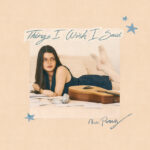
Nia Perez’s debut EP, Things I Wish I Said, is a stunning introduction to a singer-songwriter unafraid of emotional transparency. Across five tracks, Perez crafts a deeply personal narrative that reads like a collection of unsent letters, blending indie pop’s melodic polish with the intimate textures of bedroom pop. Each song feels carefully considered, from the reflective opening of “Shapeshifting,” which explores the subtle pain of losing oneself in love, to the cinematic heartbreak of “Oh Sweet July,” a breakup recounted on her 17th birthday in New York. Perez’s voice, tender yet assured, carries these stories with a quiet authority, allowing listeners to connect to both the vulnerability and the resilience at the heart of the EP.
The EP reaches its emotional zenith in “Not Her” and concludes with the reflective closure of “Little Old Flame,” forming a cohesive arc that moves from self-doubt to self-realization. What sets Things I Wish I Said apart is Perez’s ability to balance raw honesty with melodic sophistication, ensuring that each song resonates long after it ends. Beyond the music itself, her creation of a space for listeners to submit unsent letters underscores her commitment to fostering a community built on empathy and shared experience. With this debut, Perez establishes herself not only as a gifted songwriter but also as an artist capable of transforming personal narrative into universal emotional connection.
:: “Fly Away” – Peter DiMaggio ::
Danielle Holian, Galway, Ireland

Peter DiMaggio’s “Fly Away” is a luminous testament to artistic growth and emotional honesty. From the first note, the track envelops the listener in a rich indie pop soundscape, where shimmering synths meet soaring guitars, creating a cinematic atmosphere that is both intimate and expansive. DiMaggio’s voice navigates this terrain with remarkable poise, simultaneously tender and powerful, capturing the delicate balance between vulnerability and resilience.
“Fly Away” resonates as a deeply personal yet universally relatable journey of self-liberation. It’s a song about reclaiming oneself after heartbreak, about rising from the weight of past struggles to embrace newfound freedom. Each chorus soars with optimism, reflecting DiMaggio’s ability to turn introspection into anthemic, cathartic beauty. Beyond its emotional impact, the track also marks a milestone in DiMaggio’s career. As the first release under his own Passeri Records, “Fly Away” embodies artistic independence and integrity, showcasing a musician fully in command of his vision. The result is a song that’s not just heard, it’s felt, a luminous blend of cinematic grandeur, heartfelt storytelling, and fearless self-expression.
“Fly Away” is an uplifting, immersive experience, proving that Peter DiMaggio has arrived as a formidable voice in modern indie pop.
:: “Spider Song” – The Barons ::
Mitch Mosk, Beacon, New York
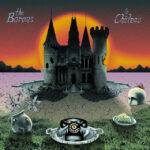
There’s a subtle, soul-stirring allure to The Barons’ “Spider Song” – the sort that doesn’t announce itself so much as slowly wind its web around you. Warm saxophone lines drift through the mix like smoke, glistening percussion flickers at the edges, and Peyton Alley’s hushed vocals sit right in the center, intimate and unguarded. It’s a smoky, seductive highlight from Richmond, Virginia-based band’s recently released debut album Le Château, captivating in a way that feels effortless rather than showy – subtle, patient, and quietly mesmerizing.
Lyrically, “Spider Song” finds beauty and unease tangled together. “Cold brew at sunrise / Woke up to the sight of a spider on a tree,” Alley sings, grounding the song in a small, almost meditative moment before drawing a sharp contrast between the natural world and the digital webs we build for ourselves. “Her web forms an outline / Splendidly twined / And my web’s on this screen,” he observes, the song gently questioning what gets lost when attention drifts from the tangible to the manufactured.
As Alley explains, the track builds on themes already threaded through Le Château. “It plays off the fears previously touched on in tracks ‘Gator’ and ‘Gator II’ on the album,” he says. “I often feel so pulled away from observing how the tiniest things in the natural world work by keeping up with tech and current societal standards. I wanted this song to be a little moment to reflect on what we value as important and sustainable.” That sense of reflection is baked into the music itself, which moves at an unhurried pace, letting each detail breathe.
Sonically, “Spider Songs” glows. Rosy harmonies bloom in the background, the rhythm section keeps things gently grounded, and Jack Peacock’s saxophone adds a dramatic warmth that feels nostalgic, inviting, and utterly immersive. Nothing here is rushed or overstated; instead, the band leans into restraint, trusting mood and texture to do the heavy lifting.
As a whole, “Spider Song” captures what makes Le Château such a compelling debut – an ability to balance intimacy with atmosphere, thoughtfulness with groove. It’s a song about pausing, looking up, and remembering that meaning can live in the smallest moments, if we’re willing to notice them.
:: “June, You’re on My Mind” – Natalie Del Carmen ::
Mitch Mosk, Beacon, New York

Warmth blooms immediately on “June, You’re on My Mind” – the kind that feels felt before it’s understood. Sweet, soaring fiddles and buoyant piano lines lift the song skyward, while Natalie Del Carmen’s delivery stays grounded and glowing, full of verve and vibrant, open-hearted energy. Dreamy and smoldering without ever feeling heavy, it’s the sort of track that wraps itself around harder feelings and somehow makes them feel lighter. If you told me this was a lost folk-pop cut from the 1970s, I’d believe you – it carries that timeless, rosy warmth we associate with the era’s most life-affirming songs.
Released in mid-November, “June, You’re on My Mind” arrives as the latest offering from Los Angeles-based singer-songwriter Natalie Del Carmen, a modern-day folksinger whose work bridges pastoral Americana and contemporary emotional clarity. Raised on pop radio and pavement, Del Carmen has carved out her own musical geography, funneling wide-ranging influences into an intimate, roots-forward sound that feels both classic and unmistakably present. The single continues the emotional throughline of her forthcoming album Pastures, due January 30, a project that explores memory, longing, and the quiet weight of growing into yourself.
At its core, “June, You’re on My Mind” is about the humility it takes to admit you still miss someone. “I found you in the depths / Up in the attic of my storage,” Del Carmen sings, framing memory as something neatly packed away but never truly gone. As she explains, “Sometimes we end up missing people, even though we hate to. It’s easier to turn an eye nonchalant and feel that makes us the bigger person.” Rather than framing that feeling as weakness, she reframes it as evidence of meaning. “I think there’s humility in admitting you miss someone. It means a figure in your life meant enough to you at one point to feel there’s something worth remembering.”
“We spend so much time making sure we’ve moved on clean that we ignore how people make huge impressions on our lives,” she adds, grounding the song in the lingering impact of care that doesn’t disappear on command. “I wrote this song for someone who was a huge part of my life. I’ll always wish them well. Even when you think you’ve laid it down for good, you learn, over and over, that you never really do.” The song lives in that emotional attic space – what we pack away, what lingers anyway, and what resurfaces when we least expect it.
That self-awareness extends to the song’s lyrical balance, which resists easy blame or clean narratives. “All the while / I never get to the bottom of my burdens,” she sings early on, a line that later turns outward: “I never get to the bottom of your burdens.” “I had to walk a fine line writing this track,” Del Carmen explains. “Oftentimes, the line is crossed too far into brash and pointed territory. I grew tired of writing music that felt awfully one-sided in story.” Instead, she wanted to leave room for accountability on both sides. “I didn’t want to ignore all the ways I might have equally been at fault,” she says. “I wanted to highlight that, in many situations like this, two things can be true. You can blame someone else’s burdens for the end or you can wonder why you still care, and that makes them yours, too.” You can feel that duality settling in as the song unfolds – the ache of care alongside the effort to let go, the recognition that wondering why you still care often means the feeling is yours to carry, too.
Ultimately, “June, You’re on My Mind” feels less like a confession and more like a release. Its highs are aching and expressive, its tenderness worn without apology, creating a blanket of feeling that comforts even as it stirs something unresolved. In lines like “I’ve proved myself to be good upon my lonesome,” Del Carmen doesn’t claim closure so much as self-knowledge. In embracing the persistence of memory and the beauty of care that doesn’t disappear on command, she delivers a song that feels deeply authentic – earnest, timeless, and quietly affirming in the way it reminds us that feeling deeply is never wasted.
:: “Lokah Samastah Sukhino Bhavantu” – Rina Rain ::
Chloe Robinson, California

Mantra artist and meditation mentor Rina Rain’s new song “Lokah Samastah Sukhino Bhavantu” is a powerful piece of belonging and healing. The otherworldly track is a heartfelt prayer for anyone who is suffering, offering a sense of comfort and connection in moments of loneliness. Her hypnotizing vocals wash over us providing a sense of profound calm. That immense tranquility is something we all long for, especially in these trying times.
Rina Singh, a Bay Area meditation teacher with over twenty years of experience, specializes in mindfulness, personal growth, and career development. Performing as mantra artist Rina Rain, she shares music that brings peace, devotion, and recovery. By melding soulful vocals, timeless mantras, and modern soundscapes, she creates songs that encourage inner stillness and deep bonds.
:: War Is Family – Konrad Kinard ::
Danielle Holian, Galway, Ireland
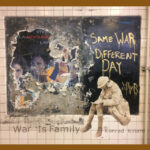
Konrad Kinard’s War Is Family (Surviving the Cold War and the Unraveling of an Imagined America) is a daring, genre-defying exploration of memory, history, and imagination. Across twenty meticulously crafted tracks, the Texas-born composer, multi-instrumentalist, and performance artist fuses spoken word, experimental soundscapes, and Americana-infused instrumentation into a work that is at once intensely personal and widely resonant. From the ominous opening of “Born A Texan” to the contemplative close of “A Texas Summer Night,” listeners are drawn into a surreal, neon-lit Cold War America filtered through Kinard’s vivid storytelling. The album’s narrative arc, its interweaving of fear, nostalgia, and reflection, creates a sense of intimacy that feels both cinematic and profoundly human.
The sonic landscape of War Is Family is as immersive as its storytelling. Early tracks like “Better Red Than Dead” and “The Bomb Shelter” conjure the existential anxieties of childhood under the looming threat of nuclear war, blending field recordings, minor-key instrumentation, and Kinard’s nuanced vocal delivery into sound portraits brimming with tension and clarity. Far from chaotic, each track demonstrates precision and deliberate sculpting, ensuring that the darkness is never overwhelming but rather evocative. The album’s collaborative dimension amplifies its impact: BJ Cole’s ethereal pedal steel, the lush strings of Eleonora Rosca, Emily Burridge, and Matthias Hejlik, and additional textures such as harmonium, contrabass, and Junior Laniyan’s subtle tap-dance percussion, all layer together to produce music that is both experimental and surprisingly accessible.
Yet it is in the album’s reflective passages that Kinard’s artistry truly shines. Tracks like “Siddhartha Goes To Alabama” and “Sun Rises” feel like intimate letters bridging memory and imagination, past and present. Here, spoken word functions not merely as narration but as a conduit for emotional resonance, transforming the album from a collection of songs into an evocative, almost theatrical memoir. Under the meticulous production of Fredrik Kinbom, with contributions from Boris Wilsdorf and Bryce Goggin, every element, voice, instrument, ambient noise, is rendered with clarity and purpose, balancing expansiveness with intimacy. War Is Family is ultimately a masterclass in hybrid music-making: elegiac, inventive, and profoundly human. Kinard blurs the lines between performance art, avant-garde composition, and Americana storytelling, delivering a bold, unforgettable journey through memory, history, and sonic imagination.
:: “Change Clothes (Remix)” – Lavaud ft. Pardison Fontaine ::
Josh Weiner, Washington DC

“Backin’ It Up” by Pardison Fontaine & Cardi B was a reasonable hit back in 2018, but both artists had limited musical releases in the years that followed. But hey, one of them finally returned this year, so now it seems time for the other to follow suit as well! To make his reemergence, Pardison Fontaine has teamed up with Lavaud, an English R&B singer of Mauritian descent based in London. She’s been working her way up to a debut LP for a number of years, with a peppy catalogue of standalone singles and EPs dating back to 2016.
The latest in the mix is “Change Clothes,” which initially emerged this past June and then got republished as a remix with P.F. earlier this month. Both versions of the track fuse drill and R&B music together to enthralling effects and offer Lavaud a platform to stand up for herself in the face of her man (“Should have been counting your blessings, now you gonna learn your lessons,” she sings). The remix allows Pardison Fontaine to bring some hip-hop energy to the song, all while fleshing out the male character in the lyrics more fully. His presence is valuable on both accounts, and “Change Clothes” is a transatlantic collaboration worthy of celebration on both sides of the ocean.
:: Look Both Ways – Perspective. ::
Danielle Holian, Galway, Ireland
Perspective. are redefining what modern funk-pop can sound like. Made up of KG, Liam, Ezra, and Riccardo, the group’s debut 11-track album, Look Both Ways, is a record built on authenticity, energy, and creative ambition. The band’s music draws inspiration from the golden era of disco and funk while embracing contemporary pop sensibilities. The album’s arrangements are tight, the grooves irresistible, and the melodies crafted with care, resulting in songs that feel both familiar and refreshingly original.
KG’s songwriting forms the emotional core of the album. “Late To The Party” chronicles his coming-out journey, “Dirty Game” recounts a shocking first relationship, and “Skeletons” confronts moments of deep personal trauma. While the lyrical content is heartfelt, the album never loses its sense of fun. Tracks like “Love Is A Fool” and “Stay Tonight” provide playful, tongue-in-cheek energy, ensuring that the record maintains a dynamic flow between introspection and celebration. It’s a balance that few debut albums manage with such poise.
Perspective.’s musicianship elevates the album further. The interplay between bass, drums, and guitar is precise and engaging, while KG’s vocals convey a spectrum of emotions with nuance and power. The production enhances these performances without overwhelming them, creating a polished yet organic sound. This debut is a record that moves both heart and body. It’s a bold, confident statement from a band with something to say, about love, growth, empowerment, and the sheer joy of music. This is funk-pop with depth, energy, and purpose, and it firmly positions Perspective. as a band to watch.
:: “Spill a Little Tea” – Zuko Sian ::
Danielle Holian, Galway, Ireland

Dutch–South African artist Zuko Sian has unveiled the cinematic music video for her latest single, “Spill A Little Tea,” blending jazz, hip-hop, and soul with striking visual storytelling. Recorded in a small home studio in Bethnal Green, the track was written in just fifteen minutes following a personal fallout and a breakup, capturing themes of honesty, confrontation, and self-assertion. Zuko’s signature “burgundy red” vocals float effortlessly over jazzy melodies and warm hip-hop production, creating a sound that is both intimate and commanding. The song’s hook, “You can say what you want, what you want about me, but all I ever did was spill a little tea,” underscores its message of speaking truth even when it’s uncomfortable.
The accompanying video, directed by Jade Laurelle, draws inspiration from Paul Delaroche’s 1833 painting The Execution of Lady Jane Grey, recreating the iconic scene with painstaking attention to detail. Cinematographer Bea da Gama and the creative team crafted authentic sets, period costumes, and lighting that mirrors the original artwork, while Zuko herself contributed to the props and visual elements. Wearing a gown previously worn by Helena Bonham Carter in the 1986 film adaptation, Zuko transforms historical tragedy into a modern reflection on female resilience and empowerment. The result is a music video that feels as much like a short film or fine art piece as it does a visual accompaniment to a song, cementing Zuko Sian’s reputation as an artist who merges honesty, musicality, and cinematic vision.
:: “I Just Want You” – DLG. ::
Mitch Mosk, Beacon, New York
Softly dramatic and quietly consuming, “I Just Want You” moves like a slow burn you can’t shake. Radiant synths swell and recede beneath laid-back beats, ebbing and flowing with a hushed, cinematic dynamism that pulses with both heat and heart. Nothing here rushes or explodes; instead, the song churns patiently, letting longing settle into every corner. It’s intimate and expansive at once, a track that feels lived-in, like a feeling you keep circling no matter how far you run from it.
Originally released in mid-August, “I Just Want You” finds David De La Garza leaning into restraint as a form of emotional clarity. Hailing from Austin, Texas and now based in Los Angeles, DLG. has built a devoted following through infectious melodies and boundary-pushing production, racking up over 50 million streams along the way. His work blends soulful vocals with sweeping, anthemic indie textures, and this track marks a more cinematic turn, a high point on his recently released debut album I Learned It the Hard Way (October 10th), a project centered on love, loss, and emotional endurance.
At its core, “I Just Want You” is heartbreak stripped of spectacle. “Call when the storm doesn’t pass / Run ’til my heels fall out of my shoes,” he sings, returning again and again to the same aching refrain – “I just want you.” The repetition doesn’t dull the feeling; it deepens it, mirroring the way grief loops in real life. Lines like “Still look at your photograph / Ain’t getting past it / Only get through” capture that uneasy middle ground between survival and surrender, while “I tried to keep my promise / To meet you in the middle / I might have overshot it” quietly admits fault without absolution.
As DLG. explains, the track comes from a place of total emotional exposure. “This song feels like if every member of Alabama Shakes all got broken up with on the same day and then wrote a song about it,” he says. “It feels like running through the airport to catch her before she gets on that flight. I wrote this about the most painful breakup in my life, the only person I really never foresaw splitting with. It felt like it almost killed me. It felt like this song.” That urgency lives in every detail, even as the production remains controlled and understated, heightening the sense of restraint barely holding everything together.
Ultimately, “I Just Want You” doesn’t search for resolution so much as honesty. It sits with the ache, letting repetition, atmosphere, and vulnerability do the work. As part of DLG.’s debut album I Learned It the Hard Way, the track serves as a powerful entry point – a distilled snapshot of the emotional depth, cinematic ambition, and melodic instinct that define the record as a whole, as well as David De La Garza’s artistry. For anyone just discovering him, it’s a striking introduction; for those already paying attention, it’s further proof that DLG. is building something with real weight and staying power. In its softness and its insistence, the song becomes a portrait of wanting without guarantees, proof that sometimes the most powerful thing you can say is also the simplest.
— — — —

Connect to us on
Facebook, Twitter, Instagram
Discover new music on Atwood Magazine
:: Weekly Roundup ::
follow WEEKLY ROUNDUP on Spotify
:: This Week’s Features ::