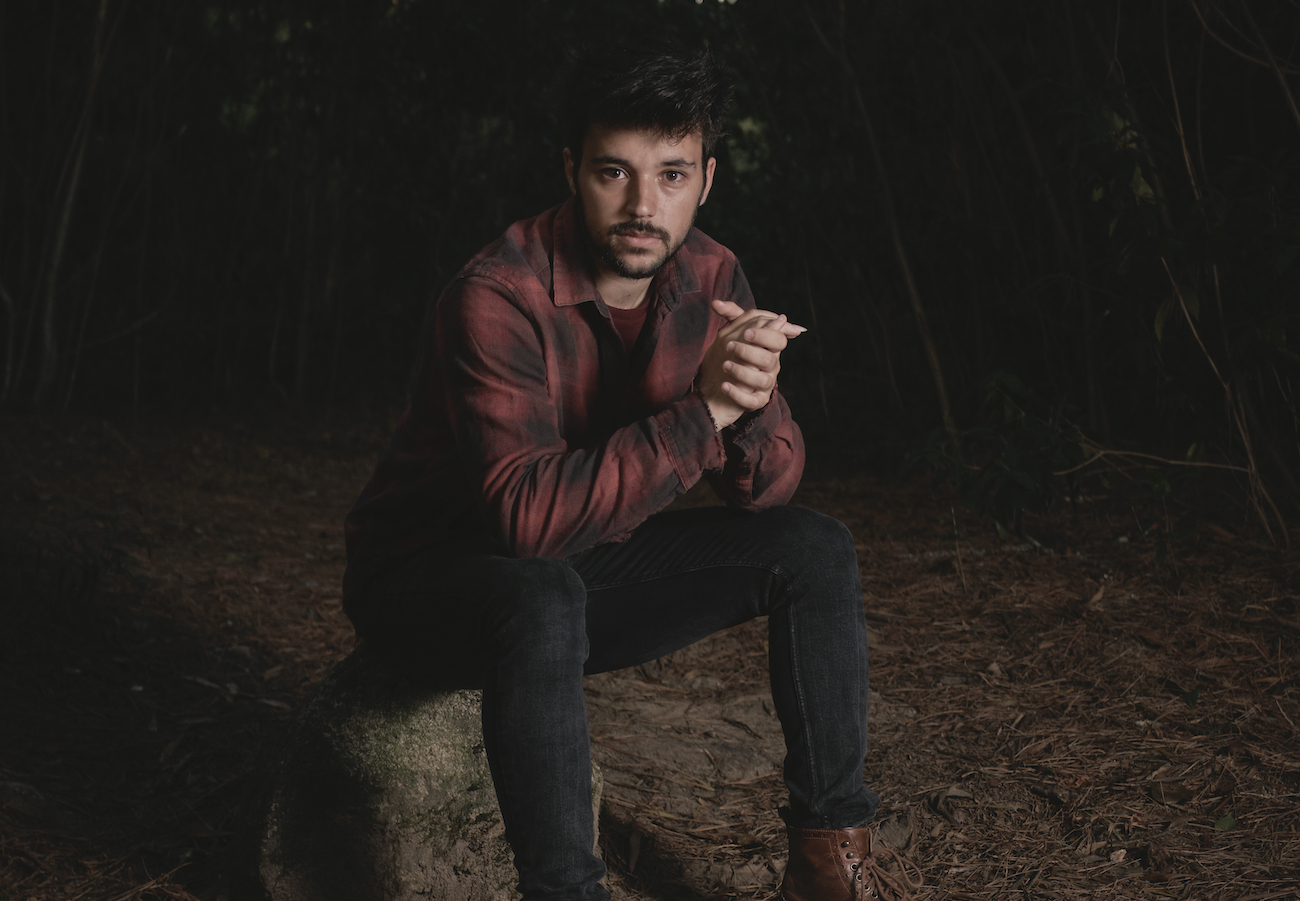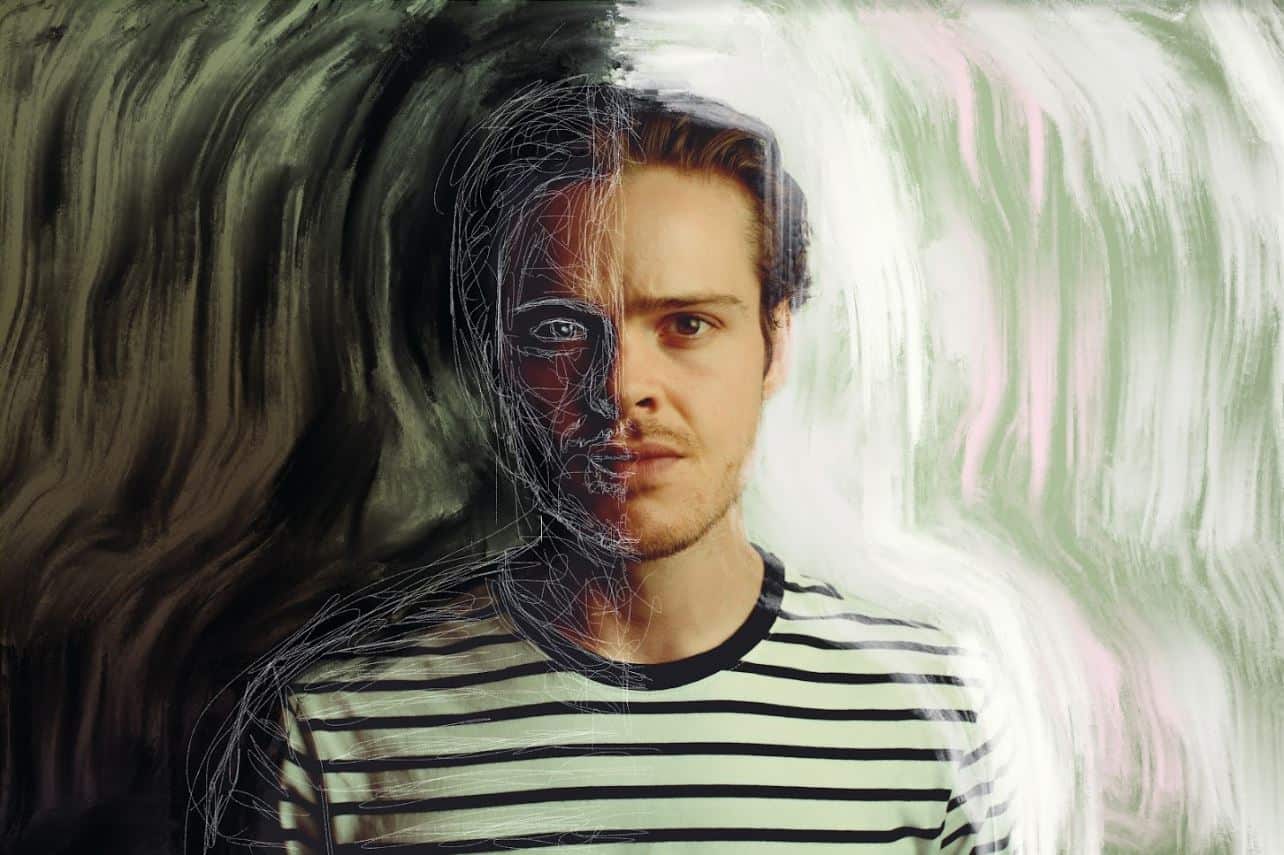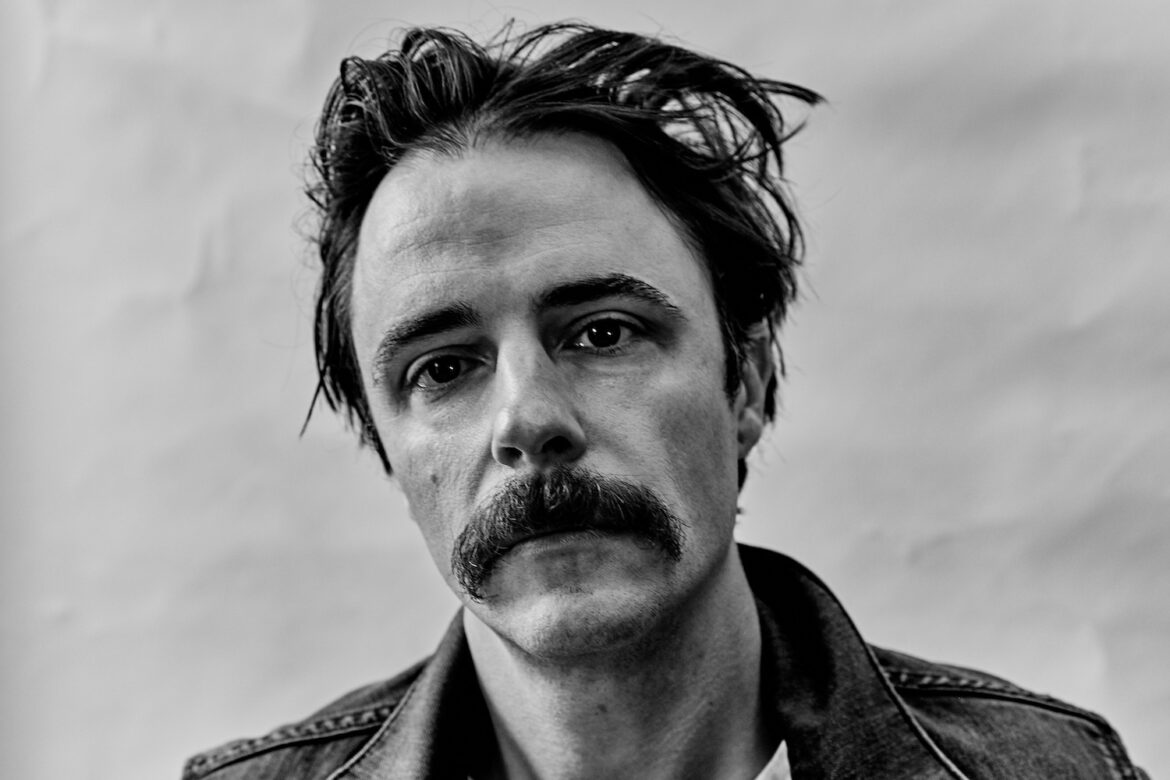
Raw, reflective, and achingly human, The Bones of J.R. Jones’ intimate sixth album ‘Radio Waves’ glows with the flicker of dim summer street lights and the hum of memory in motion. In conversation with Atwood Magazine, Jonathon Linaberry reflects on nostalgia, impermanence, and the quiet act of tuning back into yourself.
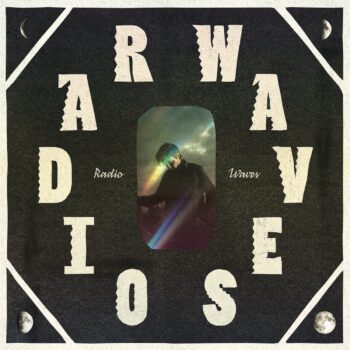
‘Radio Waves’ – The Bones of J.R. Jones
These songs live in the night – the endless kind, where you get in your car just to drive and listen to music.
* * *
A haunting glow runs through Radio Waves – one that flickers between nostalgia and now; between headlights reflected in wet pavement and the fading pulse of dim summer street lights.
For Jonathon Linaberry, the creative force behind The Bones of J.R. Jones, that glow became a compass. His sixth studio album is steeped in memory, motion, and a longing to rediscover the thrill of connection – the kind he once felt as a kid with a cassette deck, waiting for his favorite song to hit the radio. There’s nothing polished or nostalgic about this kind of looking back; it’s messy, magnetic, and achingly human. As Linaberry himself reminds us, “All you have to do is tune in.”
I’m just feelin shameless
Strung out on a wire
Its been neon signs and cigarettes
Haven’t seen the day in awhile
TV is shouting holy men
Telling me I’m damned
I don’t pay attention
They don’t know
The heaven I had
– “Shameless,” The Bones of J.R. Jones
Released June 20th via Tone Tree Music, Radio Waves marks a bold evolution for The Bones of J.R. Jones – both sonically and spiritually. Produced by GRAMMY-winner Robbie Lackritz (Feist, Bahamas) and recorded in Toronto, the album finds Linaberry working with an outside producer for the first time, surrendering some of the isolation that once defined his creative process in exchange for a newfound sense of clarity and depth. “I felt like I was the most whole I’ve been while writing these songs,” he tells Atwood Magazine. “Most times I feel like I’m stumbling around in the dark, but this time I knew what I wanted to create.”
The result is a record that feels timeless yet alive – lo-fi and luminous, raw and refined in equal measure. Its soundscape lives somewhere between the analog warmth of an old AM dial and the introspection of late-night confession; for Linaberry, these are the sounds and stories of his own coming of age. On “Car Crash,” the album’s aching opener, Linaberry offers what feels like a thesis statement for the human condition: “I want your whole heart, even the broken parts.” The song swells and breathes like a cinematic exhale, an intimate inner reckoning that finds comfort in imperfection. It’s followed by the dreamy “Savages,” a sweaty, sentimental portrait of youth and abandon (“We were savages, summer steamed off our skin”) that burns with the heat of memory.
I recognize it’s easy to wax poetic about childhood or days gone by, but with all the upheaval in the world today I found exploring the loves of my youth reassuring and comforting.
* * *
Tension and tenderness flow in equal measure across these eleven songs. The haunting “Shameless” stands out as one of Linaberry’s personal favorites – “Something about that song hits all the notes for me on how I envisioned the album sounding,” he says – its verses echoing through empty streets and half-lit bars like ghosts of a love once alive. The folksy, acoustic guitar-led “Heart Attack” wrestles with the weight of expectation and faith (“God ain’t waiting on me anyway”), while “Waste Some Time,” featuring The Weather Station’s Tamara Lindeman, slows the pulse to something soft and lived-in. “You said a worried heart always keeps their ghosts, so it never sleeps alone,” Linaberry sings, his voice fraying at the edges. It’s a moment of quiet revelation – one that captures both the fragility and the resilience at the core of Radio Waves.
That duality – the ache and the acceptance – culminates in “Start Again,” the album’s tender, piano-led finale. Stripped to its essence, the song feels like a prayer whispered to oneself: “Fold us down into this land, close our eyes, start again.” It’s a closing that doesn’t promise resolution, but possibility – a reminder that healing isn’t about erasing what was, but learning to hold it gently. “I suppose I ended the record with it because it felt like a strong way to go out,” Linaberry says. “It has a different flavor than the rest of the record… one of my favorite sleeper hits.”
For all its reflection, Radio Waves isn’t a retreat into the past so much as a conversation with it – a transmission from the same restless heart that has guided The Bones of J.R. Jones for over a decade. Linaberry revisits his earliest fascinations – those late nights by the radio, those endless drives through the Catskills – not to relive them, but to understand how they shaped the man and the musician he’s become. It’s the sound of someone tuning back into themselves.
All you have to do is tune in.

In the months since Radio Waves first landed, Linaberry hasn’t slowed down. Fresh off his network television debut on CBS Saturday Morning, he’s revisited the album through a new lens with Radio Waves (Deluxe) – a re-imagined collection that adds demos, alternate takes, B-sides, and four live recordings captured at New York’s Le Poisson Rouge. It’s an intimate companion piece, full of rough edges and radiant moments that reveal the inner sanctum of a songwriter still in search of what else might be hiding inside his own songs.
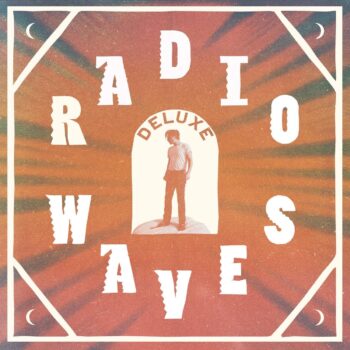
“Radio Waves Deluxe is a compilation of demos, different takes, live versions, and B-sides,” Linaberry shares. “As a listener I always enjoy seeing the ‘could have beens’ when it comes to a record. It’s like sneaking a peek at someone’s creative process, which could be embarrassing or yield some inspiring insight into creation. Either way it’s something fun.”
That curiosity extends to the reworked “Drive (Deluxe 1982),” a shimmering experiment that pushes his sound deeper into analog dreamland. “It plays heavy on the CS-80 synth and programmed Linn drum,” he says. “Not to be taken too seriously, but more of an exploration for myself to see where this song could have ended up. I can’t stand to think of music as a static thing. It is in itself kinetic, and I am always baffled when people adhere to one singular thought when it comes to a song. It should be ever changing.”
Radio waves carry me
Feeling burnt, I can’t sleep
And I got a hole in my head
Ratting me out
I’m so tired of singing alone
Nobody’s there on my telephone
It’s just the beat, beat
Beat in my head
Am I losing
Losing my –
Losing my mind?
– “Drive,” The Bones of J.R. Jones
That sense of evolution feels true to Radio Waves itself – an album built on motion, memory, and the refusal to stand still.
Jonathon Linaberry remains drawn to the flicker and hum of impermanence: Songs that move, shift, and reveal new shades each time you return to them.
In conversation, he reflects on that same spirit of movement – still on identity, reinvention, and what it means to keep finding light in the static. We also discuss the making of Radio Waves, his collaboration with producer Robbie Lackritz, the stories behind songs like “Car Crash,” “Shameless,” and “Start Again,” and how looking backward helped him move forward.
It’s a dialogue about creation and connection, about chasing the signal that never fades – and about learning, again and again, to simply tune in.
Dive into our conversation below, and listen to Radio Waves wherever you stream music!
— —
:: stream/purchase Radio Waves here ::
:: connect with The Bones of J.R. Jones here ::
— —
‘Radio Waves’ – The Bones of J.R. Jones
A CONVERSATION WITH THE BONES OF J.R. JONES

Atwood Magazine: Jonathon, we're so many years into you making music under this poetic moniker. What's the state of play for The Bones of J.R. Jones today, and how does the name represent you now, six albums into your career?
The Bones of J.R. Jones: To be honest, I constantly struggle whether to change the name or not. I hear a lot from other musicians with monikers and how we all share this sense of buyer’s remorse. Haha. I think in reality that ship has sailed, but every record cycle I ask myself what would it look like if I changed the name of this project.
I don't think I ever asked you – and I've struggled to find this info online – what inspired the name in the first place?
The Bones of J.R. Jones: I played my first show without thinking of what to call myself. It was the type of bar gig that you are just that to make noise. No one is there to listen. No one cared. I got paid for my set in two pints, I think. After my set someone asked my name. The Bones of J.R. Jones is the first thing to come up with. I had no intention on it sticking around for thirteen years on.
Radio Waves arrived this June as your sixth full-length record. Can you share a little about the story behind this album?
The Bones of J.R. Jones: Radio Waves is a bit of an ode to the music and memories of my childhood. The first cassette tapes I had. The ones I played out to the point the tape itself would warble and become tired. I recognize it’s easy to wax poetic about childhood or days gone by, but with all the upheaval in the world today I found exploring the loves of my youth reassuring and comforting.
This album arrives two years after 2023's Slow Lightning – what was your vision going into this new batch of songs? Did that change over the course of recording this?
I had a pretty clear direction when I first started writing this album. I wrote a whole manifesto for it and created a deck full of images and inspiration points to act as my north store when writing these songs. It helped tremendously. Any time I felt lost or unsure on a decision, I could reference it and most times it helped set me down the right path.
Why the title “Radio Waves”?
The Bones of J.R. Jones: I feel like it holds multiple meanings for me. One is the very tongue and cheek reference of being an independent musician and trying to get your music played on the radio, which I have always struggled to do. So the title in that sense is somewhat self-deprecating. Another one would be more romantic and probably more true, but it’s a bit of a story. I remember driving the Catskills one very cold and very clear October night over a decade ago.
There is little to no radio service for much of the drive up Rt. 28 to where I live. I remember reaching the crest of a mountain and at the moment the radio that was set to scan on AM picked up a sports station from Chicago. The Cubs had just won a game and there was so much joy in the announcer’s voice. I pulled over and listened for a few minutes. It was such a special and unexpected moment to experience. I felt like I was eavesdropping on something that was happening across the country. It was from another life, another time. I suppose the title comes from a bit of that night.
How do you feel Radio Waves reintroduces you and captures your artistry as it is today in 2025?
The Bones of J.R. Jones: Not sure on the reintroduction aspect, but I can say that I felt like I was the most whole I’ve been while writing these songs. And what I mean by that is I had direction. Most times I feel like I’m stumbling around in the dark… which provides its own bit of inspiration, haha. But this time I felt like I knew what I wanted to create, which felt great. It’s been a long time since I felt that way.
You've previously shared how this album explores your own coming-of-age story over an ‘80s and ‘90s-inspired soundscape. Can you share a bit about your influences going into these songs, and how you sought to give this album a sound of its own?
The Bones of J.R. Jones: Influences are funny, slippery things. I feel like they can change on you over time. That being said, I tried to not pull directly from any particular songs. I was just after a feeling, so if a song inspired me… I tried to figure out why. What was it? The theme? The production? The words? The environment I was in when I heard it? And if I could figure that out… that’s what I wrote my song from. Not sure if that makes sense, but that’s the best way I describe it.
What was your experience like collaborating with Robbie Lackritz as producer – The Bones of J.R. Jones' first outside producer?
The Bones of J.R. Jones: Working with Robbie was great! Such a solid human with an incredible ear. We recorded in two separate sessions over the summer of 2024, but I started sending him demos earlier that spring. We were limited on time and budget, so there was a lot pre-production work to get done in the hopes of streamlining the record sessions. Long story short, it was quick but a great experience.
You open the record with the aching and churn of “Car Crash,” an emotionally raw and revealing introduction. Why start the album with this song, and how do you feel it sets the scene?
The Bones of J.R. Jones: I think both Robbie and I knew when we recorded that track that it had to open the record. It just felt right. That’s all I can really say about it. Nothing else made sense to us and we kind of built the sequence of the record off of “Car Crash.”
Do you have any definitive favorites or personal highlights off this record?
The Bones of J.R. Jones: I would say my personal favorite is probably “Shameless.” Something about that song hits all the notes for me on how I envisioned the album sounding.
I had the distinct pleasure of premiering “Start Again” earlier this year, calling it a “soft and soul-stirring reckoning” at the time. Why end the album with that song?
The Bones of J.R. Jones: And THANK YOU for that! I love that track. One of my favorite sleeper hits. I suppose I ended the record with it, because I felt like it was a strong way to go out. It has a bit of a different flavor than the rest of the record and is also in my own modest opinion one of the better songs on the record. I like the idea of ending with a bit of a buried gem.
As a lyrically forward artist, do you have any favorite lyrics in these songs?
The Bones of J.R. Jones: “Waste Some Time”:
You said a worried heart,
Always keeps their ghosts,
So it never sleeps alone.
It’s the ones that hurt the most,
You keep closest to the glow.
Can you describe this record in three words?
The Bones of J.R. Jones: Dim Summer Street Lights. I’m aware that’s four, haha.
What do you hope listeners take away from Radio Waves? What have you taken away from creating it and now putting it out?
The Bones of J.R. Jones: I try to not project my hopes onto listeners. I think that only brings disappointment. Haha. I view music as a living kinetic thing and people will consume it, relate to it (or not) in their own way. After I release a record I am trying to be better about recognizing it’s no longer mine. People will project their own stories onto these songs and I love thought.
Each record is its own beast, but I think this one has left me feeling more inspired than ever. I usually hit a wall after a release and anticipate that it will happen again on this record, but currently I am feeling pretty good and already writing for the next one.
In the spirit of paying it forward, who are you listening to these days that you would recommend to our readers?
The Bones of J.R. Jones: Reverend Baron, Ted Hawkins, and Lonesome Shack.
— —
:: stream/purchase Radio Waves here ::
:: connect with The Bones of J.R. Jones here ::
— —
— — — —
Connect to The Bones of J.R. Jones on
Facebook, Bluesky, TikTok, Instagram
Discover new music on Atwood Magazine
© Christian Harder
 © Christian Harder
:: Stream The Bones of J.R. Jones ::