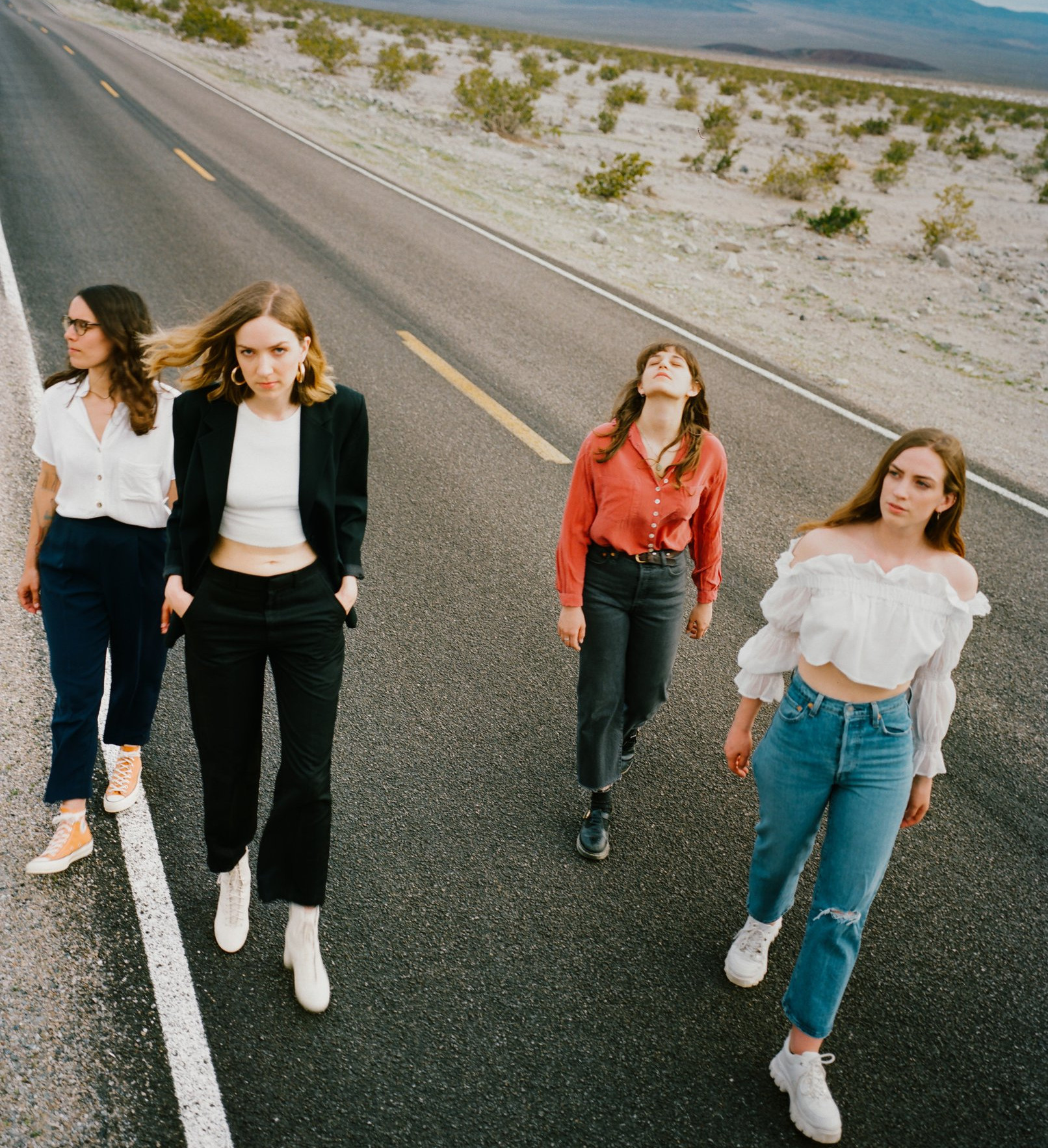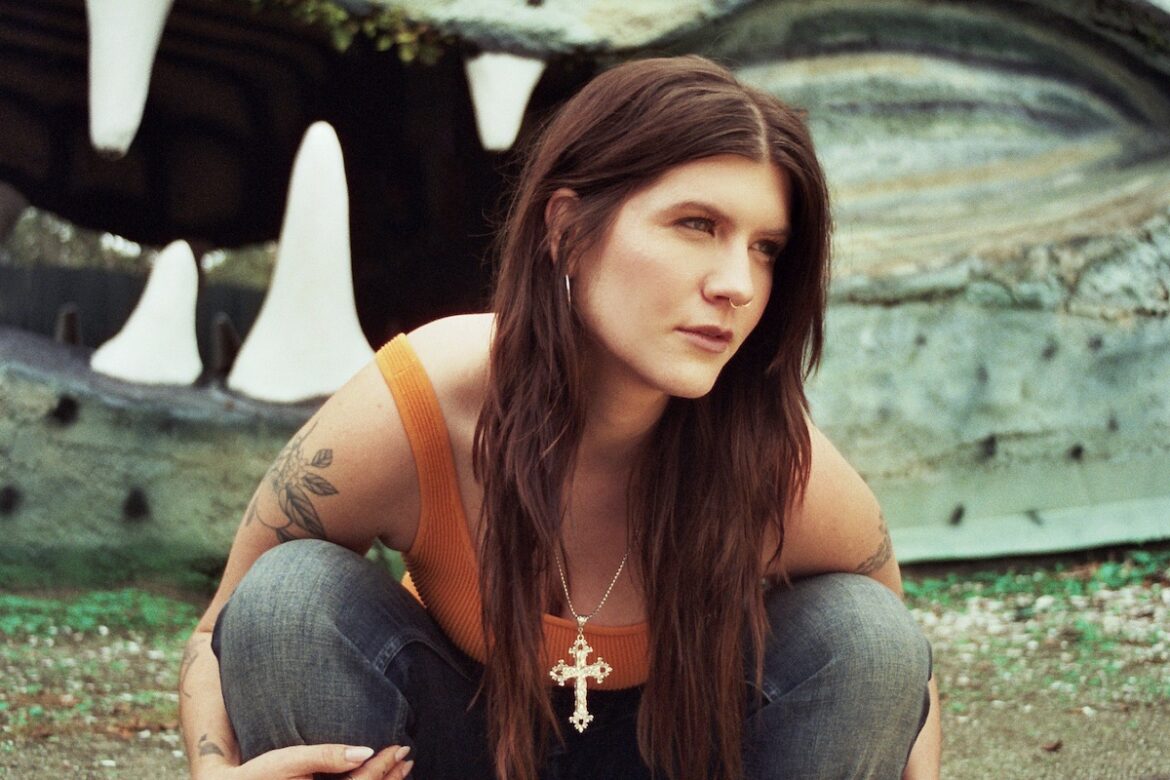
Indie pop artist-to-watch Gatlin takes us track-by-track through ‘The Eldest Daughter,’ her fearless and soul-stirring debut album – a radiant reckoning with faith, family, queerness, and the weight of growing up in Florida, channeling raw vulnerability and hard-won freedom into bold, breathtaking song.
Stream: “Florida Man” – Gatlin
I know now who I am, where I’m from, and where I’m going.
* * *
It’s a simple statement, but it carries weight. You can hear the years behind it – the questions, the doubt, the work of finally coming home to herself.
The Eldest Daughter, Gatlin’s long-awaited debut album, is her reckoning and release – her most fearless and fully realized work to date: A portrait of growth painted in tension and tenderness, ache and affirmation. The songs move fearlessly between intimacy and intensity, from quiet confessions to cathartic confrontations and unfiltered exorcisms of the past. Through it all, the singer/songwriter sounds more sure of herself than ever before – grounded, unflinching, and unafraid to take up space.
At its core, The Eldest Daughter is the sound of Gatlin reclaiming herself, capturing the moment she stopped running from her past and started embracing it: A bold, aching, and breathtaking coming-of-age record built on truth, transformation, and the courage to finally be seen.
This California water’s
still holy on my tongue
My skin’s a little thicker
but we’re frying in the same sun
We’ve got the world in common
but you only see the walls of your house
I’m tryna show you stars
but you’re keeping your head down
Let’s just call a spade, a spade
Can it just be a-ok that my life
Don’t look like yours
Three kids and a ring
Queen of the neighborhood
You’re really living the dream
Maybe I would if I could
I’ll always be home now I found who I am
I’m never going back to Florida
Man
– “Florida Man,” Gatlin
Released October 3, 2025 via Dualtone Music Group, The Eldest Daughter marks a new chapter for Orlando, Florida-born, Nashville-based singer/songwriter Gatlin Thornton. A longtime Atwood Magazine artist to watch, Gatlin first emerged on our radar over six years ago with early singles like “Curly Hair” and “I Think About You All the Time.” In those first songs, Gatlin was still finding her footing – earnest, introspective, and endlessly self-aware, even as she grappled with who she wanted to be. Her 2020 debut EP Sugarcoated turned that vulnerability into power, offering a coming-of-age portrait of an artist learning to stop apologizing for her emotions.
Over the years that followed, Gatlin’s sound expanded – her writing sharpened, her production deepened, her voice grew bolder – culminating now in a full-length album that feels less like a debut and more like a declaration. The Eldest Daughter bridges all the eras of her artistry: The dreamy indie pop confessions of To Remind Me of Home, the alt-tinged catharsis of I Sleep Fine Now, and the tender, aching honesty that has defined her from the start.
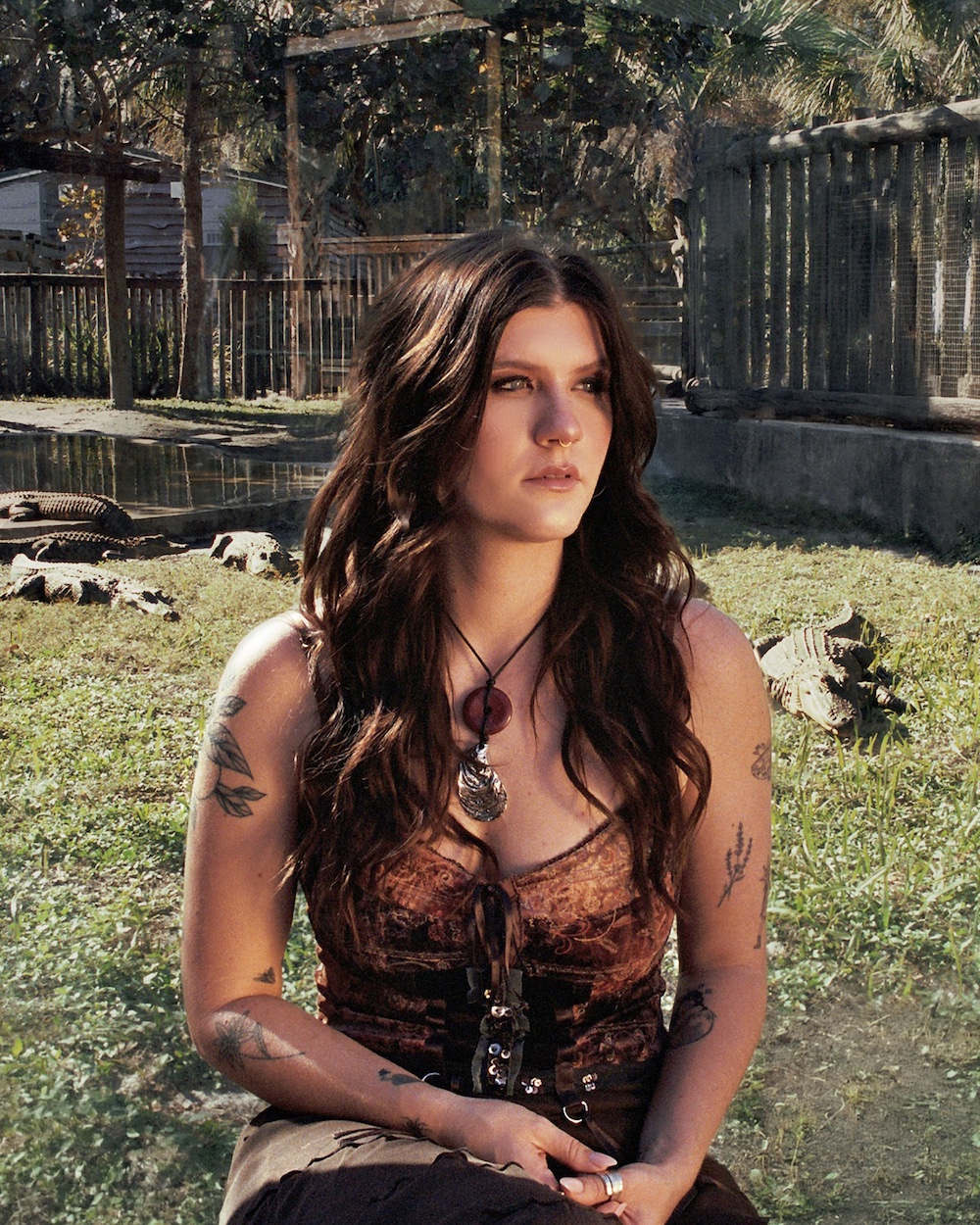
Built from the inside out, The Eldest Daughter is as much a personal excavation as it is a musical evolution.
Gatlin produced or co-produced most of the album herself, joined by a powerhouse creative team including Jennifer Decilveo, Gabe Wax, and mixer Andrew Maury, among others. Sonically rooted in indie and alt-pop – with Americana hues and Britpop glow – the record interrogates and reframes the traditions she was raised in, pairing familiar textures with lyrics that question the very ideologies those sounds once held up. It’s an album that “feels accessible and rich on first listen, but reveals layers of emotional and thematic depth the further you go,” and it all begins with a declaration of freedom. It’s a collection that feels less like a statement and more like a raw reckoning – a return to oneself.
“It’s been a little over two years in the making and has been a quite arduous but healing process,” Gatlin tells Atwood Magazine. “It’s the story of who I am and how I got there – mostly about my religious deconstruction, sexuality exploration, struggles with mental health all within myself and within my family dynamic.”
“I had about three-ish songs before I knew this was going to be a record… and a record that I would even put out,” she continues. “It changed several times as it took about a year and a half to make. There were times where I would be more angry or sad or empowered and that emotion would lead the charge. It leaves the record kind of having all of those emotions mixed within it.”
My ex got married last weekend
I don’t even wanna be someone’s wife
But I still get sick when it sinks in
I’m always the one before the one for life
I like the men never in it
Cause why want something so attainable
So I chase and I cave and I crave it
You taught me love was occasional
But I’ve grown up, and shown up,
and made my own home
Now I can build these walls
Now I can say how tall they are
I can let you in (let you in)
Or I can kick you out (kick you out)
Read the f*ing sign
No bullshit allowed
Now I’m the man of the house
In that way, The Eldest Daughter became both mirror and map – a place where Gatlin could lay everything bare and start piecing herself back together.
Each song captured a different version of her, written from shifting moods and states of mind that changed as she did. The result is a record that refuses a single emotion; it moves through anger and grace, grief and release, with the kind of honesty that can only come from sitting still with your own reflection. For Gatlin, the writing process wasn’t just about making music; it was about learning to live more truthfully in her own skin.
“This record is about me claiming my identity and beliefs without shame or appeasing anybody else,” she shares. “A lot of the things I was writing about and was working through kept pointing back to characteristics of myself that I struggled with – that were typical stereotypes of ‘eldest daughters.’ It seemed like the most identifying factor within all of the songs.”
“These songs feel extremely exposing in a way that nothing else has. It has felt like true vulnerability, meaning that I have felt extremely uncomfortable at times listening to this music, sharing this music, and talking about this music. I think that’s a good thing… Every single song on the record has been my favorite at some point – it truly changes all the time, which I think points to truly how proud of it I am.”
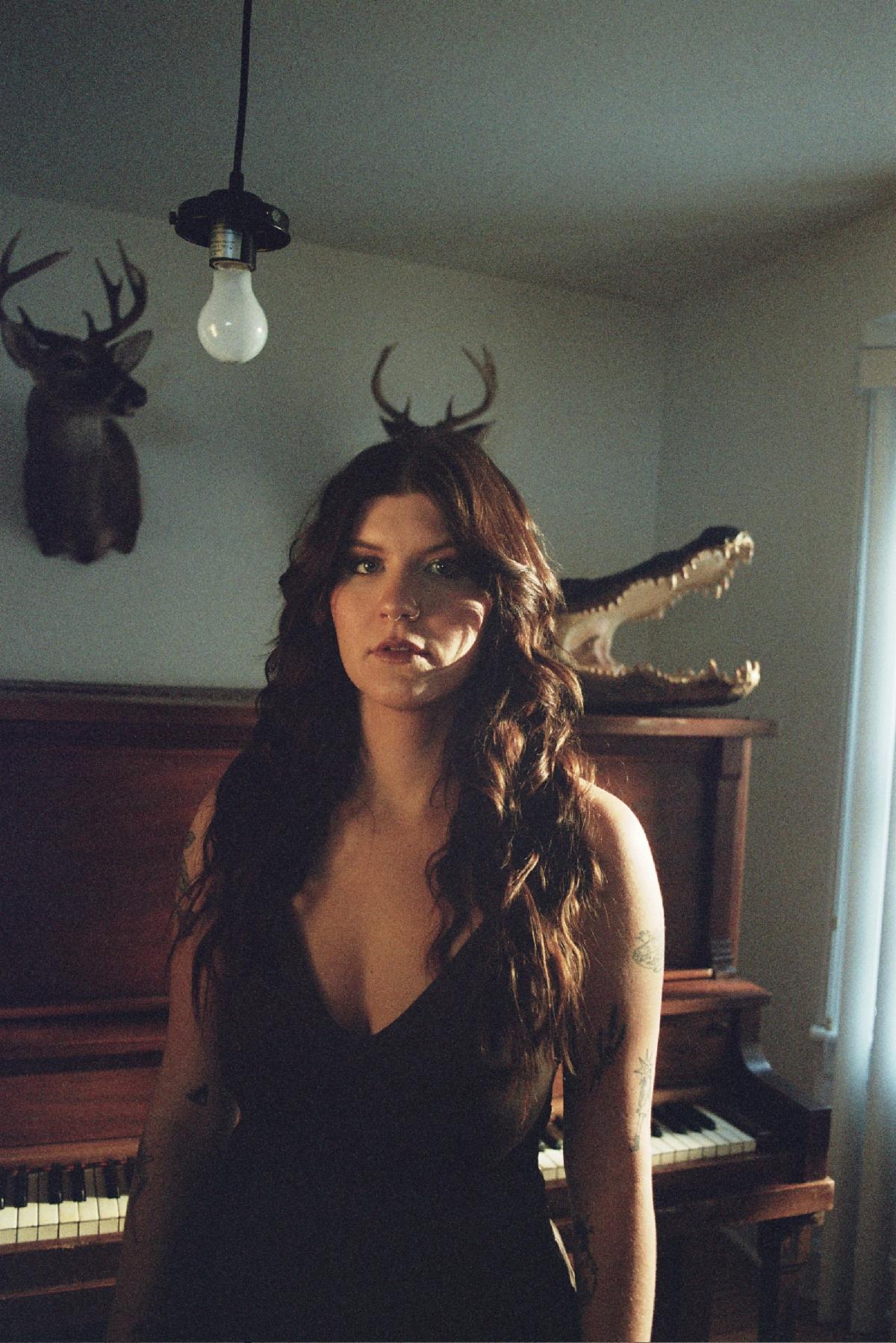
Gatlin’s internal tug-of-war – between belief and identity, loyalty and liberation – gives The Eldest Daughter its electricity.
You can feel it in the contrasts: one moment she is railing against the systems that shaped her, the next she’s finding compassion for the people inside them. At its heart, this album isn’t about rejection; it’s about reclamation. It’s about learning to love what made you, without letting it define who you become.
Nowhere does that tension feel stronger than on “Florida Man,” the record’s bold, liberating opener. What could have been a cheeky title becomes an act of self-definition, as Gatlin reclaims the state that raised her – both literally and symbolically. “I had the title in mind for a while because I knew I wanted all the visuals to be ‘Florida-coded’… so how could I not write a song called ‘Florida Man’?!” she laughs. “‘Florida’ to me in this song is a state of mind rather than the actual state. ‘I’m never going back to Florida, man’ to me means I’m never going back in the closet, I’m never going to not stand up for what I believe in anymore out of fear of ‘rocking the boat,’ and I’m never going to apologize for being my true self.”
That reclamation is both personal and poetic – a line drawn between who she was told to be and who she’s chosen to become. “It’s been really empowering to go back to the actual physical state of Florida to do all the visuals for the album and play a show,” she continues. “Because I got to show up as my complete self and reclaim it as my own. Because I truly do love so much about the state of Florida – and I think the end of the record, ‘Kissimmee,’ really gets to show you the beauty of it.”
“Florida Man” is defiance wrapped in melody, equal parts f* you and thank you. Gatlin turns her home into her muse, transforming discomfort into catharsis and fear into freedom. It’s a fitting introduction to The Eldest Daughter, an album that refuses to choose between anger and empathy – because Gatlin understands that healing often requires both.
From that moment forward, The Eldest Daughter opens up like a confession. Gatlin moves through shame, self-discovery, and reclamation with a fearless honesty that never sacrifices beauty for bluntness. Each song offers a different glimpse of what it means to unlearn – to peel back the layers of who you were told to be and uncover who you actually are.
On “If She Was a Boy,” “Man of the House,” and “Soho House Valet,” Gatlin examines identity, power, and pain through entirely different lenses, but with the same unflinching honesty. “If She Was a Boy,” written in London with two queer women, pulls from an old journal entry and transforms a private truth into a gentle, shimmering confession – a coming-out song wrapped in longing. Built on soft, reverb-washed textures, it feels like a diary entry brought to life – tender, trembling, and brave, cracking open the silence between who she was and who she’s finally allowed to be. “If I was born another time, another state / Would I be torn between someone you love and someone you tolerate?” she asks, her voice trembling on the edge of heartbreak.
I caught her like a cold in August
Is there a pill to stop the body aches?
She touched my hand said
“Wanna be chaotic”
I’ll do my time and pray it all away
She took all my plans and tossed ‘em
Drew up all my lines and crossed ‘em
Caution, talking to a guilty conscious
I don’t really think I’m seeing straight
If I was born another time another state
Would I be torn between someone you love
and someone you tolerate
I’m too afraid of
what you think and who’s above
But if she was a boy
I’d be in love
Where “If She Was a Boy” cracks the silence, the songs that follow raise their voices as Gatlin leans into confrontation – reclaiming her power and giving voice to the frustrations she once swallowed. “Man of the House” channels frustration into strength, her voice rising over guitars as she reclaims independence and autonomy: “I was single and living alone, handling so many different problems… and I did that. I handled it.” It’s her feminist anthem – sharp, self-assured, and unflinching in its defiance. “You were the man of the house / till I started paying the rent,” she sings, both biting and triumphant, standing her ground in the face of expectation. Gatlin turns anger into agency here, transforming resentment into resolve – a declaration of self-reliance that feels as cathartic as it does earned.
And then there’s “Soho House Valet,” the album’s fragile heart, born from a fight with her father outside a Los Angeles club. Recorded in one take, its original piano and vocal remain untouched – a raw and unguarded moment of release that captures what it means to finally let yourself feel. Together, these songs trace Gatlin’s path from silence to self-assurance, from the ache of holding it all in to the relief of letting go.
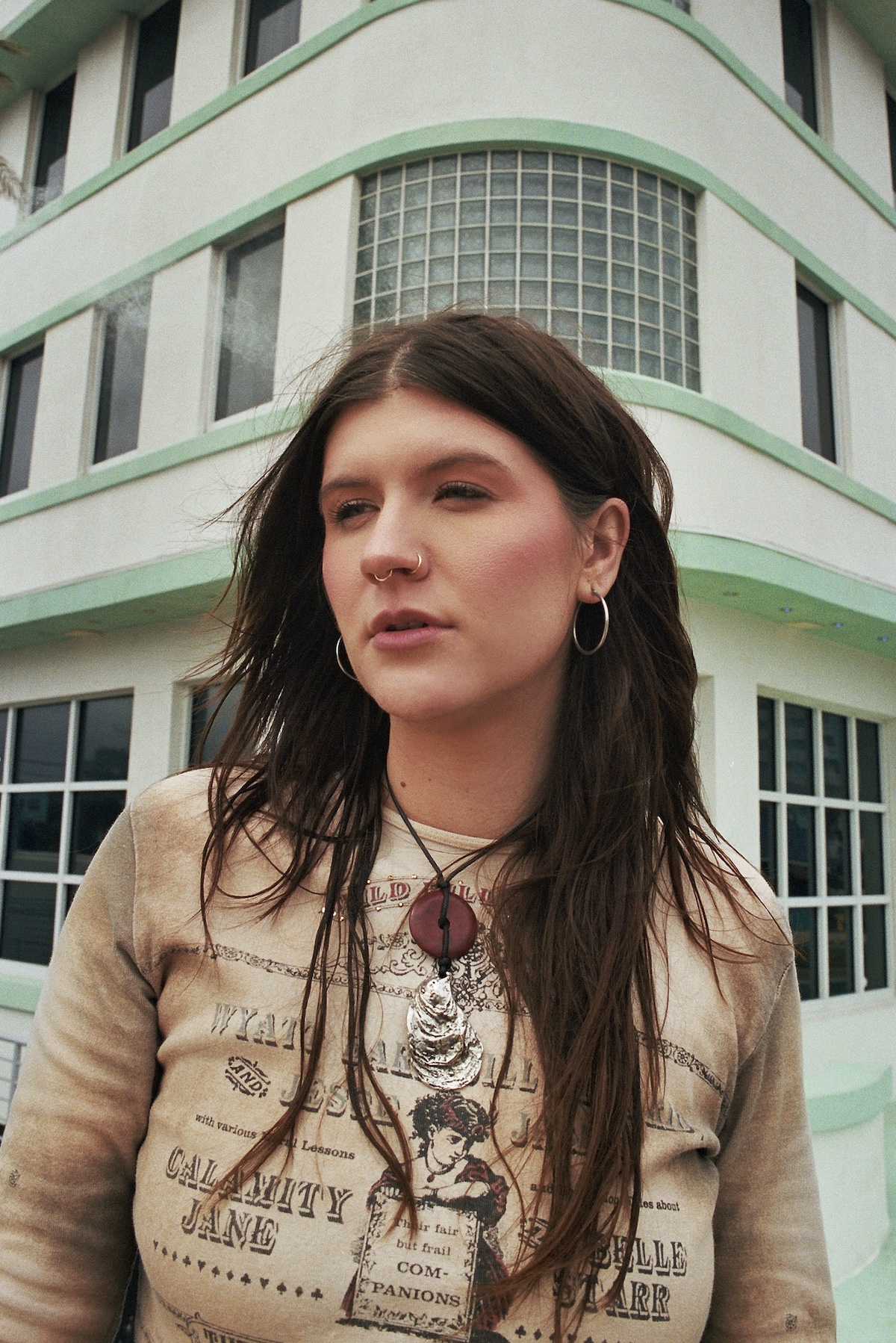
As the album unfolds, Gatlin dives deeper into the questions that built her. “Pipe Dream,” “Jesus Christ & Country Clubs,” “Happy,” and “The Hill” form the record’s emotional core – a sequence that wrestles with faith, ambition, and the fragile work of rebuilding belief in yourself. “Pipe Dream,” her first self-produced track, captures the uncertainty of chasing purpose in an industry that can measure worth by numbers. “Jesus Christ & Country Clubs” flips the same anxiety into rebellion – a darkly anthemic rejection of the world she grew up in and the parts of herself it refused to see. On “Happy,” she disarms her own depression with biting self-awareness, admitting to the delusions that once blurred pain and desire. And “The Hill,” the song she says she “really, really, really did not want to write,” faces her loss of faith head-on: a quiet elegy for the version of herself who still believed.
But Gatlin refuses to let the record end in mourning. By the time The Eldest Daughter closes with “Kissimmee,” she’s come full circle – barefoot in the Florida sun again, but this time on her own terms. “This song is about craving all the good parts of my childhood – the freedom and the loss of inhibitions,” she says. It’s a triumphant, heartfelt, and hopeful sendoff. What could have been nostalgia becomes renewal – a radiant exhale, a soft reclaiming of self. “Kissimmee” is her moment of lightness – a return to the Florida sun not as exile, but as home. After all the reckoning, there’s still joy; after all the unlearning, there’s still love. The Eldest Daughter doesn’t tie everything up neatly, but it ends with something better: peace, hard-won and wholly her own.
Kissimmee’s dead at dark
Pink camo pellet gun, I
brag about broken bones
There’s nothing I didn’t know
Drive blindly down the back road
I’m nobody yet so let’s go
Away away away
We can’t leave but we can’t stay
After the years, I miss being here
Can we run again
Fields of innocence
Oh, what a feeling
I never needed more
Each of these songs reveals a different facet of the same truth: that vulnerability isn’t weakness – it’s proof of growth. Heard together, they feel like pages from the same diary – moments of reckoning and release stitched into something quietly defiant. The Eldest Daughter isn’t linear; it moves like healing does, circling back on itself, revisiting old rooms with new understanding.
There’s catharsis in the anger, tenderness in the grief, and unexpected joy in the surrender. To listen from start to finish is to witness Gatlin learning how to hold her past without being held by it – turning every scar, every confession, into evidence of becoming.
As for favorite lyrics, Gatlin has a few:
“Smoking from my pipe dream”
*
“I was your star, now I’m a meteorite”
*
“I don’t really think I’m seeing straight”
*
“It’s uncomfortable to say
my Daddy called me a bitch today.
But he did… and I am”
*
“Maybe I don’t want your prayers,
I just want you to love me”
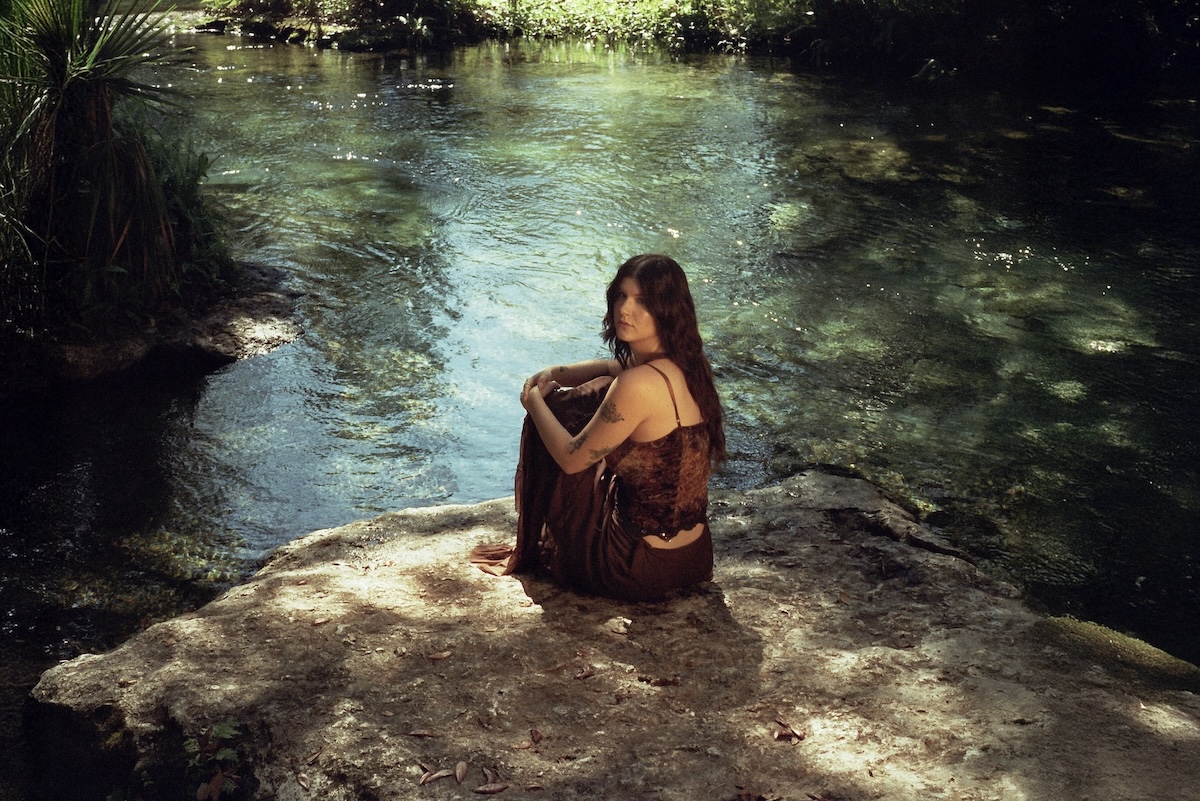
In another life, this might have been an album about escape; instead, The Eldest Daughter is an album about arrival.
Gatlin doesn’t reject her past so much as she recontextualizes it – pulling language, rituals, and symbols into new light, writing a map that honors what shaped her without letting it steer. She’s made the record she needed to make: Bold where it must be, fragile where it has to be, and unwavering everywhere in between.
“I want the fun songs to feel fun for anyone. I want the sad songs to find the ears who need it,” she says. “And overall I hope it could help people feel seen.” Asked to describe the record in three words, she smiles: “Honestly, that’s hard.” Maybe that’s the point – the truth here refuses to be small. In that sense, The Eldest Daughter is more than a debut; it’s a homecoming – to herself, and to the listener who recognizes their own reflection in her fire.
“This record is me exploring distance and perspective from my past – of owning the good and the bad and how they both informed the way I’ve made my own life.”
Experience the full record via our below stream, and peek inside Gatlin’s The Eldest Daughter with Atwood Magazine as she takes us track-by-track through the music and lyrics of her debut album!
— —
:: stream/purchase The Eldest Daughter here ::
:: connect with Gatlin here ::
— —
Stream: ‘The Eldest Daughter’ – Gatlin
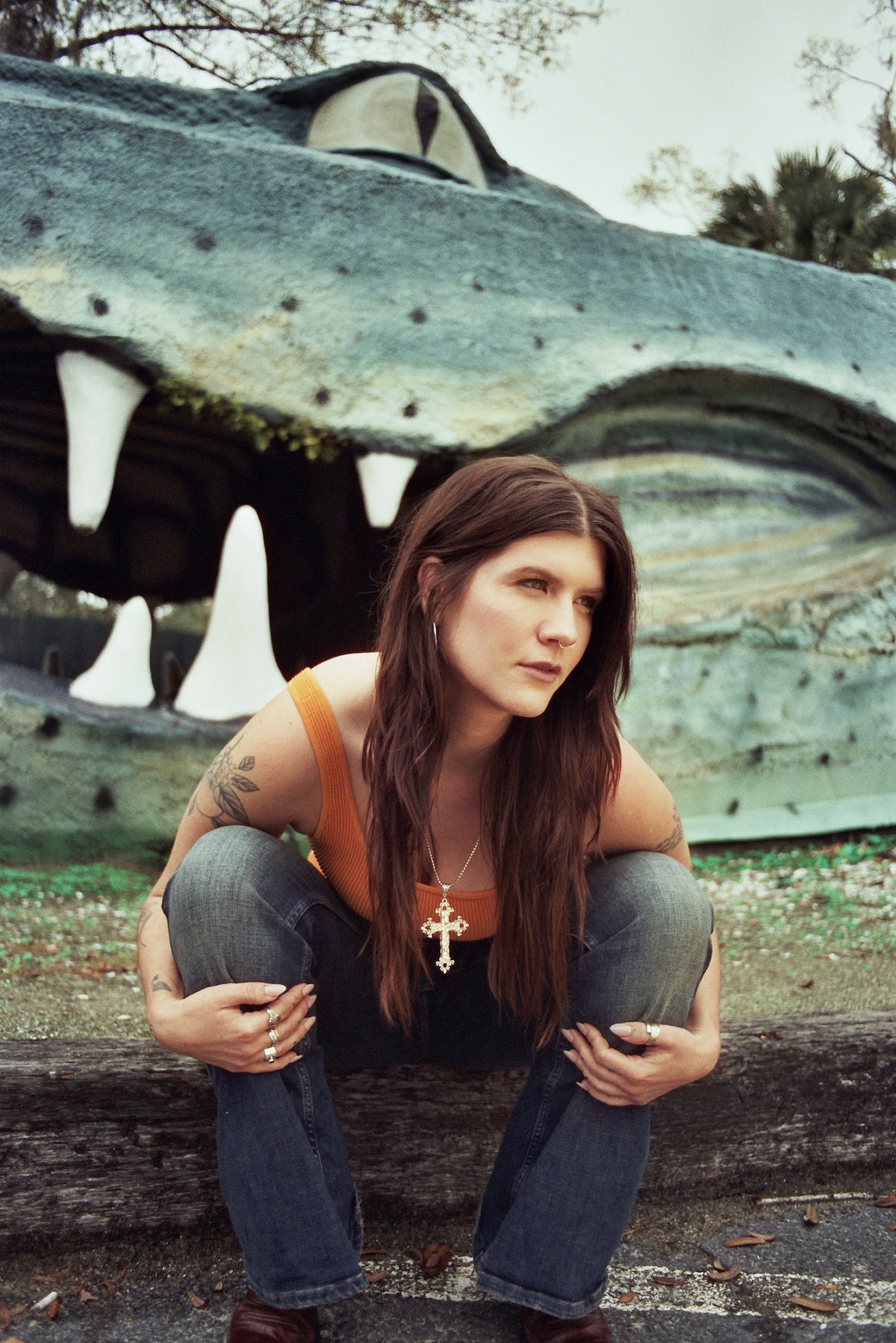
:: Inside The Eldest Daughter ::

— —
FLORIDA MAN
The irony of having written a song called “Florida Man” in London with a Brit is not lost on me. But this song is my empowering statement with a dash of ‘f* you’ to the life my family and community growing up wanted for me. I wanted it to soar and to feel free in the production because the lyric is not only about taking control of the life I’ve decided to live, but sticking up for it. I had been listening to a lot of Brit Pop and Rock since I was working in the UK – and specifically The Verve’s “Bittersweet Symphony” and Primal Scream’s “Screamadelica”. I think parts of those influences are seeped into this track.
IF SHE WAS A BOY
I wrote this bad boy with two incredibly talented queer women, Chloe Kraemer and Amanda Cy, while working in London. It was such a special room to be a part of – it’s not often I’ve gotten to make a track with all women. As I was packing for my trip to London, I had misplaced my current journal so brought one from years prior that had some empty pages in the back. The day before we wrote this song, I was flipping through the old pages and back in 2018 I had written about my first time having a crush on a girl. One of the things I had written was “If she was a boy i’d be in love” – so I brought that into Chloe and Amanda and it was one of the most seamless songs written on the album. Funny enough, the girl I had a crush on was from London, big full circle moment.
I wanted this track to be the first single because there’s a naivete and lightness to it while still being freaking sad as heck. It also feels like the one that feels closest to the old Gatlin so was a nice little bridge to usher in the new era of music.
MAN OF THE HOUSE
“Man of the House” is my feminist track – of course my album needed it. I wrote it at a time when I was extremely frustrated and disappointed by some of the men in my life, personally and professionally. I wanted a place to get some of that anger out and also feel empowered. I wrote it when I was single and living alone in an apartment and was handling so many different problems that arose… and I did that. I handled it. It was an incredibly empowering feeling. The idea of having complete autonomy and control over yourself was something I felt like I never had before. Not only physically in a space but over my mind and my emotions. I wanted to production to feel very indie rock and bandy – almost like we were at a live show and it was just my voice and the instruments.
SOHO HOUSE VALET
This is my favorite track on the album and was the first one I wrote. The north star for The Eldest Daughter. I wrote it after my parents had come to visit my sister and I in Los Angeles and my father and I got in a fight right outside of the Soho House in Downtown LA. I was going through a pretty dark time and that just sent me right over the edge. It was the catalyst for me to do a lot of work by myself and in therapy. It was one of the most vulnerable things I’ve ever written and I’m so thankful for Louis who was there to make such a safe space and write this song with me. As the eldest daughter, I’ve always felt like I had to be strong and never burden anyone… yet I have such big emotions and have had ‘heavy’ things happen to me that can be scary to talk about and share with the people in your life. This song is just that inner monologue. The piano and vocal in the track are from the day we wrote it and I haven’t sang it since. It just feels so raw and perfect just the way it is.
LOVE ME
This is my second ever self-produced track. It was so wildly personal that I just wanted it to be something I worked through and could take my time with. I brought the original idea to Hayley and Gabe who helped me finish it. I can’t listen to this song without crying. It’s just asking someone to love you for exactly who you are.
PIPE DREAM
This was the first track I ever self-produced. I had the idea of “smoking from a pipe dream” for months and one day just decided it was time to write it. I had hit a point in my career where I was comparing everything to the success of my song “What If I Love You”. Nothing was even coming close to touching it and my value and worth as a creative was very tied up in that. It’s a song where I’m just looking at my life and realizing I’ve put all my eggs in this music basket… and what happens if all of this doesn’t work out.
JESUS CHRIST & COUNTRY CLUBS
I am so lucky to get to write often with one of my closest friends, Liza Owen. Once in a conversation I said something along the lines of my old life being full of Jesus Christ and country clubs… which Liza wrote down and had on her phone for months before we brought it to Jenn. This is the more rebellious track – about not being able to fit in where I grew up and not wanting to. I played a part for so many years growing up and when I finally left Florida I really got to discover who I am – and parts of who I am are rejected by my community and family. I wanted the production to be slightly dark, but anthemic.
The music video was SO much fun to make – I got to really play a character that I know very very well.
HAPPY
I started writing this song with my friend Carrie K a couple years ago about my depression. It started when I was talking about how I would sometimes daydream about ending up in the hospital so then this guy I liked would come visit me and realize he was desperately in love with me – and also would remember to text me back. Peak of delusion!!! Yeah, this song is just about good ole depression. I was listening to a lot of Avril Lavigne and Mazzy Star when we were doing the production on this song – so it was heavily influenced by that.
THE HILL
This is the last song I wrote for this album… it was the one I really really really did not want to write. My friend and roommate Tessa Mouzourakis from the band Tommy Lefroy wrote and produced it with me. I don’t think I could’ve made it with anyone else because it is something I feel scared and embarrassed to talk about with most people. For me, this song is about walking away from Christianity and my relationship with God. It was truly the greatest loss of my life and the hardest thing I’ve ever had to go through. It felt like I was slowly losing myself as I was leaving Christianity. I had written the outro part a few years ago and showed Tessa a recording of it – she had the brilliant idea that it should be the outro. This song means a lot to me.
KISSIMMEE
I wrote this with Jenn Decilveo and Liza Owen – who also wrote Jesus Christ & Country Clubs with me. This song is about craving all the good parts of my childhood – the freedom and the loss of inhibitions. I was born in Kissimmee, Florida and was a barefoot little wild child and sometimes I wonder when I lost her. This song is just the yearning for that feeling again.
— —
:: stream/purchase The Eldest Daughter here ::
:: connect with Gatlin here ::
— —
— — — —
Connect to Gatlin on
Facebook, 𝕏, TikTok, Instagram
Discover new music on Atwood Magazine
© Luke Rogers
 © Luke Rogers
The Eldest Daughter
an album by Gatlin