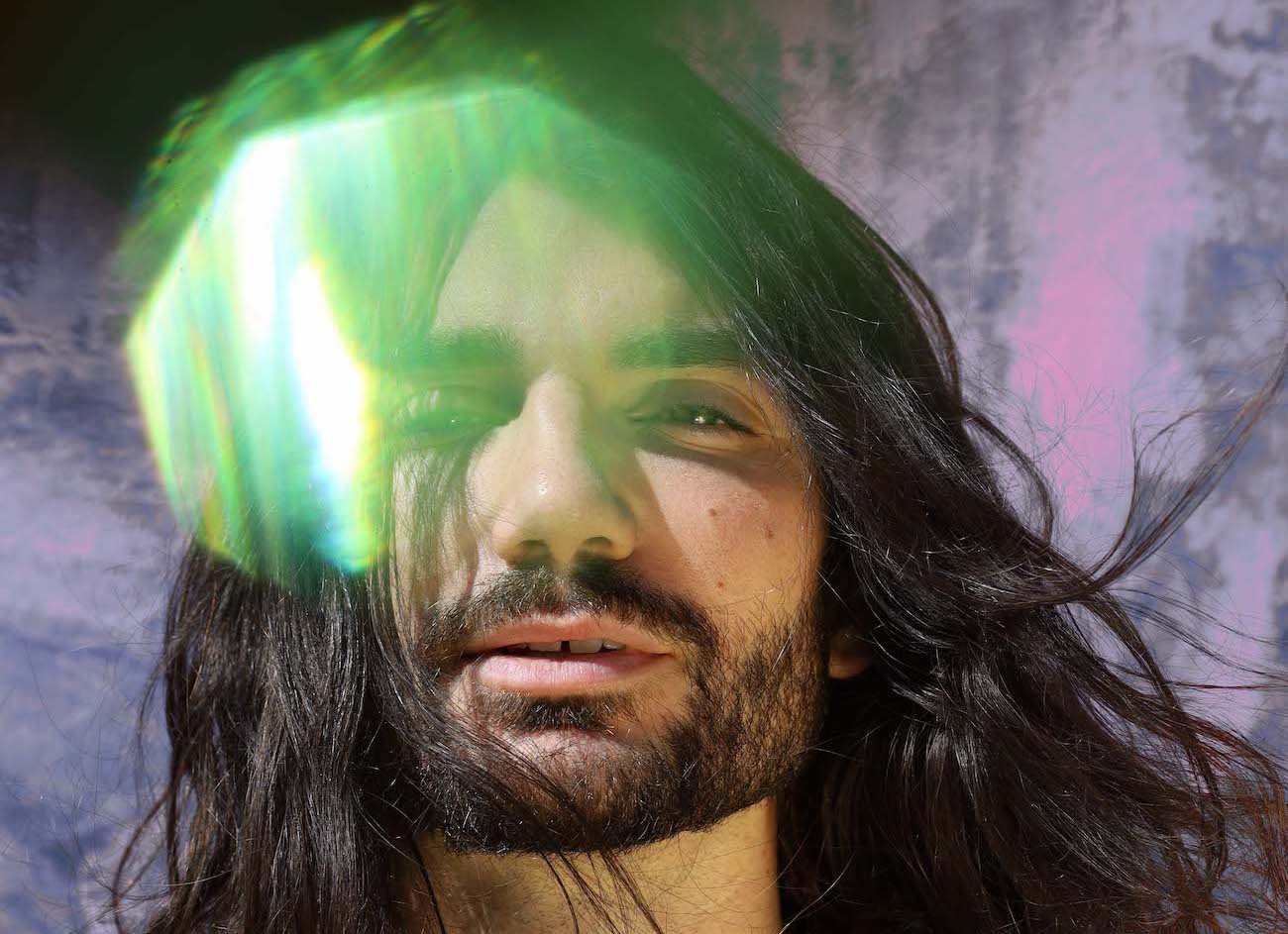
After years of reckoning, reinvention, and rock-fueled rebellion, Demi Lovato is dancing again, this time with joy as her muse. Her ninth studio album ‘It’s Not That Deep’ marks a radiant return to pop, trading angst for ease and confession for celebration. It’s the sound of an artist who’s finally learned that sometimes, freedom means simply having fun.
Stream: ‘It’s Not That Deep’ – Demi Lovato
After years of weathering creative storms and personal reinvention, Demi Lovato’s ninth studio album, It’s Not That Deep, arrives as an exhale in a 32-minute kaleidoscope of joy, freedom, and rediscovered lightness.
The title alone reads like a manifesto: a dismissal of self-seriousness in favor of movement, pleasure, and the kind of laughter that comes when you finally stop apologizing for who you are. Clocking in at just over half an hour, the album is a tight, euphoric dance-pop escapade that trades in heaviness for rhythm, catharsis for groove, and confession for clarity.

Lovato’s career has been marked by its fearless oscillation between genres and emotional extremes. From the emotional pop-rock of Don’t Forget to the heavy guitar catharsis of Holy Fvck, she has never been afraid to meet her listeners in the trenches. But here, she ascends, from them, not to avoid the dark, but to dance through it. “This album represents an exciting chapter for me, which has been filled with joy, freedom, and lightness,” Lovato said in the press release statement, and it’s that spirit of liberation that fuels It’s Not That Deep. It’s both a return and a revelation: a reembrace of pop, this time entirely on her terms.
From the first electric pulse of opener “Fast,” it’s clear that Lovato is not just revisiting her pop roots, she’s remodeling them. Built around a slick, EDM-inspired beat, “Fast” is a lightning bolt of kinetic confidence. It’s a mission statement for the record: uncomplicated, infectious, and unapologetically fun. Where the singer once used music as a mirror for pain, here it’s a vessel for movement. The production, courtesy of Zhone, is sparkling yet muscular, a seamless blend of nostalgic dancefloor beats and contemporary electro-pop sheen.
The follow-up track, “Here All Night,” transforms heartbreak into a fluorescent anthem. Lovato’s powerhouse vocals ride atop shimmering synths and a bouncing electronic beat as she declares, “To get over you, I’ll be here all night.” It’s the kind of chorus meant to be shouted through glitter and sweat, a heartbreak made bearable by the bass line beneath it. The production flourishes with carnival-like textures that evoke the freedom of letting go, while Lovato’s delivery, full of precision and abandon, reminds listeners why she remains one of pop’s most dynamic vocalists.
The middle stretch of the album is where Lovato and Zhone lean hardest into experimentation, without losing cohesion. “Frequency” feels like a neon fever dream, its hypnotic chorus echoing Madonna’s Erotica while a distorted bass vibrates through the floorboards. Lovato toggles between sung and spoken lines, commanding and coy, her voice processed into a seductive haze. It’s one of the album’s most intoxicating moments, not because it’s perfect, but because it feels alive.
“Let You Go,” with its nostalgic ‘80s synth flourishes and bittersweet lyricism, slows the tempo just enough to take a breath. There’s a melancholy undercurrent here, proof that Lovato’s emotional depth still runs beneath the surface shimmer. On “Sorry to Myself,” she glances back at old wounds – “Sorry for the starving, sorry for the burnout” – and the moment lands like a sigh of self-forgiveness rather than self-flagellation. It’s a small but moving piece of the puzzle, reminding us that lightness isn’t ignorance of pain; it’s the strength to dance despite it.
The album’s centerpiece, “Little Bit,” is pure pop perfection. Playful, sultry, and impeccably produced, it’s Lovato at her most charismatic. “Maybe we’re one and done, or maybe I’ll hit it twice,” she teases, her tone flirtatious but self-assured. There’s an easy humor here, a winking self-awareness that elevates what could have been standard club fare into something genuinely magnetic. It’s not that deep, indeed, and that’s exactly why it works.

“Say It” keeps the tempo high, driven by a four-on-the-floor rhythm and an insistent demand for emotional honesty. Meanwhile, “In My Head” injects a dreamy, ethereal quality, blurring the line between fantasy and self-deception with a melody that sticks instantly. Lovato’s lyric, “I should be an author, the way that I can twist every word,” lands as both confession and flex, proof of her continued lyrical wit even in pop’s glittering landscape.
The cheeky “Kiss,” one of the album’s pre-release standouts, toes the line between camp and seduction. Its tongue-in-cheek innuendos, “It’s not that deep, unless you want it to be,” might raise an eyebrow, but they’re delivered with such charm that they become part of the fun. The production gleams, the chorus soars, and Lovato sounds like she’s having the time of her life. It’s a moment of pure self-celebration that encapsulates the album’s ethos.
As the record glides toward its conclusion, “Before I Knew You” and “Ghost” add welcome depth. The former recalls the empowerment pop of Lovato’s early career, think “Heart Attack,” but tempered by newfound maturity. “Ghost,” the sole ballad, closes the record with a haunting beauty. Over choppy electropop textures, Lovato stretches her voice to its breathtaking limit, ascending into her whistle register as she croons, “If I am the first one to go, you know I’d never leave you alone.” It’s a spectral finale, part love song, part reckoning, that leaves a lingering shimmer of emotion long after the beat fades.
From a musical standpoint, It’s Not That Deep is Lovato’s most cohesive pop record since Confident. Zhone’s production work is crisp, colorful, and consistently engaging, weaving threads of house, hyperpop, and early 2010s dance-pop nostalgia into something that feels both timeless and current. The arrangements are lean but purposeful, giving Lovato’s voice space to dominate without drowning in effects. Each song has its distinct personality, but together, they form a sonic ecosystem of joy, one that thrives on movement, not melancholy.

In terms of music quality and production, the album scores high. The mix is immaculate, with sharp percussive detail and lush, full synthscapes that never feel overcrowded. Lovato’s vocals are front and center, raw where they need to be, polished where they should be. On lyricism, the album doesn’t always reach for profundity, but that’s precisely its point. There’s intelligence in restraint; after years of diving deep, Lovato is finally skimming the surface, and it’s beautiful up here.
Content originality and arrangement stand out as well. While many pop artists flirt with retro sensibilities, Lovato reclaims them. Her use of 2010s dance-pop tropes feels less like nostalgia and more like reclamation, a reminder that she helped shape that sound in the first place. Sonic diversity is present but disciplined; the album moves between moods without losing focus. And in memorability, Lovato easily earns a nine: these hooks are engineered to live in your head for weeks.

It’s Not That Deep is both a declaration and a delight. It’s Demi Lovato freed from expectation, of genre, of message, of weight.
It’s a reminder that joy, too, can be an act of resistance, and that healing sometimes looks like dancing until sunrise. The album doesn’t demand that we overthink it; it just asks us to move.
For an artist who has spent nearly two decades baring her soul to the world, Demi Lovato’s choice to let go and have fun might be her boldest artistic statement yet. And in doing so, she’s given us her most luminous, life-affirming record to date. It’s Not That Deep, and maybe, for once, that’s exactly the point.
As I mentioned in my previous review on Atwood Magazine, Demi Lovato reunites with her pop roots in a dazzling burst of freedom, desire, and clarity, trading rock’s grit for pop gloss once again – but this time, she’s in full control of the wheel. And for the complete body of work, it still stands true.
— —
:: stream/purchase It’s Not That Deep here ::
:: connect with Demi Lovato here ::
— —
Stream: “Here All Night” – Demi Lovato
— — — —

Connect to Demi Lovato on
Facebook, 𝕏, TikTok, Instagram
Discover new music on Atwood Magazine
© Jane Dylan Cody
 © Jane Dylan Cody
It’s Not That Deep
an album by Demi Lovato