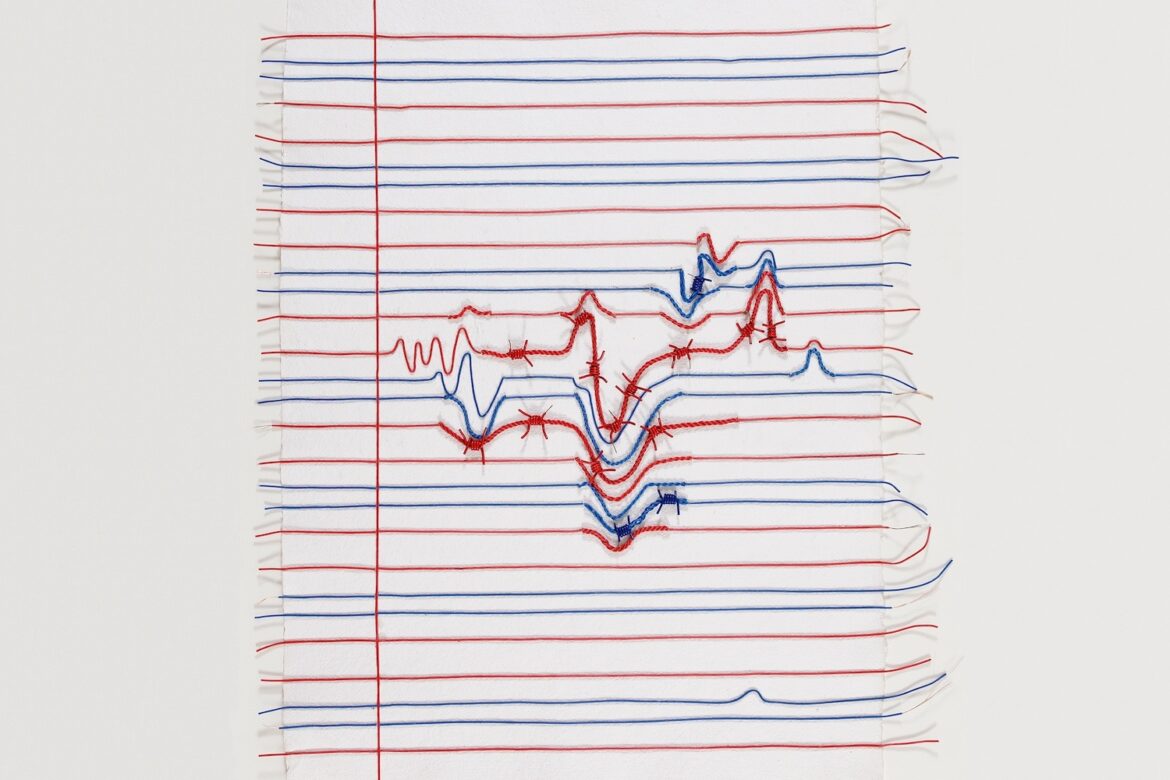
The creative minds behind Western Vinyl’s new benefit compilation album ‘Passages: Artists in Solidarity with Immigrants, Refugees, and Asylum Seekers’ sit down with Atwood Magazine to discuss the purpose of art, the platform we share, and the collective struggle for liberation.
‘Passages: Artists in Solidarity with Immigrants, Refugees, and Asylum Seekers’
In our notes on the record, we talk about realizing that the idea of home is under threat, and when it’s threatened for one of us, it’s threatened for all.
* * *
It’s an easy feat to speak up against socio-political injustices of our time, but it’s not an easy feat to stand up to it.
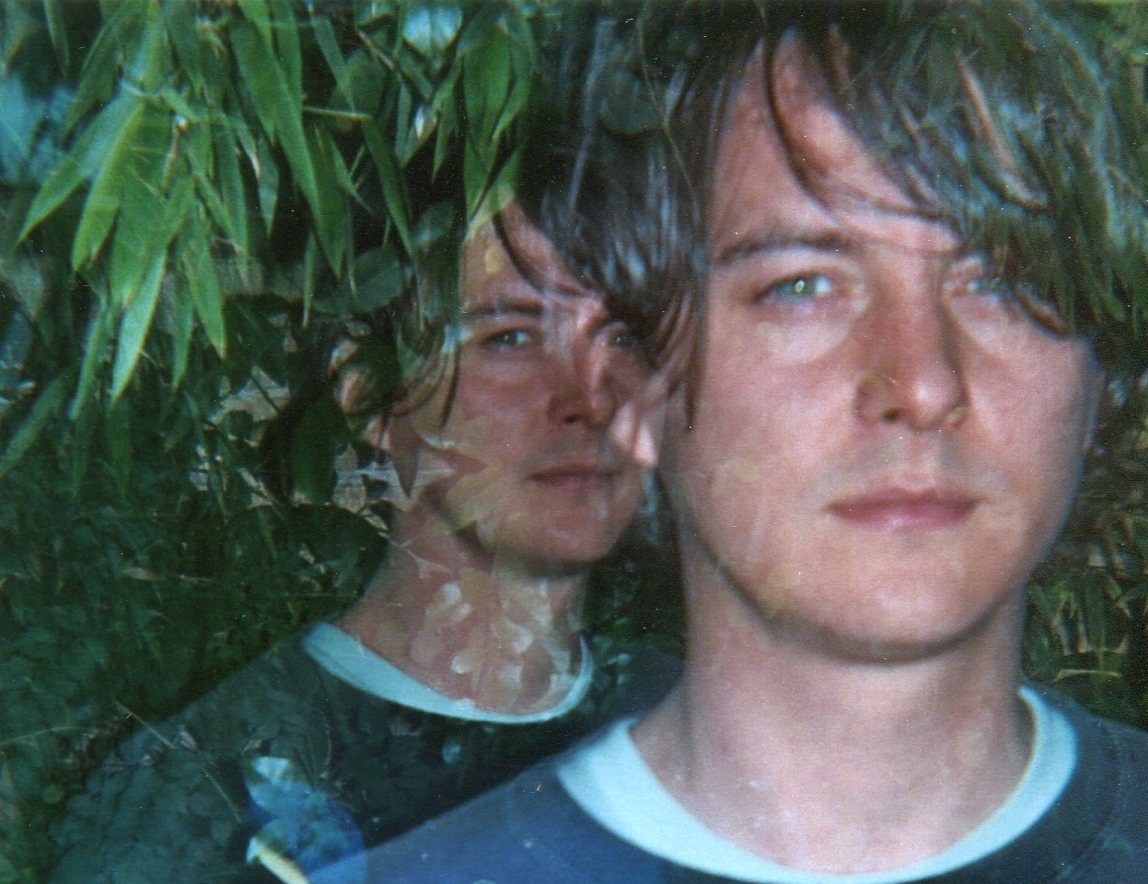
Following Trump’s re-election in November 2024, Rick Alverson and Emilie Rex spent the next year quietly organizing. This December, they release Passages: Artists in Solidarity with Immigrants, Refugees, and Asylum Seekers via Western Vinyl.
The album combines all new contributions from the likes of Alan Sparhawk, Benjamin Booker, Dirty Projectors, Lambchop, Daniel Lopatin, Bonnie “Prince” Billy, and more. The melancholia rises and falls in Sparhawk’s voice in “No More Darkness,” while Booker’s foot tapping away in the distance can be heard in “A Place for Us” as he emotes over acoustic guitar. What makes this record special was that artists were instructed to record their songs in a place that “felt like home” to them.
“Home” – a concept that is quickly being shifted from beneath our center of ground – is something that Alverson and Rex ruminated on expansively during the making of this record. Faced with mass deportations and racial attacks, the American public is forced to take a second look at what “home” means – and how we tie that to our sense of being, belonging and safety. In Rex’s words, “none of us are free until all of us are free.”
Most heartwarmingly, all proceeds from Passages will provide relief to American Gateways and Casa Marianella, two Texas-based organisations that provide no-to-low-cost legal services, food, shelter, access to health care, and other essential services to immigrants, refugees, and asylum seekers.
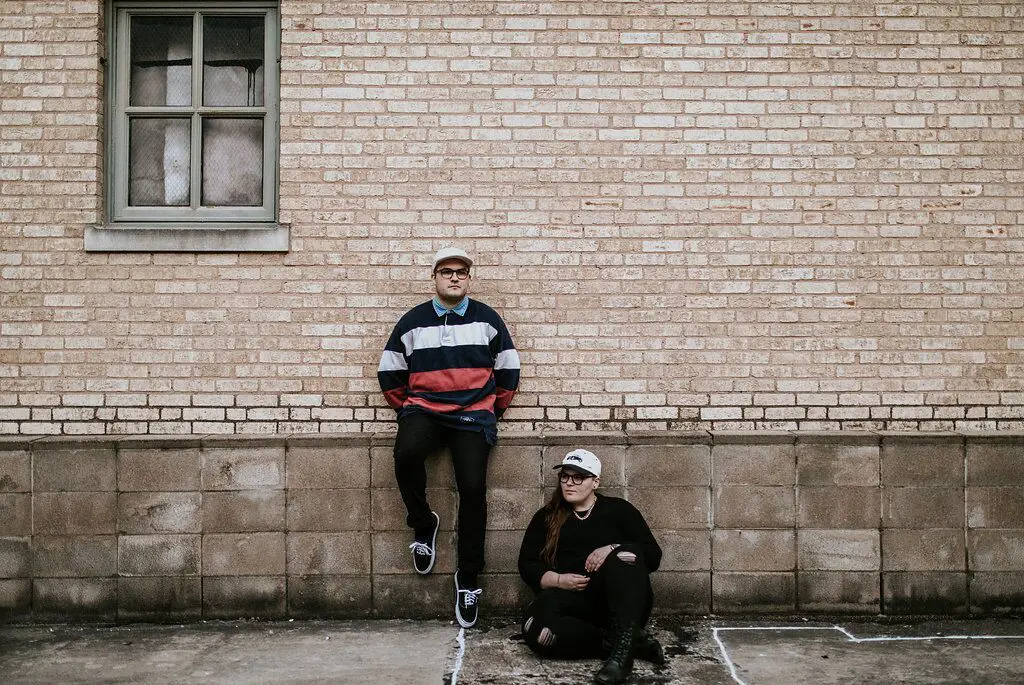
Atwood Magazine sat down with Alverson and Rex, the creative minds behind Passages, to chat about conceptualizing the album, what this record means to them, and how making it has been a lesson to them in political art and practice.
— —
:: stream/purchase Passages here ::
:: learn more about Passages here ::
— —
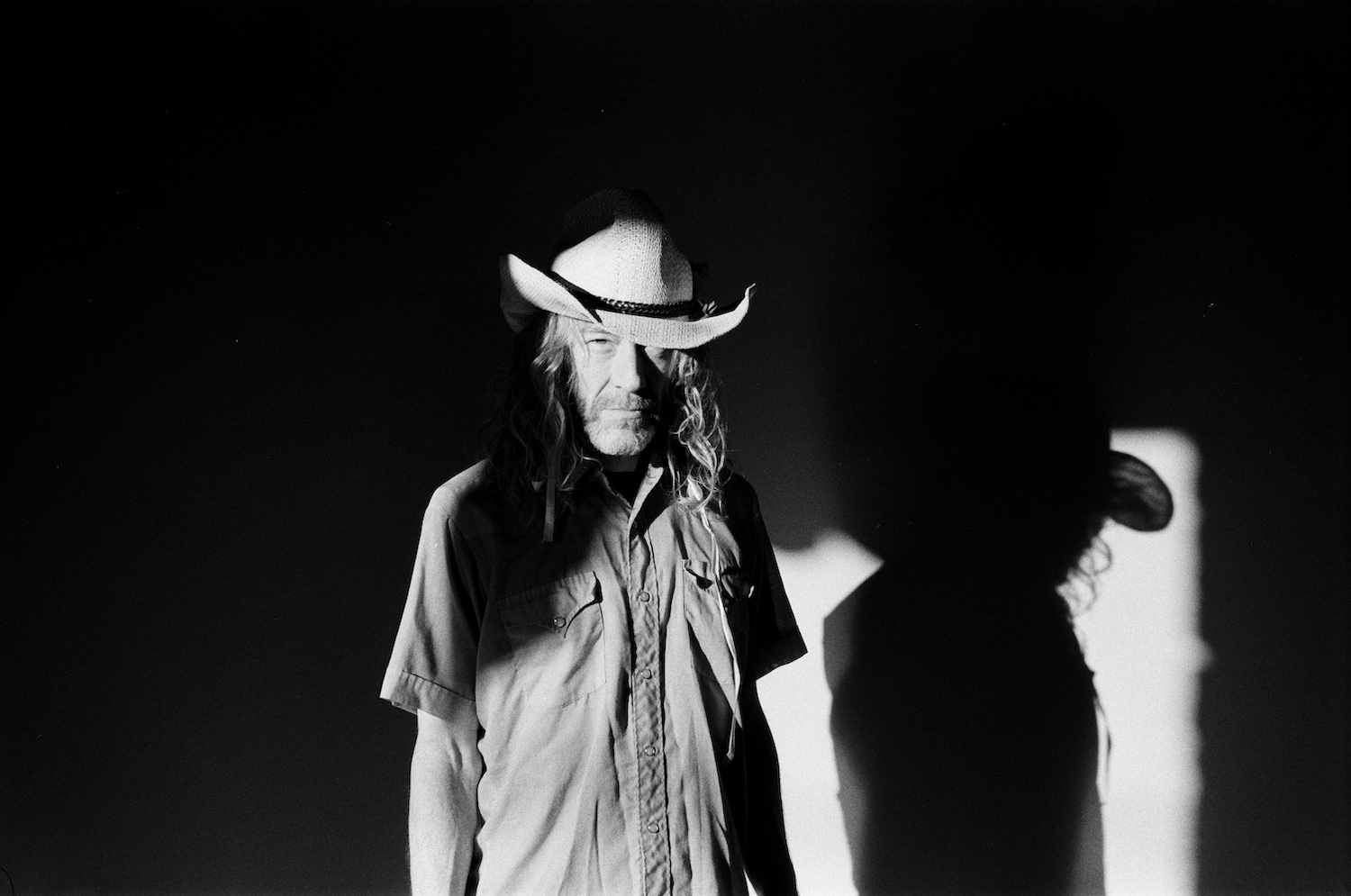
A CONVERSATION WITH RICK ALVERSON AND EMILIE REX
Atwood Magazine: I think this is a really bold project to embark on. I can’t believe we live in a time where we say that, but that is our current reality. To start, can you speak a bit more about the conception and the ideation behind Passages?
Emilie Rex: After this last election in November, we reached out to a couple of friends who were doing work we knew was going to be a political focus in this administration we’re in now. One of our friends, Natalie Drelichmann, who works at American Gateways, had a conversation with us. We were all in anticipation of this whole thing, and she knew we were musicians and Rick’s a filmmaker. She was like, “Well, what if you did something with music?” So we started talking about this idea of pulling together a record.
From there it evolved. There were so many incredible compilations out there, and we knew a lot of people would be convening artists to support different causes. So we decided to take a little more time with it. We reached out to people asking them to write origin songs, which is slightly different from what a lot of compilations do when responding to an emergency.
Because this is a slow-moving emergency and a campaign of cruelty, we wanted to give artists space to create something new, but do it in a way that also communicated the rawness and urgency of the moment. That’s where this idea of writing and recording a song in a place that feels like home came from. It provided folks a chance to welcome us into their home, but it was also a gesture toward protecting and celebrating that same idea of home.
It split the difference between being accomplishable in a short enough period of time, but also giving artists the chance to sit in the idea of the record and channel their voice into this space.
Rick Alverson: Yeah, and I think there’s a component to that. This is reflective, and because it’s intimate, and folks were prompted to write on their phones, it was immediate and raw and should be done in a place where you feel safe. There’s a comforting, intimate, domestic, localized, quiet sound to most of the record.
It’s fascinating because in sequencing, we realized it’s comforting to listen to, but it’s paired with this grave and urgent, albeit slow-moving, campaign of dislocation and inhumanity. There’s an interesting conflict there. A person listening, thinking about what the record reflects and what it points toward, gets this immediate sense of: “Wow, I’m thankful, and this is tenuous and precarious.” This comfort. In our notes on the record, we talk about realizing that the idea of home is under threat, and when it’s threatened for one of us, it’s threatened for all.
I really like what you said about the contrast between intimacy with this loud displacement that’s happening outside. I’m wondering if you gave artists any other prompts besides recording in a space that felt like home, whether in terms of recording approach or writing?
Emilie Rex: We made it that they could record through whatever was accessible – home studios if they had them, but without grandeur. We made it clear they could record in MP3 or MP4 formats on their phones. That contributes to the intimacy.
We have two folks on the record who have been clients of the organizations and are musicians. We wanted to connect with their experiences and make sure those voices were represented. We gave them a couple of starting points if they wanted to share something. One was: What does home mean to you? It could be here, a place you left, a place you found, somewhere along the way. Another was reflecting on the idea of passage – what it means to be in search of safe passage on your way home.
Occasionally we had to check in with ourselves: Are we talking about movement? Home? How do we thread the needle here? But I hope they feel deeply connected. None of us are free until all of us are free. When immigrants, refugees, asylum seekers express the right to safe passage, they’re doing that for all of us. They’re putting their bodies on the line for all of us, in search of home – whether that’s returning when one’s home is safe or finding a new one.
Rick Alverson: And at some point in our histories as U.S. Americans, there’s passage in all of our backgrounds, unless we’re Indigenous. This idea that passage isn’t essential and innate in the DNA of our country is problematic. Movement is afforded to some and not others. And we have free movement of goods across borders while human beings can’t.
Can you tell me more about American Gateways and Casa Marianella?
Emilie Rex: I went to school with my friend Natalia Drelichmann. She’s an attorney and co-director of operations and programs at American Gateways. I was familiar and in awe of her work – folks laboring every day to fulfill the promise of what this country was supposed to be for everyone. American Gateways offers low-to-no-cost legal services to immigrants, refugees, and asylum seekers. They have a sister organization, Casa Marianella. They’re a shelter; they do legal aid, access to healthcare, food, and classes.
Natalia felt strongly that we should include both organizations because together they provide comprehensive services for folks transitioning into the U.S. They’ve been doing this for decades, founded in ’86 and ’87 in response to people fleeing Central America. For us, this has been a learning experience. These listening parties connect the themes of the record with local organizing, and every city we go into, we learn about this rich work that’s been going on for decades. Every town has its own American Gateways and Casa Marianella.
Rick Alverson: There’s frustration among people who don’t support inhumane approaches to problems – disgust, impotence, feeling like nothing can be done. Your vote matters every two to four years, but what about the rest of the time? With this record, we’re highlighting that there are local organizations you can support, learn from, engage with. Hopefully, the record sits in people’s living rooms and reminds them there is something to do, and awareness is accessible.
That’s beautiful. I was going to ask about the multimedia aspect. The limited edition with literature, photography, poetry - the collaborative nature of it. Even making the album is an act of resistance. Tell me more about the listening parties you’re doing alongside this release.
Emilie Rex: We’re doing one in Chicago, New York, Austin, likely Richmond, a friend’s doing one in West Virginia, and we’re talking about LA. The idea is to connect the spirit of the record to local action. Spaces of comfort are important, but they should also be a call to action to protect everyone’s right to experience comfort.
Listening to the record is the first step. The parties are a couple of hours. In New York and Chicago there’ll be a DJ spinning records, including Passages songs. We’re working with local organizations. In Chicago, we’re working with Pilsen Alliance and Community House. They did the Whistle Warrior Project – orange whistles people use during enforcement activities so neighbors know law enforcement is present. They’re bringing whistles and doing whistle training. Illinois Coalition for Immigrant and Refugee Rights will do a Know Your Rights training. We’ll have live music from Passages artists.
It gives people tangible ways to walk away with tools: something they can do in their neighborhood, ways to engage safely and protect their neighbors. We’ve had incredible conversations with these community groups – everything from court accompaniment to rapid response teams to calling into court for folks going through the judicial process.
Rick Alverson: These are legal organizations the record supports, and the front lines of this fight are happening in court, because protest and collective voice are being ignored. American Gateways has the capacity to be co-plaintiffs in big legislation or submit briefs. They’re doing national policy work and direct support at the same time.
Was there a specific moment around the election where you thought: “We have to make this album, we’re doing it now”?
Rick Alverson: I think it came from collective frustration and the idea that within our fields we could mobilize and heighten awareness and raise money for organizations threatened and needing literal capital to keep operating.
Emilie Rex: Yeah. Rick’s a filmmaker, and we have a lot of questions about the value of art at this point – trying to explore and reclaim it. We’re not lawyers or doctors. Art gets relegated to decorative or entertainment, but art is at the center of community. We wanted to use it to bring people together in a different way. That’s why we didn’t stop at a physical record. We wanted events. We wanted to use art as an excuse to see what’s possible.
How would you say your relationship with these issues has changed since embarking on the project?
Emilie Rex: For me, we tried to approach this with humility, but the more you know, the more you know you don’t know. It’s endless layers of complexity and nuance. But it clarifies your values. Doing things like this helps you articulate them. Being humbled but also clearer about what I feel and why.
Rick Alverson: For me, there’s a constant in my work around muddying the partitions between art as transactional comfort and art that interrupts comfort. Sometimes art as salve is necessary; sometimes it becomes regressive. Ideally, this record is comfortable to listen to but situated against something harrowing. People being stripped from homes and communities while we’re helpless, watching from afar.
The restlessness it creates might push someone to act. To put resources forward, investigate organizations, talk to their community. And there’s a tradition of folk music where urgency coexisted with everyday life.
Would you say your relationship with your art has changed?
Rick Alverson: To be brutally honest, we step into a marketplace that can be indifferent because there’s so much information. It’s a struggle to get the word out. We’re thrilled you’re engaged. Saturation and capacity for engagement have degraded, strategically so by manufacturers of content. If everything is accessible, nothing is important. It’s interesting and troubling, but we’re thrilled to talk about this because there are avenues for engagement.
Was it challenging to get people engaged?
Emilie Rex: I would say, almost universally, everyone was eager to do something, which was really, sort of like, oh wow. I mean, there should be this engagement if it’s offered. People are hungry to move the line of value from this decorative utility of the arts and comfort into something that has immediate measure and meaning. And we reached out to a lot of people, and a lot of people got back to us. There were issues with time. Lots of folks we didn’t get to till right toward the end, and they were like, “We absolutely love this project and would love to participate, but we just don’t have the time.”
I mean, one issue, especially when we were first reaching out, there was so much going on from January to April in terms of the dismantling of the federal government and social services. There were so many different things. Our attention, personally, was so divided between so many catastrophic things. You are living it as you’re making art about it; that’s a lot. There was just a lot of artist energy around supporting people in LA. Everyone’s attention was so divided. There was a lot of that tension in the conversations we had too.
Honestly, we’re so grateful that the artists who did agree were so willing to spend time creating work at a time when attention is so divided. It can be really hard to make art under those circumstances. And there were so many other people asking them to do other really critical things at the same time. We never want to take anyone’s energy away from another thing, but that’s the idea: how do we hold space, attention, and effort, and direct it toward supporting each other in lots of different spaces.
There’s something to be said about what people in the creative industries could be doing to make more use of their platforms. How do you think other artists can use that platform or privilege to speak for the community?
Rick Alverson: I mean, it’s a question for us in our own practices, but advice to other artists is tricky.
Emilie Rex: I think Rick and I would never be like, “All art has to be explicitly about politics.” We took a songwriting class with Brian Eno in January, and he is such an incredibly engaged person politically. We read David Lynch’s Catching the Big Fish. It’s all about the pond that you’re fishing from. Maybe I’m not using the metaphor right, but if you are engaged politically, and you are paying attention, and you’re channeling your effort into that space, I personally believe that the pond you’re fishing from artistically is going to be impacted by that engagement. Whatever you pull out of that pond, whatever you end up making, is going to reflect that.
It doesn’t have to be a song about human solidarity to say I believe in human solidarity. But engaging in that space enhances the work I end up producing. That’s philosophically and politically what I would hope for myself and what I would hope for other people.
Rick Alverson: Right. Good practice and great art is often synonymous with an engagement of some kind, an awareness. Whether it’s engagement with a material or contention with it. There’s conflict necessary in that thing. There’s struggle.
And in a time where we are fighting in these awareness economies and struggling to pierce this blanket of muted consciousness in this glut of information, I think artists… there should be a call for us all to ask why we’re doing what we’re doing, and what value it has. As opposed to just carrying on as though the world isn’t changing at breakneck speed. So there’s, I think, a necessity and a duty for us all to stop and say: Where is this value? What is the need? I think only good can come from that.
What do you hope your audience will take away from this project in its entirety?
Emilie Rex: Yes. I mean, I think there will be a lot of folks already doing really incredible work. Like you said, I hope it gives them a minute to rest and celebrate that work. If there are people looking to do something else, hopefully they have some time to reflect and maybe connect through one of these events, or just learn a little more on their own.
No matter what, we hope people are able to listen in a place that feels like home to them, and that it solidifies a belief that that right should be everyone’s right, and that they dedicate time and effort to protecting that right for everyone, whether continuing work they’re already doing or getting engaged in a different kind of way.
Rick Alverson: And an awareness. Hopefully there’s even a formal component of the record that instills this feeling of the fragility of home. How fortunate those of us who have safety and comfort and resources are. How tenuous and fragile that space is. Those at risk, those who are suffering, there’s just a circumstantial sleight of hand between them and us at any moment.
We should take it seriously when others are threatened. We should feel the gravity of it. And if we’re not doing anything, it should bother us. We should feel the weight of it. But we can be released from that weight to some degree by finding avenues for engagement. That’s fundamental for us.
— —
:: stream/purchase Passages here ::
:: learn more about Passages here ::
— —
— — — —
Connect to Passages on Instagram
Discover new music on Atwood Magazine
© Reena Kallat
 ©
© :: Stream Passages ::