Every Friday, Atwood Magazine’s staff share what they’ve been listening to that week – a song, an album, an artist – whatever’s been having an impact on them, in the moment.
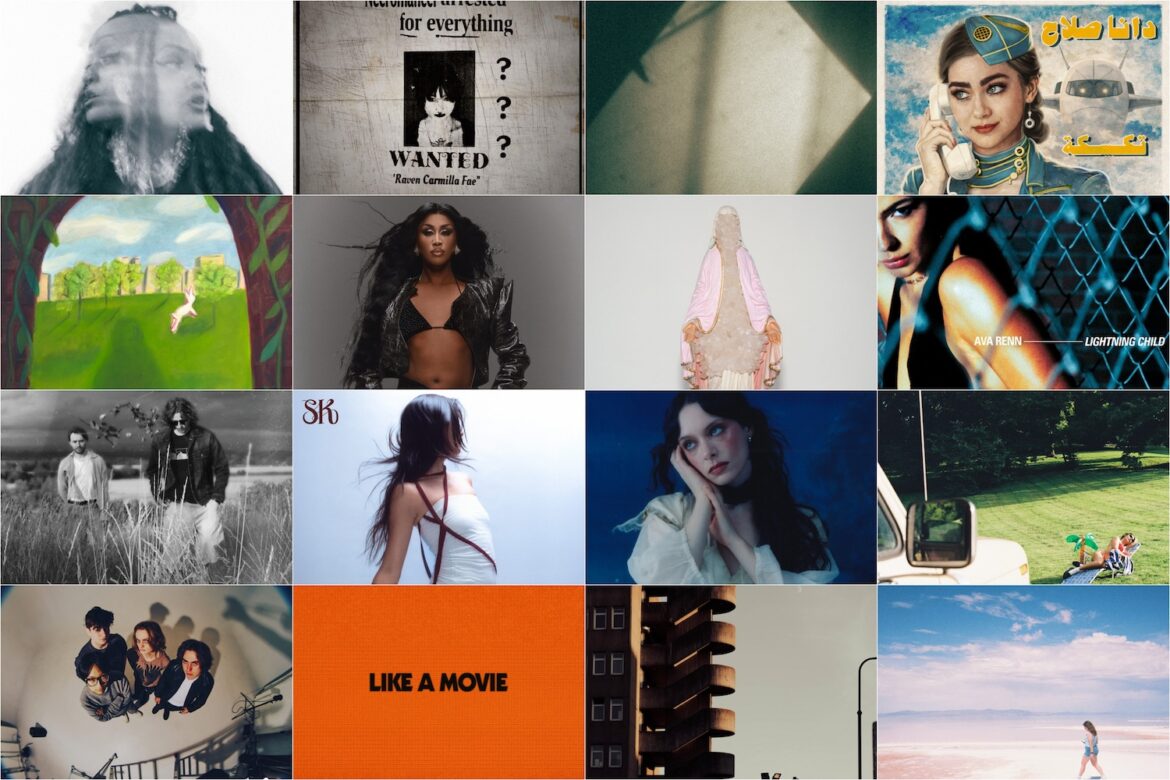
This week’s weekly roundup features music by The Format, Holly Humberstone, Sarah Kinsley, The Kick, Neil Friedlander, Fia James, BACKHOUSE, Visa Anxiety, r4vn, Afrobaby, Pisgah, AVA RENN, Dana Salah, divedown, The Memos, Priyanka, and Isla Rico!
•• •• •• ••
 follow WEEKLY ROUNDUP on Spotify


•• ••
:: Boycott Heaven – The Format ::
Mitch Mosk, Beacon, New York

After nearly two decades of silence, indie rock band The Format didn’t reemerge quietly or cautiously; they came back with something to say. Boycott Heaven, the band’s third LP and first studio album since 2006’s Dog Problems, lands not as a nostalgia exercise or reunion victory lap, but as a sharp, present-tense reckoning from artists who’ve lived a lot of life since we last heard from them. Written and recorded by Nate Ruess and Sam Means as adults, partners, and parents, the record carries the weight of time without being beholden to it – bristling with urgency, conviction, and the unmistakable sound of a band refusing to coast on memory when the world demands attention now.
As an album, Boycott Heaven feels like The Format refusing to shrink themselves to fit the comfort of a comeback narrative. It’s leaner, louder, and more guitar-forward than anything they’ve made before, recorded with a deliberate live-band urgency that favors momentum over polish. Across tracks like “Holy Roller,” “There’s No Gold at the Top,” “Human Nature,” and “Leave It Alone,” the record grapples with disillusionment, moral fatigue, and the slow erosion of inherited beliefs – not from a place of cynicism, but from hard-earned clarity. These songs don’t posture or preach; they observe, question, and push back, tracing the emotional toll of growing older in a world that feels increasingly unmoored. From the defiant spiritual reckoning of lead single “Holy Roller,” to the clear-eyed indictment of ambition and rot on “There’s No Gold at the Top,” and finally to the devastating moral clarity of “Leave It Alone” – which confronts the violence unfolding in Gaza with a directness that’s impossible to shake – Boycott Heaven reveals itself as a record not just about belief, but about responsibility. At the center of it all is the title track, “Boycott Heaven,” a blistering moral gut-check that turns belief into an active choice rather than a deferred promise. Hard-hitting and spiritually combustible, the song rejects the comfort of waiting for salvation in favor of responsibility, urgency, and the uneasy work of living with intention right now. What emerges is a body of work that’s restless but focused, intimate yet outward-looking – an album less interested in answers than in honesty, and all the friction that comes with it.
Boycott Heaven is also deeply shaped by the time lived in between records – by adulthood, parenthood, and the lived responsibility of staying present in a world that often rewards disengagement. Where the album’s disillusionment is clear, its refusal to detach is even clearer. These songs sit inside contradiction rather than resolving it: Hope without certainty, anger without nihilism, tenderness without naïveté. There’s no attempt to sand those tensions down or pretend clarity comes easily. Instead, the record documents what it feels like to keep showing up anyway – to choose engagement, meaning, and care not because they’re guaranteed to be rewarded, but because opting out feels like a deeper kind of loss.
In a moment that keeps asking us to look away, The Format insist on attention and presence – and reward us with a captivating collection of songs that feel urgent, timely, and impossible to ignore.
:: “To Love Somebody” – Holly Humberstone ::
Mitch Mosk, Beacon, New York

I cried happy tears the first time I listened to “To Love Somebody” – not because it’s so devastating, but because it feels true. The song reached straight into my own love story, into that overwhelming, grounding joy of being in love and choosing it fully. My partner, my wife, is my best friend – and for me, I’ve always believed it’s better to love and lose than never love at all (though I hope it never comes to that). Holly Humberstone captures that feeling with rare clarity here – the decision to cherish every second you’re given, knowing love may not last forever, and choosing it anyway.
Humberstone has long had a gift for translating interior life into something shared, and “To Love Somebody” feels like a natural evolution of that instinct. Released today as the lead single from her forthcoming sophomore album Cruel World, due April 10, the track introduces a new chapter that’s warmer, more grounded, and quietly self-assured. Where her earlier work often wrestled with turbulence and displacement, this song is anchored in reflection – shaped by acceptance rather than fear. Sonically, it shimmers with an upbeat temper and a warm, glistening melodic glow, proof that pain and joy don’t cancel each other out; they coexist.
So you crashed into the wall
You’re cleaning up the broken glass
Thinking what the hell was that
In the movie of your life
You’re the first to die
And the critics called it trash
Too bad
They tell you that you feel too much
Euphoria right down to the crush
It all breaks down, it always does
It all works out, it always does
And the shit they say, in the songs you love
The greatest hits, the deepest cuts
It all breaks down, it always does
It all works out, it always does
At its core, “To Love Somebody” is about cherishing the love you have, and honoring the love you had, even if it doesn’t last. The song moves with a gentle momentum, pairing buoyant melodies with lyrics that don’t flinch from the cost of feeling deeply. “To love somebody / To hurt somebody / To lose somebody / Is to know you’re only human honey,” Humberstone sings, reframing heartbreak not as failure, but as evidence of having lived honestly. It’s a song that understands how love can be grounding and destabilizing at the same time – how it can bruise you and still be worth everything.
To love somebody
To hurt somebody
To lose somebody
Is to know you’re only human honey
To love somebody
To hurt somebody
To lose somebody
Well at least you got to love somebody
That balance – between love’s beauty and its bruises – is something Humberstone understands instinctively, and it’s baked into the heart of her song. “I wrote ‘To Love Somebody’ after watching someone close to me go through a brutal heartbreak,” Humberstone tells Atwood Magazine. “It’s better to have loved and lost, even when it sucks, because feeling everything is part of the human experience. Loving hard is a painful thing and there are two sides to love and they exist in the same space to me. They are all real, brutal and vulnerable experiences. This blue and green ball just keeps spinning and you learn to ride things out.”
That sentiment is what gives “To Love Somebody” its strength and power. The song doesn’t argue with pain or try to outpace it – it accepts it as part of the deal. In doing so, Humberstone offers something quietly comforting: Permission to love without guarantees, to cherish connection without conditions, and to believe that even when love ends, it still counts. Sometimes the bravest thing we do is love, knowing it might hurt. “To Love Somebody” understands that, and it meets us right there – open-hearted, unguarded, and beautifully human.
For me, this song feels like a quiet vow. To keep choosing love while it’s here, to stay present in the joy of it, and to hold every shared moment with care. If loving fully means risking loss, I’ll still take it every time. “To Love Somebody” reminds me that nothing meaningful comes without vulnerability, and that the love we give and receive, however long it lasts, is never wasted.
:: “Lonely Touch” – Sarah Kinsley ::
Julia Dzurillay, New Jersey
If Sarah Kinsley has only one fan, it’s me. If she has no fans, that means I’m dead. Not sure if this could be called her magnum opus when “The King” looms so big, but “Lonely Touch” feels like a massive win and sonic departure for the singer/songwriter. Feeling lonely isn’t a new concept, but Kinsley does it in a way that’s so uniquely her, with obvious references to ’80s pop in the drum machine and guitar.
Somehow, though, the instrumental tracks are cohesive in a way that’s not cheesy or overdone. Inspired by Luca Guadagnino’s Queer, Kinsley reveals the lyrics detail “the vulnerability of longing, of yearning for a kind of touch that is undeniable and terrifying.” Yeah, this will be on repeat for a while.
:: “Intertwined” – The Kick ::
Miranda Urbanczyk, Michigan
When your playlist finally runs out and autoplay starts, a game of chance starts to unfold. The skip button can feel irresistible, and if a song survives all the way through, you know it’s a keeper. This exact cycle is how I discovered “Intertwined” by The Kick, a psychedelic indie-pop duo.
“Intertwined” blends dreamy synths and confessional lyrics to create a catchy yet thoughtful tune. This song feels like dancing in a crowded room, while your mind is racing. It appears to be upbeat from the surface, but as you dig deeper its contemplative layers reveal themselves.
:: “Totem” – Neil Friedlander ::
Danielle Holian, Galway, Ireland

Neil Friedlander offers a strikingly introspective yet quietly ambitious opening to The Change, with “Totem.” He distills an unusual period of life into a gently glowing meditation on self-acceptance. Composed in the peculiar stillness of a Brooklyn studio that doubled as both sanctuary and pressure chamber, the song captures the emotional texture of a moment when routine dissolved and self-interrogation intensified. Friedlander’s lyrics approach uncertainty with wit and humility, framing existential doubt not as crisis but as companion. The production, shaped with Chris Camilleri, draws on the buoyant clarity of late-90s pop-rock, creating a tonal counterbalance that lends the track a hopeful, upward drift.
The accompanying music video extends “Totem” into the realm of contemporary myth-making. Shot on the cliffs of New Jersey and choreographed by Hayley Rose Brasher, the visual narrative situates Friedlander in a surreal wooded landscape where Muses emerge as guides, figures who embody both the creative impulse and the longing for direction characteristic of the pandemic’s emotional aftershocks. Directed and edited by Friedlander himself, the video underscores the track’s intimate origins and its broader artistic ambition. “Totem” stands as both personal artifact and crafted statement, inviting listeners into a space where uncertainty becomes a source of creative illumination rather than shadow.
:: “Jealous Baby” – Fia James ::
Rachel Leong, France
Equal parts self-assuring and scathing, FIA James’ “jealous baby” is a meditation on running electric guitar and cheeky wordplay “are you jealous baby?” / “you’re a jealous baby” leading with booming pop scapes and reverberating melodies that propel the track forward. Ruminating on hindsight and reflection, James leans into her process of moving on and getting over, jumping straight into an explosive chorus that feels like one to scream at the top of your lungs. “jealous baby” is hopefully just one of many to come for James, interpolating between the realms of self-love, recognition, and staying rooted in your power.
:: “Like a Movie” – BACKHOUSE ::
Mitch Mosk, Beacon, New York

Some nights insist on being felt, rather than just remembered. We’ve all lived them: The air hums with electric possibility, the room spins gently, and the moment stretches beyond its edges. BACKHOUSE’s latest single “Like a Movie” lives squarely in that seductive orange glow – a feverish, feel-good indie rock rush where tight drums, roaring fuzzy guitar, and radiant, soaring vocals surge forward together. It’s kinetic and carefree, the sound of a band leaning all the way into momentum, daring the night to keep up.
Formed as a five-piece with a shared love of raw indie rock and ’90s alternative, BACKHOUSE have quietly been building something sturdy and lived-in. The band’s journey has carried them from a storied backhouse to a historic 1800s barn studio along the New Jersey coast – spaces that mirror the balance they strike between grit and warmth, looseness and intention. Drawing on that sense of place and persistence, BACKHOUSE channel nostalgia without getting stuck in it, shaping songs that feel immediate, communal, and designed to be played loud. “Like a Movie,” released in late November, finds them at their most direct yet – a snapshot of momentum, confidence, and creative clarity snapping into focus.
Lyrically, the song captures the blurry poetry of aftermath and reflection – toothbrushes and sunglasses, promises half-meant, memories replayed like film reels. “Last night felt just like a movie / On the silver screen / I’d like to sit back and review / Deleted scenes,” Taylor Hill sings, turning chaos into charm with a knowing grin. The song itself came from a moment of doubt, Hill recalls, after watching the rise of viral success and feeling momentarily flattened by comparison. Instead of giving in, he drove to his studio, sat with his guitar, and refused to stand up until the chorus arrived. That act of defiance – choosing creation over collapse – is baked into every second of “Like a Movie,” transforming insecurity into ignition.
Last night felt just like a movie
On the silver screen
I’d like to sit back and review
Deleted scenes
As I recall you spilled the wine
All over me
Last night felt just like a movie
What makes this single hit so hard is how effortlessly it celebrates release without losing intention. It’s an anthem for the good times we almost forget in the haze, a reminder that joy doesn’t need permission or polish to matter. Bright, bold, and bursting at the seams, “Like a Movie” feels like BACKHOUSE trusting their instincts fully – and inviting us to do the same. Roll the credits later. For now, let the night play on.
:: What Can I Get For You? Love – Visa Anxiety ::
Danielle Holian, Galway, Ireland

Fronted by Chinese-born, UK-based songwriter and producer Emilio Wang, Visa Anxiety’s What Can I Get For You? Love, is the sound of becoming. Born from late-night jams and existential conversations, the band’s debut EP captures a generation navigating borders, physical, emotional, and cultural, with honesty and understated grace. Written across Asia, the US, and the UK, the EP reflects lives lived between places and roles. Service jobs bleed into songwriting; migration informs melody. Visa Anxiety aren’t chasing polish, they’re chasing truth. Their indie-rock foundation is expanded through multilingual lyricism and spoken-word moments that feel deeply personal.
“Closed Eyes” opens with warmth and intention. Mandarin lyrics soften British-indie guitars, framing reinvention as something internal and tender rather than performative. It’s a song about choosing awareness, about stepping forward even when certainty is absent. The title track draws from Emilio’s time bartending at Liverpool’s Cavern Club, capturing the emotional labour behind a familiar phrase. “What Can I Get For You, Love?” examines distance, between worker and guest, past and present, dream and survival, with poetic restraint and emotional clarity. Ending on “Summer Is Coming,” the EP chooses hope without denial. Los Angeles memories fuel a sense of momentum, closing the record on openness rather than conclusion. Visa Anxiety’s debut is reflective, compassionate, and quietly powerful, a reminder that transition itself can be a place worth inhabiting.
:: “you coward!” – r4vn ::
Rachel Leong, France
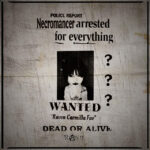
r4vn’s “you coward!” Begins on soft driving beats, contrasted with the artist’s vocals which arrive no louder than a whisper. By the time the track circles round to the chorus, the track has built on itself, resounding in its contained loudness and uninhibited strength. Lyrics like “you promised me autonomy / then stripped it from me slowly” critiques the state of modern society, but this message is only clear after a few listens. Mirroring real life through electronic textures, r4vn’s vocals carry a message that lies under the surface, buried by cascading electronica that feel contained in their loudness. For r4vn, this is what happens when the world goes unchecked.
:: “Are U Still Here ?” – Afrobaby ::
Mitch Mosk, Beacon, New York

Grief has a way of turning love into a question you keep asking long after the answer is gone. That quiet, aching uncertainty sits at the very heart of Afrobaby’s “Are U Still Here ?” – a hushed, soul-stirring R&B eruption that aches quietly, then hits heavy in all the right places. Dreamy and intimate, it moves with the weight of memory and the tenderness of grief, unfolding like a late-night confession whispered into the dark. From its submerged synths to its slow, tidal pacing, the song feels held by something unseen, suspended between presence and absence.
Bradford-raised British/Nigerian artist Afrobaby has built her work around emotional truth – fusing electronic, soul, and R&B into music that doesn’t shy away from vulnerability. “Are U Still Here ?” is the title track from her forthcoming EP Are U Still Here?, due May 2026, and it stands as one of her most devastating and beautiful offerings to date. The song opens with her late mother’s voice – a raw voicemail that immediately reframes listening as an act of closeness – before Afrobaby’s own vocals drift in, searching gently, insistently, for connection. “Hear your voice calling / As I’m falling to sleep / Are you still here with me?” she sings, letting scent, sound, and memory surface in waves rather than lines. It’s an experience anyone who’s lost a loved one – especially a parent, and especially their mother – can relate to on a painfully real level, and it’s just a part of what makes this song so special.
Afrobaby shares the full story behind the song, in her own words – a process rooted not just in loss, but in the long, uneven aftermath of living with it. “‘Are U Still Here ?’ was born from grief, memory, and the search for connection after my mum passed unexpectedly,” she tells Atwood Magazine. “That dreaded call from the hospital – the one no one ever wants – came on a rainy night, two weeks before Christmas 2020, mirrored in the opening verse: clouds heavy, colours fading. I had visited her the night before with my little brother, and somehow knew, deep down, it would be the last time I’d see her alive. It was during the pandemic, so it was a two-by-the-bedside situation, with my eldest sister looking after her mostly. The night she passed, my two eldest sisters went to the hospital to be with her. They called us when it was… time. We were on a group call with my brother in America, who couldn’t come back due to the pandemic, and on that last call we sang Bob Marley’s ‘Three Little Birds’ down the phone. Another call came, and I ran outside, just standing in my sister’s back garden, trying to process it all.”
What followed, she explains, was grief arriving sideways – in moments both mundane and unbearable. “In the months after, grief hit in unexpected ways. I couldn’t leave the house without being triggered by the smallest things – cheese and onion crisps, her favourite flavour, or lottery scratchcards, which she used to love getting. She’d always say, ‘One day, when I win the lottery, I’m taking the whole family to Jamaica.’ Seeing daughters with their elderly mums – those moments were sharp reminders of the experiences I’d never share with her. I’d swing between anger at strangers, sudden bursts of sadness, and crying in public – a strange rite of passage that somehow made me feel human. Songs she loved – Lionel Richie, Whitney Houston – on the radio would make me turn it off.”
That emotional push and pull eventually found its way back to sound. “The song opens with her voicemail – ‘alright, Ness… speak to you soon. Love you. Bye’ – layered over synths that ripple like they’re underwater, echoing the way grief can weigh you down while carrying you through memory. I played that voicemail on repeat, each time both comforting and crushing, and then I went through a phase where I couldn’t listen to it at all, unsure if I ever would – but I kept it. In the summer of 2023, in Scarborough – a place she loved – I finally listened again, and this time, without that sinking feeling. I felt her presence, her voice, her spirit. That moment became the seed for the chorus, which I recorded as a voice note and turned into a demo that night.”
She describes this track as something shaped less by linear storytelling than by emotional tide. “The song flows like the sea, mirroring grief: calm one moment, overwhelming the next. The lyrics move through memories, smells, sounds, and emotions – not in chronological order, but as they surfaced – spilling out in waves of loss, love, and longing. ‘Are U Still Here ?’ is for anyone who has felt that tug between holding on and letting go, the persistent echo of someone you love, and the unpredictable waves of grief that remind you they’re never truly gone.”
What makes “Are U Still Here ?” so affecting is its refusal to resolve that question. The song doesn’t seek closure – it seeks contact. In doing so, Afrobaby turns private grief into something shared, something lived inside, something that breathes on its own. It’s not just a song you hear; it’s a space you step into, and a reminder that love doesn’t disappear when someone does – it changes shape, and it stays.
As someone who lost his own mother nearly a decade ago, I want to express my own profound thanks to Afrobaby for this song. Listening to it hurts in a very deep, but meaningful way.
:: Faultlines – Pisgah ::
Danielle Holian, Galway, Ireland
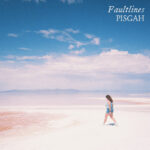
Somewhere in Faultlines, it becomes undeniable that this is a reckoning, not mere performance. From the opening swell of layered guitars on “Cumulonimbus,” which crash and shimmer like the storm its title evokes, Pisgah establishes a world of both turbulence and beauty. The track navigates inherited trauma with euphoric melodies that belie the weight of its subject, a pattern that continues throughout the album: introspective lyrics paired with arrangements that simultaneously ache and uplift. On “Favor,” Jenkins portrays the slow-motion collapse of seeking someone else’s approval, threading images of plane crashes and nuclear meltdowns through urgent percussion and distorted guitars, culminating in the stark realization that no one will catch her fall.
Faultlines does not shy away from confronting the most intimate fractures. “Bone to Pick,” the album’s emotional centerpiece, tackles the long shadow of sexual assault, with sparse instrumentation allowing Jenkins’ raw vocal delivery to reclaim a narrative long silenced. In contrast, “5ft2,” written in memory of her grandmothers, exudes quiet reverence and love, glistening guitars framing reflections on the resilience and defiance that built her foundation. “Splintering” drifts into a more elusive, nocturnal space, a meditation on fractured meaning that still glows with unexpected beauty, showcasing Jenkins’ ability to find light even in moments of disorientation.
The latter half of Faultlines moves toward liberation and perspective. “Bend to Break” propels the listener on a cinematic, alt-country road trip, guitars and percussion mirroring the act of reclaiming one’s story from wreckage. Its spiritual sequel follows with bright electric guitars underscoring the clarity that comes from finally stepping away from what once held her back. The record closes with “Song for Jason Molina (Cold Rain),” a tribute and exorcism that channels Molina’s stark, soulful ethos while allowing Jenkins to release the past and emerge into light. Across Faultlines, Pisgah balances intimacy and enormity, fracture and reconstruction, delivering a record that feels elemental, honest, and unflinchingly human; a work of an artist stepping fully into herself, cracks and all.
:: Lightning Child – Ava Renn ::
Danielle Holian, Galway, Ireland
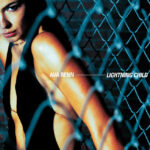
Across its ten tracks and 34 minutes, Lightning Child unfolds with striking economy and intent, never overstaying its welcome. Ava Renn favors precision over excess, allowing each song to arrive fully formed and emotionally exact. The album opens in a haze of tension and release with “Hands,” where distorted guitars and intimate confession coexist, establishing a world that feels both feral and finely controlled. There is a sense of motion throughout, of an artist pushing forward rather than looking back in “Dog Eyes”, guided by Renn’s voice, which carries equal measures of abrasion and tenderness.
The songs themselves move like chapters in a closely observed interior life. Renn navigates grief, desire, self-reckoning, and hard-won clarity with a lyricism that resists melodrama, instead trusting texture and tone to do the heavy lifting. Sultry, volatile moments give way to reflective passages and blues-tinged restraint in “Still Through it All,” while darker rock instincts pulse beneath gentler meditations in the title track. Even at its quietest, Lightning Child hums with tension, as if silence itself were charged in the closing track “The Clearing”. Each track feels deliberate, contributing to a broader emotional arc rather than competing for attention.
What ultimately distinguishes Lightning Child is its confidence in restraint. In just over half an hour, Renn constructs a debut that feels cohesive, visceral, and assured, an album that invites repeat listens rather than instant consumption. There is no sense of introduction here, no tentative first step. Instead, Ava Renn emerges as an artist already in command of her voice, unafraid of complexity, and resolute in her refusal to dilute it. Lightning Child doesn’t ask to be noticed; it demands to be felt.
:: “Toxic” – Dana Salah ::
Rachel Leong, France

Palestinian-Jordanian artist released her cover of “Toxic,” and I haven’t stopped looping it since. Time and time again, a new artist arrives and stretches the possibility of Britney Spears’ “Toxic.” Palestinian-Jordanian artist Dana Salah’s take on the iconic track includes oud, violins, and tablas, highlighting the track’s original nature rooted in its Bollywood-eaque riff. Nodding to millennial cultures as well as identity, “Toxic”, according to Salah, brings the best of Bollywood textures, sensual vocals, and nostalgia – reframing an iconic anthem through a lens of culture, creativity, and pure artistry.
:: “I Want to See It All” – divedown ::
Mitch Mosk, Beacon, New York

divedown’s “I Want to See It All” doesn’t tiptoe toward its feelings – it charges straight through them, amps crackling, heart on full display. It’s an alt-rock fever dream in the truest sense: Roaring, restless, unapologetically loud, and emotionally overwhelming in the way only the best cathartic rock songs are. From the jump, it surges with urgency, its driving rhythm and distorted guitars mirroring the panic of time slipping by and the ache of wanting more life than you currently recognize.
Melbourne outfit divedown are not subtle, and that’s part of their power. Here on their third single, they lean fully into that instinct, crafting a song where the instrumental hits just as hard as the words. Built around a massive, bouncy chorus and a sense of barely-contained momentum, “I Want to See It All” captures the specific anxiety of your early twenties blurring together – memory gaps, stalled motion, and the fear of falling behind. “Fleeting, like my memories / Feeling, like something’s wrong with me,” vocalist Sam Bianco admits, before landing on the song’s emotional core: “I want to see it all / With someone by my side.” It’s a plea as much as it is a confession – not just for adventure, but for connection, reassurance, and shared experience.
Bianco explains that the song came together quickly, written under pressure after older demos stopped resonating. That urgency is palpable in every second. “The song is about feeling directionless, about losing touch with a whole bunch of time from my early twenties, and about feeling alone and stuck,” he shares, noting that guitarist Michael Romeo’s help on the verses helped unlock the track. Drawing inspiration from classic emo, alt-rock, and pop-punk touchstones like The Story So Far, Citizen, Movements, and Balance and Composure, divedown channel that lineage into something immediate and combustible. “I Want to See It All” doesn’t pretend to have answers – it just turns the volume up on the question, and in doing so, makes you feel a little less alone for asking it.
:: Futures Ours to Find – The Memos ::
Danielle Holian, Galway, Ireland
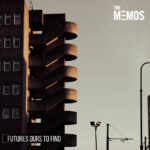
The Memos’ debut EP, Futures Ours to Find, heralds a compelling arrival on the indie-rock scene, blending ’90s Britpop influences with contemporary guitar-driven dynamism. Opening with “Standing There” we see frontman Aaron Spencer demonstrating a deft command of both soaring anthems and intimate, introspective moments, crafting songs that feel immediate yet thoughtfully composed, all the way to the closing title track. Produced by Ben Harper at The Motor Museum, the tracks balance raw energy with polished clarity, allowing the band’s lyrical depth and instrumental flair to shine. There is a palpable sense of optimism threaded through the record, with each song capturing the tension between struggle and resilience, evoking a spirit that is both empowering and relatable. Over the four track, The Memos truly bring the listener on a journey through sound across the 12 minutes and 51 seconds.
Spencer’s songwriting, informed by collaborations with notable figures such as Kyle Falconer and Justin Hawkins, imbues the EP with a maturity beyond its years, while retaining the infectious vigor of their live performances. Futures Ours to Find positions The Memos as a band capable of marrying heartfelt storytelling with arena-ready indie-rock sensibilities. With the attention of tastemaker press and radio support, the EP is a confident statement of intent, signaling a band poised to carve out a distinctive voice while inviting listeners into a world of hope, grit, and unbridled energy.
:: “god, I’m messy” – Priyanka ::
Rachel Leong, France

As explosive and defiant you think Priyanka’s new track would be from its title, it delivers in tenfold. Heavy beats and rotating lyricism hum on the message of unapologetic being. “god I’m messy” is a defiant, self-aware, and sharp track about the artist self-policing and the freedom she felt after fully accepting exactly who she was – in all her power and more.
:: “Smell the Roses” – Isla Rico ::
Danielle Holian, Galway, Ireland
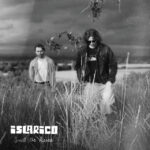
Isla Rico’s latest single “Smell The Roses” is a striking testament to the band’s ability to fuse heartfelt storytelling with anthemic indie energy. Drawing on 90s-inspired Britpop influences, the track layers shimmering guitars, propulsive rhythms, and an irresistible melodic sensibility that feels both nostalgic and refreshingly contemporary. There is an effortless sincerity to the songwriting, capturing a sense of reflection and resilience while maintaining an infectious, uplifting energy. The production, guided by Matthew Fisher, amplifies the band’s live sound, giving the song a cinematic scope that elevates every guitar riff and vocal flourish.
What sets Isla Rico apart is their dedication to authenticity and connection. Emerging from late-night creative sessions in Brighton, the five-piece have cultivated a distinctive voice that balances personal storytelling with universal appeal. “Smell The Roses” exemplifies this, inviting listeners to pause, breathe, and find joy even amid life’s chaos. Their command of dynamics, combined with evocative lyricism and the spirited interplay of guitars and rhythm, makes this single an irresistible entry point into their evolving sound. Isla Rico’s latest offering not only reinforces their status as one of indie’s most promising acts but also leaves a lasting impression that lingers long after the track ends.
— — — —

Connect to us on
Facebook, Twitter, Instagram
Discover new music on Atwood Magazine
:: Weekly Roundup ::
follow WEEKLY ROUNDUP on Spotify
:: This Week’s Features ::