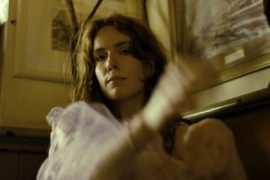
Atwood Magazine’s writers dive into Mitski’s eighth album ‘Nothing’s About to Happen to Me,’ a dark and cinematic record rooted in isolation, longing, and self-reckoning – unpacking its richly varied sound, the reclusive inner world at its center, and the way Mitski balances restless experimentation with the emotional clarity that has long defined her artistry.
Featured here are Atwood writers Camryn Teder, Dimitra Gurduiala, Isabella Le, Jack Batt, Jake Fewx, James Crowley, Josh Weiner, and Rachel Leong!

— —
To start, what is your relationship with Mitski’s music?
Camryn Teder: Like many of my peers, I first found solace in Mitski’s tender recollections of life in my high school years. In a time where everyone was attempting to feign an essence of “cool” beneath a dramatic side part or tough demeanor, I was sinking into songs like “Liquid Smooth,” “Square,” and “Once More to See You,” on the bus ride to school while scrolling through my hot pink iPod nano. Mitski’s music made me see my own penchant for deep feeling in a new way. It was no longer a sign of weakness, but something empowering. My admiration for Mitski’s discography has never dimmed, even though the vessel that has transported her music to my ears has changed.
James Crowley: When I was in college, some of my friends at SUNY Purchase told me about someone who went to their school who recorded a pretty awesome album called Retired From Sad, New Career in Business. I’ve been hooked since “Goodbye, My Danish Sweetheart.” One of my biggest regrets was skipping out a house show stop while I was in college on the Bury Me at Makeout Creek tour.
Over the years, my relationship with Mitski’s music has shifted. Makeout Creek and Puberty 2 have been classics, but Be The Cowboy is still her magnum opus in my opinion. Her albums since then have had moments that I’ve enjoyed, but I’ve failed to connect to either album quite as much as those earlier three.
Jack Batt: Aside from the hits, I hadn’t listened to most of her discography until The Land Is Inhospitable and So Are We came out. I’ve had a lot more of her music in rotation since then. I really loved her last record, so I was excited about this one. She also comes across as a very wise person, so I make sure to pay close attention and hear what she has to say. And “I Bet On Losing Dogs” will always be on my gym playlist.
Isabella Le: My first encounter with Mitski’s music was more unorthodox; I didn’t know who she was, I was a bit too young to fully grasp the depth of her lyrics, and well, the song I had heard wasn’t even sung by Mitski herself. It was 2016, I was around 13 years old, watching Season 8, Episode 10 of Cartoon Network’s Adventure Time, “The Music Hole,” and my favourite character covered “Francis Forever.” At the time, I didn’t really think much about exploring the rest of Mitski’s discography, but I fell in love with the song the second I heard it on the show, and it remains one of the best Mitski songs (in my book) to this day. It wasn’t until late mid-to-late high school that I really explored her discography and life, which allowed me to understand her icon status in the alternative/indie world in its entirety.
Josh Weiner: I don’t know her music all that well, but I did catch her at the Pitchfork Music Festival (rest in peace) in Chicago back in 2022, and she did a great job closing out the show as the final performer of the evening. So, given that she granted me that fine memory four years ago, I was very open to lending an ear to her new album upon its recent release.
Jake Fewx: It’s wild to think I’ve been a Mitski fan for almost a decade now! I became a fan back in 2016 a bit after the release of Puberty 2. My love for that album into the release of Be The Cowboy, which quickly became one of my favorite albums of all time. I fell in love with Mitski’s sharp songwriting, witty lyrics, gorgeous vocal phrasing, and masterful utilization of pop and rock sensibilities. It’s been fun watching her ascension into super-stardom and see her artistry develop; such a special artist!
Rachel Leong: The first song I ever came across was “Washing Machine Heart,” which is still a staple of mine. I’ve been in and out with the music since then, and I’ve always understood her to be one of the greats in the alternative/indie genre. To be honest, Nothing’s About To Happen To Me might just be the first of her albums I’ve listened to properly all the way through, but it’s really inspired me to go back and consume her older ones in the same way!
Dimitra Gurduiala: I actually came to Mitski relatively late, around the pandemic, when I was already in university. At first, I would mostly listen to her after a breakup, so for me she kind of fell into that “sad girl music” label. Over time though, I learned to appreciate her as a complete artist, beyond just that emotional context, I would say that detaching her music from that phase made me enjoy it much more freely. Now I listen to her more often and with a different kind of attention, since she’s an incredible lyricist and, honestly, just a great artist in every sense.
What are your initial impressions and reactions to Nothing’s About to Happen to Me?
Camryn Teder: With her love of every genre from cinematic rock to art pop, you never know what you’re about to hear from Mitski. Those first few twangy strums from opener “In a Lake” transported me home. The lyrics connected me with a part of myself I thought was buried deep, and that feeling held up across the rest of the record. Here, Mitski indulges in some of modern society’s deepest fears and vulnerabilities. The album swirls with ideas of unrequited love, societal wounds, and self-erasure. Framed by soaring slide guitars and twangy riffs, this feels like Mitski doing what she does best: experimenting with sounds while rooting each track in revelatory stories.
James Crowley: In some ways, it feels like it comes in line with Makeout Creek and Puberty 2. I’ve found the album mostly fun, and I respect the ambition. With Mitski’s first two albums, she spoke about having access to an orchestra to record, but on her following albums, she was working within her resources. Now, hearing how songs like “In A Lake” get fleshed out with banjo and an accordion, I’m excited about the resources that she has at her disposal. It has made me feel reinvigorated by Mitski.
Jack Batt: I’m really enjoying it. I had listened to “Where’s My Phone” when that first came out, but I avoided paying attention to the rollout until release day, so I was surprised at the sonic direction she went in for most of the record. It’s very pretty and wise. I like how Mitski seems to ground difficult feelings in pleasant realities. Maybe her partner will leave her, but she’ll still have her cats. It’s little things like that in her lyrics that remind me to also be grateful for what I have. Of course, those moments are also paired with some more hopeless or devastating songs. I think music is such a great outlet for these parts of ourselves. On “I’ll Change For You,” Mitski gives a voice to these sorts of self-abandoning impulses without necessarily acting them out. And maybe the fantasy is all that part needs in order to feel heard. I hope Mitski isn’t changing for anyone!
Rachel Leong: Where to start! This album is absolutely gorgeous from start to end. The balance of raw instrumental textures with Mitski’s existentialism gives the album that nostalgic edge, which I’m really looking for in music right now. Mitski mixes elements of banjo in “In a Lake,” the driving punk sensibilities in “If I Leave,” coming up with a project that’s expansive as it is creatively dynamic. It’s really interesting, as someone had shared, that she was working within her means for this album in terms of production – I think it’s a mode that clearly works for her. It feels definitively Mitski – and this really comes through in her songwriting and storytelling for sure.
Isabella Le: Very pleasantly surprised! Her last two full-length efforts missed the mark for me, so when I realized that I didn’t have to replay Nothing’s About to Happen to Me in its entirety to find something to enjoy about it (as I did with the previous two), I was reminded of what made her such a revered and evergreen artist in the first place. I don’t think it’s a far cry to say that this is, lyrically, her darkest record, with recurring motifs of death, despondency, and powerlessness; for some, it might be too much, but for me, it’s where the album shines. Sonically, I wish there were fewer twangy Americana tracks and more cacophonous rock ones, but as Rachel said, Nothing’s About to Happen to Me feels definitively Mitski, no matter the genre experiments.
Josh Weiner: I listened to it for the first time a few days ago and am making my way through my 2nd listen as I type this. As best I can tell, this is a well-crafted record, with lots of powerful vocal performances and an effective mixture of energetic and calmer tracks. Plus, it’s all packaged together neatly in a 34-minute set, which I appreciate.
Jake Fewx: I’m really impressed with the album! There are a lot of wonderful Mitski-isms present: great lyrics, beautiful singing, interesting instrumental compositions, etc. However; I think the album’s variety is both a strength and a weakness. For me personally, some tracks just pale in comparison to others which makes the album tough to adore as a whole, but the good moments are truly really great.
I love hearing Mitski get back to her grungey side on tracks like “Where’s My Phone” – there are some wonderful ballads as well, but I feel like the album as a whole is less homogenous than Mitski has made in the past. Still scratches that Mitski itch for me!
Dimitra Gurduiala: At first I didn’t fully connect with it, but it definitely grew on me. I think part of that is because it wasn’t what I expected; I initially thought it might lean more into a rock sound, something closer to Puberty 2. Instead, it felt much closer to The Land Is Inhospitable and So Are We, which surprised me a bit. But the more I sat with it, the more I appreciated it for what it is rather than what I expected it to be.
How does this album compare to 2023’s The Land Is Inhospitable and So Are We – what are the most striking similarities or differences?
Camryn Teder: The thing that ties Mitski’s records together are her knowing, tender words. That sentiment holds true for her last two records, which are musically immersive and lyrically vivid. I’d argue these are the two most lush, cinematic records she’s ever made. The Land Is Inhospitable and So Are We does feel more cohesive than this one, musically at least, with most songs featuring a distinct country twang. Nothing’s About to Happen to Me leans a bit more varied. There’s even jazz rhythms in “I’ll Change for You.”
James Crowley: To be honest, I have no idea how The Land Is Inhospitable has become a beloved Mitski album in the mainstream sense. I like the record, but it doesn’t necessarily electrify me in the way that earlier albums have. There are quite a few moments throughout Nothing’s About to Happen to Me that do somewhat harken back to that stripped down sound, but overall, it’s a much more expansive and energetic album. Even the songs that are slower or quieter are more energetic than it’s predecessor.
Jack Batt: I’m surprised to hear that The Land isn’t universally loved as one of Mitski’s best efforts. These feel like sister albums to me – there are a lot of similarities between the two and I think they’re both great representations of a fully formed musical identity for Mitski. She sounds very confident on both records. Each of them are thoughtful and restrained, and Mitski clearly trusts her own vision. She definitely tried some different things on the new record without losing her sound, and that isn’t an easy line to walk. I will say, I think The Land is more cohesive as a whole, but I’m really enjoying the new one too.
Josh Weiner: I still haven’t listened to those albums! I don’t know what’s taken me so long, since it’s been close to four years since I first encountered Mitski in Chicago in summer 2022. But now that I’ve listened to Nothing’s About to Happen to Me for the first time and enjoyed it, I’ll be certain to follow through and listen to those other records! I look forward to being able to answer this question as thoroughly as others in this roundtable have been able to do.
Isabella Le: Many critics say that this album feels like a continuation of or sequel to The Land Is Inhospitable and So Are We, and while I can’t say I fully disagree with their sentiments, Nothing’s About to Happen to Me is certainly a more enjoyable listen. The Americana influence continues to ripple across this record, but it feels more confident and intentional than in previous efforts. I agree with our other writers in the sense that The Land Is Inhospitable and So Are We felt much more cohesive, but I particularly enjoyed the wider range of sounds and stories Mitski explored in this album.
Jake Fewx: These two albums actually show quite a few differences to me – speaks well to Mitski’s versatility as an artist! The Land is Inhospitable is such a holistic project in the sense that every track works together to create this incredible sense of melancholy; entrancing from start to finish (and hard not to shed a few tears along the way). Nothing’s About to Happen is quite a bit more eclectic to me. Lots of sounds being thrown at the listener beneath Mitski’s sad demeanor without sacrificing the stellar emotional storytelling. Not a bad thing, I think that’s what she is going for. It’s a different listening experience, providing more gritty highs than anything on Mitski’s last project, and I very much appreciate it for that.
Dimitra Gurduiala: I see Nothing’s About to Happen to Me almost as a sister album to The Land Is Inhospitable And So Are We. They feel very closely related, but this one comes across as a bit more unrestrained to me, slightly more unpredictable, but in a good way. She sounds more comfortable, more willing to let things unfold naturally. There’s a sense of freedom in how the album moves, even when the themes themselves are quite heavy.
Mitski teased Nothing’s About to Happen to Me with “Where’s My Phone?” and “I’ll Change For You.” Are these singles faithful representations of the album?
Camryn Teder: I think these singles do a great job of representing some of the most prominent themes on the record. The idea of detachment in “Where’s My Phone” feels especially relevant and continues on songs like “Instead of Here,” whereas “I’ll Change for You” builds further on the record’s ideas of fear and desperation, an ethos that marks songs like “If I Leave” and “Cats” too.
James Crowley: “Where’s My Phone” was an amazing hook for the album. It really welcomed me to the album, and it got me excited. It sounded like her classic period, almost like a b-side from Makeout Creek or Puberty 2. “I’ll Change for You” seemed to be more indicative of the album as a whole. A little more laidback and lyrically focused.
Jack Batt: I think they make for great singles in the sense that they’ll perform well on streaming, though I wouldn’t say they’re the best representations of the album as a whole unit. There’s a lot of variation in sound across the record, but most of the tracks feel more restrained and less “Where’s My Phone.” I will say that if a single can convince the listener to try out the full album, it has done its job.
Josh Weiner: Yes, I think sonically, these songs set the stage for the Americana-based atmosphere that most of the rest of the record contains. Like I said, the album shifts between softer and louder tracks, so it’s pretty hard for any one song to represent all ends of the spectrum in that sense. But even so, these songs both reassure us that we are in the hands of a master song-crafter, so they set the stage for the rest of the record in that key sense!
Jake Fewx: These are both fantastic Mitski songs! They both showcase an eclectic sound, and storytelling that displays more concrete, tangible descriptions.
Rachel Leong: “Where’s My Phone?” is such a tongue in cheek reference to our current times, and I think it was genius of her to begin with this as a single. It’s got that sonic catchiness that feels very Mitski, but with lyricism that feels incredibly present. It’s a perfect first hook into her album, and any album coming out in 2026. “I’ll Change For You” showcases a different side of the artist for sure, the more sombre and serious tone providing another face to the album, a testament to the diversity of the project and Mitski as an artist.
Dimitra Gurduiala: I think they represent the album in different ways. “Where’s My Phone?” is beautiful and really captures the album lyrically, but sonically it reminds me much more of Puberty 2. “I’ll Change For You,” on the other hand, feels more aligned with the overall atmosphere of the record. So, together they give you a sense of the range, but if I had to pick one that feels truly representative, it would probably be “I’ll Change For You.”
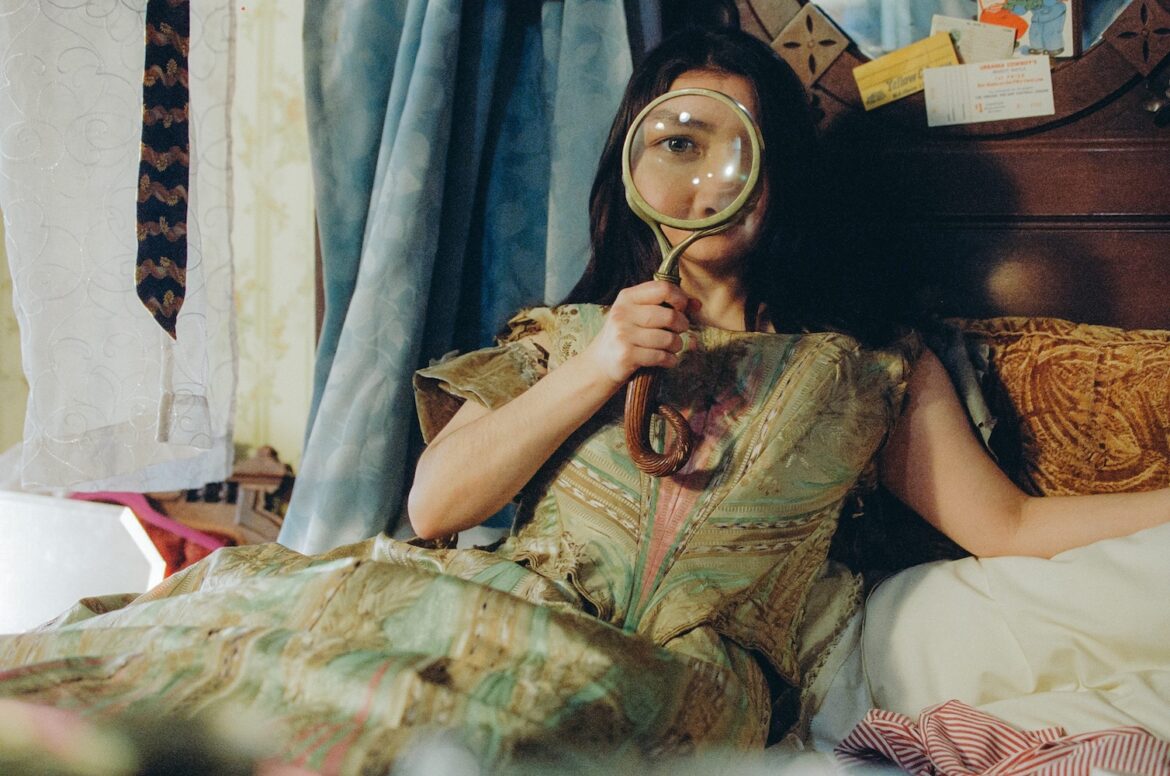
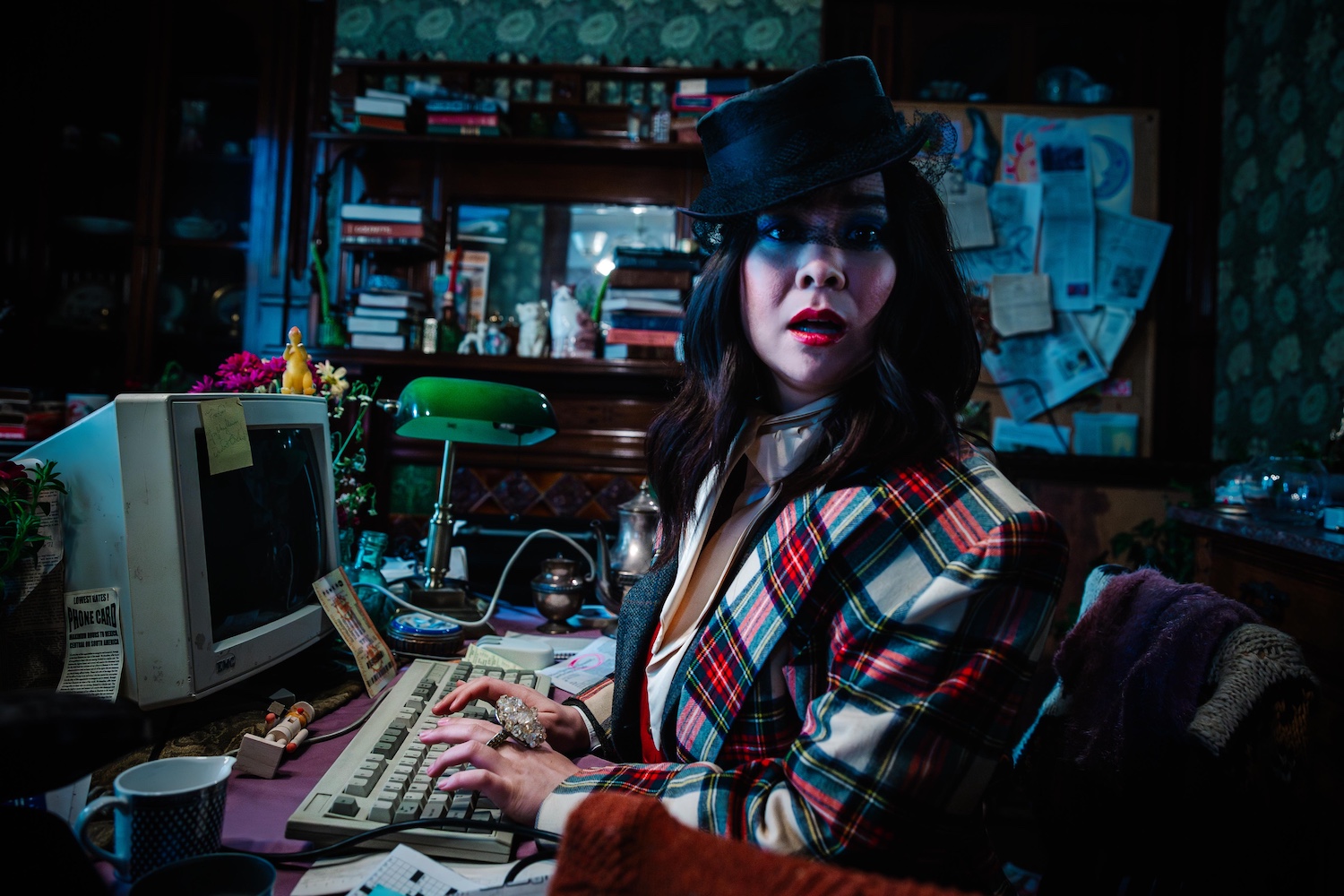
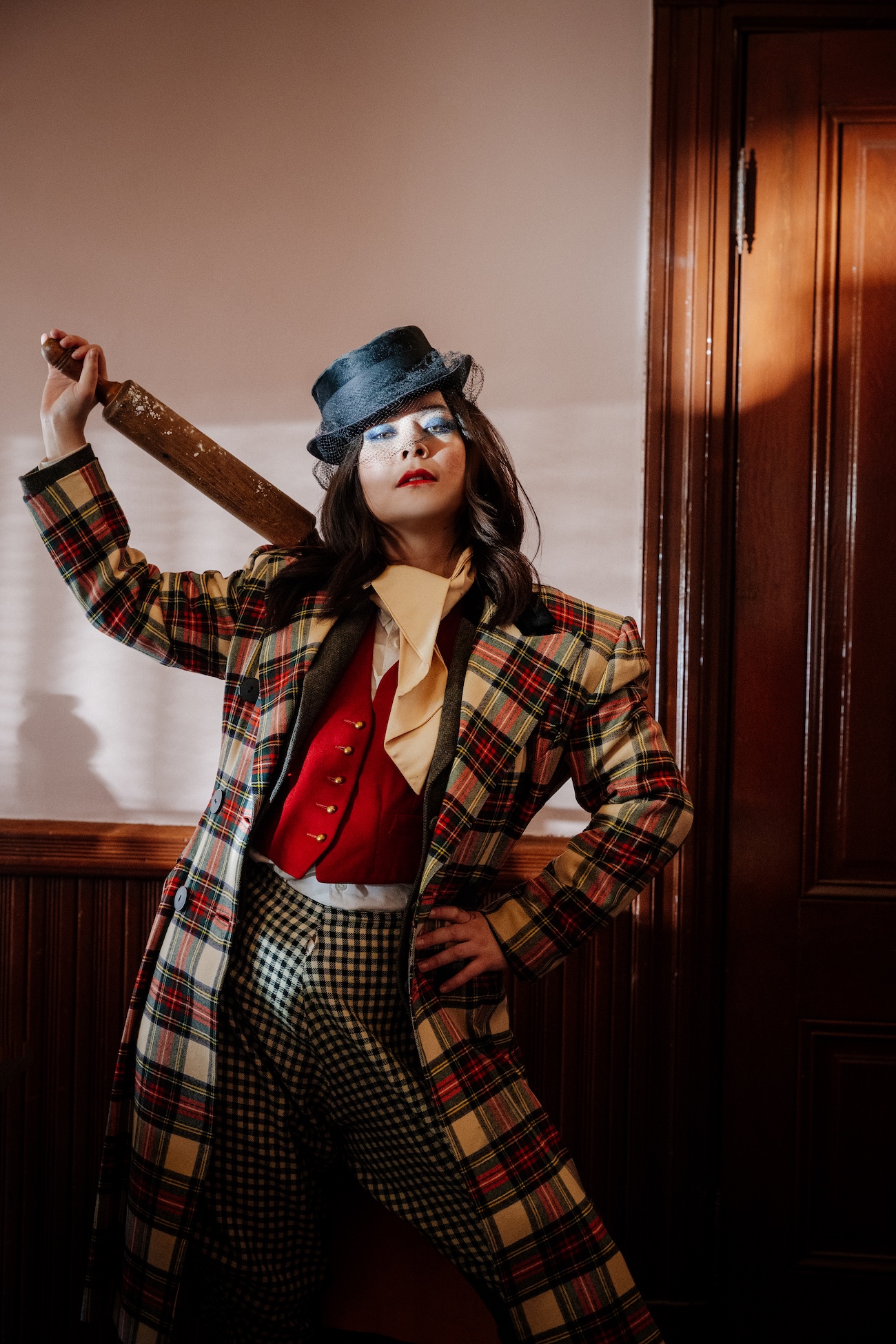
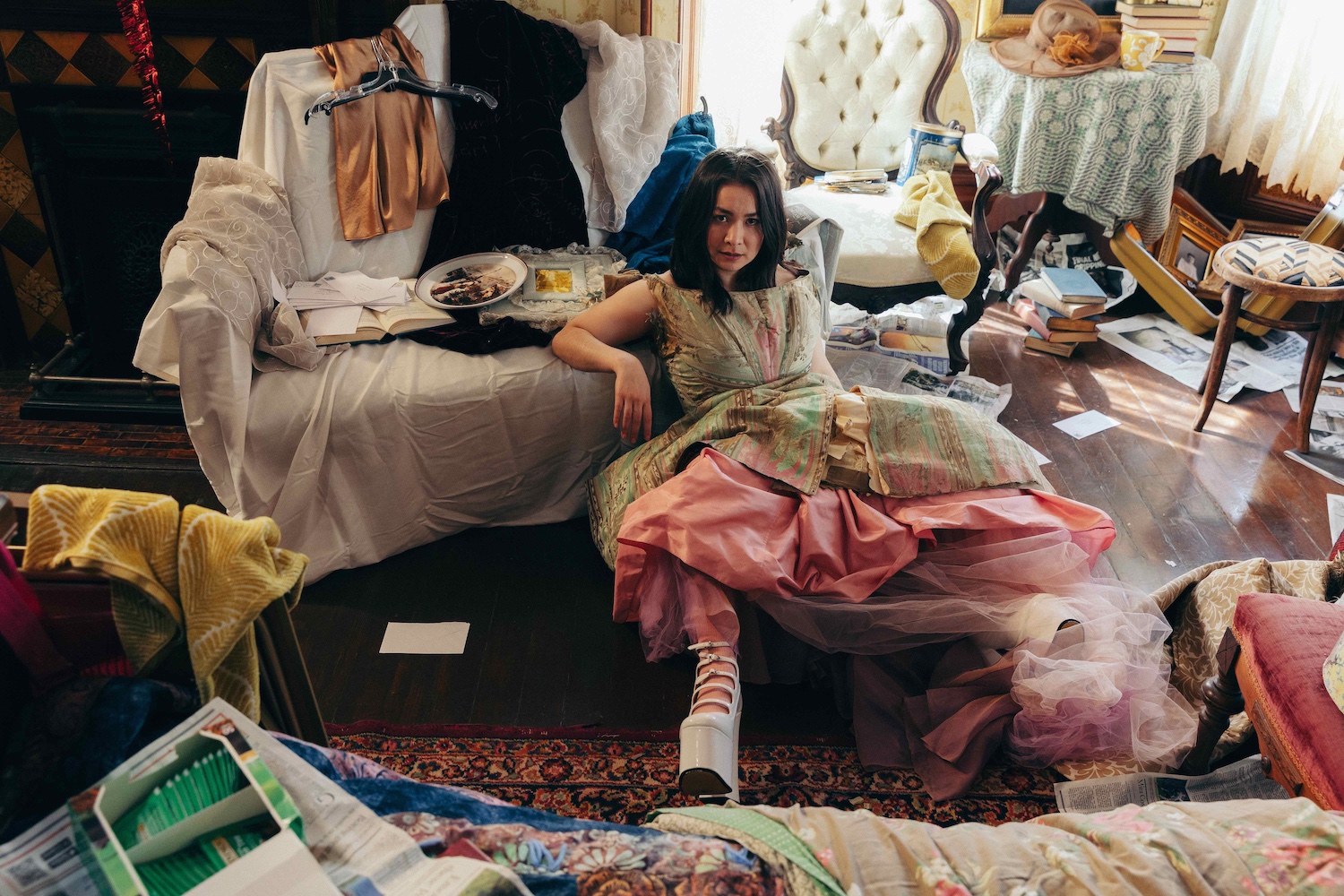
According to Mitski, Nothing’s About to Happen to Me is about “a reclusive woman in an unkempt house – outside of her home she is a deviant; inside of her home she is free.” How do you interpret this character and the world Mitski builds around her? Where do you hear that idea most vividly across the album?
Camryn Teder: In “Instead of Here,” a person knocks on the door of a woman’s home, but she won’t answer. She’s “where nobody can reach,” free to do what she pleases inside her house, even if it comes at the cost of dancing alongside death. For that, I think the idea of freedom in this album is a double edged sword. Another view on this story came to me through the beautiful “Dead Women.” A song about men rewriting women’s stories, I started to question whose perspective the story of this album is really from. Is this idea of a reclusive woman the viewpoint of the narrator herself or an outsider’s? There’s a couple different ways you can look at the story, which I love.
James Crowley: I feel like after Be The Cowboy, Mitski’s relationship with fame was a major talking point in her press cycle for Laurel Hell, but that seems to have cooled. Still, the way that Mitski has described this character and having known her previously reclusive nature, it’s hard to not to see it as a metaphor. Regardless,there are plenty of moments that you can imagine the character that Mitski has created thrashing around her house, searching for a phone, or peering along at a cat. Still, I like to imagine the moments that she’s free drifting through the house to songs like “Charon’s Obol” or dancing through the unkempt house to “Rules.”
Rachel Leong: I read this essay the other day about the gendered implications of our “rooms” – how men are encouraged to build their lives externally always. Whereas women are constantly rendered to their internal worlds, their “rooms” quite literally. Which is why the “room” feels like a space where our thoughts and narratives build out. This album made me think of that, especially on “Instead of Here.” To me what Mitski, the songwriter on Nothing’s About to Happen to Me, really invokes is this sense of freedom in feeling – even when it’s not great to admit. These are things you admit in the confines and freedoms of your own safe space, and Nothing’s About to Happen to Me feels like Mitski’s room. But I think her music always feels like that too.
Jack Batt: I absolutely love the conceptual world Mitski builds on this album. It is such an interesting way to convey the end of a relationship – shifting from the outer world to the inner world – both literally and metaphorically. Across the album, the physical world seems to mirror Mitski’s (or the character’s) inner world. She’s isolated, her house is unkempt, she’s hiding from visitors in her vulnerable state. She says that she’s free, but really, she’s avoiding. Her isolation doesn’t solve her longing for distance; she still dreams of backstroking in an infinite lake, far away from anything that might stir an unpleasant memory or emotion. I interpret this character as someone who is avoiding grief, but slowly coming around to the idea of facing reality. By the end of the album, there are dogs outside waiting to be fed, and she imagines being a part of the outside world again – even if she comes back as the rain.
Josh Weiner: I guess if you skim through some of the lyrics of the songs, there are indications that the main character being described at times is indeed an odd lady who keeps to herself and prefers to interact with cats and dogs more than other people. Is this lady meant to be a metaphor for where we’re headed as society, though?
Jake Fewx: I’ve seen a few interviews with Mitski over the years where she discusses life as a traveling artist, often not having a true home to go back to because she is on the road for so long. The sentiment of being inside her home and being free could speak to how much Mitski values personal space in order for her creativity to thrive, yet it is unkempt because she has other obligations to attend to. “Dead Women” showcases a feeling of dread about outside forces obstructing Mitski’s life and creativity, while “Cats” is a bit more of a lighthearted approach to the concept.
Dimitra Gurduiala: Considering Mitski’s relationship with fame, this concept makes a lot of sense to me. It feels like a metaphor for withdrawal, but also for control, like choosing isolation as a way to feel safe or free. There’s something very intimate about that inner world she builds, but also a bit unsettling; to me it doesn’t feel like pure freedom, but more like a space where you can exist on your own terms (not without consequences though).
Which song(s) stand out for you on the album, and why?
Camryn Teder: Listening to “Cats,” with its weepy slide guitar and tender lyrics, felt like slipping into a warm bath. Mitski, still in love with her partner, wonders if they feel the same, while falling asleep beside the pair of cats they share together. The dreamy feel of the song gives you that same sense of romantic uncertainty that Mitski expresses in the song. The grungy rock sound of “If I Leave” is another standout for me. The narrator is considering leaving a relationship, but fearful of losing out on the experience of being fully known. Where other artists would bury this thought deep, Mitski puts it out there for everyone to see. The nasty, DIY guitars feel like a reflection of the narrator’s internal dread. It’s the kind of honesty we need more of.
James Crowley: Besides “Where’s My Phone,” I love “The White Cat.” It’s kind of creeping, and it really is when I’m most transported to the album’s main story line. It also has the theatrical sense that Mitski has instilled in her work from the very beginning. You truly get the sense that there’s a reclusive woman peering out the window at this cat, and hearing her inner-monologue about what she’s seeing never fails to draw me in.
Jack Batt: “Instead of Here” was an instant standout for me. I’d say that this song is the best representation of the album, in that it really brought me into the world Mitski created. I love how she personifies the things she’s avoiding – death hovers over her as she lays on the floor; someone (or something) knocks on her front door. The lyrics reminded me a lot of Elliiot Smith’s “Miss Misery” – Smith sings about vanishing into oblivion and Mitski dips her toes into the abyss. And I love the piano that comes in halfway through the song.
Josh Weiner: “Where’s My Phone” is a good one for sure, and “Lightning” was memorable simply for dealing with themes of the afterlife, a topic that typically makes for some strong songwriting fodder.
Isabella Le: “That White Cat” is my favourite track off the record in every sense of the way — lyrically, sonically, and narratively! Mitski’s storytelling really stands out in that song for me, and as James wrote, the theatrical element that has underlined her artistry from the very beginning makes the song a much more unique listen. Her more absurdist and almost comedic approach to songwriting was something I appreciated as well; the “ya ya ya ya ya” part is definitely an earworm.
Jake Fewx: “Cats” would be so goofy if it were sung by any lesser artist. I love the whimsy, and the almost stream of consciousness type writing style. “I’ll Change For You” is absolutely hypnotizing. Mitski’s singing is a tad more subdued than normal which matches the classic bossa nova-ish sound beautifully; I’d love a whole vinyl record of songs like this! “Charon’s Obol” took me by surprise as well – another melancholic highlight.
Rachel Leong: like so many of the others, I really liked “Cats” as well! The first time around I listened to it, I was just really struck by the melody, but upon the second and third listens I paid more attention to the lyrics. To me it feels like a marker of an artist making and album that she likes – and I think that’s one of the most powerful things an artist of her calibre can do! I also really love the drums in the bridge, can’t forget about that.
Dimitra Gurduiala: “Charon’s Obol” really stood out to me! It has this quiet, haunting quality that lingers. And “In a Lake” as well, which I find incredibly evocative. Both songs feel very immersive, like they pull you fully into the emotional world of the album without needing to be loud or dramatic.
Do you have any favorite lyrics so far? Which lines stand out?
Camryn Teder: “It’s like one brand of soap’s sold in town / cause anyone you can get close to / smells like your first time around” from “In a Lake.” Also, “Death said I’d called, not knowing that I did / She said she wished I’d known that I’m still a kid” from “Instead of Here.”
James Crowley: “I would **** the hole all night long.” I’ve gotten the ways that certain artists might say one word stuck in my head, but I’ve never had a way that a song is bleeped stuck in my head. The fact that Mitski decided to include it has made it a favorite.
Jack Batt: “I won’t leave you ’cause I still love you / So it’s up to you if you choose to go / In the meantime, sleeping by my side / Are two cats, making sure I’ll be alright.” This lyric stood out to me immediately. It’s so simple, but in just four lines, she accepts what she can’t control and reminds herself that there is still good in her life. Relationship anxiety is tough, but when I listened to this song, I looked down at my two cats laying by my side and felt a genuine sigh of relief.
Isabella Le: “For the red-corseted wasp / Who lives in the roof / For the family of possums / For the bugs who drink my blood / And the birds who eat those bugs.”
Josh Weiner: “While I dream of flying, stab me twenty-seven times” is a pretty jarring line from “Dead Women.” It’s like – in my mind, I’ve been liberated and am free as can be. But then reality strikes in as brutal and devastating a way as possible. It’s an unsettling concept, for sure.
Jake Fewx: “Dead Women” is super chilling; one of the darkest songs Mitski has ever written; “When you find my love beside me choking… She gave her life so we can f**k her as we please.” The thought that Mitski is so disturbed with the idea of others harming her and/or her art is so pervasive; not even death can save her from the abuse.
Dimitra Gurduiala: I love all of “Dead Women,” but one line that really stayed with me is: “But in a lake, you can backstroke forever / The sky before you, the dark right behind / And in a big city, you can start over” from “In a Lake.” These lines especially resonate with me. I grew up in a very small town, so I’ve always had this idea that in a big city everything can change, that you can reinvent yourself completely. But at the same time, you often end up carrying the same patterns with you. Still, it feels bittersweet, holding onto that hope of change.
This is Mitski’s eighth studio album and arrives nearly 14 years after her debut. How do you feel she has evolved as an artist over that time?
Camryn Teder: There were rumors of Mitski retiring after Laurel Hell, yet here she is. She’s one of those artists who is constantly exploring new genres while remaining true to her lyrical style. If anything, I’d say she’s deepened her storytelling abilities. She’s delved from sharing her feelings into sharing sub-feelings. Where she used to sing about her admiration of another, it’s now about how far we will go to hold onto that admiration.
James Crowley: Is it strange to say that Mitski has evolved basically exactly the way that I’ve expected her to? After she made her punk/indie-rock turn, I was initially hooked on songs like “Drunk Walk Home,” “Townie,” or “Dan the Dancer,” but even at the time, I started to appreciate how songs like “First Love/Late Spring,” “Happy,” and even, “Your Best American Girl” were hinting at something deeper and wider that she’d be able to do. The multitudes have always been there for those that are looking to peel back the layers. I didn’t necessarily think Mitski would get to a point where people outside of the indie rock sphere would know “Nobody” or “My Love Mine All Mine.” Despite my personal tastes, I don’t think Mitski has sacrificed any artistic liberties to get here, and the fact that this tour has taken place mostly with residencies in performing arts spaces (not necessarily rock venues) also shows that she still has some left field ideas to come.
Jack Batt: Mitski’s lyrical style has definitely been the core of her project, but I would argue that her sound has become more restrained and mature over time. While some of her music still has those grungy guitars and loud feedback hums that stood out on her earlier records, she seems to be more drawn toward stripped-back, lush arrangements with country influence. Much of her modern sound can be traced back to her sophomore album Retired from Sad, New Career in Business rather than Be The Cowboy or Laurel Hell. It definitely feels like Mitski is more inspired by rock than pop, despite some mid-career deviations toward the latter. Personally, I think Mitski’s voice lends itself to rock, and she’s done a great job of carving out her own space in the indie realm.
Josh Weiner: I’ll have to default to the others on this one, since I don’t know her body of work well enough. But I’m happy to see that she’s stayed well-liked and critically acclaimed over the years!
Jake Fewx: Has Mitski embodied the quintessential indie artist success story? Absolutely! I think it’s rare to see an artist as talented and ambitious as Mitski carry a decade-plus long career and create music that grows alongside their successful trajectory. Mitski’s writing has only gotten sharper with age, and I love seeing hits like “My Love Mine All Mine” reach a large audience and be met with acclaim.
Dimitra Gurduiala: I think she’s become more self-assured, in a very quiet way. Even as her sound has shifted, her identity as a songwriter has stayed incredibly strong. If anything, she seems more willing now to follow her own instincts and pour her heart out without worrying too much about expectations and that comes through in how cohesive yet personal her work feels.
Where do you feel Nothing’s About to Happen to Me sits in the pantheon of Mitski’s discography?
Camryn Teder: This album has a lot of country twang in the vein of The Land Is Inhospitable and So Are We. It’s gospel music with its organ and fiddles, but includes some of the grungy elements of Bury Me At Makeout Creek, plus the pop sounds of Laurel Hell. I’d say this record is Mitski meshing all the sounds she’s previously explored into one record. That comes with risk. I think there’s gonna be some songs on here that have real longevity, but others will get lost in the shuffle.
James Crowley: It hasn’t dethroned the three Mitski albums that I like most, but it definitely surpasses Laurel Hell and The Land is Inhospitable. For my favorite Mitski stretch (Retired from Sad to Cowboy), each album had a unique sound and style to it. It felt like she was constantly evolving and trying new things. Now, there are certain qualities that we’ve grown to associate with Mitski. I am happy to see her turn more into this direction than the sleepy sounds on The Land is Inhospitable, but I’m not sure if I would say that this has become her most essential album.
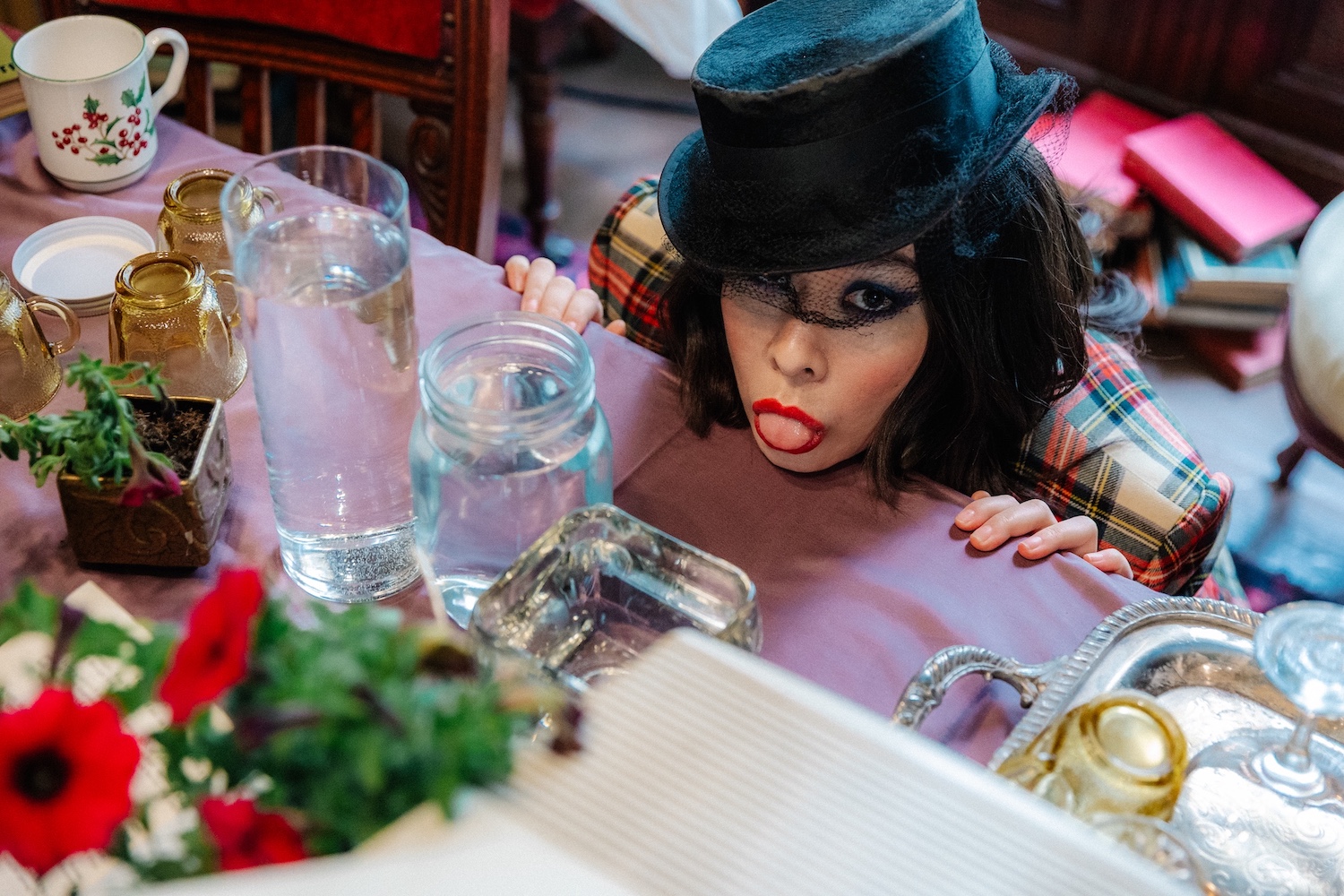
Jack Batt: Nothing’s About to Happen to Me is pretty much everything I wanted from a new Mitski album. After Laurel Hell, there were some rumors about Mitski retiring, and in a way it feels like she’s retired from the pressure to make a “hit” and settled into making the music she wants to hear. I went back and watched some old Mitski interviews, and she’s super clear about how draining her album rollouts and press cycles used to be. She’s also been open about the intrusive and entitled behavior from fans that comes with success, and I think the new record is Mitski’s response to that sort of pressure. If Laurel Hell and Be The Cowboy are representative of an artist in constant motion, Nothing’s About to Happen to Me is the calm after the storm. Returning home from tour, turning her phone off, locking the doors, and hiding under the table from anyone who might try and lure her away from the peace and quiet.
Josh Weiner: As mentioned above, I’m not familiar enough with her discography to be able to respond to questions of this sort so thoroughly. But I can tell that Mitski is a real critical darling, having had multiple albums lodged into the “universally acclaimed” category on Metacritic.com. Her latest one managed an impressive 87%, so that’s an early sign that it’ll endure as an acclaimed record of hers as the years go on.
Isabella Le: This record is no Bury Me At Makeout Creek (i.e., my all-time favourite Mitski album), but it was a good one nonetheless! I like the trajectory that she’s on, and I don’t expect her to nod back to her work from over a decade ago anytime soon. In the pantheon of the rest of her discography and the larger cultural context, I have to say this album is rather forgettable, but that doesn’t negate its merits as a standalone project — it’s difficult to outdo near-perfection.
Jake Fewx: Unfortunately, Nothing’s About to Happen to Me sits in the lower half of Mitski’s discography for me. I still enjoy the album quite a bit! The fact is, so much of Mitski’s early work is groundbreaking; absolutely excellent indie music. The standout singles are excellent additions to the Mitski catalog, but a solid handful of tracks on the album sound like a rehash of Mitski’s earlier sound, and I just don’t think they quite hold up. I still very much appreciate Nothing’s About to Happen as a big Mitski stan, but I don’t see myself taking the time to revisit the entire album much in the future.
Rachel Leong: Mitski to me has always felt like an artist who constantly pushes the bounds of music and what’s out there right now. Her eighth stands out to me as a wonderful culmination of that. It feels seasoned, yet in many ways feels like the star of her next 8 albums.
Dimitra Gurduiala: It’s not my favourite (that spot is still somewhere between Laurel Hell and Puberty 2 for me!), but I still think it’s a really strong album. It feels mature, very self-aware, and completely unconcerned with pleasing anyone but herself. And I really respect that. She still manages to put something deeply personal into every track, and that’s what makes me keep coming back to her work. I just love her for that.
— —
:: stream/purchase Nothing’s About to Happen to Me here ::
:: connect with Mitski here ::
— —
Stream: “Where’s My Phone?” – Mitski
— — — —
Connect to Mitski on
Facebook, 𝕏, TikTok, Instagram
Discover new music on Atwood Magazine
© Lexie Alley
 © Lexie Alley
Nothing’s About to Happen to Me
an album by Mitski