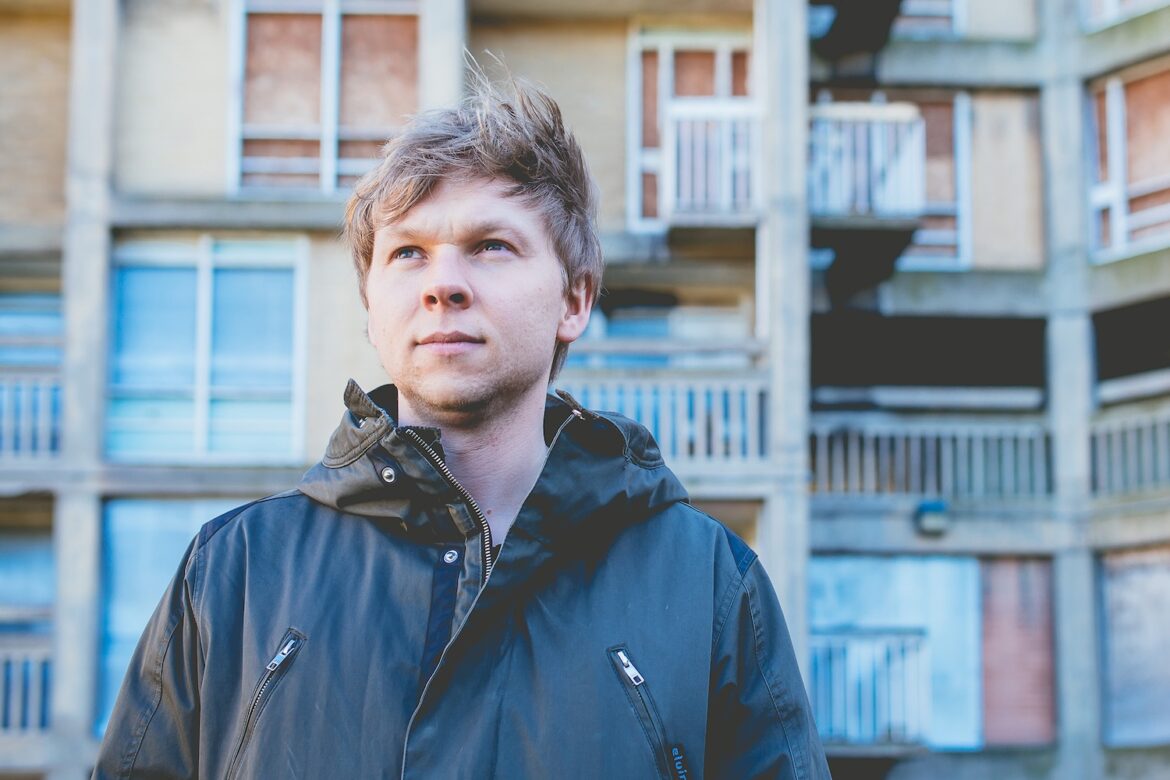
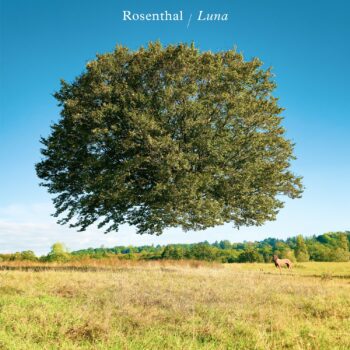
Danish indie pop artist Rosenthal says farewell with gratitude on “Luna,” the soul-stirring title track off his debut album – a glistening, astral reverie that transforms lost love into light, memory, and a luminous world all its own.
Stream: “Luna” – Rosenthal
Lost love can still leave light behind.
The heart has a way of preserving warmth from the people who once moved through it, carrying their memory forward not as a burden, but as a soft and steady glow. Rosenthal’s lastest single drifts through the tender afterimage of a love that still radiates heat, even after its ending has settled into memory. Serene and gently soul-stirring, the Danish artist’s glistening “Luna” wraps nostalgia in sweetly wistful light – a dreamy rush of organic guitar, ethereal intimacy, and astral synths that lifts a private goodbye into a luminous act of remembrance.
It’s a song for looking back without falling apart, for honoring the people who shaped us even as we release them, and for finding beauty in the emotional weather they leave in their wake. With “Luna,” Rosenthal makes parting feel less like a wound than a window – open to spring air, softened by time, and burning with the kind of gratitude that survives loss.
Springtime and unrest
Sinking into gloominess
I’ll be your blues
Your spark
Whatever you choose
Atwood Magazine is proud to be premiering “Luna,” the soul-stirring title track and final single from Rosenthal’s upcoming debut album Luna. Out May 8 via AfterImages, the record follows Rosenthal’s debut single “Heart,” released last year, as well as this year’s “Afraid of Stairs” and “A Dream” – each song offering its own glistening glimpse into Danish songwriter and multi-instrumentalist Jeppe Kiel Revsbech’s intimate, atmospheric world.
Rosenthal is the brainchild of Revsbech, whose project name comes from the German word meaning “rose valley” – an image that feels fitting for music so naturally beautiful, softly radiant, and gently thorned. Before stepping fully into his own songwriting voice, Revsbech played in the art punk band Aerobic Lyrik and the indie band Us With Millions, experiences that sharpened his instincts while leaving him longing for a space where he could define the sound, shape, and emotional architecture himself. Rosenthal grew out of that impulse: A personal creative world inspired by the melancholic pop and alternative music he first found through late-night MTV – The Cure, Cocteau Twins, New Order – and built around a fusion of heartfelt vocals, organic instrumentation, electronic flourishes, and dream-pop atmospherics that feel both human and otherworldly.
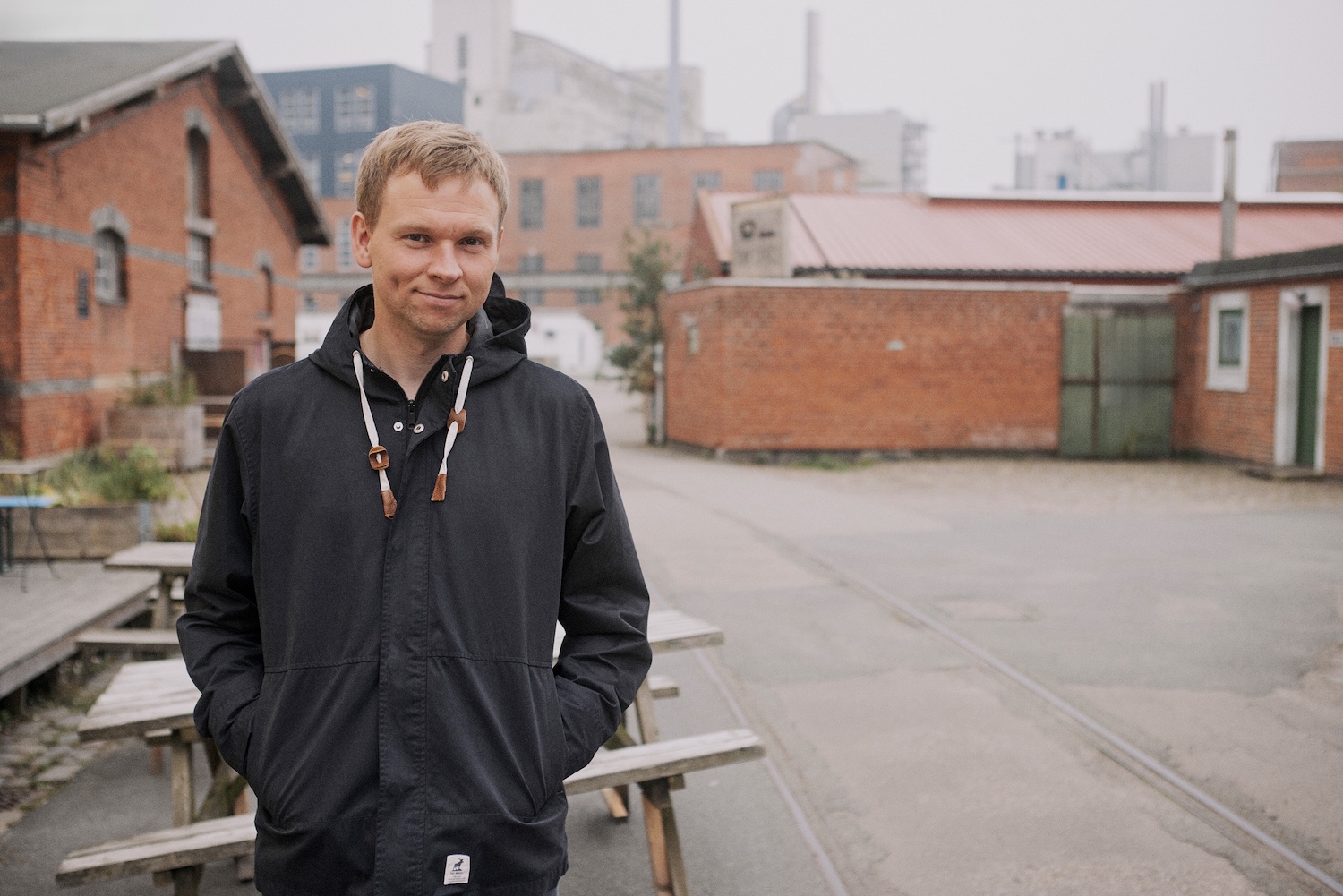
Rosenthal’s songs feel intimate because they come from the place where feeling first begins to take shape – before it has been fully explained, resolved, or made neat.
Revsbech writes through the unsettled terrain of being alive, allowing his most vulnerable sides to move through his music with an unforced honesty. For listeners entering Rosenthal’s world through “Luna,” that sense of emotional clarity is essential to understanding what makes the project feel so human at its core.
“I hope people will perceive a person who very much uses music as a way to deal with life’s ups and downs,” Revsbech tells Atwood Magazine. “If my thoughts on everything from grief and anxiety to memory and resilience can resonate with others, that would mean a lot to me.”
That desire for resonance runs through Luna as both feeling and form. The album does not flatten Revsbech’s inner world into one mood; instead, it lets contrast become part of the portrait. Its songs move between release and reflection, shimmer and shadow, lift and weight – tracing an artist drawn to beauty, but unwilling to sand away the raw edges that make it real.
“I feel that Luna is a good mix of the kind of music I strive to make,” he says. “There are both soothing, energetic, and maybe even heavy moments on the record, and I guess that’s also a good reflection of who I am as a person as well. Overall, I wanted to make a record with a raw and organic vibe, and I think I’ve managed to achieve that quite well.”
In that sense, Luna introduces Rosenthal through multiplicity rather than polish alone. It is dreamy without drifting out of reach, luminous without losing its grounding, and spacious enough to hold life’s contradictions without forcing them into easy answers. “Luna” sits at the heart of that world – a title track that distills Revsbech’s gift for turning private emotion into music that feels open, inviting, and deeply felt.
I was lost then and there
Your almond eyes
A seldom glare
Eager arms in neon light
As we danced into the night
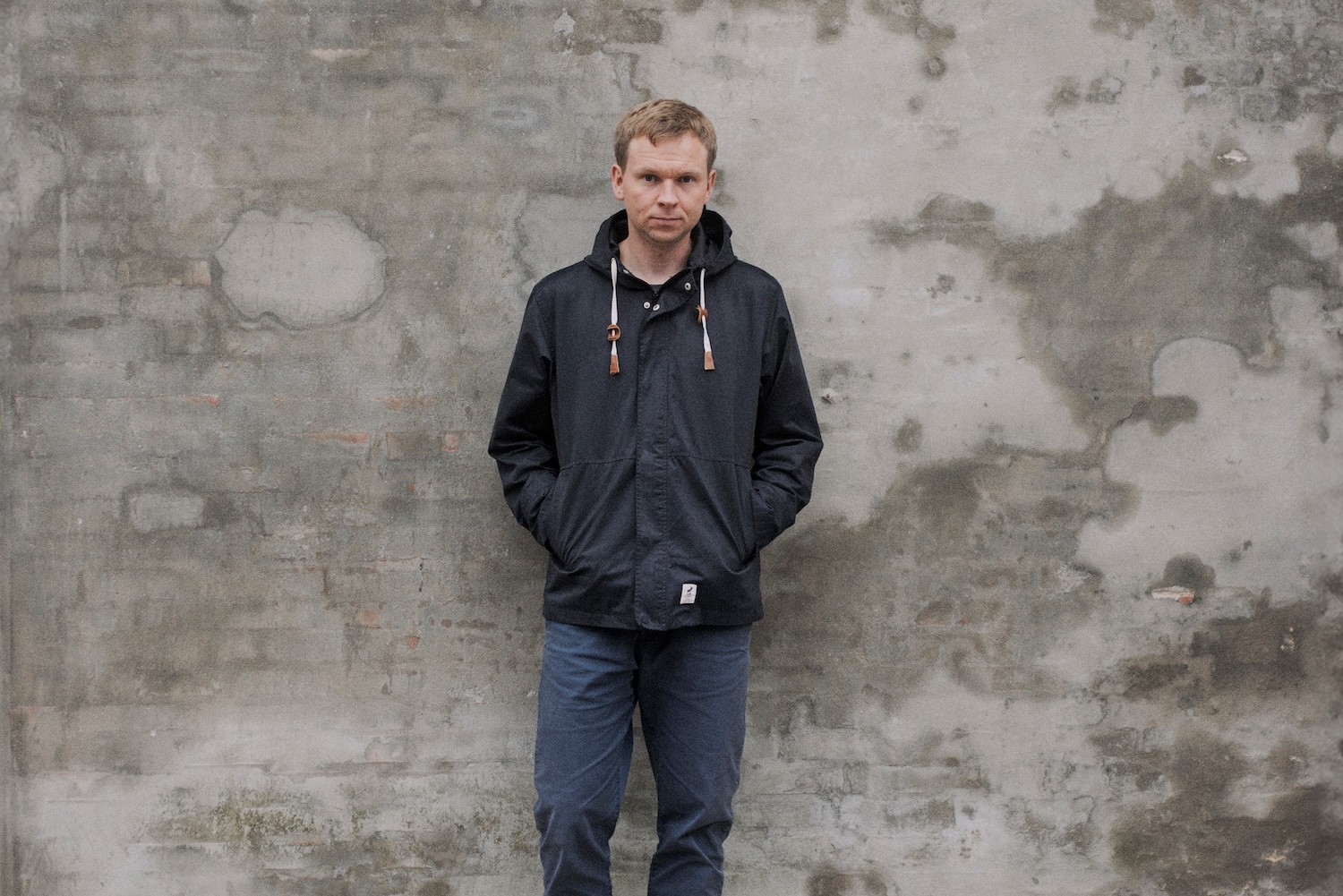
“Luna” opens in the thick of springtime unease, where renewal and heaviness press against each other in the same breath.
“Springtime and unrest / Sinking into gloominess” feels like the song’s first emotional weather report – a season associated with bloom and brightness shadowed by inner drift, the promise of light complicated by a mind still carrying weight. Revsbech does not try to outrun that feeling. He lets it bloom slowly, patiently, through a close, stirring guitar line that feels almost handmade: Intimate enough to sit beside, steady enough to hold onto.
That intimacy deepens as “Luna” unfolds, its sparseness becoming its own kind of atmosphere. The song is built from simple materials – guitar, voice, pulse, air – but Rosenthal surrounds them with glistening synths, ghostly pads, and astral flickers that make the track feel as though it is expanding from a small room into an open sky. The arrangement never overwhelms the farewell at its center; instead, it lifts it, allowing each sound to hover like dust caught in morning light. There is a beautiful tension in that balance: A private confession set against a celestial backdrop, a grounded goodbye slowly drifting into the heavens.
The lyrics move with the same grace, slipping between devotion, memory, and release. “I’ll be your blues / Your spark / Whatever you choose” carries the ache of wanting to remain present for someone in whatever form they need – sadness, brightness, comfort, flame. Later, images arrive like fragments recovered from a dream: “Your almond eyes / A seldom glare,” “Eager arms in neon light,” two bodies moving through the night as though the past can still be touched for a moment. These are not grand declarations; they are sensory flashes, small preserved pieces of a relationship that has ended but has not disappeared.
By the time Revsbech sings of “a soothing voice,” “a melody,” and “an overdose of memories,” “Luna” has fully entered that luminous ache where remembrance becomes almost physical. The song seems to understand how memory floods without warning – how one voice, one look, one late-night scene can return with startling clarity and fill the present with a life that no longer exists in the same way. Yet Rosenthal keeps the feeling gentle, not because it lacks depth, but because gratitude has softened the edges. The closing image – “The morning skies are for you” – feels like an offering: A final gesture of light sent toward someone who still matters, even from a distance.
A soothing voice
A melody
An overdose of memories
Flooding my mind
The morning skies are for you
That is where “Luna” finds its lasting power.
It does not dramatize goodbye as collapse; it lets parting open into appreciation, complexity, and care. The song’s organic guitar and celestial production mirror the emotional shape of the lyric itself – earthbound in its honesty, skyward in its sense of wonder. Rosenthal turns a lost relationship into a space of reflection rather than ruin, and in doing so, he gives “Luna” its serene magic: A farewell that keeps breathing, shimmering, and giving off light long after the night has passed.
“‘Luna’ was written as a song of gratitude for a lost relationship, with a strong undertone of nostalgia running through the lyrics,” Revsbech shares. “I wanted to create a sparse, pulsating vibe that could underline the tenderness of the track while keeping the arrangement simple. The song is essentially about saying farewell, but with a sense of warmth or thankfulness that, I hope, is evident in the lyrics.”
That thankfulness becomes the song’s emotional pulse. “Luna” never tries to erase the ache of an ending, but it refuses to let loss have the final word. Instead, Revsbech gives memory a shape we can sit with – intimate, luminous, and full of air – allowing goodbye to feel less like a closing door than a horizon still holding the first light of morning.
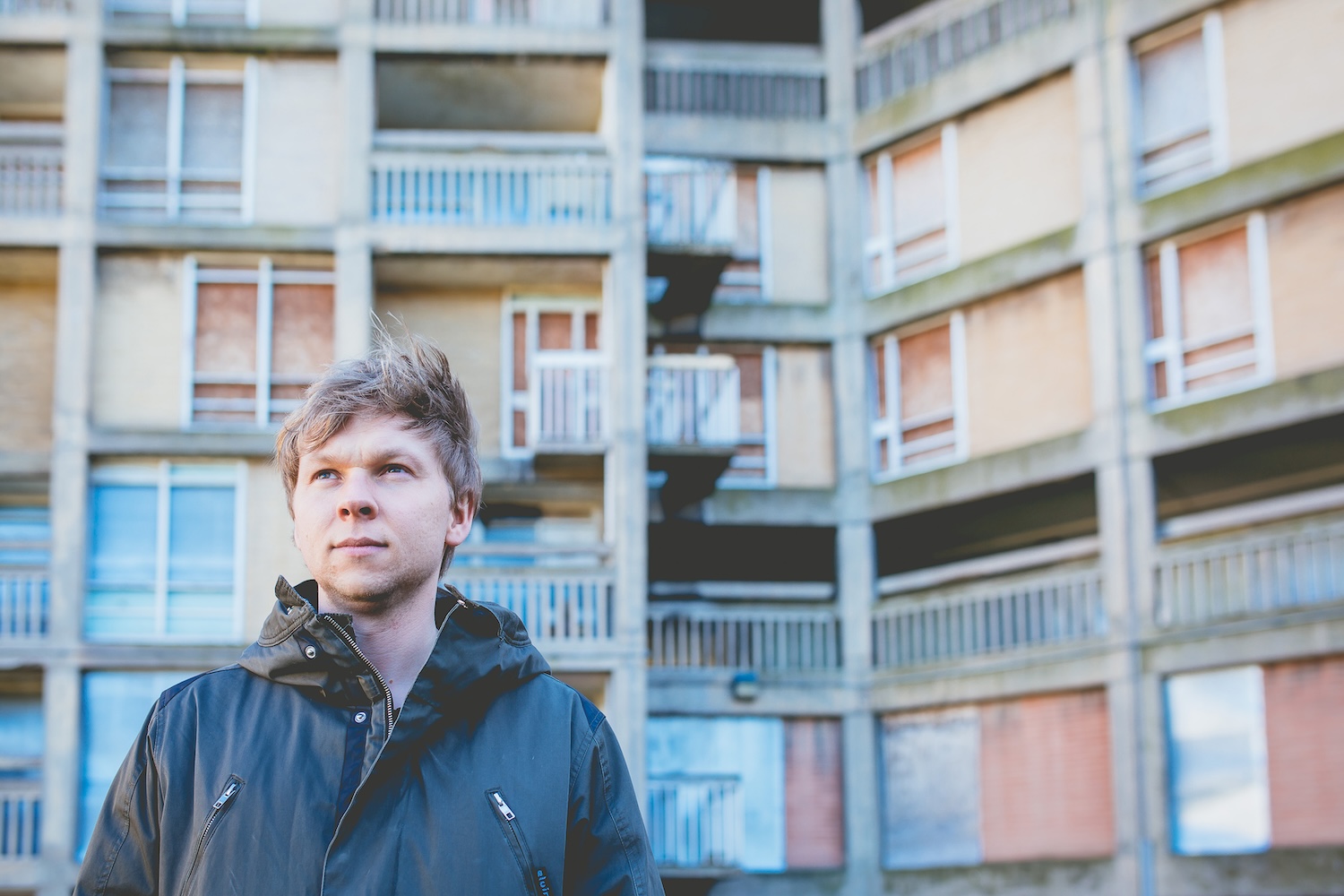
As the final offering before Luna arrives in full, “Luna” feels like a fitting threshold into Revsbech’s technicolor dream world.
It carries so many of the album’s essential contrasts in miniature: Fragility and force, melancholy and uplift, earthly ache and celestial release. Its pulse is restrained, but its emotional reach is expansive; its arrangement is spare, but the world it opens feels vast. In Rosenthal’s hands, dream-pop becomes a place where the intimate and the astral can exist in the same frame – where a single guitar line can feel like a confession, and a wash of synths can make that confession glow beyond the borders of the self.
This balance helps make “Luna” such a striking introduction to the artist behind it. Revsbech is not chasing one mood, one texture, or one version of beauty; he is building a body of work roomy enough to hold contradiction. Luna suggests the beginning of a project with real depth and dimension – the emergence of an artist who contains multitudes, who can make music that soothes without simplifying, glimmers without losing its grit, and reaches toward the heavens while staying rooted in lived human feeling. For anyone discovering Rosenthal today, “Luna” is more than a title track or final single. It is an open door into a rich, radiant universe – and the first chapter of an artist worth paying special attention to in the months and years ahead.
Stream “Luna” exclusively on Atwood Magazine, and dive into our full conversation with Rosenthal below as Jeppe Kiel Revsbech opens up about the musical north stars that shaped his sound, the restless creative spaces that continue to inspire him, the raw and human qualities running through his debut album, and the Danish artists currently catching his ear.
Lost love can leave light behind; in Rosenthal’s hands, that light becomes a whole world to step inside.
— —
:: stream/purchase Luna here ::
:: connect with Rosenthal here ::
— —
Stream: “Luna” – Rosenthal
A CONVERSATION WITH ROSENTHAL

Atwood Magazine: Rosenthal, for those who are just discovering you today through this writeup, what do you want them to know about you and your music?
Rosenthal (Jeppe Kiel Revsbech): The basic facts would probably be that I’m a songwriter and multi-instrumentalist from Denmark, who is just about to release my debut album, Luna, on May 8. On a deeper level, I hope people will perceive a person who very much uses music as a way to deal with life’s ups and downs. If my thoughts on everything from grief and anxiety to memory and resilience can resonate with others, that would mean a lot to me.
Who are some of your musical north stars, and what are you most excited about the music you're making today?
Rosenthal: I’m definitely inspired by the seminal bands that came out of the ‘80s and ‘90s alternative rock scene, like, for instance, The Cure, New Order, My Bloody Valentine, and Cocteau Twins. They all had a big impact on me as a musician. These days, I find a lot of inspiration in putting myself in creative situations where I don’t feel too safe. I really like working this way, because quite often something interesting will come out of it. At least to me.
Your debut album releases in fewer than 10 days! How do you feel Luna introduces you and captures your artistry?
Rosenthal: I feel that Luna is a good mix of the kind of music I strive to make. There are both soothing, energetic, and maybe even heavy moments on the record, and I guess that’s also a good reflection of who I am as a person as well. Overall, I wanted to make a record with a raw and organic vibe, and I think I’ve managed to achieve that quite well.
Thus far you’ve released the singles “Heart,” “Afraid of Stairs,” and “A Dream.” How do you feel these songs represent the album, and why did you choose them as your first teasers?
Rosenthal: I think “Heart,” “Afraid of Stairs,” and “A Dream” give a good introduction to the album both sonically and emotionally. They are all essentially pop songs, but with flaws and a rawness running through them that I really like. More than anything, I wanted the album to feel “human,” as corny as that sounds, and I hope that is evident in both the music and lyrics.
“Heart” is especially powerful – “It’s not the waves I feel most, it’s the rain from your clouds,” we hear you sing at the start of the album. Why kick off the record with this track?
Rosenthal: Thank you! I think that song has an immediate quality that hopefully will get people curious about hearing the next few songs on the album. In these playlist times a full album can be quite a mouthful to dive into, so I guess I wanted to get people’s attention by starting off strongly and then hopefully get them ‘hooked’ on the rest of the record.
Today we’re premiering your album’s softly serene title track, “Luna.” What’s the story behind this song?
Rosenthal: “Luna” was written as a song of gratitude for a lost relationship, with a strong undertone of nostalgia running through the lyrics. I wanted to create a sparse, pulsating vibe that could underline the tenderness of the track while keeping the arrangement simple. The song is essentially about saying farewell, but with a sense of warmth or thankfulness that, I hope, is evident in the lyrics.
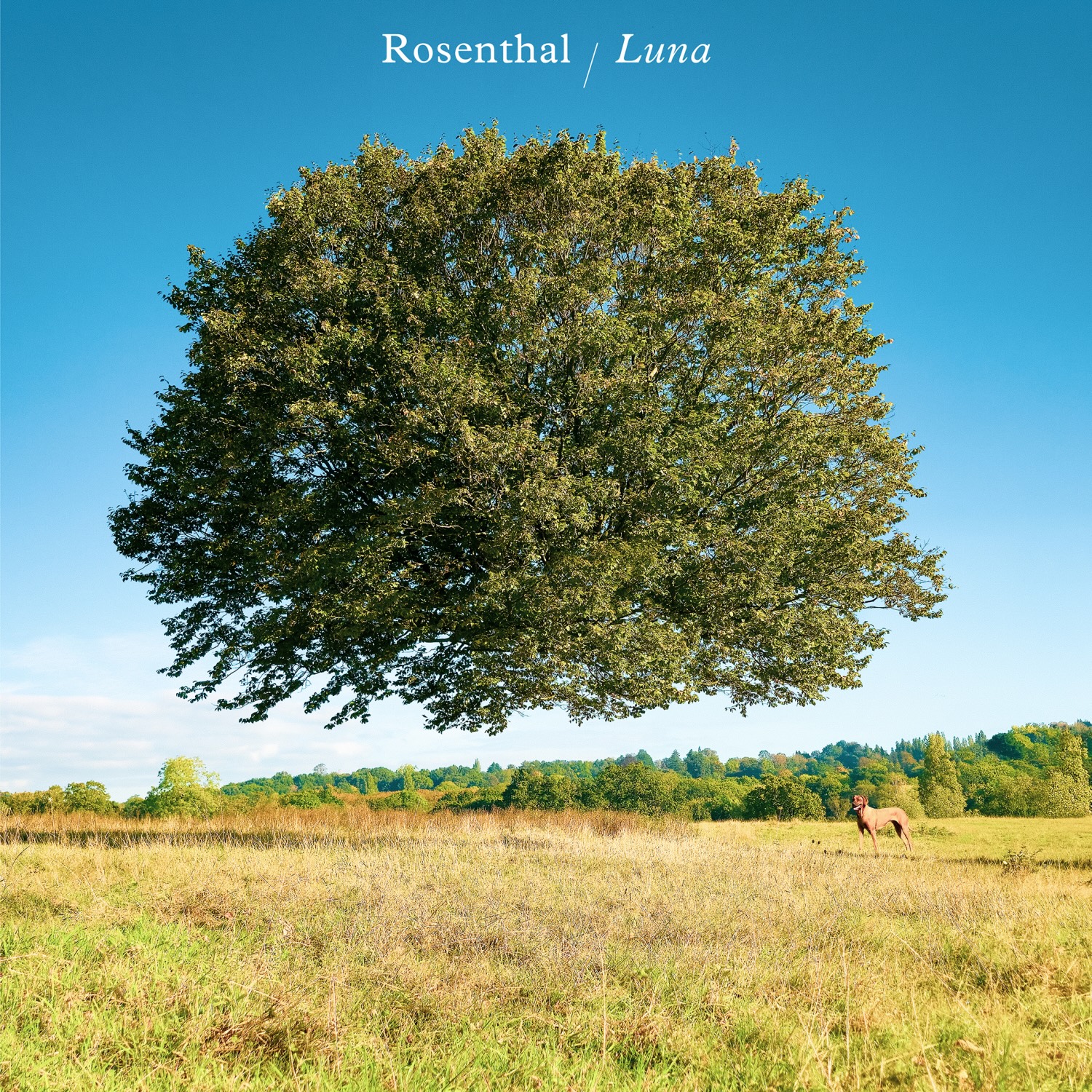
‘Luna’ is the Latin word for ‘moon.’ What does this word mean for you, in the context of the song – and why, then did you make it the title of your album as well?
Rosenthal: I like the various meanings of the word. “Luna” is, as you say, the Latin word for ‘moon,’ but it can also be a female name, or short for ‘lunacy’ – as in being ‘moon sick’ or emotionally unstable. These are themes that are both present on the album and very familiar to me, personally. So, with that in mind, it felt like a good title for both the song and the album.
In the spirit of paying it forward, who are you listening to these days that you would recommend to our readers?
Rosenthal: I listen to a lot of different music, but one artist I really like right now is a Danish act called 100%WET. It’s a duo from Copenhagen that works a bit within the same musical sphere as I do. They released their debut album last year, and it reminds me of Curve’s Doppelgänger album from ‘92, mixing elements of shoegaze with big electronic beats in a very cool way.
— —
:: stream/purchase Luna here ::
:: connect with Rosenthal here ::
— —
Stream: “Luna” – Rosenthal
— — — —
Connect to Rosenthal on
Facebook, Instagram
Discover new music on Atwood Magazine
© Mads Nordvig Borup
 ©
© :: Stream Rosenthal ::