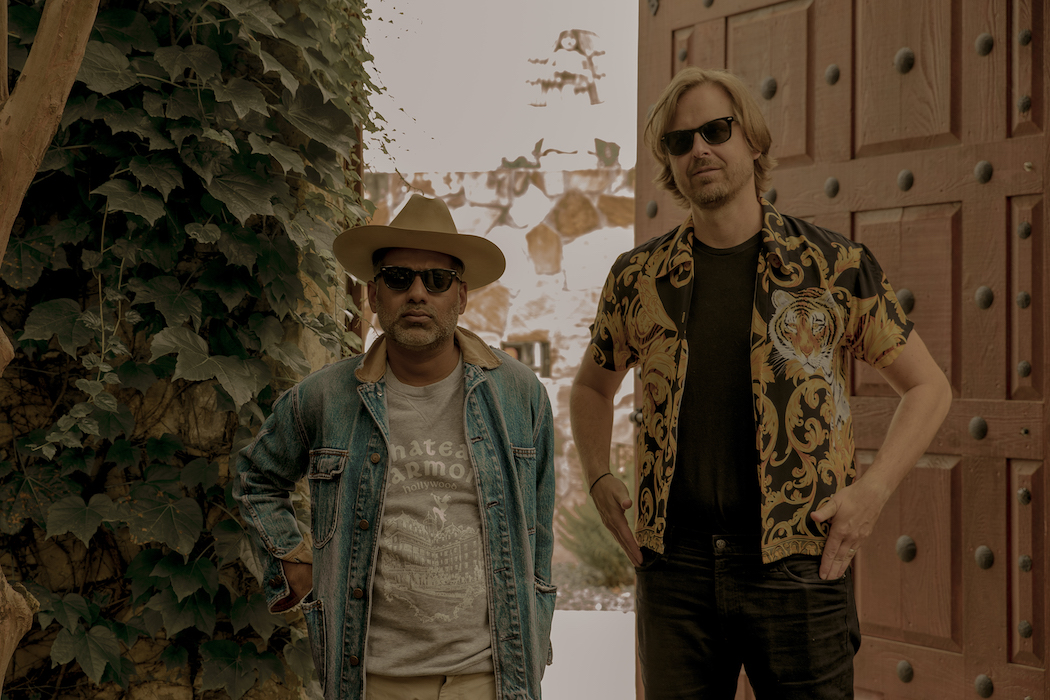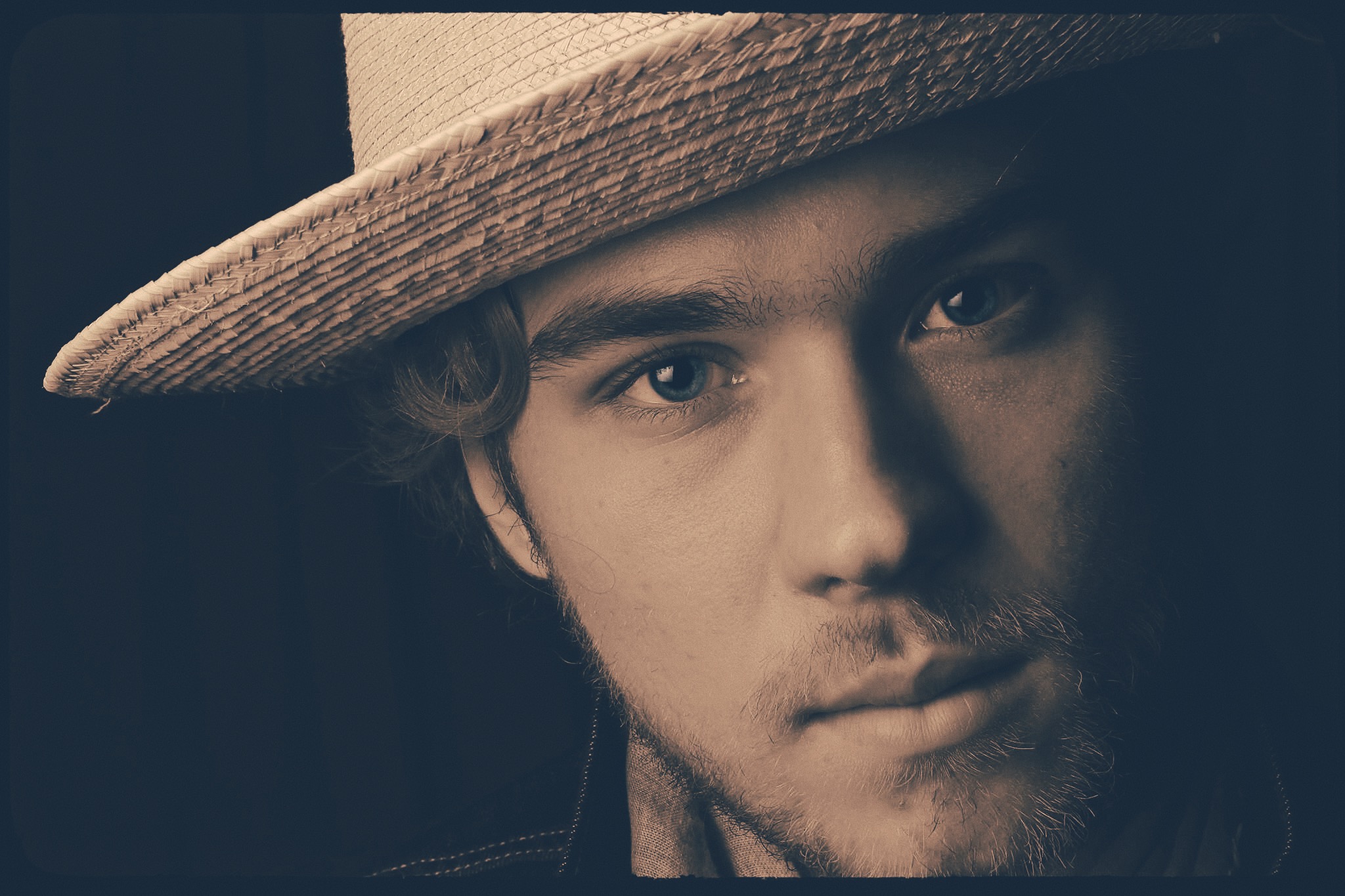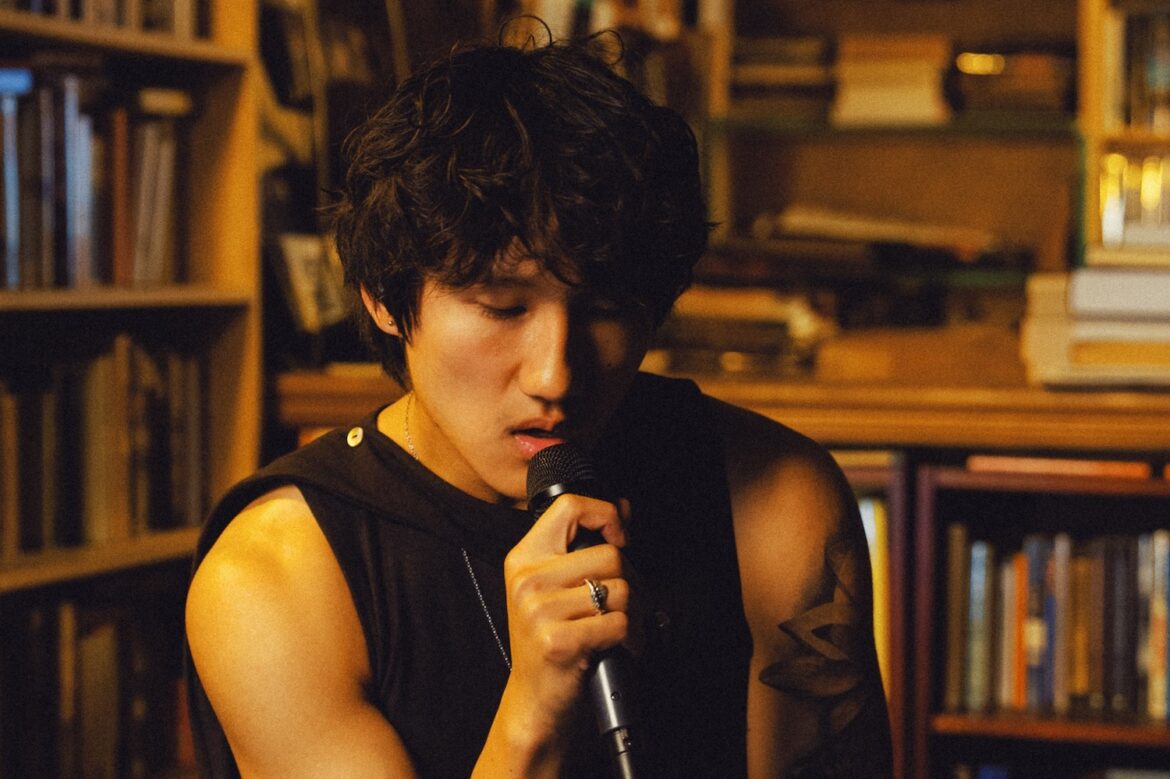
Charley Yang steps fully into himself as chandol on ‘Mercurial,’ a thrilling, genre-blurring debut album that transforms childhood memory, buried conflict, and the weight of a public past into an expansive act of artistic self-definition – with “Lakeview Ct” opening the door through a cinematic return to innocence.
Stream: “Lakeview Ct” – chandol
Charley Yang spent years being recognized as a character he no longer wanted to play.
Success arrived before he had the space to decide what kind of artist he wanted to become.
On Mercurial, his debut album as chandol, the 23-year-old singer/songwriter steps out from behind that expectation and into a body of work shaped by the sounds, memories, and conflicts he actually wanted to pursue. Beginning with “Lakeview Ct,” a return to childhood innocence, the record roams through indie pop, guitar rock, folk, and hyperpop with the freedom of an artist who has finally given himself permission to be unpredictable.
Even the name ‘chandol’ embodies that shift. The English spelling of Yang’s Korean name, and once his legal name, reconnects him to his roots while opening a wider creative space – one where he can follow unfamiliar musical directions and let his own instincts set the terms. Mercurial follows suit, stretching Yang’s confessional songwriting across a more expansive, experimental palette while keeping his personal history close to the surface.
The result is a record of reclamation, release, and long-delayed self-definition. Mercurial is the sound of Yang finally catching up with himself – reaching back through the memories and conflicts that shaped him, then carrying them forward as an artist newly free to decide who he wants to be.
paint on the leaves
color of grief
don’t be so callous
can’t grow back teeth
lake view court
before i could read
conviction as sharp as the bark
biting my skin as i’m climbing the tree
now i got places to be
now i got places to be
(don’t leave so soon)
somebody i need to be
– “Lakeview Ct,” chandol
Atwood Magazine is proud to be premiering the music video for “Lakeview Ct,” Mercurial’s opening track and a cinematic, genre-blurring overture to chandol’s new era. For Yang, this chapter arrives after an extraordinary first act. Long before chandol, he broke through as BoyWithUke, the masked project that took off while he was still a teenager and ultimately made him a multi-platinum songwriter. What began with homemade GarageBand recordings and viral TikTok momentum grew into a career of international reach, but the person behind the mask was still growing up alongside it.
Yang’s melodic, lyrically forward songwriting remains the record’s throughline. Mixed by Jeremie Inhaber, with live drums from Aaron Sterling, its twelve songs embrace the volatility its title promises. “Breakfast in Bed” wraps romantic dependence inside a soaring guitar song; “2002” erupts from buried anger and family history; “What’s The Rush?” answers public judgment with restless defiance; and album closer “Doubt” ends the record facing an unfamiliar future with open arms.

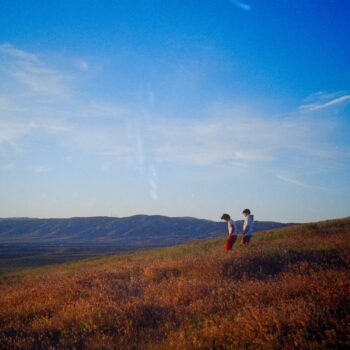
“Lakeview Ct” is the first scene the album asks us to enter. Yang wrote it from a vivid childhood recollection of climbing trees and watching sunlight break through the leaves, before trauma, upheaval, and a move changed the course of his life. Its opening image – “paint on the leaves / color of grief / don’t be so callous / can’t grow back teeth” – collapses innocence and everything that followed into the same memory, while the repeated plea to “put me back / take me back to when I started this” gives that nostalgia an almost desperate pull.
Asked what Lakeview Court represents to him now, Yang answers with striking simplicity: “‘Lakeview Ct’ represents a time of innocence. Genuinely good memories. A place that doesn’t exist anymore, but I was lucky enough to experience it for a time.” The video carries that memory one step further, giving the backward glance the weight of a send-off. Asked whether it functions as a prequel to the album’s story, chandol embraces the idea immediately: “I hope it expresses to viewers that I’m ready to move on.”
“Lakeview Ct” carries that send-off inside its own split perspective. Yang sings, “now I got places to be / somebody I need to be,” only for a parenthetical voice to answer, “we all know it’s an act so.” Within Mercurial’s larger frame, the aside lands with extra force: The child climbing toward sunlight has become an adult negotiating expectation, performance, and the pressure of who he is supposed to be. By the climax, “haven’t been back since / we were manageable,” nostalgia has lost its innocence. Lakeview Court survives as a place Yang can revisit, honor, and finally leave behind.
The past gets harsher once Mercurial leaves Lakeview Court. “2002” erupts with the fury of old family wounds and the frustration of being mistaken for a person strangers think they understand; “Guilt Trip” follows with a more exposed reckoning, its opening admission cutting straight to the record’s collision between childhood and adulthood:
“i wish i knew who i’d become back then
maybe then i wouldn’t be
uncomfortable with where i am”
“I think the biggest thing for me was that there was a lot of real unprocessed conflict in my life that I had always wanted to make into music, as I’ve learned is my outlet for such emotions,” Yang explains. “Like I really needed to just get it out, otherwise I thought it would stagnate my development as an artist.” Mercurial gives that history somewhere to go. The songs preserve its unresolved edges, letting anger, confusion, and hindsight speak in the voices they actually arrived in.
Elsewhere, memory leaks into love. “Mercury” catches Yang examining the defensive habits that intimacy brings to the surface, landing on one of the album’s sharpest definitions of devotion:
“don’t go looking for love in a dictionary
if what you want is someone who isn’t ready to leave”
“While I’m Gone” carries that fear into distance, bargaining against abandonment with the repeated plea “just promise me you won’t be moving on,” while “Reckless” watches two people fall repeatedly into patterns they already recognize. Across these songs, Yang’s past is never sealed away from the present; it follows him into bedrooms, arguments, departures, and every relationship that asks him to trust what happens next.
By “Doubt,” acceptance has begun to replace the need for resolution. The closer starts from the brutal contradiction “how come i feel so empty when i’m full of doubt” and eventually reaches a far gentler admission: “proud of the man i am sometimes / i am.” Its final refrain – “it’s not what i’m used to / it’s not who i am” – leaves Yang standing inside a life that still feels unfamiliar, but one he is finally willing to inhabit. “‘Doubt’ was actually one of the first tracks I made with this project in mind,” he says. “The end of the track both lyrically and sonically felt like a proper ending for me. This new life I lead is not what I’m used to, but that’s chill. I welcome it.”

Released July 10, Mercurial makes its restlessness part of the point.
Its title gives Yang permission to resist another fixed artistic silhouette, allowing abrupt stylistic changes to mirror a life defined by instability, experimentation, and constant revision. “Musically, I wanted to explore sounds I wasn’t familiar with using,” chandol explains. “I also feel like given the title of the project, I had the freedom to be all over the place. Actually the more chaotic, the better.” The chaos works because Yang remains its center of gravity: However dramatically the production changes shape, the songs keep returning to the same person trying to understand what his past has made of him and what he wants to make of himself now.
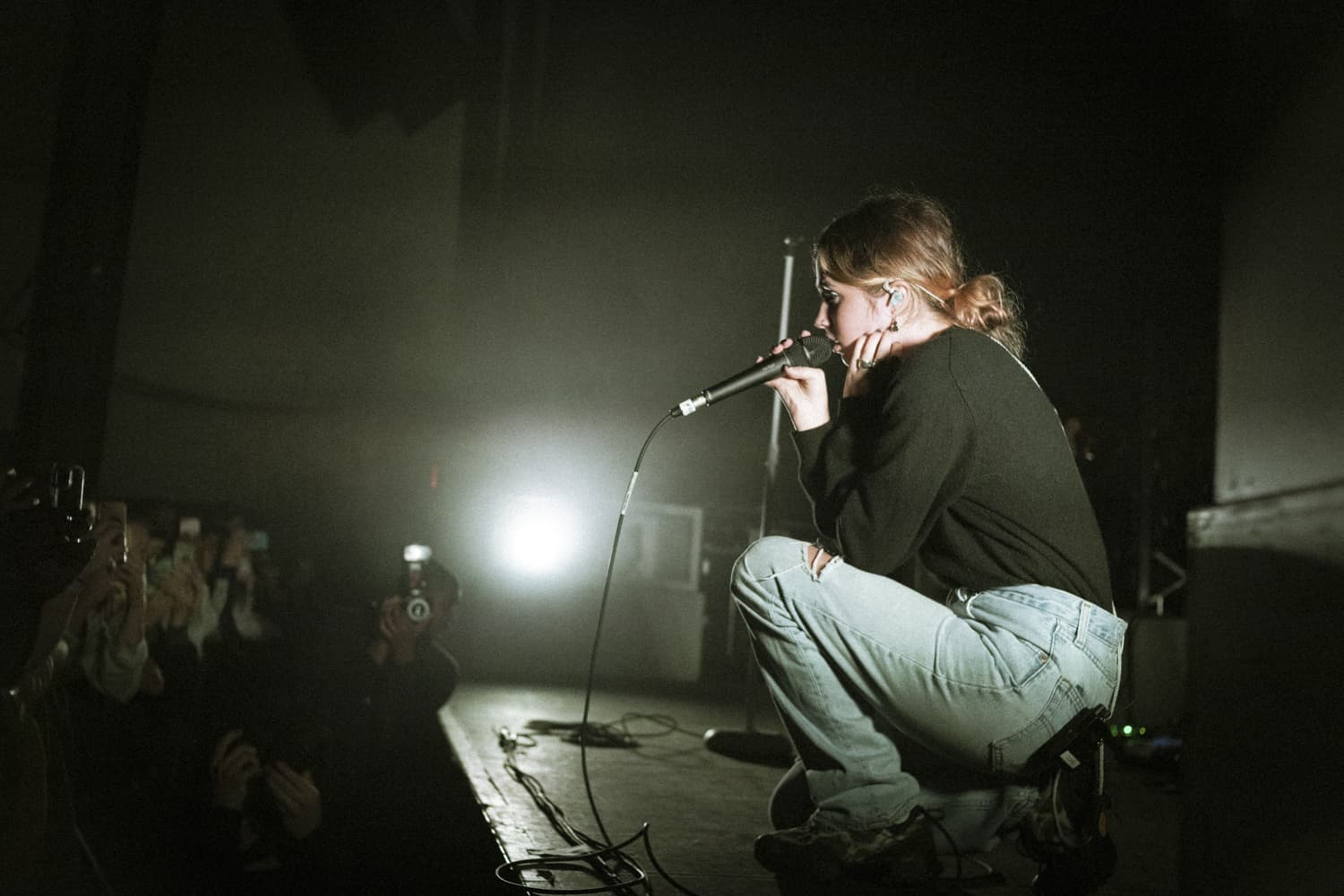
By the end of the record, chandol becomes the point where Yang’s private and public selves can finally occupy the same space. His first headline tour under the name made that convergence physical: He could walk onstage with his band and simply play, without having to perform a character around the performance itself. After the first show, Yang says, the nerves that had followed him throughout his career disappeared – a small but striking confirmation that the change happening on Mercurial extends well beyond the studio.
Atwood Magazine caught up with chandol to trace the path that brought him here, dig into the memories and musical risks behind Mercurial, and look toward the life he wants to build beyond it. Charley Yang’s career may have once moved faster than he could define himself, but with chandol, the person and the artist are finally moving at the same speed.
— —
:: stream/purchase Mercurial here ::
:: connect with chandol here ::
— —
Stream: ‘Mercurial’ – chandol
A CONVERSATION WITH CHANDOL

Atwood Magazine: Charley, hello and thank you for your time! For those who are just discovering chandol today, what do you want them to know about you and your music?
chandol (Charley Yang): I make music. I like listening to music. I live in Massachusetts.
What did you need from this new artist identity that the old one can no longer provide for you?
chandol: The space to be authentic and freedom to make music the way I want to.
What does the name ‘chandol’ mean to you?
chandol: chandol used to be my legal name. It’s the English spelling of my Korean name, so to me it means I’m going back to my roots and embracing all parts of myself.
You’ve said some of your previous work misrepresented the kind of artist you want to be, and that Mercurial finally gave you the space to make something honest. What did honesty feel like (and look like) on this record?
chandol: Honesty felt like writing from real lived experiences, and using sounds I’m really interested in. There was no pressure to impress anyone, and yeah I just felt free.
What does the title Mercurial mean to you?
chandol: A childhood, a personality, a soccer cleat.
Mercurial feels like a record about memory, identity, past lives, and trying to make peace with who you are today. What were you trying to understand about yourself across these songs?
chandol: I think the biggest thing for me was that there was a lot of real unprocessed conflict in my life that I had always wanted to make into music, as I’ve learned is my outlet for such emotions. Like I really needed to just get it out, otherwise I thought it would stagnate my development as an artist.
We’re premiering the video for “Lakeview Ct,” the album’s opening track. Why did this song feel like the right way into the world of Mercurial?
chandol: “Lakeview Ct” uses a lot of elements from every track of the album and developed into such a cinematic sound. Initially I wanted to use it as an interlude to connect “2002” with a different track, but I felt like it wanted to be an intro. I also wrote it about very fond memories I have from my childhood, and I felt like it’s a good way to ease the listener into the rest of the project.
I’m struck by the lyric, “paint on the leaves / color of grief / don’t be so callous / can’t grow back teeth.” What were you trying to capture in that opening image?
chandol: I used to climb a lot of trees when I was younger and I had this vivid memory of looking up at the leaves and seeing the sun peak through while the wind blew, and yeah I was like wow this is heaven. But then some traumatic things happened, we moved, and life got really hard for a really long time. I’m living my best life now, but whenever I get stressed or upset now, I have a habit of gritting/grinding my teeth (especially in my sleep). The lyrics call back to my memory of climbing those trees. It makes me a little sad to imagine the younger version of me so happy not knowing what he’s about to go through, but you can’t change the past.
The song keeps reaching backward – “put me back / take me back to when I started this” – but it ends with “haven’t been back since we were manageable.” What does Lakeview Court represent for you now?
chandol: “Lakeview Ct” represents a time of innocence. Genuinely good memories. A place that doesn’t exist anymore, but I was lucky enough to experience it for a time.
The “Lakeview Ct” video feels like a prequel to the album’s narrative arc, and maybe even a send-off for this first album under the chandol name. How do you envision this video, and what do you hope it expresses to viewers?
chandol: Prequel is a wonderful way to describe it. I hope it expresses to viewers that I’m ready to move on.
“Breakfast in Bed” was the album’s lead single, and it still carries your confessional songwriting inside a fuller, guitar-driven alt-rock sound. Why did that song feel like the right first glimpse of chandol?
chandol: I wanted to ease listeners into the album. I felt “Breakfast In Bed” turned out to be a relatively inoffensive sound.
“2002” feels like one of the album’s most direct confrontations with the past. What’s the story behind that song, and why did you want it to explode sonically the way it does?
chandol: I feel like a lot of people/fans think they know me, especially because of my previous projects, but they don’t. There’s a lot of things I don’t talk about for the sake of those close to me. That being said, there were a lot of things I needed to get off my chest that made me feel a lot of intense emotions, and it turned into “2002.” I’m intentionally a bit vague in the lyrics out of respect, but it really scratched the itch for me to get it out.
“What’s The Rush?” has already become a fan favorite, and it feels like one of the album’s most immediate, stormy, anthemic moments. What were you trying to capture there?
chandol: Long story haha. I played a show in San Fran once and there was this one super obnoxious child and parent who were so rude and loud the whole concert. At one point they threw things on stage and I had to reprimand them (I did so pretty politely actually). The parent then went onto every subreddit for Music and bad mouthed me with exaggerations about what happened and their posts actually got a decent amount of traction which led to me receiving a lot of hate for a while. “What’s The Rush?” was about this experience, and how people can be quick to judge. What’s the rush in making assumptions?
“Doubt” closes the album with this mix of emptiness, celebration, and self-recognition: “How come I feel so empty when I’m full of doubt,” and later, “it’s not what I’m used to / it’s not who I am.” Why did this feel like the right final song?
chandol: “Doubt” was actually one of the first tracks I made with this project in mind. The end of the track both lyrically and sonically felt like a proper ending for me. This new life I lead is not what I’m used to, but that’s chill. I welcome it.
This album moves through indie pop, rock, folk, hyperpop, and more, but it still feels unified by your voice and songwriting. What was your musical vision for this project?
chandol: Musically, I wanted to explore sounds I wasn’t familiar with using. I also feel like given the title of the project, I had the freedom to be all over the place. Actually the more chaotic, the better.
As a lyrically forward artist, do you have any favorite lyrics in these songs?
chandol: “Take your time, what’s the rush?”
Do you have any definitive favorites or personal highlights off this record?
chandol: Love, love, love the production for “Doubt.” There’s things I would change about the lyrics looking back, but I love the production.
You just finished your first headline tour as chandol. What has it felt like bringing this music to the stage under your own name?
chandol: I was pretty nervous at first. U.S crowds tend to be kind of awkward at least in my experience, and I’m somebody who feeds off the energy the crowd gives. But I was pleasantly surprised. Playing these shows as who I am without any gimmicks felt amazing. I didn’t feel any pressure to play a character, make people laugh, record content, lip sync, or anything. It was just me and the band showing up, playing music, and taking it at our own pace. After the first show, I actually never felt nervous again, which has never happened all my career. Like this is what it was supposed to feel like all this time.
What do you hope listeners take away from Mercurial, and what have you taken away from creating this music and now putting it out?
chandol: I hope listeners can be inspired to move out of their comfort zone and go out and live their life. After Mercurial, I feel lighter. A lot of the music on the project is old to me, and I’m ready to move on. Excited to put out some more, less emotionally heavy, tracks.
In the spirit of paying it forward, who are you listening to these days that you’d recommend to our readers?
chandol: There’s this artist duo I found recently called ear. Super cool and satisfying production.
— —
:: stream/purchase Mercurial here ::
:: connect with chandol here ::
— —
Stream: “Lakeview Ct” – chandol
— — — —
Connect to chandol on
Facebook, 𝕏, TikTok, Instagram
Discover new music on Atwood Magazine
© Kevin Lien
 © Kevin Lien
:: Stream chandol ::