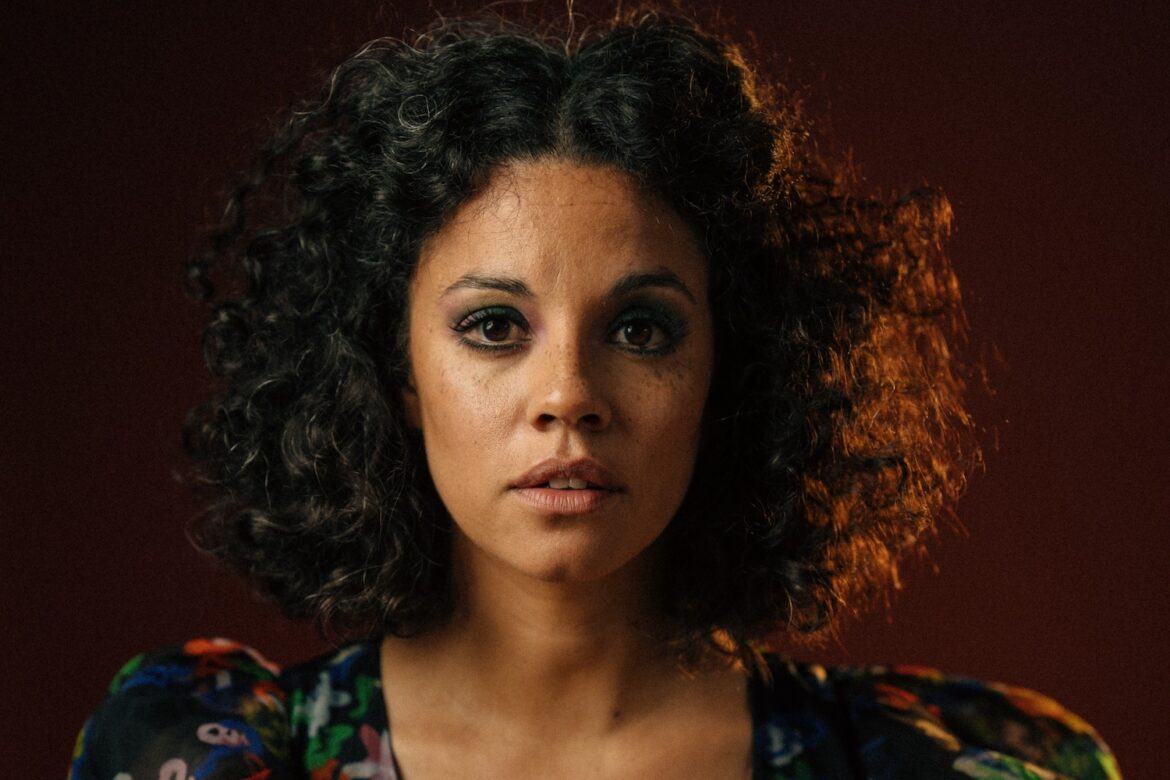
In her wryly defiant song “The Man,” Anoushka Lucas dismantles the myth of modern gender equality by exposing how ambitious women are still expected to sacrifice their time, creativity, and independence to maintain traditional relationships.
 follow our Today’s Song(s) playlist


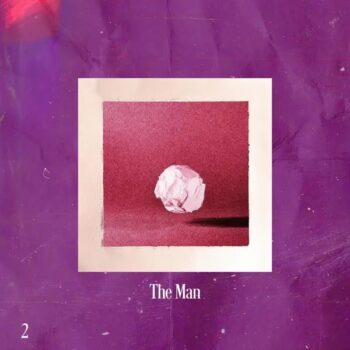
Stream: “The Man” – Anoushka Lucas
There’s an interesting contradiction at the heart of what it means to be a modern woman.
We’re told that opportunities are open, that we can balance ambition and intimacy, and that equality is finally here. But despite those encouraging messages, outdated expectations still dictate who has to compromise, who waits, and whose aspirations are seen as negotiable. In her biting song “The Man,” Anoushka Lucas articulates this contradiction with impressive clarity. The cornerstone track from her recently released album Make Believe finds Lucas examining closely the invisible compromises women still navigate between love, career, and their sense of self. Her music blends elements of soul, folk, and jazz, while her lyrics feel sharp yet conversational, dismantling the comforting myths surrounding modern romance. For Lucas, this track is a personal reclamation, a strong declaration of her uniqueness, and a commitment to preserving her creative freedom.
The song begins with her laying out the emotional toll of dating, pointing out, “I’ve given reasons and I’ve given years. I’ve given seasons and I’ve given tears.” Time feels like something she gives away instead of an experience she gets to live. With that intentional repetition of reasons, years, and seasons, Lucas emphasizes the weight of multiple concessions instead of just isolated disappointments. She highlights how quickly society turns situations into assumptions about character, reinforcing the all-too-familiar idea that if a woman is single, there must be something wrong with her.
When she sings, “I can’t keep a man so I must be mad,” the absence of a partner feels like a mark of personal failure. There’s this idea that she must be difficult or broken, having invested too much in everything except being chosen. Lucas deepens this discomfort by showing that even creativity starts to feel like part of the bargain when she writes, “Bought out my brain in the dead of the night. Bought out these stories and songs that I write.” Every piece of art, each idea, feels measured against expectations that still imply a woman’s biggest achievement should be outside of herself. This judgment lurks in unspoken ways, surfacing in sideways glances, sympathetic smiles, and assumptions that solitude must come with independence.
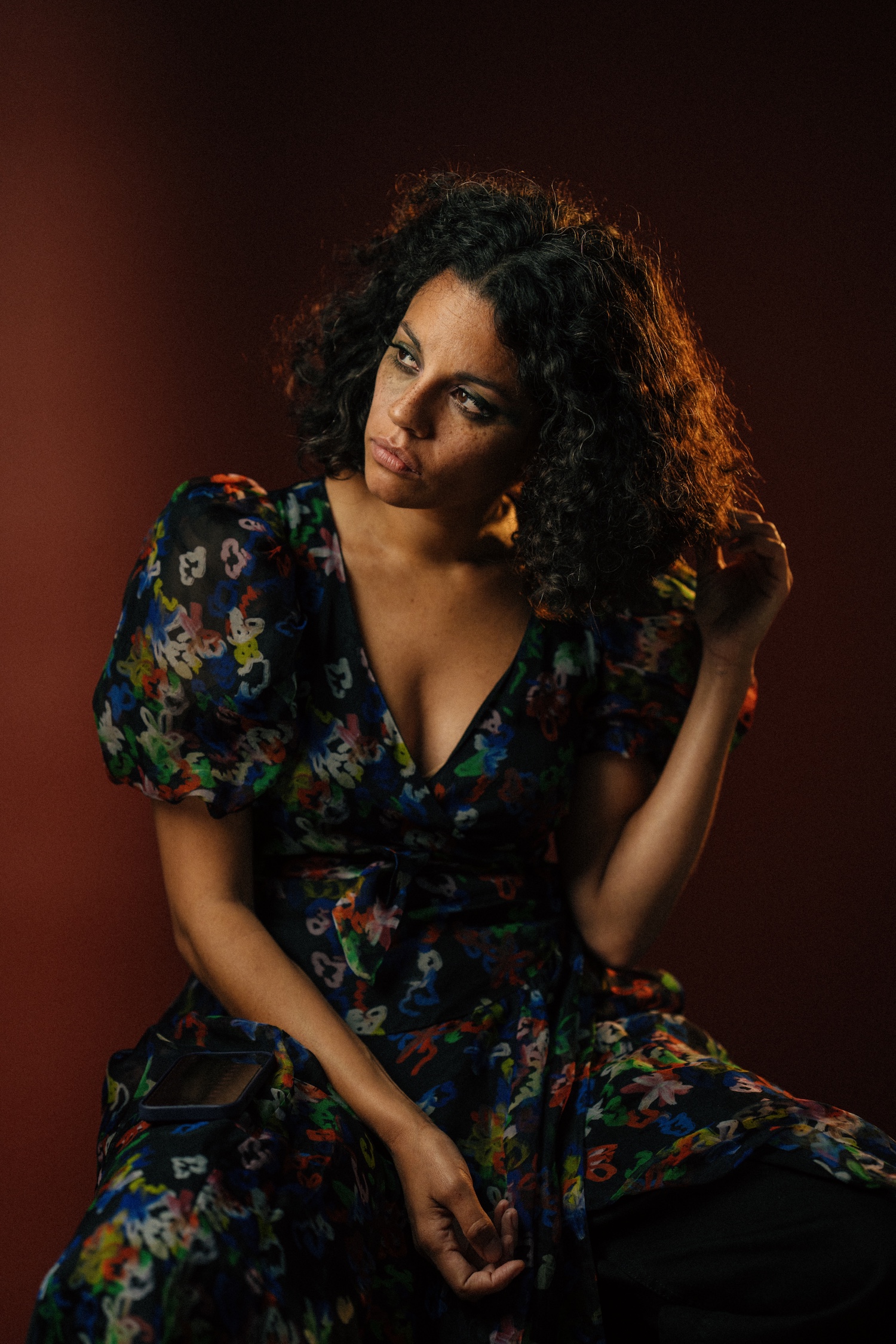
A memorable moment in the song balances between satire and resignation when Lucas says, “Look, you be the woman ‘cause I’ll be the man.”
She highlights how absurdly gendered our views on ambition can be. If defining oneself and pursuing creative passions are still seen as masculine, she simply claims that label to point out the flawed thinking. The emotional heart of the song lies in her vulnerable admission that recurs throughout the chorus: “I’m scared.” She’s acutely aware of what intimacy may demand, noting, “On the day they start holding my hand, I ain’t met one that can understand.” Lucas captures the quiet anxiety many ambitious women feel as love can become the space where unspoken expectations rise to the surface. Whose career gets prioritized? Who shifts their schedule? Whose creative pursuits take a back seat? It’s easy to talk about equality, but living it often gets complicated.
In the refrain, she challenges another comforting modern belief when she sings, “I tell them my work is my life. They say these days you can work and be a wife.” It sounds progressive at first, but Lucas gently uncovers the inequity hidden beneath it. Too often, having it all means carrying it all. Her witty response, “Okay, you be the wife then. ‘Cause I’ll be the man,” highlights a lingering double standard. If domestic work, caregiving, and emotional labor truly hold equal worth, why does assigning that role to a man still feel controversial? With impressive economy, Lucas unveils this lingering hierarchy, allowing irony to express what outrage often can’t.
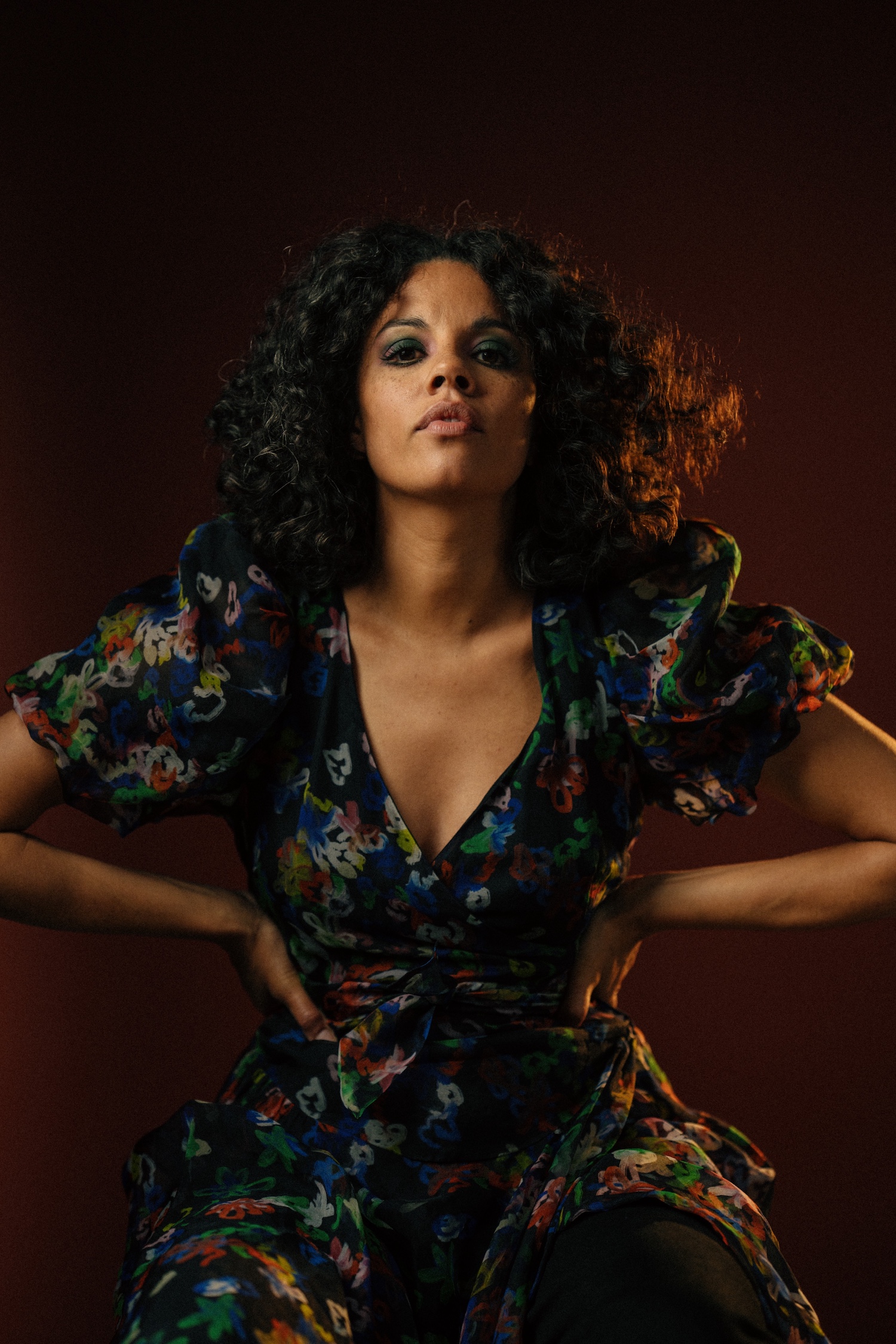
This imbalance becomes painfully clear as the perspective broadens, noting her attraction to men who “claim that their aim is to stay wild and free,” and observing that, “The wilder they get, the less wild I can be.”
Freedom starts to look like a limited resource, expanding for one person while contracting for another. The qualities Lucas admires – independence, artistic curiosity, and self-determination – get celebrated in men while quietly turning into hurdles for women. This juxtaposition leads to the song’s quiet heartbreak as she contemplates traditional foundations, saying, “I think my work will come second to theirs. Good women raise children, keep houses, and care,” before questioning, “Why can’t I care about things like a man?”
This tension is deeply rooted in Lucas’s own experiences. She’s mentioned that the song emerged from her frustration with heterosexual relationships, where she often felt she had to downplay her uniqueness to maintain peace, putting herself second to her partner even without them asking. It seemed like the men she dated were often unaware of how they expected their own lives, feelings, and careers to come first, which made her feel like she was the problem. These guys weren’t bad, but they didn’t engage with the power dynamics both had grown up with, leading to a lot of this inequality happening by default. She wrote this song as a needed boundary, a reminder that safeguarding her creative instincts isn’t a waste of time.
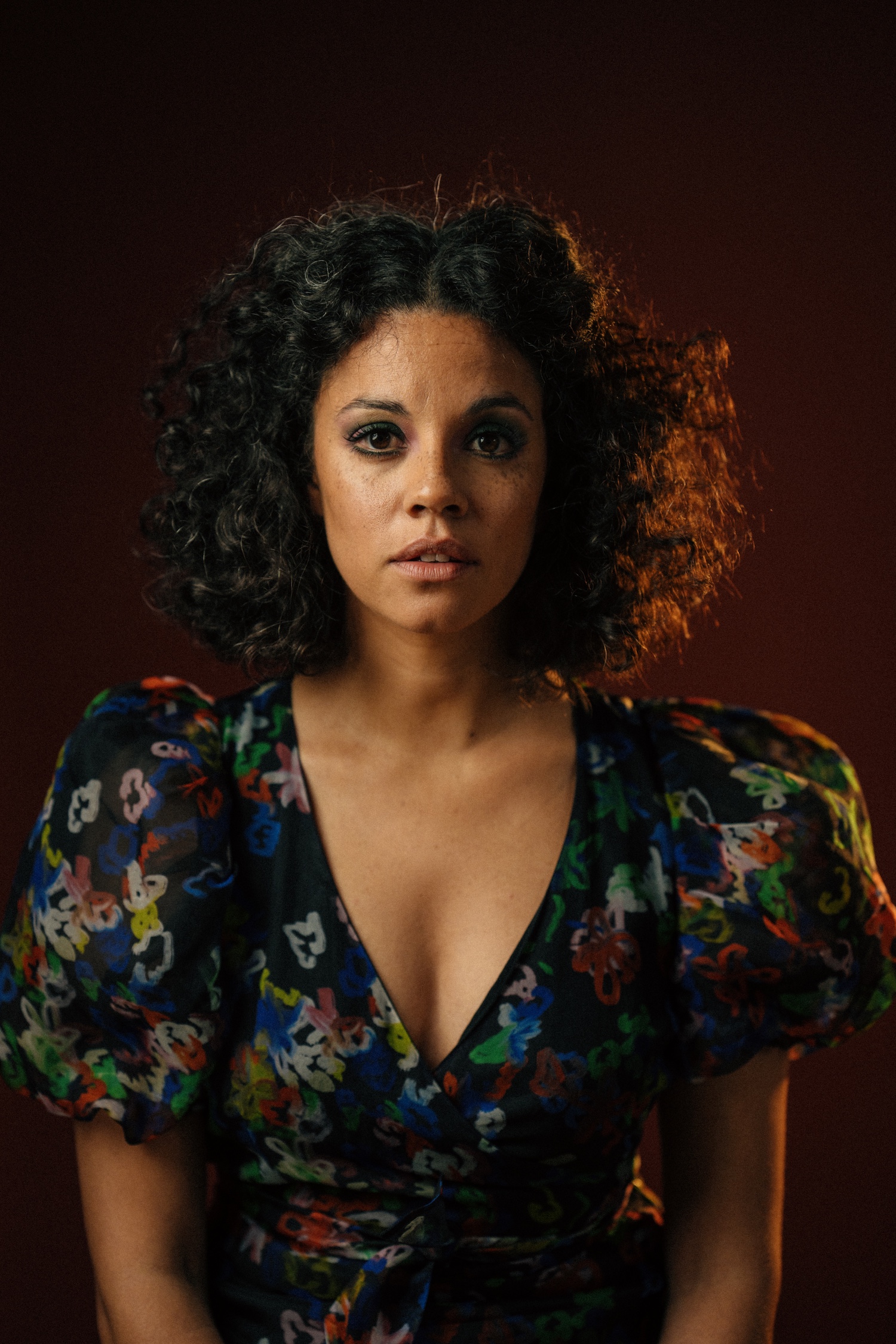
The power of “The Man” shifts when viewed through the lens of Lucas’s personal and artistic growth.
What started as a way to express her frustration about shrinking herself in heterosexual dynamics also captures the unconscious shift toward embracing her queerness without realizing it at the time. By calling out the systemic traps of the heterosexual framework, the song opens the door to her own liberation. Years later, she feels much happier knowing she can be the man, the woman, or anything in between, especially since queer relationships can offer greater freedom from those rigid gender norms.
Outside of traditional relationship scripts, the question of who bends and who leads can become a matter of choice rather than expectation. What makes “The Man” so remarkable is its focus on revealing real contradictions. Lucas dives into these layered tensions directly. By giving voice to that conflict with such intelligence and lyrical grace, she reminds us that looking after our creative selfishness is a vital act of survival.
— —
:: stream/purchase Make Believe here ::
:: connect with Anoushka Lucas here ::
— —
Stream: “The Man” – Anoushka Lucas
— — — —

Connect to Anoushka Lucas on
Facebook, Instagram
Discover new music on Atwood Magazine
© Sergei Sarakhanov
 © Sergei Sarakhanov
:: Today’s Song(s) ::
follow our daily playlist on Spotify
:: Stream Anoushka Lucas ::