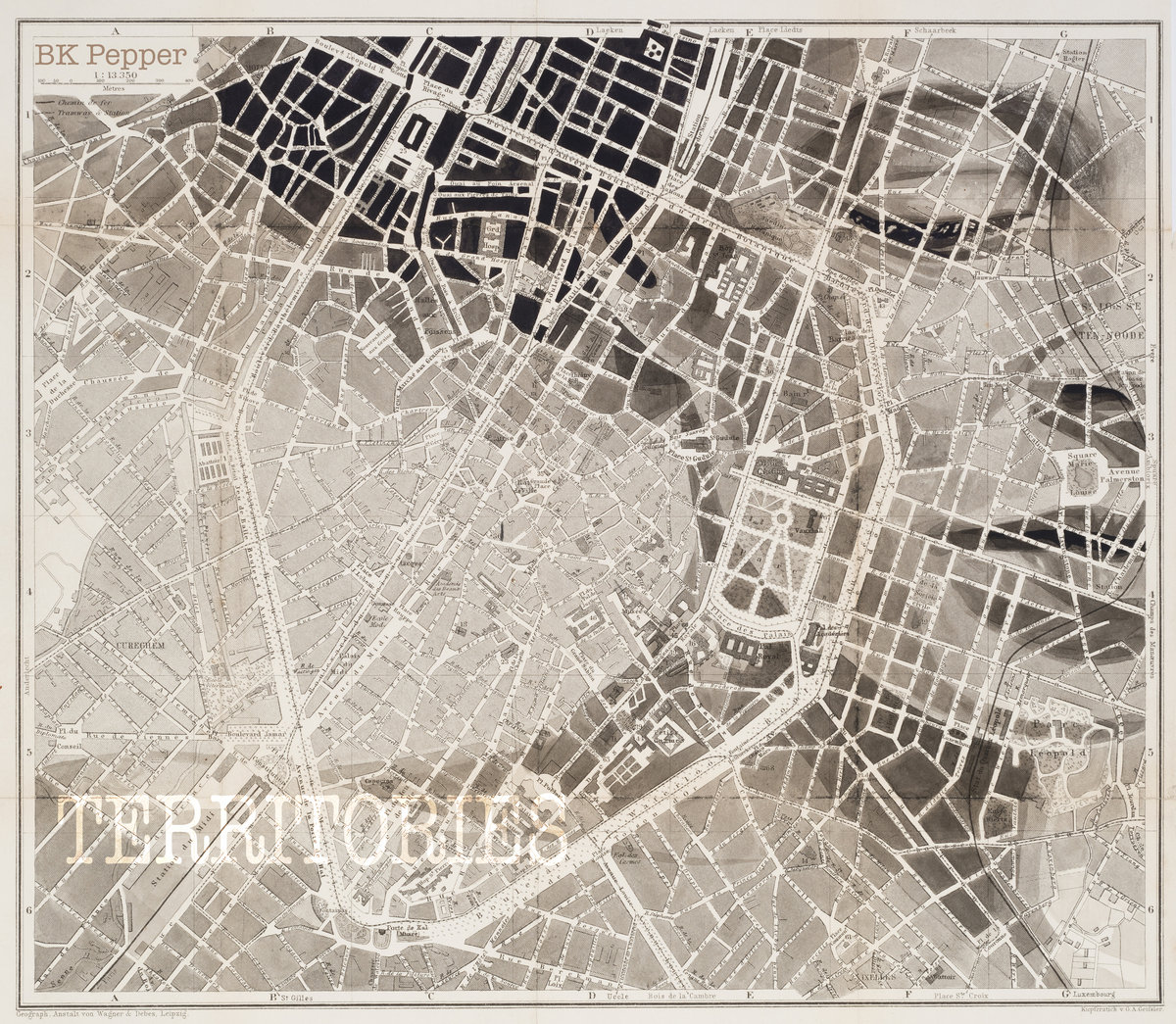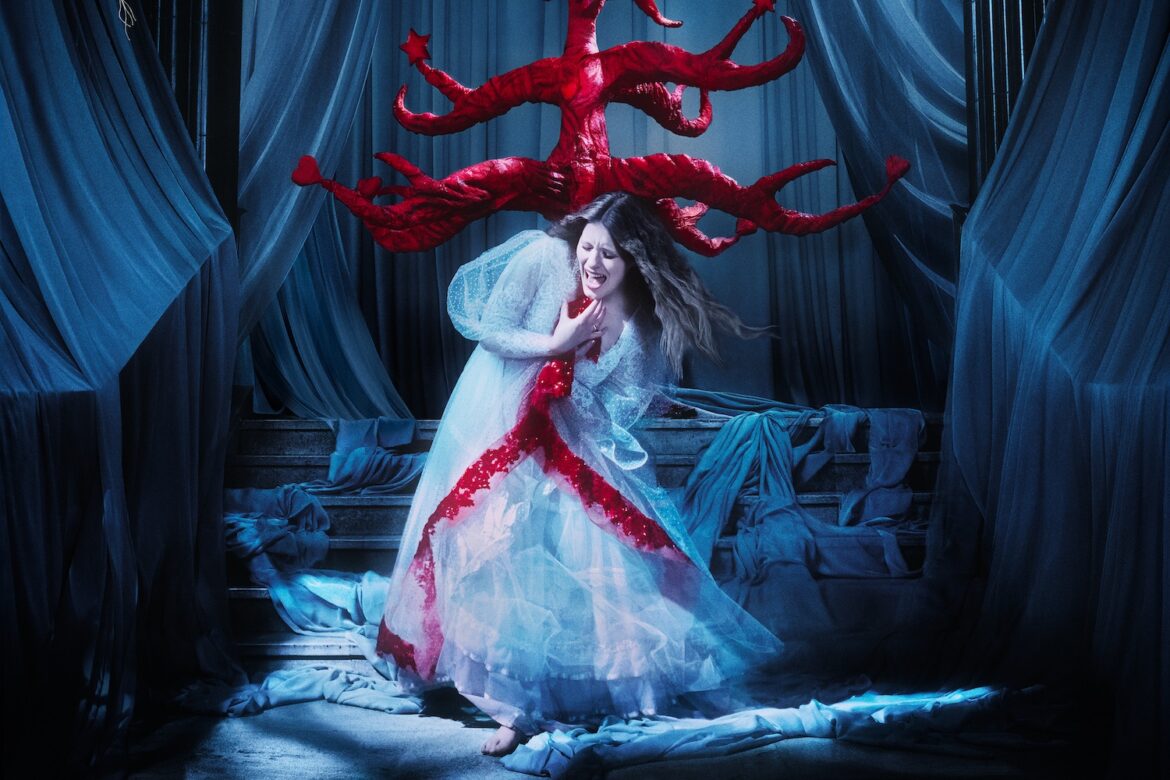
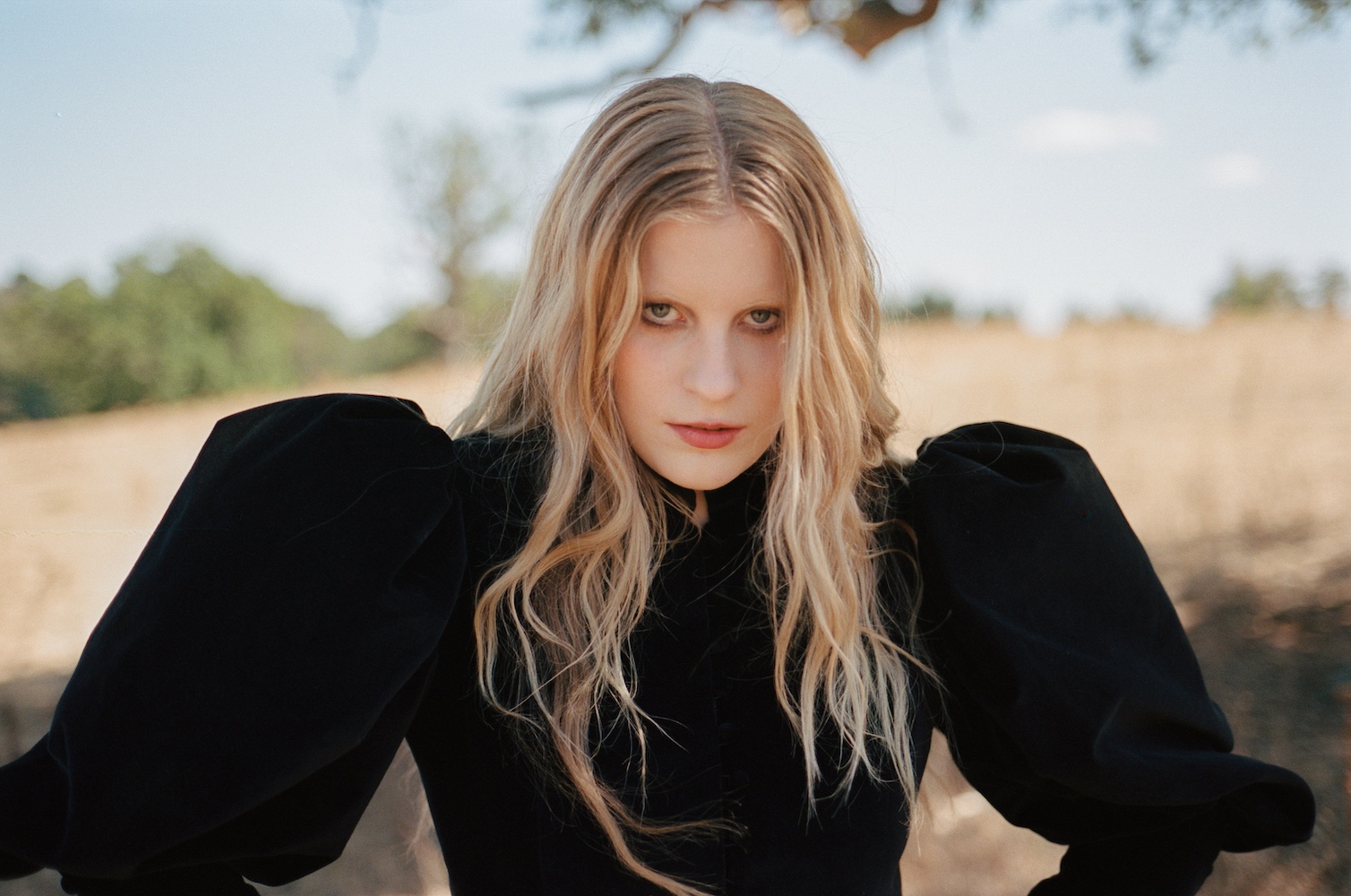
On her breathtaking sophomore album ‘The Fatal Flaw,’ Paris Paloma turns love, rage, art, and imperfection into a sweeping celebration of what it means to be unmistakably human.
Stream: ‘The Fatal Flaw’ – Paris Paloma
I have something to say…
* * *
It is less an opening lyric than a declaration of intent.
Within seconds of The Fatal Flaw, Paris Paloma has broken the fourth wall and invited us into a record concerned with what it means to make, love, hurt, rage, and – perhaps most importantly – feel. “Miyazaki,” her defiant ode to human creativity in the face of artificial intelligence, functions almost as the album’s prologue, establishing art not merely as one of its recurring themes but as its language. If 2024’s Cacophony offered a window into Paloma’s inner world, The Fatal Flaw turns her inside out, laying everything previously kept behind glass bare for us to see.

Released September 4, 2026 via Nettwerk, The Fatal Flaw is Paloma’s sophomore album and the culmination of an extraordinary period for the British singer/songwriter. Since her platinum-certified breakout “Labour” transformed a deeply personal expression of feminist rage into a global phenomenon, Paloma has emerged as one of her generation’s most distinctive voices. But reducing her work to anger – or even feminism alone – would miss much of what makes it compelling. On The Fatal Flaw, she builds something far more sprawling: an exploration of creativity, humanity, romantic and platonic love, self-love, feminism, desire, and the complicated business of being alive.
The album’s title borrows from the opening of Donna Tartt’s The Secret History, but Paloma’s question – whether a fatal flaw really exists – expands beyond literature. Across the record, she draws inspiration from J.W. Turner’s seascapes, Bell Hooks’ intersectional feminism, the Pre-Raphaelites, mythology, poetry, and the natural world, transforming the album into something resembling a gallery of human feeling. Paloma herself has said she wanted these songs to feel made for “great walls, tapestries and heavy paintings, not just diaries,” and that scale can be felt everywhere.
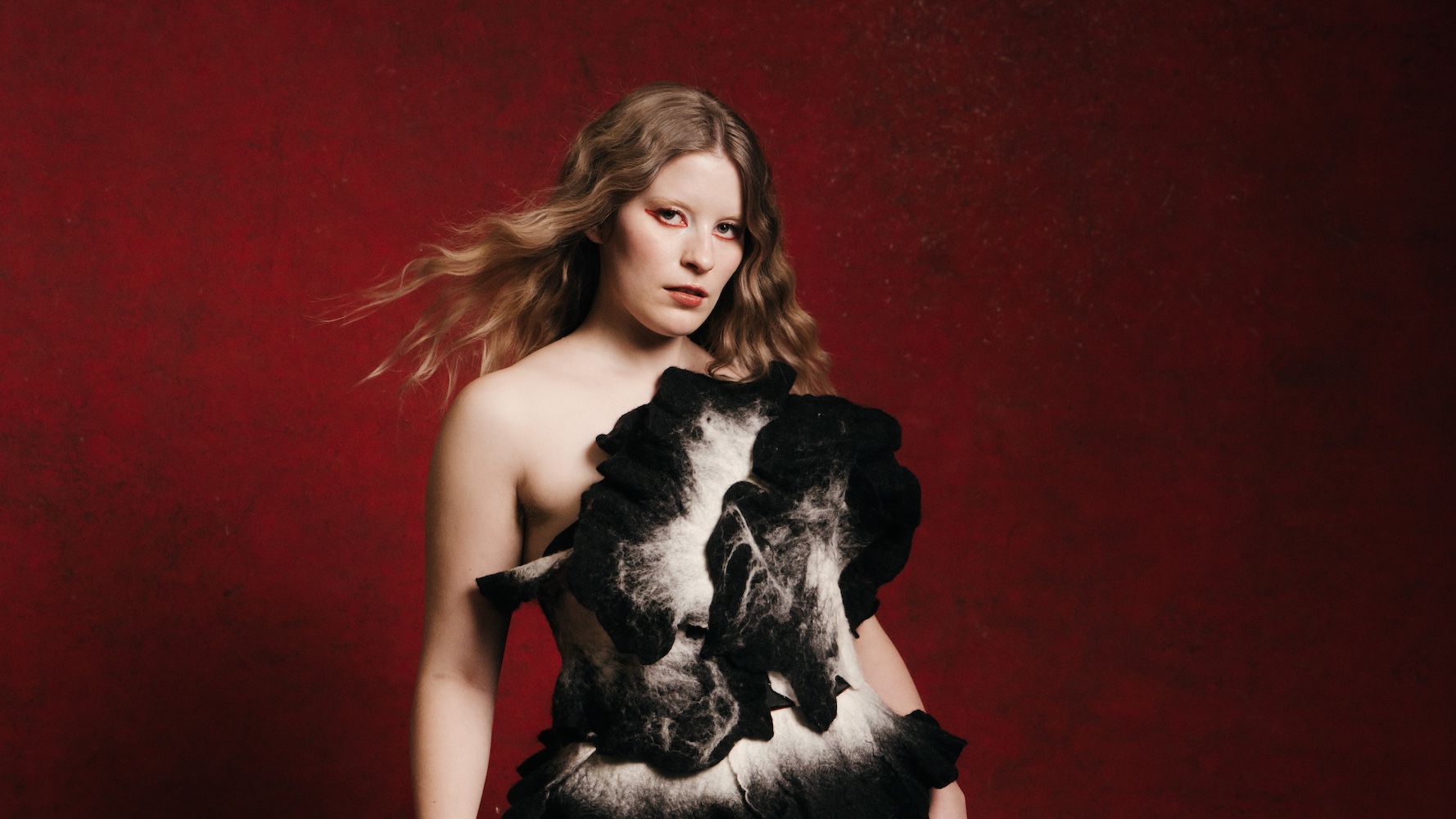
Sonically, The Fatal Flaw refuses to settle neatly into one genre.
Folk-pop bleeds into indie rock; dark pop brushes against baroque arrangements; moments of delicate intimacy suddenly swell into something cinematic and enormous. Paloma has always been interested in contrast, but here she seems increasingly comfortable pushing it to its limits. Her voice can be tender and almost weightless one moment, then loud, aggressive, and gloriously unapologetic the next. Rather than making the album feel disjointed, these shifts become part of its emotional vocabulary. Human feeling is inconsistent. Why shouldn’t the music containing it be, too?
That contradiction runs through the record lyrically as well. Love in Paloma’s hands is rarely uncomplicated. It can sustain and starve, liberate and constrain, inspire tenderness and provoke fury. On “Stem the Flow,” she captures the exhaustion of loving someone whose pain has begun spilling into your own life: “I can’t stem the flow and God only knows / Where you hide your stash of broken glass.” What begins in vulnerability gradually hardens into something angrier as Paloma reaches the limits of forgiveness. The repeated insistence that this hardness is “not in my nature” makes the transformation all the more painful: this isn’t anger arriving from nowhere, but the residue of loving someone past the point where love alone can save them.
“Stem the Flow” also sits in conversation with “Silhouette on the Hill,” the two tracks tracing Paloma’s movement through darkness toward something more powerful and primal. The latter draws inspiration from persistence hunting – the ancient practice of pursuing prey through endurance – and that imagery feels fitting for an album so interested in what humans survive, pursue, and carry with them.
Then there is “Pyrrhus,” perhaps one of The Fatal Flaw’s strangest and most intriguing detours. The song retells the story of Achilles’ son and his pursuit of godhood at enormous moral cost, reframing the myth as an allegory for young men seduced by the manosphere while the women who love them are left to watch. Initially, its specificity made it one of the tracks I struggled to connect with most. Yet repeated listens reveal precisely why that difference matters. The Fatal Flaw rewards curiosity; its densest corners slowly open themselves up, and “Pyrrhus” increasingly feels less like an outlier than another piece in Paloma’s larger examination of the forces that teach us how – or how not – to love.
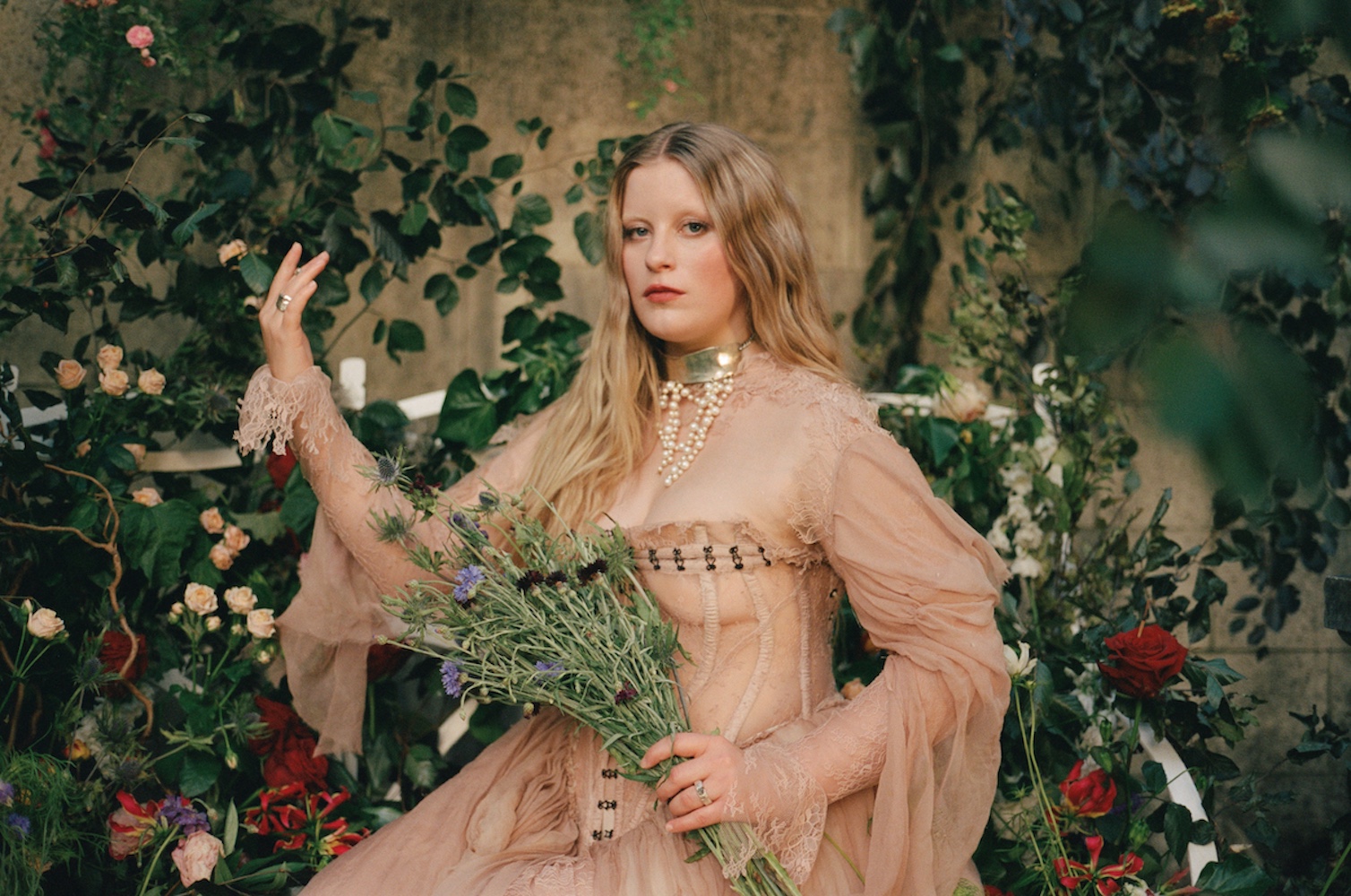
Female love receives its own magnificent canvas on “Pre-Raphaelite.” Inspired partly by Christina Rossetti’s poetry, the song holds sisterhood, jealousy, tenderness, and adoration together without flattening any of them. “Men swear blood oaths for their Helen / But she needs no such defender,” Paloma sings before arriving at the devastatingly intimate, “I know her flaws, and I’ve known heaven.” The first time I heard the track, I immediately thought of Florence Welch; knowing now that its subject is broader – a love letter to women and the complexity of female relationships – only makes me adore it more. Sonically, there are echoes of “The Fruits” from Cacophony, particularly in the scale of Paloma’s vocals and the almost ritualistic atmosphere surrounding them. It is the kind of song that demands another listen as soon as it ends.
But perhaps nowhere does the album’s devotion to art feel more overwhelming than on “I Cry in Front of Paintings.” For someone who adores art, the track hits somewhere unusually personal. It feels like walking through an enchanted gallery after everyone else has gone home, when paintings stop being objects hanging on walls and become portals into somebody else’s interior life. What begins earlier on the record with “Rothko” – where Paloma stands before art hoping its enormity might unlock something within her – finds its resolution here. The emotional blockage has broken; feeling itself has become something worth surrendering to. Its cinematic outro gives me chills every time.

That relationship with art is crucial because The Fatal Flaw isn’t simply an album about romantic love or feminism.
It is an album about connection: To other people, to ourselves, to nature, to things created hundreds of years before we existed. “Miyazaki” makes that argument explicit from the beginning, resisting the encroachment of generative AI into creative spaces and defending the seemingly irrational human compulsion to make something simply because something inside us demands expression. By the time we reach “I Cry in Front of Paintings,” creation and emotion have become inseparable.
Paloma is equally unwilling to separate the personal from the political. “Good Girl” confronts diet culture and the commodification of women’s bodies, while “Good Boy,” introduced by Emma Thompson, turns feminism outward and argues for solidarity rather than division – the recognition that patriarchal structures ultimately diminish everyone caught inside them. These songs don’t feel like lectures inserted between more intimate material. They belong because society shapes the way we understand our bodies, our relationships, and even what kinds of love we believe we deserve.
That may be what The Fatal Flaw ultimately says most clearly about Paris Paloma as an artist: She is willing to care loudly. She approaches subjects that are uncomfortable, politically charged, or painfully intimate without sanding down their edges for easy consumption. Her convictions are strong, but so is her curiosity. She isn’t merely telling us what she believes; she is examining why we believe, love, hurt, create, and repeat the patterns we do.
And somehow, across its 48 minutes, there is room for all of it.
If you’re exhausted by being told to smile, to behave, to be desirable, agreeable, perfect – there is something here for you.
If you’re angry, ambitious, heartbroken, creatively restless, or convinced there must be something more than the version of yourself the world has prescribed, there is something here for you, too. And if you’re someone who can walk into a gallery and unexpectedly find yourself crying in front of a painting made by a stranger centuries ago, The Fatal Flaw may understand you particularly well.
I knew from the moment I first heard “Good Boy” that Paris Paloma was opening the door to a new era. I don’t think I anticipated quite how vast the room on the other side would be.
The Fatal Flaw leaves me breathless – not because it provides a neat answer to the question contained in its title, but because it makes imperfection itself feel worthy of preservation. Across paintings and myths, broken relationships and furious declarations, Paloma finds something beautiful in our capacity to feel too much. Perhaps the flaw isn’t fatal after all. Perhaps it is simply evidence that we were here: messy, contradictory, loving, furious, and unmistakably human.
— —
:: stream/purchase The Fatal Flaw here ::
:: connect with Paris Paloma here ::
— —
— — — —

Connect to Paris Paloma on
Facebook, TikTok, Instagram
Discover new music on Atwood Magazine
© Phoebe Fox
 © Phoebe Fox
The Fatal Flaw
an album by Paris Paloma