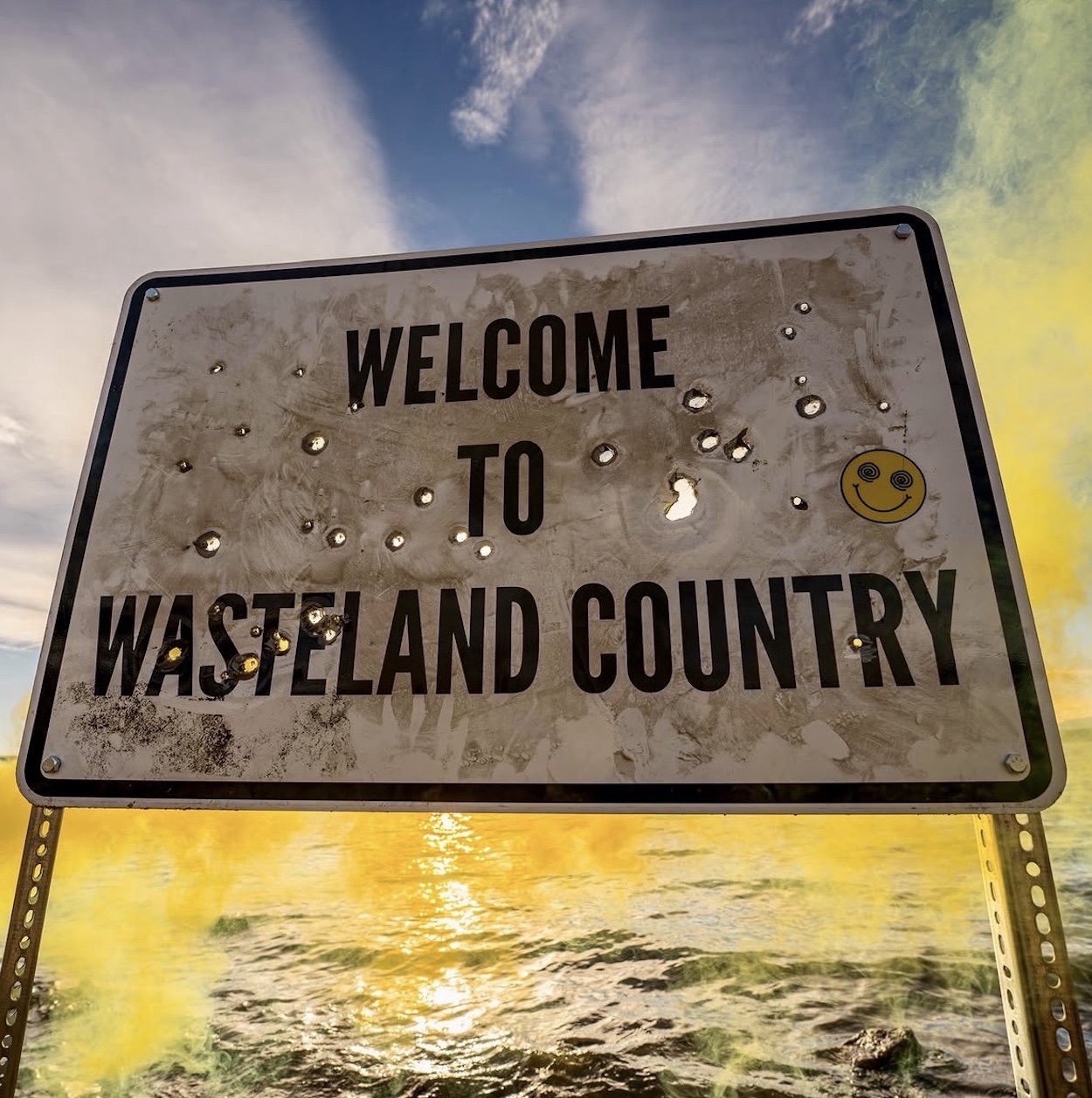
Brooklyn-based rock artist Moon Walker’s fifth studio album ‘WASTELAND COUNTRY’ takes a rageful trip through political disarray and violence.
Stream: ‘WASTELAND COUNTRY’ – Moon Walker
The President of the United States threatened to exterminate an entire nation if his demands of Iran shutting down their entire nuclear energy sector were not met.
When asked about the possibility of retaliation, he shrugged off the potential deaths of numerous American citizens entirely, claiming it to be a necessary trade-off; but trade-off for what exactly?
As Moon Walker puts it in his fifth studio album, WASTELAND COUNTRY, those lives would be traded to maintain the all-American status quo of bipartisan contempt, elitist degeneracy, and the use of minorities as political scapegoats. The album is a rageful, violent attack on the senses. Each track carries a tense and heavy tone as the singer’s heavily distorted voice echoes ominously. With this, Harry Springer, who performs as Moon Walker, hopes to make listeners “feel a sense of impending dread. I hope that people feel the urgency and feel how it feels to be going through this. Just like, ‘I feel the anxiety that this guy feels. It feels very horrifying.’”
To sum the album up as just an anxious wail is doing it an enormous disservice, however. The collection is a meticulously planned and orchestrated affair, slowly building a world parallel to reality, growing in intensity and desperation as the album progresses. The project extended beyond the music, with an accompanying movie released on May 22nd. The film provides a visual element to the music, operating as both a 48-minute music video and an extension of the world of WASTELAND COUNTRY.
This multimedia approach is an attempt to mirror the production of The Wall by Pink Floyd, providing a dreadfully immersive dystopian experience of a fascist dictatorship. He employs this approach to convey a more compelling arc, with small details like the tone of his voice and the furrow of his brow showing Moon Walker’s transformation from naive complacence to hopeless rage over the album’s duration. This transformation illustrates the faults of bystanders, encouraging a greater outcry against the current political regime.
In the album’s opening track, “DISAPPEARING ACT,” Springer says, “At first, they didn’t come for me, so I thought it wasn’t happening / Now, on our dime, the new police are shooting people in the streets / Soon, there will be nothing left.” This line is a scathing criticism of Americans who enable the violent ICE attacks and incarcerations under the Trump administration through their silence.
Springer scolds through a distorted chaos, like the rusty echoes of a fading radio, using loaded language from an ironic, detached perspective to show the situation’s absurdity. The song slowly builds as it progresses, with the drums and vocals growing in intensity and a powerful synth bringing the song to a climactic, disorienting conclusion.
Conversely, the closing song, “EVERYBODY GOES TO HEAVEN,” drops any ironic detachment, scolding right-wing Christian nationalism with scathing remarks like, “If Jesus ever rose again / They’d see his face / Then they’d lock him in a cage.” The song itself is a biting criticism of the contradiction between Christian values of humility and the overwhelming support of Christian communities for ICE and the Trump administration (with that support evidently beginning to wane over time). In the album as a whole, it serves as a stark contrast to the perspective early on.
Springer says his goal was to have the voice slowly progress over time from one of complete avoidance to his own, less passive viewpoint. Although similar to the album’s opening track, the song builds in intensity towards a climactic conclusion to the album, beginning with moody, sentimental strings and an acoustic guitar supporting a defeated, beaten-down Moon Walker. After a slow burn first verse, the drums come in with one last rageful beat drop, a haunting orchestral-sounding organ, and Springer’s most impassioned outcry of the album.
The decision to make such politically centered art was never a choice at all for Springer.
As he puts it, “when I’m analyzing something internal, I can’t help but make an analysis without looking at the systems that shaped [me] and the society that is shaping [me] right now.” However, Springer does not see it as necessary for artists to comment on politics. Although political art has been a powerful vessel of influence for centuries from all sides of the political spectrum, Springer claims, “the only way to take up space and waste people’s time is to sing about something you don’t personally care about… Art is purposeless if it is not genuine, and for me this [politics] is just what’s genuine.”
Part of Springer’s inclination to address contemporary issues comes from his early influences. Beyond his admiration for Pink Floyd from an early age, and The Wall in particular, Springer grew up with My Chemical Romance, Radiohead, and the films of Guillermo Del Toro, all of which have inspired his music’s commentary on current events and his use of loaded imagery to more deeply ingrain those ideas in the listener.
My Chemical Romance has a particularly apparent sonic influence on WASTELAND COUNTRY. For one, songs like “SANDBOX,” “PARADE,” and “THE WORLD YOU BUILT” open with a slow, reserved verse that slowly crescendos into an aggressive finish just like My Chemical Romance’s hit 2006 single “Welcome to the Black Parade.” Additionally, Moon Walker’s frequent use of overdriven guitars and heavily distorted hard-rock vocals, loud and harsh with just enough sweetness to avoid veering into a shout, is a trademark of My Chemical Romance. However, Springer does not follow in the band’s angsty, youthful sound, instead having a more mature, no-nonsense approach, like someone truly speaking from within WASTELAND COUNTRY.
In order to bring his audience into WASTELAND COUNTRY alongside him, Springer leans heavily on impactful imagery.
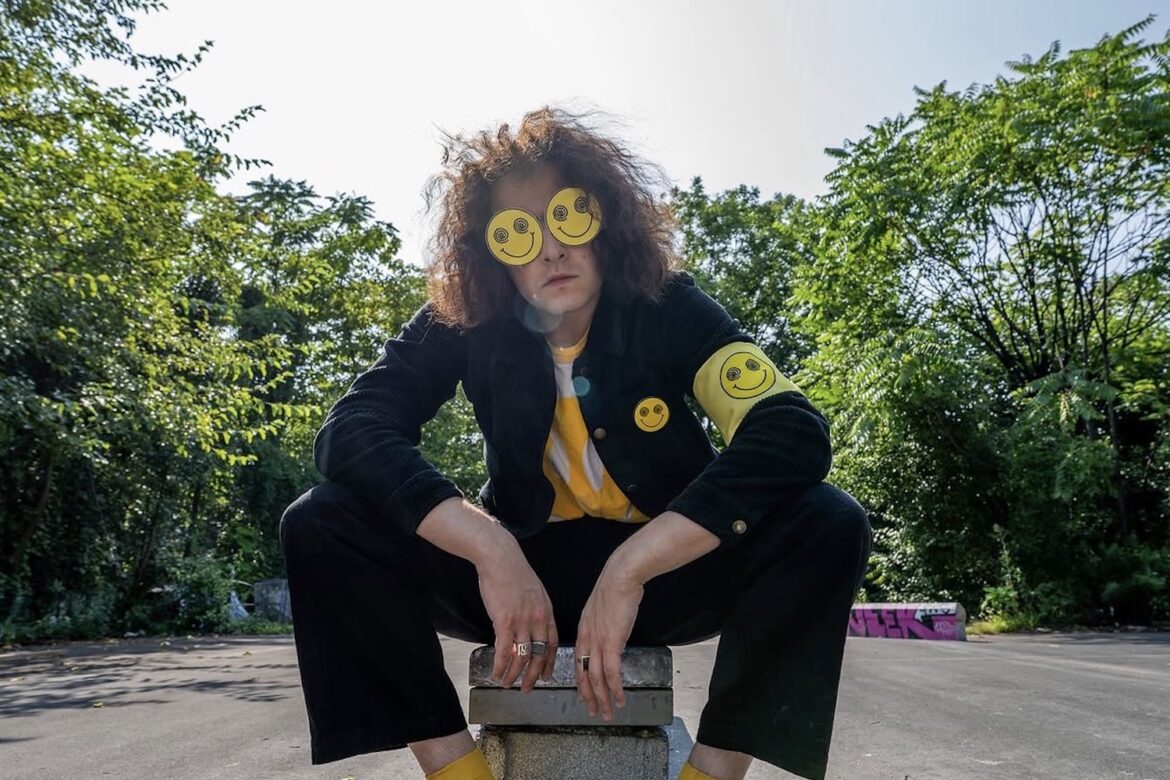
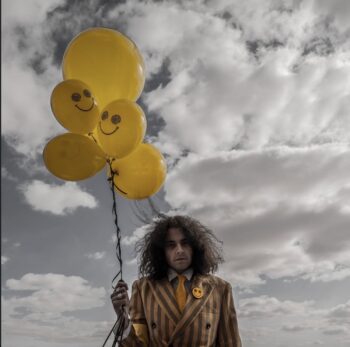
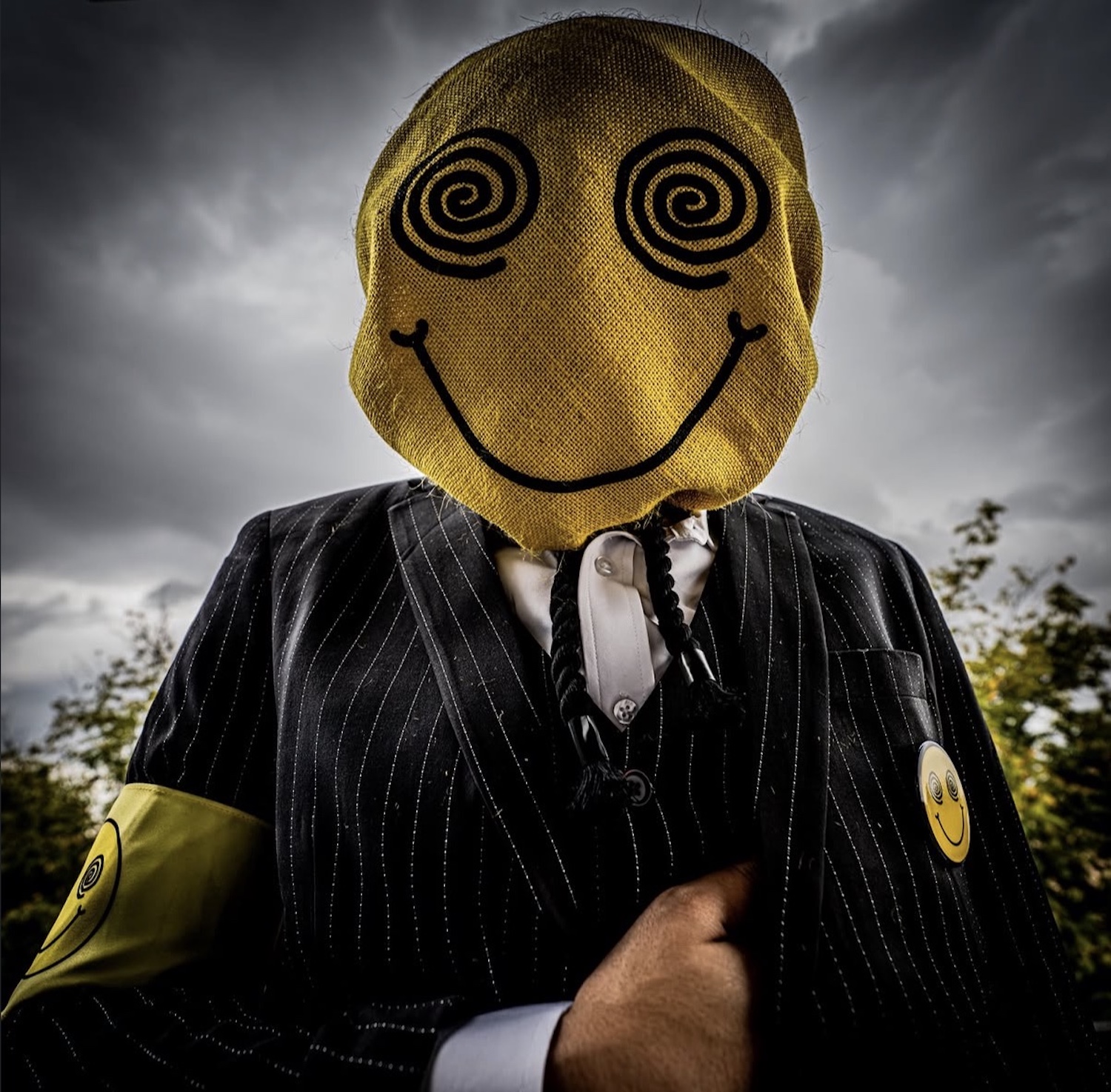
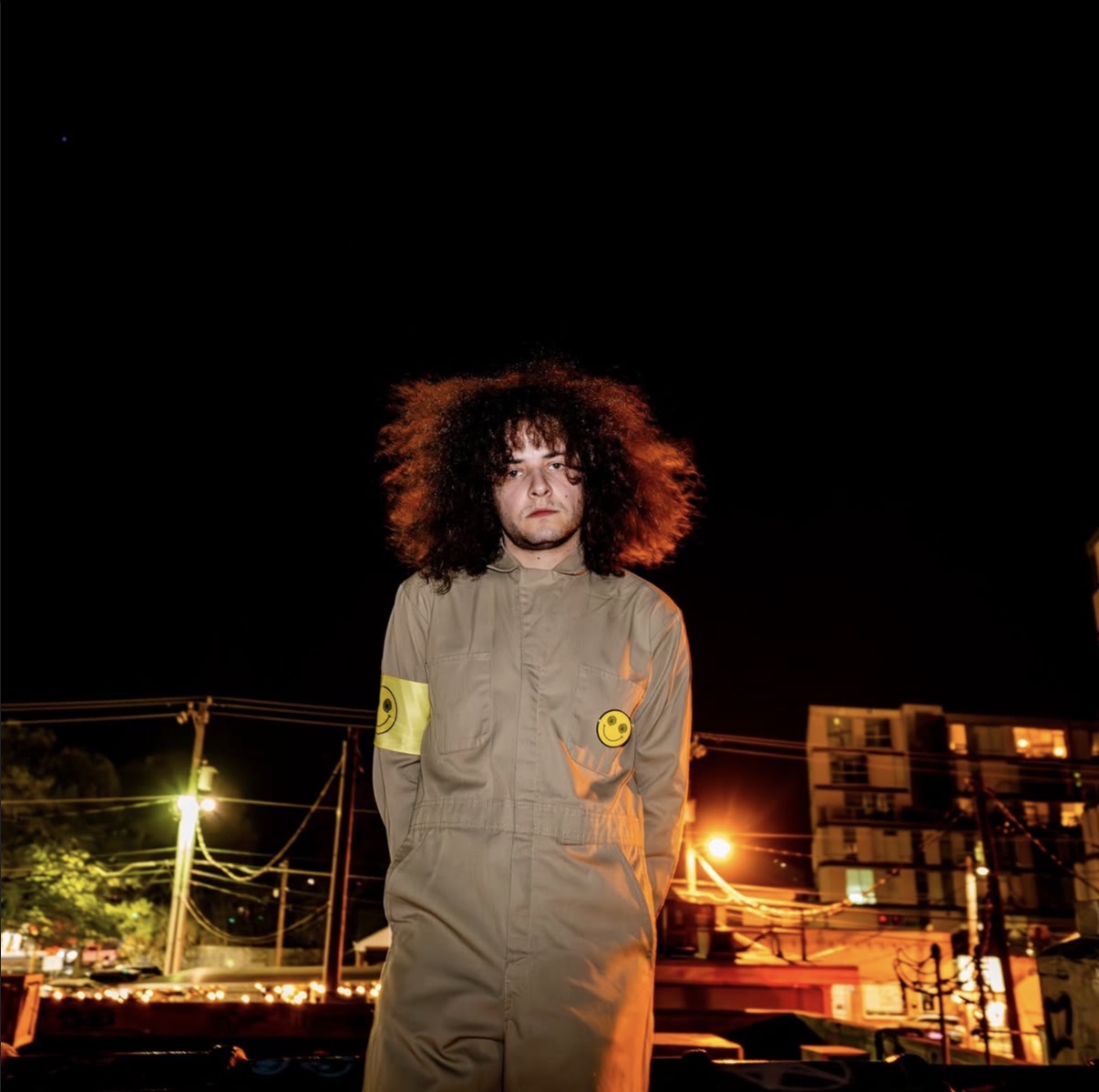
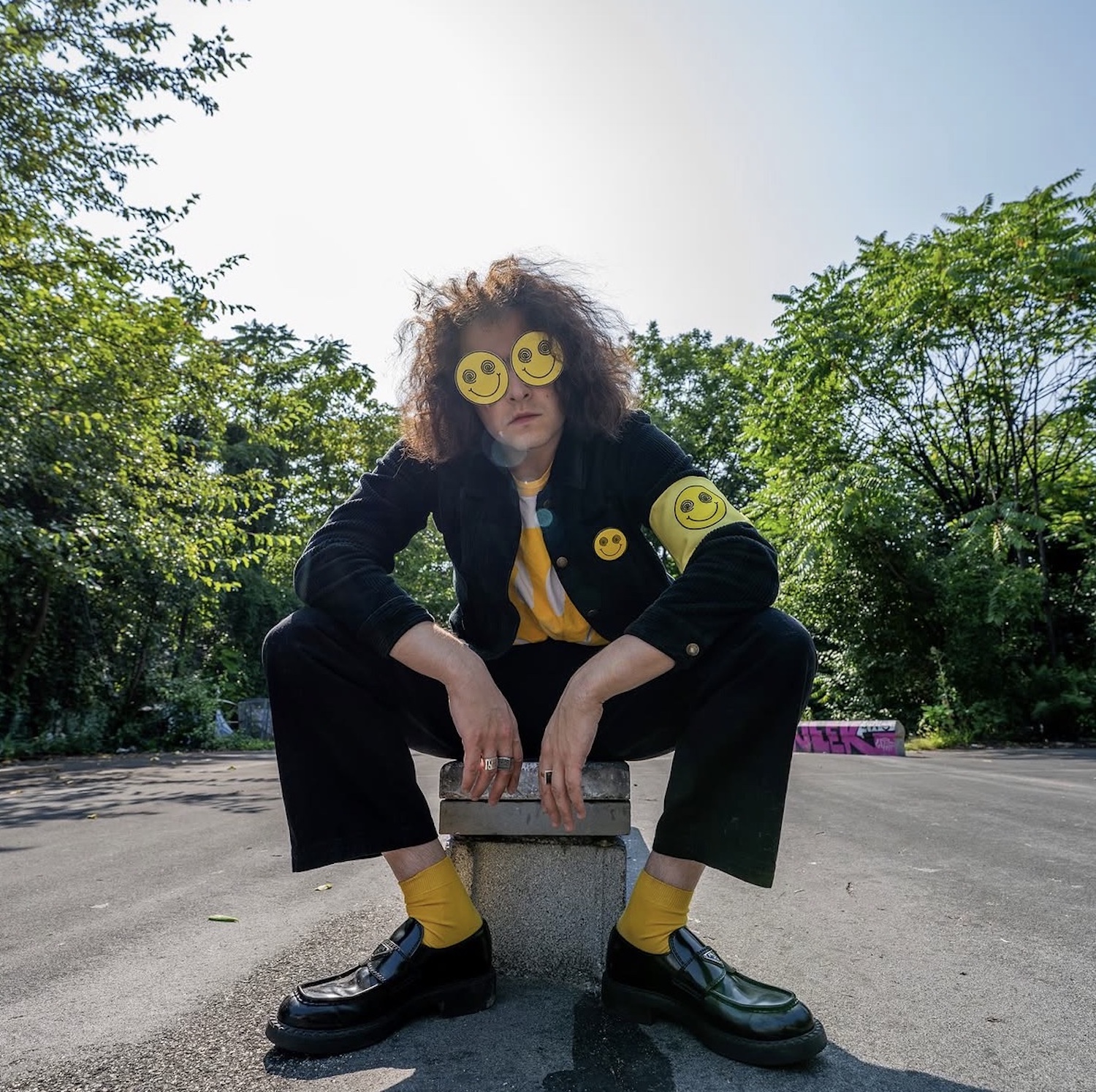
The first track written for the album and first single released in August of 2025, “HAPPY FACE,” set the tone for the piece to come. The single’s cover photo, a familiar, yet slightly sinister yellow smile with spiral eyes, began the album’s trend of co-opting and corrupting positive imagery. Balloons, bright colors, pins, armbands, and more are used to convey a sense of authoritarian power within the world of the album and movie. Springer compares that deliberate world building to The Black Parade by My Chemical Romance, Animals by Pink Floyd, and Ziggy Stardust by David Bowie.
Overall, WASTELAND COUNTRY is a hazy, distorted, and aggressive album, but by no means messy. Every word is meticulously placed and every overdriven note carefully plucked to convey an enormous amount of significance. The entire production is a testament to both Springer’s artistic ability and deeply burning passion for social justice. By transporting his audience into WASTELAND COUNTRY, Springer holds a mirror up to their reality and forces them to confront the state of American society.
If Springer is successful in achieving his goal, audiences will finish their journey filled to the brim with anxiety, rage, and animosity towards the current regime. And after their 48-minute stay in WASTELAND COUNTRY, they will get the pleasure of returning to “The American way / White hood, white house, white savior / More guns, more fear, more anger / Same war / New name / Different soil / The American way.”
— —
:: stream/purchase WASTELAND COUNTRY here ::
:: connect with Moon Walker here ::
— —
— — — —

Connect to Moon Walker on
Facebook, 𝕏, TikTok, Instagram
Discover new music on Atwood Magazine
© courtesy of the artist
 © courtesy of the artist
WASTELAND COUNTRY
an album by Moon Walker