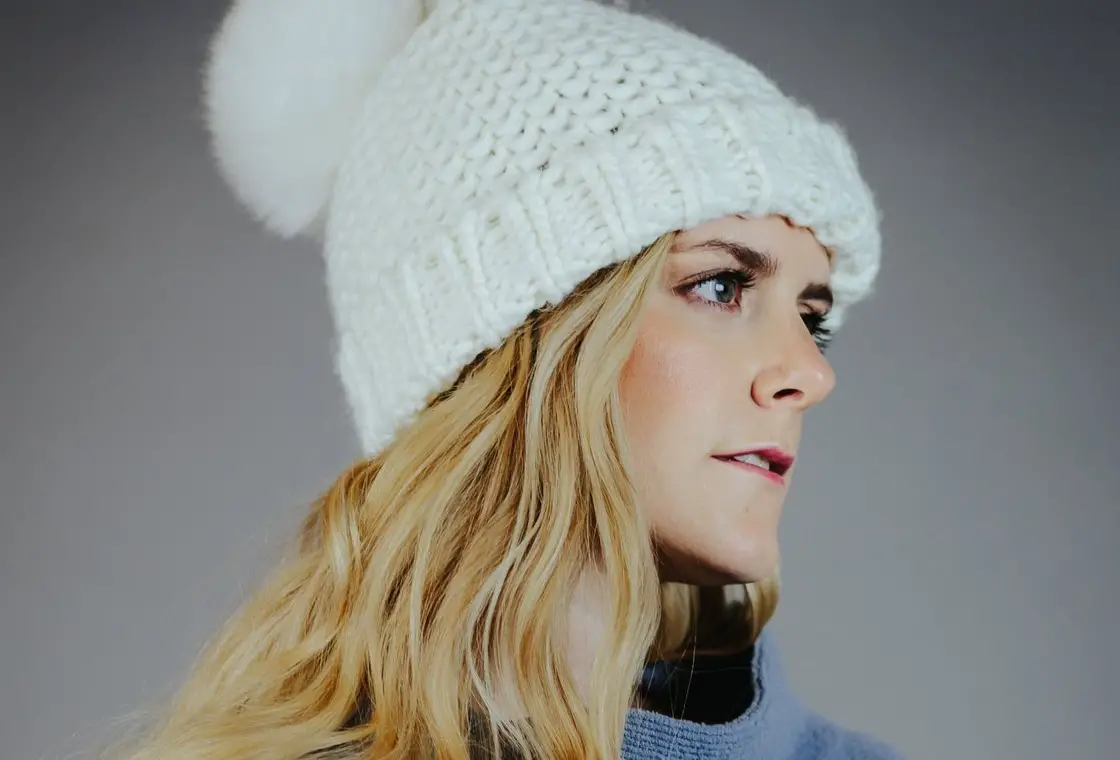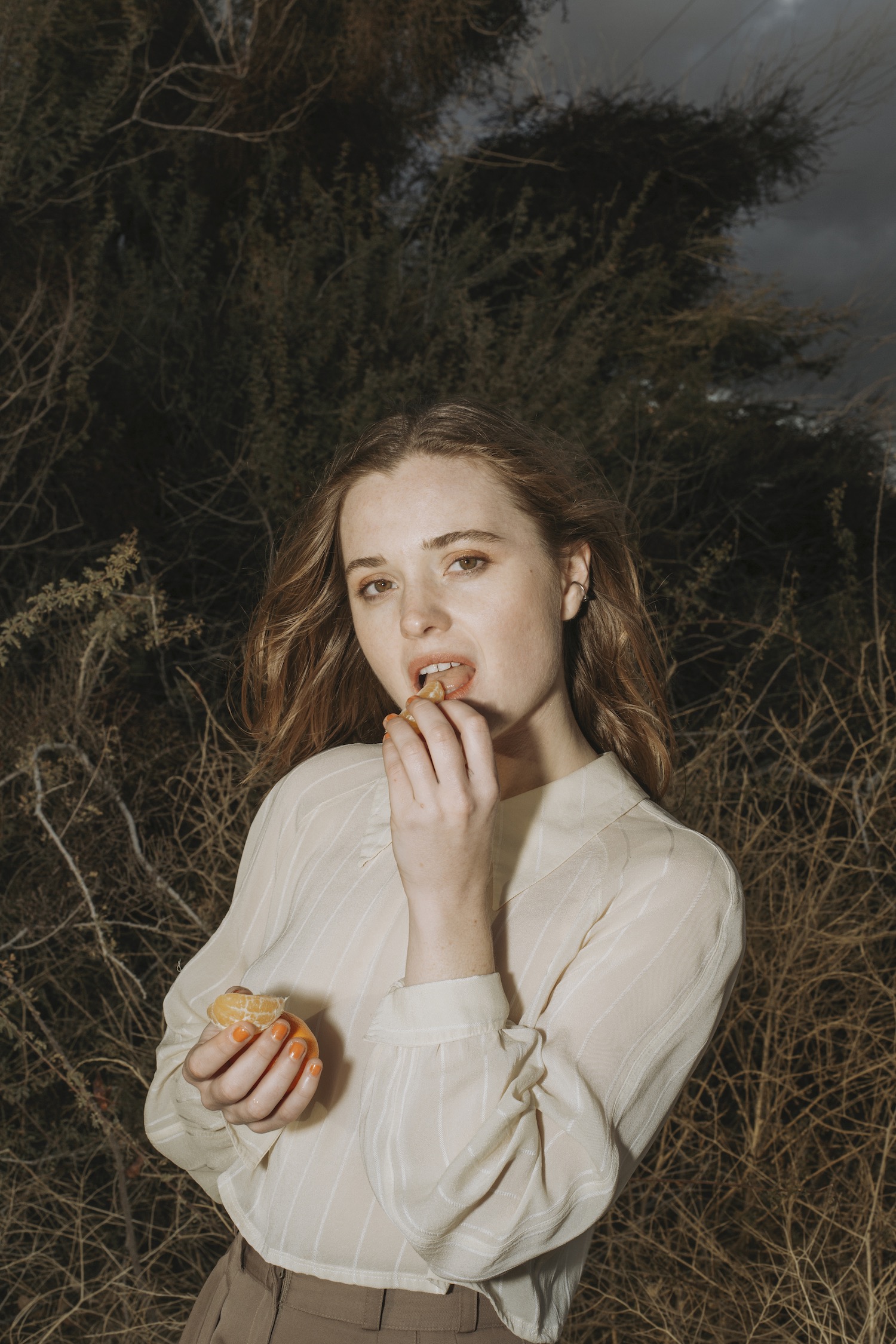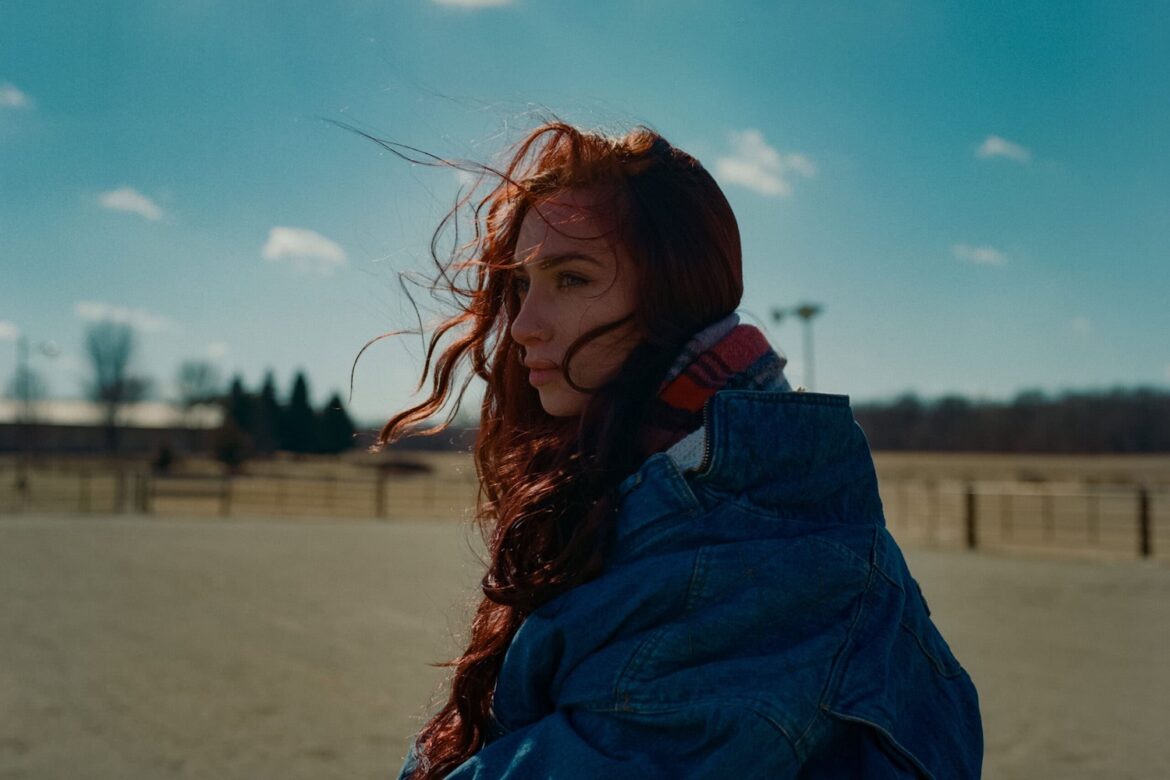
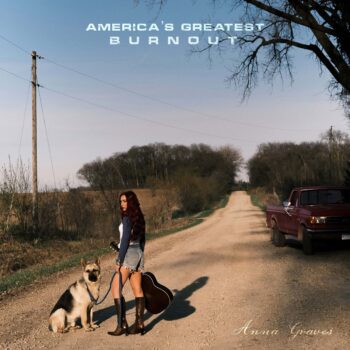
With her soul-searching debut album ‘America’s Greatest Burnout,’ Americana singer/songwriter Anna Graves recovers the wild, fearless parts of herself that she nearly lost while chasing success.
Stream: “America’s Greatest Burnout” – Anna Graves
Anna Graves sold her “goddamned soul.” Then she went home to Minnesota to find herself again.
That’s the hard truth behind America’s Greatest Burnout, Graves’ 12-song reckoning with the past decade of her life. There’s humor in the title, but it also captures what happened after years of chasing the success she’d been told was always one big break away.
Over time, Graves realized the chase had pulled her further from the reasons she made music in the first place.
“I feel like I had taken away what made me special and tried to be someone else,” she says. “I had stopped making music for the reason I started making it, which was to be a storyteller, to heal, to share my feelings with others and to connect more deeply with myself.”
So, in 2023, Graves came home.
Back on her family’s farm, she returned to the ordinary things that made her feel most like herself: Time with her family, bare feet in the grass and being around horses. She bought a horse of her own last November, reconnecting with a sport she once pursued competitively. Coming home also brought her back to what she loved about making music before the pressure and expectations got in the way.
“I’ve had these moments of excitement and promise before, but I feel a lot more ready this time,” she says. “I feel like I’ve lived enough life where I can really appreciate everything that’s happening.”
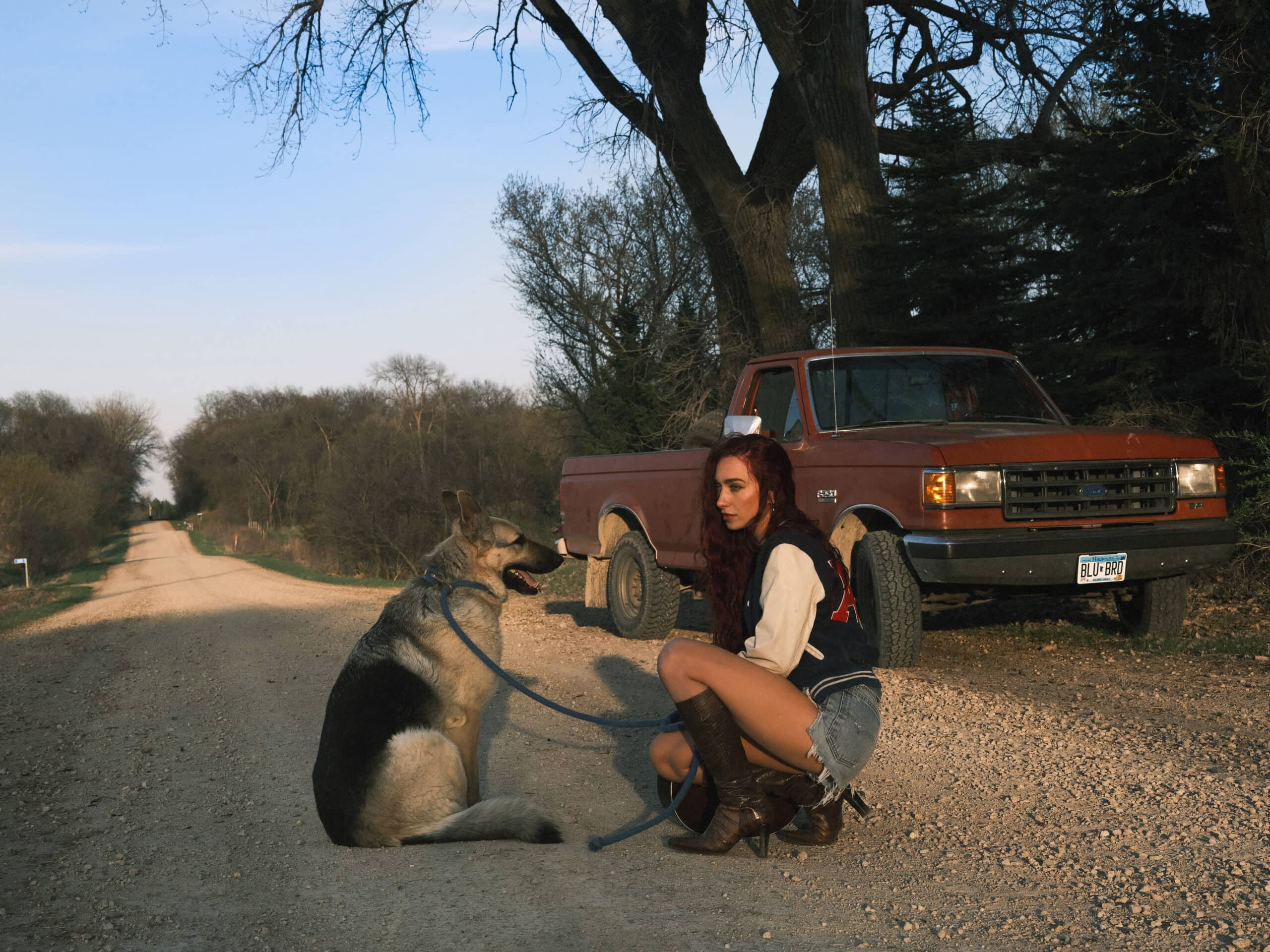
You can hear some of that change in the music, too. Graves draws from folk, country, and Americana, with songs that stay close to her own experiences.
Produced by Davis Naish (Eric Church, Lee Brice), she wrote with songwriter, producer and mixer Alex Sacco (Elton John, The Struts), and worked with A-list musicians including Rob Humphreys (Kacey Musgraves, Diplo) on drums, Sean Hurley (Arlo Guthrie) on bass, Rob McNelley (Trisha Yearwood, Luke Combs) on acoustic and electric guitar, and Naish on keys.
Each song captures a moment that changed her perspective. “Burn On,” which Graves wrote at 16 and rediscovered a decade later on her mother’s computer, allowed her to hear her younger self with entirely different ears. On “Jaded Songbirds,” she writes about feeling worn down by the music industry while still wanting to get up and try again. The title track is even more direct, looking back at how far she drifted from herself while trying to build a career.
There’s a quiet intensity to Graves’ alt-folk songwriting, carried by a distinctive voice and an instinct for storytelling.
She writes about the things she notices, often finding a story in details that might otherwise slip by: A cardinal feather tucked inside a wallet, birds that keep singing, an old song waiting on her mother’s computer. That curiosity is part of what caught the attention of Stevie Nicks, who hand-picked Graves to open for her.
That same honesty comes through when Graves talks. She’s thoughtful, introspective and grounded, moving easily from questions about art’s responsibility to help people feel less alone to the story of Nicks touching her hair (and why she jokes that she hasn’t washed it since).
That way of telling stories has already taken Graves a long way. She has amassed more than 70 million global streams, while her song “Fly” appeared in a pivotal scene of Netflix’s Nobody Wants This. She has opened for Nicks, Maren Morris and The Head and the Heart, and on Aug. 25, she will step into the circle for her Grand Ole Opry debut. Her first headlining tour follows in September.
Atwood Magazine caught up with Graves to talk about recovering the fearlessness of her younger self, preparing for the Opry and what she learned from a nine-fingered fisherman named Honkie.
— —
:: stream/purchase America’s Greatest Burnout here ::
:: connect with Anna Graves here ::
— —
‘America’s Greatest Burnout’ – Anna Graves
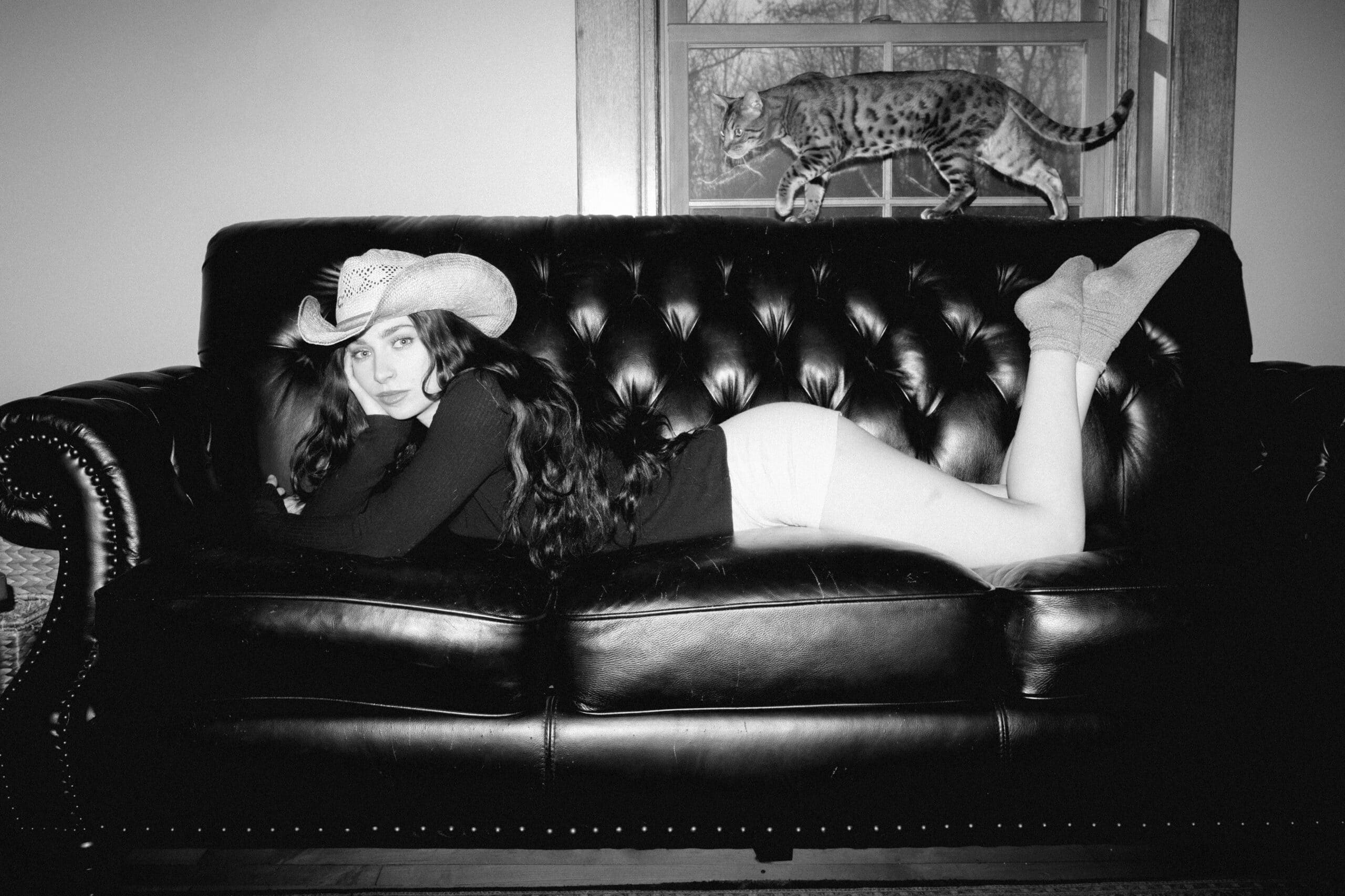
A CONVERSATION WITH ANNA GRAVES
Atwood Magazine: Before we get into the interview, how are you feeling? You have so much coming up - the album, your Grand Ole Opry debut, a headlining tour…
Anna Graves: I’m so excited. I’m really happy to be home right now in Minnesota. I’ve had these moments of excitement and promise before, but I feel a lot more ready this time. I feel like I’ve lived enough life where I can really appreciate everything that’s happening.
I feel like I’m an adult now. I feel like I’m entering my womanhood, and I feel empowered and excited. I feel great.
I’m curious about the album title. How burned out were you really feeling?
Anna Graves: It is quite a self-deprecating title, and I found some humor in it. I just think there’s something very American about chasing the gold and believing we’re one big break away, then eventually running ourselves into the ground and realizing the promised destination may never have been real – and probably wasn’t going to save us in the first place anyway.
I’m definitely the first one to be in entertainment or music in my family. My mom is an artist, so we had a really creative household and were always encouraged to be creative, which I feel very blessed for. But coming from a small town, moving to Nashville and then moving to L.A., you feel like you’re one big break away. Then you realize chasing that version of success isn’t going to give you longevity or happiness.
Coming back home in 2023, after living in Nashville and L.A., allowed me to begin an ordinary life again. As artists, we have this beautiful opportunity – and almost a responsibility – to tell our truth. When all else fails, art is what we’re able to go to, to realize we’re not alone in what we’re feeling and to find truth when we start to lose it in other parts of our lives.
Coming back home to Minnesota and getting out of the bright lights and all these broken promises helped me reconnect with myself.
The title started as a humorous, self-deprecating title, but every song on this album represents a really important moment that helped change my perspective and get me back to myself again. I talk about reconnecting with the child within you a lot. It’s not about moving backwards or having a nostalgic obsession with who you used to be. It’s about recovering those parts of yourself that society can cause us to think we can’t keep as adults.
They’re wild. They’re feral. They’re brave. I was talking with one of my friends today. She has kids, and she said, “My four-year-old is so brave.” We’re so brave when we’re little. Then, for some reason, we’re taught that it’s safer not to be.
Coming back home was really important for me. It was also around the same time I read Women Who Run With the Wolves, so it became this huge feminine exploration of returning to my wild self.
Life can be heavy. As we get older, we deal with more loss and more breakdowns. It’s important to remember we’re still able to keep that mindset as adults.
I’ve also become less obsessed with the idea of: Is it good? Do people like it? Do people accept me for it? Now, when I sit down to write and it starts to feel stressful or like I’m trying too hard to make something work, I realize I don’t need to finish it right now. I can go bake cookies, sit outside or hang out with the horses.
I bought a horse in November. I used to show horses competitively, and through adulthood I didn’t do it as much. That’s something I’ve gotten back into. It gives me something else to focus on that I’m passionate about.
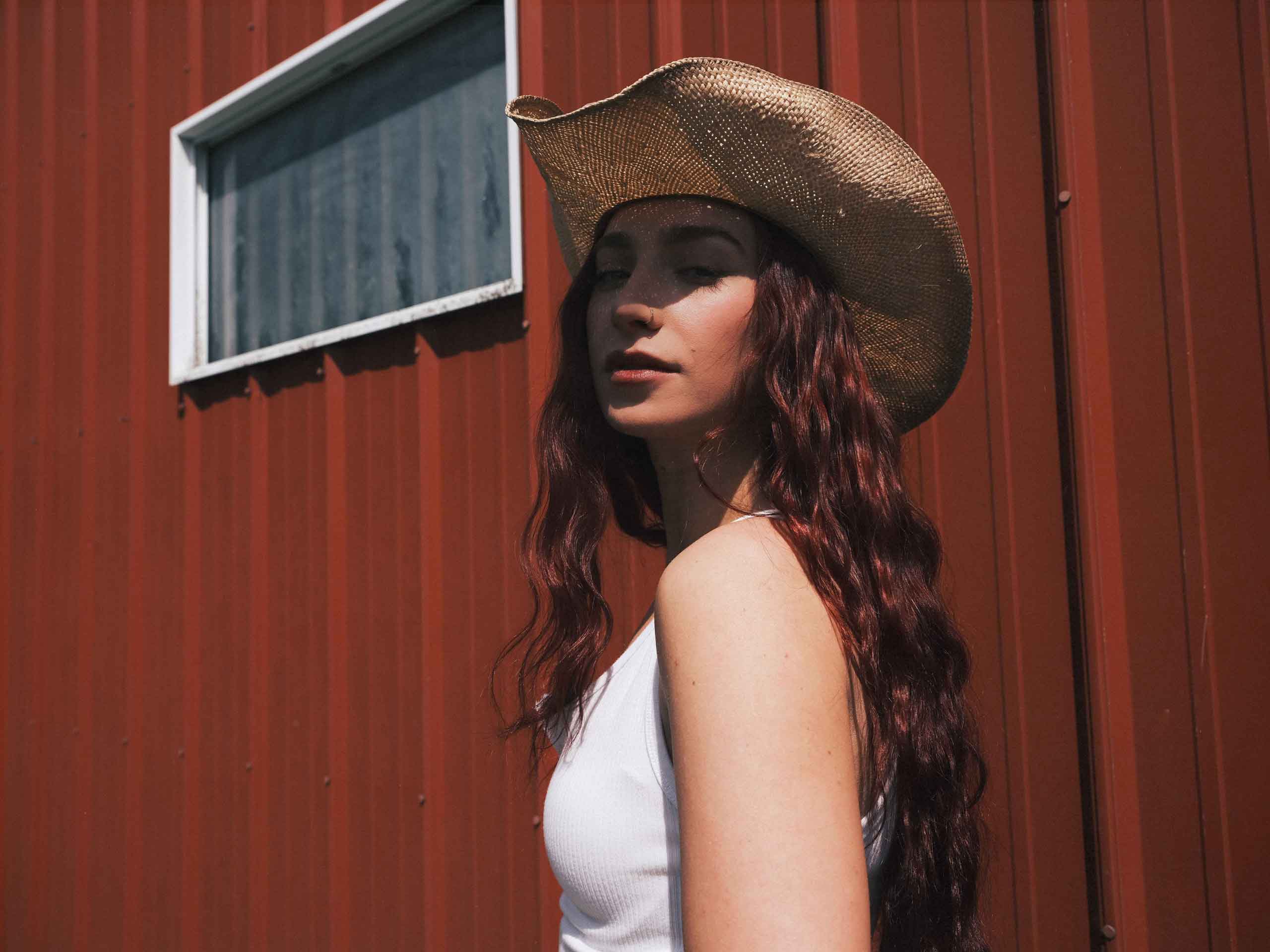
Is there a connection between songwriting, performing, and showing horses?
Anna Graves: Totally. First of all, the hard work. I reference the idea of falling off the horse and picking yourself back up a lot when I talk about this album. It’s gratitude and grit.
It’s not about getting back on and thinking it won’t happen again. It’s about getting back on knowing full well you can fall off again, but taking wisdom and experience with you. You can still approach each day like it’s new, with the ability to have wonder and explore.
Showing horses is also really competitive. I’m competitive with myself, although that can be detrimental as well. I’ve always kind of played piano, but more like chicken piano. I told myself I was going to practise for two hours a day and see how far it got me. I’m so excited because we’re even talking about me maybe playing piano at the Opry, which I never thought I could have done before. I feel like I’m at the point now where I can.
There’s a line in the title track, “I used to be an angel until I sold my goddamned soul.” I feel like there’s a whole story – not just a song – behind that. Where did that come from? What did you feel you had given away?
Anna Graves: I feel like I had given away the respect for myself that I started with in this industry. I don’t think that’s just my experience as an artist. A lot of us go through this in our careers and through adulthood. We start to diminish who we are because we want to fit in or be accepted by others.
I felt like I had taken away what made me special and tried to be someone else. I had stopped making music for the reason I started making it, which was to be a storyteller, to heal, to share my feelings with others, to connect with people and to connect more deeply with myself. I felt like I had sold that all to be accepted.
I remember hearing, “You’re going to be such a star. This is going to be huge. You’re going to be rolling in it.” You hear these things and think, “OK, cool. I’ll focus on that,” instead of the reason music gives you joy and makes you feel connected to yourself.
Once I realized I was unhappy and mentally spiraling because I had lost the joy in what I was doing, I was able to find humour in it. That’s important for us, too. Life can be as serious as we want it to be, but sometimes you just have to say, “I sold my goddamned soul.”
We all have, in different ways. It felt like a relatable line that made me giggle, too.
Is that one of the lines you especially look forward to singing live?
Anna Graves: I do, yeah. People sometimes get so offended by it. But I love it. It’s definitely a little shiny.
Artists face so much pressure to appear perfect, especially on social media. Do you feel that pressure?
Anna Graves: I cannot wait until someone says, “She’s just famous because of her billionaire dad,” or something. I don’t have one. I do not come from money.
But it’s always something, especially with women. People can’t just accept that someone is good at what they do. It has to be because of this or because of that. I’m intrigued to see if that’s going to happen with me.
I remember reading a comment that said, “She uses so much Auto-Tune. I can’t even listen to it.” I have nothing against people who use Auto-Tune, and I used to, but I’ve since decided I don’t want to. There’s no Auto-Tune on this album. I will do the take until I get it right. That’s how I choose to make my music.
I thought the comment was funny because there was actually no Auto-Tune on that song. I think it has more to do with the person making the comment. Whenever I tried to tear people down, I was just unhappy. You have to be able to let it go.
Stevie Nicks asked you to open for her because she connected with your storytelling. Did you get to speak with her? Did she offer you any advice?
Anna Graves: She touched my hair and said it was pretty. I haven’t washed my hair since. I have, but… She didn’t necessarily give me advice, but talking with her really inspired me. A fan isn’t the right word. She’s my muse. There is no one above her. She’s at the top for me.
I remember after she got offstage, she was such an icon, glowing in her stardom as she walked towards me. Then she was like, “Hey, did you watch the show? Did you like it?” She made some joke about something that happened onstage. She was hilarious and so down to earth.
I remember someone saying she doesn’t really understand the number of lives she has changed. She’s just Stevie. She wakes up and makes music if she feels like it. She’s so down to earth, cool and hilarious. If we have to take anything from that, it’s to be a good person. Don’t get caught up in whatever success brings. Just be happy to be here.
I’m very blessed that I grew up with support from my mom and that I get to do what I love. At this point, I don’t have to work another job, and I’m really grateful for that. I want to make sure I always come from that place. I think about that interaction with Stevie a lot because I can tell she’s grateful.
What did your mom think when you played the album for her?
Anna Graves: She’s funny. She will be honest. She loves the album, but I know which songs are her favorites. She really likes it when I lean into my storytelling. She loves “Honkie” a lot. She loves “Jaded Songbirds” because she knows me, knows my story and knows how hard this career is.
When you get your heart broken and see your dreams start to change in front of you, it can be easy to throw it all to the wind and not want it anymore.
“Jaded Songbirds” was an important song for me to write and for her to hear because it showed that I do want to keep making music, even though it can knock me down, just like any career can.
I think she feels like the album is a really authentic portrayal of me.
Most of the songs started acoustically, unless they were ones Davis and I started together. Then we built cool drum and piano parts around them. Usually, they started with just an acoustic guitar underneath.
They could stay that way, but there’s also something so fun about playing live with more instruments and getting to feel all of that. Personally, I get a little bored playing an acoustic guitar every single night. It’ll be fun to build a live show around this record.
Is it true you started writing “Burn On” when you were 16?
Anna Graves: Yeah, I wrote it when I was 16. I thought it was important to add to the record because, when I came back to Minnesota, I was on my mom’s computer and found all these old songs. There were some pretty good ones. It was an important moment for me because it reminded me that the cool thing about writing a song is, no matter what song it is, once I hear it, I remember where I was and how I felt.
When I wrote that song, I was this girl who felt caged and wanted to run from the palace, be wild and be with the animals. It was funny because, by the time I rediscovered it, I had read Women Who Run With the Wolves, come back to myself and felt inspired. I reconnected with that song as an adult in such a different way. I had done that to myself as an adult. I had come home, and I physically was barefoot outside all the time. Being barefoot on the farm is still something I love.
It’s cool to see a decade go by and revisit that story. I saw writing as a form of escapism then. You come back 10 years later after living some real life, experiencing hardships and getting scuffed, dirty and bruised, and you hear that song and think, “That’s you now.”
Which song was the hardest to write with complete honesty, knowing other people would eventually hear it?
Anna Graves: “Jaded Songbirds.” When I wrote “Bluebird,” I thought it was so sad. It came from so much pain, and I didn’t think for a moment that other people would relate to it. Putting out vulnerable parts of yourself is scary. But so many people connected with that song. I realized everyone who heard it related to it completely, even though they had experienced that amount of pain in different ways.
It made the reason we need music – and why I make music as an artist – click for me in a different way. It helped me focus less on, “Is it good?” and more on, “Is it true?”
“Jaded Songbirds” felt similar. It was a really emotional song to write, but I wanted to make sure it wasn’t only about feeling jaded. It also had to be about standing up and trying again. We live on a farm and have lots of crows and birds everywhere. Sometimes, you listen to them sing and there’s a somberness to it, but they keep singing. I thought there was something beautiful in that.
It was also the first song I wrote fully on piano. It inspired me to really learn the piano because there’s something so spiritual about that instrument. It reaches this Tori Amos-ness. I recently saw her at the Beacon Theatre in New York. I saw she was playing, bought a ticket and went. She was incredible.
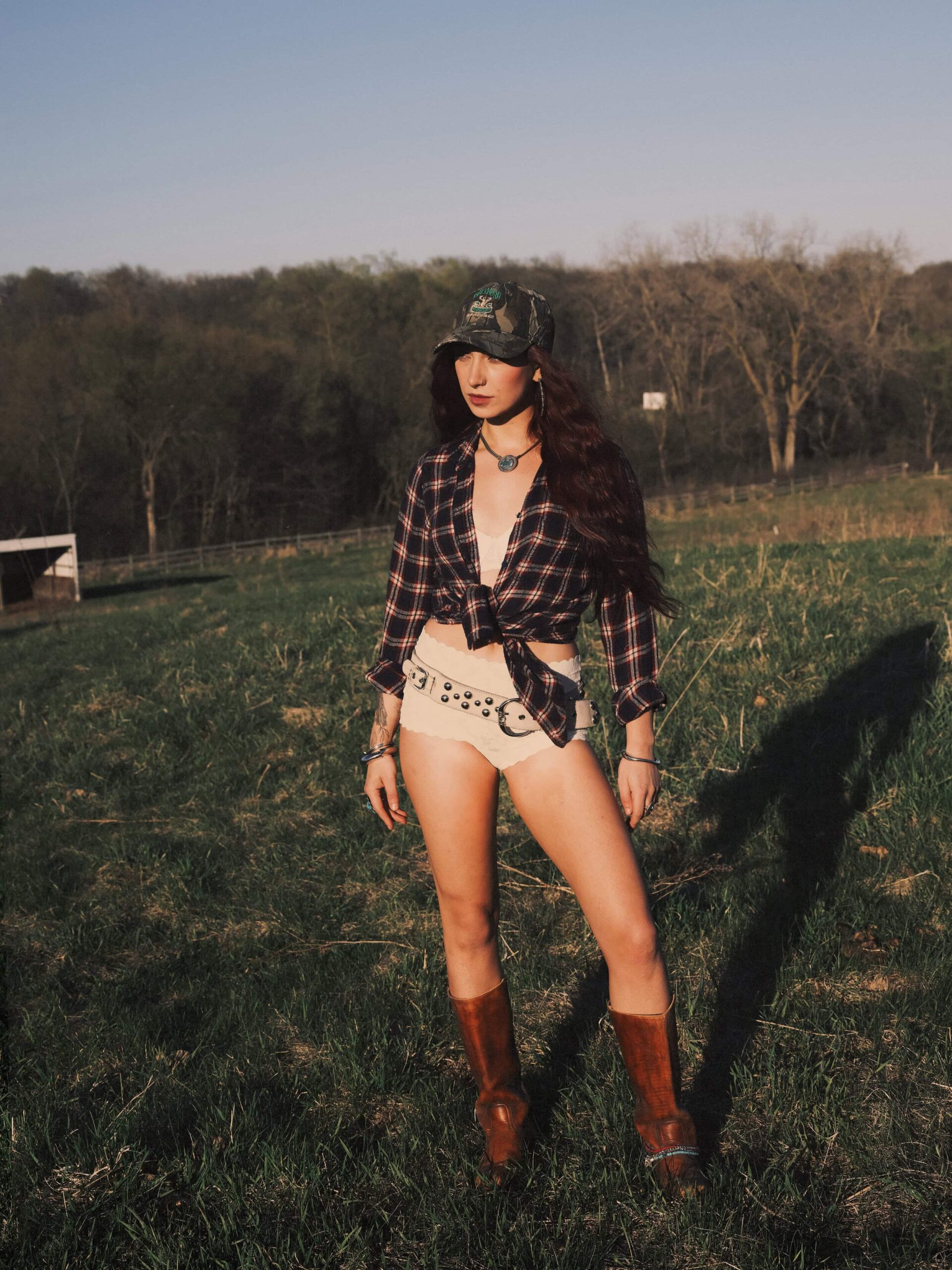
Your music offers some wisdom or healing to young women who relate to these lyrics. Does that feel rewarding, or does it come with a sense of responsibility?
Anna Graves: I see them as younger versions of myself. As an artist, if I were writing only for myself and not releasing it, maybe I would write differently. I’m not sure.
But as artists, we do have some responsibility to write truthfully. We don’t necessarily need to think about that while we’re writing music, but it’s part of being an artist.
It can feel uncomfortable at times, but it’s also a beautiful thing that you accept as you continue to release music. I think it’s one of the most important parts of our job. I find it an honor.
Was there someone who offered that kind of connection for you when you were growing up?
Anna Graves: Growing up, my mom would always be painting downstairs. I listened to a lot of Joni Mitchell, Tori Amos, Tracy Chapman and Bonnie Raitt – a lot of amazing women who wrote amazing songs.
Growing up with good art around me was probably really important, and I’m very thankful for that.
I have to ask you about “Honkie Was a Wiseman.” Who is Honkie, and how did he end up on this album?
Anna Graves: Honkie, man. I was playing a show in Detroit, and the next day I was really craving walleye, which is a Minnesota fish. My tour manager and I found this place that served walleye, but they were out. They said, “We have perch. Try it. You might like it.”
I ended up liking it more than the walleye.
The way I write music most of the time is that I keep a journal with me or write things in the notes on my phone. I wrote the first line and the chords down. I thought it was a cool moment. Sometimes, you never know.
The sun was on our faces, it was a beautiful day and we went to sit by the lake afterward. This guy was sitting there with nine fingers and “Lucky” tattooed on him. I thought, “I’m going to go talk to him.” My mom probably doesn’t love this about me, but when I see the most interesting-looking people, I want to go be friends with them. My friend and I sat with him, made little angels out of shells and talked about life. He’s a walleye fisherman and a morel mushroom hunter, and he’s been through a lot of shit.
Honkie was a wise motherf***er. It was really cool to talk to him. Everything in that story is true. He gave me a cardinal feather, and I still have it in my wallet. He was a really cool guy. That’s one beautiful thing about touring. Every day, you’re in a different city meeting new people. Some of them are life-changing. It inspires you so much.
How significant is making your Grand Ole Opry debut? Did you watch it growing up or see a performance that made you want to stand in that circle one day?
Anna Graves: I chose a Bonnie Raitt song for the cover. I was never able to see a show at the Opry growing up. I would watch YouTube videos, and I always dreamed of going. It’s really surreal to me.
I eventually saw a show there recently, but I still can’t believe this is happening. I haven’t even fully accepted it because I’ve been so deep in promo for this record. It’s going to hit me in a few days. I’m really excited to sing an older song. It’s a classic.
How do you prepare for a moment like that – emotionally and mentally, as a performer, but also in terms of the image you want to present?
Anna Graves: I have to get a cute dress for it. I don’t know. The more I try to prepare for things, the worse off they are. Practising is important, but when it comes to planning what I’m going to say or things like that, I don’t know.
What I’ve heard about the Opry is that it all hits you in the moment and it’s incredible. I’m just going to see what happens. I literally don’t even know. I’m so excited.
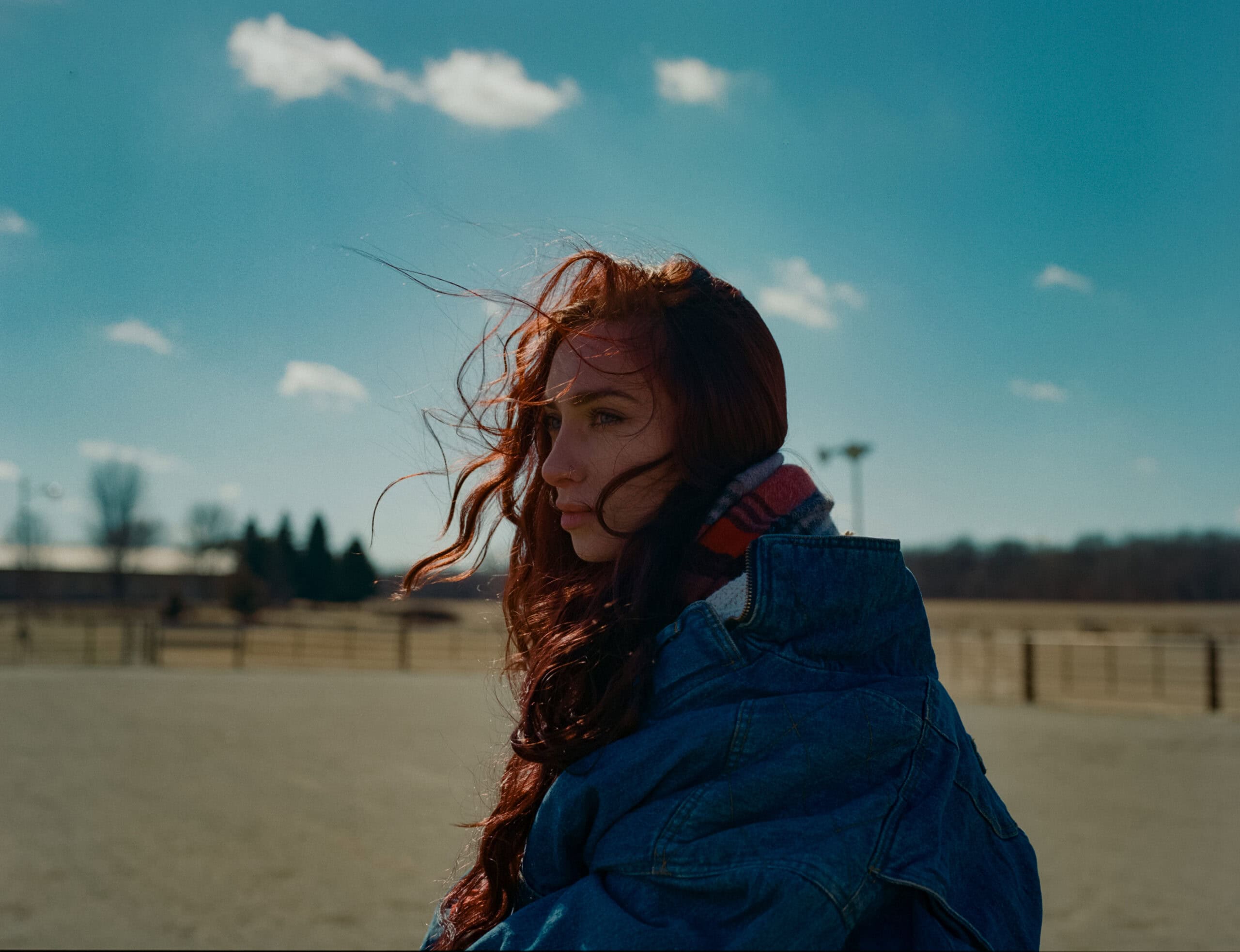
What haven’t we talked about that you want people to know?
Anna Graves: I’m just really excited to get this record out. These songs have been written for a while, and I’m ready to get them out into the world and play them live. I’m so excited for the tour because the headlining tour is going to be crazy. It’s my first headlining tour, and we’ve almost sold out the hometown show, which is so cool.
I feel like we honestly covered everything. I’m excited for everyone to hear the record, to keep making music and to see what happens. It’s going to be me, my tour manager and, I think, a pedal steel player, all packed into a car with a trailer. We’re doing it.
The only version of touring I know is being packed into a car and eating beef sticks and hard-boiled eggs from a gas station. It’s super glamorous out here.
— —
:: stream/purchase America’s Greatest Burnout here ::
:: connect with Anna Graves here ::
— —
— — — —
Connect to Anna Graves on
Facebook, TikTok, Instagram
Discover new music on Atwood Magazine
© Josefine Cardoni
 © Josefine Cardoni
America’s Greatest Burnout
an album by Anna Graves