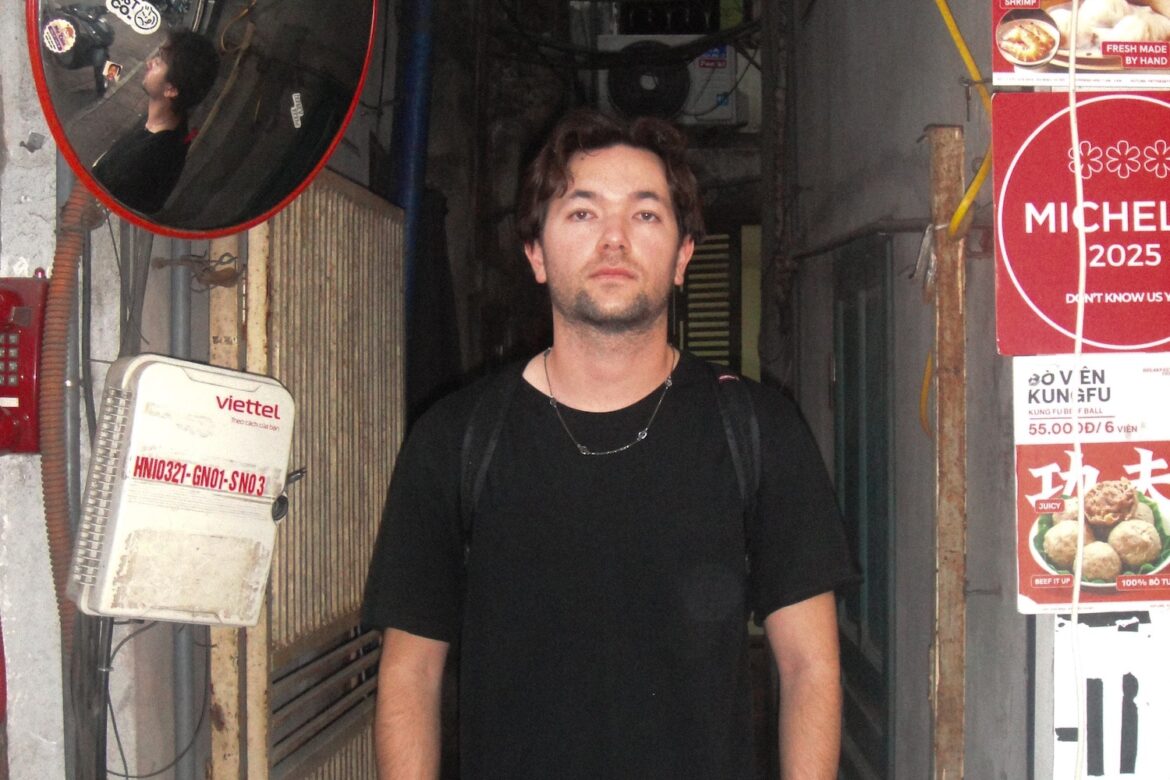
CASTLEBEAT’s Josh Hwang captures the ache of unfinished love on “My Love,” a hypnotic dream-pop spiral and early glimpse into his seventh album ‘CASTLEBEAT II,’ where memory, distance, and longing blur into a deeply human reckoning that lingers long after the final note.
Stream: “My Love” – CASTLEBEAT
I couldn’t get so far / I couldn’t take your heart…
* * *
Distance doesn’t always come from leaving –
– sometimes it lingers in the space between what was felt and what was never fully returned, a slow realization that love alone isn’t enough to close the gap.
It settles in quietly, replaying moments until they blur into feeling – not quite past, not fully present, just looping in a haze of longing and what-ifs. Love sits in that strange in-between where memory won’t loosen its grip, where every line, every look, every almost becomes impossible to shake and unbearable all the same.
CASTLEBEAT leans into that emotional limbo on his brooding new single, tracing the slow unraveling of a connection that never quite found its footing, where distance isn’t measured in miles but in missed chances and unspoken truths. “My Love” captures that ache with striking intimacy, pairing its churning heartache with a hypnotic pulse that keeps everything moving even as the narrator feels stuck in place – a dream-pop confession that turns longing into a restless and irresistible reckoning.
I feel the darkness
From overhead
A page from your diary
And what it read
I couldn’t get so far
I couldn’t take your heart
My love, my love
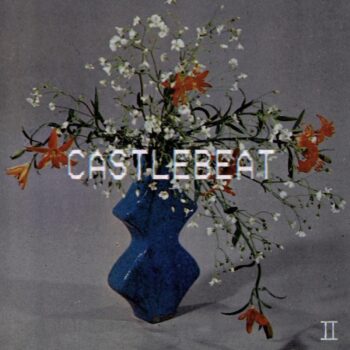
Released April 10 via Spirit Goth Records, “My Love” arrives as a bittersweet transmission from the heart of CASTLEBEAT’s world – hazy, hypnotic, deeply felt, and tethered to the kind of homemade intimacy that has long made Josh Hwang’s music resonate. Active since 2015, the Los Angeles artist has spent more than a decade shaping CASTLEBEAT into a singular dream-pop outlet, one built from jangly guitars, drum machines, lo-fi textures, and an unshakable instinct for melody. A relatively private artist by nature, Hwang has always gravitated toward the DIY route in both production and recording, drawn to low-fidelity music for the way it feels more authentic, more handmade; that union of rawness and pop obsession is, in many ways, the essence of CASTLEBEAT itself.
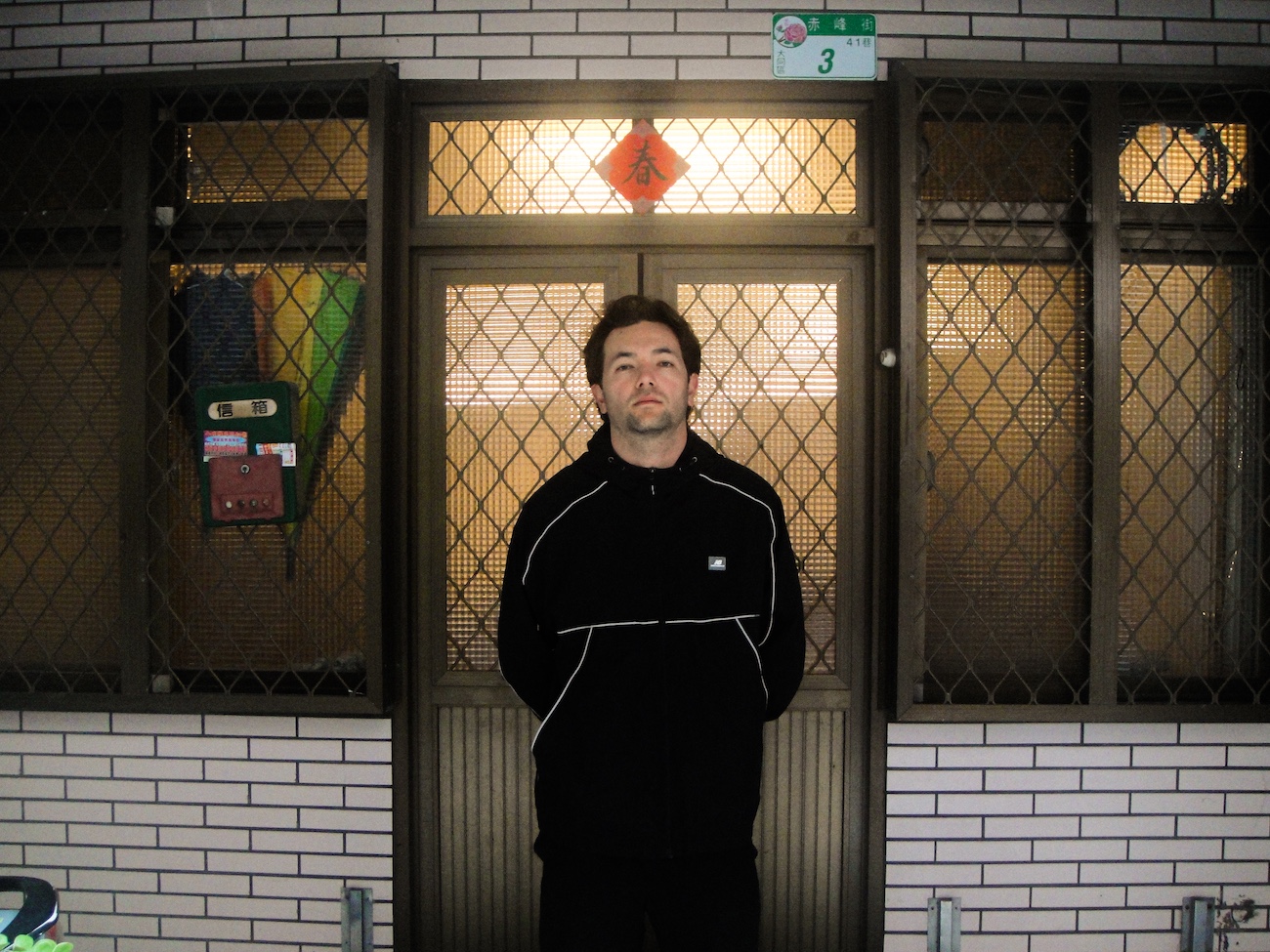
That ethos runs straight through CASTLEBEAT’s seventh studio album CASTLEBEAT II, out June 26, a 10-year anniversary reflection on the project’s 2016 self-titled debut and a deliberate return to the instincts that first defined Hwang’s sound.
Some of these songs began as fragments from that earlier era, ideas left unfinished until now; others were written more recently, but shaped with the same sounds, samples, and sensibilities that colored the debut. It is not a carbon copy, nor is it meant to be. Rather, CASTLEBEAT II finds Hwang looking back in order to move forward, reconnecting with the raw feeling of those late nights recording in his parents’ garage at 22 while honoring the sharper ear and lived experience he’s gained in the years since. In that light, “My Love” feels especially telling: A bridge between then and now, steeped in nostalgia, ache, and the enduring handmade spirit that has always given CASTLEBEAT its pulse.
This intimate sense of identity and reflection runs deeper than sonic texture or aesthetic choices – it’s embedded in how Hwang approaches memory itself, treating it as both inspiration and emotional anchor. In “My Love,” that comes into especially clear focus as he distills fleeting moments into splinters of lived experience that linger long after they’ve passed.
“‘My Love’ reads like fragments from a diary and a photo you can’t stop revisiting, while the chorus hits with a quiet crash: ‘I hit the floor and it’s breaking my heart,’” Hwang tells Atwood Magazine. “Minimal, hypnotic dream-pop with a repeatable hook designed for late-night listening, breakup playlists, and introspective indie pop.”
It’s over slowly
So you can’t tell
When I saw your picture
The night you left me
I couldn’t get so far
I couldn’t take your heart
My love, my love
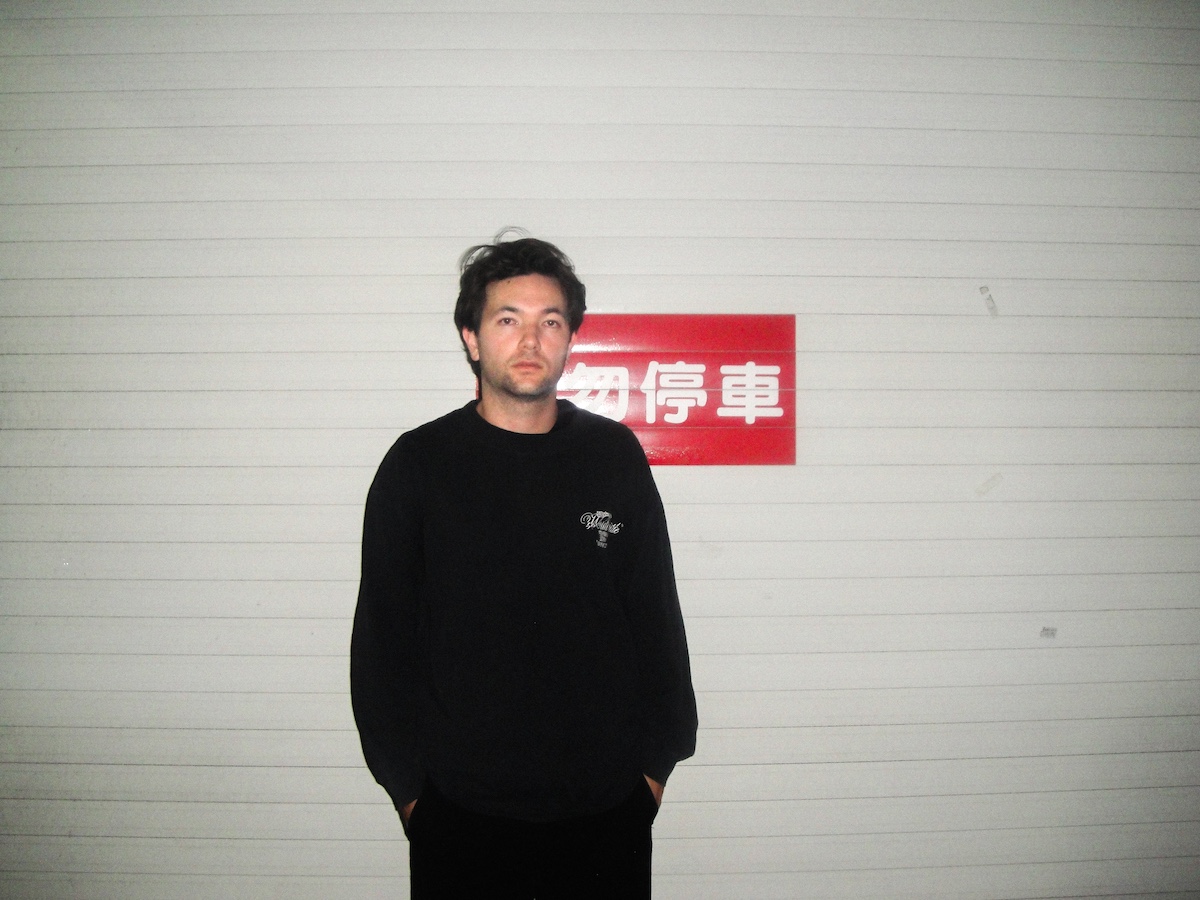
The song opens in motion – a steady, pulsing drum machine locking into a post-punk groove as shimmering synths flicker overhead, setting a pace that feels both urgent and suspended in time. Electric guitar strums cut through in tight, tempered plucks, the tone bright yet slightly worn at the edges, evoking that distinctly Strokes-adjacent angularity while still rooted in CASTLEBEAT’s hazy, lo-fi palette. Everything moves forward with intention, yet nothing feels rushed; it’s a careful balance of propulsion and restraint, like driving through the night with nowhere specific to go.
Hwang’s vocal enters almost as another texture, soft and distant yet emotionally loaded, floating just above the instrumentation rather than pushing through it. There’s a fragility in his delivery that mirrors the song’s emotional core – understated, but unmistakable. He doesn’t force the feeling; he lets it linger, allowing the weight of each line to settle naturally into the rhythm.
“I feel the darkness / From overhead / A page from your diary / And what it read” – the opening verse unfolds like a memory being pieced together in real time, fractured and slightly disoriented. There’s an intimacy in the imagery that feels almost intrusive, like reading words that weren’t meant to be seen, and yet it’s delivered with an emotional distance, as if the narrator is already bracing for what those words reveal. This tension – between closeness and detachment – becomes the verse’s defining thread.
When Hwang repeats, “I couldn’t get so far / I couldn’t take your heart,” it lands with a quiet devastation, the phrasing simple but loaded with implication. There’s no dramatization, no over-explanation – just a blunt acknowledgment of emotional limits, of reaching a point where effort and intention no longer matter. The repetition reinforces that sense of being stuck, circling the same realization without resolution.
The chorus doesn’t explode so much as it churns, the instrumentation swelling subtly as the rhythm digs in deeper, amplifying the song’s emotional undercurrent without breaking its hypnotic spell. It’s here that the song’s tension crests, not through volume but through accumulation – layers of sound and feeling folding into one another until the weight becomes impossible to ignore.
The song continues to lean into that same direct, unguarded language as it unfolds into further haunting verses and cathartic refrains, allowing simple phrases to carry an outsized emotional weight. “I hit the floor / And it’s breaking my heart / I just know / Only time will tell.” His lyrics read like a moment of collapse rendered in slow motion, a realization that doesn’t arrive all at once but settles in piece by piece. Even as the track continues to move forward, there’s a sense of a standstill at its center, a reckoning that lingers long after each fades. Hwang doesn’t dress the feeling up or complicate it; he lets it land as-is, raw and immediate, giving the track a raw, revealing emotional clarity that cuts deeper with each repetition.
I hit the floor
And it’s breaking my heart
I just know
Only time will tell
I couldn’t get so far
I couldn’t take your heart
My love
My love
This same emotional directness reflects the song’s origin – shaped by time, distance, and a return to ideas that once lingered unfinished. What emerges in “My Love” carries the weight of returning to the past with fresh perspective, allowing an old fragment to fully realize its place in the present.
As Hwang explains, “I had this guitar riff from back in the debut days, but it never developed into an actual song. Revisiting it now, I was able to finally finish the song in a way that felt natural. This song along with the rest of the album uses some of the old sounds, samples, and effects that I used in the debut album. I don’t intend to make a carbon copy album (I don’t even think that’s possible), but it’s revisiting the original CASTLEBEAT roots.”
That intention resonates throughout the track, where past and present blur into one continuous thread – familiar tones resurfacing with renewed purpose, and long-held ideas finding resolution in ways they couldn’t before.
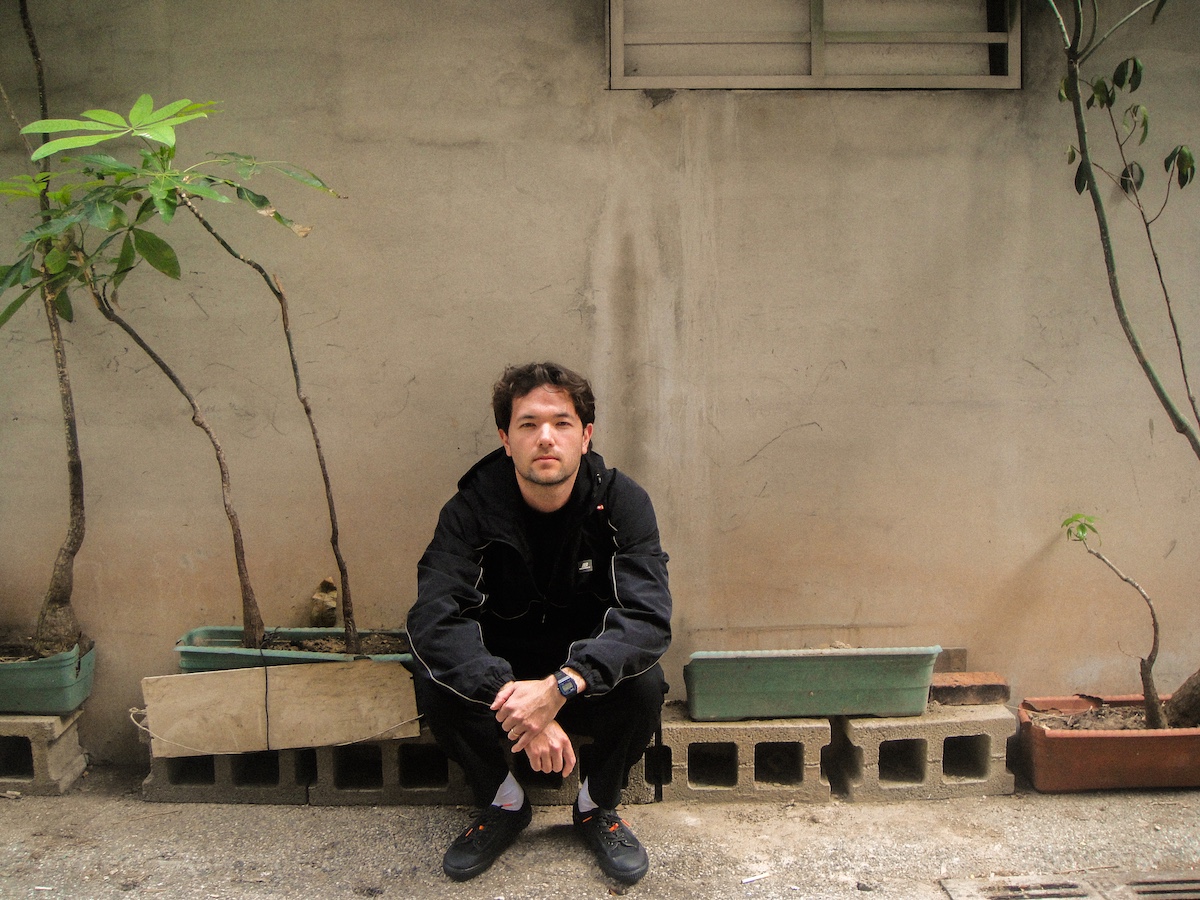
What makes “My Love” linger isn’t just its sense of reflection, but the way it feels lived-in at every level – a song that doesn’t perform heartbreak so much as sit inside it.
Hwang’s vocal carries that weight with a striking vulnerability, never overreaching, never straining for effect, instead letting each line land with a kind of unguarded honesty that feels almost fragile. Around him, the arrangement does the heavy lifting: Shimmering synths and crisp, chiming guitars don’t just frame the emotion, they elevate it, giving shape to feelings that might otherwise feel too intangible to hold. The result is a dreamy, driving melancholy that paradoxically invites you in – where the ache is undeniable, but the atmosphere is so immersive, so fluid, that you find yourself wanting to stay there, letting the song wash over you again and again.
As CASTLEBEAT II approaches, “My Love” stands as a poignant entry point into a record shaped by reflection, time, and the quiet weight of unfinished thoughts finally given form. It’s a song that holds onto distance not as absence, but as a space filled with memory, hesitation, and all the things left unsaid – where love lingers even after it slips out of reach. In that way, Hwang captures a truth that runs deeper than any single moment: The hardest distances to navigate are often the ones that exist within us, measured not in miles, but in what we couldn’t hold onto when it mattered most.
Read our conversation below as Hwang muses on the passage of time, the pull of memory, and the spaces we carry long after love has slipped from our grasp. CASTLEBEAT II is out June 26 via Spirit Goth Records.
— —
:: stream/purchase My Love here ::
:: connect with CASTLEBEAT here ::
:: connect with spirit goth here ::
— —
A CONVERSATION WITH CASTLEBEAT

Atwood Magazine: Josh, for those who are just discovering CASTLEBEAT today through this writeup, what do you want them to know about you and your music?
CASTLEBEAT (Josh Hwang): I’m a relatively private person and enjoy going the DIY-route on most things like music production and recording. I think because of that, I’ve always been drawn to low fidelity music – maybe because it feels more authentic and hand-made. The combination with an obsession with pop melody is what makes CASTLEBEAT.
You’ve been actively releasing music for 10+ years now. Can you recommend a couple personal highlights from the CASTLEBEAT catalog for Atwood’s crate-digging audience to sink their teeth into?
CASTLEBEAT: Yeah, I guess a couple interesting callouts could be “Cruiser” from the 2011 EP and maybe for shoegazers “Sunlife” from Nothing EP.
This year marks the 10-year anniversary of your debut album, CASTLEBEAT! What’s your relationship with that record and its songs today?
CASTLEBEAT: It’s the album that kicked off the project and was entirely written, recorded, and produced when I was 22 in my parents’ garage. I remember late nights in the garage trying to nail a guitar take. The album to me just has a special raw feeling where I was maybe not as technically developed but going off of pure instinct.
What’s the story behind your song “My Love”? I love your dreamy, propulsive production here. What was your vision for this track?
CASTLEBEAT: I wanted the song to be melodic & dreamy with a bittersweet nostalgic vibe. It features the classic CASTLEBEAT jangly guitars and drum machine.
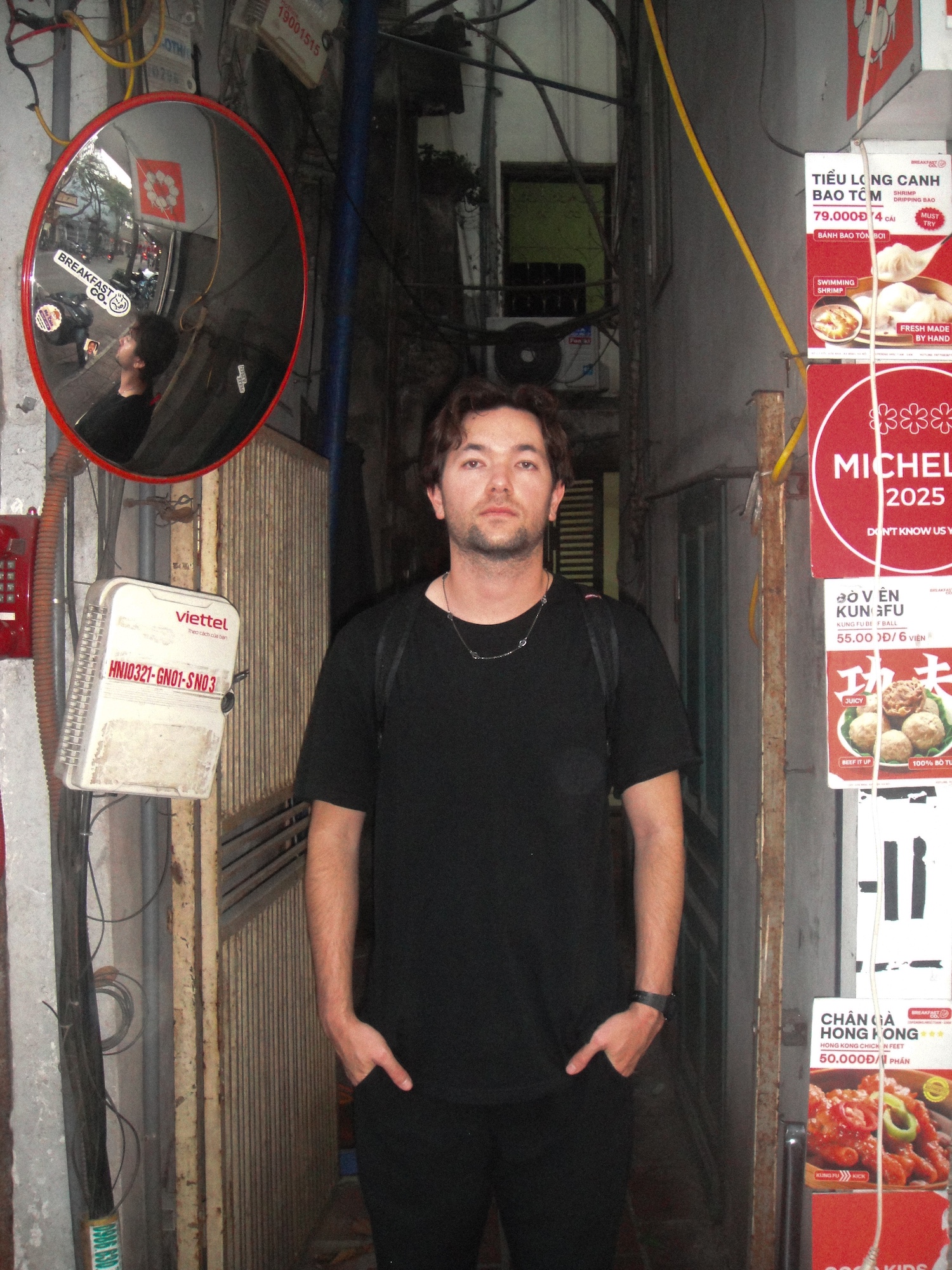
How does this track fit into the overall narrative of your upcoming album, CASTLEBEAT II?
CASTLEBEAT: I had this guitar riff from back in the debut days, but it never developed into an actual song. Revisiting it now, I was able to finally finish the song in a way that felt natural. This song along with the rest of the album uses some of the old sounds/samples/effects that I used in the debut album. I don’t intend to make a carbon copy album (I don’t even think that’s possible), but it’s revisiting the original CASTLEBEAT roots.
You’ve dubbed CASTLEBEAT II a “10th anniversary love letter” to your debut album. Can you share more about that, and how this record captures where you are today in your journey?
CASTLEBEAT: This upcoming album was a project about taking a moment to look back and see how far the project has come since it started 10 years ago. I thought it would be a nice way to reflect and sort of reconnect with that early raw instinct. Since learning and gaining more experience in music creation, I often find myself overthinking things that don’t really matter that much. It’s nice to go back to a more raw way of making music.
— —
:: stream/purchase My Love here ::
:: connect with CASTLEBEAT here ::
:: connect with spirit goth here ::
— —
Stream: “My Love” – CASTLEBEAT
— — — —
Connect to CASTLEBEAT on
Facebook, 𝕏, TikTok, Instagram
Discover new music on Atwood Magazine
© Sonia Gadhia
 © Sonia Gadhia
:: Today’s Song(s) ::

 follow our daily playlist on Spotify

:: Stream CASTLEBEAT ::