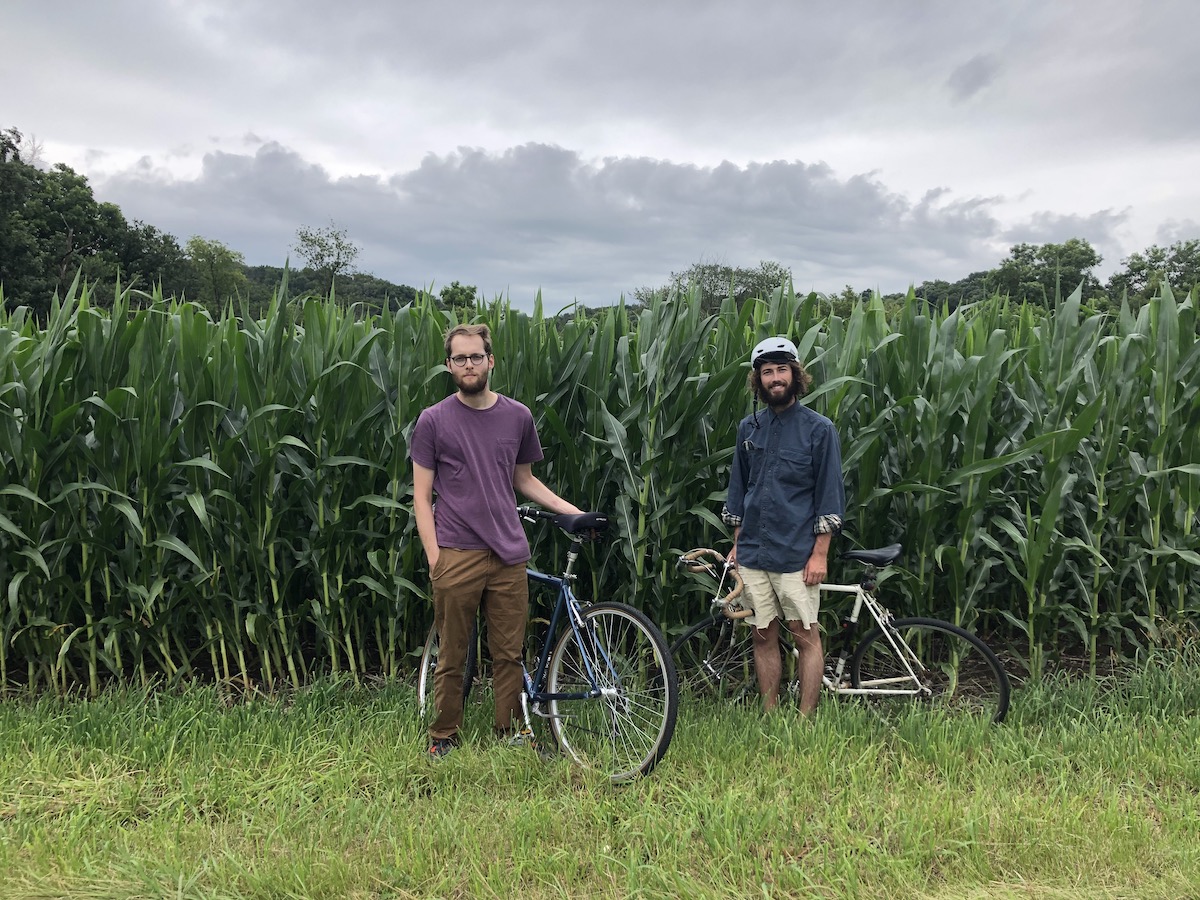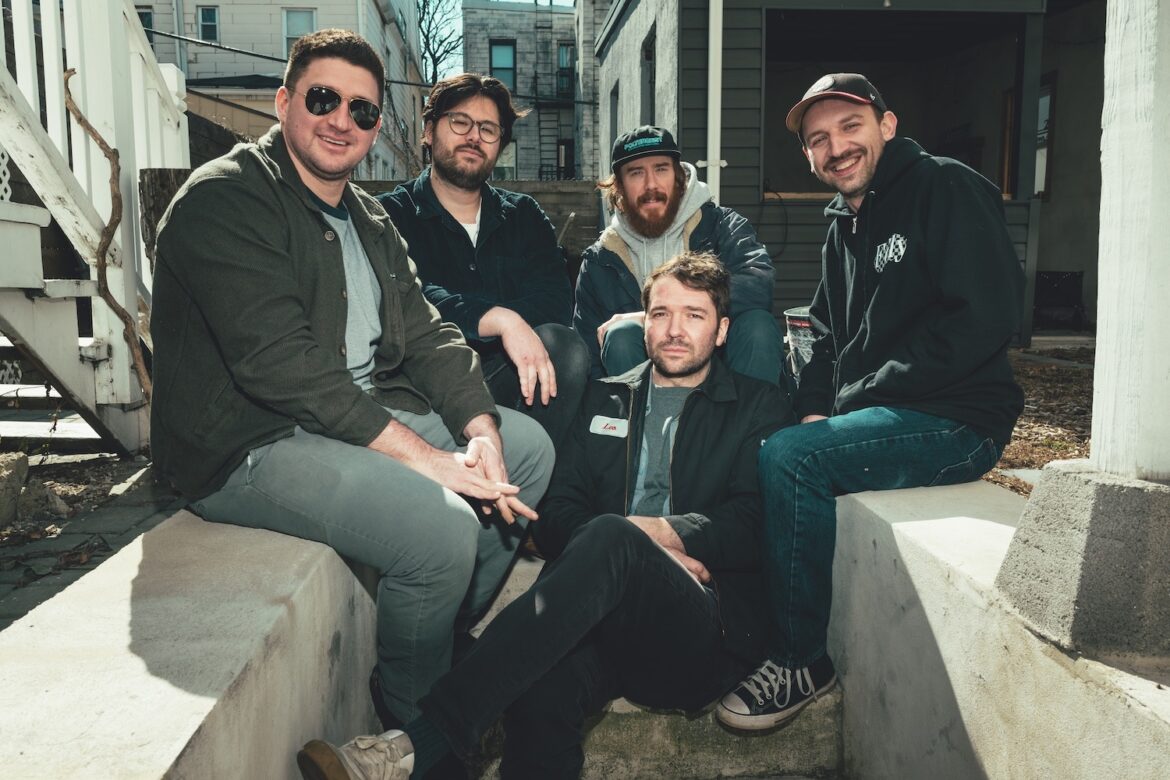
New Jersey’s CR & The White Lights revisit old friendships and the people time carries out of reach on “Yearbook,” a dreamy, dust-streaked alt-country ballad from their forthcoming album ‘My Old Self’ that transforms nostalgia into a deeply human reckoning with memory’s unfinished business.
Stream: “Yearbook” – CR & The White Lights
An old yearbook can transform a room into a time machine, each face reopening a version of life that kept moving long after the page stood still.
Each flip brings back the texture of a past life: Bedrooms lit by old computer screens, handwritten jokes in the margins, the strange intimacy of seeing a friend frozen at the age when you knew them best. Memories arrive in pieces – a laugh, a fight, a summer afternoon, a name you haven’t said out loud, let alone thought to yourself in years – until the distance between who you were and who you’ve become starts to feel tenderly alive again.
Dreamy, weathered, and devastatingly heartfelt, CR & The White Lights’ latest single “Yearbook” lingers in that all-too-relatable ache: The sudden rush of remembering who we were, who we loved, and who slipped out of reach while childhood gave way to the harder edges of adult life. Set against dusty alt-country warmth and sung with soul-stirring open-heartedness by frontman Chris “CR” Gennone, the song reaches for the people and places that shaped us, trying to understand the permanent pull they still have on who we are today.
You had Windows 95 in your bedroom
I was never allowed to play Doom
I used to make you cry
Then I’d run to my mother’s arms
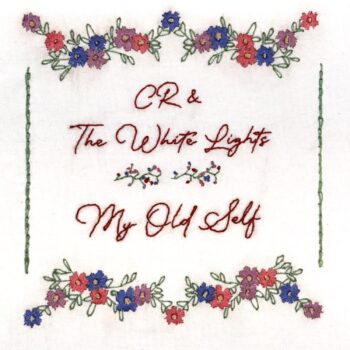
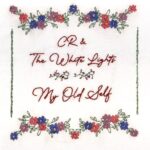
Atwood Magazine is proud to be premiering “Yearbook,” the beautifully aching third single and music video from CR & The White Lights’ forthcoming album My Old Self, out July 17th via Magic Door Records. Following recent singles “Tinted Windows” and “Greatest Hits,” the song deepens the New Jersey band’s world of raw, ragged alt-country rock, trading barroom grit and loose electricity for a more tender reckoning with memory, friendship, and the people we lose long before we are ready to call them gone.
For Gennone, My Old Self marks both a continuation and a transformation. Before CR & The White Lights, he released music as CR & the Nones, a more fluid project built around his songwriting and a familiar circle of collaborators. Some of those players remain part of this new chapter – including guitarist James Abbott and bassist John Dewitt – but CR & The White Lights feel like a band in fuller focus: More rooted, more lived-in, and more certain of the sound they are chasing together.
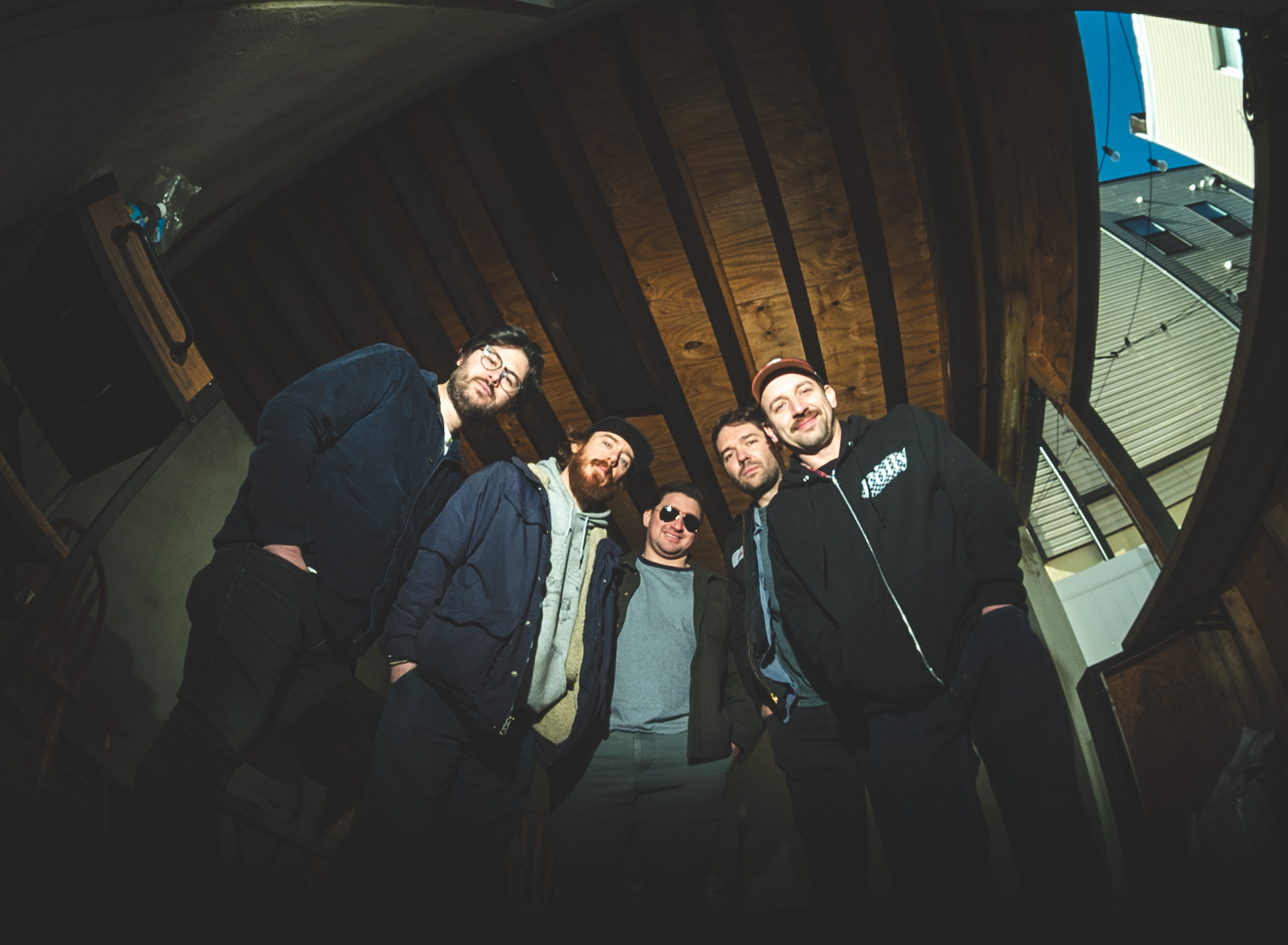
That sound is raw without feeling careless, warm without sanding off its edges. Recorded largely live with producer and engineer Phil Connor at In the West in New Brunswick, My Old Self carries the heat, sweat, and immediacy of a band playing in close quarters, trusting the take, and letting instinct lead. Gennone’s emotionally charged voice sits at the center of it all, frayed and exposed, while Abbott’s guitar, Dewitt’s bass, Liam Bornovski’s pedal steel, and Rich Slurry’s drums turn the record into a jukebox confession: Road-worn, restless, and lit from within by hard-earned feeling.
The album wrestles with anxiety, self-worth, love, missed chances, and the long, uneven process of making peace with who we used to be. “Yearbook” finds one of its most poignant entry points into that world, not through a grand revelation, but through the ordinary ache of looking at old photographs and realizing every face has kept living a life you may never fully know again.
“I wrote this one after spending a night at my wife’s childhood home and watching her and her sister go through their old yearbooks and things, and it made me think about my past as well, and the people we lost touch with over the years,” Gennone tells Atwood Magazine.
That origin story lives in every corner of “Yearbook.” The song opens with details so specific they feel pulled straight from a childhood bedroom: “You had Windows 95 in your bedroom / I was never allowed to play Doom.” In two lines, Gennone builds an entire sepia-toned world of old computers, forbidden games, sleepovers, rules, and half-remembered afternoons – the kind of memory that seems small until it unlocks a whole era of life.
From there, the song quickly complicates its own nostalgia. “I used to make you cry / Then I’d run to my mother’s arms,” Gennone sings, making space for childhood to come back in all its tenderness and cruelty. He doesn’t romanticize younger days as pure innocence; he remembers the messiness, too. The narrator was a kid capable of hurting another kid, then seeking comfort before fully understanding the weight of what he had done. That emotional honesty gives “Yearbook” its sting – it’s not just a song about missing the past, but about having to face the person you were inside it.
The refrain lands like a question that has been waiting years for air: “What happened to you, my friend?” It’s simple, but devastating in context, and Gennone sings it with the raw, gut-wrenching ache of someone looking across a gulf that once did not exist, trying to reconcile the companion he knew with the person time, distance, pain, or circumstance may have made of them. The line holds grief without melodrama. It sounds like concern, confusion, love, and mourning all at once.
What happened to you, my friend?
The yearbook itself becomes a charged object in the second verse: “You had me crossed out in your yearbook / Some folks get left behind, some get cooked.” That image of being crossed out is brutal in its plainness – a child’s gesture of anger that hardens, years later, into evidence of rupture. Gennone follows it with a line that feels both offhand and deeply fatalistic, acknowledging how unevenly people survive growing up. Some move forward. Some disappear into versions of themselves their old friends can barely recognize. Some get burned by life in ways no one could have predicted when everyone was still young enough to be written in pen.
Then comes the song’s most piercing confession: “I would rather die / Than to give you the devil horns.” A nod to the act of signing, or rather besmirching a yearbook itself, these words read like a refusal to turn memory into mockery. However much has changed, whatever hurt remains, the narrator will not reduce this person to a joke, a curse, or a symbol of everything that went wrong. The line is dramatic in the way childhood feelings can feel larger-than-life, but Gennone sings it with adult gravity, making it feel less like exaggeration than devotion – a last act of loyalty to someone who may no longer be reachable. The yearbook photo remains untouched, crystallizing a long-lost version of the friend he once knew so well.
You had me crossed out in your yearbook
Some folks get left behind, some get cooked
I would rather die
Than to give you the devil horns
Musically, “Yearbook” moves with the unhurried churn of an old car passing familiar streets after years away. Jangling electric guitars lend the song its golden haze, while Bornovski’s spellbinding pedal steel bends through the arrangement like a memory that refuses to stay still. The drums add drama and forward motion, keeping the track from dissolving into pure wistfulness, and the smoldering lead guitar solo arrives with a surge of spirited feeling – roaring open for a few bright seconds before settling back into the song’s bruised warmth.
This push and pull gives “Yearbook” its alt-country soul – a heartland sound akin to the likes of Lucero and Drive-By Truckers, where tenderness and grit occupy the same space with grace. The song aches, but it never wilts. Its beauty is not polished or precious; it comes from the grain in Gennone’s vocal, the looseness of the band, the sense that everyone is playing toward the same emotional center. It feels gentle, but never fragile, carrying longing with muscle. The nostalgia hurts, but it never collapses into itself.
The song’s accompanying music video deepens that pull by stitching “Yearbook” to a collage of home-video footage seemingly from the ‘90s and early aughts, when school classrooms, hallways, and playgrounds still felt like the whole world. The footage taps into the school-as-the-whole-universe feeling forever enshrined in shows like Saved by the Bell and Boy Meets World – a world where your classmates, classes and activities, and everyday dramas felt all-consuming as they were happening. Grainy and golden with distance, those images channel the song’s nostalgia into a shared memory: Lockers and lunchrooms, friendships and frenemies, the everyday rituals that once seemed permanent because no one had lived long enough to know how quickly they would pass. The closing graduation scene lands with sobering clarity, putting everything into perspective: Everyone eventually walks across the stage, leaves the building, and carries those years forward in ways no one else can fully see. Our childhoods may feel like a lifetime as we’re living them, but none of it lasts forever.
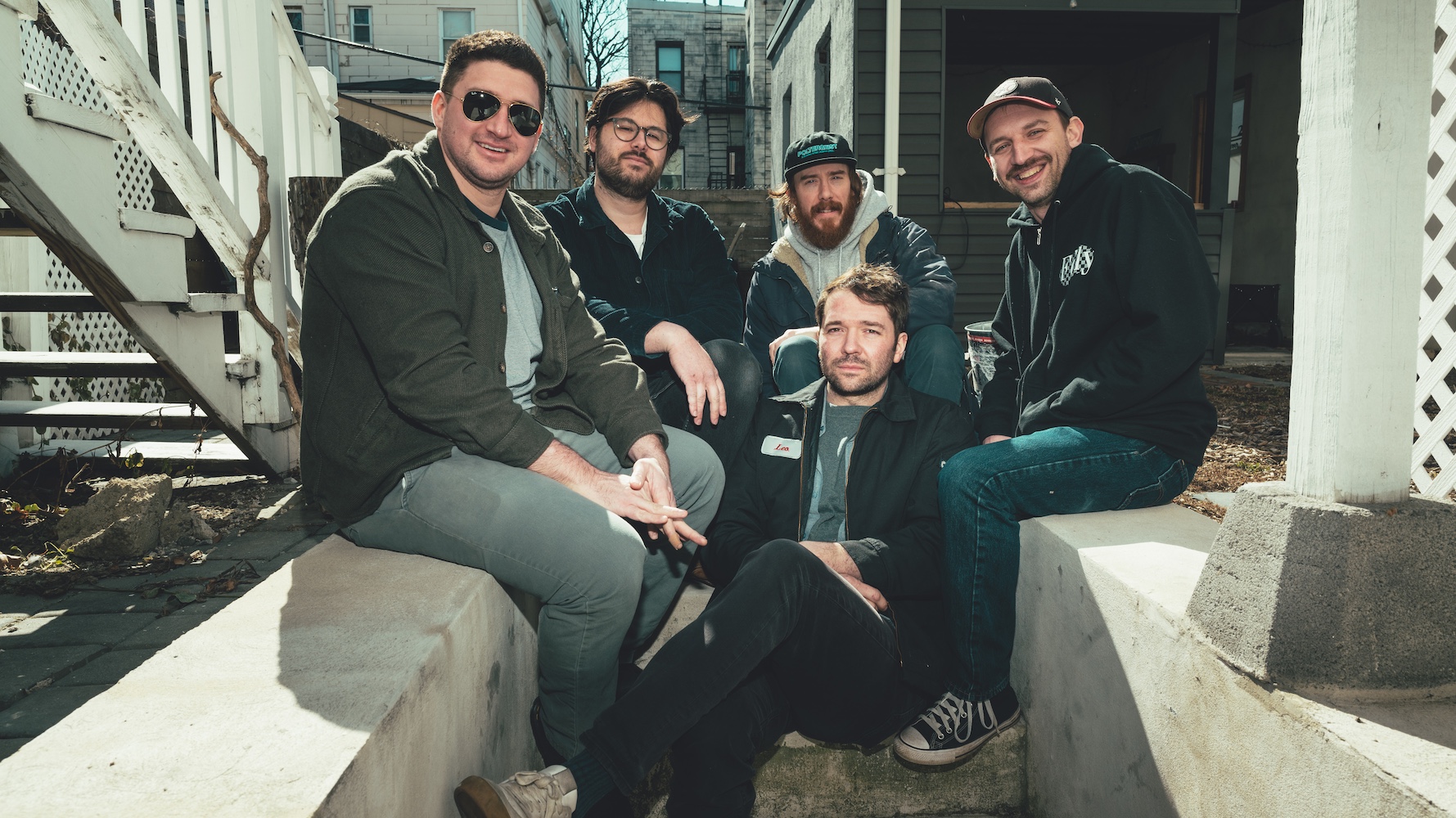
What makes “Yearbook” so special is its unfiltered and unflinching humanity: CR & The White Lights honor memory as unfinished business, threaded through with affection, guilt, curiosity, and care for people who now exist mostly as names, faces, and half-finished stories.
Gennone reaches back with empathy rather than judgment, allowing the past to remain complicated: Kids hurt each other, friends drift apart, people change, and love still lingers in ways no yearbook signature can contain. In doing so, CR & The White Lights capture one of adulthood’s most universal heartbreaks: The realization that we carry countless versions of one another inside us, even as life moves forward without reunion, explanation, or closure.
By the end, “Yearbook” becomes far bigger than the object that inspired it. It’s about the strange heartbreak of remembering people at the exact age you lost them, even if they are still alive somewhere, living lives you no longer touch. It is about old, lost friendships, former versions of the self, and the unbearable weight of realizing that growing up means leaving pieces of one another behind. CR & The White Lights don’t try to solve that ache; rather, they sit with it, sing through it, and let it glow.
Stream “Yearbook” and watch its music video exclusively on Atwood Magazine, where old faces, faded classrooms, and half-remembered names come rushing back with all the love and hurt they still hold.
— —
:: stream/purchase My Old Self here ::
:: connect with CR & The White Lights here ::
— —
Stream: “Yearbook” – CR & The White Lights
— — — —
Connect to CR & The White Lights on
Threads, Instagram
Discover new music on Atwood Magazine
© Liz Sadkowski, Chris Gennone
 © Liz Sadkowski, Chris Gennone
:: Stream CR & The White Lights ::