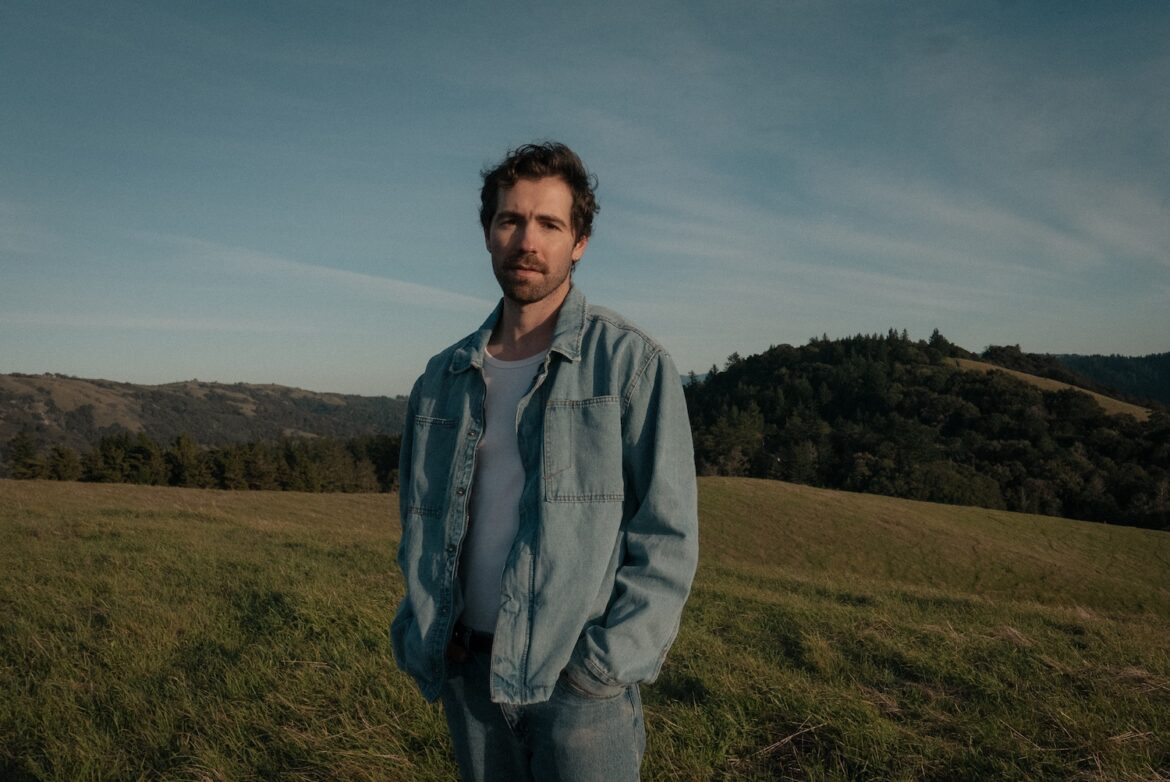
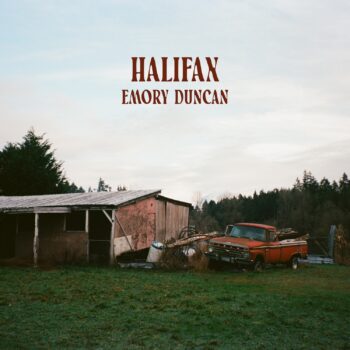
Singer/songwriter Emory Duncan chooses love over certainty and belonging over escape on “Halifax,” a warm, road-worn folk confession from his forthcoming EP ‘Semicircles and Half Written Songs’ that traces the fragile space between who we were and who we’re brave enough to become.
Stream: “Halifax” – Emory Duncan
Choosing love rarely feels logical.
It feels like standing at a crossroads with your history tugging at one sleeve and your hope tugging at the other – knowing that whichever direction you take will cost you something. The ache of leaving an old self behind, of trading certainty for connection, of risking pride for forgiveness – that’s the quiet, trembling heartbeat at the center of Emory Duncan’s “Halifax.” Tender and slow-burning, the song glows with a warm, dusky light: harmonies that smolder without ever flaring, gentle acoustic textures that drift like fog over open highway, and a vocal performance that carries both weariness and resolve. It’s a road song in spirit, but the miles traveled are internal – a reckoning with identity, faith, and the courage it takes to come home to someone when you’re not entirely sure you deserve to.
Well you were a fire
on my darkest of nights
Your light leaking in
pulled the teeth out my fight
And you were born swinging,
you were raised on the stuff
Grew up in a house
that put God before love
Atwood Magazine is proud to be premiering “Halifax,” the luminous lead single from Emory Duncan’s forthcoming EP Semicircles and Half Written Songs, due out Spring 2026. Produced by Jamie Mefford – known for his work with Gregory Alan Isakov and Nathaniel Rateliff – the track offers a stirring first glimpse into Duncan’s next chapter, one rooted in reflection and quiet reinvention.
Originally from Houston, TX and now writing from a log cabin tucked beneath the Redwoods of California’s Santa Cruz Mountains, Duncan crafts pastoral Americana as foggy and serene as his surroundings. Following his 2024 debut EP For Someone I Don’t Know and a string of critically acclaimed singles, Semicircles and Half Written Songs feels poised to deepen his introspective, soul-searching songwriting.
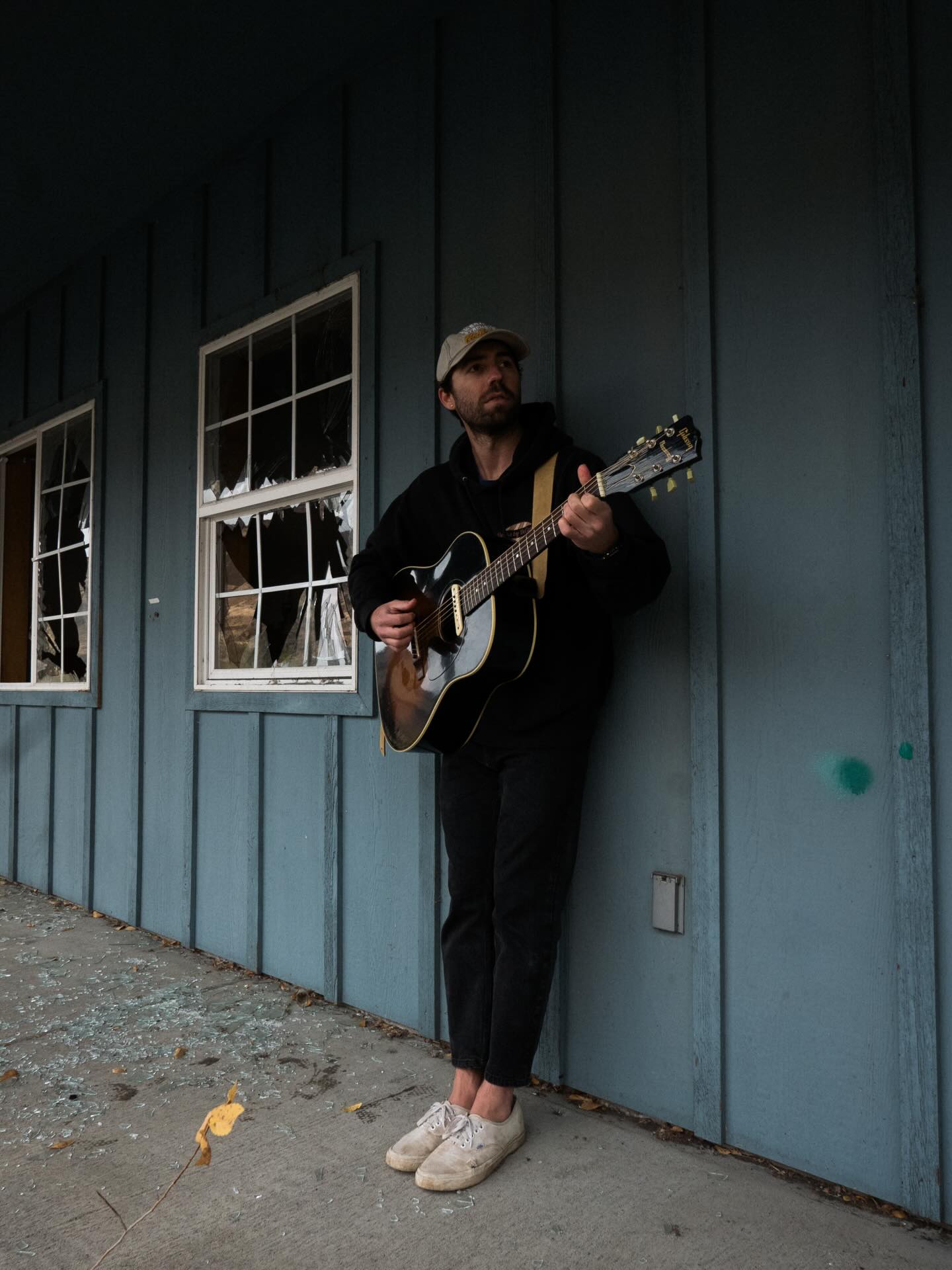
For Duncan, the heart of “Halifax” isn’t just geographical – it’s spiritual.
It’s about direction, about what we’re willing to leave behind, and who we’re willing to become in the process.
“‘Halifax’ is about choosing love over certainty, connection over escape, forgiveness over pride, and a person over a past life,” Duncan tells Atwood Magazine. “It’s a weary road song, but the journey is emotional – leaving behind an old identity and heading toward self-forgiveness, belonging, and home – even if it’s risky and imperfect.”
His framing makes the song’s central question feel even more resonant: Not just which way to Halifax, but which way to grace, to growth, to the version of yourself that isn’t running anymore.
So which way to Halifax
Which way to the coast
Which way to forgiveness
Reckon’ I need that the most
It’s goodbye to Pontiac
I’m coming home
With God as my witness
Reckon’ I need you the most
The opening verse sets the emotional stakes with striking clarity: “Well you were a fire on my darkest of nights / Your light leaking in pulled the teeth out my fight.” Love doesn’t arrive as spectacle here; it arrives as disarmament. It softens something hardened. It quiets a battle that’s been raging for far too long.
Geography becomes metaphor throughout the song. Halifax. The coast. Pontiac. The Trinity River. These aren’t just places – they’re markers of transition. “So which way to Halifax / Which way to forgiveness / Reckon’ I need that the most” lands less like a travel inquiry and more like a confession. Forgiveness isn’t a given; it’s a destination he’s unsure how to reach. And when he sings, “It’s goodbye to Pontiac / I’m coming home / With God as my witness / Reckon’ I need you the most,” the word “home” carries both romantic and existential weight.
There’s a particularly vulnerable tension in the second verse: “And I know that it’s reckless to follow you to hell / But my wings are worn, my love is torn, and I can’t help myself.” The spiritual imagery – God, witness, Trinity, worn wings – suggests someone wrestling not only with love, but with belief, identity, and inherited expectations. The production mirrors that internal pull: smoldering harmonies hover at the edges, acoustic textures move gently but persistently forward, and nothing ever erupts – because this isn’t a dramatic explosion. It’s a quiet decision; a surrender.
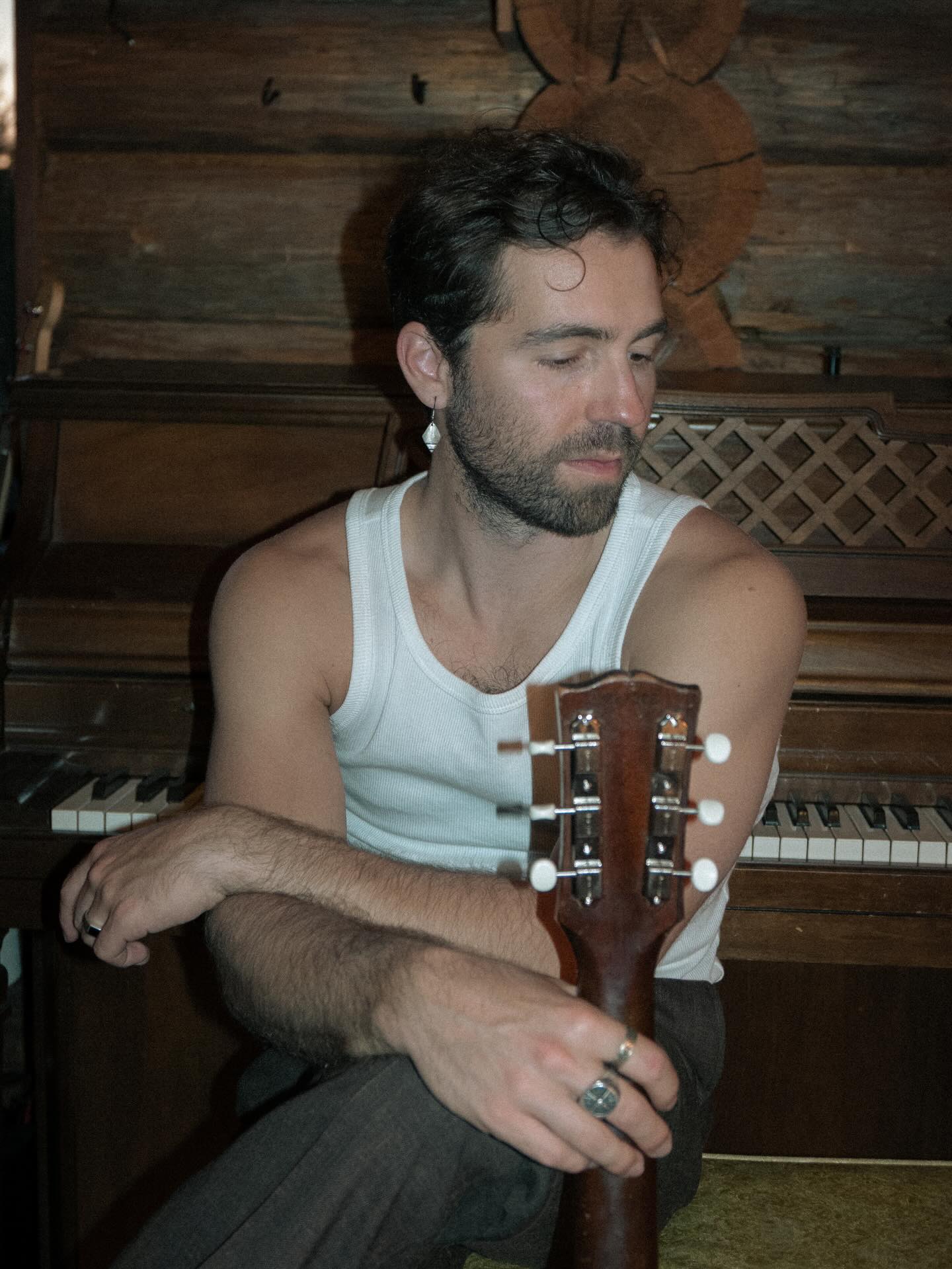
“Halifax” doesn’t resolve with fireworks or certainty; it settles instead into something braver – a willingness to choose connection even when the map feels incomplete.
The refrain circles back like a prayer, each repetition of “Which way to Halifax?” sounding less like confusion and more like commitment. Direction, after all, doesn’t always arrive in a flash; sometimes it’s a quiet recalibration of the heart.
In that way, the song feels like a thesis for Semicircles and Half Written Songs, due out Spring 2026 – a project that, by its very name, suggests unfinished thoughts, imperfect arcs, and the beauty of becoming in real time. Duncan isn’t chasing a flawless ending; he’s chasing belonging. And in “Halifax,” he captures the fragile, flickering moment when you stop running from your past long enough to walk toward someone – or somewhere – that feels like home.
“This is the song I am most proud of to date,” Duncan recently shared on social media. “It was written right after I got back from Montreal in early 2023, and it’s taken three years to take shape in this world. The funny thing is, this is the only song I don’t really remember writing. It’s almost as if it was always around just hanging in the air, and when it came close enough I did my best to play it. It probably took less than 20 minutes to try to capture it before I immediately went in the other room to interrupt [my wife] Breigha and play it for her – to which she replied ‘Yup, that’s a song.’”
“Songs are like elusive little independent living organisms, and they usually only reveal a fragment of themselves to you at a time. So this one feels special, like it really wanted to live and to be heard. So I hope I’ve done it justice.”
Stream “Halifax” exclusively on Atwood Magazine, and let its tender, road-worn glow guide you toward the kind of love that asks for courage and offers belonging in return – lingering in that fragile space between who you were and who you’re brave enough to become.
— —
:: stream/purchase “Halifax” here ::
:: connect with Emory Duncan here ::
— —
Stream: “Halifax” – Emory Duncan
— — — —

Connect to Emory Duncan on
Facebook, Instagram
Discover new music on Atwood Magazine
© Breigha Marguerite Duncan
 © Breigha Marguerite Duncan
:: Stream Emory Duncan ::