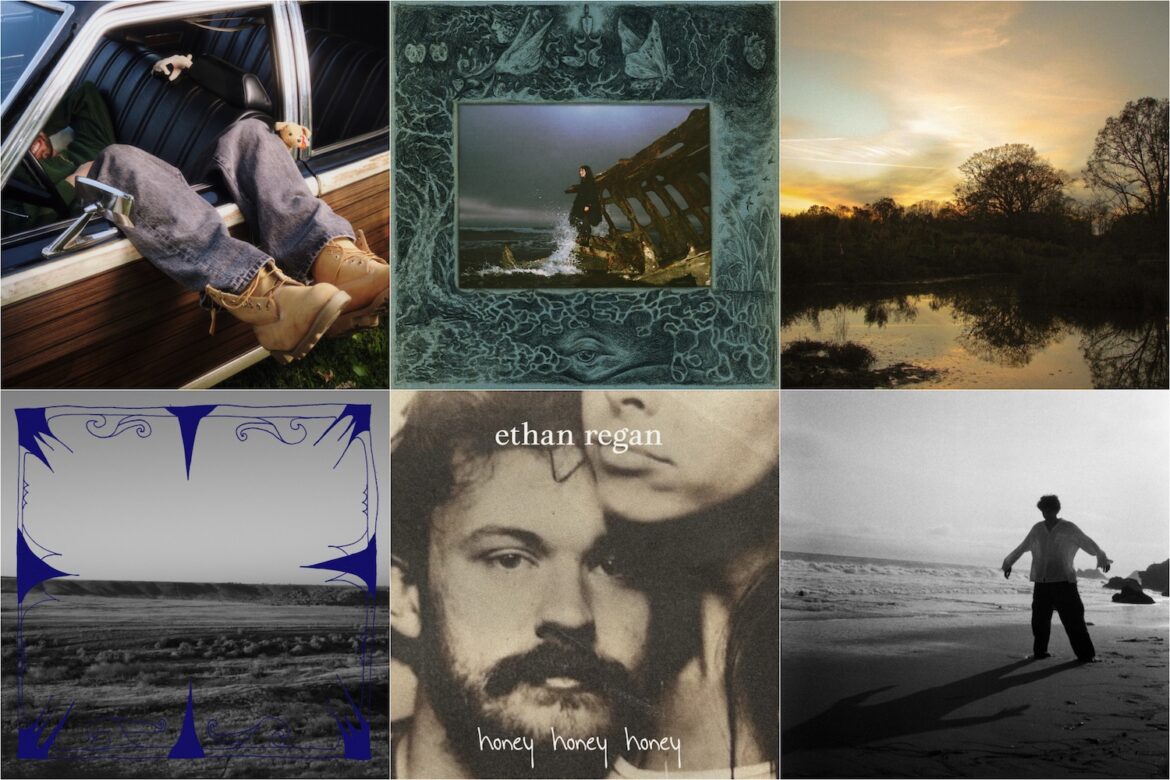
Atwood Magazine is excited to share our Editor’s Picks column, written and curated by Editor-in-Chief Mitch Mosk. Every week, Mitch will share a collection of songs, albums, and artists who have caught his ears, eyes, and heart. There is so much incredible music out there just waiting to be heard, and all it takes from us is an open mind and a willingness to listen. Through our Editor’s Picks, we hope to shine a light on our own music discoveries and showcase a diverse array of new and recent releases.
This week’s Editor’s Picks features FORAGER, Truman Sinclair, Tony DV, Searows, Elias Hix, & Ethan Regan!

 follow EDITOR’S PICKS on Spotify

“Pomeranian”
by FORAGERThere’s a moment early in “Pomeranian” where the song seems to tilt under your feet – not collapsing, not quite resolving, just reorienting itself mid-thought. It’s the kind of shift that makes you lean in rather than brace for impact, and from there on out, FORAGER never let you settle back into expectation. The Brooklyn trio’s stunning single is sharp, funny, unruly, and deeply considered all at once – a song that laughs at curated cool while quietly interrogating what it actually means to make something. Vocalist Shyamala Ramakrishna’s voice is the anchor through it all: Elastic and intimate, every breath and syllable alive with intent, pulling you through a structure that feels loose enough to snap, yet somehow holds together by feel alone. What matters most isn’t where the song lands – it’s that you’re willing to follow it.
There’s rubbish on the sidewalk
Nothing any good
Molly says she found
an old clock in her neighborhood
There’s a mural on the blacktop
She said it wasn’t any good
It’s cruel optimism,
and I don’t know but I should
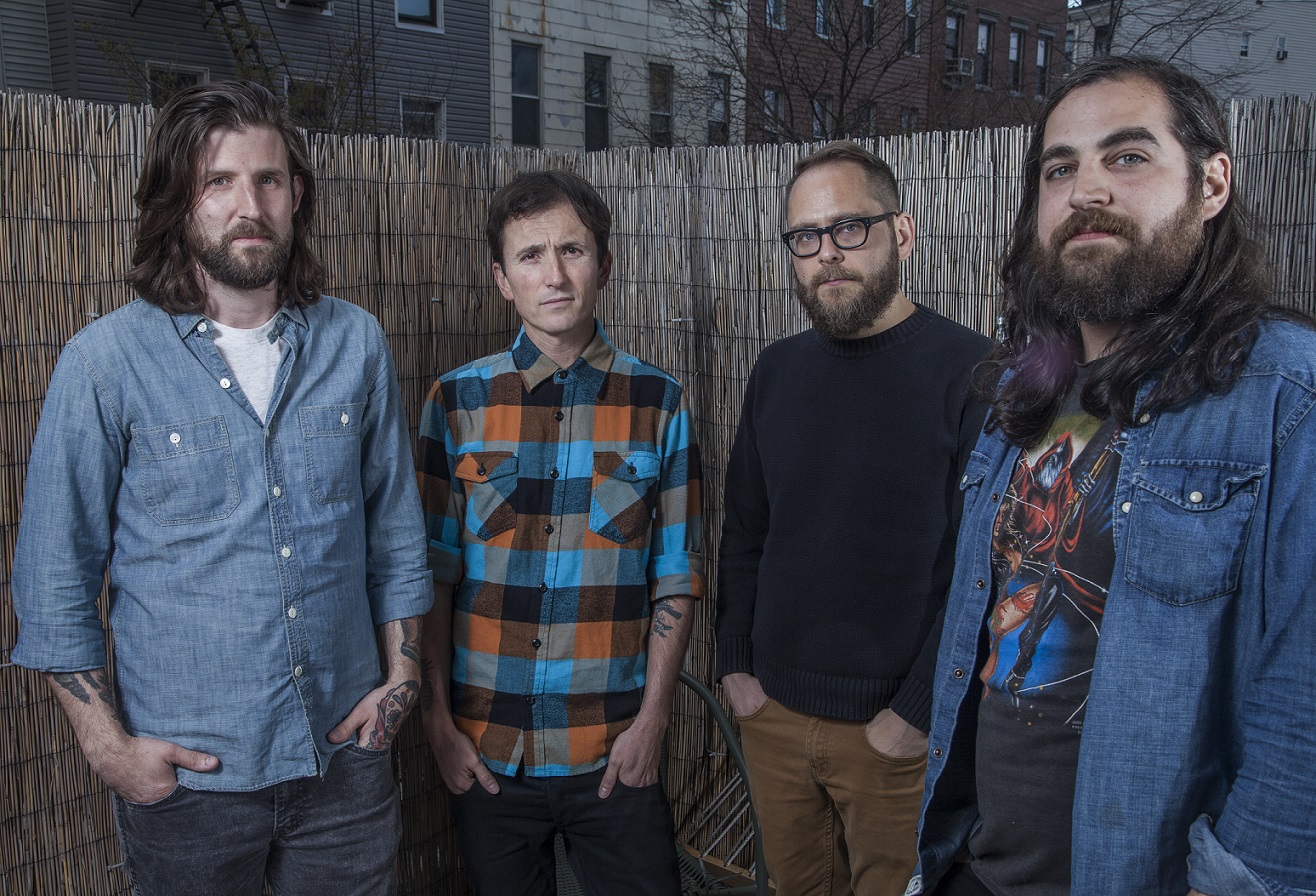
Released in October 2025, “Pomeranian” arrives as the lead single off FORAGER’s forthcoming sophomore album Even a Child Can Cover the Sun with a Finger, due out this February, and it feels like a bold reintroduction to a band already operating on their own wavelength. One of Atwood Magazine’s 2026 artists to watch, FORAGER – the Brooklyn-based trio of vocalist Shyamala Ramakrishna, guitarist/bassist Jack Broza, and drummer Colum Enrique – have long been a live-first band, building songs with the stage in mind before the studio ever enters the picture. “We love playing live! We are performers at heart, and our music is meant to be enjoyed at a concert,” Enrique tells Atwood Magazine, explaining that more than half of the new album was rehearsed and played live before any final recordings took shape. That physicality is embedded in “Pomeranian” – you can hear the room in it, the movement, the way parts feel tested and re-tested until the song’s personality reveals itself.
More than just another standout in their catalog, “Pomeranian” feels like the moment FORAGER’s ambition fully comes into focus – capturing their wit, restlessness, and technical curiosity all at once, and making a compelling case for why this next chapter feels bigger, stranger, and more self-assured than anything they’ve released before.
That personality is mischievous, pointed, and knowingly self-aware. Written linearly, the song began with Ramakrishna clocking discarded furniture on a Crown Heights sidewalk, which spiraled into a sardonic portrait of Brooklyn’s retro-obsessed, taste-signaling ecosystem. “The lyrics are poking fun without trying to prove a real point,” Broza explains. “My favorite lyric is the one about the grocery store wine… because within sassiness there’s a slight vulnerability and nostalgia – my friends are growing up faster than me, and I remember when we’d drink boxed wine on peoples’ stoops.” Lines like “everybody else’s palate is getting more refined / turning up their nose at the grocery store wine” cut with humor, but there’s ache underneath the punchline – the feeling of being slightly out of step, watching adulthood harden around you.
Everybody else’s
Palate is getting more refined
Turning up their nose
at the grocery store wine
Did you paint it
Making taste with
all that free time?
You’re a rocker
Window shopper
And I’m behind
Musically, FORAGER lean into that tension. The drums land just off where you expect them, the groove flexing and rebalancing beneath the song as it moves. Textures swell and recede, and Ramakrishna’s vocal stretches and curls around the beat, testing how much pressure the structure can hold before it gives way and snaps. A metric flip at the chorus – a trick they’ve explored previously – becomes the song’s gravitational center, landing in a way that feels both satisfying and destabilizing. “The idea of having a metric or feel shift at the chorus is something we’ve played around with before,” Broza says, noting how the band gradually shaped the song through rehearsal and live performance before layering in its stranger production moments. “It’s a cool way to have a chorus land in a satisfying and surprising way.” Those choices are never technical for their own sake. As Enrique puts it, the band is interested in “tempo changes, more interesting harmonic choices, chaotic noise, under the umbrella of a pop song that actually feels like one and isn’t just indiscriminately assigned that label.” It’s accessibility without obedience – hooks that invite you in, then quietly rearrange the furniture while you’re inside.
You’ve got the right touch of vintage
A layer of grit
But I kinda think that you’re full of shit
A touch of vintage
And nothing to say
A pomeranian chasing its tail
You’ve got the right touch of vintage
A layer of grit
But I kinda think that you’re full of shit
A touch of vintage
And nothing to say
A Pomeranian getting its way
Ramakrishna frames “Pomeranian” as an “evil cousin” to the band’s earlier lampooning track “Hello to the Kiddies,” but the critique here cuts deeper. “It’s not enough to have all the right signifiers of taste,” she reflects. “It’s meaningless to call yourself ‘a creative’ but have no art practice to speak of. It’s actively harmful to define yourself chiefly by what products you consume.” The irony, of course, is intentional: singing about the right touch of vintage within a soundscape that knowingly nods to vintage aesthetics. FORAGER aren’t exempting themselves from the joke – they’re implicating themselves in it, too, wrestling with the uneasy overlap between genuine expression and performative identity in an era of endless curation.
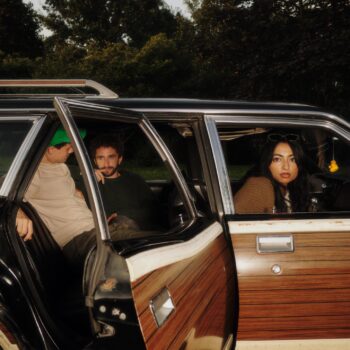
That thematic push and pull threads through Even a Child Can Cover the Sun with a Finger as a whole. Where their 2023 debut Pipedream Firewood found its shape almost accidentally, the new album is more deliberate, tinged with what the band calls “adult disillusionment,” but also clarity earned through time. Songs across the record grapple with pleasure, parenthood, creative burnout, and love that deepens rather than dazzles. “In that way it’s all inescapably autobiographical,” Ramakrishna notes, “since the three of us are growing up together.” “Pomeranian” doesn’t try to sum up the entire record – instead, it sets the tone for its range, signaling a band unafraid of contradiction, humor, and risk.
Ask me where I got it
From eBay in Japan
I hate consumerism,
leave the boxes with the doorman
You said you had a vision
Of living off the land
I see you on the grid
in a tractor with a suntan
Everybody else’s
Palate is getting more refined
Turning up their nose at the grocery store wine
Did you paint it
Making taste with all that free time?
You’re a rocker
Window shopper
And I’m behind
What’s perhaps most striking about “Pomeranian” is that it doesn’t ask to be agreed with. It asks to be engaged with. It’s messy in the best way – funny without being flippant, complex without losing its pulse, critical without hardening into cynicism – and forever unapologetic in its uniqueness. FORAGER aren’t chasing perfection or polish here; they’re chasing truth through motion, through tension, through songs that can bend without breaking.
As Enrique says, some listeners have found it “accessible and interesting,” while others bristle at the choices. “I love that,” he admits. So do we. “Pomeranian” is alive, argumentative, startling, and deeply human – a song that asks you to pay attention, let your footing shift, surrender to the sound, and trust the feeling of following something that refuses to stand still. And that’s exactly what makes it irresistible.
You’ve got the right touch of vintage
A layer of grit
But I kinda think that you’re full of shit
A touch of vintage
And nothing to say
A Pomeranian chasing its tail
You’ve got the right touch of vintage
A layer of grit
But I kinda think that you’re full of shit
A touch of vintage
And nothing to say
A Pomeranian getting its way
“dustland”
by Truman SinclairA warm, windblown ache settles into the chest almost immediately – the kind that lingers long after the last note fades and leaves something tender in its wake. “dustland” feels true to its name: Sun-baked and bruised, romantic in its devotion, and grounded in the kind of heartland heat that turns longing into something worth holding onto. Truman Sinclair doesn’t dress things up or sand them down; he lets emotion arrive exactly as it is, earnest and exposed and impossibly human. Dusty heartland rock in the truest sense, the song hums with grit and grace, carrying echoes of Springsteen and Tom Petty without ever feeling beholden to them. And every time Sinclair sings “in the dustland, baby, I will make you mine,” it lands like a quiet vow – tender, romantic, and full of resolve – sending a chill straight down the spine.
You bought an old dress from 79′
The coal is burnin up we’re out of time
There’s nothing to lose
And nothing to find
In the dustland, baby,
I will make you mine
In the dustland, baby,
I will make you mine
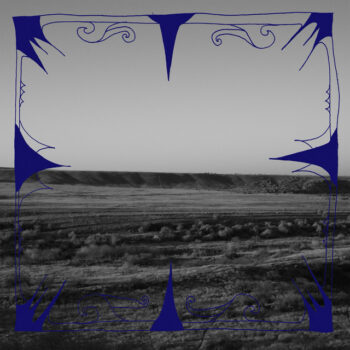
Released in mid-October, “dustland” followed Truman Sinclair’s February debut album American Recordings, and it feels like a natural extension of the world he began building there. A Chicago native now based in Los Angeles, the singer, songwriter, guitarist, and producer crafts songs that feel lived-in rather than imagined, rooted in place and community. “I am a songwriter and I love and believe in songwriting and I am honored to make music,” he tells Atwood Magazine. “I love rock music and community and play frequently with my band in Los Angeles and anywhere they let us play.” That devotion to craft – and to the shared experience of music – radiates through “dustland,” which sounds like it was made to be sung with other people in the room.
At its core, the song is a coming-of-age story shaped by uncertainty and love in equal measure – about finding something to fight for in the chaos. “The world is an increasingly dangerous place and finding hope is of the utmost importance,” Sinclair explains. “Love is a great catalyst for hope and change.” When pressed further, he distills it even more plainly: “Confusion and hopelessness, but then finding something worth carrying on for.” Those ideas surface gently in the lyrics, which move from images of old dresses and military fairs to moonlit stillness and quiet devotion, never forcing meaning where feeling will do the work.
Musically, “dustland” shuffles forward with patient confidence. A loose drumbeat and acoustic guitar form its backbone, while Sinclair’s grainy, gritty vocal delivery carries a poetic weight that sneaks up on you. Lines like “now you’re sitting at the military fair and / they’re cutting off all your golden hair” feel cinematic without overstating themselves, while the chorus hits with the kind of simplicity that only works when it’s completely sincere. There’s churn beneath the sweetness, a sense that the song is always pressing onward even as it holds space for tenderness.
Now you’re sitting at the military fair and
They’re cutting off all your golden hair
You look at me with a thousand-yard stare and
You tell me baby, take me anywhere
The water’s gone and the radio’s silent
And we are layin bathing in the moonlight and
You keep me ringing when my river runs dry
In the dustland baby, I will make you mine
The word “dustland” itself holds multitudes. For Sinclair, it’s both literal and psychological – “the modern plastic ephemeral over consumed world in which supply chains are bloated and waste is enormous,” as he puts it, but also “a state of mind, a dark place we go.” That dual meaning gives the song its power: It’s about standing in the wreckage of a moment, or a country, or a feeling, and still choosing connection. Even as the radio goes silent and the river runs dry, the promise remains.
What makes “dustland” linger is its refusal to surrender to despair. “It’s a message of hope and love,” Sinclair says, simply, and that honesty is the song’s greatest strength. There’s no grand speech here, no forced optimism – just the steady belief that loving someone can still mean something in a broken landscape. In a time that often feels unsteady and overrun, “dustland” is a reminder that devotion, in all its small and stubborn forms, can still light the way forward.
“Buff Boy”
by Tony DVConfidence arrives in “Buff Boy” not as bravado, but as revelation – the quiet, hard-won feeling that blooms when you realize you don’t need certainty to keep going. Tony DV’s sophomore single pulses with that realization, radiating an elemental energy that feels both deeply personal and strangely universal. It’s invigorating and open-hearted, alive with motion and belief, and anchored by a line that hits like a mantra every time it returns: “I don’t know where I’m going / and I don’t care / because I am invincible.” Few songs capture that feeling of standing at the edge of something new with such clarity and courage.
Burn me at the stake he was a fake
This time I know how I should do it
You smile
Give me like a taste, ok but tell me straight
I know that when you lie you
Just smile
I don’t know where I’m going
And I don’t care
Because I am invincible, yeah
I don’t care where you been
‘Cause I’ve been there too
I have felt all the feelings
Every one of them
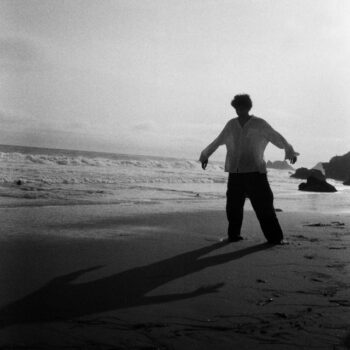
Released in late October 2025, “Buff Boy” is only the second song Tony DV has ever shared, following September’s striking debut “Charcoal Juice.” Together, they mark the arrival of an artist who already feels fully formed in instinct, if not yet in catalog. A Los Angeles–based singer-songwriter and producer (née Anthony Davia), Tony DV writes with a rare balance of emotional immediacy and philosophical depth – music that doesn’t posture or over-explain, but trusts feeling to do the heavy lifting. As he puts it, “I don’t have anything in particular I need anyone to know about me. I think best case scenario is they connect with my album, and it can mold around the details of their lives. It can be a friend in happy, hard, and boring times.”
The spark behind “Buff Boy” came from a fleeting, human moment – one that stayed with him precisely because of its vulnerability. As Tony explains, “‘Buff Boy’ was written after seeing one of my favorite bands in Brooklyn. The band was great, but what inspired me was this girl in the crowd who was doing a kind of crazy dance. She was trying to make her friends laugh, but they were busy watching the show. I felt bad for her, but also very grateful to have gone through enough life at this point to understand that these moments of pain, shame, or embarrassment are fleeting, like every other emotion.” That empathy sits at the heart of the song, transforming embarrassment into resilience, and awkwardness into resounding triumph.
You pointed your laser focus hocus pocus
On the demo tape
You child
Can’t I be the one?
Now I’m a buff boy I don’t got
Any problems, no problems
I don’t know where I’m going
And I don’t care
Because I am invincible, yeah
I don’t care where you been
Cause I’ve been there too
I have felt all the feelings
Every one of them
Musically, “Buff Boy” moves with a sense of forward momentum that mirrors its message. A galloping guitar line sets the pace, evoking the image Tony himself uses – “a cowboy trudging into new territory” – while his vocal delivery carries both tenderness and resolve. There’s a looseness to the performance, but never a lack of intention; the song surges and settles in waves, always returning to that core feeling of self-belief. “Buff Boy is the song that made me want to start this project,” he says. “It felt like a new beginning. I don’t know where I’m going, and I don’t care. That’s a mantra I strive to live by.”
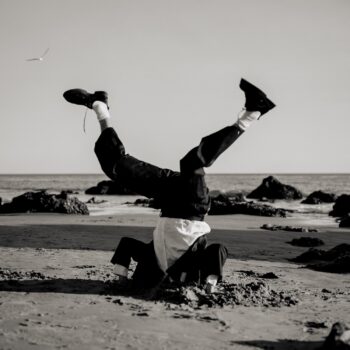
That sense of choosing hope in the face of uncertainty threads through Tony DV’s forthcoming debut album, I know trash people who keep the oceans clean, due out January 28. “Buff Boy,” he explains, is “about choosing hope in darkness. It’s about faith,” and it functions as a crucial emotional pillar within a record that grapples with forgiveness, panic, frustration, and the slippery question of what it means to be a good person right now. Even when the world feels incoherent or overwhelming, the song insists on motion – on carrying on anyway.
What makes “Buff Boy” feel so special is how unguarded it is. It doesn’t chase cool or irony; it reaches for connection, joy, and belief without apology. Tony DV isn’t offering answers so much as permission – to feel everything, to keep moving, to trust that invincibility can exist alongside doubt. As an early statement from an undeniable artist to watch, “Buff Boy” doesn’t just introduce what Tony DV can do – it sets the tone for everything that’s still to come.
I take it all, I am ten feet tall
I call you small
I am ten feet tall, I take it all
I am ten feet tall, I call you small
I am ten feet tall
I don’t know where I’m going
And I don’t care
Because I
I’m invincible, oh yeah
“Dearly Missed”
by SearowsDarkness gathers slowly in “Dearly Missed,” pooling and thickening until it becomes impossible to look away. Searows’ music aches all the way to the bone – all-consuming, haunted, and quietly devastating – yet there’s an invigorating force running through his song, too, like electricity moving through grief and rage alike. This is pain given shape and scale, a slow-burn reckoning that refuses to soften its edges, and one of the most striking and emotionally overwhelming moments Searows has created to date.
It’s nothing
A trick of the light at the poolside
Not the night that was promised
A pretty good view, though
You probably grew up being dishonest
What else could you do, though?
It’s all that you knew
What happened in August?
A change in the mood when they look at you
Not enough that you noticed
But what else do you do in the dark room?
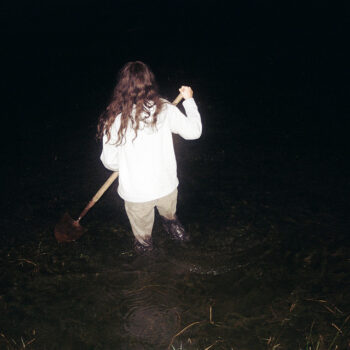
Released in October as the lead single from the forthcoming album Death in the Business of Whaling, due January 23 via Last Recordings On Earth, “Dearly Missed” marks a dramatic expansion for Searows, the project of Pacific Northwest singer/songwriter Alec Duckart. Known initially for hushed, intimate songwriting, Duckart pushes far beyond his familiar acoustic terrain here, embracing distorted guitars, crashing drums, and a sense of cinematic scale that feels deliberately uncontained. It’s a bold tonal shift, but one that feels deeply earned – a song that needed this much space to hold everything it’s trying to say. In a moment where anger is so often flattened into noise or dismissed outright, “Dearly Missed” insists on rage as something deliberate, articulate, and worth sitting with.
Duckart is characteristically resistant to framing the music through biography. “I want people to listen to the music and not really think about who made it,” he explains. “I love making music because I don’t really have to explain anything about myself with it. It is hidden in there though.” That instinct toward abstraction and distance informs much of Death in the Business of Whaling, which he describes as a collection of story fragments – personal, but filtered through fantasy and symbolism rather than direct confession. Each song feels like part of a larger mythos you’re never quite allowed to see in full.
At the emotional core of “Dearly Missed,” though, is anger – sharpened, purposeful, and cathartic. Duckart has described the song as his contribution to the so-called “good for her” horror genre, drawn to its ability to explore injustice without flattening it into didacticism. “I hold a lot of anger all the time about the seemingly never-ending injustices of the world,” he says. “Sometimes I don’t know what else to do but make something out of it. Anger can be quite useful in that way.” Writing the song became an act of resistance in itself – against numbness, against detachment, against the urge to stop caring.
If I sell you out
Is it so bad
That you’re still asking
if she hates you now?
Slow down
Kicking and screaming
I really need you to help yourself
The chorus sees all of that anger finally break the surface. As Duckart sings “if I sell you out / is it so bad / that you’re still asking / if she hates you now,” the guitars surge and grind beneath him, loud and unforgiving, while his voice reaches its most charged and exposed state – dynamic, aching, and raw with confrontation. It feels less like accusation than desperation, a moment where harm, guilt, and self-preservation collapse into one another. When he pleads “slow down / kicking and screaming / I really need you to help yourself,” the line lands like both a warning and a benediction, cutting through the noise with bruised clarity. It’s the song’s emotional fault line: Rage and care braided together, catharsis arriving not through resolution, but through the willingness to finally say the unsayable.
You know me
Well, you think that you do
‘Cause I know you, I smile politely
You are a small bird, I’m a cat on the loose
Likely to get what you wanted
I should’ve just known it, you look so happy
You’re waiting for no one, and I follow you home
I’d sell you out
Is it so bad
That you’re still asking if she hates you now?
Slow down
Kicking and screaming
I really need you to help yourself
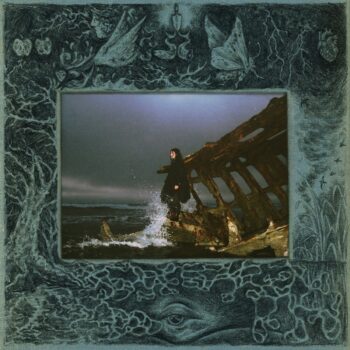
That horror lineage matters here. “Dearly Missed” moves like a slow, relentless pursuit, its six-minute runtime allowing tension to stretch and coil rather than resolve neatly. Duckart frames it as a love letter to stories where retribution becomes a form of dignity reclaimed – escapism not as denial, but as survival. “Watching someone on screen who you can relate to fighting back and winning… can be an extremely cathartic and empowering experience,” he reflects. That same catharsis pulses through the song’s shifting dynamics and lyrical menace, where intimacy and threat blur into something unsettling and unforgettable.
What lingers after “Dearly Missed” fades isn’t just its darkness, but its confidence. Duckart gained something tangible in the making of it – “I gained a lot of confidence in myself while making this song,” he says – and that self-assurance radiates through every choice. Not confidence as control or certainty, but confidence in scale – in letting the song be loud, long, and emotionally unguarded without apology. The song doesn’t ask for comfort or closure; it offers release, however brutal, however incomplete. In a body of work increasingly concerned with coded truths, shadow selves, and survival in an “exceedingly dark and violent world,” “Dearly Missed” stands as a towering, furious centerpiece – proof that anger, when honored and shared, can be both devastating and deeply empowering.
She answers in the pouring rain
“I just don’t love you, ” but it sounds the same
As every answer in the plan, he made
I say his name
And just by some sort of coincidence
He drove his car off of the river bridge
They never found him, and they haven’t since
He’s dearly missed
I sell you out
Is it so bad?
Are you still asking if she hates you now?
Slow down
Kicking and screaming
I really need you to help yourself
“Helen”
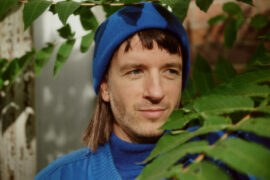
by Elias HixA song like “Helen” doesn’t fade into the background once it’s in you – it stays etched there, warm and bruised, returning in flashes: A half-remembered lyric, a swell of strings, the weight of a voice catching on the edge of feeling. 20-year-old Elias Hix writes with that kind of permanence – folk-rock confessionals that feel lived-in and cinematic at the same time, intimate in their detail and enormous in their emotional reach.
The opening track on Hix’s 2025 EP Your Name Stuck in My Teeth, “Helen” remains one of his most spellbinding offerings to date – a defining early statement from a young artist whose ceiling feels impossibly high, and a song that quietly establishes the emotional and sonic language he’s still building from. Hix was one of my Top Artist Discoveries of 2025 for a reason: His songs don’t just introduce themselves – they leave a lasting mark, and months later, the impact still holds.
Helen please come show me now
Of how we’ve gone to
something I don’t recognize
The lilac fields, the paper cranes,
and a wine drunk word
Reminds me now of
something of I once was
Is this who we are
Don’t lie to me love
I know I know I know you
This can’t be a life we’re losing
I know I know I know you know it too
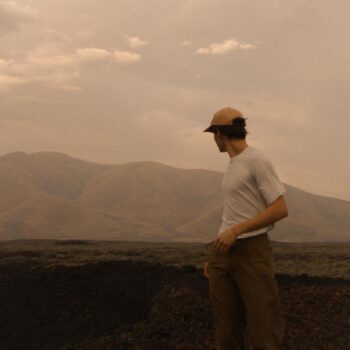
Hix’s sound didn’t arrive fully formed; it’s been shaped through curiosity, restlessness, and a willingness to shed skins as quickly as he grows out of them. Early on, his listening orbited artists like Gregory Alan Isakov and Jack Johnson, worlds apart sonically but united by their intimacy and emotional clarity, alongside the rawer pull of bands like Cage the Elephant and the diaristic ache of Phoebe Bridgers. Over time, that foundation has widened and sharpened: The reverence remains, but it’s now paired with a deeper interest in texture, dynamics, and restraint – songwriting that breathes rather than polishes itself smooth. On Your Name Stuck in My Teeth, you can hear an artist learning when to let a song sprawl and when to strip it back, chasing feeling over finish, and trusting the natural ebb and flow of a performance rather than sanding it down to perfection. It’s folk music informed by instinct, rock tension, and a cinematic sense of space – familiar in spirit, but already unmistakably his own.
“Helen” hits especially hard because it carries both ache and drama in equal measure – the warmth of Hix’s voice, the smolder of his guitar, and the way the arrangement swells around him without ever swallowing him whole. Annie Davis’ fiddle is the song’s co-star, soaring and roaring alongside his weathered vocal like a second pulse, turning the track into something even more vivid and devotional, a slow-burning storm that keeps gathering strength.
When Hix shared “Helen” with the world, he made a point to honor just how hard-won it was – a track shaped by time, distance, rewrites, and persistence: “The creation of the song was a very long and winding road, from the original voice memo and through countless rewrites to where it is now… I originally started writing this song while in New York on tour, and then I came back to college to try and finish it and I couldn’t get the song to where I wanted it so I just put it away for awhile. In late May, I was in Nashville getting to do some writing sessions, and I met with Reid Leslie and we worked on the song… with his help, we were able to bring it back to life and get it to where it is now. I spent the rest of my summer producing and recording this song, as well as the rest of the EP.”
Empty throne
In my mind
No idol stands
Dawn and dusk
Look the same
To me now
Eyes of mine
Drift from you
They pull and run
Salt I stand
City falls
My Glances Back
What makes “Helen” feel so alive is how deeply it carries its own history. The song wasn’t written in a single moment of inspiration and sealed in amber; it was shaped slowly, set down, picked back up, reworked, abandoned, revived. It moves like memory itself – circling, hesitating, returning only when it’s ready to be understood.
That process begins, fittingly, on the road. During Elias Hix’s first-ever tour in April 2024, New York still felt overwhelming – unfamiliar, electric, and just a little unreal. Sitting on park benches in Stuytown with a group of older women, Hix and his band met a woman named Helen, who handed them eclipse glasses and, half-jokingly, told him he should write a song about her. The moment lodged itself somewhere deeper than novelty. “I’d been working with the pre-chorus for that song for a while,” Hix later shared, describing how fragments of melody and lyric began to align around that encounter – the name, the feeling, the sense of disorientation that comes with standing somewhere new and realizing you don’t fully recognize yourself yet.
From there, “Helen” became a song that refused to be rushed. Hix wrote verses, lived with them, and then hit a wall – unable to bring the piece where he wanted it to go, eventually setting it aside altogether. It wasn’t until later writing sessions in Nashville that the song found its way back to itself, evolving through collaboration and experimentation. What began as slide guitar gave way to piano; a flowing verse was reimagined through staccato rhythm; the arrangement sharpened without losing its emotional haze. Even then, finishing the song demanded its own kind of devotion – late nights, borrowed pianos, recording sessions that took place only after practice rooms cleared out, when silence finally made space for focus.
Helen please remind me friend
That something stood where my glass hands fold
December’s sky, a different child, who knew you well
Fading minds and a life we’ve lost in time
Is this who we are now
Don’t lie to me love
I know I know I know you
This can’t be a life we’re losing
You know you know you know it too
There’s something quietly revealing in that persistence. “Helen” isn’t just about memory or loss or identity – it embodies them. The lyrics move in fragments and repetitions, circling questions without resolving them: “Is this who we are? / This can’t be a life we’re losing.” Dawn and dusk blur together; thrones sit empty; idols fall away. The imagery feels both ancient and immediate, sacred and unsettled, like someone reaching backward while standing on uncertain ground. It’s a song preoccupied with transition – not the clarity that comes after change, but the confusion that lives inside it.

That sense of tension carries through Your Name Stuck in My Teeth as a whole. Independently released in May 2025, the EP reads like a snapshot of a particular emotional season – darker, heavier, more inward-looking – one that Hix has since moved through. When we spoke, he reflected on the strange distance that can form between an artist and their own work over time. The emotions that fueled these songs no longer feel present in his day-to-day life, yet the music continues to resonate, to travel, to demand embodiment onstage. “You’ve technically moved on from the person you were when you wrote a song,” he said, “but the people like it. You might have to live with it for the rest of your life.” Performing becomes a kind of acting – not inauthentic, but intentional – stepping back into a feeling you’ve already outgrown because it still means something to someone else.
Empty throne
In my mind
No idol stands
Dawn and dusk
Look the same
To me now
Eyes of mine
Drift from here
They pull and run
Salt I stand
City falls
Glances Back
That tension, between past self and present voice, is part of what gives “Helen” its weight. The song doesn’t resolve its questions because it doesn’t need to. It exists as a record of becoming, of sitting with uncertainty long enough to let it speak. And in doing so, it captures something rare: The sound of an artist trusting the slow work of time, rather than chasing immediacy or resolution.
That unresolved questioning crystallizes in the song’s final refrain – “This can’t be a life we’re losing / This can’t be a life worth choosing” – a pair of lines that refuse to settle into clarity or comfort. It’s not a declaration so much as a reckoning, holding grief and agency in the same breath. The language doesn’t offer an answer; it names the tension itself – the fear of letting something slip away, paired with the equally terrifying realization that staying might be a choice, too. In that suspended space, “Helen” becomes less about what’s been lost and more about the unbearable weight of deciding who you are in the aftermath.
Months after first hearing it live, “Helen” still feels singular – not because it demands attention, but because it rewards it. It’s a song that reveals more the longer you live with it, etched into memory not by force, but by emotional gravity. In a landscape that often prizes speed and spectacle, Elias Hix offers something quieter and more enduring: Music that stays, that grows alongside you, that continues to mean something long after the moment has passed.
This can’t be a life we’re losing
This can’t be a life worth choosing
This can’t be a life we’re losing
This can’t be a life worth choosing
honey honey honey
by Ethan ReganEthan Regan’s songs feel less written than exhaled – like a breath released slowly, carefully, as if even naming the feeling might bruise it. On honey honey honey, the North Carolina native works in that fragile register throughout: His music barely raises its voice, yet lands with startling force. Released in April of last year, the six-track EP unfolds like a whispered confession you weren’t meant to overhear, built on tenderness, restraint, and a deep trust in intimacy as its own kind of power.
There’s a distinctly human warmth running through these songs – not polish, not perfection, but closeness. Regan’s achingly expressive voice carries most of the weight, its softness doing as much emotional work as any lyric, while his acoustic guitar and self-produced textures keep everything grounded and unguarded. You can hear the room in these recordings; you can hear the breath between lines. From the lush, stacked harmonies and open-nerve admissions of EP opener “dirty,” to the raw heat of “cartilage” and the shiver-inducing sweetness of “heat,” honey honey honey moves with a gentle confidence, hitting hard and soft at the same time. As Regan puts it, his music is “for anybody” – something that can “help an individual escape from something that haunts them,” or help someone “confront feelings or emotions that they can’t quite make sense of.”
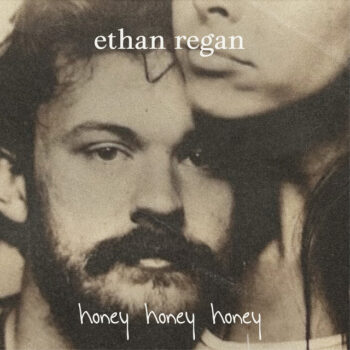
“decay” sits at the heart of it all – not because it demands attention, but because it softly earns it. The song resists traditional structure, drifting through sections rather than circling a fixed chorus, and in doing so, mirrors the emotional disorientation it’s reckoning with. Regan has described it as a response to confusion after an argument, a song written in the aftermath – not to resolve anything, but to make sense of the fog. “It’s about life and the mysterious places it takes us,” he says, “and it was just me trying to make sense out of a confusing situation.” That openness becomes its strength. Lines arrive and linger, half-formed thoughts suspended in motion, as if the song itself is learning how to sit with uncertainty.
Say I’m leavin’, yes I mean it
I done did what I could do
I might flee and try out bein’
someone you would never choose
Oh, softly, I’ll sift, I’ll run
Hold me still, I’ll fight, I’ll cry, I’ll hum
A young man makin’ his money
An ’82 Chevy with a V8
Nothin’ makes sense, and it’s funny
Everybody here is gonna decay
Priests and the aliens fear you
Everyone knows where to go now, it seems
I got a hole in my chest
I gotta learn how to clean things
And I gotta learn how to rest
– “decay,” Ethan Regan
That inner reckoning crystallizes in one line. At its core, “decay” turns on a heartfelt, devastating admission: “I got a hole in my chest / I gotta learn how to clean things / And I gotta learn how to rest.” It’s not a climax so much as a pause – a moment where the song stops reaching for answers and simply names the work that remains. There’s resignation here, but also something gentler: an acknowledgment that healing isn’t dramatic, that it happens in small, unglamorous acts – cleaning up, slowing down, learning how to stay. In a song built on motion and uncertainty, that line lands like a breath finally taken, grounding the drift without pretending the confusion has lifted.
That instinct toward gentleness over grandeur defines the EP as a whole. Where earlier releases leaned into larger arrangements and sonic risk-taking, honey honey honey pulls everything back to the bones. Regan wanted these songs to reflect the way he first fell in love with music – strong vocals, a well-played acoustic guitar, and the freedom to let emotion lead rather than production choices. The result is a record that feels lived-in and deeply sincere, guided by trust: in the song, in the listener, and in the idea that vulnerability doesn’t need embellishment to resonate. “The music I’m presenting in this project is far more drawn back,” he explains, with the intention of showcasing “songwriting ability with very few flashy effects and instruments.” “I started out simply writing songs in my bedroom with an acoustic guitar,” he adds, “and I wanted the project to reflect that.”
Don’t go, tell me who’s in charge here
Where’s the boss? I’m pleadin’
I ain’t doin’ nothing until she and I start speakin’
Whisper in my good ear so I can’t hear them leavin’
Baby, all this touchin’, feelin’ got me overthinkin’
And I don’t care who did it, I just need an answer
Tonight I found the shit,
I’ll cross the floor askin’ for ransom
Since I don’t give a damn, son
You got a grudge and you always will have one
Who made you angry with me and your action?
– “decay,” Ethan Regan
Even the EP’s title carries that openness, arriving instinctively before it ever became a concept. honey honey honey reads as both sweetness and invitation – a phrase that can be endearment, comfort, or ambiguity, depending on who’s listening and where they’re standing. “It sort of just popped into my head,” Regan says, but the more he sat with it, the more it opened up – “a lot of different meanings in a lot of different worlds,” a “semi-calculated ambiguity.” That semi-calculated openness runs through the entire project. Regan isn’t telling you what to feel; he’s offering a space where feeling can happen at all.
As he’s said, the hope is simply that the music helps someone escape what haunts them – or, just as powerfully, confront it. At the end of the day, Regan’s not precious about what “decay” or honey honey honey becomes in someone else’s life: “Whatever they want it to be, however it can serve their lives.”
I’ll be patient, baby
I’ll do what you need
Hold me closer, baby
I am aching for your heat
And I put you in my brain and let you live there
Like a tumor or a song you don’t want to remember
Like the roots that dot you scalp and grow your long hair
Just show me that you really want me to be here
– “heat,” Ethan Regan
Months later, honey honey honey still lingers – not in grand gestures, but in small, persistent ways. A melody resurfaces. A line catches. A feeling returns when you weren’t expecting it. In a landscape that often equates volume with impact, Ethan Regan offers something rarer: music that meets you quietly, stays with you gently, and reminds you that tenderness itself can be transformative. In his own words: “My best work.”
— — — —

Connect to us on
Facebook, Twitter, Instagram
Discover new music on Atwood Magazine
Editor’s Picks
follow EDITOR’S PICKS on Spotify