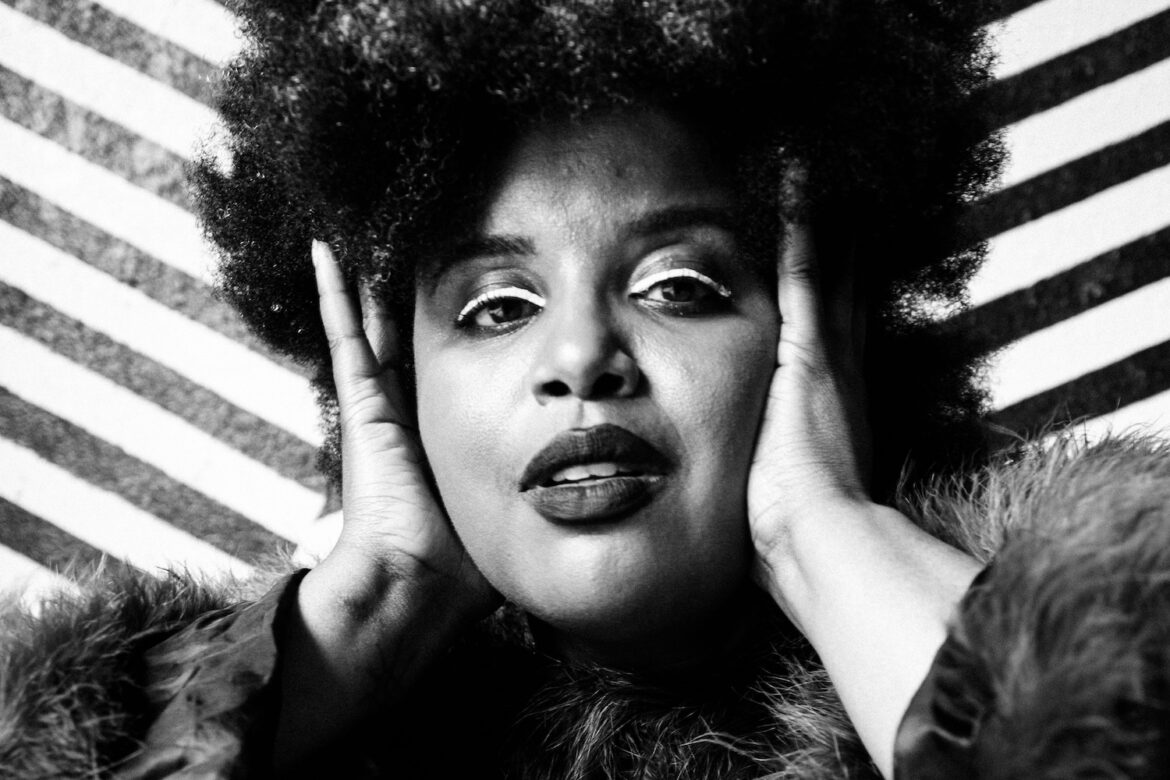
Kam Franklin tears open old wounds and claims every inch of her creative freedom on her fearless debut solo album ‘Land of the Neon Sun,’ a boldly unapologetic statement of independence where country storytelling, psychedelic gospel, smoldering soul, and protest music all bend toward the same mission: Telling the truth as loudly and freely as Franklin wants. In conversation with Atwood Magazine, the longtime Suffers frontwoman opens up about surviving trauma, the blistering, soul-stirring “A Heathen’s Hymn,” trusting her own instincts, and building a record expansive enough to hold protest, desire, friendship, accountability, and hard-won healing. Impassioned, uncompromising, and utterly electrifying, Franklin is an artist in full command – a singular voice whose music can confront, seduce, console, and detonate in the same breath.
Stream: “A Heathen’s Hymn” – Kam Franklin
Every song on this album is an American story over a few chords with the truth as the mission.
* * *
You can do everything they tell you is right and still discover that righteousness was never a guarantee of safety.
You can pray, behave, go to church four or five nights a week, sing in the choir, show up for vacation Bible school, listen to every sermon, and try your hardest to be the “good girl” you were taught to become. None of it can bargain with what other people choose to do to you. None of it can stop a nervous system from remembering. And eventually, after enough years spent carrying what should never have been yours to carry, you may find yourself asking a question nobody else can answer for you:
If I put my trauma on the record
Will that make it go away? Away!
If I put my trauma on the record
Will that make it go away? Away!
Kam Franklin does not whisper around that question on “A Heathen’s Hymn.” She walks straight into it.
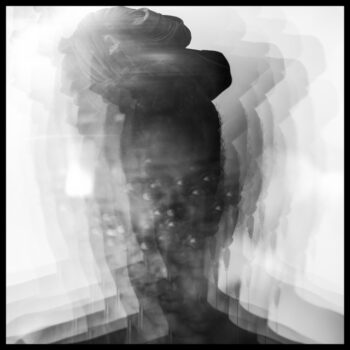
Soulful, breathtaking, and stunning in both its beauty and its brutality, the Houston artist’s single – a highlight off her debut solo album, Land of the Neon Sun – is part smoldering soul eruption, part rap/spoken-word chant, part absolute heater – a feverish, raw, aching confrontation with the past that grows darker and more intense the deeper Franklin digs. The production is lush without ever becoming comforting, enchanting without softening the song’s edges, intoxicating even as it leaves the body unsettled. Franklin’s voice can sound almost impossibly controlled one moment and utterly exposed the next, while whispers, breaths, percussion, keys, guitar, oud, and layers upon layers of vocals turn the track into something haunting in the most beautiful way. “A Heathen’s Hymn” is soul-stirring and dramatic, unapologetically human and relentlessly in your face. It refuses distance. It refuses polish as protection. Most of all, it refuses to pretend that healing has made any of this neat.
Franklin designed that uneasiness into the song from its first breath. There is no bass guitar anchoring “A Heathen’s Hymn” – an absence she chose specifically because she wanted the track to somehow register as both “bottomless and heavy.” Layered breathing opens the recording before a word is sung, creating a nervous tension that never fully dissipates. At least eight vocal layers stack through the verses; whispers crowd the edges; the beat keeps pressing forward as though the song itself cannot sit still. Even the arrangement seems to carry trauma physiologically, its atmosphere tightening and multiplying around Franklin until every voice in the room sounds like another thought refusing to leave.
“That tension was fuel that helped drive the beat of the song in addition to the layered breathing that opens the track,” Franklin tells Atwood Magazine. “I wanted the listener to feel a subtle sense of uneasiness before the vocals even began. It’s also the reason I chose to leave bass guitar off the track. I wanted the song to feel bottomless and heavy at the same time, reflecting the weight of experiencing something like this.”
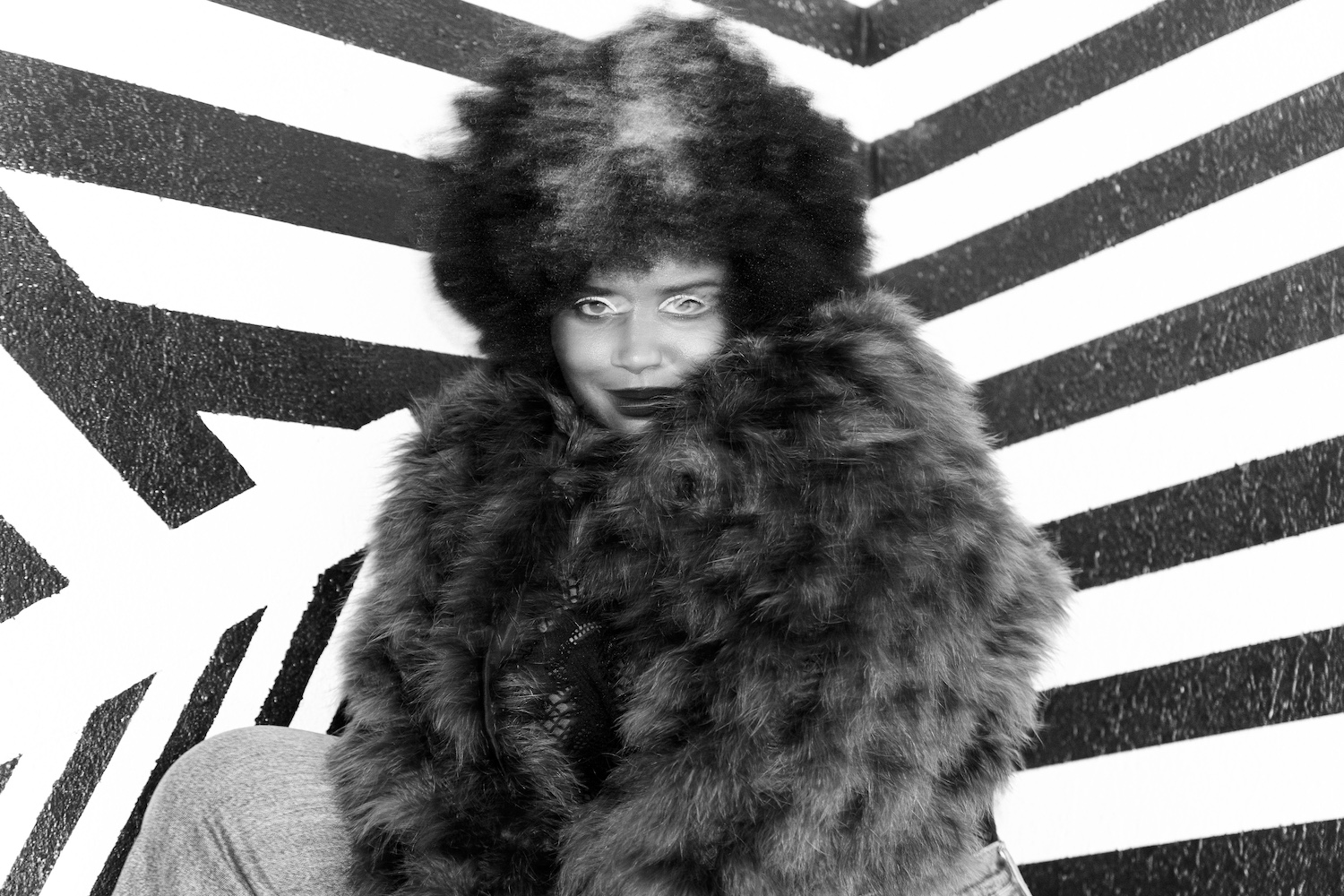
For Franklin, that weight stretches back to childhood.
She began singing gospel at five years old and spent much of her youth immersed in Missionary Baptist churches and competitive choirs before eventually becoming the hard-driving frontwoman of Houston’s The Suffers. But “A Heathen’s Hymn” reaches beneath the public voice and into memories no amount of church attendance could exorcise. Franklin is a survivor of childhood sexual abuse and subsequent assaults, and the song grew out of years spent reckoning with the consequences – not only what happened to her, but the people-pleasing, shame, religious conditioning, bad therapy, and self-blame that complicated the work of surviving it.
“Between the ages of 5-16, I used to go to church four to five nights a week,” Franklin says. “None of the sermons in the world could have prepared me or my nervous system for the costs that would come with being a sexual abuse survivor as a child, being overworked and underpaid as an adult, all while being a Southern Black independent female artist trying to survive in America. We all hold some sort of trauma whether we address it or not. This song is me dealing with mine, so that I get to take my power back.”
That distinction – dealing with it rather than making it disappear – sits at the center of “A Heathen’s Hymn.” Franklin began therapy at 18 but eventually fired her first therapist, whose approach, she says, included slut-shaming, racism, and scripture rather than the tools she actually needed. A later therapist changed the trajectory of that work, helping her identify how deeply she had internalized the belief that behaving correctly might somehow protect her from cruelty beyond her control.
“It turns out that a life of people-pleasing, church-going, and being a ‘good girl’ won’t protect you from abuse, gaslighting, and things beyond your control,” Franklin explains. “‘A Heathen’s Hymn’ came from that realization. This song is about grieving the belief that righteousness guarantees safety and discovering that healing doesn’t come from perfection. It comes from honesty, self-compassion, doing the work, and forgiving yourself.”
And then comes the line that detonates the entire song:
If trauma were a person I would beat they ass
If trauma were a person I would beat they ass
If trauma were a person I would beat they ass
For trying to steal my joy from me
It is blunt. Furious. Funny. Devastating. Cathartic as hell. Franklin repeats it until the sentence stops functioning merely as a lyric and becomes a chant – part threat, part mantra, part fantasy of finally getting to confront an enemy that usually has no single body or face. Against the track’s dark, feverish momentum, those words hit with astonishing force. The repetition is almost ritualistic, yet this is no hymn asking for deliverance from above. Franklin is claiming the release herself.
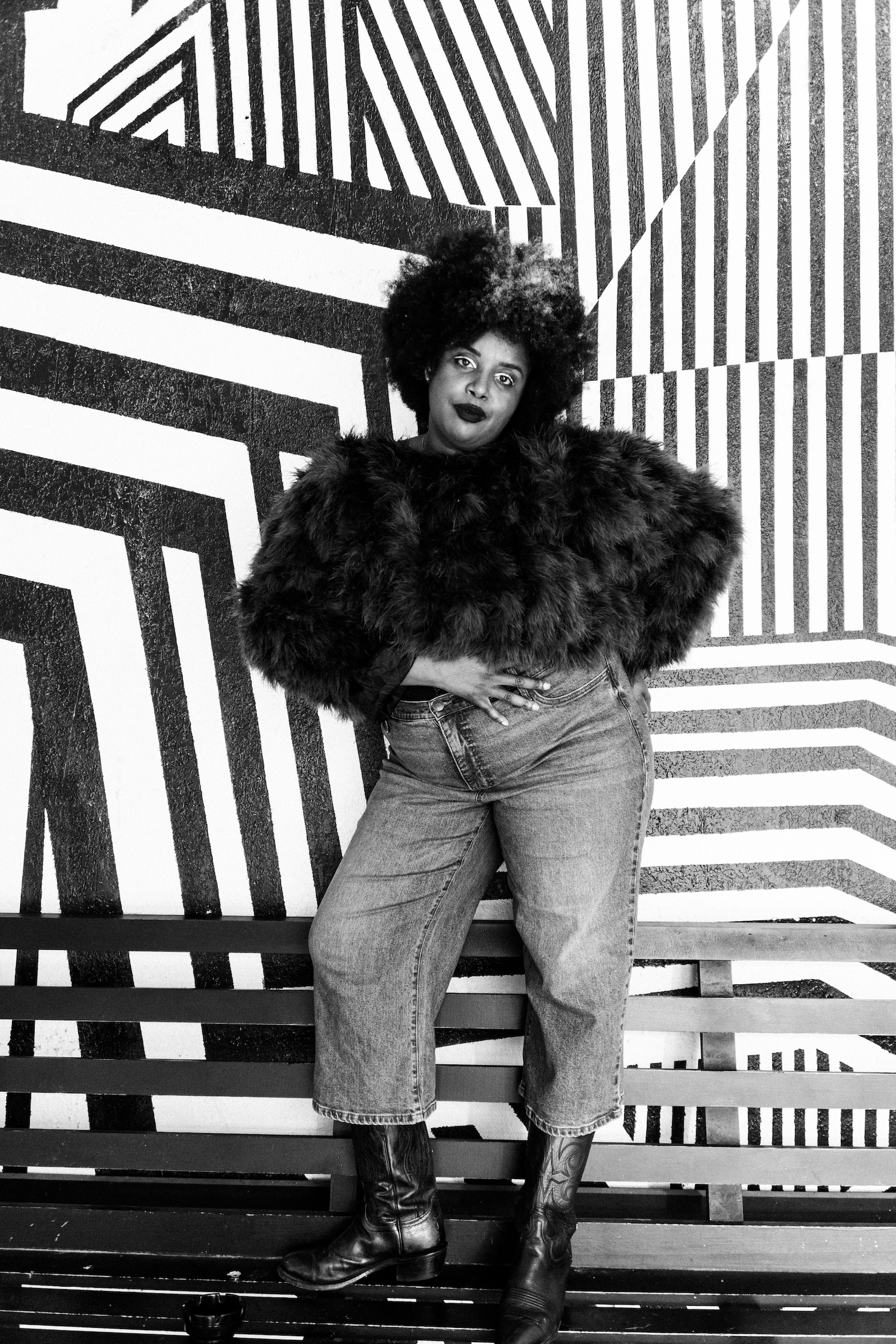
The line originally came from a post-therapy journal entry, and its almost comical directness is part of what makes it so powerful.
Healing, Franklin points out, can be brutal work; by the time she found a therapist who could help her process the abuse, she also needed help undoing damage inflicted by previous therapists. Putting a body around “trauma” gave her, however briefly, something she could imagine fighting back against.
“That entry that eventually became ‘A Heathen’s Hymn’ helped me take my power back,” she says. “When I sing this song live, I strip the layered voices so my lyrics can be heard. I want people to envision what beating their own traumas’ ass looks like. The sentence is kind of silly, but the idea of it is temporarily satisfying.”
What follows is even more unflinching. Franklin starts interrogating the fantasy embedded in her opening question: If she puts everything on the record, what exactly could a record possibly undo? Could it take back the abuse she endured in 1993? Silence the gatekeepers who made her question her worth? Reverse racist degradation, sexual shame, lost trust, anxiety, heartbreak, or the horror of living in a country where mass shootings have become horrifyingly familiar? Each new question widens the wound from the personal into the social, until “A Heathen’s Hymn” is reckoning not only with what happened to Franklin, but with the exhausting impossibility of living untouched by a world capable of inflicting so much damage.
Put that trauma on a record, they say! They say!
But if my trauma is on the record,
will that make it go away ?
Will it take back all the hands
that those boys put on me?
In the middle of the day, Autumn 1993!
Will it silence the gatekeepers
that worked hard to keep me out?
Questioning my whole existence!
Filling my head up with doubt!
Will it take back all the times
they called me ***** to my face?
Tried to make me feel like shit
for simply taking up some space.
Will it take back all the shame
I got for merely living life?
God forbid I f** woman or man
’til the morning light.
The answer, of course, is no. Putting trauma on a record does not erase it. Franklin knows that now.
“So, did putting my trauma on the record make it go away? No, but it has made me feel less alone,” she shares. “It made me feel like there was no longer this burden that I had to hold on my own, and it made me feel heard without blame or generalizations being thrown at me.”
The song’s most moving transformation happens in that shift. Franklin begins by asking whether art can make pain disappear, but the song gradually proposes a more complicated and ultimately more meaningful possibility: Art can make pain shareable. It can give shape to what lived silently inside the body. It can turn shame into language, isolation into witness, and helplessness into the agency of saying exactly what happened without softening it for anyone else’s comfort.
Franklin reinforces that point through one of the track’s smartest production choices. Rather than ending on some grand revelation or clean emotional release, “A Heathen’s Hymn” closes amid canned therapeutic advice – Maybe you should go talk to a therapist. Yeah, just do the work. You just need to heal – before the voices deliver the ludicrous punchline: Congratulations! Congrats! YOU’RE HEALED!
The sarcasm is vicious because Franklin knows how insufficient those phrases can sound once divorced from the messy reality of the work itself. Healing is not an instruction somebody gives you. It is not a box checked after enough appointments, exercises, journals, prayers, or well-intentioned advice. Franklin wanted those overlapping voices, whispers, breaths, and recycled therapeutic clichés to make the entire recording sound “on edge” – less a container for frustration and exhaustion than a place where she could finally release them.
Will it take back the infidelity
that ended my first love(s)?
Will it soften my defenses,
make me easier to hug?
Will it bring back all the trust
I lost in humans as a whole?
Shooting babies up in schools,
grocery shoppers as they stroll?
Will it make me feel like there’s
a place on Earth that’s really safe?
‘Cause most days it feels like
us against an army fueled by hate.
Will it take back my anxiety
or bring back all I lost.
Will it give back all they stole from me,
and if so at what cost?
“I more so looked at the song as a place of release for me rather than a vessel for holding all those emotions,” Franklin explains. “The layers of whispers and breath to mimic anxiety. The inclusion of all the copy/paste advice I got from not-so-great therapists early on at the end of the song. My insistence on the layered verses. All of this was to get a result that makes the song feel like it’s on edge.”

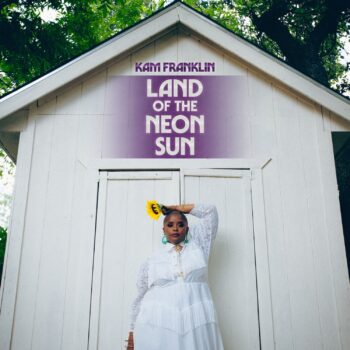
Franklin carries that fearless honesty into her debut solo album, Land of the Neon Sun, released this August.
After 15 years fronting The Suffers – a band celebrated for towering horn lines, high-energy performances, Gulf Coast soul, and enormous arrangements – Franklin wanted her solo work to expose another part of her creative brain. She calls it “me time”: A chance to drive the boat herself, follow songs wherever they led, and make a record that belonged completely to her own vision. The resulting 12-song album wanders through Americana, country, folk, soul, blues, hip-hop, psychedelic gospel, and more, co-produced by Franklin and Margo Price and featuring collaborators including Kevin Morby and Jackie Venson.
The record announces its stakes before Franklin sings a song she wrote herself. Over an ambling country gait, streaks of dobro, and Margo Price’s backing vocals, opener “Land of the Neon Sun” follows a young singer who arrives hungry for the stage and learns how quickly ambition can attract people with “dollar sign eyes.” Written by Price and Jeremy Ivey, the song is not Franklin’s autobiography, but she immediately recognized a younger version of herself in it – the artist who once prayed for somebody to hear her songs and open the next door. In her own notes for the album, Franklin distills that tension into three questions: “What would you do to be successful? What wouldn’t you do? What would be too much?” Those questions hang over the record long after the title track ends.
She came here from Virginia
With no money and her daddy’s old car
To the big town and the big time
Where the dreamers all work in the bar
So she died her hair and got a fake ID
Hoped that they’d never find out her age
Selling bottled beers down on Broadway
But she’d rather be up on the stage
Yeah, she’d rather be up on the stage
One of these nights your day is gonna come
Living in the land of the neon sun
Burning both ends with your new made friends
In a lie you like to call love
Franklin answers them in radically different registers.
“We Ain’t Going,” featuring Jackie Venson’s electric guitar, channels outrage into a synth-charged protest anthem built to move as much as mobilize; Franklin traces its roots to immigrant children being locked in cages, police violence against Black and Brown people, and a conversation with Mavis Staples that permanently changed how she approached writing protest music. Then “I Got a Lover” swings toward desire with a laugh and a grin, celebrating the kind of chemistry that stays healthy because both people actually listen. “My kink is reciprocity,” Franklin sings. The joke lands because reciprocity is serious business here: Again and again, Franklin asks what it means to state your needs clearly and refuse to disappear inside somebody else’s expectations.
He pushes all my buttons
And I stay on his nerves
But we don’t do no fighting
We just try to be heard
He makes his point clear
But always listens to me and
I do the same for him
my kink is reciprocity
– “I Got a Lover,” Kam Franklin
The album does not need volume to make that self-possession hit. On “Didn’t I,” Franklin and Kevin Morby strip friendship down to acoustic guitar, intertwined voices, and the relief of being chosen by somebody who sees the complications and stays. “God Bless Your Heart,” recorded in less than an hour, pares things back even further. Franklin calls the latter a meditation, its falsetto background vocals nodding to the soul groups of the ‘60s and ‘70s she loves. A familiar Southern phrase hovers somewhere between prayer and release, with Franklin refusing to decide its meaning for us. The effect is revealing: Outside the scale of The Suffers, Franklin can command a song by pulling back.
By the time Land of the Neon Sun reaches “Pho for Breakfast,” healing sounds almost mischievously ordinary. Franklin sings about forgiving exes, calling her people back, choosing tequila over gin, and finding peace in a life rebuilt on her own terms. That hard-won lightness curdles into satire on “Profit Bop,” a wickedly catchy protest song about greed that sets a sugary “bop bop” refrain against bombs dropping and a world where the people who could stop the suffering remain focused on profit. The sweetness of the hook only sharpens the indictment – Franklin turns pop pleasure into a way of making the ugliness impossible to ignore.
“Sunnyside, TX” then widens the lens from personal healing to inherited and communal wounds, returning Franklin to the historically Black Houston neighborhood where she spent part of her childhood. Churches stand everywhere while grocery stores remain far away; family memories run alongside incarceration, food insecurity, and generational trauma. Franklin’s Bayou City Comeback Chorus carries the album out on a demand: “When will you believe us?” Track x Track
Franklin spent seven years bringing the record to life –
– more than 30 demos, repeated periods of doubt and reinvention, recordings made between Houston and Nashville, her own savings, grants, and ultimately a successful Kickstarter campaign helping carry the fully independent project across the finish line. What emerged was an album she describes as lyrically fearless and emotionally releasing, one where nearly four decades of lived experience gave her little interest in euphemism.
“There is no hesitation. There is no sugar-coating,” Franklin says. “If I felt the urge to say the thing on this album, I said it loudly.”
They don’t want us to breathe
Don’t you know that?
They just want us to leave!
They don’t want us to breathe
Don’t you know that?
They just want us to leave!
But you gotta
Let em know you ain’t going
Nowhere soon
Let em know you ain’t going
Nowhere soon
– “We Ain’t Going,” – Kam Franklin ft. Jackie Venson
“A Heathen’s Hymn” may be the purest expression of that promise. It is breathtaking because Franklin refuses to confuse beauty with prettiness; stunning because its beauty comes from confrontation. The song smolders, chants, lashes out, aches, breathes, laughs bitterly, and keeps digging. Its soulfulness never neutralizes its rage. Its lushness never cushions its blows. Its haunting atmosphere draws us closer to words that might otherwise make us recoil, while Franklin’s performance – alternately sung, spoken, stacked, whispered, and practically hurled into the room – makes the whole thing feel intensely alive.
After years of contributing to other people’s visions, Franklin has finally made the record she once feared she might never finish. She describes completing Land of the Neon Sun as “a hug from my younger self” – the younger Kam who was afraid to follow her own ideas because other people’s opinions carried too much weight. “A Heathen’s Hymn” answers that younger self with something even more powerful than reassurance. It gives her the microphone.
This is a hymn for anyone who discovered that obedience could not protect them, that healing would not happen on command, and that surviving does not require pretending the damage never happened. Franklin cannot take back what was stolen from her. But she can name it. She can put it on the record. She can make something soulful, raw, dark, intoxicating, human, and devastatingly beautiful out of it.
And she can take her power back.
If trauma were a person I would beat they ass
If trauma were a person I would beat they ass
If trauma were a person I would beat they ass
For trying to steal my joy from me!
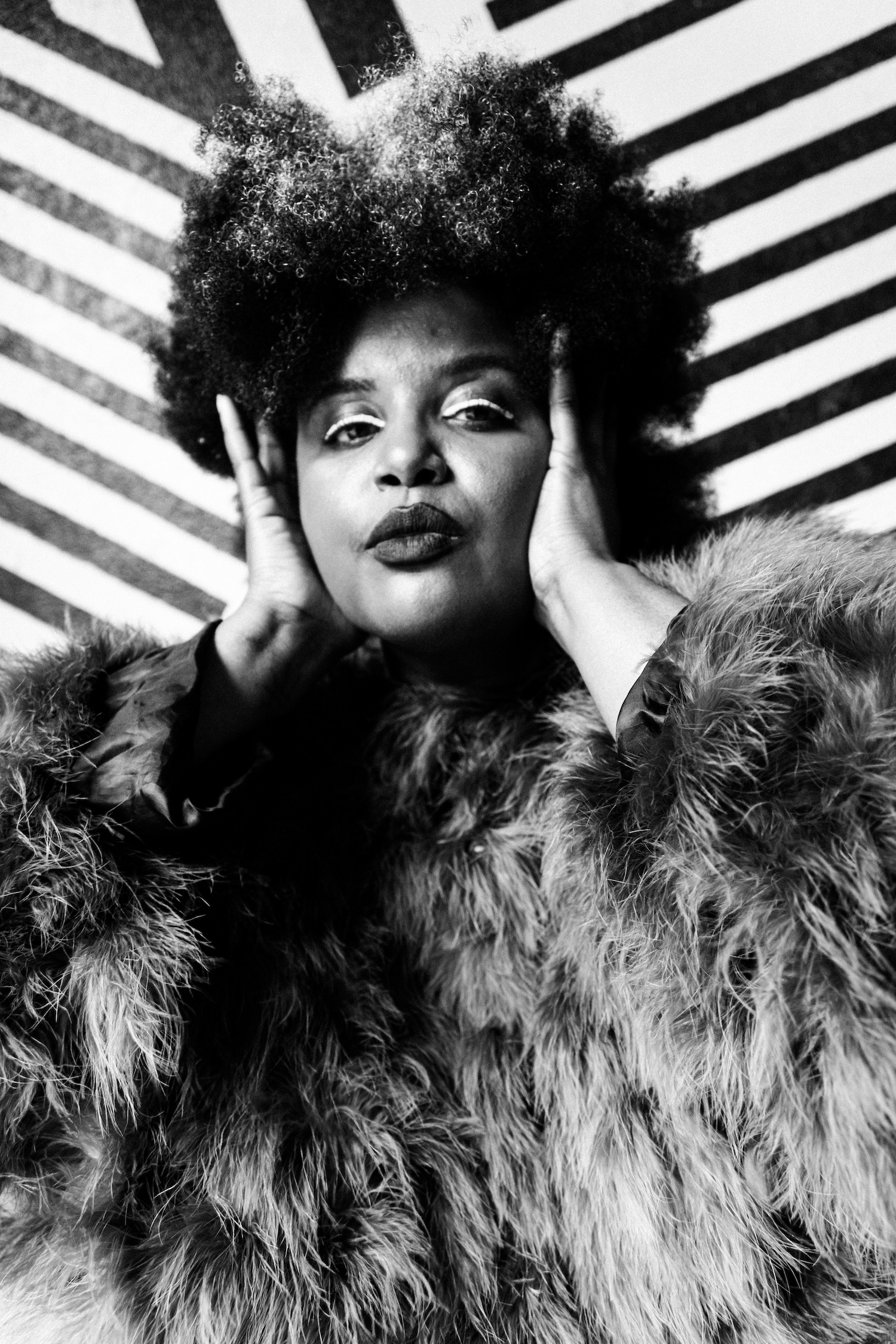
Righteousness never guaranteed Franklin safety, and putting trauma on a record cannot rewrite what happened to her.
But honesty can give that pain somewhere to go. It can make the burden less solitary, put Franklin back in command of her own story, and turn the question that opens “A Heathen’s Hymn” into an answer she can actually live with. The trauma does not disappear. Franklin gets louder than it.
The same hard-won freedom runs throughout Land of the Neon Sun – a record seven years in the making that finally lets Franklin follow her own instincts wherever they lead. Atwood Magazine caught up with Franklin to trace the road to her solo debut and step inside the fearless creative world she built when she stopped asking permission to sound like anyone but herself.
— —
:: stream/purchase Land of the Neon Sun here ::
:: connect with Kam Franklin here ::
— —
Stream: ‘Land of the Neon Sun’ – Kam Franklin
A CONVERSATION WITH KAM FRANKLIN
Atwood Magazine: Kam, hello and thank you for your time! For those who are just discovering you today through this interview, what do you want them to know about you and your music?
Kam Franklin: I am an interdisciplinary artist from Houston, TX, and I write songs that stay with you. I’ve been singing for a long time. I started off singing Gospel at age 5, found myself in competitive choirs throughout middle and high school, and sang everything and anything from country and dubstep to hip-hop hooks and ska when I first got started. After building a regional following with my band The Suffers, I quit my day job in 2015 when my band was discovered and platformed as one of the final independent bands to make a network debut on The Late Show With David Letterman. For the last 11 years, I’ve had the honor of touring the world and playing festivals I grew up dreaming about with my band.
Throughout my entire career, I’ve contributed to so many other people’s work, and for my debut solo album, Land Of The Neon Sun, I wanted to take my time and make something I felt authentically represented me and what I was capable of as a songwriter, co-writer, and producer. The Suffers are known for big horn lines, belting vocals, high energy, and a large wall of sound. For my solo debut, I wanted to step out of my big band comfort zone and show off another side of my songwriter brain. I wanted to make an album that was lyrically fearless, emotionally releasing, and sonically different from my other work. I wasn’t seeking better or worse. I was looking to find out what I sound like, and I feel like I did that with this album. The genre flirts with country, hip-hop, and the Blues, but it lives on Americana Avenue if you ask me. I say that because every song on this album is an American story over a few chords with the truth as the mission.
Who are some of your musical north stars, and what are you most excited about the music you’re making now?
Kam Franklin: Some of my musical north stars include Luther Vandross, Mavis Staples, Prince, Dolly Parton, John Prine, Roy Orbison, and Lauryn Hill.
You’ve made so much music as the frontwoman of The Suffers. How do you approach your solo work differently from The Suffers’ catalog?
Kam Franklin: I think of it as “me time.” For The Suffers to work, we have to function like a healthy group project that exists somewhere in between the nonexistent line that is family and friendship. It isn’t perfect, but when everyone is making a little money, enjoying the hang, and doing what they love, you can’t really ask for more. For my solo work, I get to drive the boat and show what I’m capable of as a writer and producer. I do not have to worry about competing ideas, production, or songs. I love collaborating, and I appreciate how powerful a song can become when it has other ideas incorporated, but I needed a creative outlet to release songs I had written that were good, but maybe not right for The Suffers because they were meant for me and only me. I’ve also noticed that our time apart leads to better music when we get back together.
I’d be remiss not to ask this – 2026 marks a full decade of The Suffers’ debut album, and now we’re here to talk about your solo debut. When you look back on that first introduction with the band versus this new introduction as a solo artist, what feels different about the story you’re telling, the parts of yourself you’re bringing forward, and the way you want people to hear you now vs. then?
Kam Franklin: I feel a lot lighter, but somehow just as nervous. I don’t have the anxiety of trying to help launch a band of 10 people, but I am leaping into an unknown chapter as an independent artist without the support of the band I’ve had with me the last 15 years. I get to accept all the results, critiques, highs and lows on my own. This album and its lyrical content are from the perspective of a grown woman one year away from her 40th year of life.
There is no hesitation. There is no sugar-coating. If I felt the urge to say the thing on this album, I said it loudly. I talk about surviving childhood sexual abuse, the trauma of living in a country that treats mass shootings like an everyday news story, my own shortcomings, food deserts, capitalism, and so much more that I don’t usually get to tackle in my work with The Suffers. There’s also no expectation in the sound or genre of music I’m making as a solo artist. The Suffers have heavily focused on Gulf Coast Soul and exploring big massive sounds and arrangements. When I first started working on my solo album, I knew I wanted to strip it all down and explore more sounds within the country, folk, and Americana sound, and I feel like Land Of The Neon Sun truly captures that.
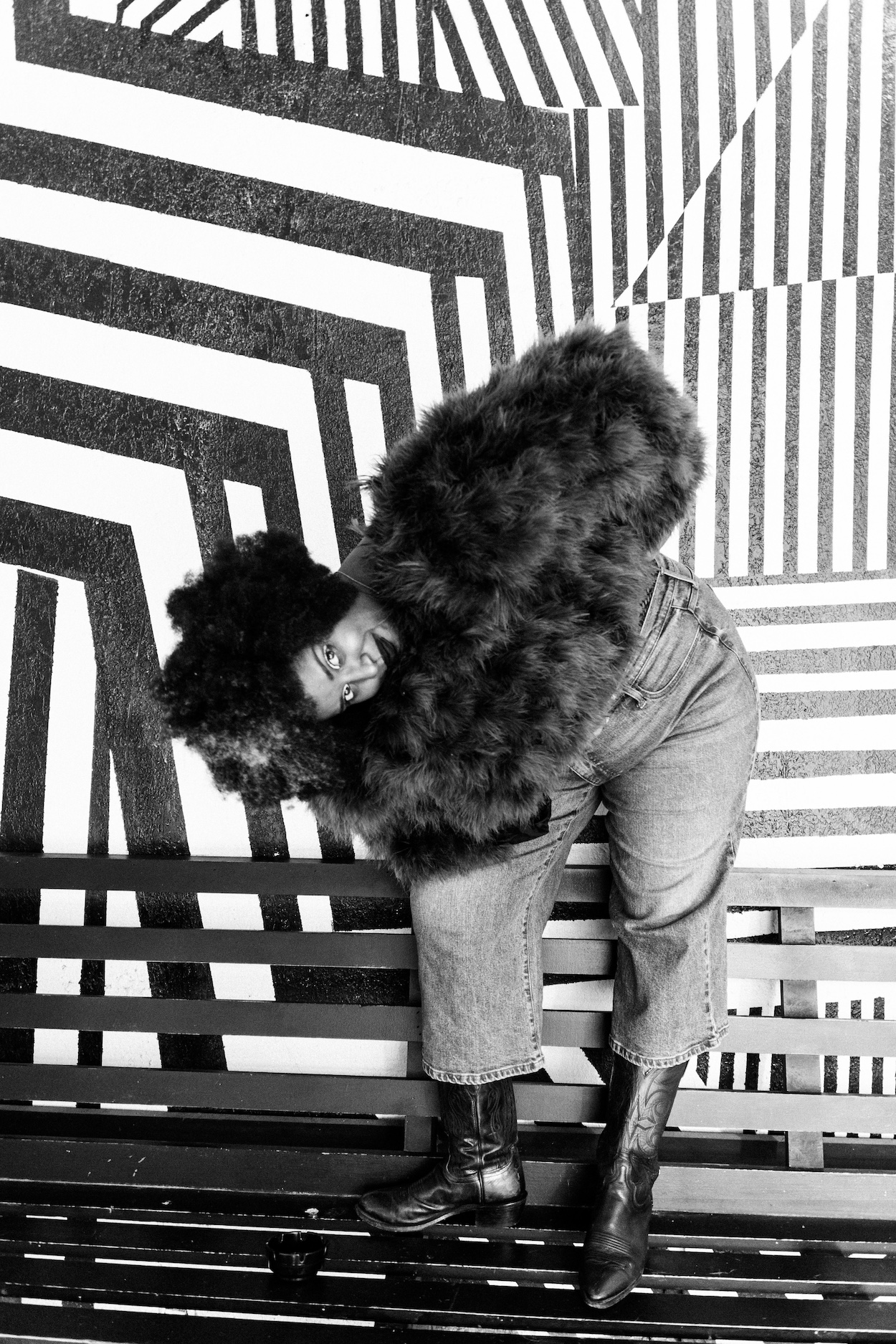
Your debut solo album Land of the Neon Sun arrived in August. How do you feel this record introduces you and captures your artistry on your own terms?
Kam Franklin: This album is a brief look into what the inside of my creative brain looks like. During the COVID-19 lockdowns of 2020, I spent a lot of my time in solitude, exploring sounds, learning new instruments, and writing as much as possible. I asked for help whenever I got stuck, and I took many breaks. I worked through a little over 30 demos, pissed myself off, questioned the process many times, and then found my way back to it over and over again. I took my time to make this album, and I feel like it represents me and I’m so proud of myself for pushing through the bullshit and trusting the process!
You’ve called this album “my baby – my vision, my colors, truly my sound.” What did it mean to have that level of ownership over an album?
Kam Franklin: It means everything. I’ve had the honor of being a part of so many other people’s projects and artistic visions over the years. At the same time, I can’t deny that I often wondered if I would ever have a chance for my own songs to see the light of day. Right now, I’m in a state of gratitude I can’t quite describe. I finished something I was told many times over that I’d never finish, and now I’m doing an interview with you about it. To me, that feeling is like a hug from my younger self that was often too afraid to try out my own ideas because of my own fear of other people’s opinions.
How do you feel Land of the Neon Sun reintroduces you and captures your artistry, especially compared to Mad Black Woman?
Kam Franklin: Mad Black Woman was a collaborative project with my friend and longtime bandmate in The Suffers, Ed “Blacknintendo” Prevost. It was released to fight against the “Mad Black Woman” label often tossed at Black women for establishing a boundary or advocating for ourselves. The EP was filled with a collection of cover songs by artists I feel push the limits of songwriting like Sade and R.E.M. Land Of The Neon Sun showcases my artistry and hustle as an independent artist from the first listen to the packaging of the album itself. The songs are a package of original music by myself and a handful of incredible songwriters like Margo Price, Kevin Morby, Bhi Bhiman, Jeremy Ivey, and Sara Van Buskirk. I brought in the Bayou Comeback Chorus, a community choir I started in 2020, to help me on the album closer, “Sunnyside, TX.”
I brought in a dream crew of players including Jackie Venson, Sade Page, Geoffrey Muller, and even a few of my brothers from The Suffers. I waited years to work with legendary GRAMMY-winning mixing engineer, Steve Christensen, and I even got my production mentor, GRAMMY nominee Jim Eno (Spoon), to mix the track I did with Morby in the final hour when I thought the album was done. My debut album was 100% self-funded thanks to years of work, touring, multiple grants including an artist grant from the Houston Arts Alliance, friends, family, and a successful Kickstarter campaign to help give this album the rollout it deserves.
The record moves through Americana, soul, blues, folk, psychedelic gospel, and more, while your voice holds it all together. What was your creative vision for the album’s sound?
Kam Franklin: My vision was to go where the songs took me. I originally thought I was going to make a classic country record when I first started working on the demos for the album. I had this whole vision that eventually transformed into what became Land Of The Neon Sun as the songs started taking on more solidified forms. Additionally, all of these genres are more connected to one another than people like to believe. I grew up floating between genres due to my deep and exploratory love for music as a whole, so it’s only natural that my debut album reflects a sound that is truly who I am. Singing gospel in Missionary Baptist churches, combined with rigorous competitive choral training throughout my childhood and young adult years, taught me how to control my voice. I just had to figure out what sounds I wanted to represent me on this album. Instead of a heavy focus on belting, ballads, or anything else fans of The Suffers may be used to hearing from me, I wanted to see what else I was capable of that may not have been seen or heard from me before.
“I Got a Lover” was the first song you shared from Land of the Neon Sun, and it opens the album’s world with freedom, desire, humor, and that great line, “my kink is reciprocity.” Why did this feel like the right first introduction to your solo debut?
Kam Franklin: “He makes his point clear, but always listens to me. And I do the same for him. My kink is reciprocity” is one of my favorite lines I’ve ever written, so first of all, thank you for acknowledging it. A big theme of this entire album is clear communication, self-accountability, and establishing and respecting personal boundaries. I joke that “I Got a Lover” is a song for the flirty and feral, but it’s also a playful example of what a sexy, healthy, and playful relationship can look like when you’re honest from the start.
Today we’re here to talk about “A Heathen’s Hymn,” a song that confronts trauma head-on. What’s the story behind this song?
Kam Franklin: I am a childhood sexual abuse survivor, and I have been assaulted multiple times in my life. If you add navigating my experience as a fat, Black, queer, Southern woman throughout my entire life, you end up with a nervous system that may need a little extra care, like mine. My life hasn’t been all bad. I have an incredible support system that I keep close, but prior to getting the support I needed, the trauma of these assaults would take so much from me. My joy. My energy. My peace of mind. My ability to give and receive love from partners. The list was endless, and I got so sick of feeling helpless I tried something different. I fired my first therapist. I started seeing her at 18, and I assumed that she was a good fit simply because of her title.
Little did I know, seeking a second opinion would be the breakthrough for me. My previous therapist tended to prescribe slut-shaming, racism, and scripture instead of the tools I actually needed to heal. My second therapist, who I saw until their passing, made me focus on what it was that was making me feel so defeated. It turns out that a life of people-pleasing, church-going, and being a “good girl” won’t protect you from abuse, gaslighting, and things beyond your control. “A Heathen’s Hymn” came from that realization. This song is about grieving the belief that righteousness guarantees safety and discovering that healing doesn’t come from perfection. It comes from honesty, self-compassion, doing the work, and forgiving yourself.
You’ve spoken about growing up in church and later realizing no sermon could have prepared your body or nervous system for what it costs to survive trauma. How did that tension shape “A Heathen’s Hymn”?
Kam Franklin: That tension was fuel that helped drive the beat of the song in addition to the layered breathing that opens the track. I wanted the listener to feel a subtle sense of uneasiness before the vocals even began. It’s also the reason I chose to leave bass guitar off the track. I wanted the song to feel bottomless and heavy at the same time, reflecting the weight of experiencing something like this.
The song opens with the question, “If I put my trauma on the record, will that make it go away?” What kind of answer did writing this song give you?
Kam Franklin: Initially, it was a casual way to tell my old therapist to f*** off after I found one that actually helped me. The first week with the new one was night and day to my previous therapy experience. She listened, her advice was clear and unbiased without being cruel, and her expertise was rooted in science rather than faith alone. This lyric is a response to everything I was feeling up until that point. I was tired of repeating myself. I was tired of being blamed for my own abuse as a 5-year-old, and I was tired of wondering if I was wasting my time in therapy. It turns out I wasn’t, and the tools I got from that point on reshaped my life for the better. So, did putting my trauma on the record make it go away? No, but it has made me feel less alone. It made me feel like there was no longer this burden that I had to hold on my own, and it made me feel heard without blame or generalizations being thrown at me.
I really want to ask about the line “If trauma were a person I would beat they ass.” It’s blunt, furious, funny, cathartic, and devastating all at once. Can you unpack that lyric for us?
Kam Franklin: This lyric came from an old post-therapy journal session. Anyone who has ever done real self-work will tell you that healing can be absolutely brutal. By the time I finally found a therapist that could help me with some of the sexual abuse I had experienced, I needed another one to help me recover from the horrible therapists I’d had early on. That entry that eventually became “A Heathen’s Hymn” helped me take my power back. When I sing this song live, I strip the layered voices so my lyrics can be heard. I want people to envision what beating their own traumas’ ass looks like. The sentence is kind of silly, but the idea of it is temporarily satisfying.
There’s a real power in the way “A Heathen’s Hymn” refuses to make healing sound clean or simple. How did you want the song to hold frustration, exhaustion, and power at the same time?
Kam Franklin: I more so looked at the song as a place of release for me rather than a vessel for holding all those emotions. Looking at it from that perspective, I think back to the intentionality of our choices in the studio. The layers of whispers and breath to mimic anxiety. The inclusion of all the copy/paste advice I got from not-so-great therapists early on at the end of the song. My insistence on the layered verses. All of this was to get a result that makes the song feel like it’s on edge.
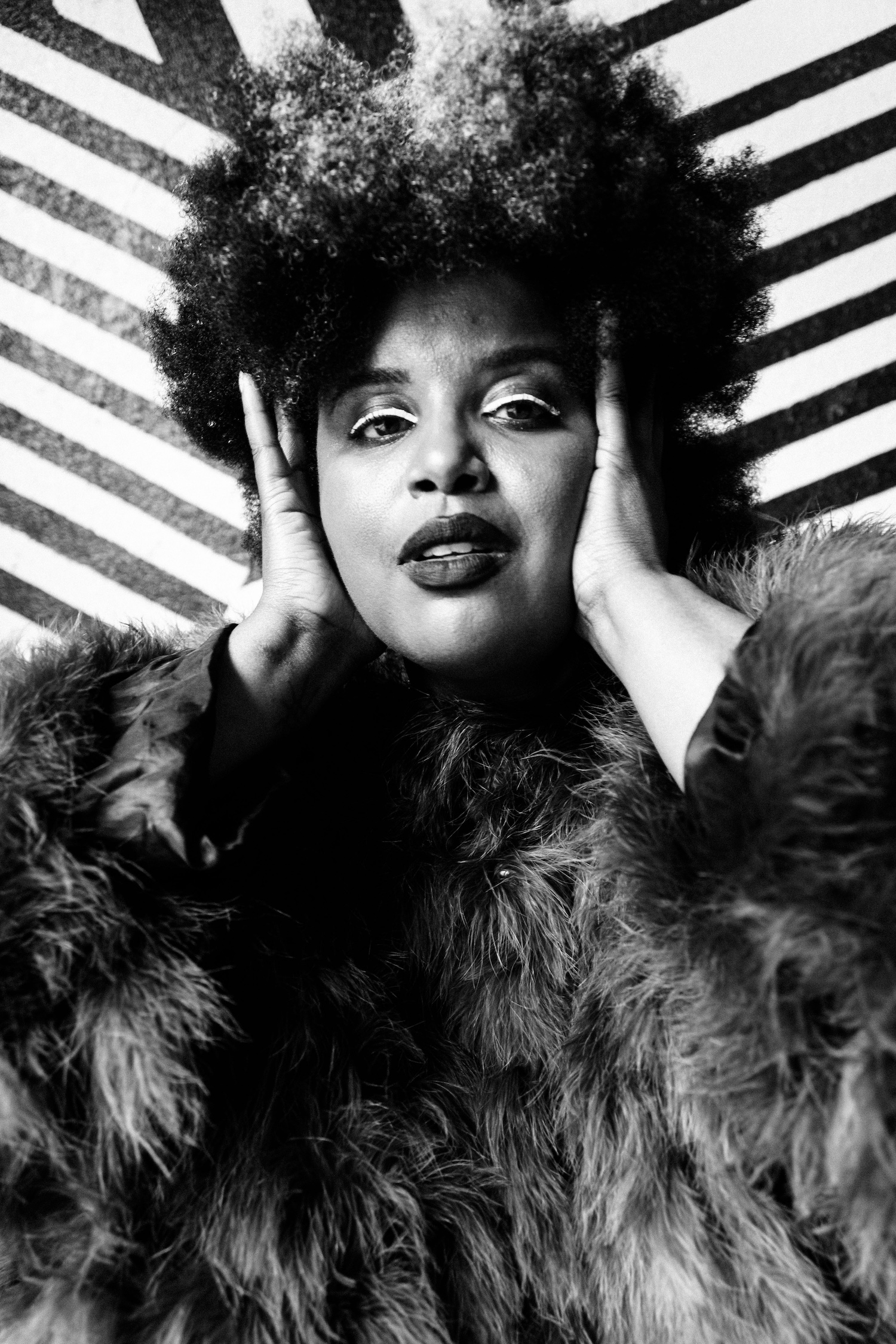
What can you share about the larger world of Land of the Neon Sun beyond its first two singles?
Kam Franklin: The album represents a web of honest reflections about my overall feelings about the state of the world, evolving friendships, and personal accountability. I spent the better part of the last seven years doing a lot of inner work, and these songs are the result of that self-reflection and the hard lessons that came from that time on the road to becoming who I am today.
What do you hope listeners take away from Land of the Neon Sun, and what have you taken away from creating this music and now putting it out into the world?
Kam Franklin: I hope the album encourages listeners to think about their own truths, relationships, advocacy, and community connections. I also hope it encourages other independent artists to take a deep breath and go finish their work. The world is waiting to receive you! Releasing this album has proven that I’m capable of anything I put my heart, mind, and time into.
In the spirit of paying it forward, who are you listening to these days that you’d recommend to our readers?
Kam Franklin: Jackie Venson, Sara Van Buskirk, Madeline Edwards, Nikki Hill, Sir Woman, Sugar Joiko, Peyton, and Chapparelle.
— —
:: stream/purchase Land of the Neon Sun here ::
:: connect with Kam Franklin here ::
— —
Stream: “A Heathen’s Hymn” – Kam Franklin
— — — —

Connect to Kam Franklin on
Facebook, 𝕏, TikTok, Instagram
Discover new music on Atwood Magazine
© Jonathan Burgos
 © Jonathan Burgos
:: Stream Kam Franklin ::