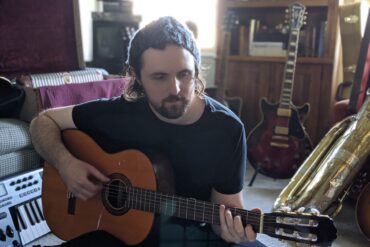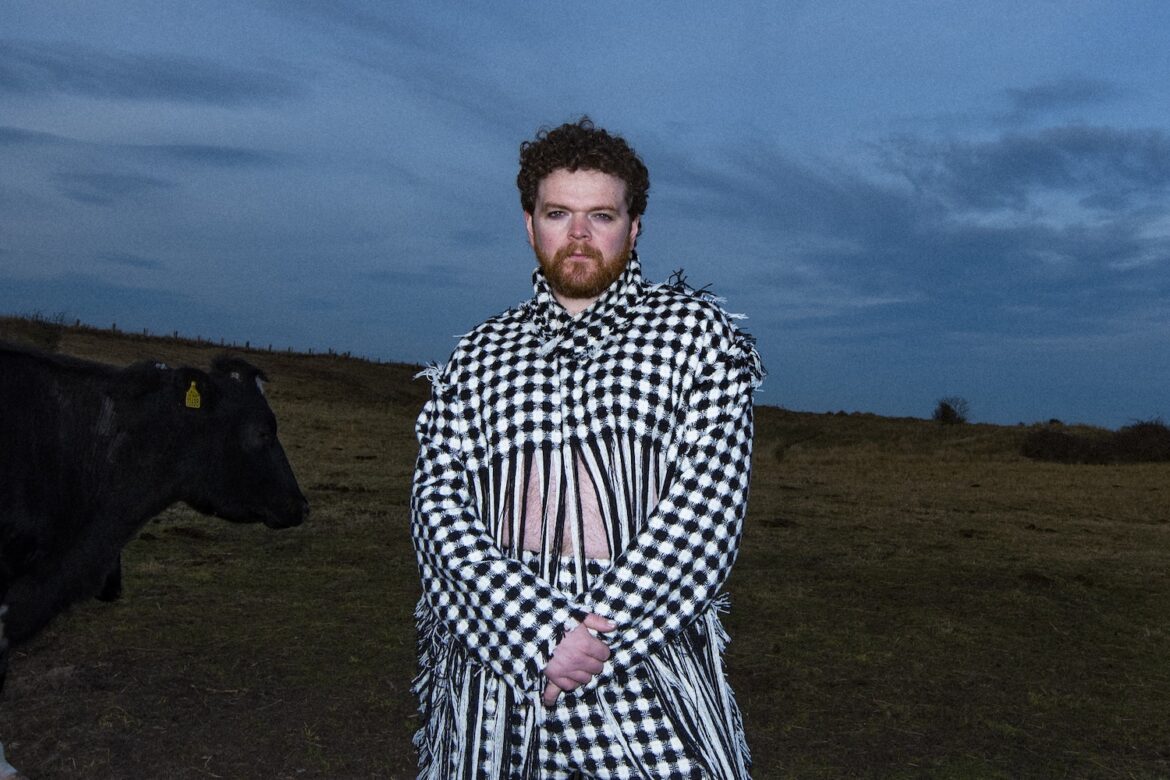
“The most powerful songs, the most powerful art, are the ones that risk something,” Jack Garratt tells Atwood Magazine – and on his breathtakingly bold third album ‘Pillars,’ he risks it all, transforming red flags, raw wounds, and hard-won lessons into an unguarded record of love, identity, and survival. In our intimate, wide-ranging conversation, Garratt opens up about ego death, the three pillars of love that shaped his record, and the relentless drive that pushed him to make his most daring – and vulnerable – music yet.
Stream: ‘Pillars’ – Jack Garratt
At the end, if you do the job well, you’re left with a scar. My songs aren’t flowers; they’re scars, and I’m proud of them. They’re beautiful and they’re human for that exact reason.
* * *
Jack Garratt has never been one to think small.
An award-winning singer, songwriter, multi-instrumentalist, and producer who built his reputation on bending genres and pushing technology to its limits, Garratt has spent the past decade reinventing what one person can do onstage and on record. He is, in every sense, a trailblazer – equal parts wizard and confessor, spectacle and sincerity. But with his third album Pillars, Garratt has made something different altogether. He hasn’t just pushed himself; he’s torn down his own walls.
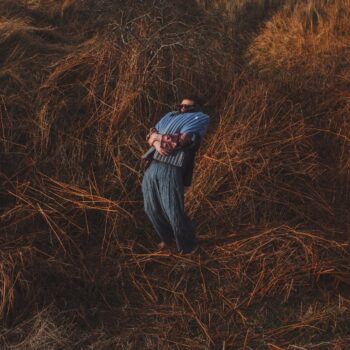
It’ll all be alright in the end
So don’t try to fight it friend
‘Cause if it ain’t alright,
it just ain’t the end
– “Manifest/It’ll Be Alright In The End,” Jack Garratt
Pillars is the most daring, unguarded, and triumphant music of his career. A kaleidoscopic, confessional, and cathartic record, it explodes with joy and vulnerability in equal measure: playful and aching, funky and fragile, colorful and candid. It begins with a whisper and a promise: “It’ll all be alright in the end / So don’t try to fight it, friend / ‘Cause if it ain’t alright, it just ain’t the end.” Garratt sings these lines with raw tenderness over delicate piano chords and glitching production, before the song bursts into color and sound. It’s a powerful entry point – a reminder of resilience, of hope, of hard-won renewal – and it sets the scene for everything to come.
“This album means everything to me,” Garratt says at the start of our conversation. “I’ve had to claw my way through confusion, through self-doubt, through not knowing where I fit, to get here. But now I know. Now I’m standing where I’m supposed to stand.”
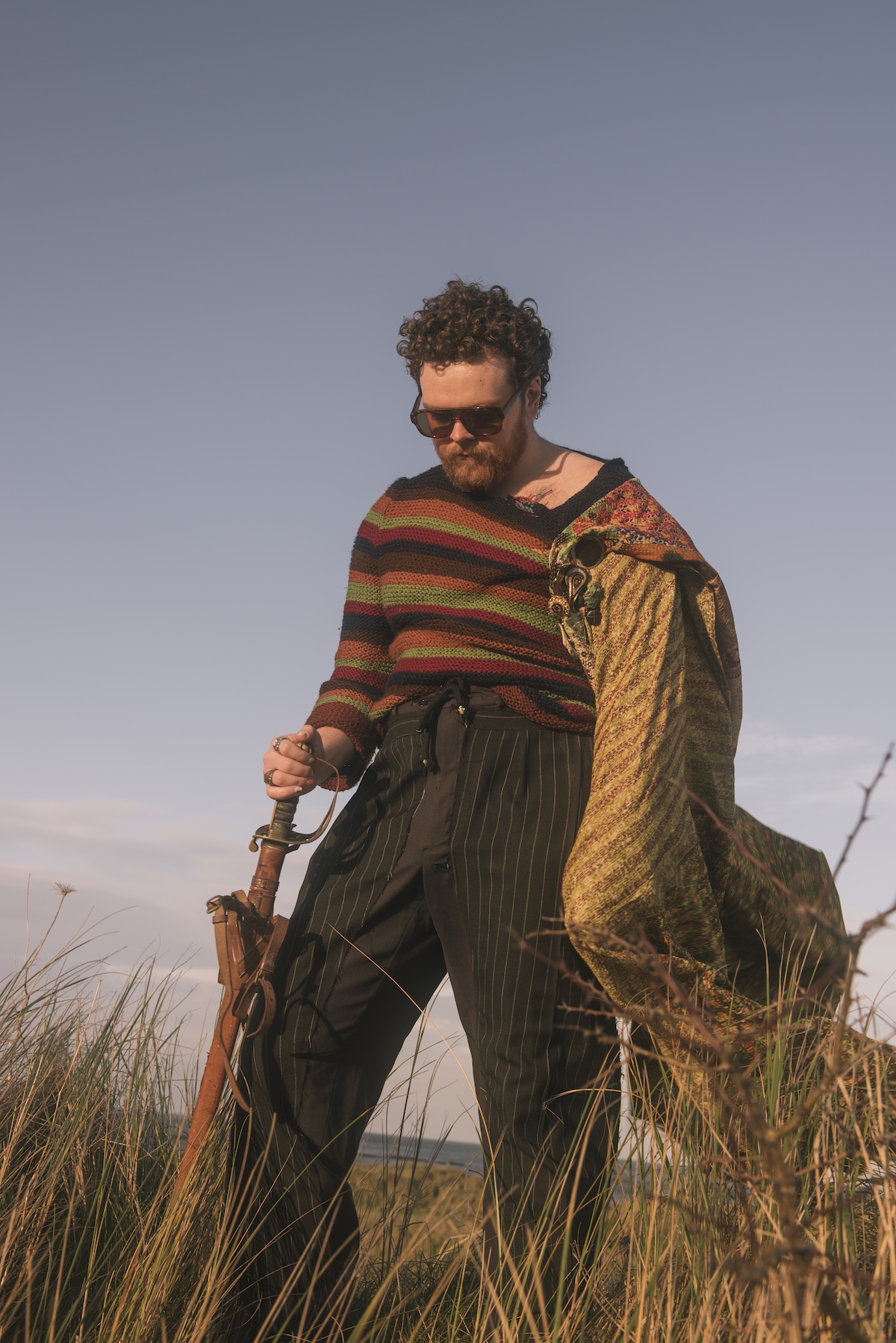
At its heart, Pillars is an album about love – of self, of friends, of romance, of community, of survival.
Garratt doesn’t shy away from calling this his most personal work yet, but he resists narrowing its lens. “I didn’t want this to just be about heartbreak or pain. I wanted it to be about connection. I wanted it to be about what brings us together.”
That spirit radiates through “Two Left Feet,” one of the album’s sweetest, most exuberant moments. Its infectious chorus – come on baby, come gimme a chance, coz I got two left feet and I wanna dance – is disarmingly playful on the surface, yet cuts to the bone with its refrain: broken people need loving too, broken people like me and you. Garratt lights up when he talks about the track: “That’s one of the songs that I feel opens the door to new listeners. It’s exuberant and fun, but it’s also me admitting my flaws. I wanted it to feel like a hug – like I’m saying, ‘You don’t need to be fixed to be loved.’”
Elsewhere, the vulnerability runs even deeper. On “Love Myself Again,” Garratt delivers one of the most naked confessions of his career: Darling you make me wanna love myself again. He admits that line almost didn’t make it into the world. “I didn’t think I’d ever let a lyric like that leave my mouth, let alone release it. But it’s the truth, and saying it out loud makes it real. It’s terrifying, but also freeing. That song is me at my most vulnerable.”
I’ve been struggling with everything
Shortchanged by happiness
and the light it brings
And when the light goes out
it only draws the black dog in
But darling you make me
wanna love myself again
I’m my own worst enemy
My cruelest critic can’t be half as cruel as me
‘Cause when I write down my every word
it’s like we’re one and the same
But darling you make me
wanna love myself again
– “Love Myself Again,” Jack Garratt
The album’s emotional center is also bound up in Garratt’s personal life. Between Love, Death & Dancing and Pillars, he went through a divorce – a loss that reshaped how he thinks about love, intimacy, and partnership. “A lot of the love songs on this album remind me of the way I have loved anxiously, and loved as a people-pleaser. People-pleasing is manipulative, whether it’s intentional or not… That’s what I used to do. I’ve worked hard to not do that, because it’s an unfair way to love.” Songs like “Shaftesbury Avenue,” he explains, are haunted by that shift – yearning for relationships that no longer exist, or perhaps never did.
Yet Pillars is not a break-up album. It is a survival album, a community album, a record about how love in all its forms keeps us tethered. “I didn’t want to just write about romantic love. This album is about love of self, love of friends, love of the people around me. It’s about allowing yourself to be part of something bigger than just your own heartbreak.”
I’ve been meaning to tell you the truth
About the way I’ve been thinking about you
And i’ve got a feeling that you’re feeling the same
because there’s something that’s different
in the way you’ve been saying my name
Come on baby, come gimme a chance
‘Cause I got two left feet and I wanna dance
Let me show you my arms are here to hold you
So give me your hands
– “Two Left Feet,” Jack Garratt
If the emotions are raw, the sound is technicolor. Pillars is Garratt at his most adventurous – kaleidoscopic and wide-ranging, yet always unmistakably his.
Funk grooves tumble into house beats; soulful ballads dissolve into ecstatic pop explosions. What ties it together is not genre, but intention: a refusal to sand down the edges.
Lead single “Catherine Wheel” is the album’s ignition point, a track that Garratt wrote in Los Angeles over Christmas 2023 when, by his own admission, he was ready to quit music altogether. “I’d fallen out of love with it completely. I’d lost a lot of confidence in myself and my ability to write. And then this song just poured out. It became my true north for the whole record.” It’s a track that bursts like fireworks – hit my head, scratch my back, leave me on read, get me on track, pull on the lever, do whatever you feel, set me on fire like a catherine wheel – spinning with color, urgency, and abandon.
Hit my head
Scratch my back
Leave me on read
Get me on track
Pull on the lever, do whatever you feel
Set me on fire like a catherine wheel
– “Catherine Wheel,” Jack Garratt
That ethos spills across the album’s production. Garratt recalls building “Higher” with producer Johan Hugo, inspired by his love of Son Lux. “The song is someone trying desperately to be in control, and the beat underneath it is a train running off the track.” Back in his London studio, Garratt leaned into the chaos: “I got behind the drum kit, pressed record in the control room, ran into the live room, sat down just in time for the click, and got myself an eight-bar loop I could grid and chop around.”
It’s a detail that might feel technical, but for Garratt it speaks to the joy of creating again – of physically throwing himself back into music after years of second-guessing. “For a long time I thought I had to prove myself with every lyric, every sound. This time I let go of that – I let myself play, and that’s why this record sounds the way it does.”
From the falsetto funk of “Ready! Steady! Go!” to the neon-drenched nostalgia of “Shaftesbury Avenue,” from the aching balladry of “Love Myself Again” to the dance-floor gleam of “Two Left Feet,” Pillars runs the gamut of Garratt’s musical universe. It’s a record that refuses to sit still, bursting with color and rhythm at every turn. “The most powerful songs, the most powerful art, are the ones that risk something,” he says. “… Every time you think the knife can’t go a bit deeper, it does.”
For all its personal revelations, Pillars isn’t just a self-portrait; it’s an offering.
Garratt talks about this album with a generosity that feels as central as the songs themselves. “I really want this album to be an invitation. I want listeners to feel cared for and looked after and loved and brought in. I want people to know there’s a party going on. You can just come in. There’s no guest list. You don’t have to worry. The water’s fine, come on in.”
That open-handedness is partly a reaction to what happened last time. His second album, Love, Death & Dancing, was released in the teeth of the UK’s first COVID lockdown, robbed of the live connection that had always fueled his music. “That album came and went. I couldn’t tour it, I couldn’t share it the way I wanted to. For someone who built his name on playing live, that was devastating,” he confesses.
Pillars, then, is both fan-service and personal service: A record built to restore that connection. It is also, undeniably, a declaration of authenticity. “This is the most authentic sounding record I’ve made yet, because I am the most authentic version of myself that I’ve ever been. And to get there, I had to go through years and years of confusion and strangeness. And not knowing. And feeling like I’m being pigeonholed or cornered. But then at the same time not telling people who I am! Whereas now I have a much better understanding and idea of that.”
There’s no bravado in that statement; it’s delivered with quiet conviction. After years of wrestling with expectations, depression, and the weight of being crowned too soon as the “next big thing,” Jack Garratt has finally made the record he always wanted to make: one that doesn’t hide, doesn’t hedge, doesn’t apologize.
“This is me,” he says simply. “And I’m proud of it.”

Jack Garratt has never sounded more alive and inspired, vulnerable and human than he does on Pillars – an album that meets listeners where they are, reminding us we don’t need to be fixed to be loved, and that even in our brokenness we can let loose, connect, and begin again.
It’s a bold and unguarded third act for an artist who has always balanced spectacle with sincerity, but never with this much freedom or fearlessness – the kind of work that both defines and transcends its moment: A kaleidoscopic self-portrait of resilience, candor, and joy that cements his place as one of music’s great risk-takers. In the context of 2025, Pillars feels like a beacon: An intimate, sonically stunning exhale born out of turmoil, perseverance, and renewal, yet brimming with play, honesty, and heart. It stands as both a personal triumph in Garratt’s catalog and a timely testament to music’s power to heal, challenge, and transform. From the explosive affirmations of “Manifest” to the aching confessions of “Love Myself Again” and the radiant joy of “Two Left Feet,” Pillars proves that pop can be daring, cathartic, messy, and deeply human all at once. It’s the work of an artist at the height of his craft and the depth of his courage, inviting us to dance, to feel, and to believe in all versions of ourselves.
Sitting down with Atwood Magazine for a wide-ranging, marathon conversation, Garratt opened up about Pillars in all its dimensions: its stories, its struggles, its triumphs, and the lessons he’s learned in finding his truest voice. What follows is a deep dive into the making of his most authentic album yet – and a portrait of an artist fully, finally, standing tall.
— —
:: stream/purchase Pillars here ::
:: connect with Jack Garratt here ::
— —
Stream: ‘Pillars’ – Jack Garratt
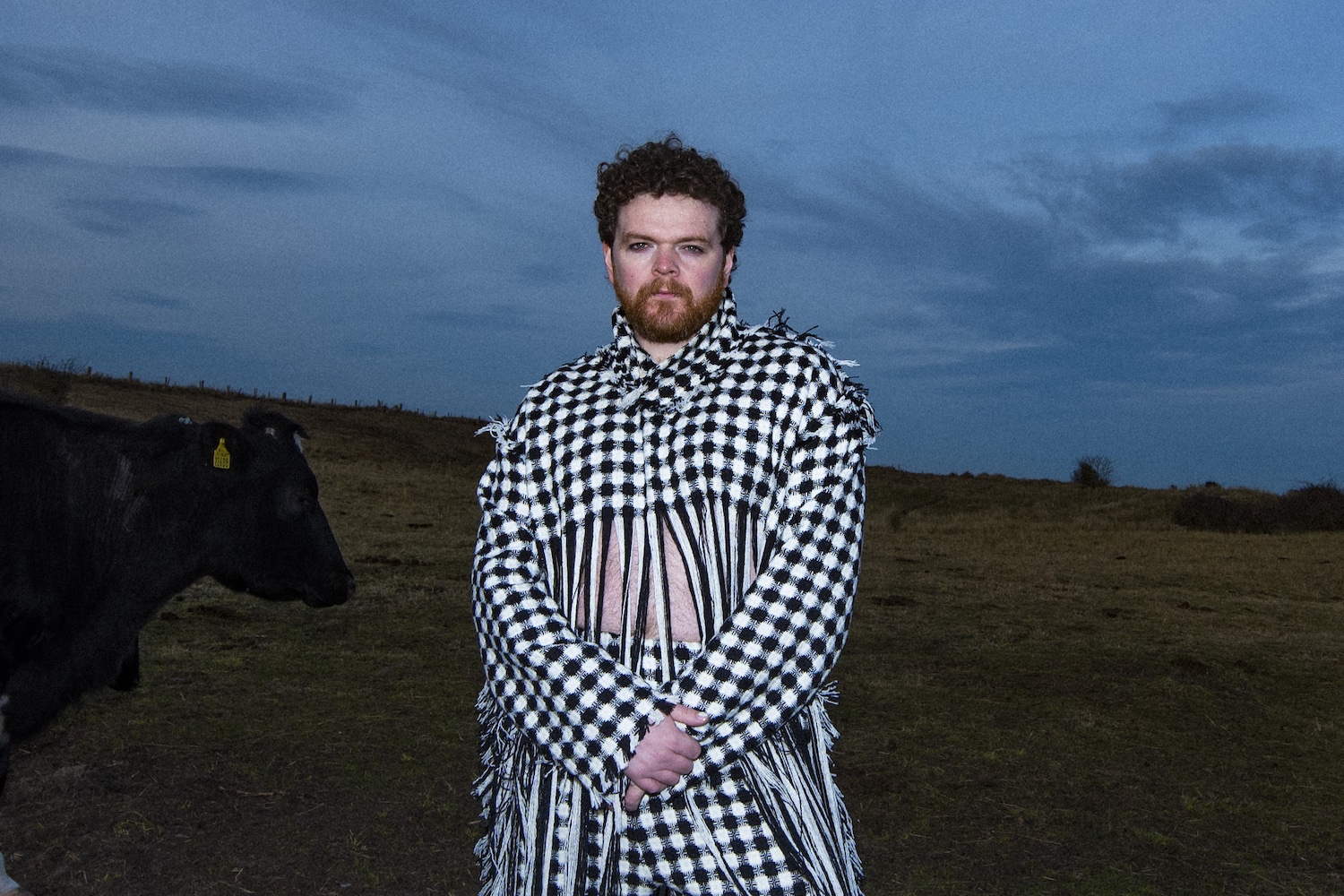
A CONVERSATION WITH JACK GARRATT
Atwood Magazine: Jack, it's been five long, life-changing years since your sophomore album, Love, Death & Dancing. You’ve put out a good amount of music in the ensuing years, but this is your first full-length record since then. So I figured we could start with a reintroduction. Who are you today compared to the version of you we met on your last LP?
Jack Garratt: Certainly more grounded, certainly more aligned, certainly better medicated, and certainly more therapized, I think. That’s who I am now. It’s a funny one – the now me changes day to day. I’m so much more aware of my ability to embrace that change. I think the me, it is the me that was doing the parts of me, but the Jack Garratt, ‘capital J, capital G’ Jack Garratt, who I talk about a lot, I refer often to as him, he was certainly a lot more flailing, I think, five years ago. Definitely still within some kind of control, but all the control that he may have thought he had is as real as any of the control any of us have at any given moment.
And you say it’s been a long five years, life-changing years, insinuating it has been for me the last five years… I mean, the state of everything has kind of changed pretty dramatically over the last five years. I think that the me today has a lot more assurance of self and is more readily available to surrender that control and let things be what they are. Because even the me today isn’t the me that made Pillars, to get specific to your question as well.
I take your point there – we're ever-changing. I'm of the opinion that we change a lot faster than folks perhaps changed 10, 20, 30 years ago. I think it has to do with our consumption of media – there's so much more that's hitting us, different ideas and content and exposure to things that it creates a much more rapid evolution of who and what our mental states can be. I think it's fascinating, and I think it's incredibly scary. I don't know what it means for us, or for the future. Us millennials are totally f*ed, as are all the rest of the generations that come after us.
Jack Garratt: Amen, long may it be forever and ever. Can’t wait. I think there’s something to be said about the access – the media existing is one thing, but it’s our access to it, and then the pressure for us to engage and join in. That’s a huge part of why it doesn’t feel like evolution; it just feels like speed going nowhere. That’s very much how I’ve been feeling.
There was actually a song I wrote for the record that didn’t make it on, where the lyric of the chorus was “going nowhere, my feet are moving but I’m going nowhere,” and the tag was “I’d much rather be dead than left behind.” It didn’t make the record because the record ended up being about something else. But that concept of speed – everything moving so fast, but not much actually happening – has been a real challenge. And, as I seem to constantly do, I’m releasing an album in another global state of turmoil.
So I know how to pick the years. But this time around, I have so much more self-awareness and self-assurance. I say a lot right now that I spiritually flutter on the dial between Buddhism and nihilism. In both cases, nothing really matters. On the one hand, isn’t that beautiful and peaceful? On the other, I’m like, so what’s the point in anything? And therein lies the balance of Pillars and the metrics by which I birthed it.
I was speaking to an artist who was also a songwriter behind some prolific, impressive music yesterday. And at some point in our conversation, he just kind of broke down and said, it's just all bulls**t at the end of the day. And I thought that was so unfortunate to hear him say, but also, I get it.
Jack Garratt: There’s a stigma around talking like that, because people equate it with pointlessness. But for me, it comes from a place of ego death – a sense that there’s no “me,” none of this exists, nothing matters. We’re all making it up. And while there are real things happening in the world, I can still look at myself in the middle of it and go: I don’t exist, I don’t matter. For a brain like mine, which is always trying to bring me down and feed my depression, it’s important to remind myself of that.
It’s not about giving up – I’ve been there, and spoken with my therapist about it. This is more about what I call “ego murder”: A choice to kill the ego, rather than just observe its death.
It's your version of “Hakuna Matata.”
Jack Garratt: It’s a little bit my version of Hakuna Matata. Because it’s not “no worries” – it’s “all worries, and therefore nothing to worry about.” It means all worries for the rest of your days. So therefore, why worry about any of it?
Is it the end or is it the means to the end, really? I mean, my first reaction was going to be if there's no you, then who did I watch dancing for a full hour?
Jack Garratt: He’s someone else. He’s someone else. That’s not me. That’s not who you’re talking to right now. There is a little bit of him in who you’re talking to right now. That’s true. That’s fair. But no, he’s someone else entirely.
You said that making 2023’s Hands Go Up EP was the first time in your career that you were creating for the sake of creating rather than for the sake of return. Is it that that's more of the music you want to be making? Is it a U2 Passengers situation, or is there a deeper desire to expand the breadth of what Jack Garratt's music can look and sound like?
Jack Garratt: The Hands Go Up EP was me opening a gate for myself – realizing I could allow myself to do anything. It was fun because I was just making music. I wasn’t thinking about genre, or about trying to get back somewhere; I was making it for the sake of making it, not for the sake of return.
That shift was huge. Making from a place of return is restrictive; it breeds resentment. It ties you to the shadow of Phase, rather than asking what you actually want to do. The EP was an evacuation of joy. And wouldn’t you know it, the release itself wasn’t that fun. The making was great, but around it I got dropped by my label, and a year later by my management. Now I’m starting fresh with a brand-new label and a manager I absolutely adore.
So many doors had to close for me to see the gates I’d opened. One of them was realizing I want to make music simply to make music. There’s a quote I love from Pete Holmes: “Art is highly sensitive people reporting back to the rest of the group what reality is like for them.” I’ve never heard art defined so simply or clearly. I would tattoo that on my body. I would look at it every day as a reminder, because it grounds me in my purpose: to report, to live, to go and live, and then report. It’s not my job to make a report people will engage with; my only job is to report.
That’s a great interpretation. I’d let that guy crash on my couch, for what it’s worth.
Jack Garratt: I love that guy. Sometimes his comedy is brilliant, sometimes not for me. But then I hear him on that podcast and he drops a line and I think, Jesus, that’s a man who’s read the books and done the drugs to know.
From our conversations – and from your lyrics over the years – it feels like you’re on a constant journey of liberation. Maybe from self-constraints, maybe from the pressure to deliver another Phase, maybe from label expectations. But there’s always that theme of breaking out of toxic cycles running through your music.
Jack Garratt: Pillars is an album made in spite of all that. Honestly, I didn’t think it would ever get made. I had the songs, but no label, no funding. I was running out of money. Then Cooking Vinyl came along with a fair deal, and they encouraged me to finish the record.
At the same time, my management dropped me. I had no hope in myself, no joy, and I didn’t know if I even wanted to do this anymore. And when you’re looking at the signs – dropped by label, dropped by management – it makes you think, maybe I’m not supposed to be here.
I didn’t want to produce the record. I thought the smart move was to co-produce, but the person I wanted to work with wasn’t available. So I produced it myself. Then came mixing, and I was like, I’m not mixing this record – too much control, too much of me on one thing. I even told my therapist I had to find someone else. I expected her to say, delegate. Instead she said, why would you? They’ll just do a bad job. She was right.
This album shouldn’t exist. But it does, because of that weird strand in me that perseveres. My brother put it perfectly: You’ll do it because that’s what you do. So I spent two months finishing production and mixing – studio, pub, Guinness, notes, tweaks, repeat. Two weeks of that on my own.
When I was making music, I loved listening to my mixes in the car. What’s your favorite place to test yours?
Jack Garratt: For me it was that pub. They had great Guinness, and it was winter, deadline looming. I’d leave the studio, take my headphones, sit in the pub, close my eyes, listen front to back, and take notes.
You didn’t master it yourself, too?
Jack Garratt: No way. I know how to mix, but mastering is another art. Heba Kadry is incredible – she’s the only one I trust. So I’d go from the studio with my headphones, sit in the pub, and listen front to back with my eyes closed, taking notes. A proper mix engineer would test on multiple speakers. I didn’t; I just wanted to know it sounded good on what I was listening through. I wasn’t mixing from the perspective of an audience; I was mixing purely for myself.
The mixes sounded really good on the Neumanns at the studio, on my Sony headphones, and on my laptop. Those were the only three I tested.
It was also the time of year. Quiet pub in London, chill staff, and eventually they started bringing me pints. It felt like the universe providing: Jack, there’s a pub on the corner – go listen and have a Guinness.
Point made. You’ve been notoriously critical of yourself and your output. If I recall, you scrapped an entire record between Phase and Love, Death & Dancing.
Jack Garratt: I did it again this time.
Of course you did! You’ve set such a high bar for the music you attach your name to…
Jack Garratt: Who does that serve? Songwriting is a craft I hold dear. That’s not to say I only write good songs – God, I can write a bad one – but the craft matters. I set the bar high because I care. Because it’s dirty work. Writing a song is dangerous and dirty work. Not blisters-on-the-fingers dirty, but risky. Songwriting needs risk. I don’t buy into the idea that good songs are easy or that they just flow. I’m writing a book right now, and there’s a whole section on this. The idea that writing a song is like tending a garden or watching a flower bloom? Bullshit.
Writing a song is draining an abscess. If you do it wrong, it hurts. It takes skill, dexterity, and thinking on your toes. It’s putrid and gross – you’re excavating, draining something. And at the end, if you do the job well, you’re left with a scar. My songs aren’t flowers; they’re scars, and I’m proud of them. They’re beautiful and they’re human for that exact reason. But I don’t think my purpose is to spread a message like, people need to write songs with pain. God, no. Some of the most beautiful songs are written through joy. But it should still be work.
I’m reading this book with short essays on writing. The author argues that flow is restrictive and damaging. And he’s right. There is no flow. The job of a writer is to make sentences, then deconstruct them, stop, start, break, change, shift them. If that’s your job, how can your work flow? It can’t. Flow is what the reader experiences, not the writer. That blew my mind.
I think it means so much more when I write a song and show it to my partner. If they’re silent, or if they say I don’t know about this part and it hurts, then I know I put myself into it. I let something go. I don’t want to not care. Maybe I should rethink my relationship to feedback, but at the same time, it should hurt, it should matter. And for you, it sounds like it has to matter when you put it out.
Jack Garratt: It’s got to risk something. Nothing pisses me off more than songs that don’t risk anything. They don’t move me. They don’t hit me. They’re still art – still someone’s lived experience – but not one I connect to. The most powerful songs, the most powerful art, are the ones that risk something.
Hearing you talk about mixing, it sounds treacherous. Who would subject themselves to that kind of life? It doesn’t sound “fun” in the traditional sense. Before we talk about Pillars itself, what do you derive the most joy from? Is it sitting down with pen and paper, thinking of melodies and words? Is it creating in the studio? Is it bringing it out on stage? Or is it chasing the dragon? Writing? Studio? Stage? Chasing the dragon?
Jack Garratt: Right now, the joy is in the sharing. It’s not about expecting people to react a certain way – it’s about the act of sharing. Like today: I’m sat at a train station, about to head to Brighton for a listening party. I just got the vinyl this morning. Tonight, 30 or 40 people will gather in a record store to hear the album. Then Manchester, Exeter, London. We only had the idea weeks ago, announced them days ago, and people signed up straight away. That’s the joy for me right now.
And yeah, I’ve asked my therapist if it’s ego-driven, narcissism, being witnessed. But I don’t think so. This album was so hard to make. The rewards that used to exist in the industry – financial, validation, acknowledgment – have changed so much. So I find joy in people’s engagement. Their reaction might be that they hate it – and I’d still find joy in that. Because it’s real. The music is real. Once it’s out, it’s theirs. I surrender it completely. It’s yours, and this is what it does to you. And that makes me happy.
Would you have given me a different answer a year ago, two years ago, when you were still recording or writing these songs?
Jack Garratt: Yes, definitely. I probably would have said there isn’t any. To be absolutely honest, if you’d asked me in January when I was mixing it, where do you find the joy, I would have said it’s nowhere and I can’t.
And when you were writing the songs, once upon a time?
Jack Garratt: When I was writing, I did a big trip to Devon in February of last year with a bunch of my friends. Brett Cox – an amazing producer and engineer – helped me pack up my studio and rebuild it in a living room there. My friend Geo Jordan came, my friend Tamsin came, and Natti from Fickle Friends came down too. I wrote loads, we recorded a bunch, and that was joy – unadulterated, blissful joy.
Because the joy is in the research of making the report. I don’t think the joy is often in the writing of the report. That’s work, that’s boring. But when you’re doing the research – coming up with ideas, putting shit down, recording, feeling genuinely free – free of people outside the room, free of expectations, free of your own expectations. You’re just present and aligned.
I love that. I was talking to a younger band a few weeks ago, and the drummer mentioned quantization. And I was like, why are you using this word with me? I never want to hear any artist use the word quantize ever again. That doesn’t have to be part of our purview. That’s the work, the shit work you’re talking about.
Jack Garratt: Yeah. Part of the handwork of the record was I tracked all the drums in a week. I had my kit set up, I knew the songs I wanted, so I just did it myself. Then I spent a few days editing them and putting them in place. That’s not fun, but it weirdly feels nice doing it.
It’s math, that part is math.
Jack Garratt: It’s math, right, but it calms the voice in my brain that tells me my job isn’t a real job. At the end of the day I can go, no, I stared at a screen for eight hours and arranged things. That is work. That deserves a drink.
So it’s a mixture of both: the abstract joy of being in a room writing and bouncing ideas – joy you can’t bottle, you can’t measure in an Excel spreadsheet – versus the bureaucratic stuff: Tracking, doing ten BVs, writing down a guitar part, fixing sections, asking what the listener’s experience should be. That’s bureaucracy. But it’s still kind of fun.
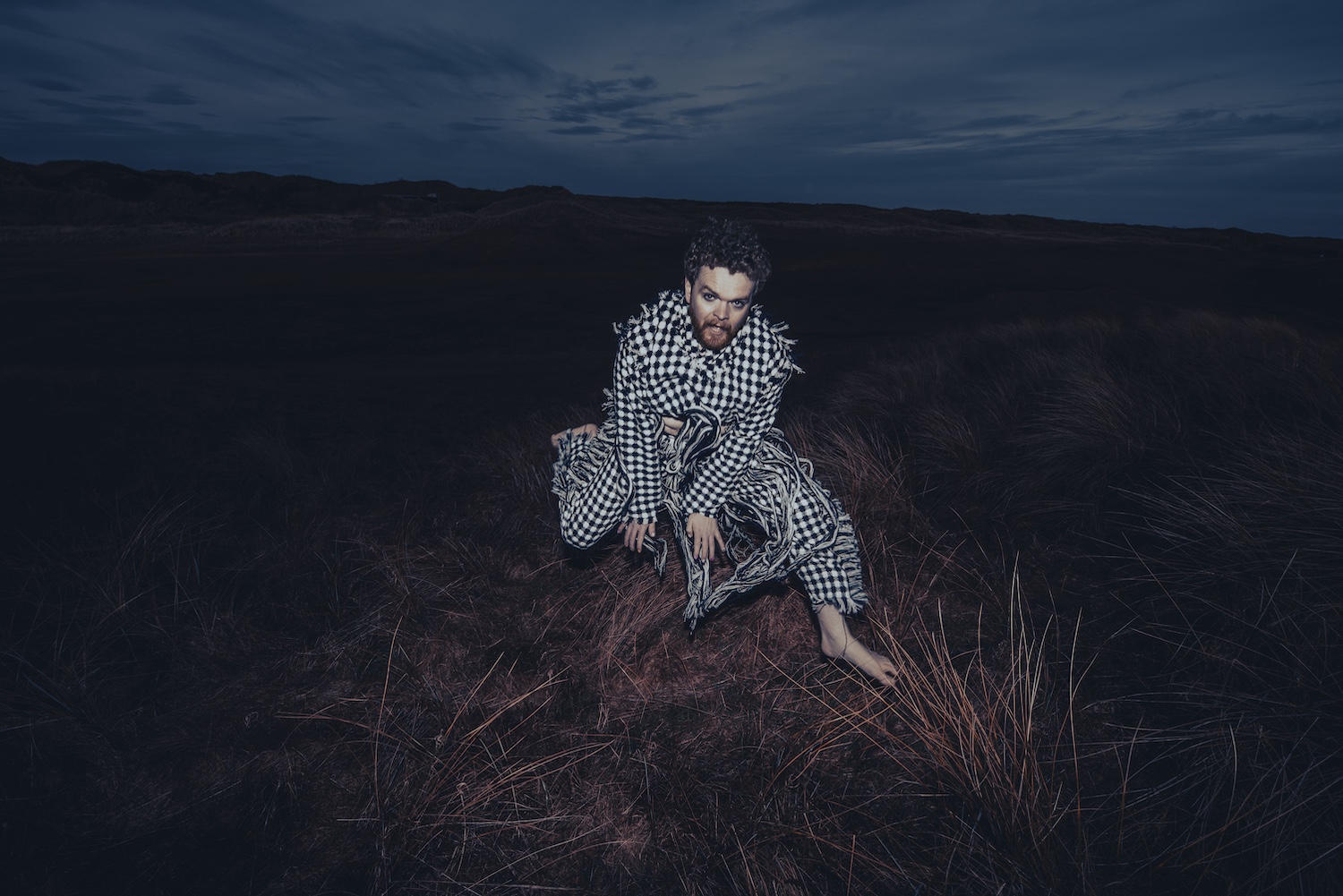
Alright, now to the meat and potatoes. What’s the story behind Pillars, and what does this album mean to you?
Jack Garratt: Like I was saying, the album was birthed through perseverance. The odds were stacked against it even existing, against me even being in this career anymore. And somehow through sheer perseverance – and probably stupidity – I just got it done.
The title came from something I wrote in my journal after talking with my therapist. I wrote that there were three pillars to my love: self-love, romantic love, and platonic love. I made a little Venn diagram. The idea brewing in me was that these pillars of my love, they all depend on each other to be strong, and if one falters, it puts unfair weight on the others. I was very aware of how weak my self-love pillar was, and how unfairly it put weight on my romantic and platonic love.
I had a bunch of songs already written, and I noticed a lot of them were love songs – about a relationship I’d come out of, about friendships, and about myself. That’s what ended up shaping the record.
I’d love to see an image of that journal diagram sometime.
Jack Garratt: We put parts of it in the liner notes for the record. A friend had bought me another journal and said, this isn’t for your head – this is for your heart, for your music. That’s where all my notes and some of the lyrics are. On the front I wrote: this is an album of fair weight balance tension. And also: don’t forget that you love yourself. Because I was so quick to forget that in the middle of everything. That’s in the liner notes – I think on the CD version.
It sounds like you were striving to make a record that balanced three different types of love, even though you yourself felt imbalanced. You were striving for something you didn’t yet have.
Jack Garratt: Yeah. Self-love was the thing really messing with me over the last couple of years. Trying to learn more about that relationship, trying to understand why it created so much unfair tension, specifically on my romantic relationships.
My relationship with myself has been fraught with self-disappointment and self-hatred. It doesn’t take a genius to figure out why that then put unfair pressure on my romantic life. Because I wasn’t bringing myself to the relationship. I’d bring a version of me that I could get away with for as long as possible. And once there was enough trust, I’d end up dropping the act. Suddenly someone would be seeing this version of me that wasn’t true – it was broken, self-pitying, small. My point being that my pillar of self-love was so weak, I had no idea who I was or what my sense of self was.
A lot of these songs came through that journey of learning who I am, and not pulling punches when it came to referring to myself. In the love songs, I’m not really a hero. When I listen back and see myself as the “I” in them, there are red flags all over the place.
The title of the interview right here? ‘There are red flags all over the place.’
Jack Garratt: F*’s sake. Damn it. I knew I was out of practice.
Ha, you’re doing great! So you finally did make this big return with “Catherine Wheel” earlier in the year. And it starts with a declaration of surrender: Hit my head, scratch my back, leave me on the road, get me on track, pull on the lever, do whatever you feel, set me on fire like a Catherine wheel. Tell me about the choice to return with that song.
Jack Garratt: It was the first song I really wrote for the record, and often the first thing I write ends up being the first single. That was the same with “Time” on Love, Death & Dancing. The first single usually becomes the true north for the record and displays me as an artist.
This song felt like that. It’s hard when I’m doing so much work around the question of who am I? Who do I think I can define myself as – as a private man, as someone talking to you right now, as someone on stage sweating his ass off? Those are three different people. Where are the lines? But this song felt acutely aware of Jack Garratt the musician.
It’s big, soaring melodies, a bit of recitative in the verses, more talking, and just big balls-to-the-wall production. It felt appropriate to put it out because it was the first song I wrote, and it set the tone. It also feels like a song where a core Jack Garratt fan wouldn’t say, what the f* is he doing? But a new listener also wouldn’t say, who the f* is this? It speaks for itself.
One of the first things I thought about when I listened to this record is that you’ve always had a big R&B strain in your music. But with this album, I could hear you placed next to Frank Ocean in a lineup, more than in an indie pop or rock category. I love that about this music you’ve committed to right now.
Jack Garratt: Yeah, it’s interesting. I had this playlist of songs I was listening to on repeat while making the record. I hear their influence, but essentially it was just a collection of great songs. Especially with Frank Ocean – I was so into Channel Orange. That album changed my life, as it did for so many people. Every song on it is brilliant. It’s wonderfully curated. And it goes back to what we were saying: writing a good song is both an exclamation of self, the draining of the abscess, but also the craft in suturing it up. Craft is so important in storytelling and songwriting. Channel Orange is a great example of inspiration meeting craft and making something magical.
I think it’s hard to say whether Pillars has something like that – that’s for other people to decide. But for me, I cared so much for the craft of every song, and every one came from inspiration. So for me, it’s done the job. But if you want to keep comparing me to Frank Ocean, I won’t stop you.
I hope people listen to “Flower Girl Confetti,” “Hopeful Fidelity Lasts,” “Not Ready to Go Home,” and “Two Left Feet,” because I think those are some of the hidden gems. But I want to start at the very top. “Manifest / It’ll All Be All Right in the End” opens like a match spark – epic, intense, a real way to start a conversation. Tell me about that doozy of a three-and-a-half-minute track.
Jack Garratt: “Manifest” and “Flower Girl Confetti” both came really late in the writing – the last two songs I wrote for the record. Originally, “Ready! Steady! Go!” was going to open the album, but it didn’t feel right. It was too self-assured, too confident. And that song isn’t about confidence; it’s about frailty, fragility, self-awareness.
In classic Jack Garratt fashion, I still wanted to open with something that went bang. I had this riff I’d been working on – it wasn’t a song, it was more of a manifestation. An affirmation. Something you say to yourself in the mirror. It was repetitive and meditative. I got the piano part down, recorded the melody on my phone, imported it into Logic, and built the song in a couple of days.
Putting live drums on it was the last thing I did, and it was my favorite bit of recording. I sat down and thought, okay, I guess this is me showing off on the drums for 20 seconds – here we go. So it became an explosion of meditation, an explosion of prophecy. It’ll all be all right in the end. And if it’s not all right, it’s not the end. I’ve heard that adage for years. I used to hate it because it felt like giving up, but I’ve come to love it as surrender.
You called it an explosion. That’s the first thing I hear too. It’s visceral – a big cathartic release. And there are cathartic releases all over this record: guitars unleashed, big drum blasts. You channel so much emotional energy through these sonic eruptions.
Jack Garratt: Yeah. Something I really focused on was making sure the lyrics are represented by the music – that there’s a story between the two. That’s always been important to me. The concept of Pillars exists in three parts, and I’ve been doing parts work with my therapist as well. It all tied together. I had to show up as a songwriter, as a performer, as a producer, and as a mixer. And for the first time, I took each role seriously, rather than trying to mash them into one.
When I made Phase, I was mixing as I was making, because I didn’t even know mixing was its own process. With Love, Death & Dancing, someone else mixed it. But with Pillars, I gave myself two or three weeks and mixed it properly. I showed up as a mixer. Same with producing – I had the songs written, but I showed up as a producer, thinking back to what I’d learned with Jack Mac. I thought: I need a moment here. I need to show the audience what I want them to hear. Sometimes that meant a big guitar moment; sometimes it meant sucking the energy out, taking things away. Taking that producer role seriously was so important.
You said earlier your lyrics aren’t always “big,” but that doesn’t take away from the intensity of some of your words. And of course the one that comes to mind most is “Love Myself Again,” which feels like a confession: I’ve been struggling with everything. It’s one of your most vulnerable songs – can you unpack it?
Jack Garratt: Yeah. It’s so interesting. I wrote “Love Myself Again” in 2019 with James Flanagan and Henry Brill, who were also all over Love, Death & Dancing. James is one of my best friends – I even lived with him for a bit in London before he moved to LA – and Henry is one of the best lyricists I think has ever lived. He used to be around all the time in London, but he’s since moved to Nashville, which is bittersweet because I don’t see him nearly as much as I’d like.
Henry has this magic about him. I’ll bring him these vulnerable, invasive thoughts – this is what I want to say, this is how I feel – and he’ll sit for a moment, think, and then come back with a perfect rhyming couplet. Poetry, lyricism, clarity, all in one. Then we finesse it so it sounds like me. The Black Dog line? That was him. He just said it, and I went, Jesus Christ. Same with other lines – sometimes his vocabulary feels too brilliant, almost inauthentic in my voice, so we’ll adjust it. I remember us working the cigarette line for ages. He pitched something phenomenal, and we shaped it together until it felt like something I could sing. That’s what’s so special about our partnership.
The three of us had a beautiful system: James and I worked on harmony and melody, Henry and I on lyrics, and together we built it. It’s one of the most fluid creative relationships I’ve ever had. At the time, I was writing through the lens of my wife. It was like a thank you to her – a song for her. That relationship no longer exists, but I don’t deny that’s why the song came to be. What’s fascinating is how its meaning has changed for me. When I put it on the album years later, it wasn’t just about her anymore. It had become something else entirely.
I talked about this at a listening party the other day: what I love about lyrics – and why I find them so hard – is that the goal is to create the shortest, cleanest line between intention and execution. The thought in your head can be long, winding, messy, but the lyric has to be brief, impactful, and done. Henry is phenomenal at that. So “Love Myself Again” started as a thank you to my ex-wife, but by the time it made it onto Pillars six years later, it had become an anthem for survival. It’s about me, about hope, about trying to believe in yourself when you can’t see how.
I want to talk about “Two Left Feet.” To me, it has all the ingredients of a commercial hit with the heart of a Jack Garratt song. It’s cheeky, fun – come on, baby, come give me a chance, ‘cause I got two left feet but I want to dance. On first listen it became my favorite, because it’s fun, easy to repeat, but also full of heart. Tell me about that track.
Jack Garratt: That came from a writing weekend I did with Tamzin and Gio Jordan – two artists I love and two of my best friends. We’d been talking about collaborating for ages and finally did a little retreat in my studio. Three days of just writing anything we wanted. We wrote five songs and loved them all.
But “Two Left Feet” kept sticking with me. I thought, I hear me singing this. I told them I wanted to run with it, and they were supportive. I changed some of the lyrics to make it feel authentic to my voice – not just a song three people wrote that anyone could sing, but a song written for me.
I hear the commercial aspect of it, and I leaned into that with the production – keeping it clean but not overcrowded, not too shiny or too pop. At the time I was listening obsessively to The Postal Service and Ben Gibbard. Their use of samples and textures always feels like it should disrupt the music, but instead it pulls you in. I wanted this song to feel dancey, but at its core it’s a love song sung by an anti-hero.
That line – broken people need loving too, broken people like me and you – it’s so reductive. Imagine telling someone, you’re broken like me, so you should love me. It’s arrogant, and that’s what I love about it. It’s one of my red flags in lyric form. I’m curious to see how people respond, but it will be one of the singles.
Where does that song fit into the overall narrative of Pillars?
Jack Garratt: It sits in the same world as “Catherine Wheel,” where my weak self-love pillar put unfair pressure on romantic love. But while “Catherine Wheel” is self-aware and about people pleasing, “Two Left Feet” is more naïve – it’s about pleading for someone to love you, but in a coy, insecure way.
That insecurity comes from not knowing how to love myself. Without that foundation, receiving love from others became fraught. So this song is about anxiously falling in love, feeling it happening, but not knowing if it’s reciprocated.
I believe when you truly know how to love yourself, you rarely find yourself feeling something entirely in isolation. Usually your feelings are mirrored back. If they’re not, you’re living in a false reality, your own world with your own rules. “Two Left Feet” is about testing the waters: Am I crazy? Is it just me, or is there actually something here?
Jack Garratt: No, no, I’m with you. I fully understand. It does kind of elevate something. A lot of this record – as I’ve said a few times – exists almost in spite of itself. This record exists through sheer perseverance. That song was a moment where I was really taking seriously the roles I was embodying for this record – writer, producer, mixer, and now artist promoting and performing it. And at the time, with my producer hat on, I looked at the songs I had and thought, there’s a hole in this record.
So I wrote a few things. I wrote three different ethereal-feeling pieces. I even wrote a spoken word poem, which I think I’ll save for the next project because I’m so proud of it. I loved it so much I actually put it on the record for a while. The record was twice as long at one point, a real exploration piece.
But as a producer you have to step back and go: this record is actually just bangers, with a couple of moments that cut through and say, hey, are you listening? Think about something sad for a minute. And that’s where I shine – I did it on Love, Death & Dancing, I did it on Phase. It’s something I’m unconsciously attracted to as an overarching concept for the sound of a record.
There was a gap, and I knew I wanted something internal, something that could be a sister track to “Manifest.” I was at the piano, found these chords I loved, had a line and a melody, recorded it on my phone, and that was it. I put it into Logic, built some mood around it, created an environment. Anytime I started to overthink, I forced myself back to the original idea. First thought, best thought. True north.
I was listening to a lot of music that was daring enough to just be a lyric repeated, music that grows, that respects its audience. Not dragging them in, but trusting them to get it. When we played it at a listening party last night, it hit at such a beautiful point in the record. You come out of all these bangers and flip the vinyl. The B-side starts with “Not Ready to Go Home,” and suddenly the air shifts – everything feels more vulnerable, more self-uncertain. Then “Lost.” Then “Flower Girl Confetti.” Then “Higher.” Every time you think the knife can’t go a bit deeper, it does. I love that the second act of the record takes that turn. “Flower Girl” is the seminal moment that sells it. It allows the record to take that bend without it feeling jarring. It’s deeply emotional.
You close the album with “Big of Me (Flight the Bee).” Tell me about this conclusion.
Jack Garratt: I wanted to end by going back to the core of what I believe is good songwriting. Most of the big songs – “Love Myself Again,” “Catherine Wheel,” “Two Left Feet,” “Ready! Steady! Go!” – were written years before. But “Lost,” “Flower Girl Confetti,” “Manifest,” and “Flight the Bee” all came late, just two months before mixing. They fought their way onto the record.
“Flight the Bee” began with that lyric that came out of my mouth pre-written: Some things last and some things end / Some things start to play pretend / Some lovers shapeshift into friends / But that didn’t happen for me and you. I thought, ah, okay, it’s this song – the one I’ve been avoiding for years.
It was about a situationship with a woman I deeply loved, but from an insecure place. I needed to excavate that feeling. It’s not me playing the victim, not me the villain, not her either. It’s just the truth of what I felt.
From a songwriting perspective, I think it’s one of the best songs I’ve written. The lyrical structure is clean, the melody consistent, the content dictates the form – Stephen Sondheim’s rules. Content dictates form. Less is more. God is in the details. Clarity above all. This song hits those.
The verse that still breaks my heart is: I keep a clip that held your hair in my car because you left it there / And I can’t bring myself to make the tear / Or please don’t make me choose / Between this hard place and the rock / Between the sea and the dock / Between the ticking of a clock where I haven’t got time to lose. I wrote that and thought, that’s not me – something else wrote that. If I heard it from someone else, I’d think, f* me, that’s a good lyric. To know it came from my brain… I’m proud of it.
It’s a beautiful ending. Stepping back, what are some of your favorite moments on the album – the points you’re proudest of, that make you smile, that you stand by?
Jack Garratt: The lyrics on “Big of Me.” The drums on “Shaftesbury Avenue” – they sound so f*ing good. I was referencing “Spitting Off the Edge of the World” by Yeah Yeah Yeahs, not to copy the sound but to create that same tear-through feeling. I think I achieved it. I’m proud of giving myself space at the end of “Ready! Steady! Go!” to just play. A weaker man might have gone for a fade out – I did that version too – but instead I thought, f* this, I’m putting on a guitar solo, more drums, trombones. Just fun. That’s me showing people what I do.
I love the flourishes in “Two Left Feet,” the funk/soul licks – Vulfpeck’s influence, music as character in the song. I’m proud of “Not Ready to Go Home.” I sang it at a friend’s wedding before it was even on the record. He loved it, it meant something to him and his wife, and I think of that every time I hear it.
But most of all, I’m proud that every decision came from me saying: no one else is going to do this. Do it yourself. Show up to the room you’re in. Don’t waste time. I had to tell myself that every day. You want to change the drums on “Manifest” for the fifth time? They’re there. Mic them up. Record them. Do it. And I can hear those choices all across this record.
I think it’s so exciting that you’re finally getting to the point where you can really share these with the rest of the world. Talk about favorite moments. Any other favorite lyrical highlights?
Jack Garratt: I do love the simplicity of I waited, waited and it’s over now. I think that’s really gorgeous on “Flower Girl.”
I really love a moment on “Shaftesbury Avenue.” I wrote it with Mike Gormley and Tamzin, who I’ve already mentioned. The three of us had a day of writing together – God knows what was going to come from it. I so rarely let people I don’t know into the room, but I trust Tamzin more than most people in my life, and she was like, Mikey’s a phenomenal top liner, a really good writer. You should have him in. And the three of us wrote “Shaftesbury Avenue.”
The version we wrote versus what it became on the record – they’re not very different, but they are definitely what I was hearing when we were writing it. I think maybe Tam and Mikey left not knowing what it would become, whereas I knew the whole time.
And as we were writing it, I knew I was really in love with it because I was making these kinds of choices. There’s a line in the last verse – it’s my “what would Stephen Sondheim do?” – and I love it so much because I think it really works. It makes me really happy: Headed home through the West End where we used to roam / Thinking about the future, can’t ignore the truth, you’re everywhere I go. Rhyming “future” with “truth-ya” makes me so happy. It’s not a perfect rhyme, it just rhymes enough and it works. I love it. I’m a big fan of writing like that. There are loads of moments like that in “Shaftesbury Avenue,” which I really love.
I also really love in “Catherine Wheel” the oil thing. I love to say something that feels sticky in my ear because the words are pouring out of you like oil on water. I think that’s really lovely. I really think I can stand behind all the lyrics on this record. I don’t think there’s anything I feel icky or strange about, which has existed in the past. There are lyrics I go back to from older records where I’m like, okay, we’ve grown. That’s important. But with this one, I feel like I can really stand behind a lot of these.
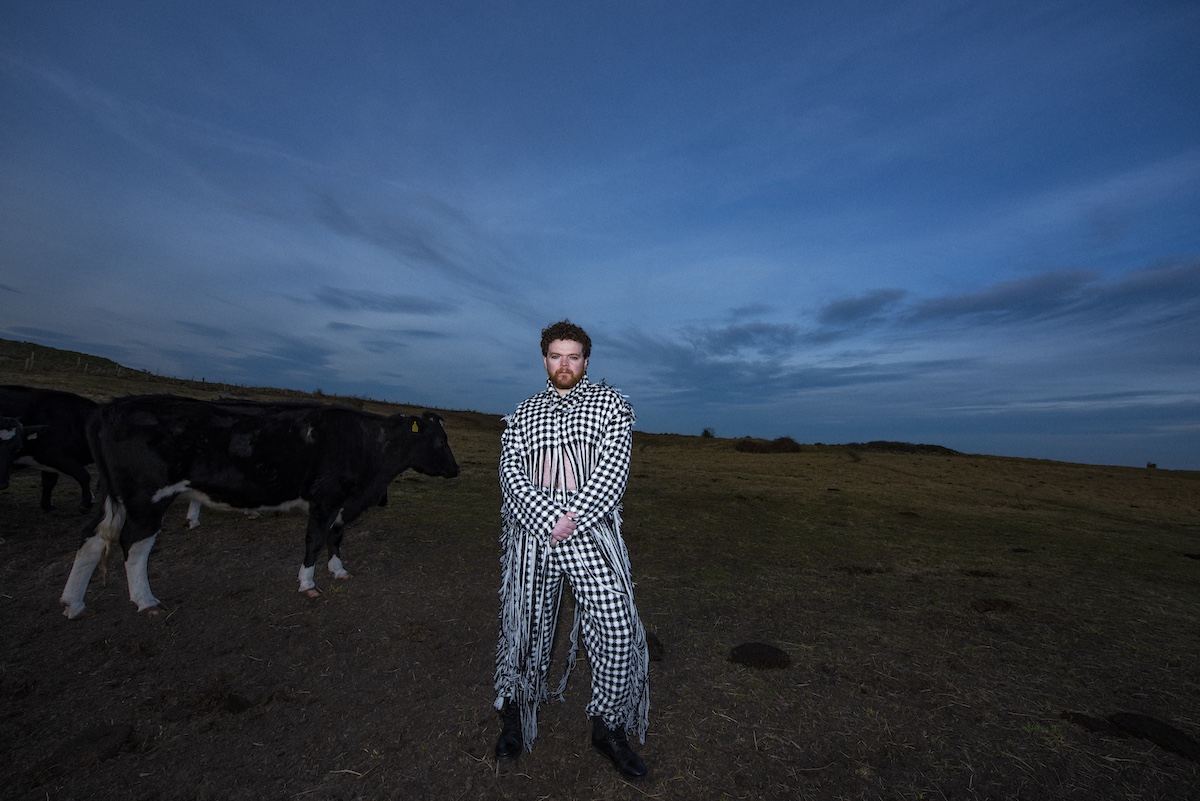
What do you hope listeners take away from Pillars?
Jack Garratt: If I go back to that quote of Pete Holmes, that art is highly sensitive people reporting back to the rest of the group what reality is like for them. I hope the thing that they take away is that this is my report of my reality. I think I’ve explained it well. I think I’ve created a report that people can follow. I feel like I surrender their experience to them. I feel as though I can confidently say I have shone the spotlight on what I want the spotlight to be shone on.
And if people listen to it with eyes open and ears open, they should be able to see what it is I’ve made. I believe powerfully in the role of the listener, that there is a sense of duty there. There is a sense of purposeful duty, that a passive listener is not a listener. That’s all I encourage.
I remember I got a question the other day in a livestream I did, where someone was like, what’s the perfect snack to eat while we listen to Pillars for the first time? And I said, the perfect snack is not a snack. Don’t have external stimulation everywhere. You second screen generation. I’m kidding – I’m fully kidding. But the point remained the same: just have one listen where you listen intently, sit down and give it your attention.
Show yourself, A, that you have the patience to do it. And B, let it tell you what it wants from you. Be an active participant of the experience. And then do whatever you want. Listen to it in the background. Have it on while you’re also doing other things. It doesn’t matter. I think you owe me – you owe the experience – one active listen from front to end. Maybe two. And then do whatever you want. If you give it your attention, undivided or not, just give it your intention and attention. Then I hope you take anything it gives you. That’s on you. I surrender any control over that.
Same question back at you. What do you feel you’ve taken away from creating this album and now putting it out into the world?
Jack Garratt: I will do things even if it kills me. I think that I have more perseverance than I give myself credit for. I have a stronger sense of perseverance or a stronger understanding of perseverance than I give myself credit for. I don’t think I’m quick to give up, but I do think I bring myself to points of exhaustion and I do batter myself into corners of pointlessness. And I think I need to be better at allowing myself to fill my well properly so that I can take from it.
I am also very aware of my body’s ability to fill its well just enough that I can take from it what I need for the next bit. I need to go on holiday. That’s what I’ve learned. I’m trying to avoid clichés because clichés are other people’s writing. But this old dog’s still got some kick in him.
I know. I just, I think that every time I think I want to give up, my purpose always goes, but you’ve got more to do. And it seems to be more powerful than the voice that says stop. Yeah, the voice that says go is more powerful than the voice that says stop.
In the spirit of paying it forward, who are you listening to these days that you recommend to our readers?
Jack Garratt: Becky and the Birds. Imogen and the Knife, Adrianne Lenker, obviously. These are all the people that are on my ‘album four’ playlist, by the way. A lot of them are also on the ‘album three’ playlist. Another Sky. The Yeah Yeah Yeahs. Porij, I really liked that album. Men I Trust, who just can’t do anything wrong in my eyes either. Son Lux, always. Sylvan Esso, always. Ethan Gruska, I can’t stop listening to that man. DM Stith, who’s amazing.
I really, really want to co-produce my next thing with Becky and the Birds if I could. Yeah, no, I think those are the ones. I’m going to stick with them. There’s so much great music at the moment. And it’s daring and it’s interesting and it’s saying something. Again, it comes back to that thing we were talking about yesterday. All of those people, when I listen to their music, their music risks something. Even if it risks the smallest thing, it risks something. And I think that’s where great art comes from – the bravery of being able to risk even the smallest thing.
— —
:: stream/purchase Pillars here ::
:: connect with Jack Garratt here ::
— —
— — — —
Connect to Jack Garratt on
Facebook, TikTok, Instagram
Discover new music on Atwood Magazine
© Wolf James
 © Wolf James
Pillars
an album by Jack Garratt