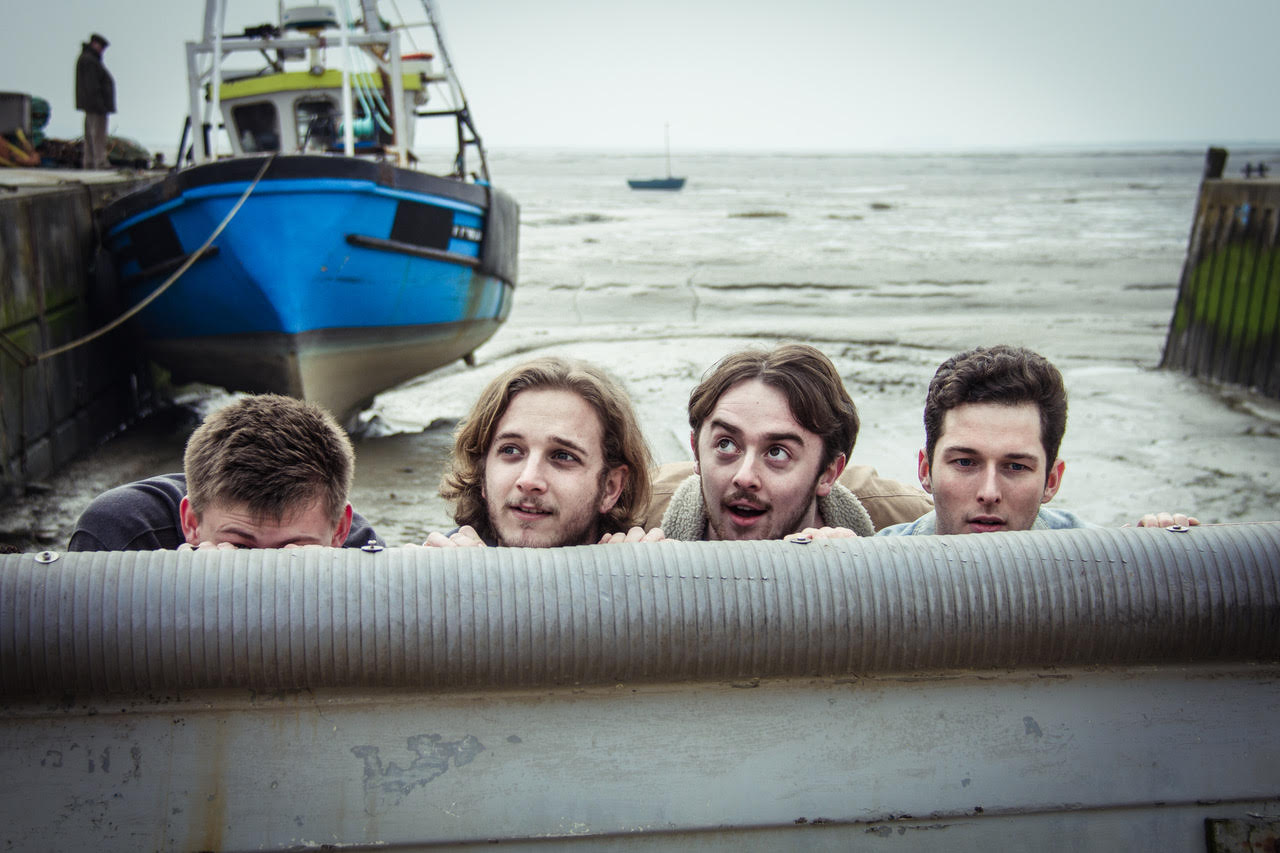
Straight from the Freetown Christiania district of Copenhagen comes Smag På Dig Selv, eager to deliver the most European dancehall-friendly version of jazz you’ve likely yet encountered.
Stream: ‘This Is Why We Lost’ – Smag På Dig Selv
Jazz and EDM.
They may not seem like the likeliest pairing, especially when one has traditionally been associated more with cozy, intimate lounges and the other with open-air street festivals and rowdy nightclubs. But then again, who doesn’t love a well-crafted creative juxtaposition?
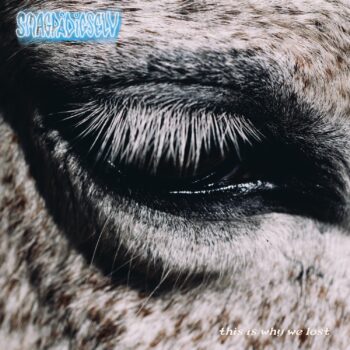
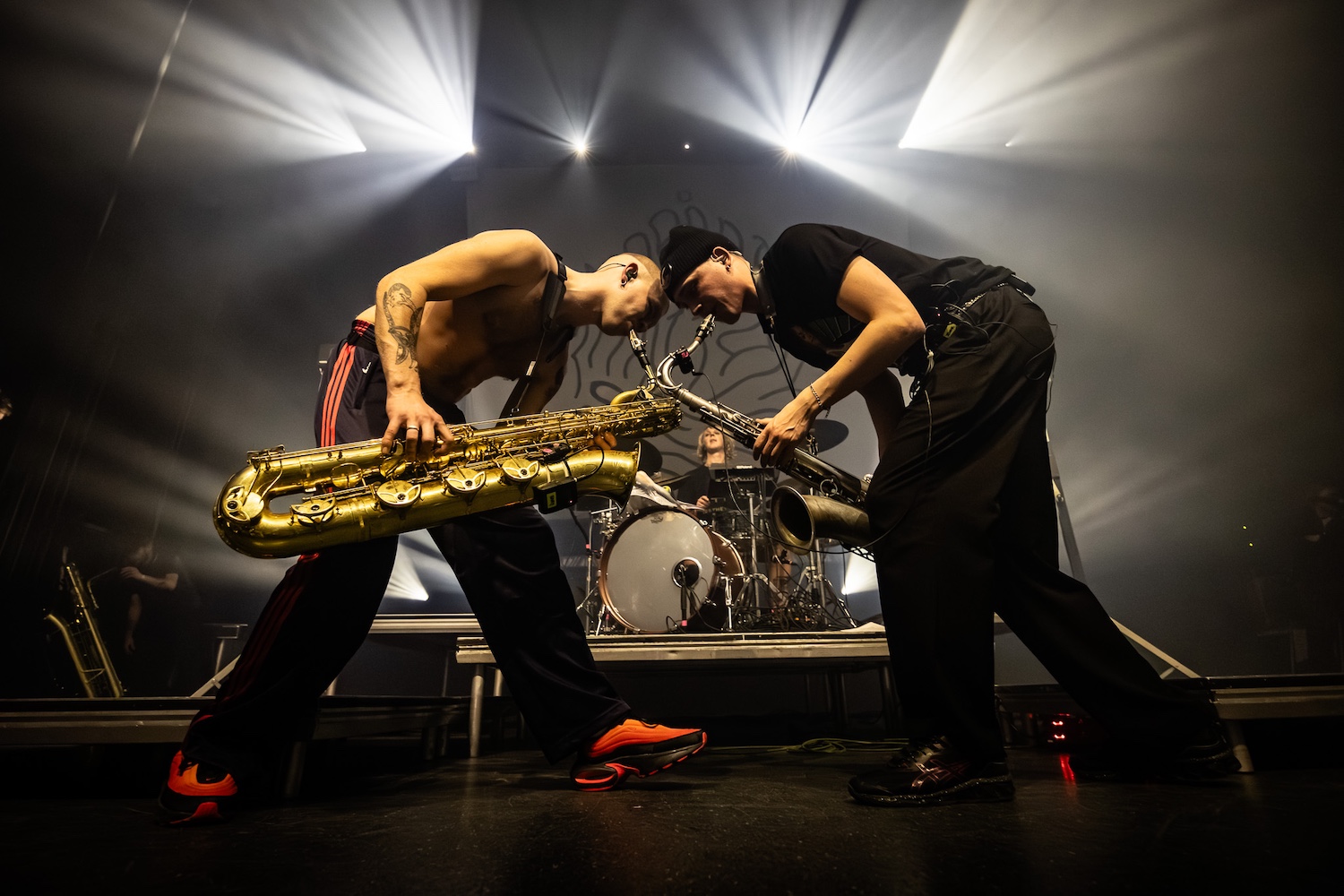
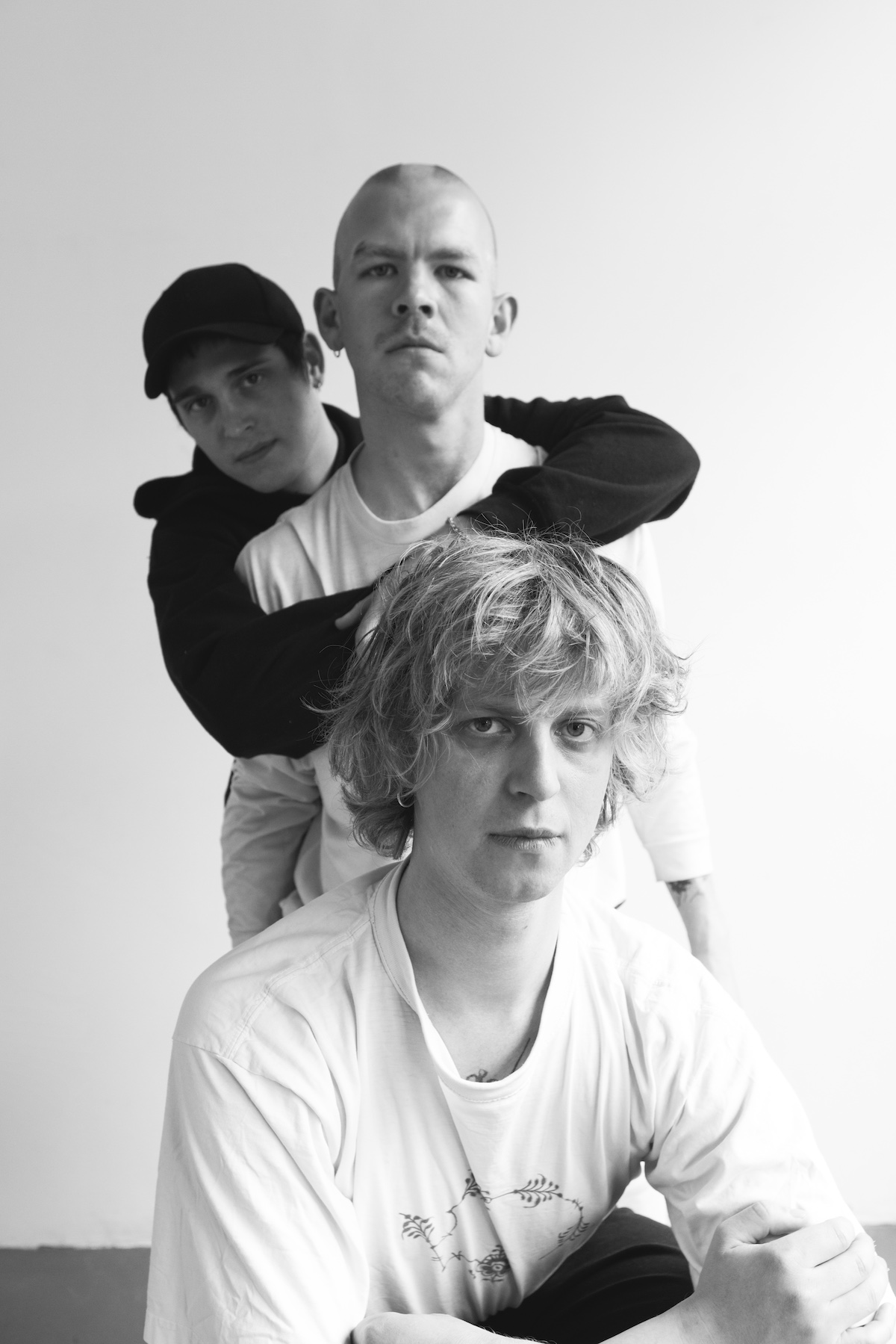
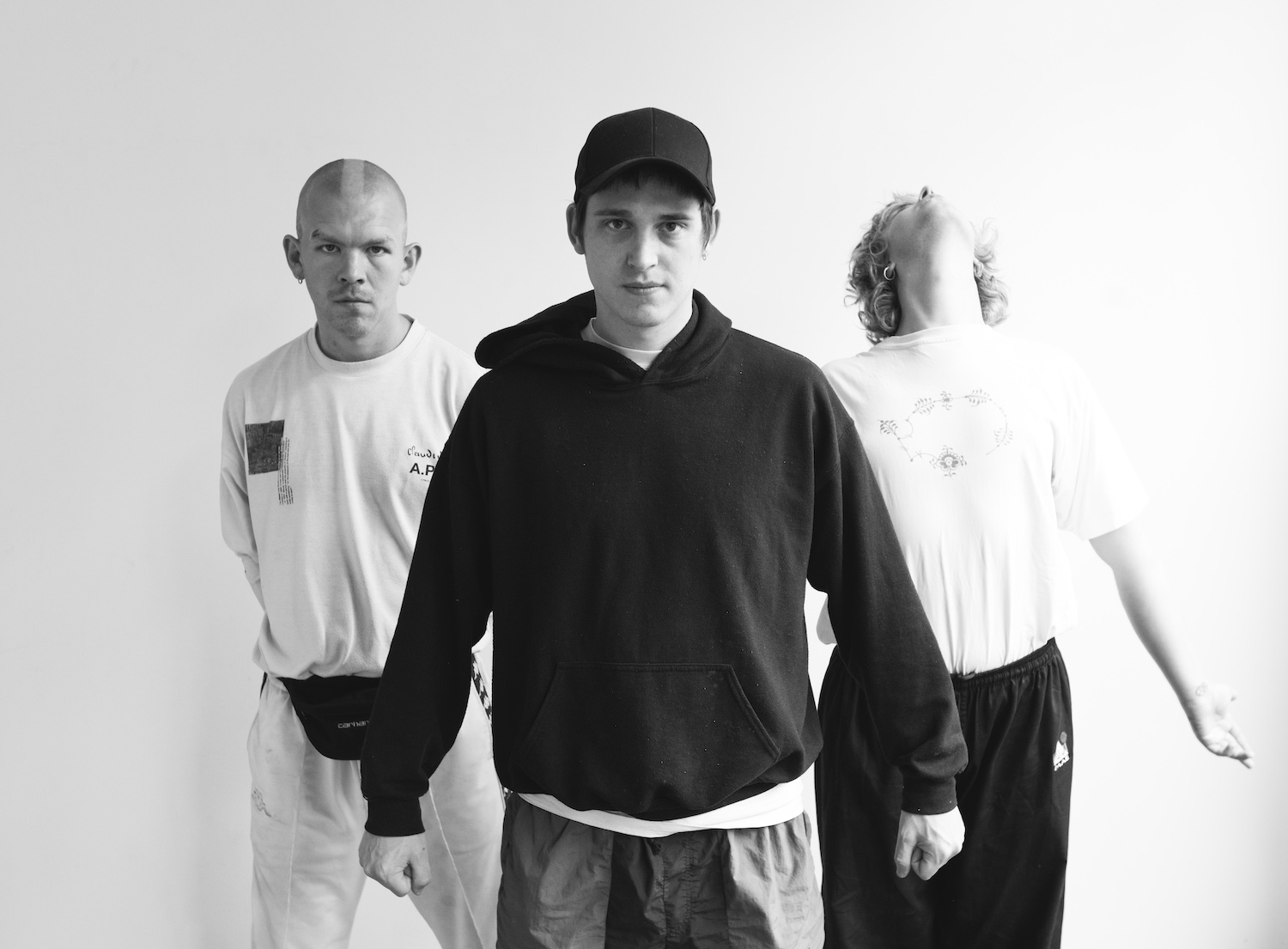
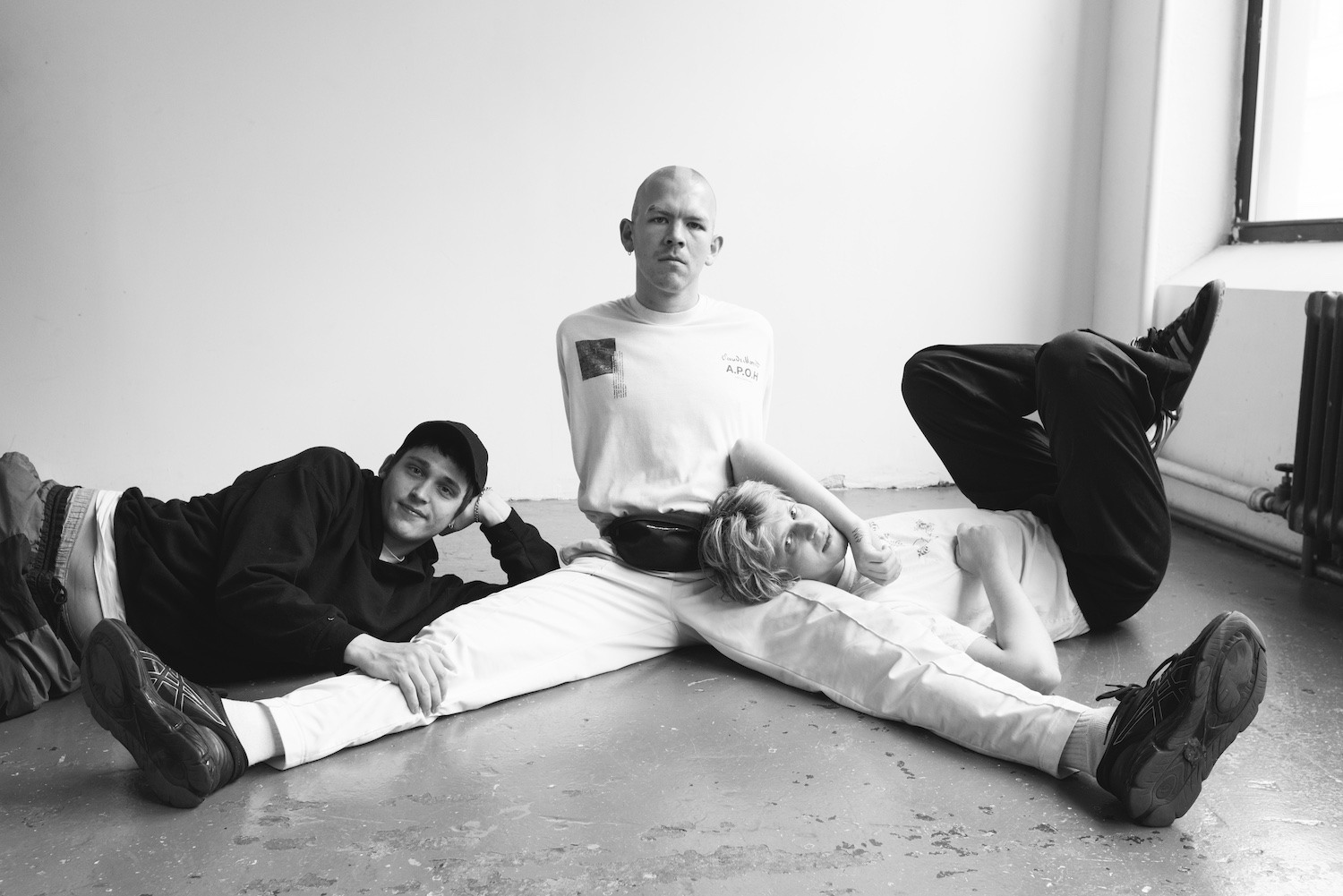
Three friends from the anarchist commune of Freetown Christiania in Copenhagen certainly have proven to be up for the challenge. Their names are Oliver Lauridsen, Thorbjørn Øllgaard, and Albert Holberg. With their combined musical strengths – Oliver on the tenor saxophone, Albert on the drums, and Thorbjørn on the baritone horn and bass saxophone – they formed the group Smag På Dig Selv in 2018. After a flurry of singles and EPs came their first full-length album, the self-titled SPDS, in 2024. And now, another new release has entered their catalogue: This Is Why We Lost, which came out on March 6th.
Their latest album finds them further exploring the exciting, yet previously little-tapped common ground between jazz and EDM. Their talents as instrumentalists shine as brightly as ever, and the guest singers and rappers they’ve brought aboard, such as Luna Ersahin and Viktoria Søndergaard, add some serious Scandinavian flair to the project. The trio are also planning to embark on a tour across much of Europe in April and May.
Shortly before the album’s release, two of the group members shared some insight into their artistic vision and development with Atwood Magazine, and detailed all that it took to turn This Is Why We Lost into a winner.
— —
:: stream/purchase This Is Why We Lost here ::
:: connect with Smag På Dig Selv here ::
— —
A CONVERSATION WITH SMAG PÅ DIG SELV
Atwood Magazine: When you were growing up in Copenhagen, what were some of your musical influences? Who did you listen to a lot, and what kind of steered you towards the path of making music yourselves?
Oliver Lauridsen: I think most of the band grew up in Christiania, this small, hippie town inside of Copenhagen. It’s like a little village that the hippies occupied in the ’70s. It was a former military base, and most of us grew up there. Albert is a second-generation Christianite – the name of someone who grew up in that little town there. I’m from just outside the fence, so to speak, but I grew up musically in Christiania as well. And there are so many venues in that little town – like, seven of them – and there’s so much music coming into Christiania. Personally, I had a lot of my influence from the local jazz club. Thorbjørn, who plays the bass saxophone – his old after-school instructor was a drum and bass producer, and I think that influenced him a lot.
Albert Holberg: My grandfather was a jazz musician. He was hanging out with the whole jazz milieu, I suppose you can say – people like Dexter Gordon and all of that. I was around a lot in Copenhagen back then, and my grandfather kind of put me onto playing drums. After that, I kind of found punk and metal music for myself.
Lauridsen: It seems like you fled jazz and spent a lot of your time doing metal, and now you’ve ended up with two saxophonists.
Holberg: Yeah, that’s fate. You can’t flee from it. Sooner or later, it will catch you.
Lauridsen: It always comes back around, right?
Holberg: Yeah, exactly.
Thanks, guys. So, you've mentioned that your music merges jazz, electronic, EDM, underground culture and such. It's fair to say these three things haven't really been combined so often before, at least not really to my knowledge. Why do you think that is, and what new ground would you see you're breaking by going ahead and combining them in your music the way you do?
Lauridsen: As I said, we grew up in a small village, and the number of people who played music there was quite limited. So, I think we didn’t start playing together because we like the same music necessarily, or because we liked each other. We just had to go along with the type of music which was available. And that led to the odd constellation of two saxophonists and one drummer. We come from so different scenes, and our music is just a compromise of all the music that we like. And I think that’s why we mix so many genres.
You have a new album now, but its predecessor, SPDS, came out two years ago in 2024. What sort of artistic statement would you say you guys were making at the time? And how was it significant for you to be making your first full-length album together?
Lauridsen: The first part of the album was recorded in a very primitive, local way, while the second part was more formally recorded in the studio. The album consists of two EPs, and we tried to show the development of our sound from one EP to the other. Before that, we were very much a live band, and we struggled quite a lot as to how to channel that energy in the studio. We just couldn’t really decide. So, the first part of the album is very much us just playing the songs in their more basic form, and the rest of it is us trying to go a more produced way in the studio.
Holberg: Yes, definitely. I was going to say more or less the same thing. It’s very much like an experience – we were experimenting to see what what we could do and how we were going to sound in the studio.
Thank you, guys. So now, let's talk about the new music. I know there are a few singles that have come out so far, such as “Let’s Go,” “Like a World I Never Knew,” and so on. How would you say these songs kind of introduce or set the tone for the rest of the album?
Holberg: I think they set the tone quite well. The album goes in a few different directions, but the general esthetic is very much [contained] in the singles.
Lauridsen: This record is kind of a coming-of-age record. The first single released was “Hits 4 Kids Vol. 3000,” which was like an ode to these Eurodance albums that came out when we were still in kindergarten. And we all had these memories of just dancing to this very happy escapist music with synthesizer melodies.
That was the first single, and then it kind of grew into this darker thing. We were trying to show that we wanted to take our music, and ourselves, a bit more seriously. So, we like to say that we, musically speaking, are the age of 18 now. On the old record, we were the age of 14, and now we are the age of 18. Also, the fact that “Our Mothers Made A Punk Band” is at the end of the album is like sending us on a journey to become musical adults.
You guys mature as you keep making more music! I like the thought of that. Okay, so, looking at your guys’ profile, it says that with this album, you wish “to create music that can exist within a trance club-oriented setting while still carrying a strong melodic and narrative arc.” Given that you set out to make a new record with that goal in mind, what are some ways in which the final album, This Is Why We Lost, achieves all that?
Holberg: The album has a very clear journey, if you listen to it from front to back. I think it kind of succeeds in that sense, at least way more than we thought we would be able to do, as a cohesive kind of journey and progression. It’s way darker than our earlier releases while still maintaining all of the melodies and stuff. It’s very trancey and techno-inspired. I think it achieves our goals well.
Lauridsen: I agree, especially on some songs in particular. For instance, the openings song of the album, “Like a Word I Never Knew,” really succeeded with that. You go into this trance where you don’t really listen to the saxophone solo. You listen to it in a transcendent way, and the beat is so repetitive that you don’t kind of notice that the saxophone solo is five minutes long. I think that we get away with it, actually. So, I feel like we matured. We dared to make a song that is seven minutes and not change the mood every other second.
Only three days until the album comes out. Big, exciting times! Anyways, what are you looking forward to once the album finally comes out? How do you hope that fans will connect with it? What do you hope they'll take away from it?
Holberg: I hope that they’ll kind of agree with what we feel about the album, in terms of our progression from our prior albums. I hope that people will like the mature sound of it like we do. And I hope that it will bring some exposure to different people, seeing as it is a bit less funny and more serious than our previous music. Hopefully, that will kind of open people’s eyes to how dance music can be so much more than whatever is on the radio, I suppose, while still maintaining good production and melodies.
Lauridsen: I also hope that we kind of set new boundaries for [our music] with the constellation of two saxophones and one drummer. I feel like we really succeed in pushing those limits – we get very far with three instruments. I feel that and I’m proud of it. So, I also hope that that’s something people take into account – how different this constellation actually can sound. Maybe it’ll motivate other people to extend their beliefs of what a band is. Maybe they’ll [be inspired to] do other constellations and break the format a little bit, by moving away from guitar, bass, drums, and singing.
I know you guys are going on tour pretty soon to promote the album. What you're looking forward to from that experience, and what are some ways in which you think your music kind of takes new life once you're able to do it live in front of an audience and all?
Lauridsen: I think we all now understand the real pain of what post-touring blues is. We’d been touring for two straight years, and when we came back in December, we all were kind of a bit confused because we were used to this structure of touring. So, I think we’re all looking forward to being on the road again because, in the end, that’s where you feel most at home – at least for me, that’s what I feel like. I’m looking forward to that and to showing people that we kind of managed to develop our live sound again.
I think it’s going to be very electronic, and I’m just looking forward to showing people that. I think we keep getting better and better at developing our sound, and I’m proud that we are able to do that because, in the end, we are only three instruments. I think we managed to do that. We became more electricians than musicians.
Holberg: Oh, it’s horrible.
Oliver: It is. Especially when we are so bad at things. We spent a lot of months and weeks in the IT dealing business, hoping it would give us fruits. I will pray for no technical issues this year.
Are there any countries you guys are especially looking forward to performing in?
Lauridsen: I mean, Greece is always a blast… I feel like the music hits very well in Greece. Yeah, I’m looking forward to that. But also Romania and Portugal. It’s gonna be really nice. It’s gonna be so nice.

That's awesome. Way to go, guys. Okay, so I know your album's just about to come out, but are you thinking about any other projects down the road – more music or other stuff?
Holberg: We are definitely writing new stuff as well, slowly, but most of our focus right now is just getting ready for this year’s touring. We are writing new stuff as well, trying to find fun ways to evolve and progress, and to figure out what we want to try out for the next album.
Lauridsen: Yeah. I also think that we are now just in the process of trying to find out how we’re gonna execute this music in a live format. We are also going to play a world tour in our hometown area, Christiania. I’m gonna do a Christiania world tour where we’re gonna give back to the collectiveness and the society by playing all the new music live there. That’s our next thing coming up here, from the 22nd to the 26th of March.
Thank you guys. I definitely wish you well with the new album and all.
Holberg: Yeah, take care, and have a good one.
Lauridsen: Bye.
— —
:: stream/purchase This Is Why We Lost here ::
:: connect with Smag På Dig Selv here ::
— —
— — — —
Connect to Smag På Dig Selv on
Facebook, TikTok, Instagram
Discover new music on Atwood Magazine
© Erling Brodersen
 © Erling Brodersen
:: Stream Smag På Dig Selv ::