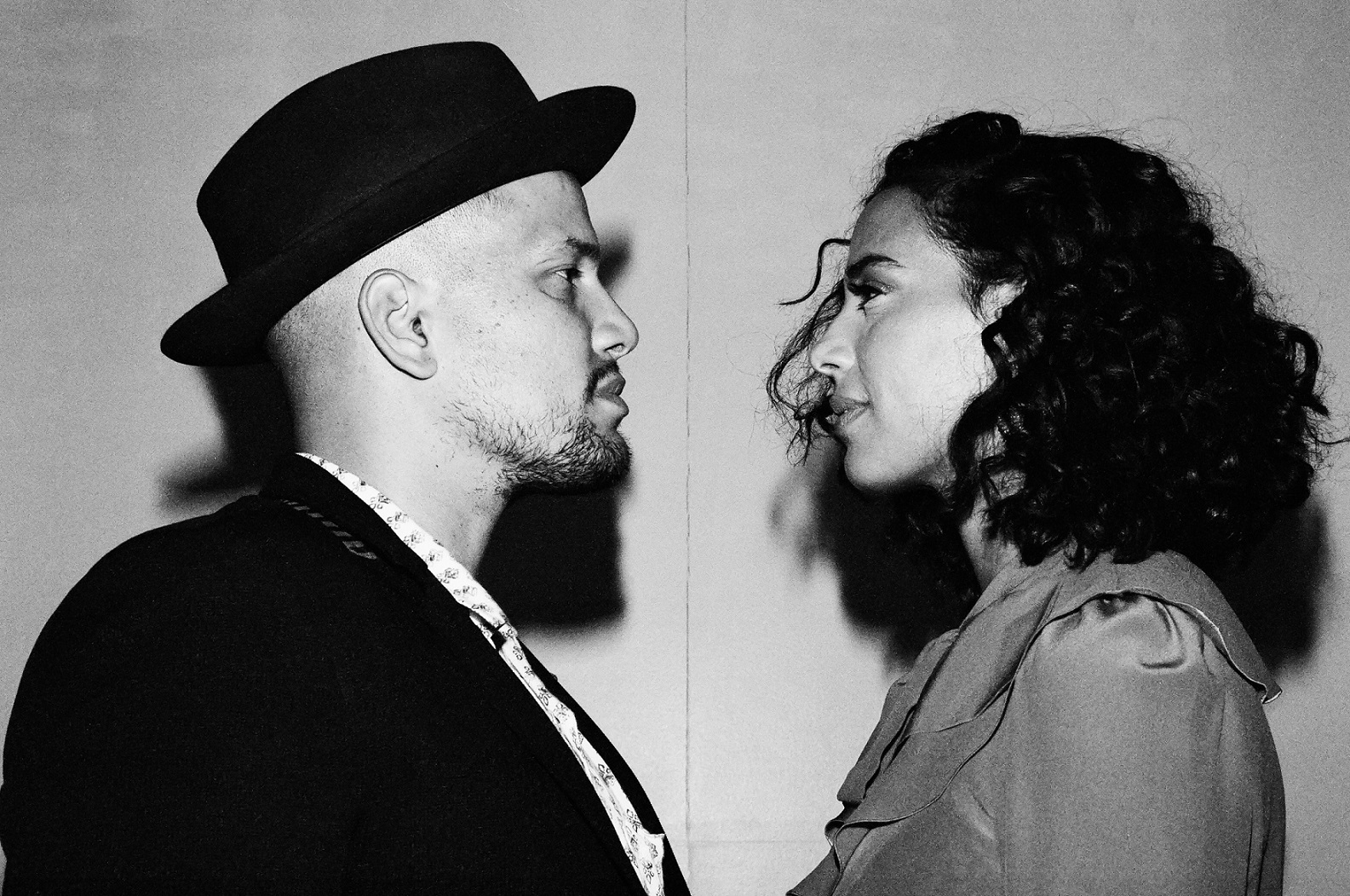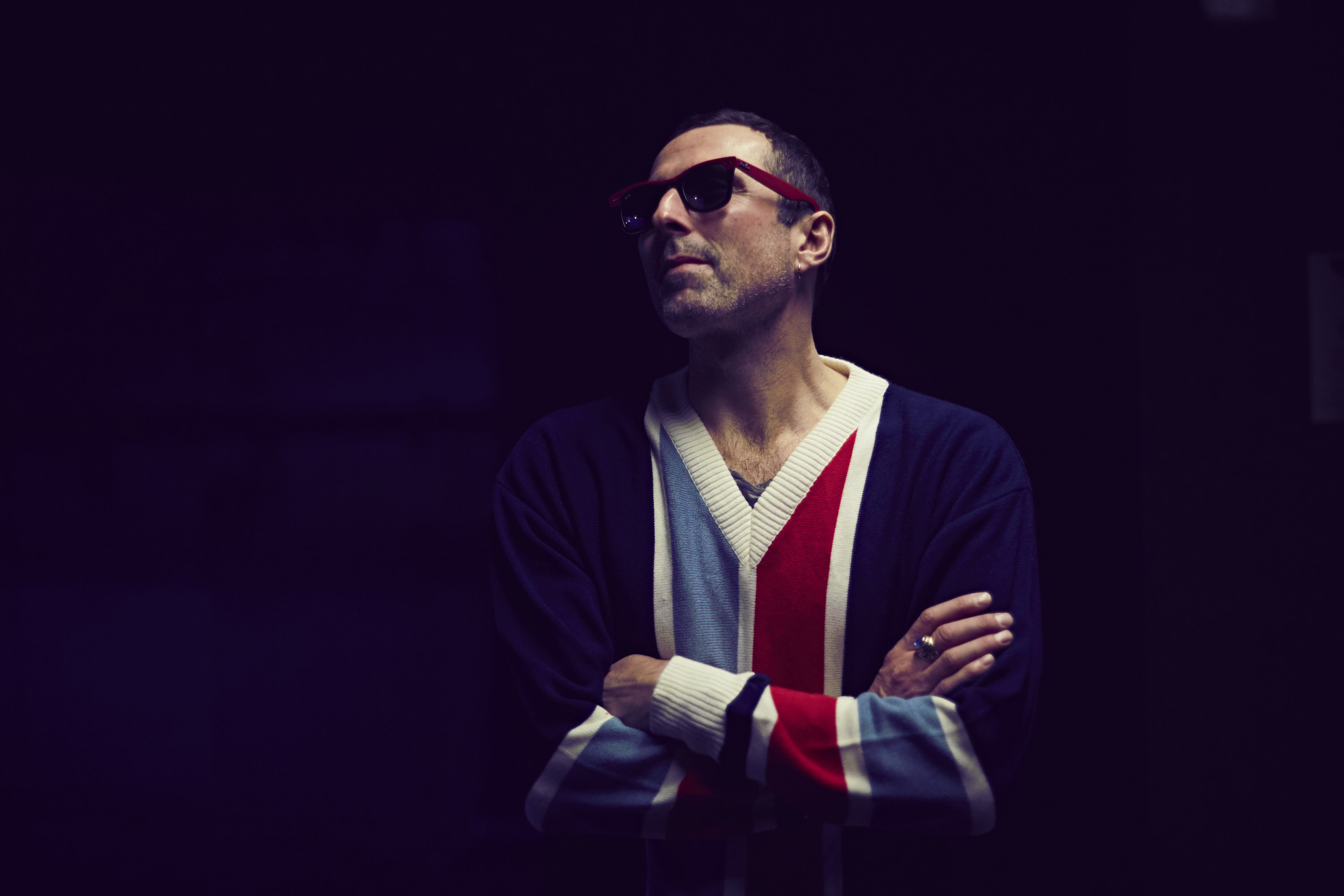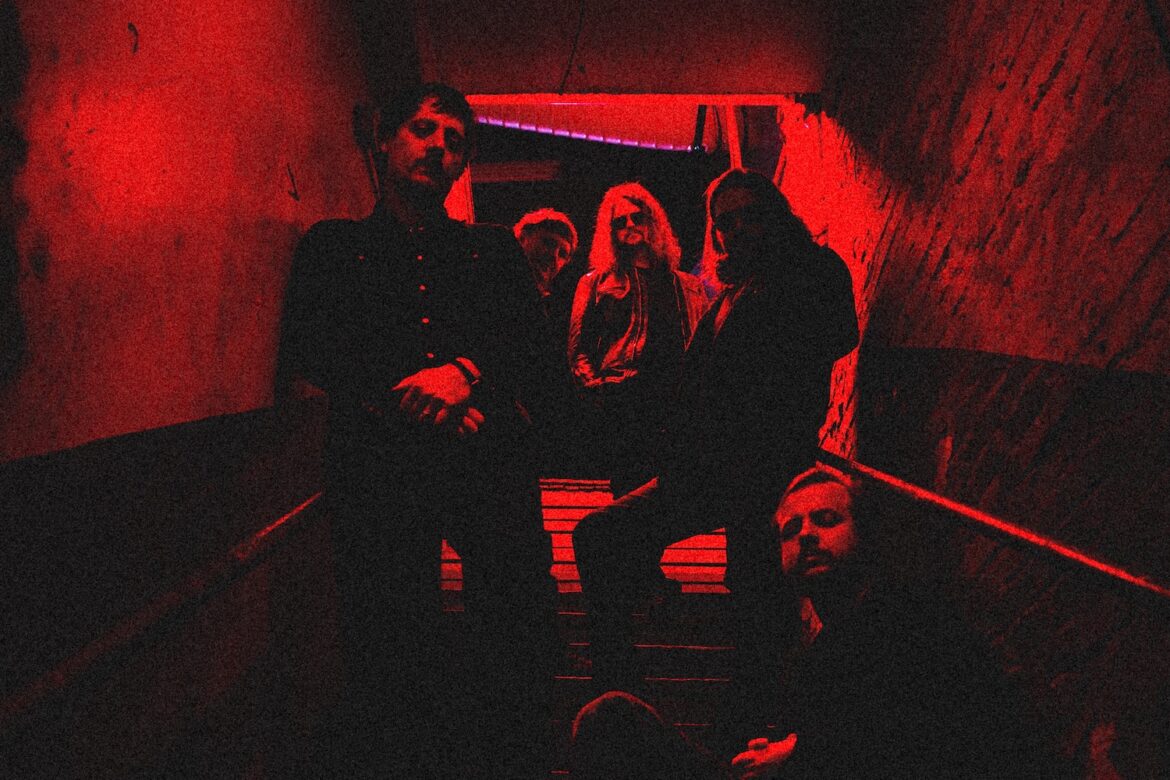
Sturgill Simpson didn’t just change his name to Johnny Blue Skies. He broke free from one of modern country music’s most celebrated identities, creating the room to go wherever he wants.
Stream: ‘Mutiny After Midnight’ – Johnny Blue Skies
Outlaw country music is supposed to be about rebellion.
For my money, nobody did it better than Sturgill Simpson. But what happens when it feels just as constricting as the rest of country music?
He decided it was time to shun expectations and even his previous name. “There’s a contrarian in me that always wants to push against any kind of expectation,” Simpson has said. “If something works, there’s a thought in my brain, like, ‘No, I’m being told to do that again.’” He became an outlaw from outlaw country.
In his 40s, after maturity, depression, temporary loss of voice, COVID, and travel, Simpson changed his name to Johnny Blue Skies. Is this a name change, a reboot, a rebrand, or something else? Maybe all of that and maybe none of it, exactly.
Simpson was already the most notable practitioner of modern, genre-busting country music, at least if you use SiriusXM’s Channel 62, Outlaw Country, as a barometer. As Sirius describes the station, “Music that won’t be fenced in.”
The genre has been a persistent offshoot of country, often identified as something that Willie Nelson and Waylon Jennings unofficially started when they found the country music industrial complex too confining.
Sturgill Simpson achieved great success with his first five albums, and his music already stood for being iconoclastic and not tied down to country. He was already known as one of country music’s most psychedelic artists, and already spoke French and traveled the world before this 2024 name change.
He was already way too non-traditional and experimental for corporate country radio formats. But even having that much latitude as Sturgill Simpson was still too narrow a lane for him. He needed something else and when he took a train to Paris in 2022 and stepped onto the streets, he felt “it was like seeing life in color again for the first time in a long time,” said Simpson in a 2024 GQ interview.
Why Names Matter
Names and expectations influence listeners profoundly, no matter how much we can deny it.
At some point, Stephen King needed to write as Richard Bachman to give his books a fresh start with readers; the name “Stephen King” began to mean too many things to too many people.
It’s perhaps even more so in the world of music, where confining expectations and conventions are everywhere. We can call Simpson’s name change a “reboot”, but it sure seems like what he wants to do as Johnny Blue Skies and with JBS albums is too expansive even for outlaw country or whatever “Sturgill Simpson” started to mean.
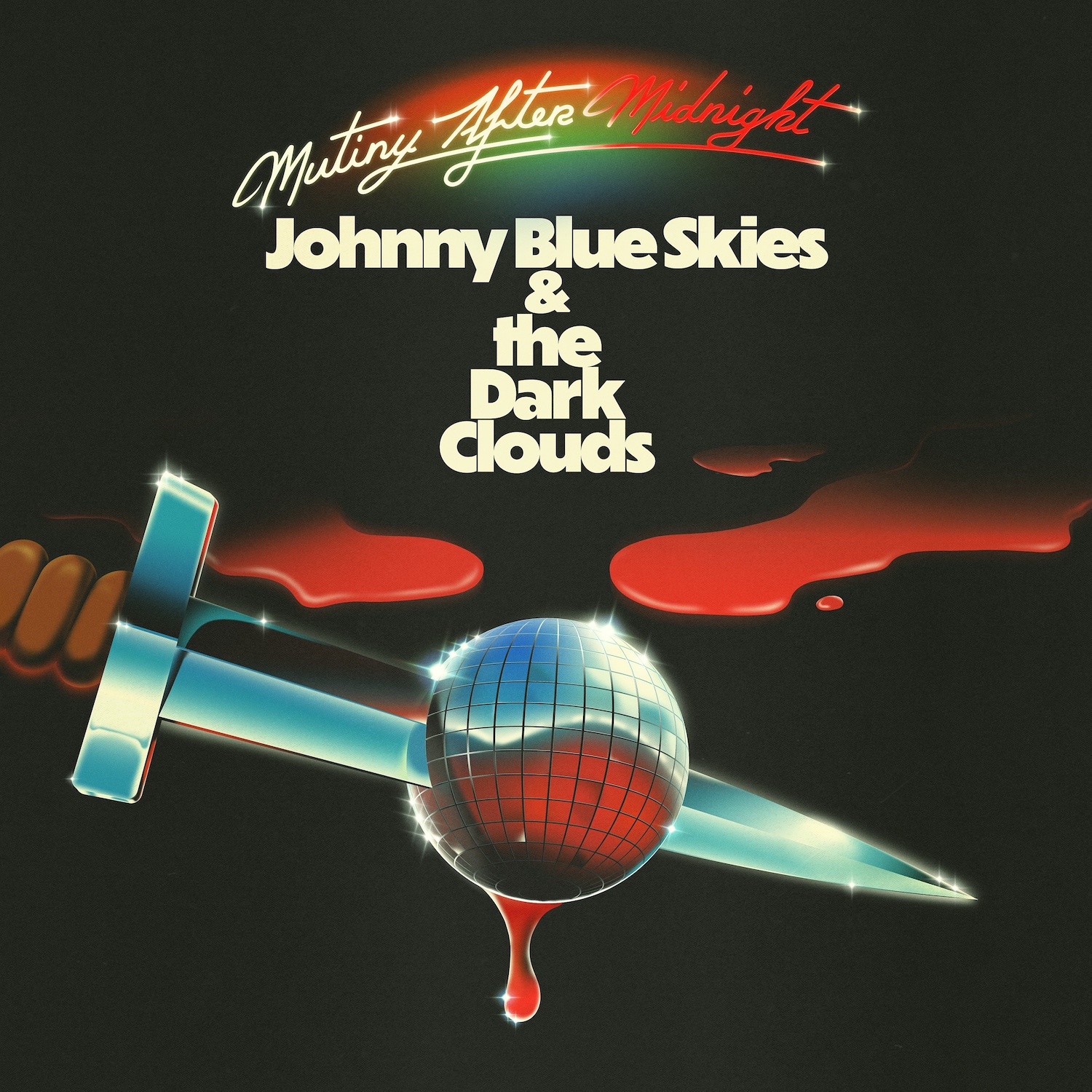
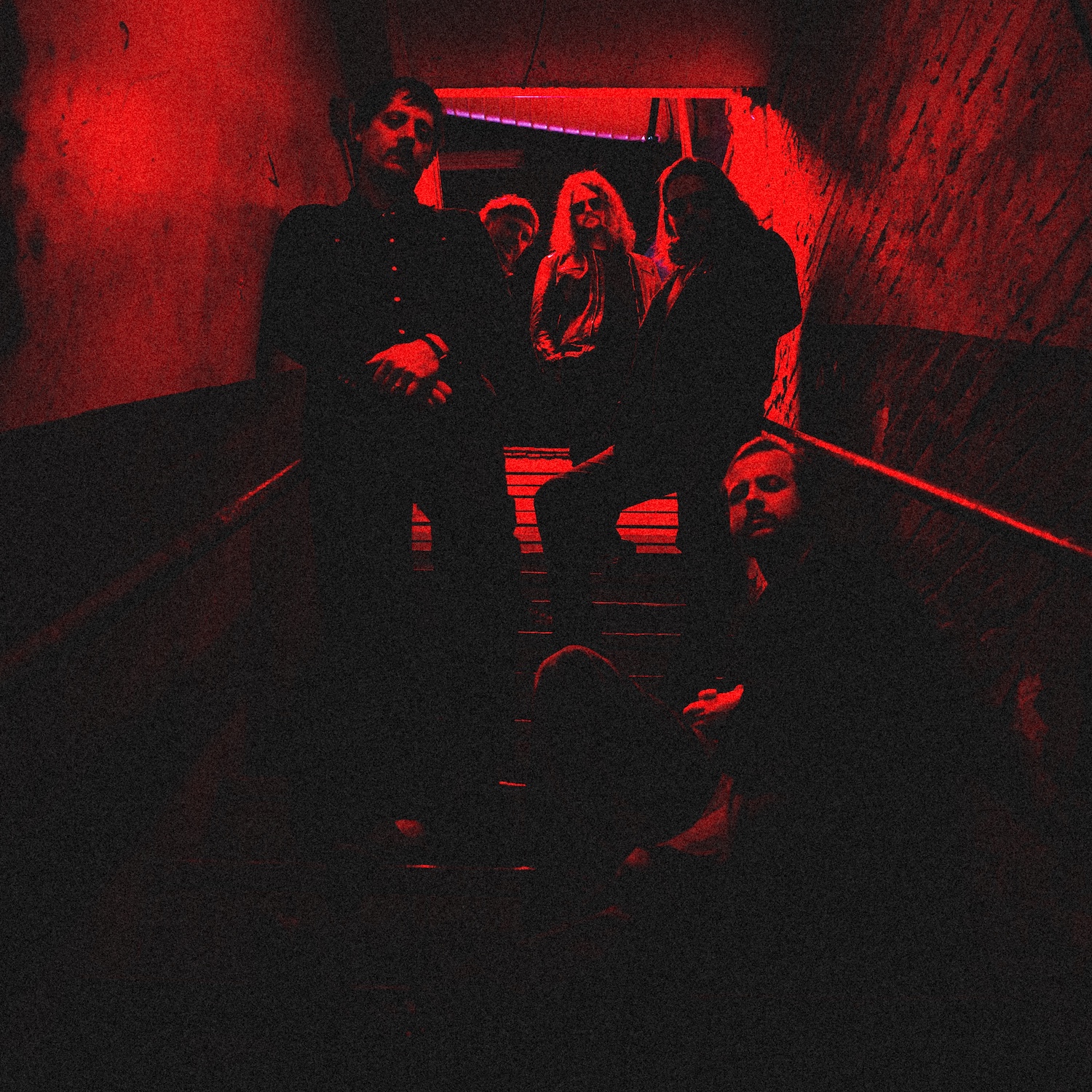
Starting with the Passage du Desir record in 2024, and more so with his new album, Mutiny After Midnight, anything goes. Think of “Johnny Blue Skies” not even as a name change but as a creative umbrella. This isn’t a novelty like a country star doing some single with a hip-hop star; we can feel that he’s making exactly the kind of music that he wants to.
Put on different songs and at times you’ll think you’re listening to John Prine, Allman Brothers or Clapton from the 70s, or Robbie Robertson or Dwight Yoakam of the ’90s, or possibly even something like 2010s Chuck Prophet or Tedeschi Trucks Band. Particularly when it comes to his guitar playing, he sounds amazingly like Robertson or Clapton.
Yet, Johnny Blue Skies isn’t running away from country. One out of every three or four songs, he sounds like the reincarnation of Waylon Jennings. Simpson’s voice in particular can pull it off; he has so many singing styles and registers, he could be a vocal impressionist if there was a market for that sort of thing.
Outlaw wasn’t supposed to be a tradition with its own rules. But its history shows two routes to go for these legends. Willie Nelson wanted to constantly break rules, defy expectations, try new things. Meanwhile his friend Waylon Jennings for the most part stayed in outlaw guy mode. Willie’s wanderlust definitely seems like the model for Simpson. As much as it’s obvious that he loves John Prine and Waylon Jennings, he needed to be Johnny Blue Skies to break free.
In the GQ interview, Simpson described hearing people say “Sturgill Simpson” in public and feeling like it wasn’t even his name anymore, just a commodity.
Love Minus Zero – No Limits
Some of the greatest artists in music made change and genre shifting a huge part of their legendary careers. Bob Dylan had phases of two or three albums in a genre before moving on. Bowie had a series of identities (Ziggy Stardust, The Thin White Duke, guy in a nice suit reinventing dance pop, etc.) and happily jumped from one to the other. Miles Davis, just like painter Pablo Picasso, has five distinct periods to classify his output – Bebop, cool jazz, modal jazz, fusion, funk for Davis; blue, rose, surrealist, Cubist and neo-classical for Picasso.
And none of them even changed their names. Simpson seems to be saying this is enough of a break that he needs psychological distance.
Some name changes are relatively superficial. David Johansen left the New York Dolls behind to become Buster Poindexter but that was an act. Prince became an unpronounceable (and untype-able) symbol, but that was to do battle with his record company. Cat Stevens became Yusuf Islam, but that was religious. In country, Garth Brooks became Chris Gaines, but that seemed a whole lot more of an alter-ego, almost cynical, ill-fated marketing stunt.
Johnny Blue Skies seems like it’s all about newfound freedom and comfort in his skin again. And it shows on Mutiny After Midnight.
“Venus” sounds like Ry Cooder recording the intro to a funky Galactic track. “Excited Delirium” could be what resulted if you dared Drive-By Truckers to sound like The Police. “Don’t Let Go” is still great country, like a Merle Haggard song by way of Ryan Adams. The fun Eddie Murphy “Party All the Time” cover is like French-Kentucky-reggae.
Hell, the album starts with the unclassifiable “Make America Fuk Again” and ends with a Procol Harum “Whiter Shade of Pale” rendition that is simultaneously ultra-faithful and yet Johnny makes it all his own.
The one on this new album that I keep coming back to is “Situation.”
I’ve said this in an earlier Atwood review of the song, but it’s a “let’s f***” song that sounds way more like a Cowboy Mouth and Robert Randolph party than anything with the word “country” in it.
Some artists just insist on having it all with no limits: Willie Nelson, Tom Waits, Elvis Costello, David Bowie, Bob Dylan. All five of those are artistic heroes and also have excellent film acting in common. Not only do they want to avoid being boxed in by genre, but they don’t want to even be limited to music.
I think Johnny Blue Skies is in this rarefied air of being able to do anything. He’s still got a great following, and it’s not like this is a name change for him trying to hide or fool people; he’s trying to grow. I don’t get the sense he cares about money or wants to be working sports arenas. Saying the world is his oyster seems like a cliche, but it sure seems true.
There’s something deeply satisfying about having an artist to root for. Maybe it’s the same feeling kids have when they hold onto a favorite player’s rookie baseball card: somebody to root for, admire, and follow. It’s not just admiration for what they did, but excitement for what they might do next. Sturgill Simpson is right there for me.
What a treat it must be to be Johnny Blue Skies right now.
— —
:: stream/purchase Mutiny After Midnight here ::
:: connect with Johnny Blue Skies here ::
— —
— — — —
Connect to Johnny Blue Skies on
Facebook, 𝕏, Instagram
Discover new music on Atwood Magazine
© Edwin Keeble
 © Edwin Keeble
:: Stream Johnny Blue Skies ::