From quiet towns to mountaintop views, the Hudson Valley has long been a haven for artists seeking space, inspiration, and community. There’s something in the water, something in the air, and as a recent Hudson Valley resident myself, I’ve experienced this magic firsthand. Each week, I’ll speak with a different artist about what keeps them rooted here – and how this singular region continues to shape their lives and their art.
•• •• •• ••
Today, Ulster county native James Felice of The Felice Brothers reflects on his experiences as an artist living in Kingston, New York.
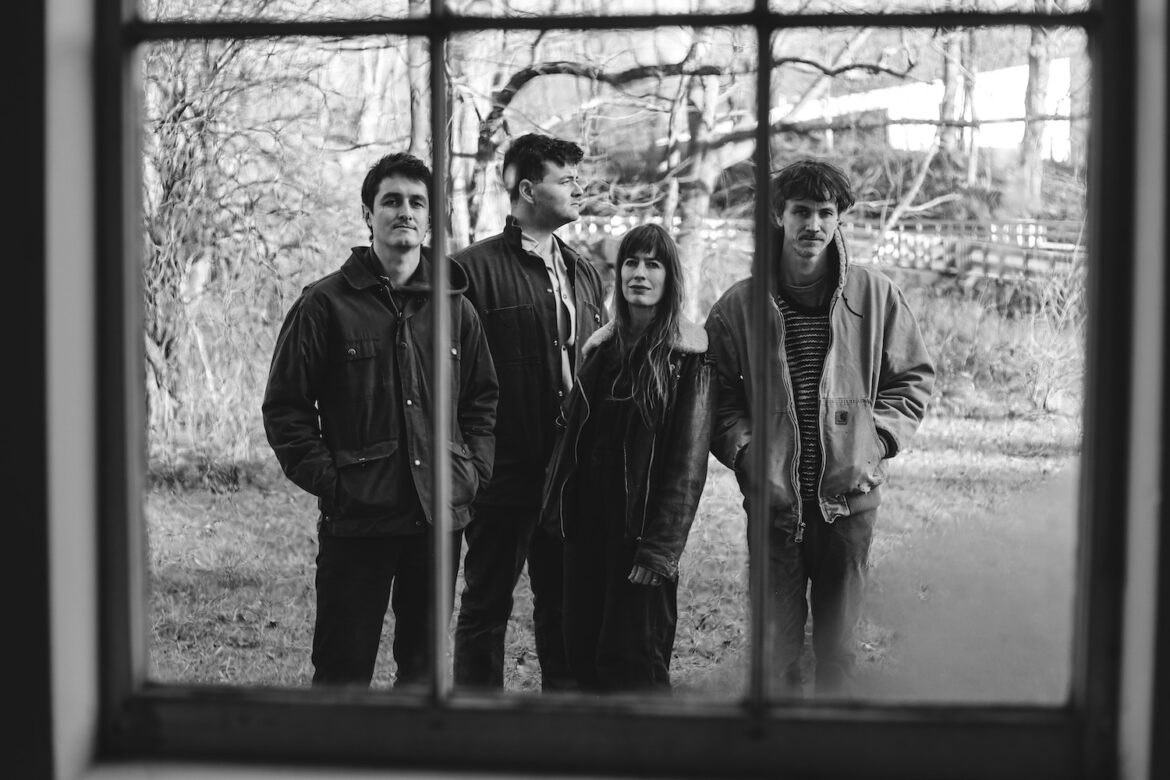
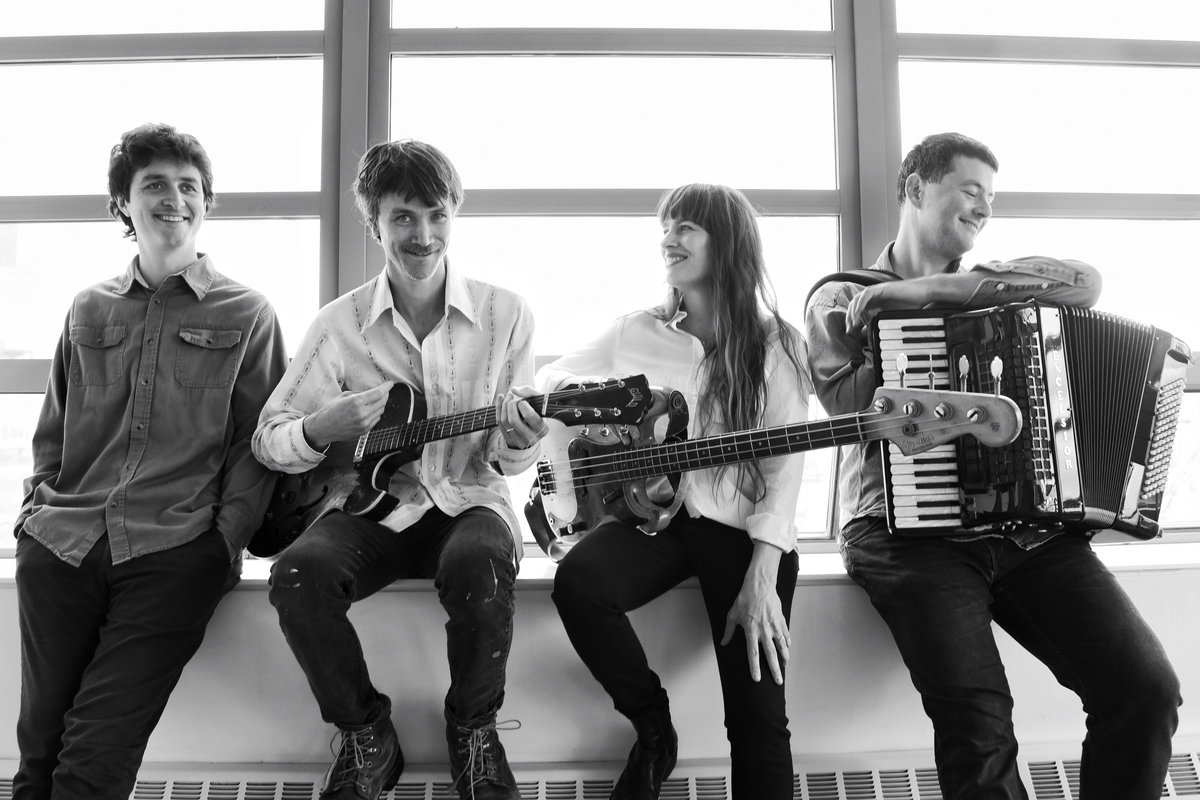
The Felice Brothers first emerged from the Hudson Valley nearly two decades ago with a gloriously ramshackle sound that drew on everything from Woody Guthrie and Bob Dylan to Walt Whitman and Flannery O’Connor. In just a few short years, the group – today comprised of Ian Felice on guitar/lead vocals, James Felice on keyboards/vocals, Jesske Hume on bass, and Will Lawrence on drums – went from busking in the subway to playing Radio City Music Hall with Bright Eyes and appearing everywhere from the Newport Folk Festival to Levon Helm’s Midnight Ramble. Beginning with 2007’s ‘Tonight At The Arizona,’ the band helped pave the way for the modern folk revival, while at the same time challenging its boundaries and conventions with bold sonic experimentation and unyielding integrity. The New York Times likened their music to “the rootsy mysticism of the Band,” while Rolling Stone praised the “scrappiness” of their “folk-rock noir,” and The Guardian hailed their songs as “impeccably crafted, with literary-minded lyrics that are both playful and profound.”
The band’s newest record, ‘Valley of Abandoned Songs’ (2024), marks The Felice Brothers’ debut for Conor Oberst’s new Million Stars label and showcases the group at their most intimate and unvarnished. Balancing hope and despair in equal measure, the album explores the search for meaning and connection through the eyes of a wide-ranging cast of misfits and outcasts, and though the recordings here span several years of almost-lost tunes, the result is a thoroughly cohesive collection that manages to feel both utterly timeless and particularly attuned to the present all at once.
•• ••
James Felice
Atwood Magazine: What originally drew you to the Hudson Valley – or kept you here, or brought you back – and how has this place shaped the way you live, create, and connect with others?
James Felice: I was conceived, born, and raised in the Hudson Valley. I never left, I’ve never even left Ulster county! I never even considered living in another place. I’ll most likely die here, too. This is my home and has shaped most every part of the man that I am.
There’s something undeniably special about the Hudson Valley – from its epic mountains and lush forests to its winding rivers, rolling hills, and vibrant, tight-knit creative communities. What do you love most about living here, and how does the region influence your art, your mindset, or your sense of home?
James Felice: I can’t divide myself from this place. It is the water in which I swim. Most everything I am must has first bounded from a Catskill mountain stream, and must now be flowing down the Hudson River, must have been drawn up into the willows and the dying hemlocks and the gregarious and proud red oaks, and lay in shallow clear pools of abandoned bluestone quarries.
Tucked between New York City and Albany, the Hudson Valley can feel like both a retreat and a crossroads. How does being in this unique, multi-faceted space inform your identity as an artist, and what has it allowed you to tap into that you might not have found elsewhere?
James Felice: For me, it’s neither retreat nor crossroads. I acknowledge that it is to city people and transplants and weekenders seeking respite and quiet and country quaintness. But this place has its own people and it’s own culture and history independent from the NYC’s influence.
It’s interesting…We benefit and suffer in equal part from the culture and money that extends up the Hudson River like a vine. Its fruits sustain our service industry which is essential to our economy, and provides us with many interesting and dynamic people who, in the best case, spend their money and their time with us generously. Some of them even stay and make this place their proper home, and their presence is an unquestionable boon. But this vine also can choke us. The overwhelming wealth of many of the people that come here has displaced many of us, and the overwhelming culture has erased some of what has made this place so unique.
People come here to tap the mountains. To tap the ‘magic.’ We must be careful not to tap this place out. That we have to sustainably and conscientiously feed back into the Hudson Valley what we drink from it. To keep this beautiful place verdant and inspiring. Both home and retreat. Both crossroads and driveway. Both vibrant and inspiring, and just another place in America where normal people can afford to live their lives with dignity.
— —
This was originally published in a special physical edition of Nourish in collaboration with Atwood Magazine on June 13, 2025. Dive into the physical edition of that zine and learn more about Nourish at howdoyounourish.com!
— —
:: stream/purchase Valley of Abandoned Songs here ::
:: connect with The Felice Brothers here ::
— — — —
Connect to The Felice Brothers on
Facebook, 𝕏, Instagram
Discover new music on Atwood Magazine
© Caitlin Greene
 © Caitlin Greene
:: Stream The Felice Brothers ::