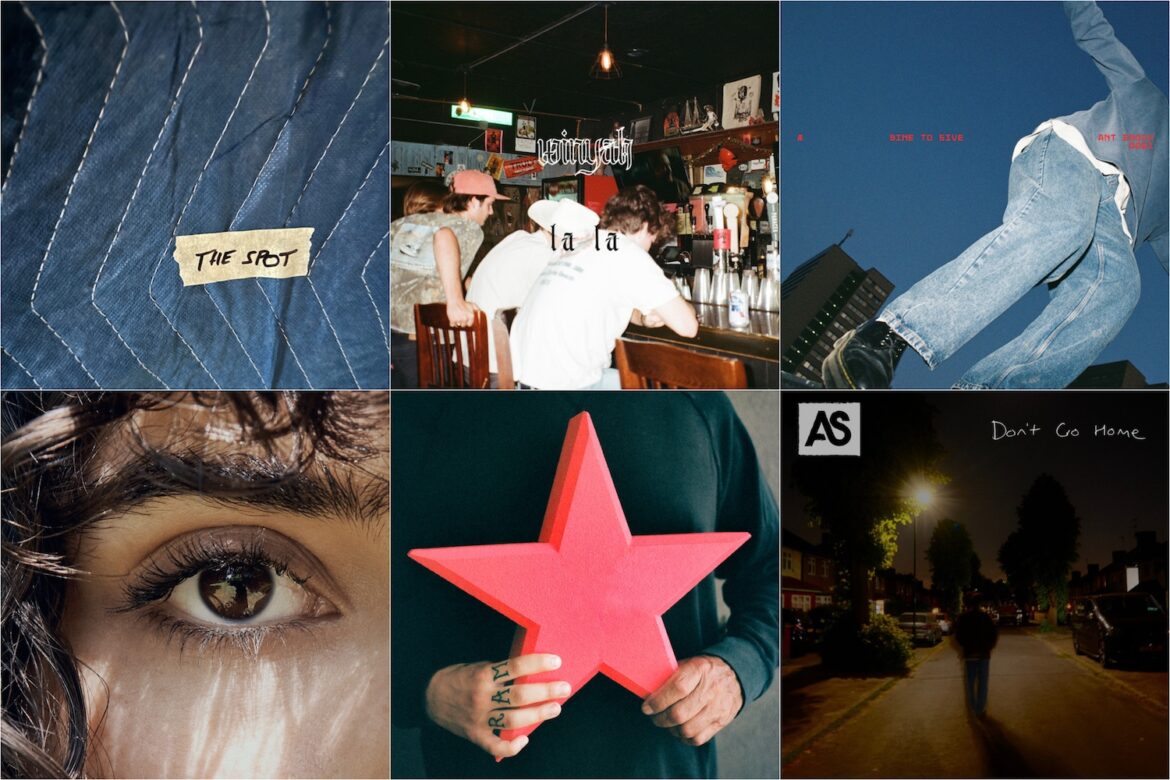
Atwood Magazine is excited to share our Editor’s Picks column, written and curated by Editor-in-Chief Mitch Mosk. Every week, Mitch will share a collection of songs, albums, and artists who have caught his ears, eyes, and heart. There is so much incredible music out there just waiting to be heard, and all it takes from us is an open mind and a willingness to listen. Through our Editor’s Picks, we hope to shine a light on our own music discoveries and showcase a diverse array of new and recent releases.
This week’s Editor’s Picks features Asha Banks, Ashley Singh, ANT ENOCH, Winyah, The Sophs, and Perren!

 follow EDITOR’S PICKS on Spotify

“Rerun”
by Asha Banks“I just wanna get out of my head, get into my heart, get into your bed.” From the very first line, Asha Banks lays her soul bare, turning desire into poetry – raw, radiant, and unguarded, inviting us into a world where longing and honesty blur into one breathtaking confession. Some songs feel like they were written in the quiet corners of a diary, whispered in secret and never meant to be heard – and yet “Rerun” invites us in completely. Asha Banks opens the door to her inner sanctum on this stunning, soul-baring serenade, her voice hovering close to the mic like a confession. She aches in real time, her words trembling between longing and restraint as acoustic guitars, banjos, and soft drums bloom around her in a slow, breathtaking swell. What begins as a quiet flicker of emotion soon bursts into full technicolor – a wondrous, warm, and achingly intimate reverie that leaves you smiling through the ache.
Back to square one,
break the ice on
Are you looking for a rerun?
Think I’d like to
be those people
Always getting out of frame,
but never equal

Released August 14, 2025 via Island Records, “Rerun” marks the beginning of a luminous new chapter for the 21-year-old British singer, songwriter, and actress. It’s the first taste of her forthcoming sophomore EP How Real Was It? (out November 14), and her first release on a major label – a milestone that feels both personal and far-reaching. The song channels the magnetic honesty that defined her debut EP Untie My Tongue into something freer and brighter: A sunlit reflection on desire, impulse, and the thrill of surrendering to what you know you shouldn’t.
“‘Rerun’ is about questioning yourself and what you know you want,” Banks tells Atwood Magazine. “It’s full of desire and what-ifs and about returning to something you probably shouldn’t. It’s fun and upbeat whilst still recognising the hard truth. I had the best time writing it, and I’m so thrilled and proud for it to be coming out!”
That tension – between desire and doubt, yearning and self-awareness – gives “Rerun” its breathtaking magic. The track bridges honesty and playfulness with disarming ease, its candor glowing like candlelight. Banks’ delivery is raw and radiant, her storytelling intimate yet universal: A portrait of surrender, spontaneity, and the messy, beautiful contradictions of wanting what you know you shouldn’t.
Mmm, I’m terrified to say it first
Mmm, oh, ’cause if I’m wrong,
it’s gonna hurt
I just wanna get out of my head
Get into my heart, get into your bed, oh
I just wanna get out of my head
Get into my heart, get into your bed
“I just wanna get out of my head, get into my heart, get into your bed.” That lyric sits at the core of “Rerun,” carrying both ache and freedom. “It’s about wanting to let go,” Banks says. “It’s about trying to allow yourself the opportunity to be spontaneous and make maybe not the best decisions. But knowing the possibilities and letting yourself for once to say f* it.” You can hear that release in her delivery – the way she exhales each chorus as if shaking off doubt. The song moves like a heartbeat learning to trust itself again, blurring the line between hesitation and surrender.
Banks wrote “Rerun” earlier this year alongside producer and collaborator Josh Bruce Williams, who also helped craft her Untie My Tongue EP. Together they found a new rhythm – one that leans brighter, bolder, yet never loses its intimacy. “It felt like a fun step in a more upbeat direction after Untie My Tongue,” she shares, “but still had the same essence and storytelling throughout. I also just couldn’t stop listening to it and thought that must be a good sign!” That self-trust translates directly into the sound: Shimmering layers of banjo and guitar pulse with life, wrapping her confessional verses in warmth and motion.
Was it timing? Was it labels?
Was it never evеn really on the table?
Aftеr all that, still a head scratch
Sick of never really knowing
where your head’s at
The more “Rerun” unfolds, the more it reveals about Asha herself – an artist unafraid to be both tender and self-aware, to write from instinct rather than design. “What I love about being at the beginning of all this,” she says, “is that I’m kind of able to see what happens and not have to know where I’m going with each song. It was a complete reflection of how I was feeling and the reality of what was going on.” That spirit of openness radiates through her music: honest, unfiltered, and deeply human.
There’s catharsis in “Rerun,” but also joy – the kind that hides inside heartbreak songs disguised as pop. “Sometimes my favourite type of songs are those that sound happy but are truthfully quite heartbreaking,” Banks admits. That duality gives the track its undeniable glow: An emotional push and pull between head and heart, fear and faith, control and chaos. In letting herself lean into imperfection, Asha Banks finds something real – and that truth, warm and unguarded, is exactly what makes “Rerun” so unforgettable.
Always dancing ’round the truth
Always comin’ out the blue
Always messing up the moments,
say you feel it like I did
I just wanna get out of my head
Get into my heart, get into your bed, oh
I just wanna get out of my head
Get into my heart, get into your bed
I know we probably shouldn’t
It doesn’t mean we couldn’t
I keep forgetting
why I told myself I wouldn’t, but
I just wanna get over myself
Be under your skin like nobody else
“Don't Go Home”
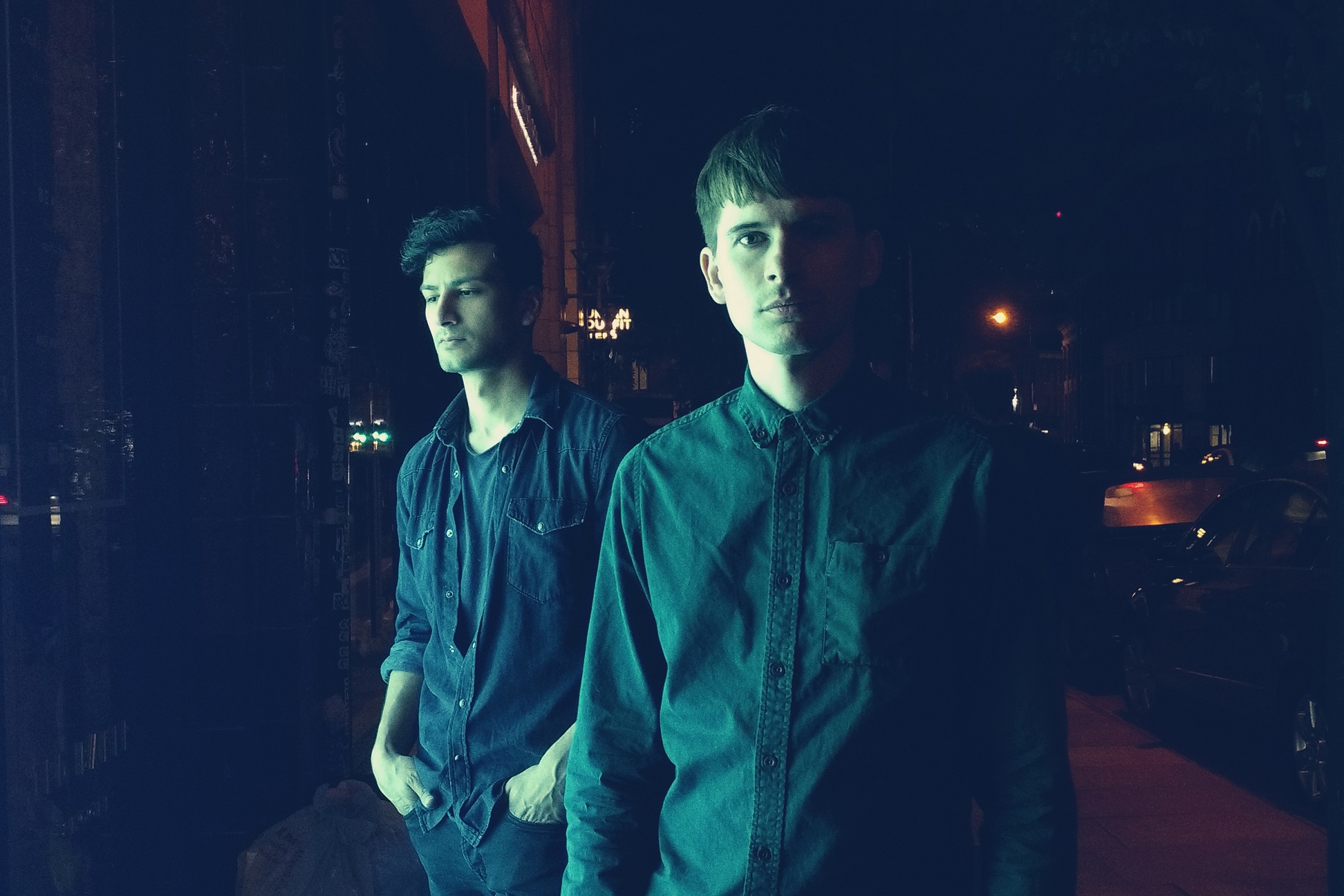
by Ashley SinghThere’s something haunting about the way Ashley Singh sings, “I don’t ever wanna be alone, so I don’t go home.” His voice cracks under the weight of those words, aching with a quiet desperation that lingers long after the final note fades. “Don’t Go Home” is a heartbreak you can feel in your bones – raw, radiant, and relentlessly human. The East London singer-songwriter turns isolation into melody, grief into rhythm, and fear into something strangely beautiful. Like early Hozier or James Vincent McMorrow, Singh captures the wreckage of longing in motion – bruised, breathless, and utterly alive.
It’s the end of the night we’re all alone
Living in the dark to fight the dawn
Always wanna pour another one or two
See your face in every crowded room
Speakers drowning out the lonely truth
There’s no pain on earth that hurts like losing you

Released May 30 via Nothing to Hie, “Don’t Go Home” finds Singh at his most exposed, navigating the emptiness of loss through a tender, soul-stirring indie folk lens. It’s a song of resistance as much as it is of sorrow – the kind of heartbreak anthem that hides its pain behind rhythm and melody. “This song is about distracting myself away from the memory of my ex,” Singh tells Atwood Magazine. “It was written about a time when I hated being at home because everything reminded me of her, so I used to go out a lot and do anything to stop me from being back home again.”
I don’t ever wanna be alone
So I don’t go home, no I don’t go home a-ah
I don’t ever wanna be back there
When the walls don’t care
and you’re not there to keep me warm
I don’t ever wanna be alone
So I don’t go home, no I don’t go home a-ah
I don’t ever wanna be back there
When the walls don’t care
and you’re not there to keep me warm
That raw avoidance fuels every line of the song. “I don’t ever wanna be back there / when the walls don’t care and you’re not there to keep me warm…” It’s the sound of someone running from ghosts, filling the silence with noise to drown out the ache. “Being alone at that time meant being forced to think of them,” Singh shares. “I was reminded of their absence and how much I missed them. Home became a very lonely place after the breakup.” With gently strummed guitars, aching falsettos, and a pulse that flickers between hope and hurt, “Don’t Go Home” becomes both confession and catharsis – a song for anyone who’s ever feared stillness because of what might rise to meet them there.
Spending all the time I could waste
Breaking ever silence I could break
Never close my eyes ’cause all that waits is you
And oh I hate it when the people start to leave
I could feel the noise inside of me
Rising like a sun it always comes too soon ah
For Singh, this track marks the emotional midpoint of his story – a “sad song in disguise,” as he calls it, bridging heartbreak and healing on his upcoming album, out October 31. “I hope someone who’s stuck in a slightly self-destructive cycle of going out too much to cover the cracks of heartbreak can hear this song and feel seen,” he says. “Maybe it isn’t self-destructive, but a momentary lapse on a journey to feeling better again.” In that honesty lies the song’s brilliance: “Don’t Go Home” doesn’t just dwell in sadness – it acknowledges the ache, sits with it, and somehow finds light in the loneliness.
A truly heartrending serenade, “Don’t Go Home” aches with the honesty of someone still learning to live with loss – a tender reminder that healing isn’t about forgetting, but finding beauty in what remains. With his debut album Where Are You Tonight? arriving October 31, Ashley Singh stands at the cusp of something quietly extraordinary – an artist turning heartbreak into light, one song at a time. If this song is any indication, his next chapter will be nothing short of devastatingly beautiful.
I don’t ever wanna be alone
So I don’t go home, no I don’t go home a-ah
I don’t ever wanna be back there
When the walls don’t care
and you’re not there to keep me warm
I don’t ever wanna be alone
So I don’t go home, no I don’t go home a-ah
I don’t ever wanna be back there
When the walls don’t care
and you’re not there to keep me warm
I don’t ever wanna be alone
“9INE to 5IVE”
by ANT ENOCHe’re told structure equals safety,” ANT ENOCH sings, “but a lot of us feel like we’re losing something vital in the process.” That tension between comfort and collapse pulses through every second of “9INE to 5IVE” – a breathtaking, charged anthem for the modern burnout generation. It’s glitchy and gorgeous, cinematic and cathartic: a song that crackles with electricity while cutting deep into the human spirit. This is ANT ENOCH at his boldest and most expansive yet, turning existential fatigue into a spellbinding act of defiance.
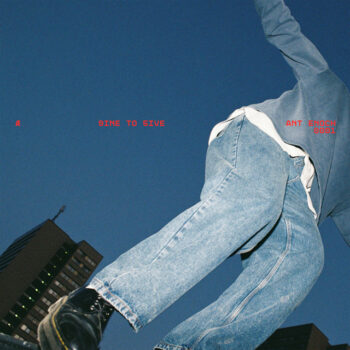
Released September 2025 and premiered live at Hamburg’s Reeperbahn Festival, “9INE to 5IVE” signals the start of a new era for the Berlin-based Australian artist. Written and recorded in London with producer Chris Hyson (Jordan Rakei, Frida Touray) and mixed by TJ Allen (Portishead, Bat for Lashes), the track captures the raw electricity of a live band within a lush electronic frame. Surging synths, pounding drums, and hypnotic basslines converge beneath ENOCH’s soul-stirring vocals, blurring the line between surrender and rebellion. “It’s about questioning the norms in our lives,” he explains. “We’re told structure equals safety, but a lot of us feel like we’re losing something vital in the process. It’s about taking time for ourselves and challenging the hustle culture.”
That resistance is the heartbeat of “9INE to 5IVE.” A gut-punch anthem about choosing self-worth over expectation, it reflects the push-and-pull between fear and faith, chaos and clarity. “At its core, it’s about self-worth and freedom,” he says. “Recognising the tension between what’s expected of me and what I actually want to give my life to. There’s frustration in it, but also faith and a quiet defiance.” The result is euphoric melancholy – music that dances in the dark while daring you to look inward.
“Big Talk Big Party was me stepping out on my own,” ENOCH says of his 2024 debut EP, which Atwood named one of the year’s 25 Best. “It has intimacy and heart, deep-rooted in indie-electronic balladry. ‘9INE to 5IVE’ is bolder and more cinematic. A bigger, more electronic sound with the live energy I’ve been chasing for my shows.” It’s a natural evolution for an artist who describes his work as “songs that live in the space between the club and the confessional.” Few can balance euphoria and vulnerability as gracefully as he does – that rare ability to make you want to cry, dance, and exhale all at once.
As he prepares his next record – written in Berlin, recorded in London, and built for stages around the world – ANT ENOCH stands on the edge of his most ambitious chapter yet. “I hope people feel seen in the struggle and find a spark of courage to build the life they actually want,” he reflects. “To take a moment to look at the birds and listen to that simple, quiet voice that speaks a soft truth.” “9INE to 5IVE” captures that quiet voice in motion – the sound of an artist searching for something real in a world that keeps demanding more.
With “9INE to 5IVE,” ANT ENOCH steps boldly into his next chapter with both a reckoning and a release – a vision of freedom and faith set to the rhythm of reinvention, and the first breathtaking glimpse of what’s still to come. He’s turned the weight of the modern world into movement, meaning, and something utterly transcendent and all-consuming.
“Lala”
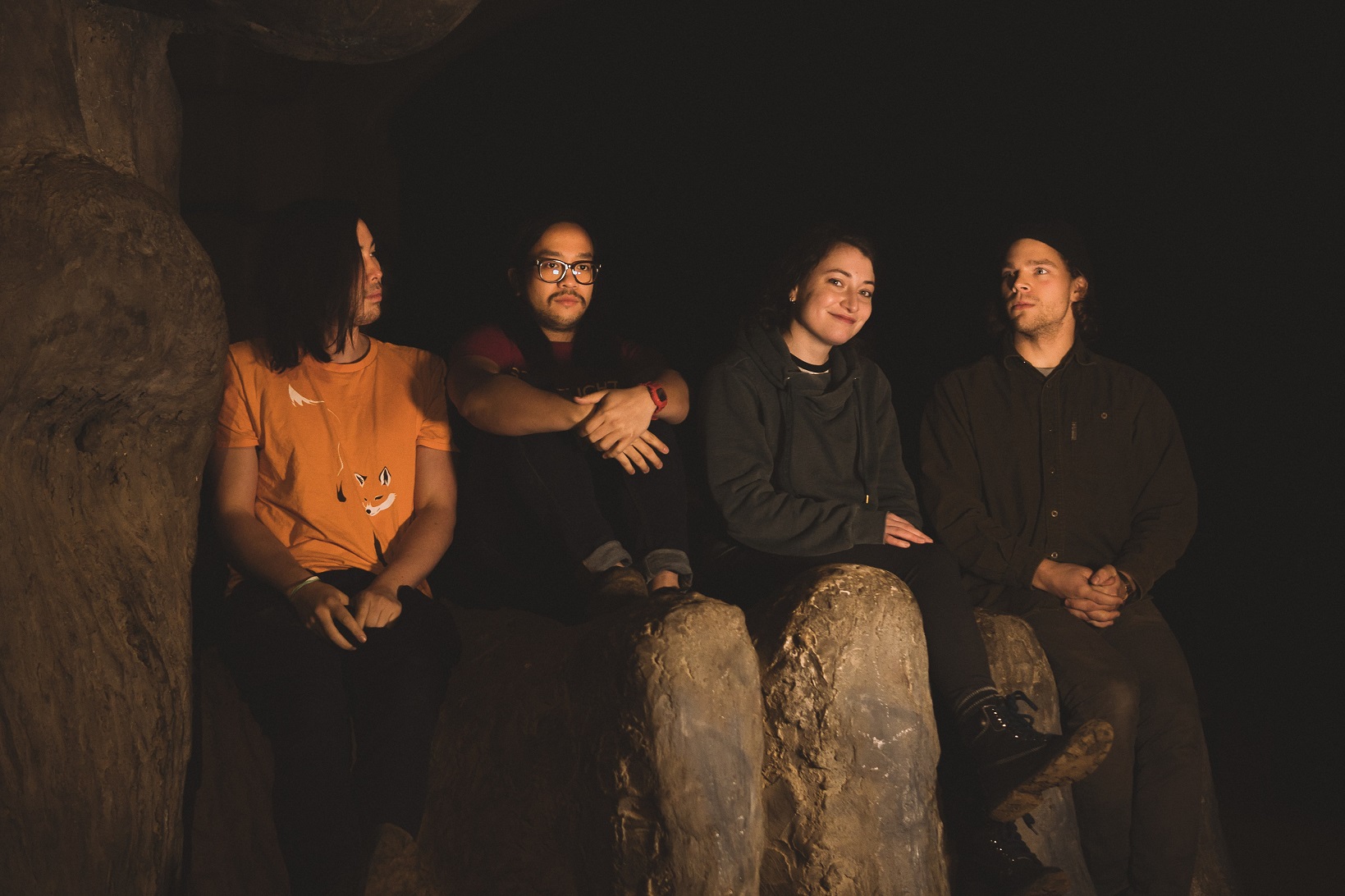
by WinyahI’ve been singing “Lala” on repeat ever since I first heard it. There’s something irresistible about Winyah’s swagger – a loose, charged kind of confidence that burns through every beat. It’s a song full of fire and finesse, the kind that gets under your skin and makes you want to drive fast with the windows down, scream-sing the chorus, and feel everything at once. The South Carolina five-piece – Thomas Rowland (lead vocals/rhythm guitar), Stephen Russell (bass), Robert Buffington Jr. (keyboards), Luke Gordon (lead guitar), and Jacob “Jake” Riley (drums) – turn restlessness into release, blending southern grit and indie-rock polish in a way that feels both nostalgic and new. Think flipturn meets The Backseat Lovers: charming, infectious, and absolutely electric.
Hey little mama whatcha say this time?
You go your way and I’ll go mine
We never really had it figured out
And it feels like I’m moving on a marry go round
Claustrophobic no where to go
Suffocating no room to grow
Drag behind like an anchor on a line
Ask me how I’m doing and I say
I’m alright, I’m alright
La la la la la la la
I’m alright
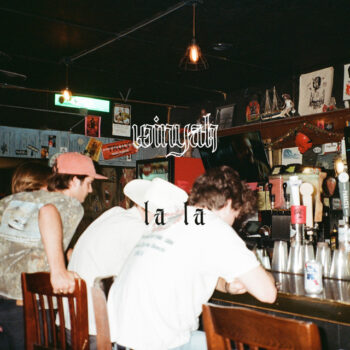
The song opens in slow seduction, Rowland’s smooth, soulful voice simmering over simmering guitars and steady drums as the tension builds. “Hey little mama whatcha say this time? / You go your way and I’ll go mine…” That push-and-pull lingers through the verses until the track explodes into its searing, euphoric chorus – a burst of sound and spirit that feels as freeing as it does cathartic. “Lala,” they tell me, is about “finding a way to push through a plateau – navigating life dealing with certain circumstances and people that may be holding you back, and letting them go even if you care for them.” There’s something beautifully universal in that; beneath the swagger lies a song about struggle, perseverance, and learning to smile through the chaos.
“Feels like I’m moving on a merry-go-round,” Rowland sings, his voice radiating that mix of exhaustion and defiance. It’s a lyric born of frustration – doing the same things, expecting a different result – and the band leans into that tension until the song bursts wide open. The “la la la” refrain is both ironic and affirming: a wink and a war cry, an anthem for anyone faking composure while everything’s spinning out of control. “The la la’s are just there to be catchy so people listen to our music and can sing along,” Rowland admits, laughing, “but it’s also like going through the same routine and putting on a normal face even if shit’s going crazy in your life.”
That’s the heart of “Lala” – finding peace in motion. “Everyone has their own crazy little screwed-up lives in one way or another,” they say, “and that’s really the point of it: putting your best foot forward and rolling with the punches.” Released earlier this fall, the single cements Winyah’s rising star status, proving why their debut album Lot to Learn made such a splash in the indie scene earlier this year. It’s swaggering, it’s self-aware, and it’s got heart for days – a big, bright indie-rock anthem that hits like sunshine after a storm.
With “Lala,” Winyah channel chaos into catharsis and charm into pure electricity. “Lala” is more than just a feel-good anthem – it’s a celebration of resilience, friendship, and the joy of pushing forward. If this track is any indication, the South Carolina band’s next chapter will be even bigger, bolder, and bursting with the same irresistible fire that makes their music so unforgettable. Winyah are proving themselves as one of the most exciting new voices in American indie rock – loud, heartfelt, and full of soul.
“DEATH IN THE FAMILY”
by The Sophsneed a death in the family to turn my page.” That’s how it starts – with a line so dark, so arresting, it stops you cold. The Sophs don’t ease you in; they tear the floor out from under you. What follows is a fever dream of guilt and catharsis, a searing indie rock eruption that blurs the line between confession and chaos. Guitars churn, drums crash, and frontman Ethan Ramon’s voice burns through it all – tender, taunting, and intoxicating. “DEATH IN THE FAMILY” isn’t just another song; it’s a full-body reckoning, one that feels like both punishment and release.
I need a death in the family to turn my page
I need them to understand
I have learned my place
‘Cause what good’s atoning for sin?
I’ll be bleeding on the sharks
I need divine intervention
to wash away these scars

Released via Rough Trade Records, “DEATH IN THE FAMILY” is the Los Angeles sextet’s second-ever single and a bold continuation of the world they began building on their debut “SWEAT.” Where that song was all sweat and swagger, this one is pure collapse – unflinching, unfiltered, and emotionally unhinged. Ramon calls it “one of the most personal songs I’ve ever written,” explaining that it “confronts my complicated relationship with shame, and how, at a certain point, I had convinced myself I’d rather grieve a loved one than take any kind of accountability.” That’s the kind of lyricism that doesn’t flinch; it cuts to the core of what it means to live inside your worst thoughts and somehow survive them.
Don’t take the things you think I
Don’t take the things
you think I have
Just wait for God to take my
brother, sister, mother, uncle, aunt
“Cause what good’s an honest man who’s accepted that he’s lost…” Ramon sings, his words teetering between irony and despair. It’s the sound of someone weaponizing vulnerability – an artist exposing his flaws before anyone else can. “Do you know the scene in 8 Mile where Eminem’s character starts his final rap battle by completely disparaging himself?” he asks. “He protects himself from criticism by being self-aware enough to identify the worst parts of himself. Picture me as Eminem in that scenario.” That’s exactly how “DEATH IN THE FAMILY” hits: part confession, part exorcism, all defense mechanism.
Across every scream and sneer, The Sophs transform discomfort into catharsis. Their sound is feverish and free – jagged guitars and roaring drums colliding beneath Ramon’s sharp, deliberate voice. “It’s about shame and paranoia,” he admits. “Two traits I believe all people must have in order to be a good hang.” The band’s ethos lives in that line: they don’t just confront the mess; they find meaning in it. Beneath all the posturing and panic is something deeply human – a brutal honesty that makes “DEATH IN THE FAMILY” impossible to ignore.
I need a death in the family to shift the plot
I need some people to forget
all their forget-me-nots
‘Cause what good is showing your hand
when they’d have you cut it off?
And what good’s an honest man
who’s accеpted that he’s lost?
Don’t take thе things you think I
Don’t take the things you think I have
Just wait for God to take my
brother, sister, mother, uncle, aunt
With GOLDSTAR on the horizon, The Sophs are quickly establishing themselves as one of Rough Trade’s boldest new signings: fearless, self-aware, and unwilling to play it safe. Ramon describes their mission simply – “never deny yourself anything.” It’s both a warning and a promise. With “DEATH IN THE FAMILY,” The Sophs prove that chaos, when wielded with honesty and precision, can sound a lot like catharsis.
“DEATH IN THE FAMILY” is a descent and a declaration – proof that The Sophs aren’t afraid to wade into the wreckage and make something devastatingly beautiful from the fallout. If this is any indication of what’s to come on GOLDSTAR, we’re in for a record that cuts deep, bleeds honesty, and dares to find grace in the grotesque.
‘Cause all is love, war, and taxes
I’ve built my house on stolen
valor, sympathy, and charm
But all your little men
might set their sights on you
If you show up with a
pitchfork to a funeral
Let me go
“The Spot”
by PerrenThere’s a peace that settles over you the moment “The Spot” begins. The guitars sway like wind-chimes in slow motion, Jonah Yoshonis’ voice rising and falling in lockstep with the lead melody until the two feel inseparable – twin threads of one drifting thought. Perren’s title track is tranquil and hypnotic, equal parts meditation and mantra. It doesn’t ask for attention so much as it holds you there, suspended in its warmth, like sunlight filtering through dust.
Waking up in a new place
By now, I am able to embrace
What deserves memory space
And what to erase
The title track off Perren’s recently release album The Spot (August 8 via Callback Projects), “The Spot” is as much about process as it is about presence – and a spectacular introduction to an artist and record worthy of everyone’s attention
“’The Spot’ is the song about making the album,” Yoshonis explains. “It’s about being in a totally unfamiliar place and still finding connection. It’s about finding the perfect balance between sounds and words and feelings: that’s the spot.” The song was born in a cold garage in upstate New York, where Yoshonis, Mike Dvorscak (Birdwing), and Evan Marré (Russell the Leaf) spent eight days swapping instruments, tracking live, and learning to trust instinct over precision. You can hear that looseness in every note – the way each instrument breathes, the way every chord feels like discovery.
The result is a gentle kind of alchemy: three musicians chasing stillness and finding transcendence instead. “The Spot is just a few people jamming in a cold garage,” Yoshonis reflects. “That’s the best shit. There are all these other things that music can become but nothing beats just doing it.” That sentiment radiates through the entire track. It’s music about music – a love letter to creation itself, captured in real time. You can practically feel the space between them, the hum of the amp, the soft rattle of a snare.
As the song unfolds, the lyrics trace that feeling of arrival: “Waking up in a new place / by now, I am able to embrace / what deserves memory space / and what to erase.” It’s self-reflection without self-pity, the sound of someone learning to let go. And when Yoshonis sighs, “That’s the spot,” it lands like an exhale – the point where everything finally aligns. “The Spot,” he says, “is about the way music can exist when there’s no expectation or intention other than just wanting to play with other people for the joy of it.”
A chain of events far beyond
My comprehension
Brought me to this little town
I hope it works out
Does this sound good to you
Is it angry
Maybe a bit confused
That’s the spot
There’s humility in that, and joy too. After years of making music alone, Yoshonis lets collaboration take the wheel here – and the result feels alive, present, and deeply human. “While other songs in the album are about loss, grief, trying to get over apathy,” he says, “the title track is sort of the appendix or maybe the behind-the-scenes of the album – cause it’s the song about the album. It’s music about music.” And that’s exactly what makes it so special: “The Spot” captures lightning in a room – a moment of unguarded creativity that you can’t fake or force, only feel.
With its soothing repetition and quiet revelation, “The Spot” is both a state of mind and an invitation. It asks you to breathe, to be still, and to remember why we make art in the first place: for connection. For joy. For the love of doing it.
Russell told me
Listen up, here’s a hint
Stand in this spot
Promise you it’s the shit
Angles perfect for the stereos to hit
That’s the spot
“The Spot” feels like the calm after the storm – a love letter to creation, collaboration, and the beauty of simply being present. Perren turns process into poetry and stillness into sound – a tender celebration of friendship, flow, and artistic trust. As he steps into this next chapter, Jonah Yoshonis reminds us that the best music doesn’t chase perfection; it lives in the moment. And this one, without question, hits the spot.
— — — —

Connect to us on
Facebook, Twitter, Instagram
Discover new music on Atwood Magazine
Editor’s Picks
follow EDITOR’S PICKS on Spotify