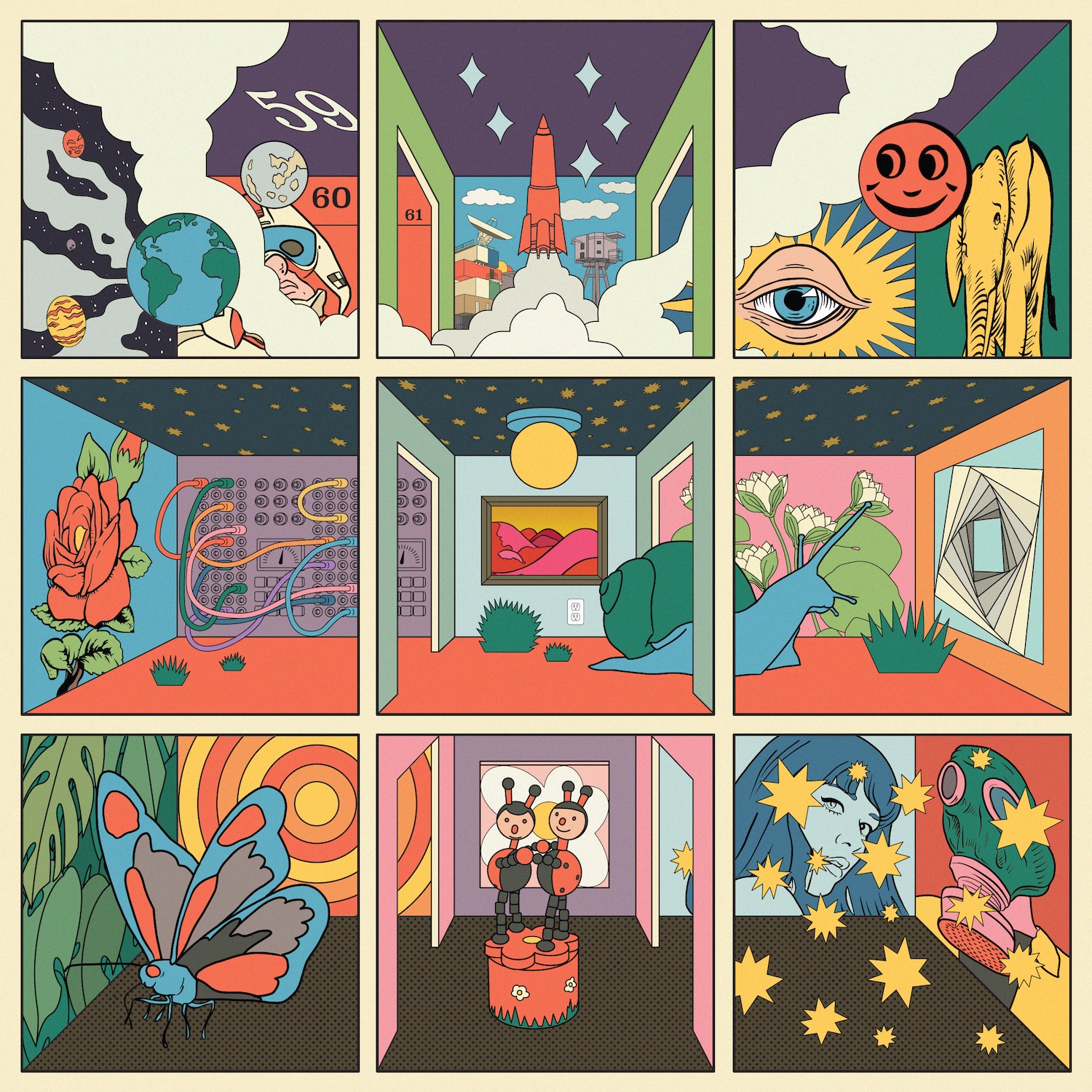
A retrospective profile of Oakland rapper Kamaiyah marking the ten-year anniversary of her debut mixtape ‘A Good Night in the Ghetto,’ exploring her reflections on authenticity, independence, and staying true to herself throughout a decade in the music industry.
Stream: “How Does It Feel” – Kamaiyah
There’s something disorienting about returning to a piece of music that once felt like your entire world and realizing it still fits.
Still moves the same way. Still holds the same weight. That’s what it feels like, ten years later, coming back to A Good Night in the Ghetto by Kamaiyah. Not just a mixtape, but a time capsule of Oakland. Of youth, of ease, of a confidence that didn’t need to announce itself to be felt.

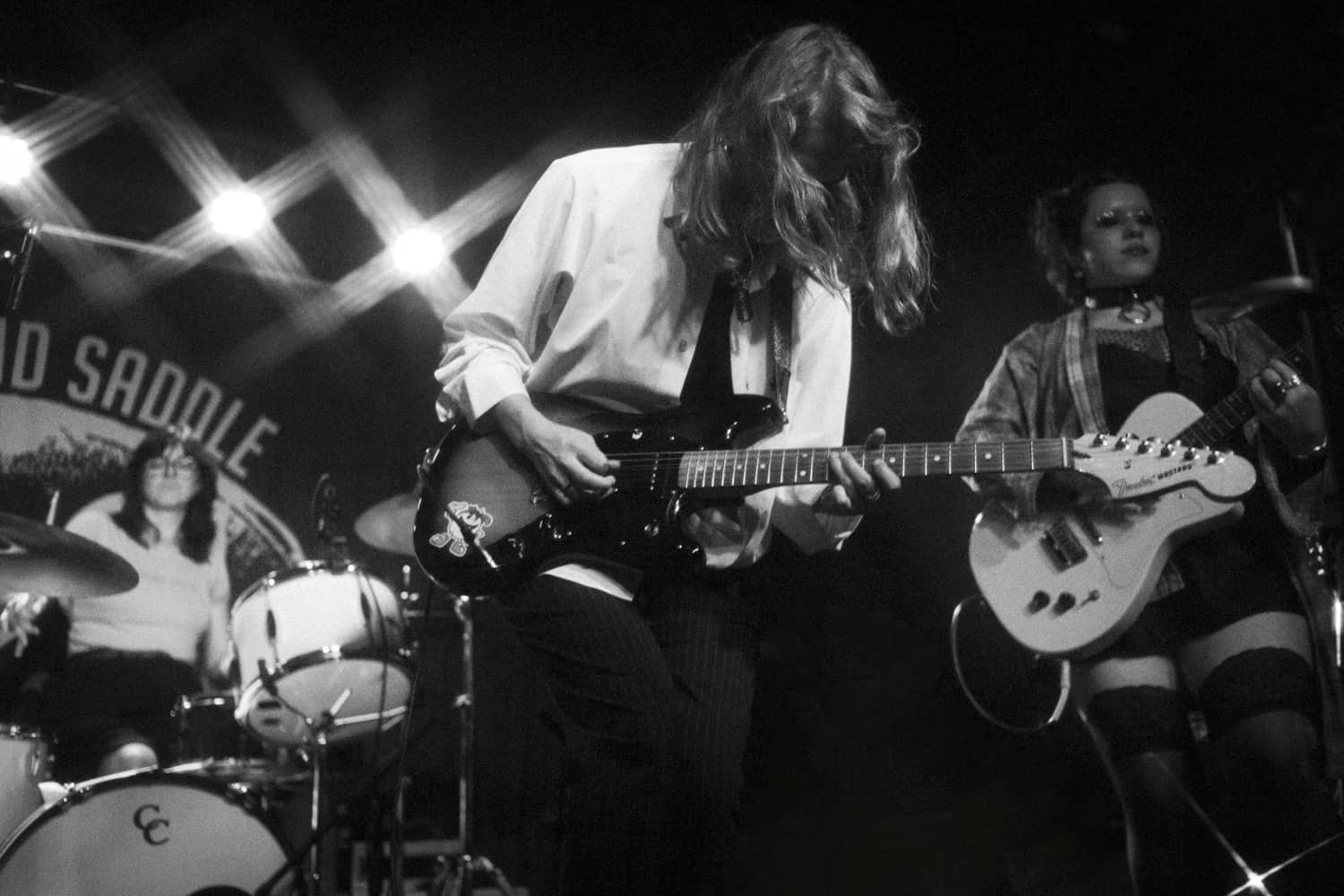
Last Saturday, March 14, that feeling became physical again inside Fox Theater Oakland. A hometown stage, a decade later, filled with the same energy that once lived in car rides and house parties and quiet moments of private self-assurance. The kind of energy that doesn’t try too hard. The kind that just is.
When Kamaiyah first released A Good Night in the Ghetto, it didn’t arrive heavy with expectation. Nobody framed it as something that would redefine the West Coast or redirect the course of rap. And yet – that’s exactly what it did. There was something in the way she approached sampling, in the way she carried herself across those records – playful but grounded, nostalgic without being derivative – that made the project feel wholly its own. It wasn’t trying to recreate the past. It was in conversation with it.
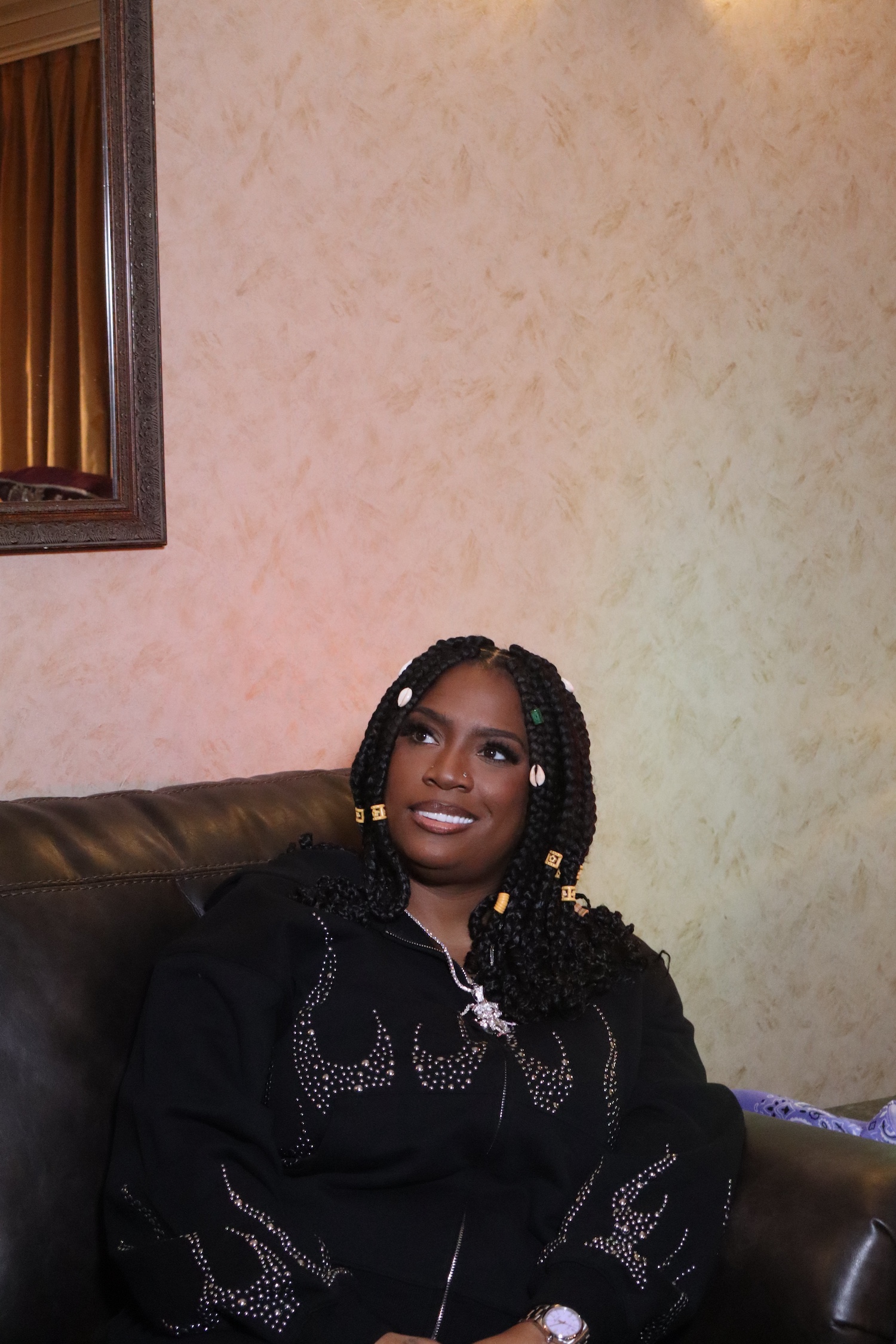
Sitting with her ten years later, there’s no sense that she wants to rewrite that history, or even fully pick it apart.
When I ask what she might say to the version of herself making that tape in East Oakland, she pauses – then answers simply: Nothing. Because every decision, every risk, every moment of uncertainty led her here. And here, as she puts it, isn’t so bad.
It’s a perspective that feels increasingly rare. There’s always a temptation to go back and optimize – to imagine a cleaner, more strategic version of your past self. Kamaiyah resists that instinct entirely. There’s an acceptance in her answer that feels less like complacency and more like peace. The kind you have to earn.
That same honesty surfaces when the conversation turns to independence – something the industry loves to frame as the ultimate destination. Own your masters. Build your own imprint. Control your narrative. On paper, it’s the dream. In reality, Kamaiyah complicates it.
“I would prefer to be on a major label,” she tells me, without hesitation.
It’s not the answer you expect, and maybe that’s precisely why it lands. She talks about the weight of doing everything yourself – the creative, the logistics, the constant decision-making that pulls you away from the very thing that started it all. Making music. There’s an exhaustion embedded in independence that rarely gets acknowledged, especially when every conversation is dominated by ownership and equity and control.
Listening to her, I find myself thinking about how often we romanticize the idea of having it all, without fully reckoning with what all requires of us.
The trade-offs. The energy spent. The quiet moments where you realize that freedom, in one form, can look a lot like pressure in another.
And still – even inside that tension – Kamaiyah doesn’t seem lost. If anything, she seems more grounded in her purpose than ever. When I ask what quality she’s most proud of, the one that’s carried her through a decade of an industry constantly shifting beneath her feet, her answer comes quickly.
“Authenticity.”
It’s a word that gets used so often it stops meaning anything. But the way she describes it brings it back to life. It’s not about branding. It’s not about perception. It’s about consistency – showing up the same way, regardless of who’s in the room. Not softening yourself to be more digestible. Not adjusting your edges to fit the moment.
“Every time I show up, I’m the same Kamaiyah,” she says. “It ain’t gonna be altered because Drake just walked in the room.”
There’s something deeply grounding about that. Not because it’s defiant, but because it’s steady. In a space where so much is performative – where identity can feel like something you wear differently depending on the audience – her commitment to being the same person whether she’s happy, frustrated, present, or distant, feels like its own kind of discipline. A practice, even.
Maybe that’s part of why A Good Night in the Ghetto still resonates. Not just because of how it sounds, but because of how it feels. There’s a clarity to it – an understanding of self that doesn’t waver. It captures a version of Kamaiyah that, in many ways, hasn’t changed. And maybe was never meant to.
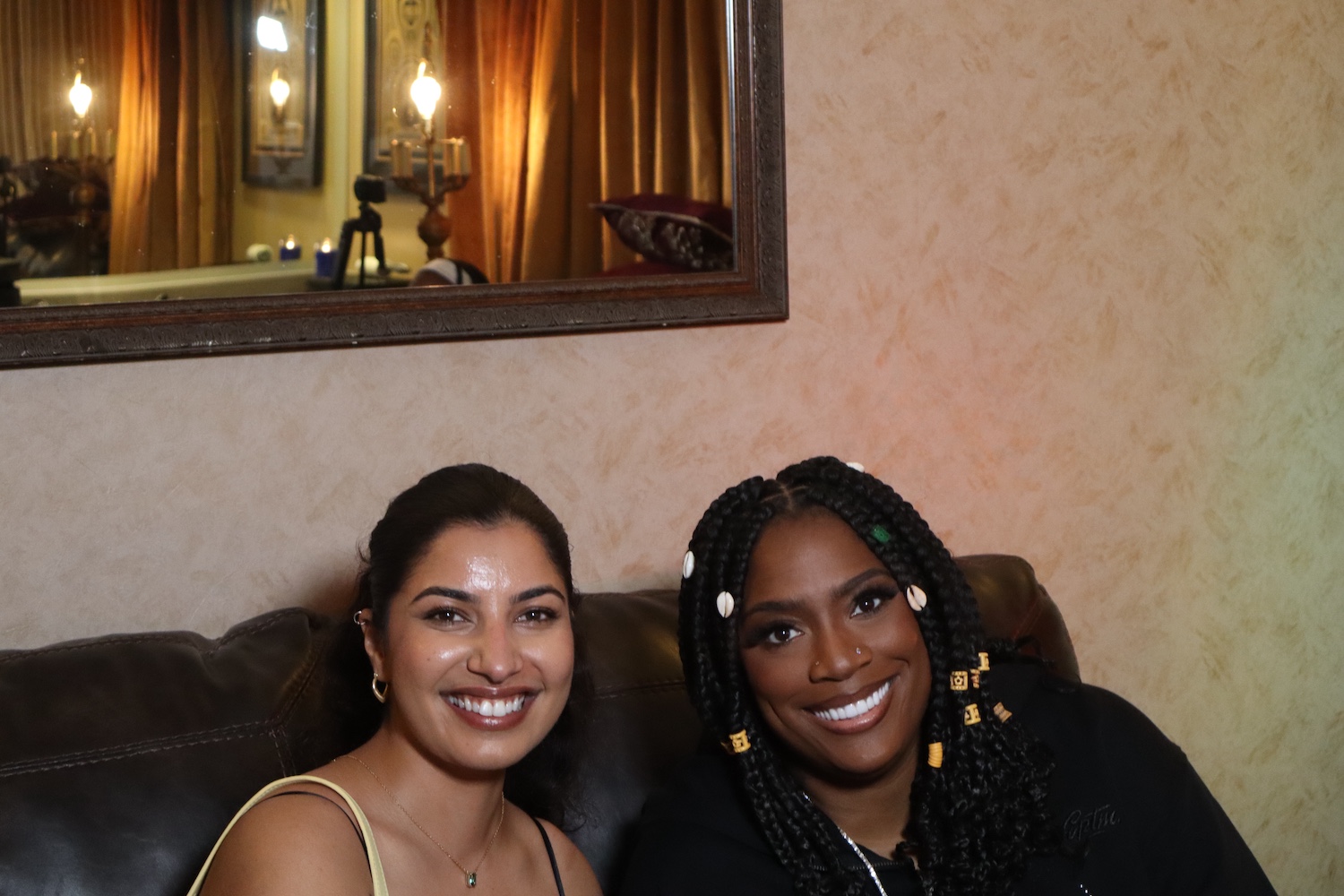
Walking away from the conversation, I don’t find myself thinking about legacy in the traditional sense.
Not charts, not accolades, not influence – though all of it is there. I think instead about what it means to stay rooted in who you are while everything around you keeps moving. How difficult that is. How quietly radical.
And I think about that version of her, ten years ago, making music in Oakland without knowing how far it would travel. Trusting her instincts. Following what felt true. Building something that never needed to be over-explained to be understood.
Somehow, a decade later, it still doesn’t.
— —
:: connect with Kamaiyah here ::
— —
— — — —

Connect to Kamaiyah on
Facebook, 𝕏, TikTok, Instagram
Discover new music on Atwood Magazine
© Ricardo Duncan
 © Ricardo Duncan
:: Stream Kamaiyah ::