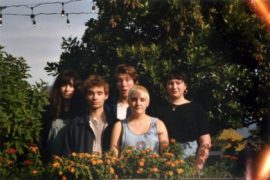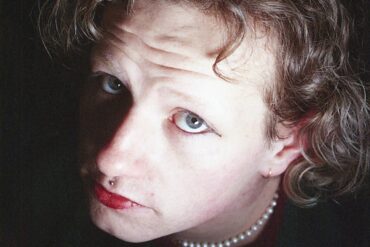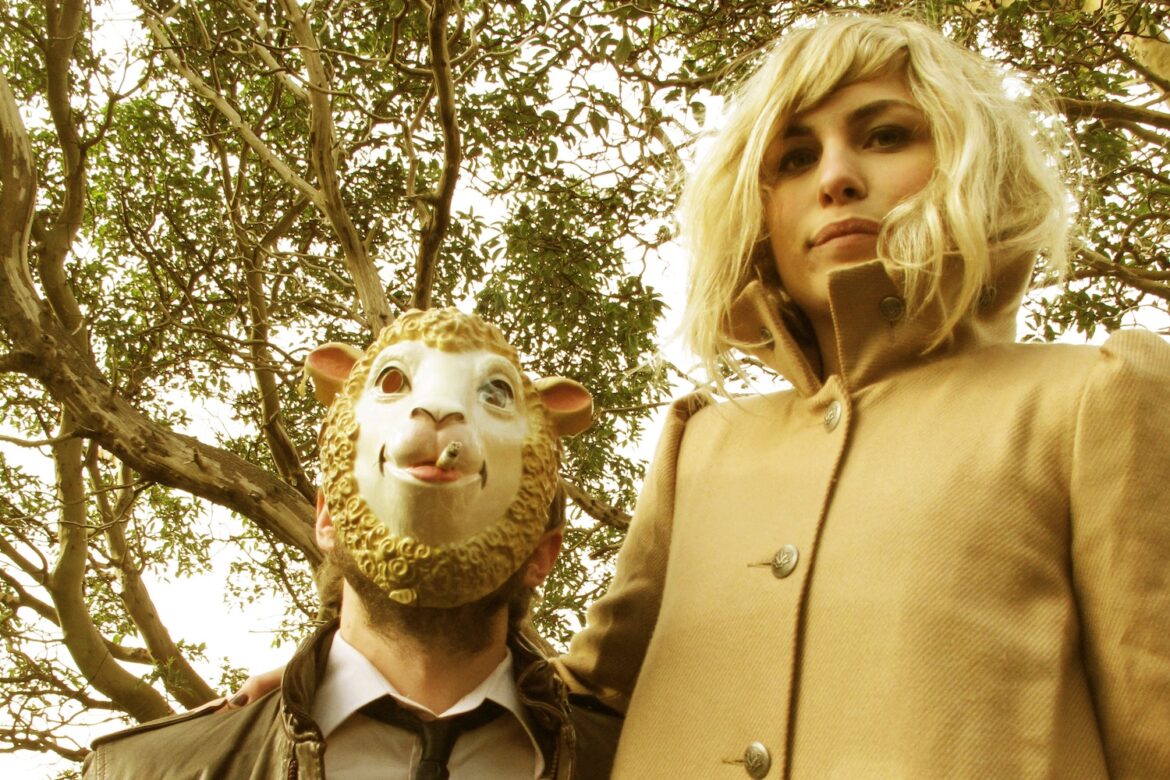
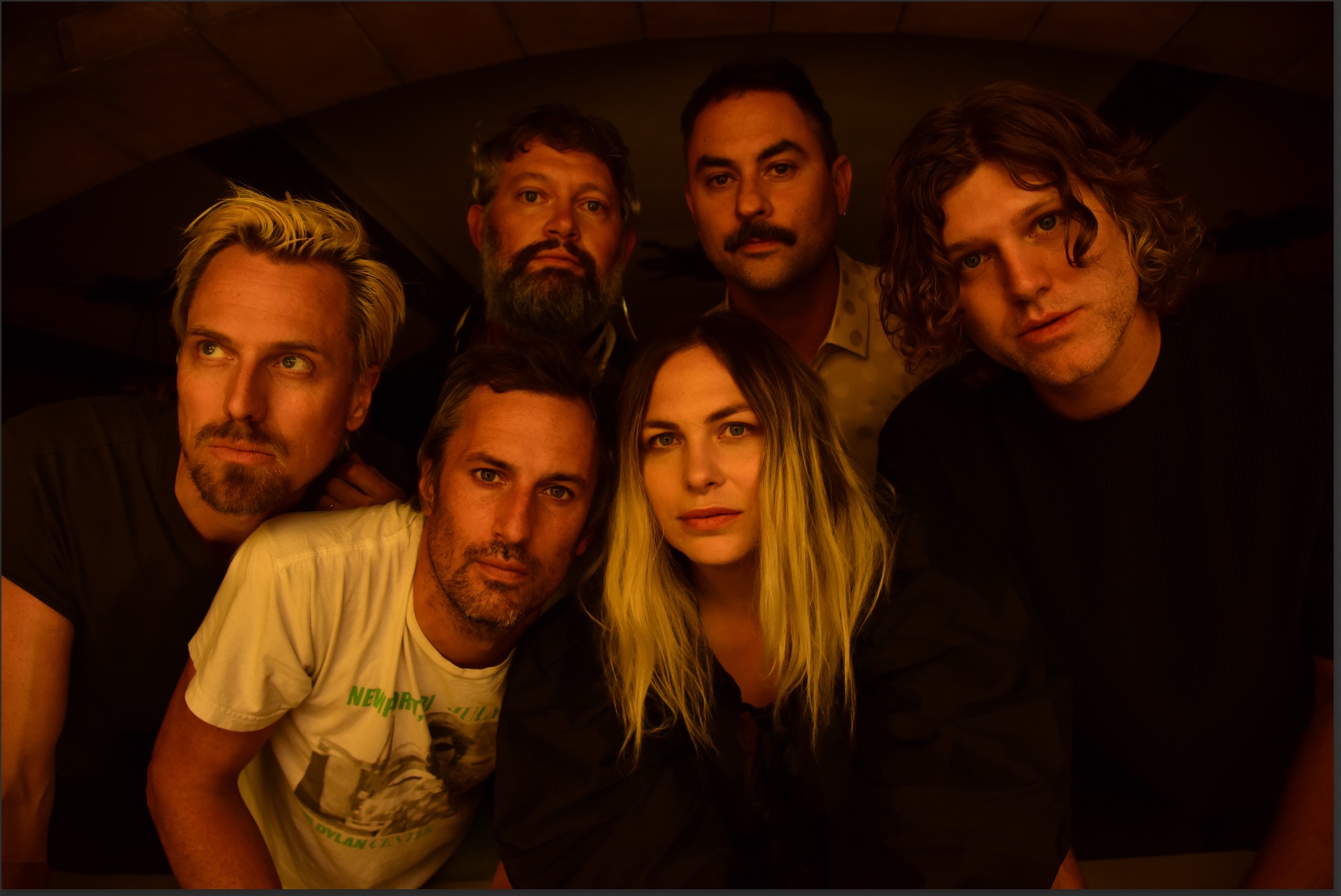
The Head and the Heart celebrate 15 years of their platinum-certified self-titled debut with a remastered deluxe edition and anniversary tour, looking back on the songs, friendships, open mic nights, and creative chemistry that shaped one of the defining folk rock albums of the early 2010s. In conversation with Atwood Magazine, Jon Russell and Kenny Hensley open up about the band’s Seattle origin story, the democracy that has kept them together, and the transformative, moving power of bringing ‘The Head and the Heart’ home again.
“Rivers & Roads” – The Head and the Heart
Fifteen years ago, The Head and the Heart had songs, a few burned CDs tucked into cut-up blue jeans, and a full tank of gas.
They had open mic nights at a small Irish bar in Ballard, hour-long writing blocks in the downtown Seattle Public Library, cramped apartments filled with friends and strangers, and the charged, life-altering feeling of young people finding one another at the exact right time. Before The Head and the Heart became a platinum-certified debut, before “Lost in My Mind,” “Down in the Valley,” and “Rivers and Roads” became defining songs for a generation of folk rock listeners, it was simply the sound of Jon Russell, Josiah Johnson, and Kenny Hensley following instinct into community – and gradually gathering Chris Zasche, Charity Rose Thielen, and Tyler Williams into a band built on harmony, trust, and the electric possibility of shared purpose.
Now, with the album newly remastered and its songs returning to the stage in full, Russell and Hensley look back not just to celebrate where The Head and the Heart began, but to rediscover the creative spark, communal rhythm, and wide-open sense of becoming that made those songs feel timeless in the first place.
“It’s like I went from black and white to color,” Russell says, recalling the summer of 2009. There was a new president in the White House, the Great Recession was raging, and he arrived in Seattle from Richmond, Virginia to find himself suddenly surrounded by the people, songs, and creative community that would ultimately become The Head and the Heart. “There was an immense amount of freedom, but also a brotherhood or sisterhood, all of it. It felt like we had each other’s back. We were building this really effervescent thing – I think that’s a great word, because it felt bubbly, but it also felt grounded. It didn’t feel unreal. It didn’t feel like some pink cloud moment. It felt like we were building something. We were building our futures.”
Released May 1, The Head and the Heart (15th Anniversary Edition) is, true to its spirit, a lovingly restored time capsule and a living document – a remastered deluxe edition of the band’s RIAA Platinum-certified self-titled debut that brings new clarity to ten songs already etched deep into the indie folk canon, while opening the door to seven unreleased demos and live recordings from the band’s earliest years. Featuring original 2009 demos of “Down in the Valley,” “Lost in My Mind,” and “Sounds Like Hallelujah,” plus the previously unreleased “Grace,” the collection arrives alongside a 15-year anniversary tour that finds The Head and the Heart performing the album front-to-back in intimate theaters and beloved rooms from their past – not as a monument to who they once were, but as a means of reconnecting with the creative instinct, communal energy, and hard-earned trust that have carried them forward ever since.
Across its original ten songs, The Head and the Heart still feels like an album caught between departure and return – restless with motion, heavy with memory, and lit from within by the fragile hope that wherever life takes you, love might still find a way to call you home. Its characters leave towns, miss faces, cross rivers, chase old trades, plead with heaven, and search for roots they can feel but cannot yet name. Even at its most buoyant, the record carries the ache of distance; even at its most heartbroken, it reaches for reunion. That emotional duality gives these songs their lasting power: They sound young because they are full of firsts, but they endure because they understand how quickly youth becomes memory.
“Rivers and Roads” remains the album’s great communal catharsis – a farewell song that somehow became a promise, swelling from private ache into a full-room exhale. “Down in the Valley” turns rough-and-rowdy longing into folk rock mythos, its restless verses chasing California, Oklahoma, whiskey rivers, and the pull of places both real and imagined. “Lost in My Mind” speaks to the inward spiral of uncertainty, but its harmonies keep opening the windows, transforming anxiety into a hand on the shoulder. And “Heaven Go Easy on Me,” the album’s long-overlooked closer, now lands with fresh force: A weary, wide-eyed benediction for everyone trying to grow up without losing the tenderness that got them this far.
That tenderness lives as much in the album’s sound as it does in its writing. From the opening click-clack charm of “Cats and Dogs,” The Head and the Heart builds its world through motion and breath: Stomping rhythms, bright piano hits, close harmonies, handclaps, violin flourishes, and voices that sound less arranged than gathered. The songs feel lived-in rather than polished smooth, full of the warmth and friction of people discovering in real time how their strengths fit together. Russell and Johnson brought distinct voices and lyrical instincts; Charity Rose Thielen added a presence that could lift a chorus into the air; Chris Zasche and Tyler Williams grounded the songs in pulse and muscle. And Kenny Hensley’s piano became one of the album’s defining voices – not accompaniment, but architecture, giving shape, lift, and cinematic sweep to songs that might otherwise have remained smaller on the page.
Russell recalls that realization arriving in the downtown Seattle Public Library, while the early trio worked on “Down in the Valley.” “I remember the first time, for me, the light bulb went off of, ‘Oh, Kenny isn’t just a guy that plays piano so that we can have piano while we play guitar and sing. Kenny is a writer whose voice comes out on piano,’” he says. “Kenny’s ideas and vision around structure, to me, were – I don’t know if it was unusual, or if it was just different from the way I thought of song structure, but it really opened up the songwriting in a way that was apparent. Like, ‘Oh, it’s not that he can play piano. He can do that, and he also has a vision for things.’”
That realization cuts to the core of why The Head and the Heart still feels so alive 15 years later.
This was never the sound of one songwriter surrounded by supporting players; it was the sound of complementary instincts meeting in the room and making each other larger. Russell and Johnson had voices that could carry melody and ache; Hensley had an arranger’s ear, a composer’s patience, and a melodic imagination that could turn a simple progression into a cinematic swell. What emerged between them – and soon around them – was not a hierarchy, but a kind of creative chemistry.
“Something about when we met, to me at least, it really felt like we each had our own strengths, and there was something about meeting where it was like the puzzle pieces connecting,” Hensley says. “I was really confident in what I did, which was instrumental music and orchestration and composing parts and melodies, just music. But I wasn’t a singer. I wished I could do that really well, because then I would just be a singer-songwriter, but I didn’t feel confident doing that at all.”
“So I met a couple guys who had very unique and great voices, and had that strength that we were able to piece together, and it covered everything that I was missing, and I think vice versa. We were able to cover all these bases. We each had our strengths, but we each were lacking in certain areas, and the three of us together that summer, and then with the rest of the band, we were able to fill in all those gaps.”
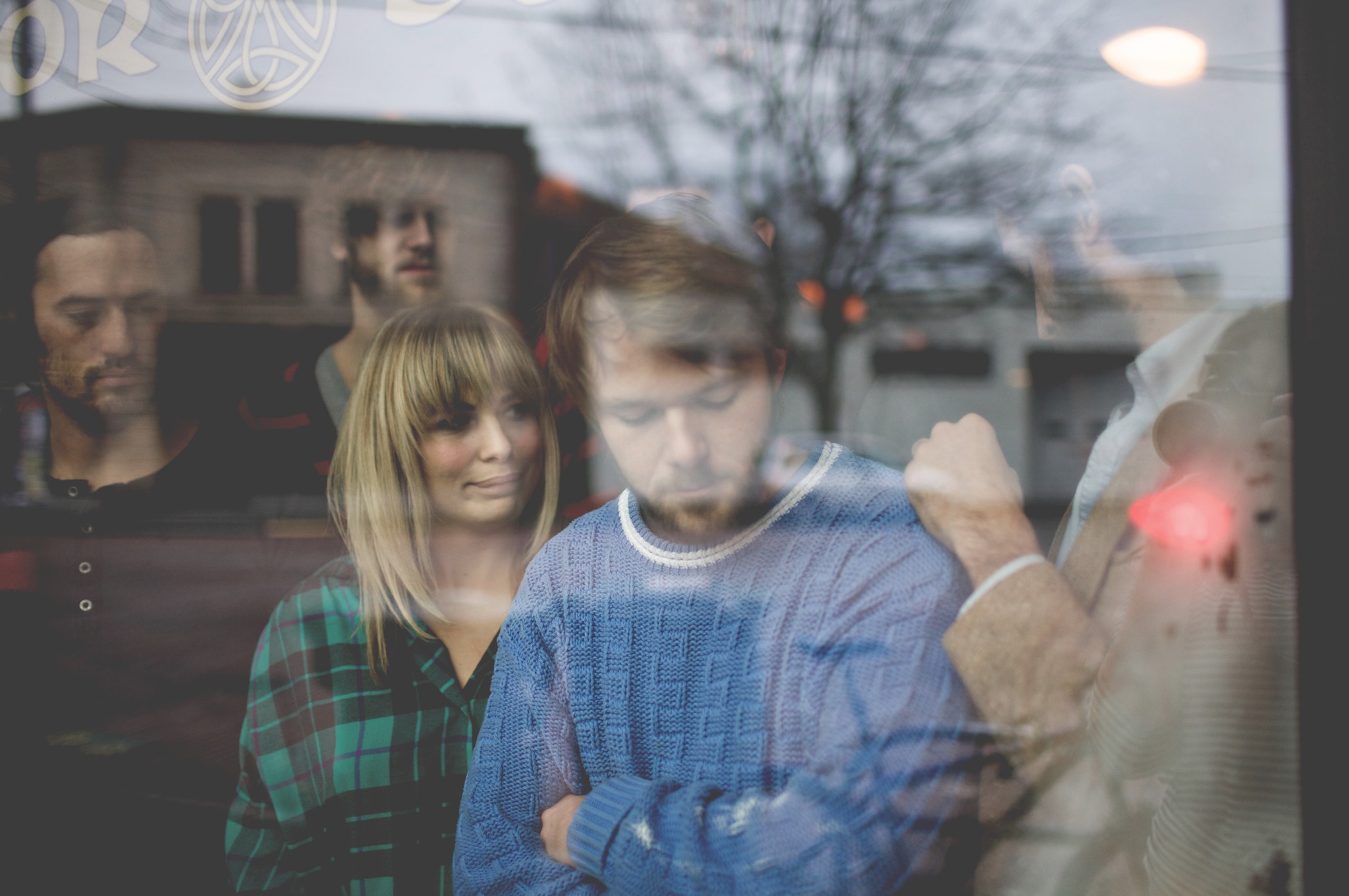
Even the band’s name grew out of that early openness – not as a polished brand exercise, but as an expression of who they were becoming.
Before The Head and the Heart had settled into itself, the group briefly moved through the world as Ladies and Gentlemen, a fitting name for an amorphous amalgamation of friends, players, singers, and strivers orbiting the same songs. In those early months, the project felt porous by design, less a fixed lineup than a shared space where anyone with the right spirit could step forward.
“There were a handful of others that were kind of in and out of our circle, and we didn’t really have a name,” Hensley says. “We kind of went by a couple things. There was the name Ladies and Gentlemen for a period. It was really a collective. It was like, whoever wants to hang out, whoever wants to hop up on stage and work on these songs with us, or play these songs, is more than welcome to. But there wasn’t really a band. It was just friends writing music, sharing the music.”
The Head and the Heart eventually became the name that stuck, and with time, it has only grown more apt. It captures the band’s enduring push and pull: Instinct and intention, feeling and form, the dream and the discipline required to chase it. For a group of young musicians who had moved across the country, delayed safer paths, and gathered in Seattle on little more than belief, the phrase held – and continues to hold – a simple but lasting truth.
“I think the idea was that a good portion of this band had gone out of their way to follow their heart instead of doing what the book would have told us to do,” Hensley says. “It was that general overarching theme between all of us of following your heart and what you really believe in, rather than what you’re being told to do or what’s expected of you.”
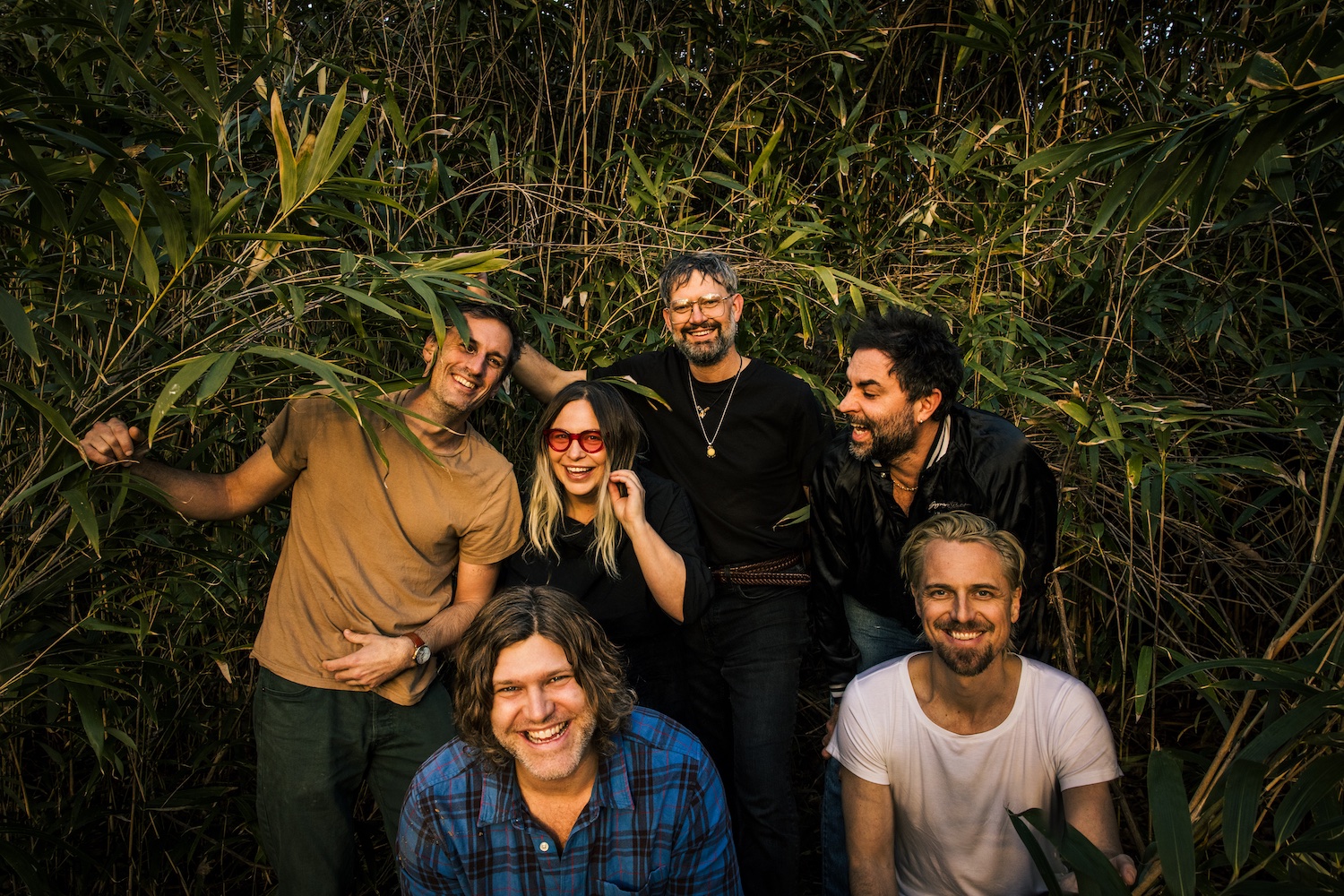
The past fifteen years did not leave The Head and the Heart untouched.
The band that began as a loose, luminous Seattle collective went on to become one of the defining acts of the early 2010s folk rock boom, releasing album after album, signing to a major label, filling bigger rooms, weathering distance and adulthood, and navigating the departure of co-founder Josiah Johnson from the active lineup. Along the way, their music kept finding people in moments of transition: “Honeybee” brought Living Mirage to a new peak in 2019, scoring the band their first No. 1 on Billboard’s Alternative Airplay chart, and last year’s “Arrow” marked their fourth No. 1 at the format – proof that the same group once road-testing songs at open mics could still meet the moment with scale, conviction, and a chorus built to travel.
Yet the longer arc of The Head and the Heart has never been only about commercial ascent. It has been about what happens to a band built on communal instinct when life, success, geography, expectation, and ambition start pulling at the seams. The past decade-plus gave them plenty: Beloved songs, packed theaters, festival stages, radio staples, and a devoted audience that grew up alongside them. It also forced them to keep asking what kind of band they wanted to be – not in the abstract, but in practice, in the room, in the writing, in the delicate balance between one person’s voice and the collective spirit that made people fall in love with them in the first place.
That question came into renewed focus on 2025’s Aperture, the band’s sixth studio album and their first entirely self-produced record since their debut. Released after years of major-label machinery, remote recording, and shifting internal dynamics, Aperture found The Head and the Heart deliberately returning to the conditions that had once made them feel most alive: Six people in a room, building songs by feel, trusting each other’s intuition, and letting the music reveal itself without chasing an obvious outcome. It was not a replica of the beginning, but a reconnection with its deepest lesson – that the band sounds most fully like itself when everyone has room to shape the whole.
That is who The Head and the Heart are today: Older, more seasoned, more aware of what it takes to keep a creative partnership intact, and newly attuned to the value of the democracy they stumbled into at the start.
Their story has always contained that tension between head and heart, but 15 years in, the name feels less like a youthful motto and more like a working philosophy – a reminder that feeling alone cannot sustain a band, and strategy alone cannot make one worth sustaining.
“This band, in a way of being a microcosm, is just like a gift to have that teaching to you,” Russell says. “I’m glad that we’re still together, because yeah, it’s music. Yeah, it’s our business. It’s our identity at this point, but it’s also this ongoing, never-ending well of a living teaching thing.”
“I think this band is a cool microcosm for the idea of democracy.”
Now, as The Head and the Heart bring their debut back to the stage in full, the anniversary tour becomes more than a victory lap. It is a return to source – not only to the songs, but to the rooms, stories, friendships, risks, and impulses that gave those songs their shape. For longtime fans, it offers a chance to hear The Head and the Heart as an album again, front-to-back, with the weight of everything that came after folded into every harmony. For the band, it offers a rarer kind of homecoming: A way to stand inside the past without being trapped by it, and to carry its lessons forward with open eyes.
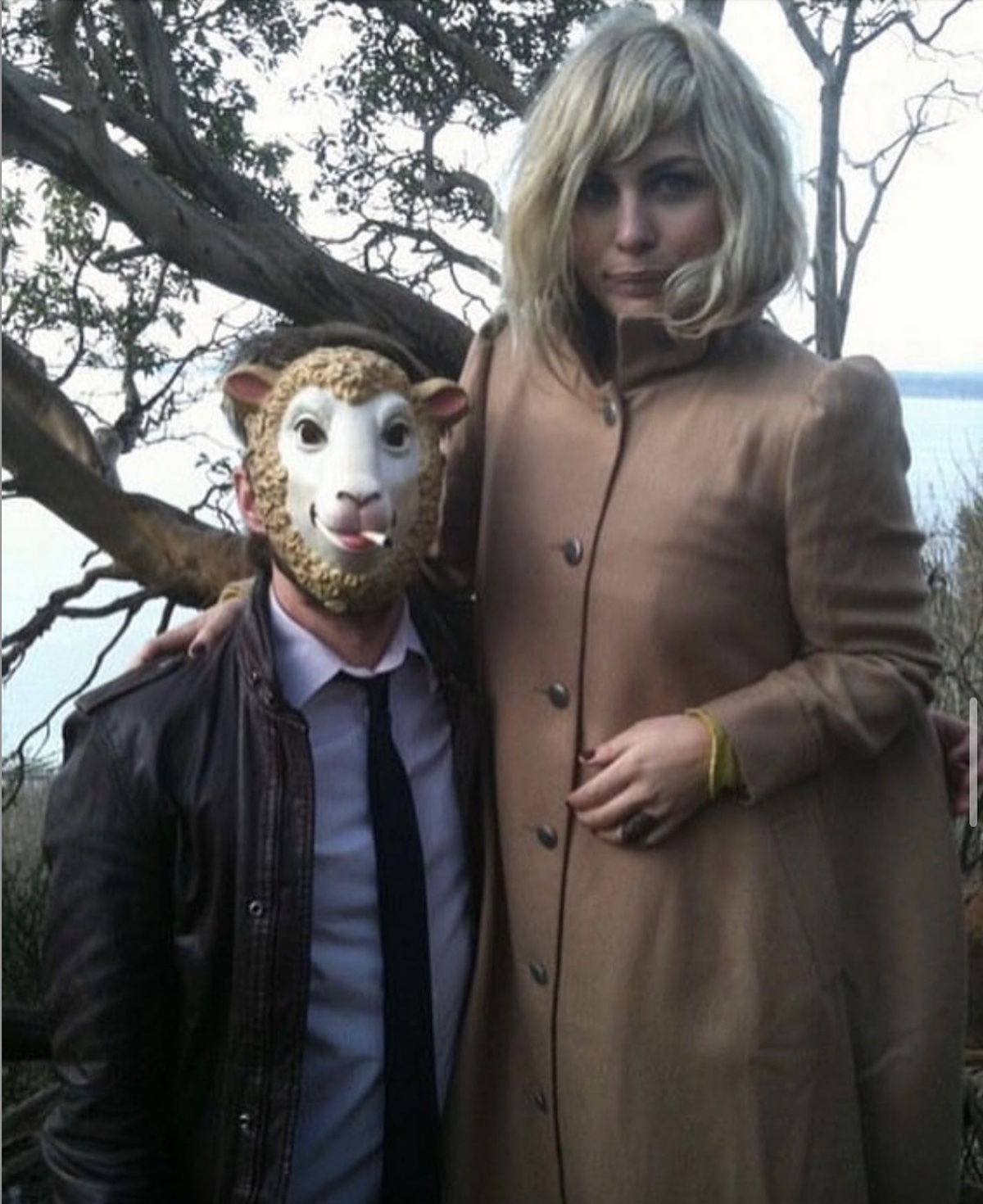
Onstage, that sense of living history should feel immediate.
Performing The Head and the Heart front-to-back is not simply an exercise in nostalgia; it is an invitation to step back into the charged, communal atmosphere that first gave these songs their color, while hearing them through the weathered voices, deeper bonds, and hard-won perspective of the band The Head and the Heart have become. Songs like “Lost in My Mind,” “Down in the Valley,” and “Rivers and Roads” no longer belong solely to the young artists who wrote them – they belong to the rooms that have carried them, the fans who have grown with them, and the band still finding new meaning in every return.
“We’re really gonna try to treat it like a storytellers-type set,” Hensley says of the anniversary shows. “We’re gonna each have mics and have the ability to tell our own individual stories. I feel like we all have so many different ones for so many of these songs, and I’m sure it won’t be the same every night. It’ll be different night to night.”
“I feel like this is the time. This is that event,” Russell adds. “As common as talking or telling a story about a song is in our somewhat routine, it isn’t necessarily. So I think it’ll be a really fun, new approach, a fresh approach to performing live, which feels good.”
Below, Atwood Magazine sits down with Jon Russell and Kenny Hensley for a wide-ranging conversation about the making of The Head and the Heart, the connection and chemistry that shaped the band’s earliest songs, the strange beauty of revisiting a breakthrough fifteen years later, the dynamic that still defines their work today, and what it means to bring these songs home again.
— —
:: stream/purchase The Head and the Heart here ::
:: connect with The Head and the Heart here ::
— —
Stream: ‘The Head and the Heart’
A CONVERSATION WITH THE HEAD AND THE HEART

Atwood Magazine: Hey Jon and Kenny! I can still remember the first time I pressed play on The Head and The Heart’s debut album, and I'm so excited to talk about that today. But before we dive into it, it's been less than a year since we spoke about your last album, Aperture, which is about to hit its one-year anniversary, too. How do you guys feel about this record and its songs, now that we're almost a year out from its release?
Jon Russell: I mean, I’m super proud of it. It’s funny – I feel like what I think about more is that it’s been long enough to where I’m finally getting excited to write again. So usually when I think of Aperture, it’s kind of like, what did we learn from that experience? And what could we do a little differently? So I’m sort of already there, but it’s been really great touring on Aperture. I feel like band and fans feel really aligned right out of the gate, which is really cool. It’s sort of had this recalibration feeling from the shows we were doing with our fans, hearing their reaction, which is always nice. But yeah, it’s funny, I’m kind of one step in the future right now, thinking of what’s next. Are you kidding?
Kenny Hensley: Yeah, I mean, it’s wild. It’s been almost a year. It’s really flown by. I guess it was last May when we were in New York on release day, doing a bunch of promo and whatnot. But yeah, I’m kind of in the same boat. Touring was really great off of it. I love playing the songs, and we’re still gonna be doing a lot more of that this year, but I’m in the same headspace. I’ve been more in the future, more thinking about what’s next, and getting into writing lately than focusing more on the last record. But I am super proud of it as well, and it’s been a blast to play the songs and tour.
Where do you think it sits in the band's discography now, with a little bit of hindsight?
Kenny Hensley: To me at least, I think every band member would have a different answer to some extent, because we all have our own experiences in life and whatnot, and that’s all correlated and tied into this band. But for me, it’ll always be a huge record, because it was after this long period of COVID time and doing a record remotely. I mean, it’s a long story, but on our fourth album, Living Mirage, I took a break for a year, didn’t tour, so I wasn’t as much a part of that one as the rest of the records. Then album 5, Every Shade of Blue, we did remotely during COVID. I had my own personal stuff; I had to step away from the band again for a little period.
So this one, for me, was the first record I was really there and present for all of it since our third. Because of that, it felt like coming home in a big way to me, and I think it’ll always have a special place in my heart for that reason. I am still really proud of it. I love the songs, and I think it was a really great step in the right direction. We had explored a lot and taken a lot of alternate avenues and tried things out, and this felt a little bit like us coming back to our roots, just doing what we do best, which is getting the six of us in a room and writing, and not worrying too much about there being a radio hit, or a certain amount of production on things. This felt like that to me, which is how the first couple records felt. So yeah, I think we’re trending in the right direction, and it felt really positive.
Jon Russell: Yeah, being in the whole “what’s next,” working on songwriting and just seeing what my voice is currently, I feel like I’m trying even harder to have that beginner’s mind, which didn’t know what a radio hit was or what one sounded like. We all listen to the radio, but as a writer in a band, 15 years in – I don’t know what other bands are experiencing, but for me, it’s definitely been a thing where it’s like, “Oh, if I did this, I got the milk.” I feel like a lab rat sometimes. When I did this, I got the milk, so I kept doing this because I get the milk. I want the milk.
I’m really trying to just hang out now, and hang out with the others. Just hang out with everybody. It’s nice to make music together. I’ve been listening to a lot of Sinéad O’Connor, and what I love about her records and her songwriting is I feel like there’s zero efforting or awareness of making sure that there’s a single on the album, or which one, or what does the thing. They’re just beautiful records, and they’re honest and vulnerable and powerfully true songs. She’s kind of becoming my North Star right now.
I feel like for a while, I was definitely chasing the milk a little bit. Something you said, Kenny, made me think of that. Trying to relate this back to Aperture, I feel like that was a really great example of everyone in the band putting their hands in the middle and us all being there, and “hurrah!” I feel like for me, that was one step I’m really proud of, and now another step that I’m thinking about taking is just really trying to write a song that I want to write without the awareness of what the world or this industry can sort of – the carrot it can put in front of you.
That’s not to blame anybody else, or to say that certain albums suffered because of that, but it’s just not where I’m at personally. We’ve written so many songs. If I write another song, I really want to have some intention behind it, or I just don’t see the point. I know you’re asking about Aperture, but the album that’s right behind us is usually in direct correlation to where we go next, so it’s kind of all I’ve been thinking about lately.
But if I may, one more thing this whole conversation makes me think about is – and this ties into this 15-year anniversary tour and remastering of the first album, and what those shows are going to be like. We’ve been doing these bi-weekly phone calls, the band members, and just rehashing old memories – who has what memory around the making of this song, and going through all 10 of them.
The one thing that I did not anticipate getting from this process was learning a lot of really – getting a lot of insight into what was working for us, the way we wrote music, the way we hung out, and the way we allowed the songwriting to breathe. Just the way we went about it, the songwriting process, is really gonna be informative of how we – at least for myself, how I’m approaching this next batch of music. Rediscovering literally what we did.
So much of the writing was Kenny, Josiah, and myself in the early stage. The songs were further along and more developed, if not finished, as we were meeting band members – as I brought in Tyler from Virginia, as we met Charity and started adding her stuff, her voice and her writing as well into it, and then finally meeting Chris on bass.
More and more, as we’re living in these different geographical locations, it’s become a little bit of an autopilot of getting together for these really short trips of writing and being in the studio. Even if we don’t have a producer, even if we’re not on a label, I think we still have this pressure we put on ourselves of, “We’re only here for five days, let’s make it count.”
Versus in the beginning, we all lived in the same city. We would get together as much as we could to write, but then we’d just have time where we couldn’t, because we’d go to our jobs, or we’d have to go to sleep, or whatever. You’re always thinking about these songs, but you’re letting these songs breathe through the course of a day, a week, a month, and chipping away at them, versus trying to have something impressive in five days. Just looking back and seeing how that affects the sound of the music, the songwriting, the arrangements, all of it.
I did not anticipate getting that personally from this process. I always was looking at this as, “This is for the fans.” This is for the people who discovered us, who were living that album as we were 15 years ago, and I really just anticipated it being for the fans. So it’s been really cool to also get something completely different from the process. It’s a long answer.
In your own words – and because we are here to talk about the album’s 15-year anniversary – what’s the story behind your debut? Was there a vision for it? Was it multiple songwriters putting their heads together to create something? Was there an intention behind the record, or was it almost like an accidental, “Oops, we have an album”?
Kenny Hensley: I feel like that was kind of the beauty of it, is that there wasn’t really. I had moved up from LA. I was 21, just old enough to go to bars, and a couple of weeks after moving to Seattle, I went to this bar in Ballard in Seattle to watch a Laker game, of all things, and happened to meet Jon and Josiah that night. They were playing an open mic.
I was a musician, but had never been in a band. It was kind of my secret love. I did it all the time, but none of my close friends even knew I did. I was kind of a perfectionist and didn’t want anybody to hear what I was working on until I thought it was worth sharing. I didn’t sing, so it was just instrumental music, mainly piano.
I went up to Seattle as a last-ditch effort before maybe going to school or committing to something else. I kind of thought, “I’ll go somewhere new where I don’t know anybody and rebrand myself, and for the first time be open about music, be open with my music, and meet people, and try to do it for the first time.” I met these guys at an open mic night, and we started messing around, hanging out together, writing songs, finishing songs. The open mic we would play had a piano on stage, so the three of us could go up and try songs out every Sunday night. Jon and Josiah had just met, I think, a month before that, or something like that. It was pretty new.
That summer of 2009, the three of us just hung out a ton and worked on a bunch of songs, really with no end goal, as far as I remember. It was just because it’s what we did. We were enjoying making songs. It was the first time I had ever collaborated with anybody in my life, and so I was just loving having voices I could work with, and other minds I could collaborate with.
The songs were coming out. The people at the open mic, our friends, were really enjoying them. We could tell there was something there. But yeah, it was almost like a sitcom. Chris, our bass player, was the bartender of that bar, and so he would see us every single week. We got to know him. He was in other local bands that were pretty popular in the area, so I remember thinking of him as a local rock star. He was a little older.
We met Charity at the same bar randomly. Tyler was the one that Jon knew from Richmond, and once we had some demos, he moved out to be our drummer. But there was almost a collective sense for a while when I first met them and in the months following. There were a handful of others that were kind of in and out of our circle, and we didn’t really have a name. We kind of went by a couple things. There was the name Ladies and Gentlemen for a period. It was really a collective. It was like, whoever wants to hang out, whoever wants to hop up on stage and work on these songs with us, or play these songs, is more than welcome to. But there wasn’t really a band. It was just friends writing music, sharing the music.
I think as we started to develop a bit and have more songs in our pocket, it started to feel a little more serious. I think we started to think, “Oh, we need band members now, and people that are actually going to stick around.” So we started forming that, and I think at some point we even sat down with the others, and we were like, “Okay, who’s actually down to do this full-time and to really try?” Once we were gaining a little traction in Seattle, that kind of weeded out a couple of the others who had normal jobs and other aspirations and careers that weren’t trying to be in a band that might not do anything full-time.
It all came together very organically in that sense. We would just play the open mic every week, and we noticed over the course of maybe six months at this open mic that would normally have 15, 20 people there watching their friends play a few songs, it was filling up and getting more and more busy. It was obvious they were there to see us play a few songs. It was really a crazy period, because all of a sudden, this small Irish bar was pretty packed on Sundays to see us play three random songs that they had maybe only heard at this open mic.
That was when, in my mind at least, the wheels started turning. Knowing that this should be a band, and that we should really try this. I thought we had something there, and it was no longer a hobby or something we were doing just for fun. It was also fun, but it started to feel a little more serious.
I think the beauty of that first record is that there was no goal. We weren’t trying to write an album. The album just happened because once we realized we had to record a record, we picked all the songs that were finished and that we thought would fit. All the music we had to our name over the course of that first year became that record.
It was a special time. It was very organic and kind of fell in our lap. A lot of right place, right time, and I just remember being so glad that I had put in the hours before meeting them, and I felt ready to be collaborative and to write with other people. If it had only been the dream, but I hadn’t put in the work and worked up my chops a little bit, and felt confident in my ability, I think I just would have met them like a lot of our random friends who were in the group and at the open mics at the time, that just didn’t take music super seriously. It would have just been one of those things where we were buds, but I never would have joined the band. And who knows what would have happened from there.
Jon Russell: Yeah, I remember the first time, for me, the light bulb went off of, “Oh, Kenny isn’t just a guy that plays piano so that we can have piano while we play guitar and sing. Kenny is a writer whose voice comes out on piano.”
I remember that happening when we were in the library, which is where we used to have to write before Kenny had a piano. We’d block out these hour-long – you could rent the room for free for an hour in the downtown Seattle Public Library. You still can. I think it’s on the seventh floor. We were working on “Down in the Valley,” and when it basically changed from being a guy singing with acoustic guitar, singing some verses, to this very epic, cinematic build. Kenny’s ideas and vision around structure, to me, were – I don’t know if it was unusual, or if it was just different from the way I thought of song structure, but it really opened up the songwriting in a way that was apparent. Like, “Oh, it’s not that he can play piano. He can do that, and he also has a vision for things.”
I remember that being a moment. When I moved to Seattle from Richmond, I had been searching for a place to go follow a dream. To go all the way to Seattle, I definitely had an intention behind it, and what I went there with in my mind, thinking that the best way to accomplish that, ended up being completely blown apart and shattered and rebuilt in a way more interesting way when I met Josiah and Kenny. I had just never had the honor of playing music with people who had that sort of internal voice. It wasn’t just, “Hey, what are the chords? What do you want me to play?” It was, “Here’s what I think,” and it was freaking amazing.
It’s funny. It’s been an emotional ride, reliving these early days. I didn’t think it would be. I don’t know why, but it’s been really cool. For a long time, when I thought back to the early days, you find yourself saying that so often in interviews: “Yeah, in the early days.” But when you really start reliving it again and talking about these stories, I remember our outfits, our shoes, the room I was living in, sweat, what people smelled like. All these things are coming rushing back, and you’re like, “Holy, this is emotional.” It really was a life-altering part of our lives. It’s crazy. It’s what we do now, and it kind of gets minimized, but it’s pretty epic what happened in Seattle that year. Pretty wild.
Kenny Hensley: Yeah, it really was. Just to add, I feel like something about when we met, to me at least, it really felt like we each had our own strengths, and there was something about meeting where it was like the puzzle pieces connecting. I was really confident in what I did, which was instrumental music and orchestration and composing parts and melodies, just music. But I wasn’t a singer. I wished I could do that really well, because then I would just be a singer-songwriter, but I didn’t feel confident doing that at all.
So I met a couple guys who had very unique and great voices, and had that strength that we were able to piece together, and it covered everything that I was missing, and I think vice versa. We were able to cover all these bases. We each had our strengths, but we each were lacking in certain areas, and the three of us together that summer, and then with the rest of the band, we were able to fill in all those gaps.
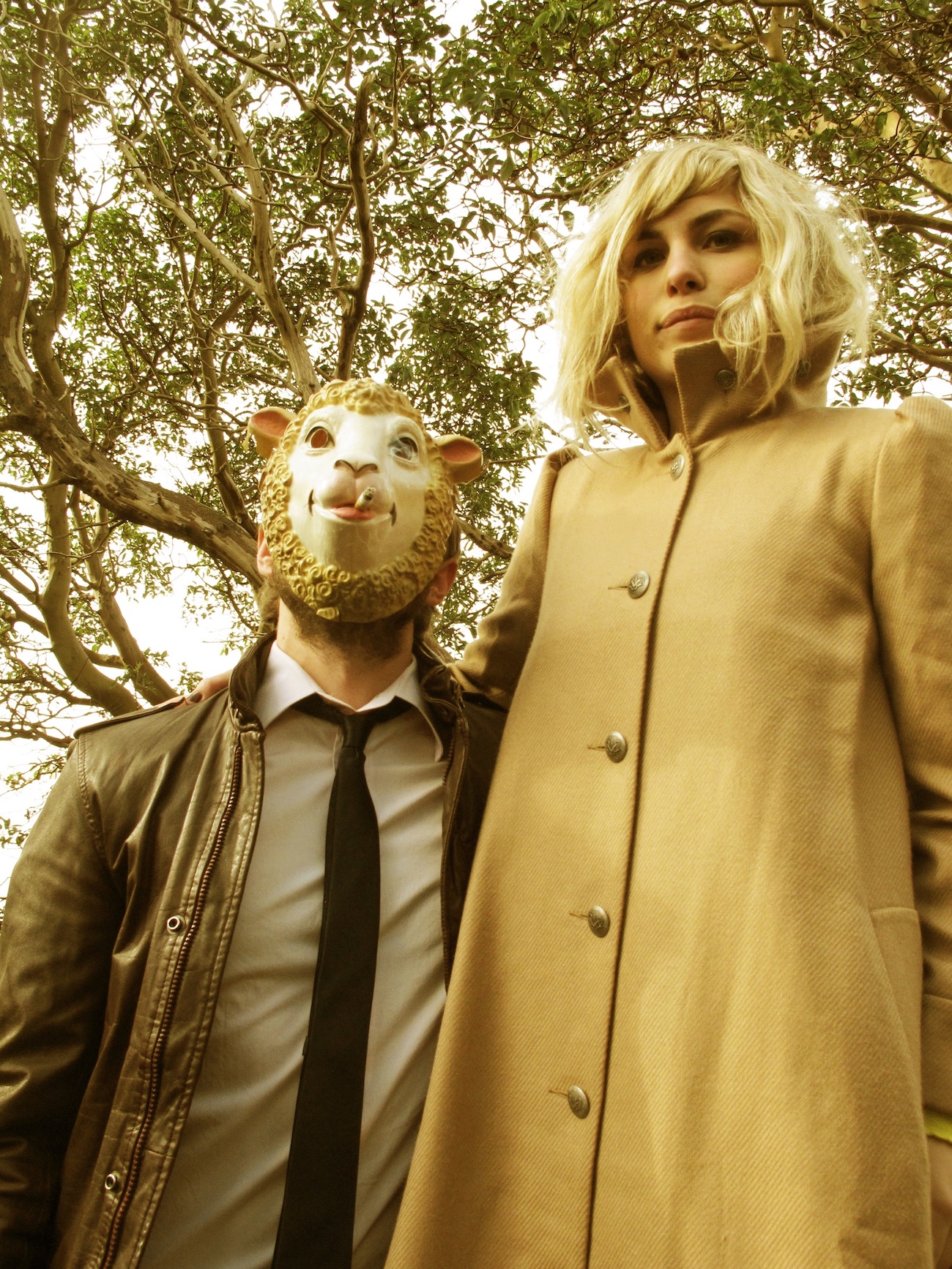
I think one thing The Head and The Heart does so well – and Jon, you told me this last year, how you've really been working on your instincts to not take over the conversation as “bandleader,” to not be out front all the time, and to try and make sure that it is a communal thing, and that everybody is contributing their part. I think that's very special about it. For me personally, I've never thought of The Head and The Heart as a band with one ringleader, even if that’s been the case at times. In my mind, it has always felt like a collective, and not one person’s group.
Kenny Hensley: Yeah, that being said, though, I’ve always really appreciated Jon for being okay with that, because he is the lead singer, and lyrically has written a good majority of our songs. But there is a collaborativeness that is true, and I think does make the songs something other than they would be without all of us working together. He could have the argument easily over the years of being like, “Screw this, I should be the guy. I do deserve more of the pie.”
I’ve always appreciated Jon for not going down that road too much, because I truly believe that we decided early on that we would split things equally, we would all be a democratic single unit, and I really think that if we hadn’t decided that, we probably wouldn’t have made it this far. Who knows when things would have imploded.
We were given some advice early on by no other than Dave Matthews, really, just to stay together. He kind of pushed that democratic feel as well: It’s not worth it. You don’t want to be the band that breaks up over money, or jealousy, or these things. So we went down that route, and I think of anybody in the band, Jon has the argument to make there, for sure, but he hasn’t. I think it’s kept us together, so props to Jon for that.
Jon Russell: Appreciate it. In that way, I feel like this band taught me that lesson that I was not being taught prior to knowing all of you. It’s been like a living testament. I feel like there’s an innate voice in humanity that knows community is the healthy option. Alienating or isolating or becoming overbearing is typically an abuse of power. Obviously, we see it all the time, and we are seeing it right now.
This band, in a way of being a microcosm, is just like a gift to have that teaching to you. I’m glad that we’re still together, because yeah, it’s music. Yeah, it’s our business. It’s our identity at this point, but it’s also this ongoing, never-ending well of a living teaching thing.
I feel like I finally realized, if I’m not at my best, I do start to get fearful, and when I get fearful, I get overbearing and panicky, and I start trying to do too much. If I see myself doing that now, I’m like, “Oh, what’s the motive there? It’s probably because I’m afraid of something. I’m probably anxious. Who do I need to talk to? Who have I not been honest with?” Whereas I think in the past, I didn’t really read into it very much, and I just assumed that was my role. You can get really out of sync with the natural frequencies of things.
I think this band is a cool microcosm for the idea of democracy. That’s all I really – I hate how that’s such a good sound bite, I didn’t mean to do that, because yeah, it does make you think about what’s going on right now, and it’s just like, see, this is what f***ing happens, man.
“Big D” liberal democracy, guys. I will use that, though. So, ‘Ladies and Gentlemen,’ huh? How do we go from ‘Ladies and Gentlemen’ to parts of the body?
Kenny Hensley: Yeah, I think that was Josiah’s. I think both were. Ladies and Gentlemen was because it was this collective of people coming in and out. I don’t know exactly why he chose that, but I think at some point when little tiny shows were happening, we had to have a name, and I think Josiah thought, “Well, it’s not just Josiah Johnson. It’s a group of us, so I’ll just come up with a name.” So Ladies and Gentlemen is what it was.
We threw around a bunch of band names for a while. I think we knew that wasn’t gonna be – shouldn’t be the band name. We wanted to come up with something else. I remember throwing around a handful of ideas, and I remember where I was. I was at Conor Byrne, the same bar we all met at, maybe the open mic. I was sitting there watching somebody and got a text from Josiah: “What do you think of The Head and The Heart?” Just kind of asking the question, and at first thought I didn’t love it. I didn’t love it for a while.
But I think the idea was that a good portion of this band had gone out of their way to follow their heart instead of doing what the book would have told us to do. I had moved from LA to pursue music, instead of going to school and getting a career. Jon had moved across the country from Virginia. Josiah was up in Seattle, had a degree and was educated and probably was expected to go into the workforce, but he was putting that aside to do music. It was that general overarching theme between all of us of following your heart and what you really believe in, rather than what you’re being told to do or what’s expected of you.
Earlier in our conversation, Kenny mentioned going back to your roots. One thing that continues to resonate with me about this album, 15 years on, is just how light, how warm, and how refreshing it is. It’s a little bit of sonic sunshine showing through the speakers. For me, there's an effervescence. I smile almost immediately. I smile for a nostalgia that I never even had. You built this album on open mic stages, and in cramped, probably one-bedroom apartments, and library practice rooms. What was your collective vision? What were your guiding lights? What did you like about the songs that you were making? What do you remember liking?
Jon Russell: I’ll speak for myself. For me, living in Richmond, Virginia, and prior to that, Jacksonville, Florida, I’d never been west of Kentucky. I’m now living on the West Coast, living in Seattle, Washington, meeting two different members from Southern California, meeting people from – it felt like I was all of a sudden living in a movie. Our age ranges were 21 to 24. What we were writing about was our own lives. Almost all those songs are essentially us – most of those lyrics I was writing, it’s as if I was having a conversation with somebody in the band.
My life had just completely – it’s like I went from black and white to color. There was an immense amount of freedom, but also a brotherhood or sisterhood, all of it. It felt like we had each other’s back. We were building this really effervescent – I think that’s a great word, because it felt bubbly, but it also felt grounded. It didn’t feel unreal. It didn’t feel like some pink cloud moment. It felt like we were building something. We were building our futures.
Prior to that, I had just been living in suburbs outside of cities, delivering pizzas, working in restaurants. Didn’t go to college. It was a pretty two-dimensional life until I started meeting all of these people. That album, that period of my life, just feels like when television started using color instead of black and white. It was a really opening-up feeling for me.
Kenny Hensley: Yeah, I think sonically, too, to me, the songs just sound like how I felt, and how I’m assuming we all felt. There is a happiness and a joy. I look back at that time, and it’s wild, the contrast, because it was maybe the brokest I had ever been in my life, or most of us. Literally, like you say, one-bedroom apartments. Most of us were sharing homes with a bunch of people. I lived in a two-bedroom place with six other guys. It was two in each bedroom and three mattresses in the living room. It was a bunch of gutterpunk kids. We were skaters and punks. I knew one guy that lived at this house, I got in there, it was $200 a month, and that’s just how it was, because it’s all we could afford.
But I look back at that time as being some of the happiest in my life. We didn’t have much at all, but there was an excitement. It’s almost like the BC/AD idea: before the band and after the band. The years before we met and this started, all there was was the dream, and it’s a pipe dream. I trusted my ability, I loved music, but every guy my age loves music, and every guy wants to be in a band, or wants to do this, so I was realistic with myself. I always felt like there’s something here, there’s something I could give, and there’s something I could do with this, but how do I even do it? I know I’m not a singer, but it’s all I thought about, it’s all I dreamt about, and it’s all I wanted, really.
There was the before where it was all thinking, all thoughts, and that was the first time in my life where it was starting to be reality. There was actual creation happening with other people, and it was good. I remember when we were writing some of those early songs, just like anybody, when you hear a song you like, or that’s catchy, it was catchy to me, too. We were writing songs. I remember the night we finished “Ghosts.” We played through it like a dozen times, because we just wanted to. We’d finish it and be like, “Ooh, let’s play it one more time.” We were all three so excited that we had written something together that was so catchy. I remember it was just like, “It’s so catchy, let’s do it again.” We kind of cracked the code with that song.
That same night, because I lived in this house with a bunch of other dudes, there were always people coming and going, young people hanging out and drinking and whatnot. There were a handful of people there, just in the living room, the room next to us, and I remember the next day seeing a few of them, and one of them was humming the melody of that song, the little hook. I stopped her and was like, “What is that?” I knew what it was, but I wanted to see if she remembered. She was like, “It’s a song you guys were playing yesterday. It’s been stuck in my head all day.”
That was one of the first, “Okay, if we think this is so catchy and such an earworm, and we’re having so much fun playing this, and the people in the other room are remembering it the next day, then maybe we really do have something. We gotta take this seriously.”
Jon Russell: And the fact that it was a gutterpunk house. It’s black clothes, studs, tattoos. I was shocked when those people would come in and actually hang out and listen to what we were writing. We were listening to The Beatles, Crosby, Stills, Nash & Young. I’m trying to remember – there was this first record by this band. The guy I went to high school with, Josiah. Do you remember who I’m talking about? He then broke off after a couple records and was in this other band.
Kenny Hensley: Is it Delta Spirit?
Jon Russell: Yes. The first Delta Spirit record. And probably Edward Sharpe & The Magnetic Zeros.
Kenny Hensley: Yeah, Matt Vasquez. I remember that “Home” song was just blowing up when we were doing that whole summer. Everybody was listening to that. So it was that era.
Jon Russell: Totally. It’d be unfair and untruthful to not say how much I was listening to that music, for sure. I remember “Ghosts.” I remember thinking, “Holy shit, we can write songs like this, too.” I just remember being so blown away that those gutterpunks – I gotta come up with a better name, because they’re probably lovely human beings – but you just would not have thought they’d give you the time of day, or nonetheless come and sit and hang out and then have a song stuck in their head. I just remember thinking, “Alright, it isn’t just for people like us.” It was cool.
Kenny Hensley: Yeah, and that song especially, with such a bubbly, almost on the verge – still to this day, we’ve joked around about, “Do we keep playing it?” It’s almost embarrassing to play sometimes, because it has an almost over-the-top bubbliness to it, and the melodies are like that. But yeah, they were all friends. They were people I lived with and knew, but they were very much into different things. I was the one who had the record collection and was listening to The Beatles all the time, and they were all in metal bands and punk bands. We were buds, but it was really cool for them to be like, “Oh yeah, this shit’s really catchy. You guys are good. I wouldn’t want to be in your band, but I support you guys.” That’s totally what it felt like.
For me, it's the opening moments. You hit play on The Head and The Heart, and you start to hear that click-clack of “Cats and Dogs,” and immediately you're brought into this world of multi-part harmony voicings. Kenny, your piano really is a voice in its own right. You really are an entity unto yourself. And suddenly, we're drawn into the world of this record. You’ve probably been having some thoughts on the remaster as it was brought to life. Having had the album in your ears more recently, what songs resonate with you today?
Kenny Hensley: Oh man, it’s hard to pick one. Obviously, listening to a remaster, there’s a newness to it, and it sounds different than what you’ve become accustomed to, but we still play a lot of these songs, and we have for 16 years. It’s not like we’ve taken this long break and I’m listening to the music for the first time in a decade, like, “Oh my God.” They’re still very much in our psyches and relevant because we do play them so often.
But listening to the record front to back, which is something I hadn’t done in a long while, was a trip. Even remembering the track listing, the order. For years, we’ve become so accustomed to closing with “Rivers and Roads,” and “Down in the Valley” being later in the set, and those feel like these enders to me now. So when you listen to the album and remember, “Oh my god, I forgot we put ‘Rivers’ and ‘Down in the Valley’ at 4 and 5. And the album ends with ‘Heaven Go Easy on Me.’”
I really love it. The first time I listened through, I was kind of thrown off a little bit, because I forgot what order the songs were in and details like that. But now that I’ve done it a few times in the last six months or so – especially we just did this show in Seattle with the Seattle Symphony, and we played the record front to back – we’ve been hearing, and will continue to do that for some of these 15th anniversary shows, the album in sequential order. It’s really grown on me again, and I think it was kind of genius, the order we chose. At first, it felt so wrong hearing it for the first time in a while, but I kind of love it.
It’s hard to pick a specific song that’s been resonating with me. I think “Heaven Go Easy on Me,” which closes the record, is a song that never got a ton of light, and we never played it consistently aside from the really early days when we just had to play every song because we didn’t have enough to fill up a set. But that song I really, really love, and I feel like playing that recently has been great.
Jon Russell: Yeah, it’s funny. The remaster, just the sound of it. I remember being so nervous when we got the test pressing to put it on. Even listening to Aperture, I get icky because I live in the future, I guess. But putting it on, I was just like, “Holy shit, this sounds so good.” I’m glad we have the original, and I know that we captured something sort of accidentally that people really latched onto, and that’s lovely. But with the remaster, I’m really happy that it exists. I think it sounds so good.
“Down in the Valley,” I would say, is a song that – again, to Kenny’s point, it’s a song we’ve been playing for 15 years. But listening to it within the context of a thing from 15 years ago, and probably because we were doing all of this behind the scenes while still releasing Aperture, having that sonic landscape pretty present, and then listening to how we arranged a record, or how we arranged a song 15 years ago, hearing the violin come in on “Down in the Valley,” I remember being like, “Oh man.”
It’s what we’re not doing on that first album that’s making me really excited. There’s all this space, and when a violin comes in, especially the sound of it, it feels like a room free of clutter. There’s only things in there. It feels like there’s the chair for you to sit in, the table for you to put something on, and maybe a window or something. There’s nothing cluttering it up when you hear the violin come in, and the way piano hits, just the way that song unravels.
I guess I’m longing for Charity to play some more violin is maybe what I’m feeling. I’m excited to see what we do as we start writing again. Charity, like any musician who can play more than one instrument, I think she’s been really enjoying over the years stepping out and playing guitar, or playing other instruments, and focusing more on writing. But that song really made me yearn for – I just feel like when you add a violin, you don’t want to start adding all this other stuff. There’s the middle part of our catalog where we have a lot of sounds and a lot of layers, and hearing her come in on that with that intro lick, it’s just like, “Whoa.” It makes me really consider what you’re going to put in between those two things, and maybe nothing at all. So “Down in the Valley” really was impactful to hear again, recorded and remastered.
I know what remastering is – I learned about it in school, and I've seen it done in practice. But what did the remastering process look like for you, as the band who made the music in the first place?
Kenny Hensley: It’s not the most exciting answer, but it’s kind of like, “Hey, here’s a list of some names. Who would you like to remaster it?” And we pick somebody, and then we get a test press in the mail a few months later and listen to it. That was kind of my experience. Just going through some names of folks you think would do a really good job doing that. But I’d be in the same boat as you. I understand what mastering means and is, but I have no idea how to even do it.
Jon Russell: Yeah, I don’t know if I’m in much of a different situation. I just remember feeling anxious about it, because sometimes I want to listen to The Joshua Tree, or I want to listen to an album that I probably discovered in the ’90s, and I’m used to the dullness or shrillness that I’m accustomed to hearing. It just feels like a very raw recording of an album, and I think our first album lives in that sort of world of rawness. I remember being a little afraid of doing it, and then being very relieved when I heard it.
I’ve actually been going back and listening to the remastered Beatles albums on vinyl, because I’ve been testing out these speakers for a friend. I’m going from the original White Album to the remastered and blah blah blah, and it’s pretty nerdy and fun. I remember putting on our test pressing, and it felt – not to compare it to The Beatles – but it just seemed tasteful. It didn’t feel so far that you’re like – it didn’t feel like we were trying to overly polish something. I don’t feel like we lost what was there. I feel like it accentuates it. So I was very happy to find that.
Kenny Hensley: It’s funny, too. It reminds me of a quick story from the early days, and it just shows you how hands-on and how much of a baby that first record felt to us. I remember when we had the first album mastered, it was done by Ed Brooks, who had done some of the Fleet Foxes records and a bunch of Seattle bands’ albums. A few of us – I think Josiah, maybe Jon and I, maybe Tyler as well – went to his mastering studio the day he was gonna do it and knocked on the door. We were like, “Hey, we’re here.” And he was like, “Okay, what are you guys doing here?” We were like, “Well, we’re here because you’re going to master the record.”
We sat against the wall and just watched him do it, and he looked at us like, “Why are you here? This isn’t something the band comes to.” But we were so excited. It was the last step of finishing our first record, and I remember wanting to be a part of everything, even if we weren’t there to tell him anything. He just had this setup that was alien to me, and we watched him do it a little bit. I think after about 20 minutes, we realized, “Oh, this isn’t the type of thing that you’re very hands-on with.” So we left.
Jon Russell: I forgot about that.
You’ve both said that you play these songs a lot, I looked up your setlist from last year. You were playing an equal number of songs from The Head and The Heart as you were from Let's Be Still and Aperture. It's not like it's overpowering your discography. What do you think?
Jon Russell: I guess I don’t think of it through that lens very much. I think of it more in terms of playing it live. There’s just certain workflows and production-slash-arrangement styles that work in a live setting, the way that six people – once we started adding more stuff on the album and then not having it live, we started experimenting with, “What if we try some tracks so we have some of the stuff from the albums in the songs?” Then I feel like we went too far in that direction and went heavy-handed in that world, which was kind of the peak of Every Shade of Blue. I think that’s what led to the writing of Aperture. We were like, “This isn’t fun anymore.”
Sub-note real quick: I’ve seen Tame Impala. I don’t know if you’re supposed to say this, but I watched the whole set, and the earlier records, the whole band was clearly having to play more. They were playing more, there were less tracks, if any at all, and the band was f***ing in it. More was happening than their actual playing. There was just a synergy happening. Then as the setlist was going on, and the newer catalog was coming out, and there were clearly more tracks, at least in my ear, the band was kind of just at their stations, at all these keyboards. They weren’t really performing, and they weren’t really playing the instrument they love.
To me, we sort of went into that for a little while as well, and it just wasn’t translating. It wasn’t as interesting. There’s nothing wrong with doing that, in my opinion, but we were already a band where what’s happening on stage is bigger than just the six people playing music, because we’re all six creating this synergy and feeding off of one another. That happens in this band when we’re playing instruments, and those are the arrangements we wrote, and that’s all there is.
So we were feeling that, and we wanted to get back to writing something that was more immediate, and really just a band in a room. When you think of that setlist you just described – The Head and The Heart, Let’s Be Still, Aperture – those are albums that we all self-produced. Those are albums where there are more arrangements that go on only as the six people in the room slash on the stage, and they’re just the ones that translate in a much more human, palpable way in a live setting.
I think of it more from that lens than as much of, “Can you get away from your first album? Are you chasing a first album?” If anything, I feel like I’m happy that Aperture sort of satiates people’s first-album appetite. It’s almost like some of those surrealist painters: If the critics could just shut up for a minute and realize that I can also draw. It’s almost like, “Here’s this thing for you, so you know I can do that. I prefer this.” I feel like Aperture anchored the two polar sides of what we were creating in the middle, and reminded people, “Oh yeah, they did this thing, but they can still do this thing.”
The first album thing is cool, and there’s some bands where I get less and less interested after their first album. But a lot of my favorite artists – Radiohead, The Beatles, Sinatra, Sinéad O’Connor, Bob Marley, John Lennon – most of the stuff that I actually listen to, I don’t even know if I remember what their first album is. I rarely do. That was more than you asked for, but that’s where my head went.
I think it's fascinating that returning to this album really meant returning to how it was made, and what resulted from it. It's not just the songs, but how the songs were created. To hear that maybe doing some of this has potentially helped something click for you guys, to go back into that mindset and try to reclaim or reinvent what you were doing then with the 2020s version of the band – that’s so cool. I think it's special that this isn't just a nostalgia trip for you, but that it actually gave you something as well. Before we wrap, I'd love to talk about your current tour, and how you’re bringing the album to life onstage.
Kenny Hensley: I feel like it’s been a little bit of a learning curve, mainly because our brains are so tied to specific songs coming in certain parts of the set. Playing these songs in order, the first couple times – and I know I’ve heard this from other bandmates – something about it felt kind of off, because we’re just not used to that. But we’ve done it a few times now, and I think it’s starting to, and listening to the album in sequential order, it’s starting to feel more right.
We had the ability on this last tour to test it out at a couple cities. It’s gonna be really cool to have block sets, too, instead of just going out and playing the whole way through. I think we’re gonna be doing the first record front to back, and then having a moment – I don’t want to give away too much – but having a little moment in the middle, and then coming out and doing a second set of a bunch of the rest of the catalog.
There are a few things to it that I like. I like the order of it, and the neatness to the set. I feel like there’s gonna be less daily debating on what our setlist is, because we just know that every day we’re gonna go out and do the same first half, at least. For better or worse, I think that will be kind of nice.
We’ve been really talking about, like Jon had mentioned, we’ve been doing these calls where, as a band, we’re going down memory road, per se, and each giving our individual stories and memories on what we remember from the period of writing each of these songs, and little anecdotes. So I think we’re really gonna try to treat it like a storytellers-type set, at least for the first record. We’re gonna each have mics and have the ability to tell our own individual stories. I feel like we all have so many different ones for so many of these songs, and I’m sure it won’t be the same every night. It’ll be different night to night.
It’ll be a little more like taking a trip down memory lane and being able to give our individual stories and memory of that time, and what the songs mean to us, and what the creation of them was like. It’ll feel maybe like an MTV Storytellers vibe for at least the first half of the set, I think.
Jon Russell: Yeah, that’s what I’m the most excited about. The longer we’ve performed, the thing that I feel like I didn’t really know how to get better at – which seems kind of crazy – but you play more music, you get better at playing music. In terms of really finding the right time, and for it being the right moment, to give backstory to songs without messing up the flow of a set, which is what I’ve never really been able to find in real time.
Because we all live so far apart from one another, our rehearsing is really on the road for the most part. I’ve always been a little nervous to step out and say what I might be thinking about in between some of the songs. I’ve heard from friends, and I don’t read a ton of comments, but people talk about comments sometimes, and I know there are people who are always wondering, “What is that about?” Or, “Gosh, I wish I knew more about this or that.” So I feel like this is the time. This is that event.
As common as talking or telling a story about a song is in our somewhat routine, it isn’t necessarily. So I think it’ll be a really fun, new approach, a fresh approach to performing live, which feels good.
I think that's fun and special. It also makes this show especially a little bit more of a give-and-take, really getting to connect with the audience in a way that maybe you don't on an average night.
Kenny Hensley: Yeah, we’re also intentionally playing a lot of these old theaters we used to play, a lot of these venues we haven’t played in 12+ years – Bearsville being one of them. We’re playing Jefferson Theater in Charlottesville. It’s a lot of venues that we played for the first time supporting bands like Dr. Dog or Iron & Wine in 2011, when we were first starting to really get out there, and then eventually headlined, but then moved past to bigger rooms. We really wanted to be intentional about picking smaller theaters that we know would be packed full of our biggest fans, and try to make a real evening out of each night.
Jon Russell: Guys, I just got psyched for this tour. You have your time off, and then the final week or two of being home, you get a little anxious because you’re like, “Am I getting everything done that I have to get done before I go back to work?” I’m thinking of it from the present now, like, “Oh god, should I mow the lawn the last day before I leave? Or no? When’s that diaper delivery coming? Is it gonna rain?” These ridiculous things that get in the way of just the joy of what we get to do. So Mitch, thank you for this conversation. And Kenny, I’m excited. F***ing excited.
Kenny Hensley: Yeah, it’s gonna be great!
— —
:: stream/purchase The Head and the Heart here ::
:: connect with The Head and the Heart here ::
— —
— — — —
Connect to The Head and the Heart on
Facebook, 𝕏, TikTok, Instagram
Discover new music on Atwood Magazine
© courtesy of the band
 © courtesy of the band
The Head and the Heart
15th Anniversary Edition
an album by The Head and the Heart