
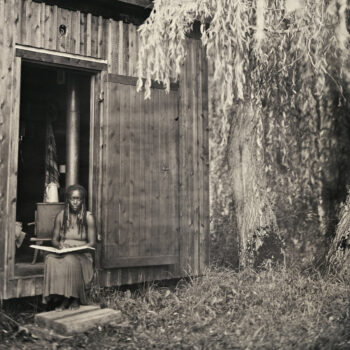
On “Poor Black Woman Blues,” Canadian roots/folk trio Oh Pray Tell pair three-part harmonies, banjo, and stomp-clap rhythms with a story of racial violence, spiritual protection and knowledge passed between generations.
 follow our Today’s Song(s) playlist


Stream: “Poor Black Woman Blues” – Oh Pray Tell
A black crow calls. The light looks different. Even the gravy seems to carry a warning.
“Looking back I think I knew something wasn’t right,” Shayna-Adjowa Jones sings at the beginning of “Poor Black Woman Blues,” following that instinct through her body and into the world around her: “I felt it in my bones, caught it in the shimmer of the light.”
By the time she hears it “in the black crow call,” the song has created a world where intuition, signs and spiritual knowledge are all telling her to pay attention.
Looking back I think I knew
something wasn’t right
I felt it in my bones,
caught it in the shimmer of the light
I read it in the walls,
saw it in my gravy
In the black crow call
Then one day I saw it all
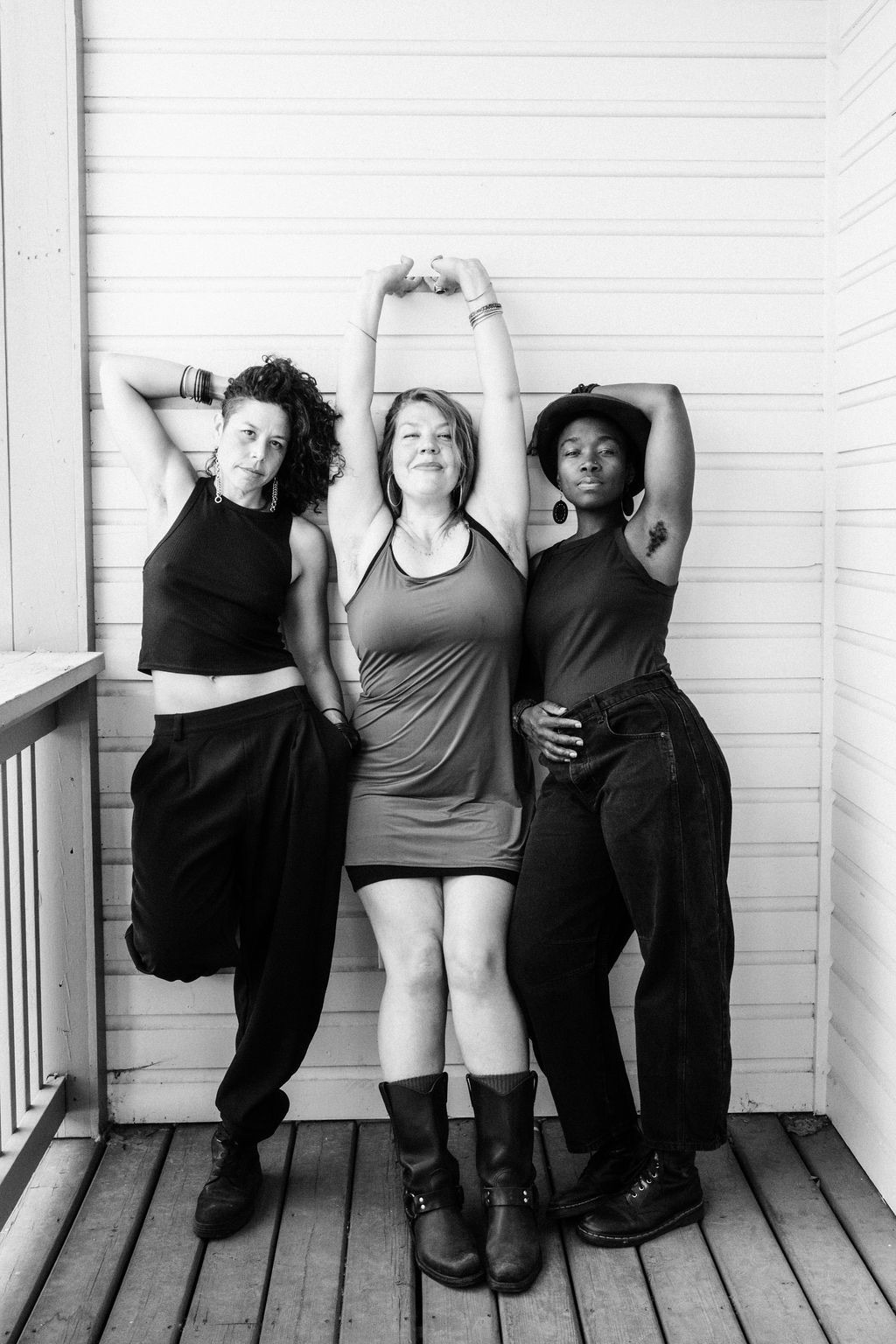
Released August 7, “Poor Black Woman Blues” finds Kootenay, BC-based trio Oh Pray Tell – Sally Titasey, Shayna-Adjowa Jones, and Betty Supple – setting those words against an earthy roots arrangement with a strong rhythmic pulse. The banjo provides much of the song’s acoustic texture, while percussion keeps the rhythm moving.
The voices are just as important as the instruments. Jones’ verses carry the narrative through a direct, storytelling delivery, while the trio’s harmonies gather around her, sometimes answering her and sometimes joining together. The performance has a communal quality, as though the voices are rising alongside Jones, helping to carry the weight of the story with her.
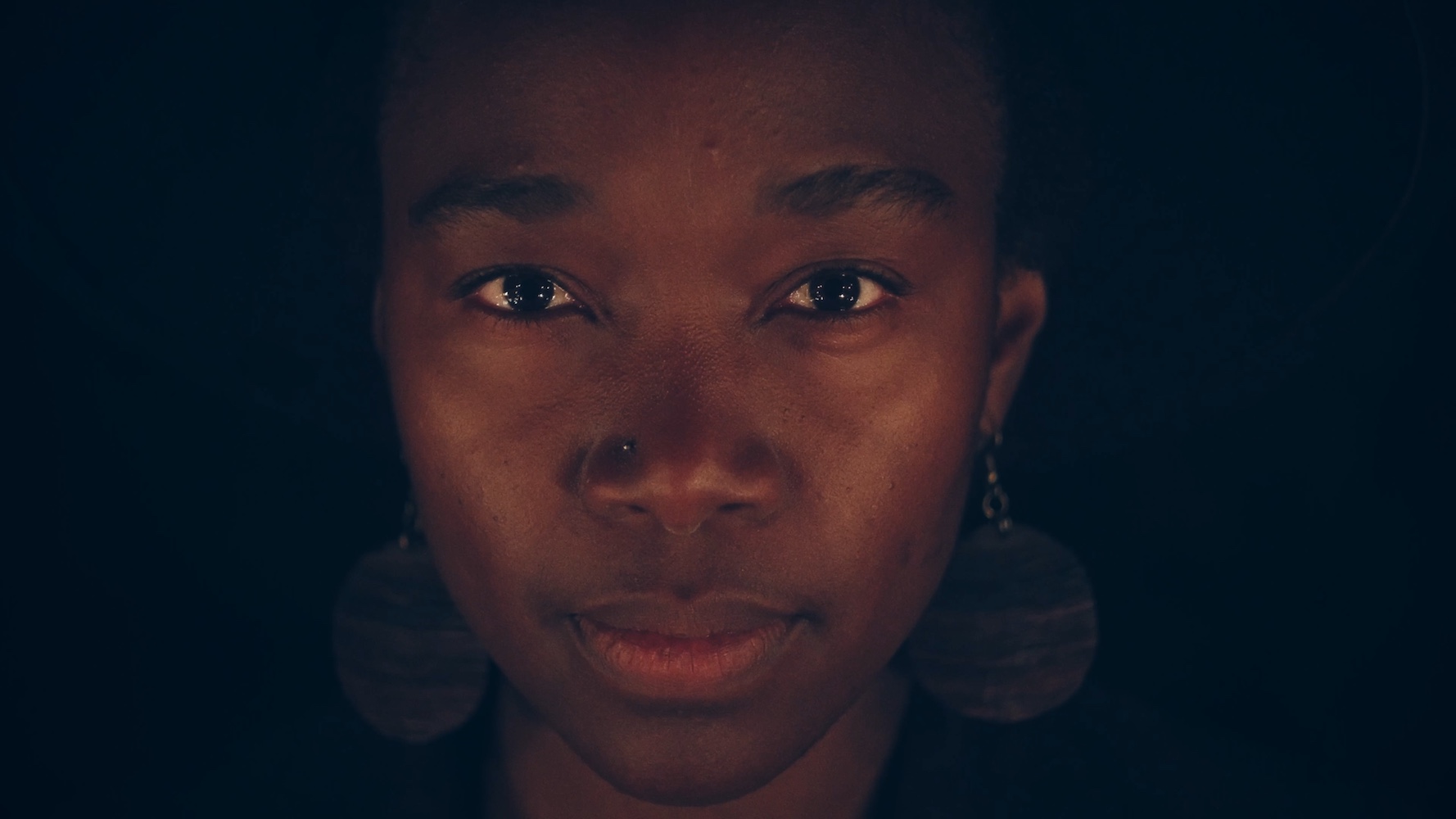
“Then one day I saw it all,” Jones sings before the chorus exposes what has been lurking behind those warnings.
“First the f***er stole my shoes / tore out the itty bitty strings,” she begins. The blunt anger of “the f***er stole my shoes” gives way to a horrifying image as those shoelaces become the means by which the narrator is hung “from a good old Alabamy tree / just like my daddy before me.”
Poor Black woman Blues
First the f***er stole my shoes
tore out the itty bitty strings
and hung me dang-a-ling-a-ling-a ling
from a good old Alabamy tree
Just like my daddy before me
Poor Black Woman Blues
What are we gonna do
That last line reaches across generations. The tree evokes the history of lynching in the American South. The line places the narrator inside a family history marked by the same racial terror. Jones gives the hanging itself an eerie sing-song refrain: “dang-a-ling-a-ling-a-ling.” The voices make the phrase catchy enough to lodge in your head, leaving the image there with it. The repeated “Poor Black Woman Blues / What are we gonna do?” turns an individual story into a collective question.
The music keeps moving underneath it. The banjo and brisk percussion give “Poor Black Woman Blues” the physical feeling of a song meant to be sung with other people. Oh Pray Tell’s harmonies add warmth and force, particularly when the chorus opens up. That musical energy becomes essential to the story because the song soon shifts from recognizing danger toward preparing for and protecting against it.
“Got myself my mojo back, gotta find protection,” she announces. From there, the lyric becomes strikingly specific about what protection looks like. Jones gathers “a lock of hair,” “church earth,” tiger’s eye, ten crushed basil leaves and a single white feather. She tells the devil to run, then instructs the listener to take a metal nail and “pound it through a little cross” before placing both inside the bag.
Got myself my mojo back,
gotta find protection
a lock of hair
church earth
tiger-eye, so precious
10 crushed basil leaves
a single white feather
Cry “run devil run!
We’ll get through this together”
Grab yourself a metal nail,
pound it through a little cross
Stick ‘em both right in the bag
Pray to God that hope ain’t lost….
When them damn men come,
gotta have protection
summon all your courage,
aim it in the right direction
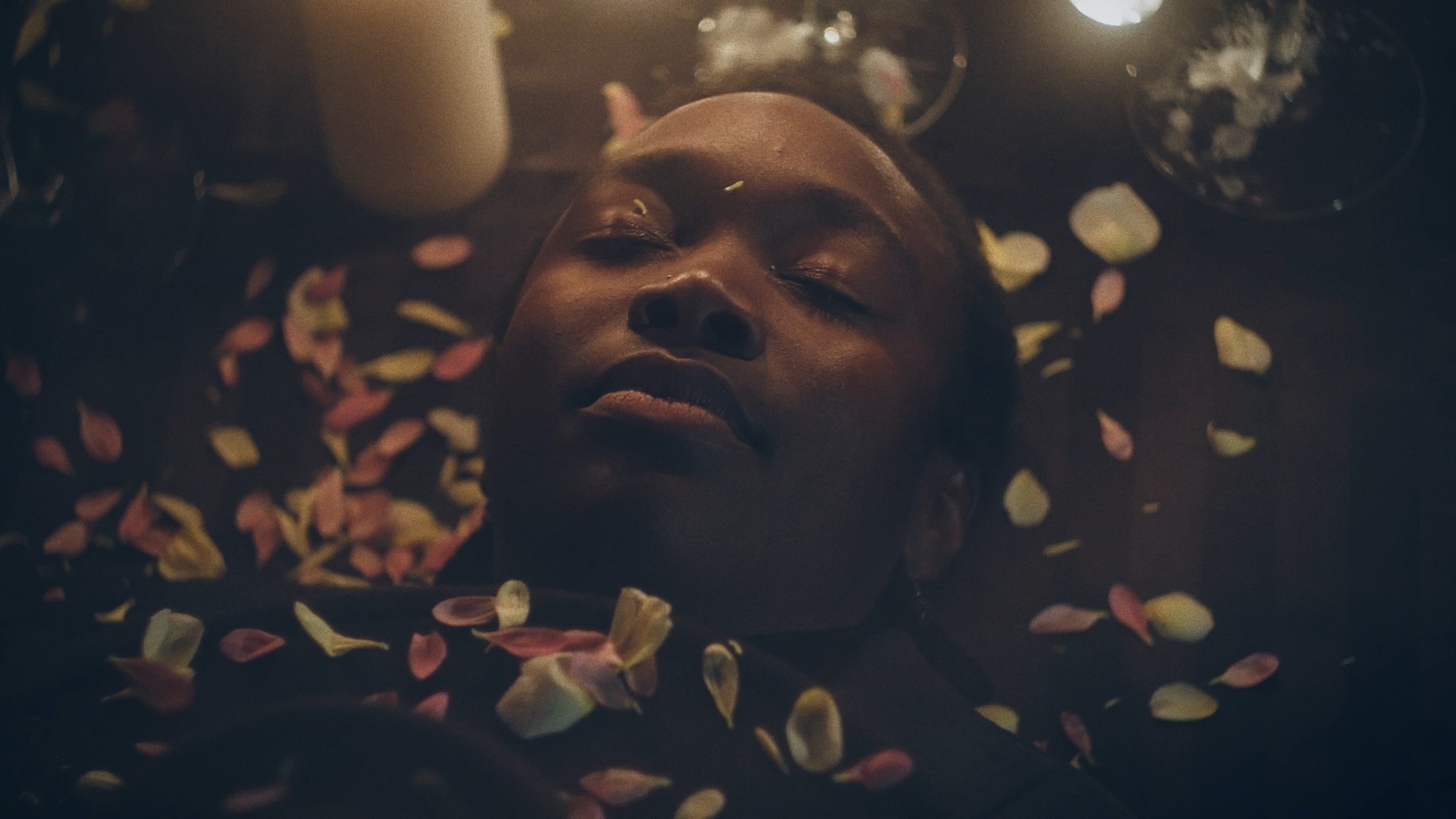
The mojo bag draws from Hoodoo, an African American rootwork tradition in which particular objects, herbs and materials can be carried for spiritual purposes, including protection.
Jones returns to the ritual later with another list of ingredients: “a lock of black cat hair / 13 anise seeds / half a teaspoon of dirt from the closest cemetery.” These details give the spiritual practice a tactile presence. You can picture the hands gathering each object and placing it into the bag.
Prayer lives alongside that rootwork throughout the song. Jones cries “run devil run,” invokes God and carries the cross into the same ritual that uses cemetery earth. The lyrics connect spiritual belief with practical action. Protection becomes something to prepare and carry.
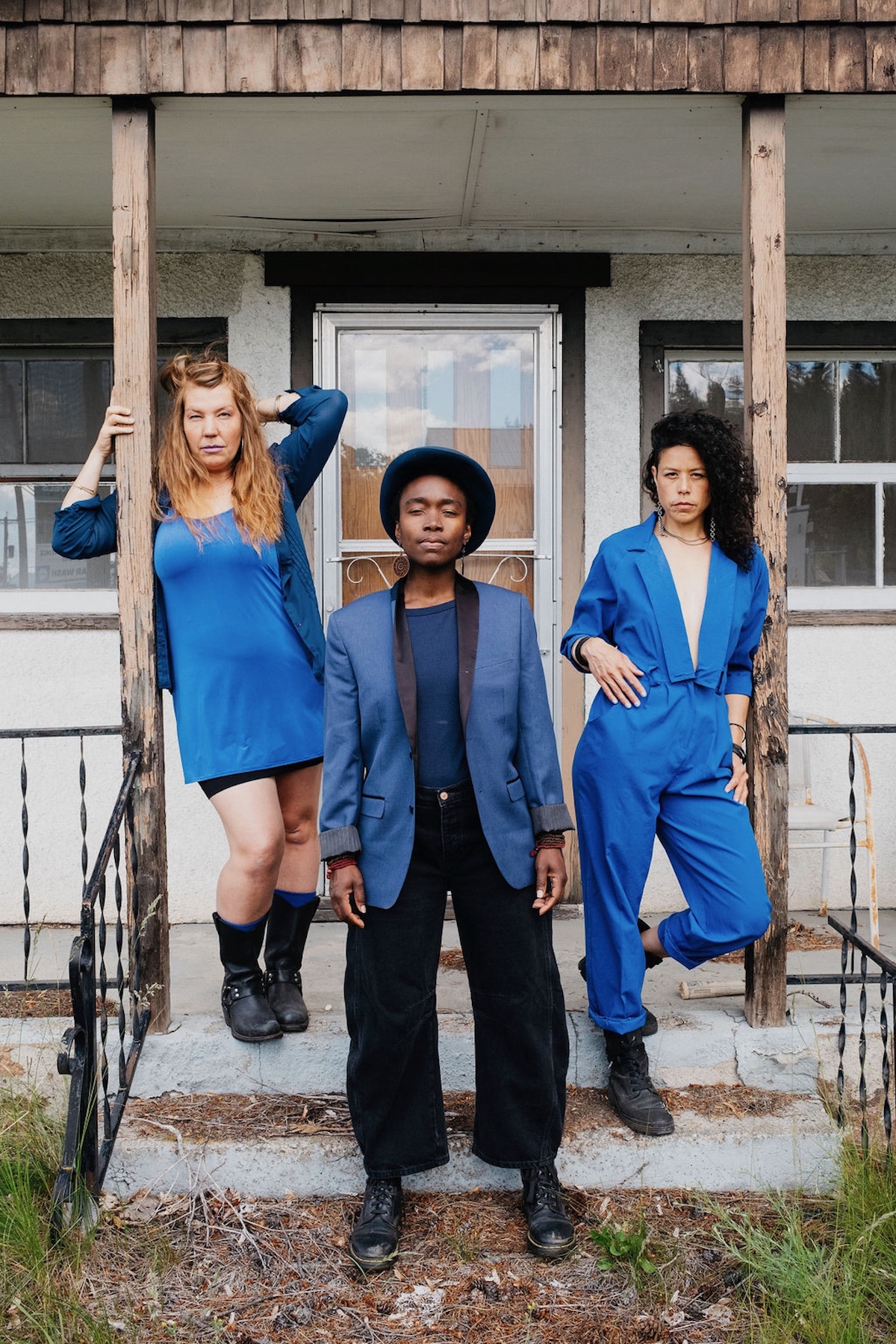
The threat also has a human face.
“When them damn men come, gotta have protection,” Jones sings before telling women to “summon all your courage” and aim it “in the right direction.” Her language begins to sound like instruction passed from one woman to another. The shift from “my mojo” to “grab yourself a metal nail” widens the song beyond the narrator’s experience. What begins as personal protection expands into knowledge being shared and passed outward.
That makes the chorus increasingly powerful as the harmonized voices return to “What are we gonna do?” The verses themselves have been answering the question. Gather your protection. Draw on what has been handed down to you. When danger approaches, meet it with your eyes open.
For Jones, that movement toward resistance and reclamation sits at the heart of the song. “This one is especially potent to my heart,” she shares. “The lyrics flowed from my hand one fateful day when life’s intensity had me shackled to the ground. But this is a song about standing up, fighting back, and owning every ounce of power.”
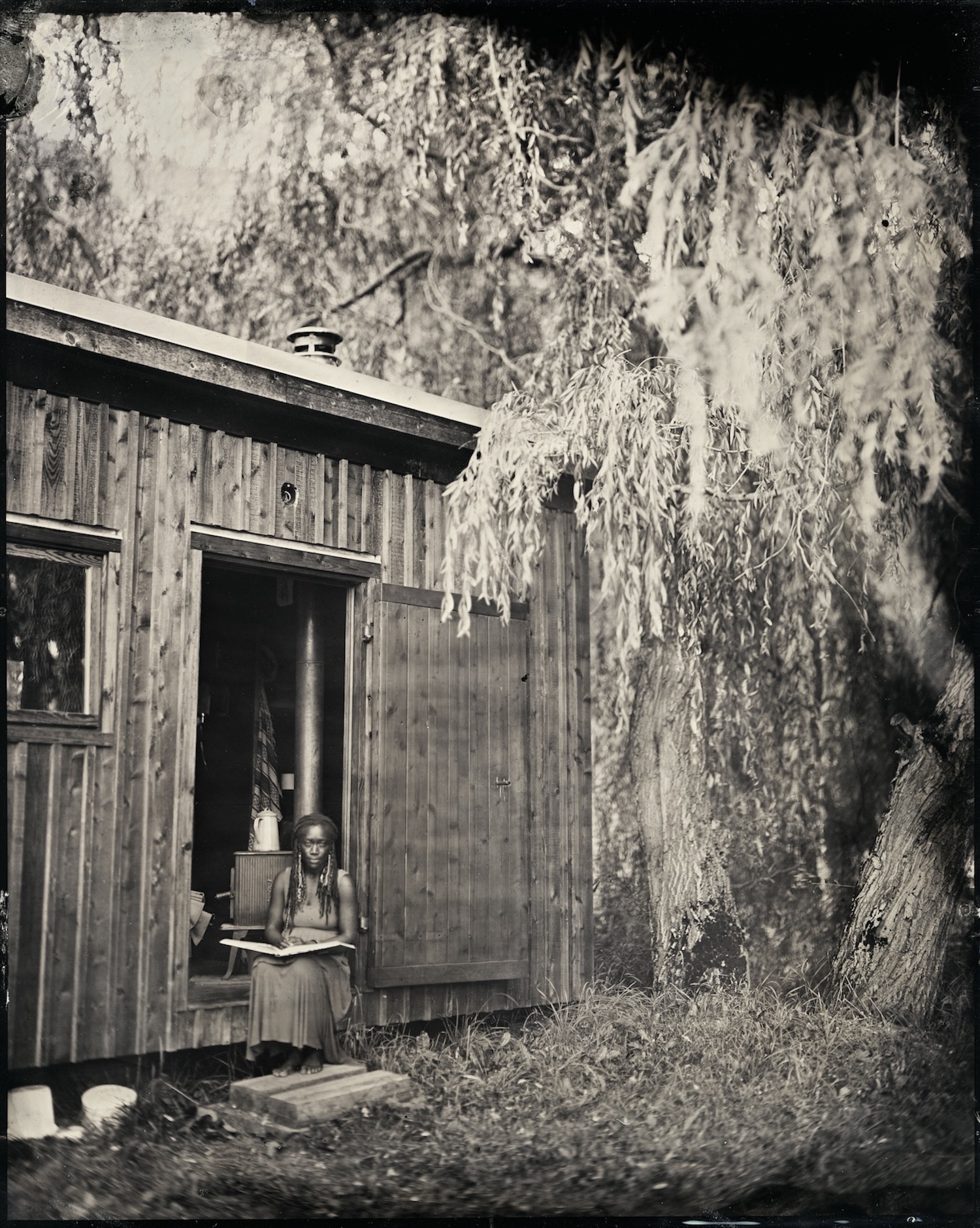
“Poor Black Woman Blues” ties racial memory to spiritual inheritance through a song that feels alive in the body.
Its banjo and percussion keep pushing forward as the voices gather strength around Jones. She begins with the uneasy feeling that something is wrong. By the final chorus, that intuition has become knowledge she can carry with her, as tangible as the mojo bag in her hand.
— —
:: stream/purchase Poor Black Woman Blues here ::
:: connect with Oh Pray Tell here ::
— —
Stream: “Poor Black Woman Blues” – Oh Pray Tell
— — — —
Connect to Oh Pray Tell on
Facebook, Instagram
Discover new music on Atwood Magazine
© courtesy of the artist
 © courtesy of the artist
:: Today’s Song(s) ::
follow our daily playlist on Spotify
:: Stream Oh Pray Tell ::