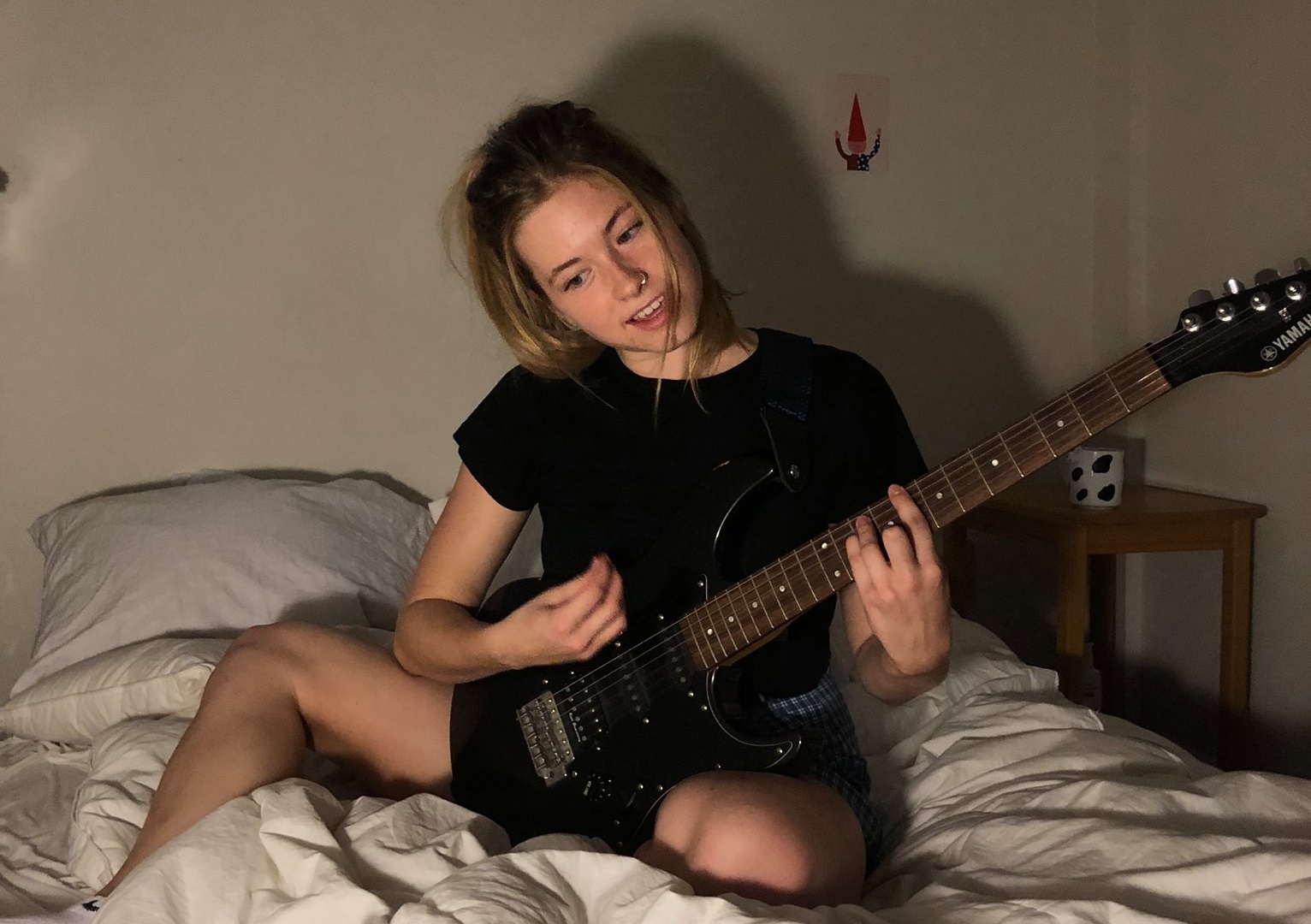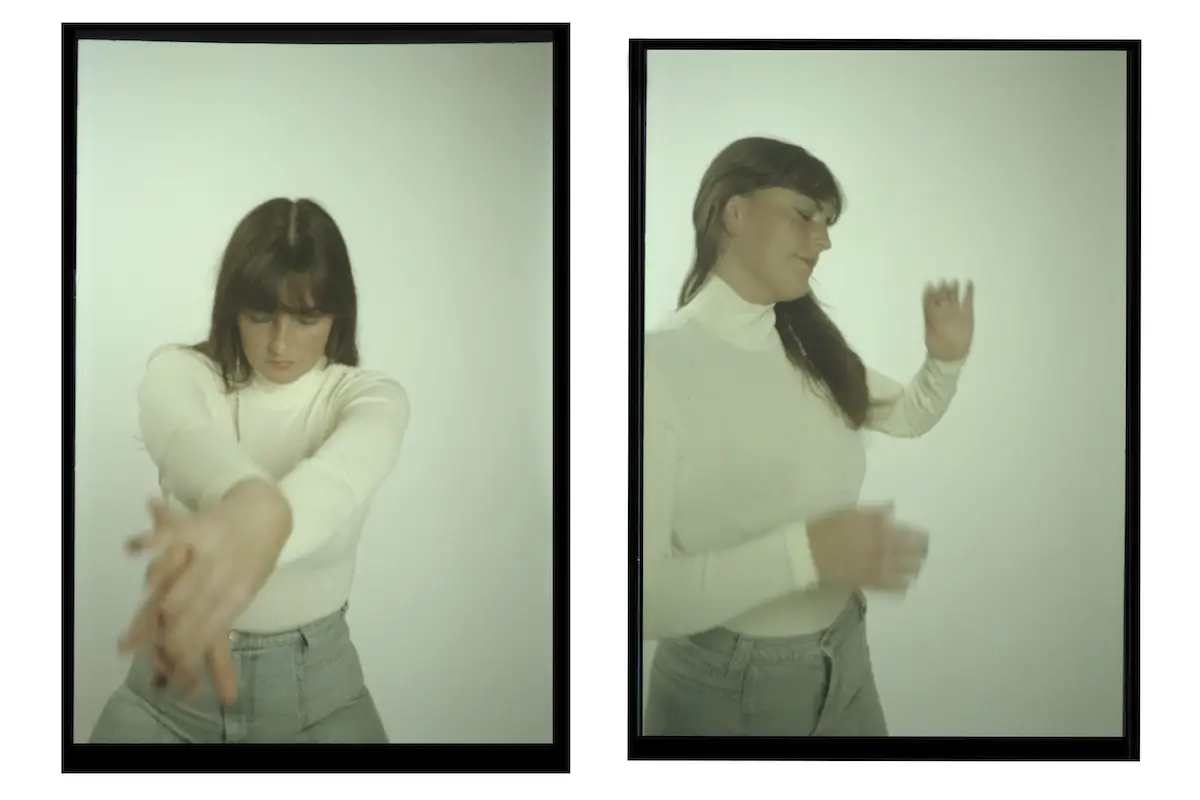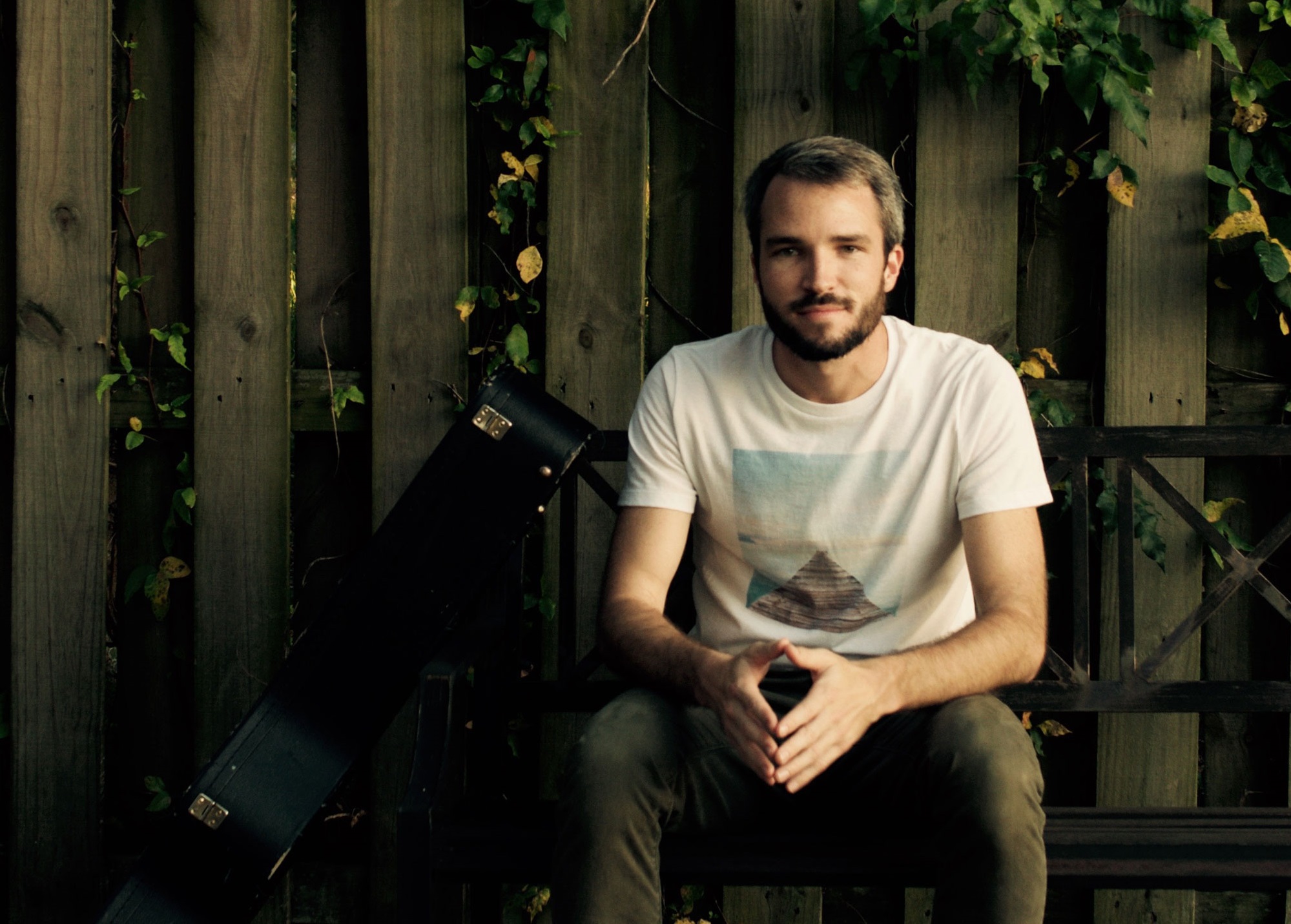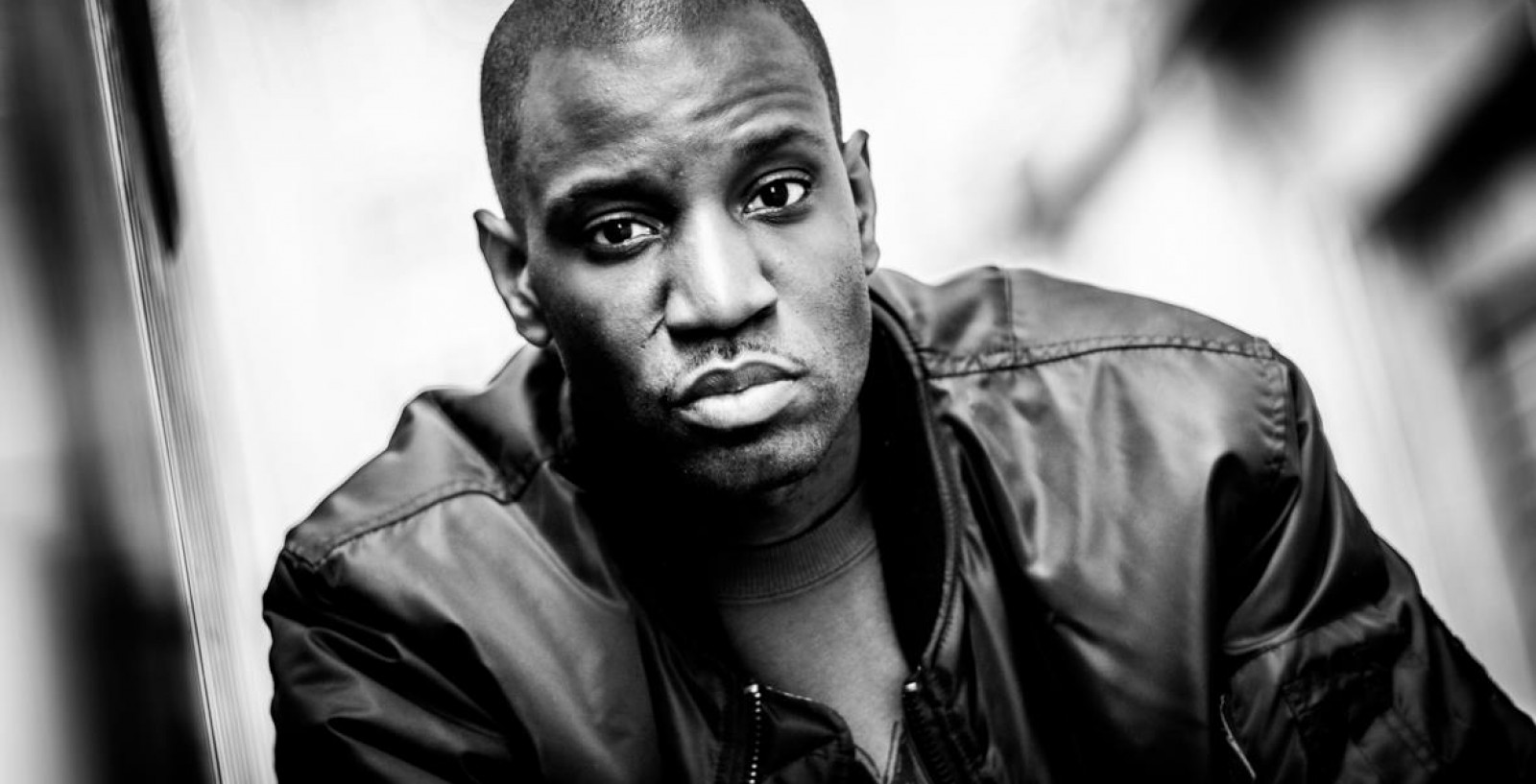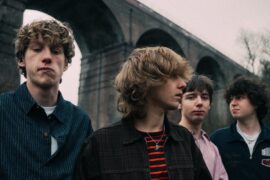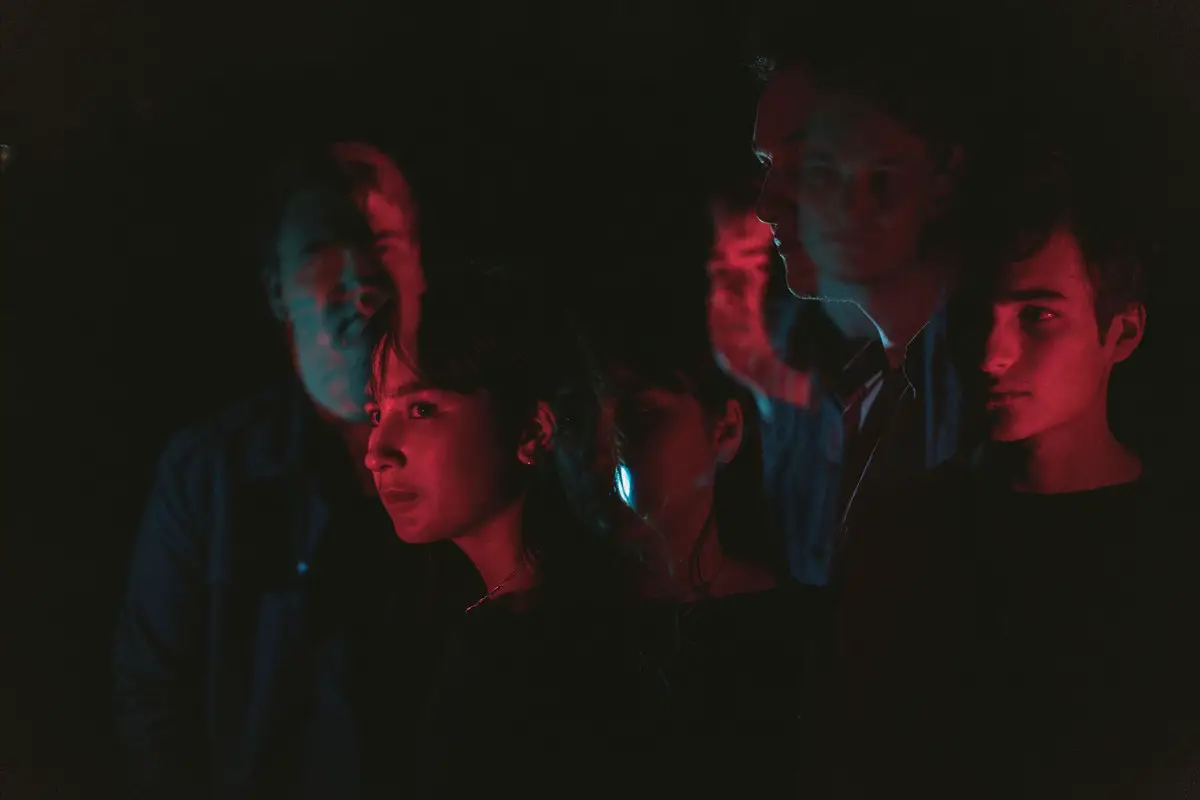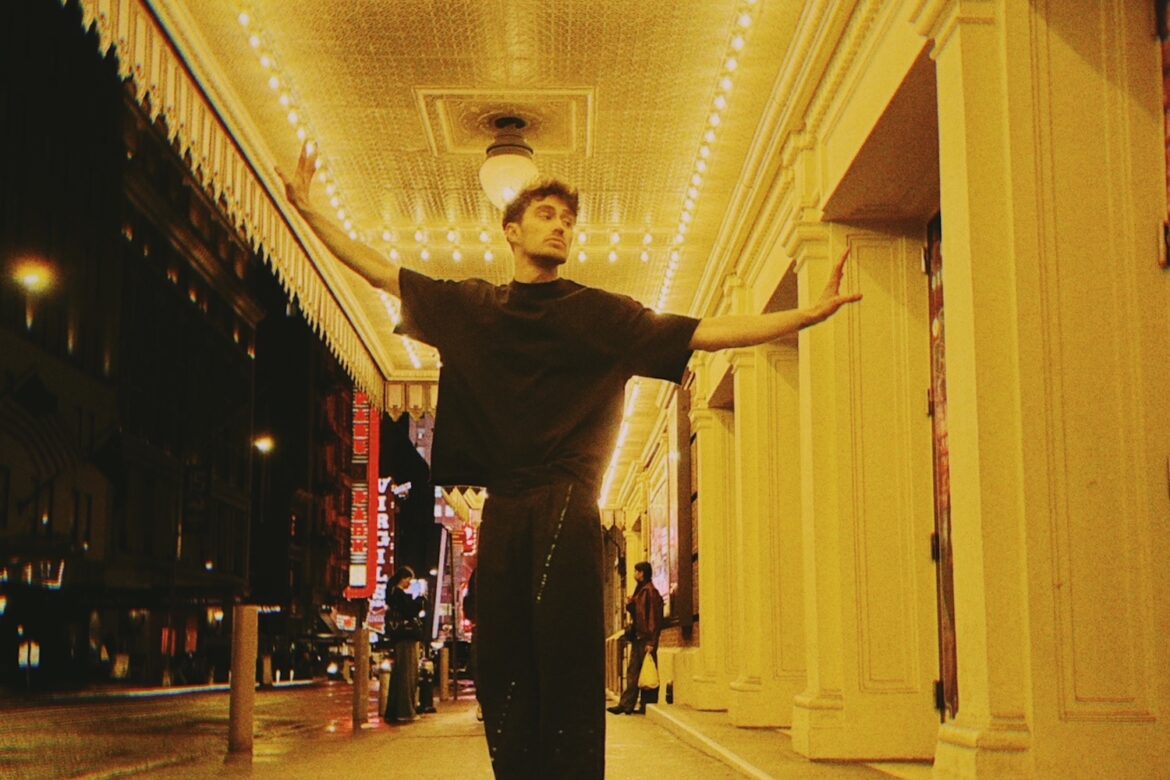
Bridging the gap between gritty punk energy and cinematic pop, Television Skies explore the high-velocity movement and quiet stillness of life in New York, proving that the most resonant art is found when the masks come off.
Stream: ‘Racecar Romeo’ – Television Skies
There’s so much out there that feels curated to the point where it doesn’t feel human anymore, and we’re trying to do the opposite of that. Something that feels like memory, like emotion, like actual lived human experience.
* * *
Television Skies began as a pact made in the wreckage of a childhood band.
The duo, Ihor Shuhan, who provides vocals and guitar, and Paul Makzag, who handles drums, grew up around New York City and met as teenagers, finding a shared frequency that held even when the rest of their early band dissolved.
That collapse was a make-it-or-break-it moment for them, and together, they have moved on to their current project, and are making it. They describe their sound as “electric nostalgia for the restless,” a phrase that captures the high-energy chaos of staying out too late while feeling the weight of a moment that is already slipping away.
From the cinematic, slow-motion crash of “Time of My Life” to the years-long evolution of “Parking Lot,” their process is deeply visual, rooted in the transitions and intersections of city life. With an eye toward the stage at Madison Square Garden and a commitment to live a life lived “free from disguise,” they continue to transform fleeting emotional snapshots into a permanent, cohesive landscape.
Looking ahead, Television Skies reflect on the necessity of total alignment, noting that their shared vision is the only reason the project survived the fallout of their youth.
They consider the role of New York City not as a backdrop, but as a force that dictates the rhythm of their transitions; the loud rooms and the quiet trains. They also weigh the value of time, acknowledging that some ideas need years to mature before they truly belong to the world they are building. They then look toward the future of their live performance, viewing each show as an opportunity to create a shared, temporary reality that is as visceral as it is fleeting.
— —
:: connect with Television Skies here ::
— —
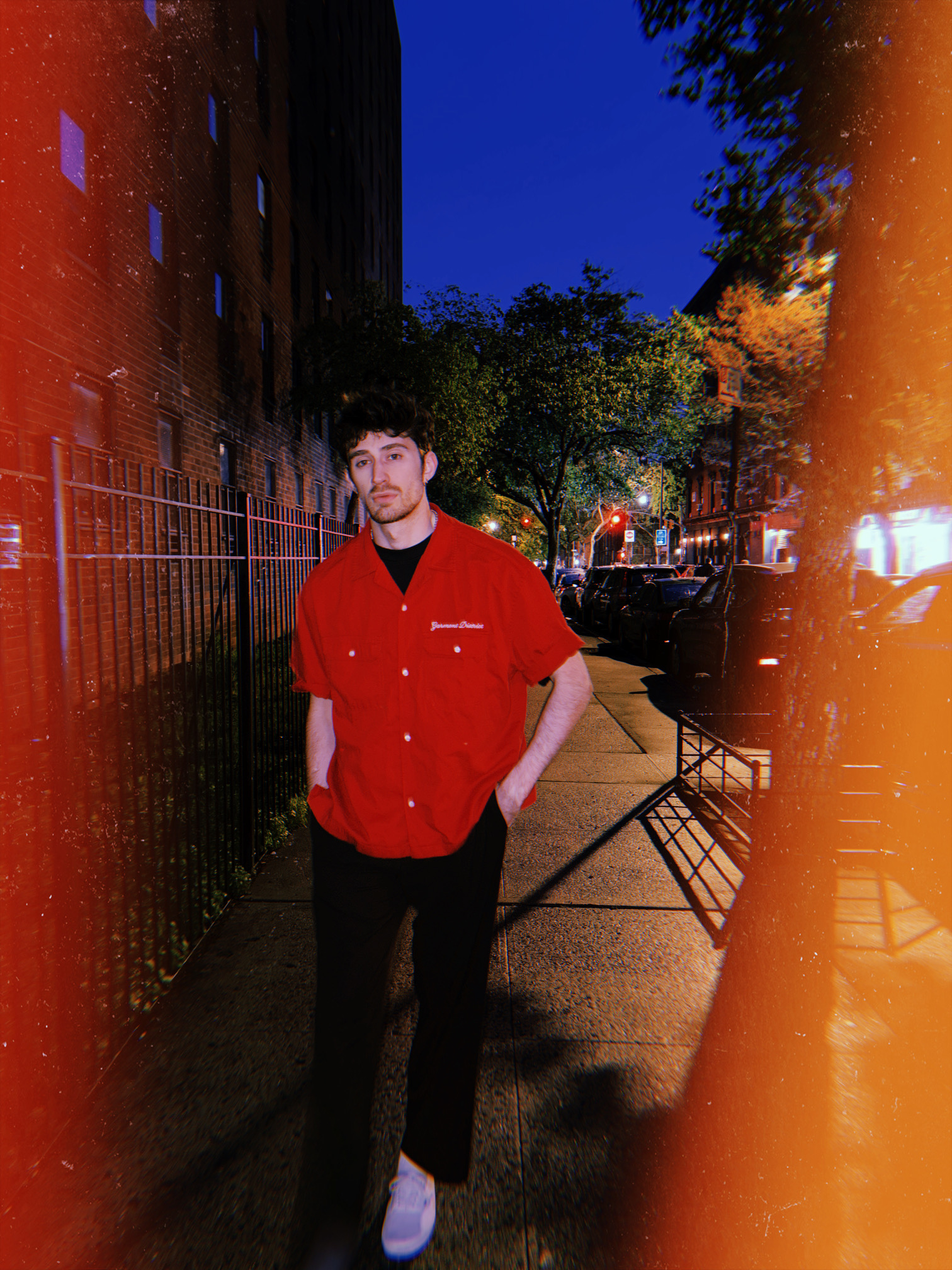
A CONVERSATION WITH TELEVISION SKIES
Atwood Magazine: How did you two come together for this project?
Television Skies: We met in our first band when we were kids, like mid-teens. That band eventually fell apart when the other guys left, and that was kind of the moment where it either ends or you keep going. We took a short break, but it didn’t last long. We both realized we still wanted this, and more importantly we wanted the same version of it. We had the same vision, the same idea of what this could be, and that’s really why it’s lasted. Everything else has changed over time, but that part hasn’t.
That sounds like a resilient creative bond. You call your sound “electric nostalgia for the restless.” What does that phrase mean to you on a personal level, musically and emotionally?
Television Skies: It’s that feeling of being in a moment and already knowing you’re going to miss it. Like you’re out too late, you don’t want to go home yet, everything feels loud and alive, but there’s also this awareness underneath it that it’s not going to last. That’s the nostalgia part. The “electric” is the energy of it, the chaos, the movement, staying out longer than you should. And “the restless” are the people who don’t really sit still, people who always feel like they want a little more out of whatever’s happening. For me it’s walking around the city at like 2 or 3 in the morning, getting on a train, replaying everything in your head, feeling good but also slightly off at the same time.
How did growing up in or around New York City shape the way you write and perform your music?
Television Skies: New York makes you really aware of how quickly things shift. You can be in a crowded room, everything feels loud and full, and then ten minutes later you’re by yourself on a train heading home. That transition is where a lot of the writing comes from—not even the big moment itself, but what happens right after, when you start thinking about it. The city kind of forces that on you over and over again, so you get used to living in that space between things.
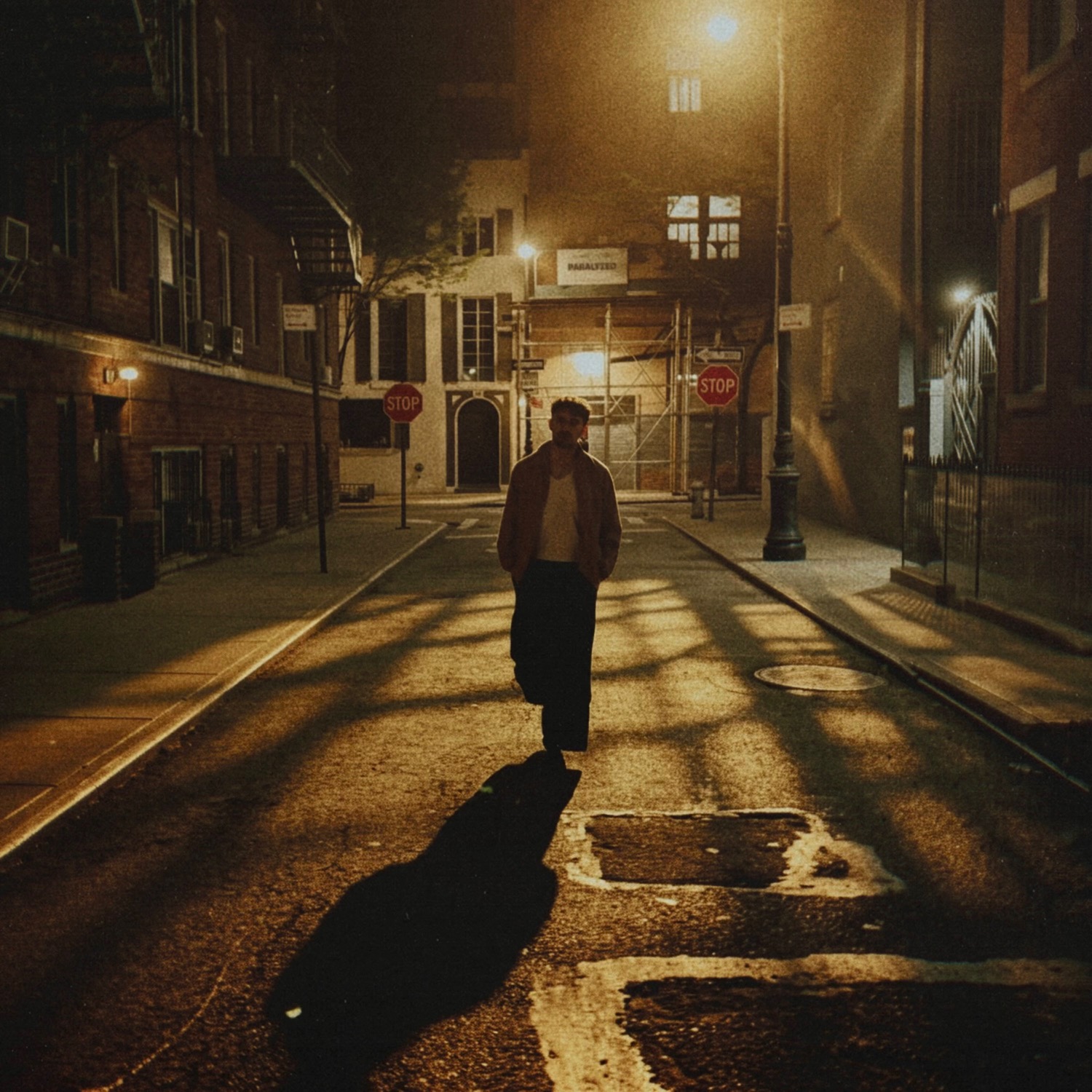
It’s that feeling of being in a moment and already knowing you’re going to miss it.
* * *
Was there a defining moment when you realized Television Skies was becoming something bigger than you had imagined?
Television Skies: It wasn’t one big realization – it was more what happened after the first band ended. We both had the chance to just let it go, but neither of us really wanted to, and more importantly, we wanted the same thing out of it. We had the same vision for what this could be, how it should feel, and how serious we wanted to take it. That’s what made it work. When there’s only two people, it’s very obvious if you’re not aligned, and we were, so we just kept going.
Many of your songs feel like emotional snapshots. Are there specific experiences or chapters in your life that you find yourself returning to in your writing?
Television Skies: We think about songs almost like cinematic snapshots, like moments inside a bigger story. A lot of the time we’re not writing a full narrative; we’re thinking about a scene, a feeling, a specific point in time. We think really visually, like what’s happening here, what does it look like, what’s the character feeling. A lot of the songs end up feeling like they belong to the same world, almost like they’re all part of the same soundtrack. It’s less about explaining something and more about placing you inside a moment.
Your music blends punk, pop, rock, and alt elements. How do you balance those influences while still sounding authentically like yourselves?
Television Skies: We don’t really think about genre when we’re writing, but we do think about whether something belongs in our world. Most of the time I’ll bring in an idea on guitar or a demo on my laptop, and we’ll know pretty quickly if it works or not. If it hits, we follow it. If it doesn’t, we move on. Sometimes we’ll have ideas that are good, but they don’t feel like they belong in the same space as everything else we’re building, so we leave them. It has to feel real to us, but it also has to fit the overall energy of what we’re creating.
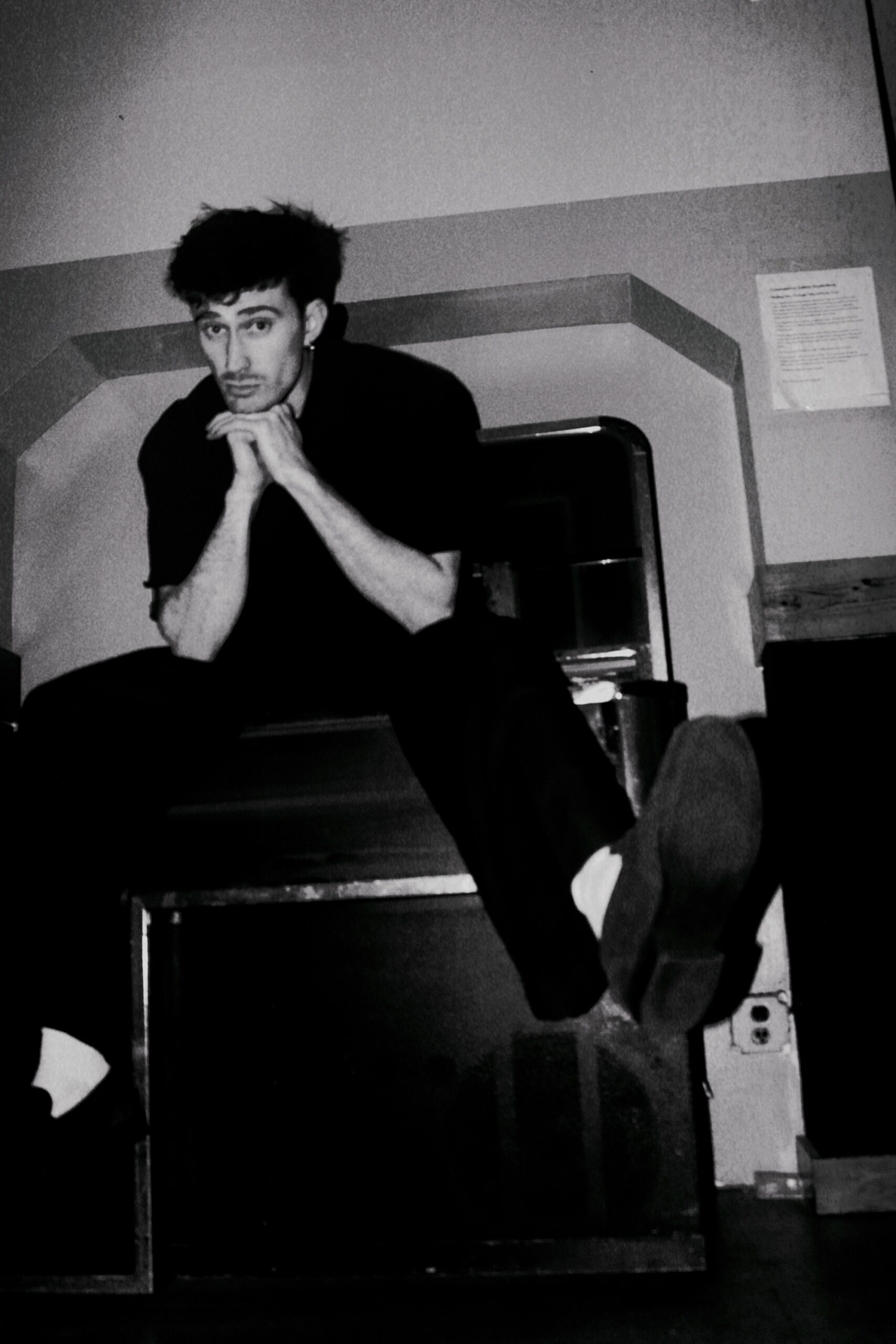
Nostalgia shows up in your work. What are you trying to capture when you tap into that feeling?
Television Skies: It’s not really about looking back, it’s more about being aware of something while it’s happening. That feeling where you know a moment matters before it’s over. You don’t always get that, but when you do it stays with you in a different way. That’s the feeling we’re trying to hold onto.
Your songs often pair imminence with reflection like movement and stillness. Is that contrast intentional?
Television Skies: It’s just how things actually feel. You’re in something, you’re making decisions, things are happening fast, and at the same time part of you is already thinking about what it means or where it’s going. Like you’re living it and processing it at the same time. I think many people have felt that, even if they don’t always think about it directly. That overlap is where a lot of the songs come from.
There’s a raw vulnerability in tracks like “Time of My Life.” Do you set out to write songs that expose emotional edges, or does that come naturally?
Television Skies: That song is more like telling a story than pulling from one specific real moment. We wanted it to feel like a car crash in slow motion, like you’ve already gone too far and there’s nothing you can do to stop it. Everything is kind of collapsing or exploding around you and you’re just in it, watching it happen. It’s chaotic, it’s the end of the line, it’s the moment where the night has to end because there’s no other option. The goal was always to make it feel raw and a little out of control.
We wanted it to feel like a car crash in slow motion, like you’ve already gone too far and there’s nothing you can do to stop it.
* * *
Interesting! The car crash in slow motion approach. What themes do you explore in your music?
Television Skies: It’s about how temporary it can all feel. Everyone has their own story, their own timeline, their own world, and then for one night or one moment those stories overlap. You’re all in the same place, sharing the same experience, and it feels real and connected, and then it’s gone again. That idea that everything is kind of intersecting for a second and then moving on is something we think about a lot.
Absolutely. That feeling of moments and people passing through each other’s lives. Do you visualize scenes or moods before the music comes together or does the melody usually come first?
Television Skies: It’s very visual for us. We almost always start with a feeling and a scene. When we’re writing lyrics especially, we’re thinking about where this is happening, what time it is, what the character is doing, and what they’re feeling. It’s not abstract; it’s very grounded in a specific moment for us during the writing process. Once we can see it, the song builds around that.
How long does it usually take from the first idea to the finished track?
Television Skies: It really depends. Some songs come together fast if everything clicks early, like “Time of My Life,” which was a couple sessions and it felt right away. Other songs take years. “Parking Lot” started as a demo back in 2020, and we just couldn’t get it where we wanted it at the time. Then we brought it into a session with our producer Cass, and he heard something in it and helped pull it into place. Most of those lyrics are still from 2020 as well. So you have songs that take a few days and songs that take almost five years.
Everyone has their own story, their own timeline, their own world, and then for one night or one moment those stories overlap.
* * *
Collaboration can be unpredictable. How do you two push or challenge each other creatively?
Television Skies: We hold a high standard for each other. When it’s just two people, it’s very obvious if one person isn’t showing up, so there’s an understanding that we both have to bring our best. It’s not competitive because we have different roles, but there’s definitely an expectation that we’re both pushing things forward. If something isn’t working, we say it, and if something is, we go all in on it.
Do songs change in meaning for you after they’re recorded, released, and played live?
Television Skies: Yeah, completely. Once a song is out, it’s not really yours in the same way anymore. It only really exists when someone else is listening to it, and whatever they’re feeling in that moment becomes what the song is. What it meant when we wrote it is one version of it, but by the time it’s finished and released, and then played live, it’s already changed. There’s no single definition; it’s always shifting.
You’ve amassed millions of streams and built a strong organic fanbase; how does it feel to watch that growth happen?
Television Skies: It feels real because it’s coming from honesty. We’re not trying to create a persona or present something we’re not, so when people connect to the songs, it means they’re connecting to something genuine. Seeing people come to shows, sing lyrics back, or tell us they relate to something, it just reinforces that you don’t have to hide anything or put on a disguise for it to work. That’s the part that actually matters. “My eyes have seen you free from disguise / gazing on a city under television skies,” as Jim Morrison sang. A lot of what we do comes back to that image.
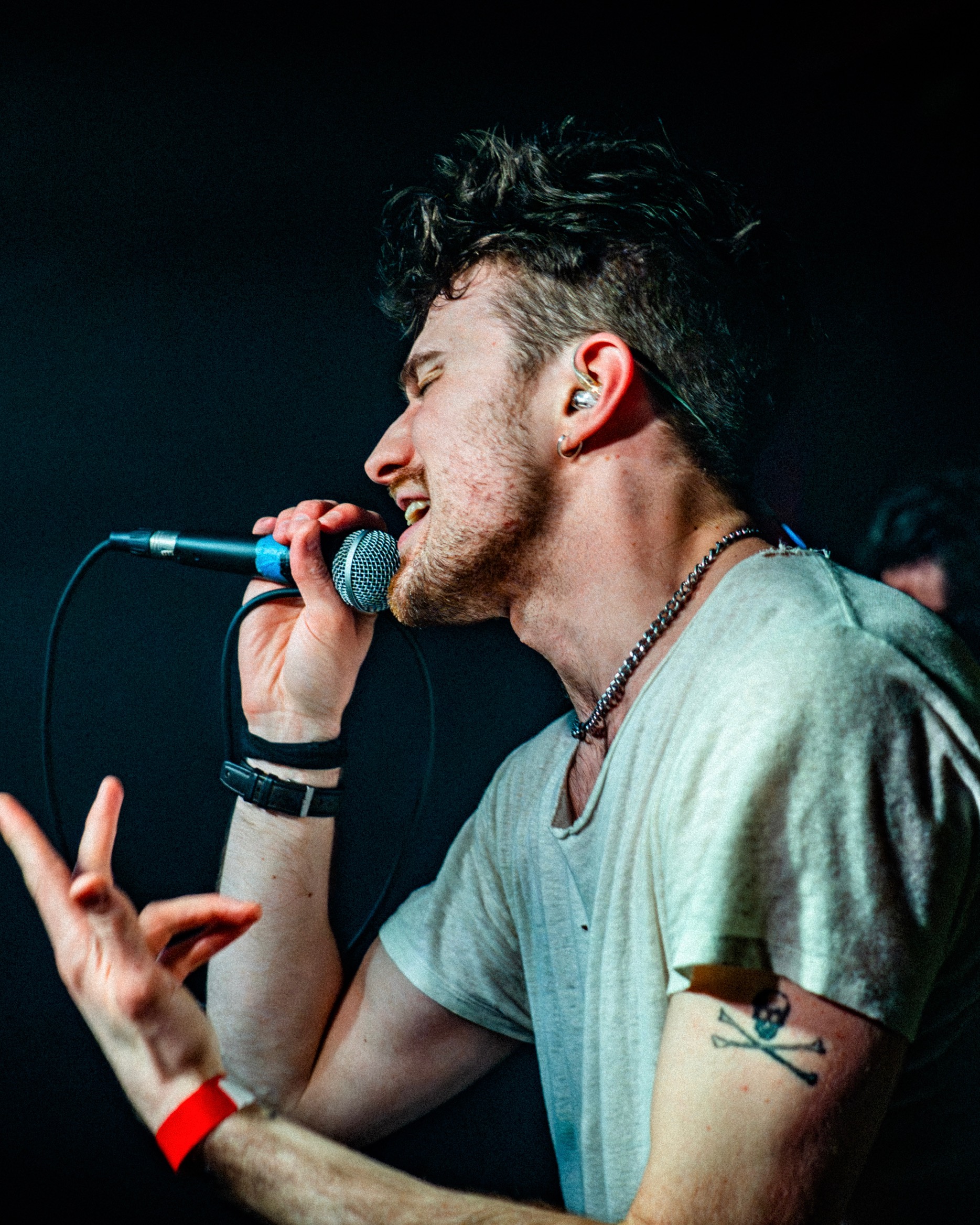
We’re not trying to create a persona or present something we’re not, so when people connect to the songs, it means they’re connecting to something genuine.
* * *
What have you learned about yourself through making music that you didn’t know before?
Television Skies: That being honest actually works better than trying to shape things into something safer or more acceptable. Whenever we’ve held something back, it usually doesn’t hit the same way. The more direct and real it is, the more people respond to it. That’s probably the biggest thing.
If you could put a soundtrack to this moment in your life, what would it sound like?
Television Skies: It would feel a little unfinished, in a good way. Like a demo that still has a lot of potential, something raw that hasn’t been fully polished yet. There’s movement, there’s direction, but it’s not resolved. It still feels like it’s becoming something.
When you perform live, what’s the feeling you most want your audience to walk away with?
Television Skies: We want it to feel like a real night, like something you already know you’re going to remember. Even if it’s a small room, even if it’s not perfect, we want it to feel alive and a little chaotic and a little magical at the same time. Like you’re not just watching a set, you’re in something that’s actually happening. That’s what electric nostalgia feels like.
How do audience reactions influence what you do next; if at all?
Television Skies: We definitely notice what connects, but we don’t try to chase it directly. If something works, it’s usually because it came from a real place, so the goal is to stay in that mindset instead of trying to recreate a reaction. We take it in, but we still follow our instincts when we’re making something new.
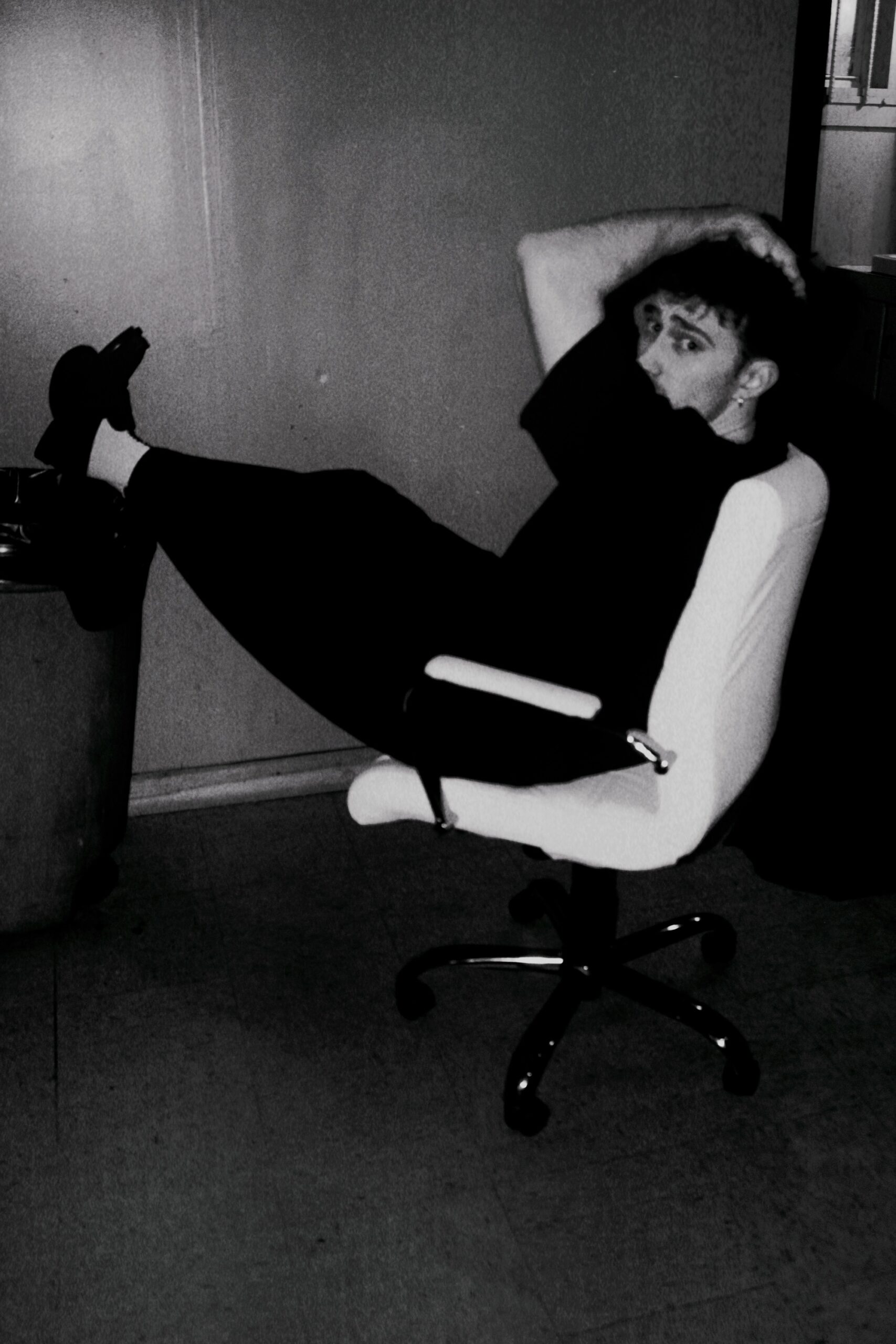
We want it to feel like a real night, like something you already know you’re going to remember.
* * *
Music can function as both refuge and rallying cry. What role do you think your work plays in your listeners’ lives?
Television Skies: If it connects, it’s because people see themselves in it. We’re writing about our own experiences, but we’re also trying to build a world that people can step into and feel like they’re part of. There’s so much out there that feels curated to the point where it doesn’t feel human anymore, and we’re trying to do the opposite of that. Something that feels like memory, like emotion, like actual lived human experience.
You’ve described your music as “authentic and free from disguise.” In an era of social media curation, how do you maintain that level of transparency?
Television Skies: We just try to keep things as real as possible across everything we do. If something feels forced or like we’re trying to present a version of ourselves that isn’t true, we usually pull back from it. Whether it’s music, videos, photos, or whatever, the goal is always the same: it has to feel genuine. That whole “free from disguise” idea is real for us.
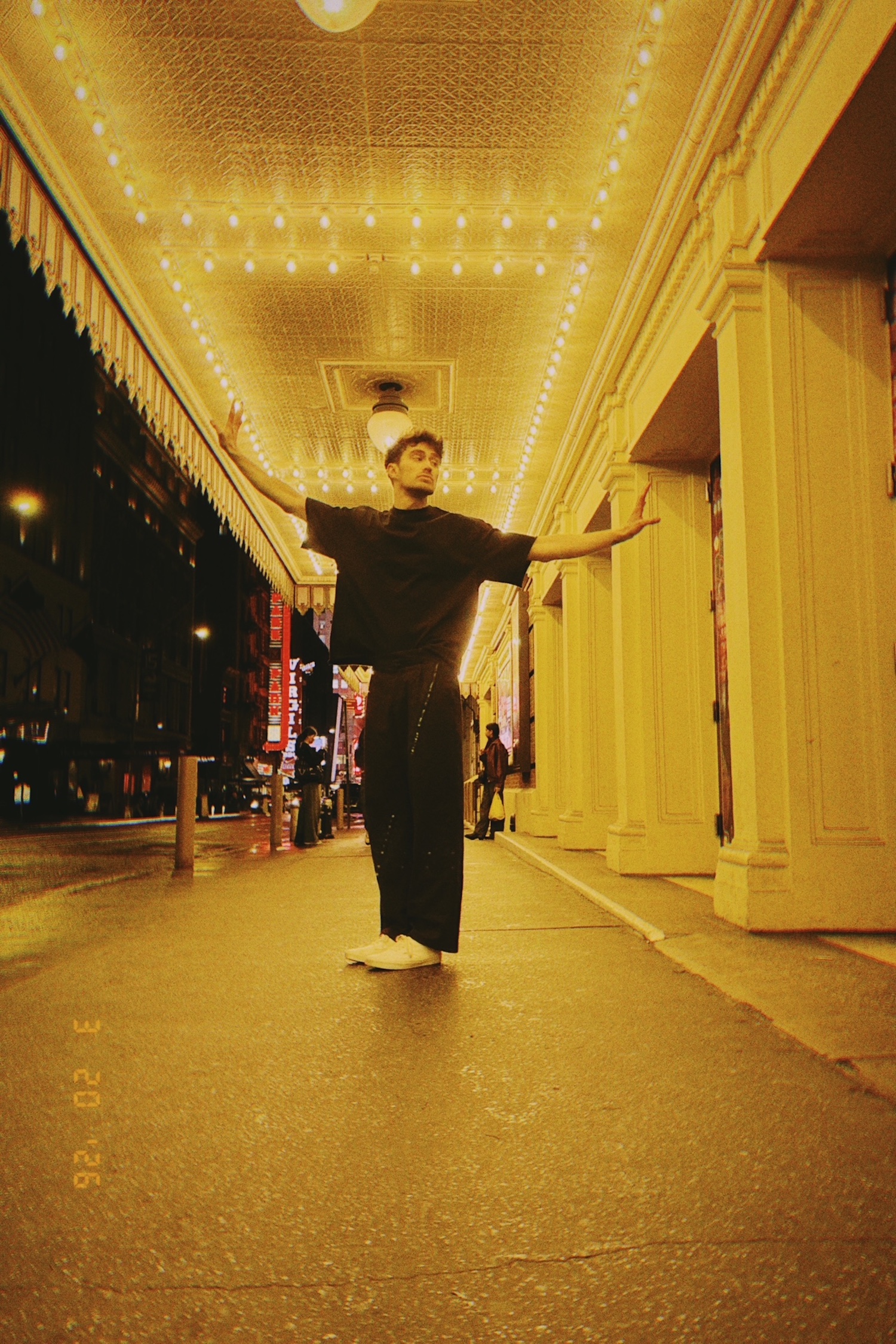
When you two originally set out to do this, did you both dream big, or did you never imagine the project would ever be as successful as it has?
Television Skies: We’ve always taken it seriously, even when we were younger and not very good yet, and from the very beginning we’ve had that one big goal in the back of our minds, which is headlining Madison Square Garden. That’s always been the thing for us. But at the same time, day to day, it was never about thinking “how big can this get right now,” it was more about doing things the right way and actually committing to it. The big dream has always been there, but what’s kept it going is just continuing to show up and build it piece by piece.
That seems like an achievable milestone to match the dedication here. Looking ahead, what creative territories are you most excited to explore next?
Television Skies: Thank you. We’re thinking a lot more about how everything connects as a full world. This next project is really about building something cohesive, where the songs, visuals, and ideas all exist in the same space. It’s very rooted in being young in New York, trying to make sense of everything, being in the moment and feeling it fully. We’re also interested in expanding that into more visual storytelling, things like a short film where the songs all live inside the same timeline. Just pushing it further and making it feel like a complete experience.
— —
:: connect with Television Skies here ::
— —
— — — —
Connect to Television Skies on
Facebook, TikTok, Instagram
Discover new music on Atwood Magazine
© courtesy of the artist
 © courtesy of the artist
:: Stream Television Skies ::