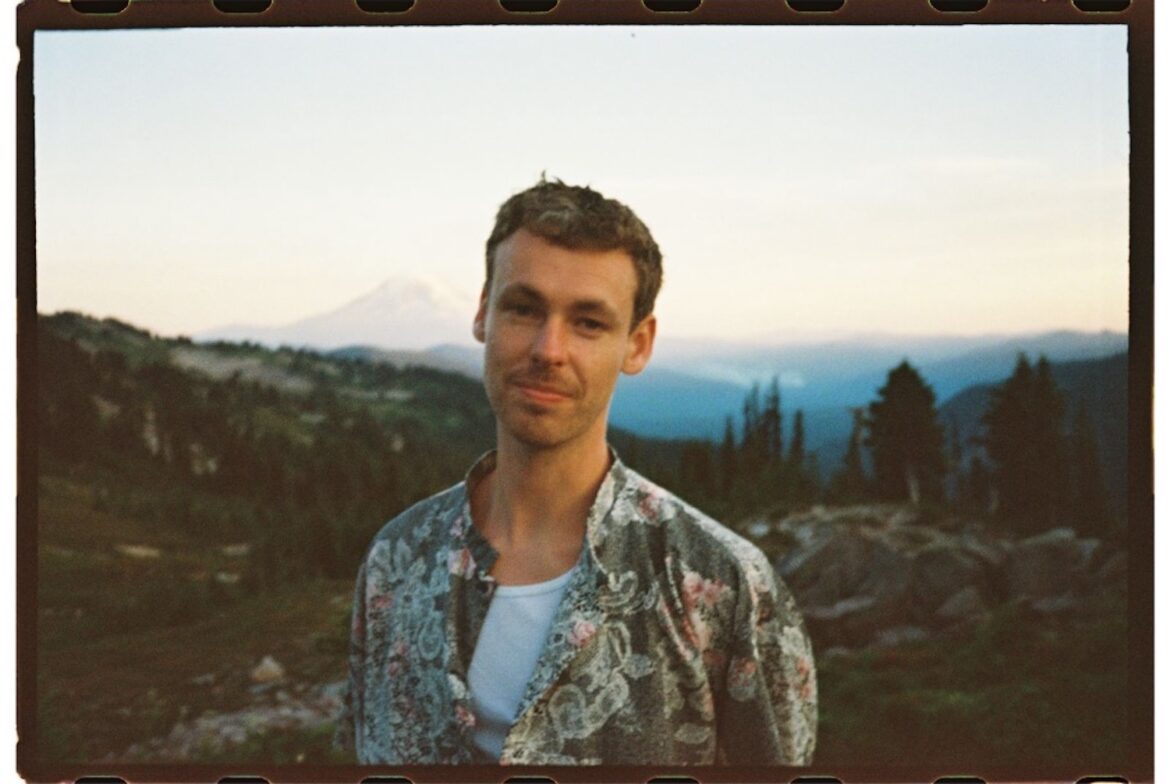
Seattle singer/songwriter Hayden Everett delivers an achingly sweet folk reflection on “Angela,” the luminous lead single from his debut album ‘So The Sun Can Pour’ – gently skewering vanity and excess while celebrating the kind of rain that makes the sun worth something.
 follow our Today’s Song(s) playlist


Stream: “Angela” – Hayden Everett
Sunshine can be blinding when it never lets up.
On “Angela,” Hayden Everett turns his gaze toward Los Angeles – not as a postcard fantasy, but as a place that slowly hollowed him out. What begins as a breezy, porch-swing folk tune reveals itself as a gently cutting meditation on vanity, excess, and the quiet erosion of spirit that can come from living somewhere that prizes image over intimacy. “Angela, you took all my money and my kindness and the way I used to wake up in the morn,” he sings, honeyed voice soft but unsparing. It’s witty and warm on the surface, but underneath lies something more vulnerable: A longing for rain in a place obsessed with perpetual sun.

I don’t mind that your dramatic
But now the sunset’s made of kerosene
And i cant find one patch of green
That likes its bed of plastic
We’re all workin in her factory
Turning trees to magazines and fires
Released January 23, “Angela” marks the first single from Everett’s forthcoming debut album So The Sun Can Pour, due this spring. A longtime favorite of these pages – previously praised for his “iridescent indie folk sound” – the Seattle-based singer/songwriter has long balanced folk storytelling with jazz-trained nuance, earning praise for the way he “makes every second worth savoring.” A UCLA jazz graduate who has toured alongside The Paper Kites and Hazlett, Everett writes with the sensitivity of someone who listens closely – to landscapes, to contradictions, to the emotional temperature of a room.
Hayden Everett is no stranger to these pages. Atwood Magazine first introduced the Bay Area singer/songwriter to readers in 2019 with the premiere of his debut single “Color,” praising the newcomer for balancing indie pop’s modern textures with a timeless emotional pull. Even then, Everett was writing toward something deeper than mood alone – using songwriting as a way to recognize and reassess his values, and to ask himself whether he was really living the way he wanted to live. From the beginning, Everett’s music has been defined by reflection – songs that ask big questions about presence, purpose, and the quiet tension between who we are and who we hope to become.
Over the years, we’ve watched that curiosity deepen. His 2021 EP Kennecott channeled nature’s awe and fragility into glacial indie folk meditations on presence and responsibility, urging listeners to “be present in the awe of nature rather than exploit it,” because, as Everett put it then, “there’s so much more to find than wealth.” 2023’s Silver Line turned inward, offering an iridescent and emotionally raw exploration of identity, vulnerability, and human connection. Where Kennecott looked outward at the world and asked us to protect its beauty, Silver Line looked inward – documenting what happens when Everett opens himself up more fully to “pain and joy alike.” Whether writing from the perspective of an abandoned mining town or unpacking the complicated beauty of grief, Everett has consistently proven himself to be both a world-builder and a seeker – an artist unafraid to wrestle openly with life’s contradictions.
Now, with “Angela” and the forthcoming So The Sun Can Pour, Everett enters his next chapter with a broader lens and a steadier voice. This time, the reflections feel wider and more lived-in – less about a single wound or moment, and more about the places, patterns, and false promises that shape a life. The questions are still there – about presence, place, and the forces that shape us – but they arrive now with the clarity of someone who has spent years listening closely to the world around him. In that sense, this song feels less like a departure than a continuation: another thoughtful waypoint in a career Atwood Magazine has proudly followed from the very beginning.

For Everett, “Angela” is both satire and sincere letter.
“It jokingly prods at how expensive it is, the traffic, and the lack of trees and greenery,” he tells Atwood Magazine. “But a layer deeper, it is also more broadly about human vanity and selfishness… everyone thinking they’re the most important car on the highway.” Living in LA, he explains, felt draining: “I’m a canvas of the place I’m in – and the self motivated spirit of that place felt really draining to me emotionally and energetically.” That line lands hard in the song itself – I’m a canvas of the place I’m in / And all your paint is poisonous and dry – a realization delivered not with venom, but with weary clarity.
Angela
You took all my money
And my kindness and the way
I used to wake up in the morn
Angela
I’m all outta honey
Now I’m bitter like the highways here
and all their honking horns
Angela, you never felt like home
And yet, this is not a bitter song. Everett’s acoustic guitar glows warmly beneath gentle percussion and airy harmonies, the melody carrying a smile even as the lyrics sharpen. His voice – rich, rounded, and impossibly tender – gives the chorus a buoyant lift. “Angela / I’m all outta honey / Now I’m bitter like the highways here with all their honking horns,” he sings, stretching the vowels just enough to make the sting feel human rather than hostile. The sweetness in his tone makes the critique land more deeply; he isn’t burning the city down, he’s mourning what it could be.
That duality threads through the entire project. The title of So The Sun Can Pour comes from the line, So let’s let it rain, so the sun can pour – a thesis Everett says emerged naturally while writing. “A central theme emerged: duality. Summer needs winter. Joy needs sorrow. Day needs night. When love is real, grief is simply the proportional result of how deeply we cared.” LA’s endless sunshine becomes a metaphor for a culture chasing comfort at the expense of growth. “Sure – warm, rainless days may be more comfortable,” he reflects, “but when you finally look down you’ll notice that the grass is all dead.” “Angela,” then, becomes less about a city and more about the danger of refusing seasons altogether.
I don’t mind that your method acting
But i get dizzy from the lies you spin
To sell to me as medicine
But it drives me to madness
I’m a canvas of the place I’m in
And all your paint is poisonous and dry
Angela
You took all my money
And my kindness and the way
I used to wake up in the morn
Angela
I’m all outta honey
Now I’m bitter like the highways here
with all their honking horns
It’s fitting that Everett chose this as the album’s introduction. “It’s lighthearted and easy, but also has some edged one liners that pull you into the lyrical world of the record,” he explains. The track carries a sit-on-the-front-porch ease, yet its edges cut just enough to hint at the broader existential questions the LP will explore. Written largely during solo backpacking trips and shaped by long stretches of solitude in Glacier National Park, the record promises something wider and more reflective than his earlier EPs – what he calls “my thesis statement thus far as a human.”
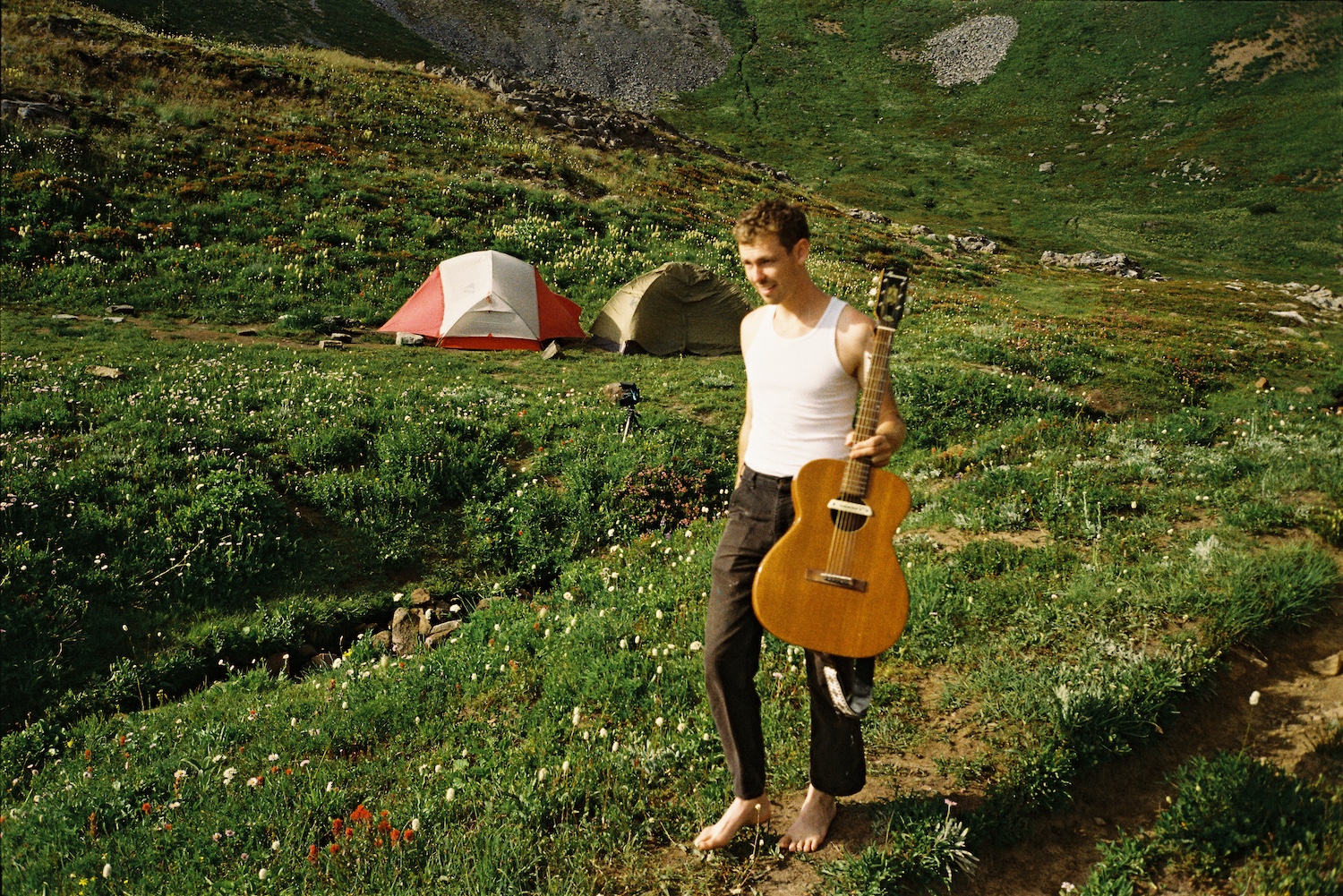
Ultimately, “Angela” radiates more love than resentment.
Everett admits he wouldn’t write “such a cutting song about a place” if he didn’t care deeply about it. What lingers after the final chorus isn’t cynicism, but a gentle nudge: Reflect on where you live. Challenge it. Let it rain. Let it pour. In Everett’s hands, even a critique becomes an invitation – to live more generously, more honestly, and with the kind of presence that makes the sun actually mean something when it finally breaks through.
Hayden Everett recently sat down with Atwood Magazine to talk about the stories, places, and emotional contradictions behind “Angela” and his forthcoming album So The Sun Can Pour. Read our conversation below – and spend some time with a song that reminds us why a little rain can make the sun worth more.
Angela
Your politics are cunning
Voting loudly to the left
but stepping right over the poor
Angela
You’re just too goddamn sunny
How I miss the rain and colder days
to make the sun worth more
Angela, you never felt like home
— —
:: stream/purchase Angela here ::
:: connect with Hayden Everett here ::
— —
Stream: “Angela” – Hayden Everett
A CONVERSATION WITH HAYDEN EVERETT

Atwood Magazine: Hayden, for those who are just discovering you today through this writeup, what do you want them to know about you and your music?
Hayden Everett: To new eyes and ears, firstly welcome! My only real hope is that my songs remind you (and me) how crazy and absurdly rare it is for us to all be here. It’s so precious and bizarre and sweet to be alive, and we’ve made it quite easy to forget; I want you to know that you’re alive and I’m alive and I hope my music points in bold and italics to that fact and all the mysteries it comes with.
Who are some of your musical north stars, and what do you love most about the music you're making right now?
Hayden Everett: I’m deeply inspired by Gregory Alan Isakov’s lyricism and story telling. He writes such profound and pointed songs while keeping them digestible and simple. Bill Evans and Joe Lovano are two jazz musicians whose expression and sensitivity have been inspiring my playing and writing quite a bit. Right now, I love the way my band plays so conversationally and tastefully together. I’m making very raw, live tracked music that feels messy and momentary and free and honest. In an age where “perfection” and polishing is so easy and tempting, allowing honest expression to drive allows so much more humanity to shine through in the recordings.
What's the story behind your song “Angela” – and what’s this song about, for you?
Hayden Everett: “Angela” is a silly one – it’s about my strained relationship with the city of Los Angeles. It jokingly prods at how expensive it is, the traffic, and the lack of trees and greenery. But a layer deeper, it is also more broadly about human vanity and selfishness, when it comes to not protecting the planet, hoarding wealth, or everyone thinking they’re the most important car on the highway. Self interest seems to be such a driving force of culture in LA, and living in that environment really depleted me.
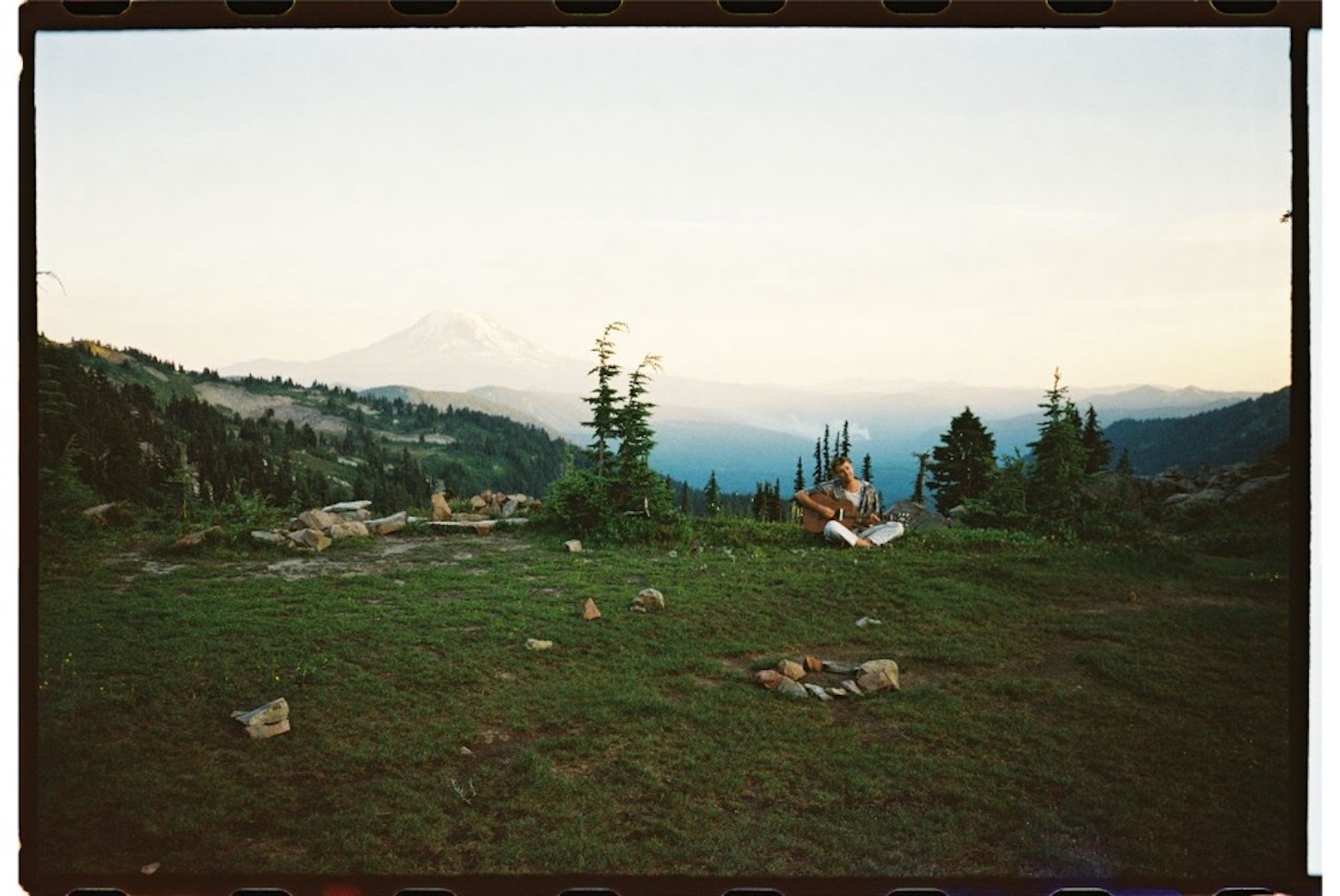
You've mentioned that this is a bit of a veiled critique about your relationship with Los Angeles. Can you share more about your feelings toward the City of Angels?
Hayden Everett: I wouldn’t write such a cutting song about a place if I wasn’t deeply familiar with it, and more importantly, if I didn’t care significantly about it. I have a lot of love for LA, which is why this song felt important for me to write. There is so much overflowing creativity there – it could be such a beautifully vibrant place of generous self expression and art. Yet, it often feels cut throat and unnecessarily competitive. I have always been particularly sensitive to places – a line in the song says “I’m a canvas of the place I’m in” – and the self motivated spirit of that place felt really draining to me emotionally and energetically. I live in Seattle nowadays, and actually love going to LA as a visitor to see my people and make new music, knowing that I get to go home to the Pacific Northwest.
This is the first single off your upcoming debut album, So The Sun Can Pour. Why break the ice with this song in particular? What makes it special, for you?
Hayden Everett: I love the way this song feels as a first single. It’s lighthearted and easy, but also has some edged one liners that pull you into the lyrical world of the record. With a catchy chorus and a sit out on the front porch type of vibe, it’s a nice soft introduction into an album that contains a lot of dynamicism, both lyrically and musically.
You've released a series of beautiful EPs over the past few years – I know this, because I wrote about most of them!! How does your upcoming LP compare to those past records, for you?
Hayden Everett: For which I am so, so grateful! Yeah! This album feels significantly wider and zoomed out in many ways. Many of those first EPs were quite close up to specific circumstances and experiences, while this album documents my wider observations of life and myself and the world. It feels like my thesis statement thus far as a human. These songs culminate to paint the things I’ve observed about the universe and the human experience and what seems to be urgently important about how both seem to flow. I think I’ve dug deeper into my instincts in every part of the process: lyrically, vocally, harmonically, and instrumentally. It feels much more organic and messy in some really important ways, but more fine tuned, full bodied, and rich in other ways. I love my past works, but I do think they’ve all really prepared me to put everything I have into this record with more intentionality, honesty, and care.

How does this track fit into the overall narrative of So the Sun Can Pour?
Hayden Everett: The title of the album is taken from the final line of the intro song, “Coin (Prelude)”: “So let’s let it rain, so the sun can pour.” So much of LA’s ethos to me is wrapped up in this quest to live in perpetual summer. Where you are is never enough – something will always make you feel better, whether it’s a new health trend or social media or more money or sun 365 days a year. I challenge that way of living in this song and throughout the album – that instead, wherever you are is exactly where you need to be. Sure – warm, rainless days may be more comfortable, but when you finally look down you’ll notice that the grass is all dead. Angela, and the rest of the album, insist that life is actually so much more full and vibrant when we let it all in: The grief and the joy, the rain and the sun, the heartbreak and the falling in love. We can’t have one without the other.
What do you hope listeners take away from “Angela,” and what have you taken away from creating it and now putting it out?
Hayden Everett: I hope this song helps listeners reflect on the place they live with thoughtfulness and care. Hopefully people feel inspired to challenge the place they live to be more and more filled with love, community, generosity, and patience. Or, I hope it spurs you to move to a place that fills you up!
— —
:: stream/purchase Angela here ::
:: connect with Hayden Everett here ::
— —
Stream: “Angela” – Hayden Everett
— — — —
Connect to Hayden Everett on
Facebook, 𝕏, TikTok, Instagram
Discover new music on Atwood Magazine
© Jeffrey Brundage
 © Jeffrey Brundage
:: Today’s Song(s) ::
follow our daily playlist on Spotify
:: Stream Hayden Everett ::