Atwood Magazine is excited to share our Editor’s Picks column, written and curated by Editor-in-Chief Mitch Mosk. Every week, Mitch will share a collection of songs, albums, and artists who have caught his ears, eyes, and heart. There is so much incredible music out there just waiting to be heard, and all it takes from us is an open mind and a willingness to listen. Through our Editor’s Picks, we hope to shine a light on our own music discoveries and showcase a diverse array of new and recent releases.
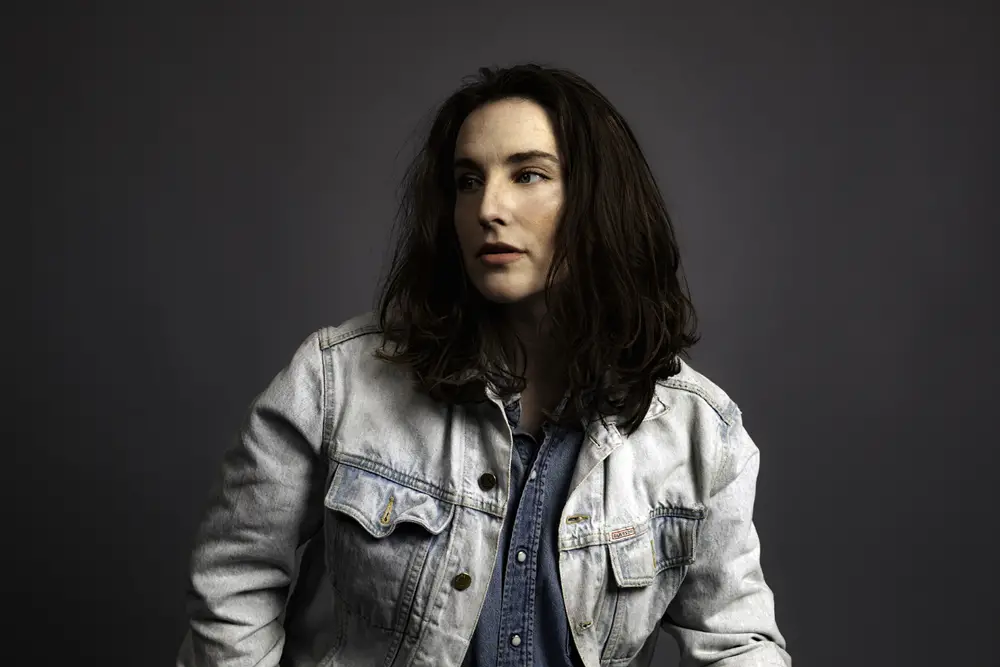
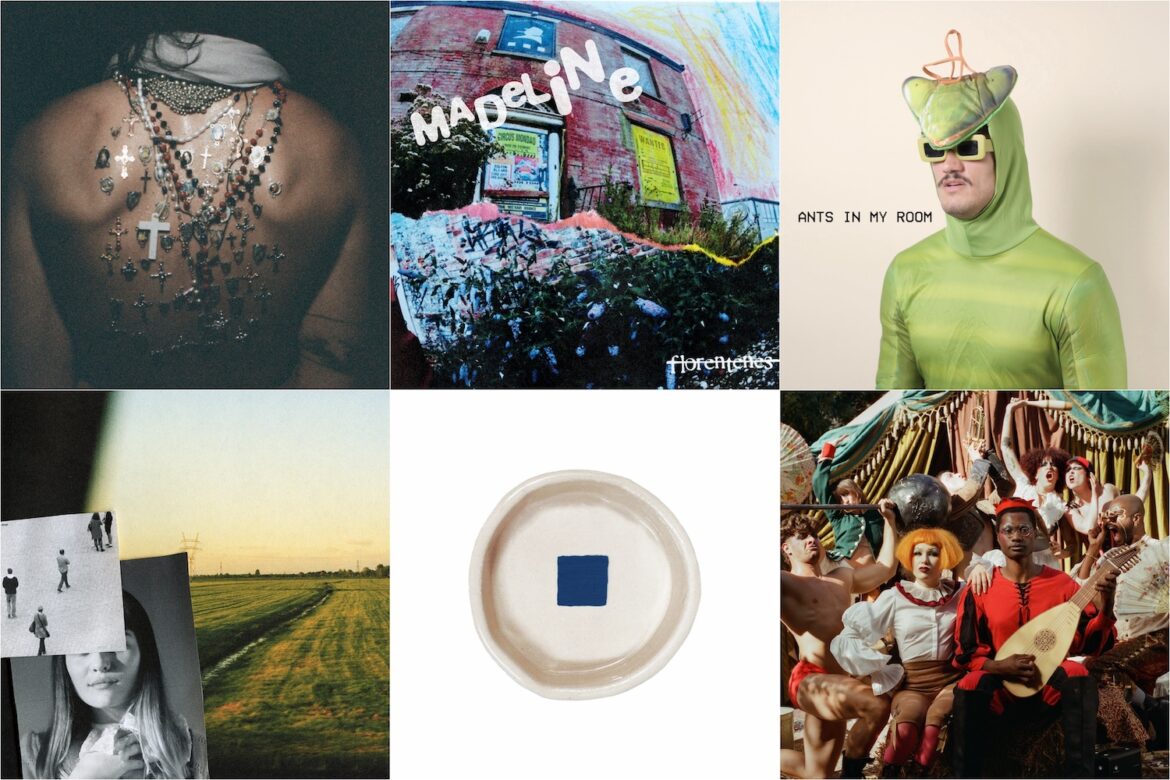
This week’s Editor’s Picks features Almost Heaven, Philine Sonny, Carter Vail, Haute & Freddy, Florentenes, and Endearments!

 follow EDITOR’S PICKS on Spotify

“fever trying to blow”
by Almost HeavenBurnout has a breaking point. There’s a moment – after the long week, the swallowed frustration, the endless clock-punching – when the body demands release. Almost Heaven’s “fever trying to blow” is all about that moment – about the ache to get out of your own skin, about clawing back joy through sweat, bass, and reckless abandon. This isn’t just a party song – it’s a pressure valve. And in a culture that runs on exhaustion, that release feels urgent.
Before a single lyric fully lands, the band builds the heat of the fever. An intoxicating bassline pulses in first – thick, hypnotic, almost narcotic – while Jaelyn Valero’s drums snap into place with warehouse-ready insistence. There’s no ornamental build, no dramatic swell; just groove and intention. In less than thirty seconds, Almost Heaven conjure a space – humid, electric, bodies pressing toward the stage. By the time the voice cuts through, the world already exists.
“I’ve had a long week at work… I deserve this,” Stefan Barraza half-rants, half-confesses in the opening verse. There’s no poetic pretense, no metaphor to decode. Just blunt honesty. The craving to “get out of my body.” The need to feel the pulse. The need to let loose. What follows is not escapism – it’s a full-body exorcism.
No, no, no, no, no build up for this one
No build, look we just need, we just
We just need all the girls who dance
And all the boys who dance to the front please
Yeah, and and all of yer drugs
You could just leave all of yer drugs with us
Okay look I, I’ve had a long week
I’ve had a long week at work
Okay, I deserve this
Alright, I’ve been looking forward to this
Alright
I worked, I worked all week for this honey
I want to let loose
I want to, I’m trying to,
I need to get out of my body

An undeniable highlight off Almost Heaven’s debut EP RAW CRANIUM (released January 30 via their newly formed Raw Cranium Records), “fever trying to blow” captures the Austin duo at their most feral and fully realized. Comprised of West Texas native Stefan Barraza and drummer Jaelyn Valero – a kinetic presence behind the kit who’s sharpened her instincts touring in other projects – Almost Heaven have emerged over the past few years with fire and fury.
What began as Barraza’s solo production project in El Paso became something bigger when Valero came on board: A hyper-stylized, high-voltage two-piece built equally on sweat-soaked performance and deliberate aesthetic. From early singles like “hypnoxia” and “oscillation” to their club- and warehouse-ready live sets, they’ve carved out a lane that fuses post-punk bite, indie dance propulsion, and electronic chaos into something both nostalgic and forward-facing.
Almost Heaven themselves don’t shy away from the simplicity of that instinct. “We came, we saw, and we partied,” they say of themselves. It’s tongue-in-cheek, sure – but it’s also mission statement. The party, for them, is not surface-level spectacle; it’s communion. It’s catharsis. It’s collision.
And that clash comes to life on “fever trying to blow.” Born from a rare stretch of not making music – a long, exhausting week that left Barraza restless – the track began with a bassline, some leftover drums from Jaelyn Valero, a cowbell, and a spontaneous rant. It was fast. It was instinctive. It was necessary.
Owww! Stop
My fever’s trying to blow
My fever’s trying to blow
My fever’s trying to blow,
let the party shake down
My fever’s trying to blow
My fever’s trying to blow
My fever’s trying to blow,
let the party shake down
“The funny thing about that song is it’s actually way more autobiographical than people maybe think,” Barraza tells Atwood Magazine. “I literally had a really long and exhausting week at work, and found myself at the end of it in the rare position of having not been able to make any music for a couple of days. When the moment came where I finally found myself in front of my laptop, I was really craving a sense of release. It started with that bassline and some drums Jaelyn had recorded in a previous session for another song.”
“I added some cowbell, then all of a sudden I started ranting out loud over this groove. I thought it was funny and it was making me laugh, so I hit record and ran with it. It was a super-fast process. The song really made itself honestly and gratefully so, because that’s exactly what I needed at that moment. I sent it to Jaelyn that night, and we both couldn’t stop playing it.”
Sonically, “fever trying to blow” struts. The beat doesn’t build, so much as it kicks the door open. Thumping drums and a pulsing groove drive forward with an almost cocky force, recalling early bloghouse chaos and the electropunk bite of 3OH!3 without feeling derivative. This is bolder, dirtier, more self-aware and less defined. Valero’s drumming is tight and muscular; Barraza’s vocal delivery is half sermon, half dare. “My fever’s trying to blow / Let the party shake down” is both hook and mantra – repetition not as laziness, but as propulsion.
If forced to define their sound, they call it “bloghouse revival” – but even that feels too neat for a band that thrives on contradiction. “We’re both kind of all over the place when it comes to our musical taste,” they explain. “Some days we wear all black, other days we’ve got some silver shoes on. It all boils down to however we’re feeling that day, and it’s the same for our process when making music.” That looseness is embedded in the DNA of this track – it feels reckless, but it’s intentional; chaotic, but curated.
The genius of the music is its relentlessness. There is no breath between desire and action. “Tonight we know no bounds… tonight is a rock n’ roll cliché,” Barraza declares, aware of the trope and leaning into it anyway. Sweat, pulse, skin, the “taste of the other side” – it’s seduction, yes, but also reclamation. A reminder that the body is not just something that works; it is something that feels.
That balance – intimacy on one hand, enveloping sound on the other – is central to how Almost Heaven operate. “With vulnerability it takes an initial focus within,” Jaelyn Valero says, “whereas immersion is about going beyond yourself and your world to connect with others.” The danger, she notes, is trying to do both at once – but when it clicks, “it creates beautiful moments that make everyone in the room feel like they got to witness a unique experience for themselves.” “fever trying to blow” lives exactly in that intersection: deeply personal in origin, explosively communal in execution.
Yeah, that’s right
Tonight we know no bounds
Alright, tonight
Tonight is a rock n’ roll cliche
I want to feel the pulse
I want the sweat right off yer skin
Yeah, tonight
Tonight, I want a taste of the other side

For Almost Heaven – the dynamic two-piece of West Texas native Stefan Barraza and Austin drummer Jaelyn Valero – RAW CRANIUM marks more than a debut EP. It signals the launch of their independent imprint, Raw Cranium Records, and the beginning of a larger creative ecosystem they’re actively building. The project glues together vulnerability and immersion – confession through storytelling, connection through production and performance. World-building is central to their ethos, and right now, that world is loud, brash, glittering, and unapologetically alive.
“Being our first EP as a unit, the title ‘RAW CRANIUM’ signifies both the emergence of Raw Cranium Records as an entity, as well as its connection and overlap with Almost Heaven,” they explain. “We’re excited to share it and invite people into the world of RAW CRANIUM.” That world, at least here, looks like sweat-slick floors, strobe lights, and a room full of strangers moving like they’ve known each other forever.
“fever trying to blow” feels like the ignition point of that world. It’s the moment the disco ball starts spinning, the moment the lights drop, the moment exhaustion turns into electricity.
Almost Heaven aren’t just throwing a party – they’re constructing a far greater, and all are welcome to join. “We hope they dance, we hope they cry, we hope they kiss someone they love while listening to it.” The specifics don’t matter, they insist – what matters is that a connection is formed. “Because of that we are now innately connected to them. That’s the part that feels special.”
This isn’t a slow burn; it’s a temperature spike. “fever trying to blow” surges, sweats, spreads. It turns burnout into combustion and restlessness into rhythm, until the only cure is pure, physical, kinetic movement. Almost Heaven don’t just raise the heat – they break the thermometer. And once that fever catches, there’s no cooling off; only letting it run wild.
Once it hits, it consumes – and there’s no coming down.
Woo! Stop
My fever’s trying to blow
My fever’s trying to blow
My fever’s trying to blow,
let the party shake down
My fever’s trying to blow
My fever’s trying to blow
My fever’s trying to blow,
let the party shake down
“Outrun”
by Philine SonnyAnger is not always loud at first. Sometimes it simmers. Sometimes it waits. And sometimes – when it finally breaks – it explodes like a thunderstorm ripping open the sky. Philine Sonny’s “Outrun” detonates on impact. A ferocious alt-rock upheaval, the track channels rage, frustration, and long-silenced pain into something brutal, unrelenting, and unapologetically alive. Hot, overdriven guitars churn and snarl as Sonny’s aching voice cuts through the chaos, breathless and burning. She doesn’t ask for space; she takes it – and in a moment when the world itself feels charged and combustible, “Outrun” hits with an intensity that feels all-too timely… almost prophetic.
You’re the rumbling in the deep blue sea
You’re the gunshots in the embassy
You say there’s so much I have never ever seen
But baby I know ya
Baby I know ya
This is who you are
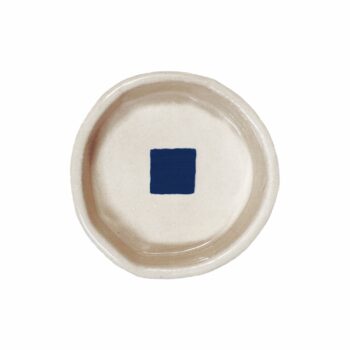
Released January 16 and lifted from Sonny’s debut album Virgin Lake (out April 3 via Nettwerk), “Outrun” captures the 24-year-old German singer/songwriter at her most visceral. Self-produced – like all of her work to date – the track is a testament to her control and conviction behind the boards. The drums pound forward without mercy; the guitars slash and spit; the chorus erupts like a flare shot into the night. When she snarls, “Oh you shot ’em to the ground / And you didn’t make a sound / I will hunt you f*ers down,” it lands like a gut-punch – a furious refusal to stay silent any longer.
Known for balancing heavily brooding verses with glistening, cinematic crescendos, Philine Sonny has steadily built a reputation for emotionally charged songwriting that feels both intimate and all-consuming. Since her early EPs Lose Yourself and Invader, she has carved out a space defined by raw passion, careful self-production, and a refusal to dilute her vulnerability. She creates entirely on her own terms – writing, recording, producing, and engineering her material herself – shaping a sound that pulls inspiration from artists like Sam Fender, Clairo, Holly Humberstone, and Bruce Springsteen, all while remaining urgent, emotive, and unmistakably her own. Whether leaning into chamber-folk tenderness or expansive alt-rock intensity, Sonny’s music has always carried weight – but on Virgin Lake, and especially on “Outrun,” that weight hardens into something sharper. The catharsis remains, but the gloves are off.
“‘Outrun’ is a raw song that explores anger, frustration and rage in a way that I haven’t allowed myself before,” Sonny tells Atwood Magazine. “It’s mean and one-sided but true and important for me to make.” That self-awareness – the admission that the song is intentionally sharp-edged and unsympathetic – gives it even more weight. This is not diplomacy; this is confrontation. This is what it sounds like when someone stops swallowing their hurt.
Oh you shot ’em to the ground
And you didn’t make a sound
I will hunt you f*ers down
Oh you killed the silent song
Oh you shot `em to the ground
And you didn’t make a sound
I will hunt you f*ers down
Oh you killed the silent song
The song stems from personal upheaval – a reckoning with familial estrangement and the suffocating silence that can exist within systems that refuse to change. As Sonny explains, “‘Outrun’ is calling out all these silent, harmful patterns and behaviors in a system, that is family, that are not being addressed by anyone inside of it. I’m especially aiming at the people who present themselves as safe and responsible but really are just as unable to better themselves. That’s what that line ‘You’re the gunshots in the embassy’ is about.” The imagery is stark, jarring, and deliberate. She names what others won’t.
What makes “Outrun” so gripping is the way it builds its fury. The opening verse doesn’t just explode outward – it coils, burning with a brutal, dramatic force. “You’re the rumbling in the deep blue sea / You’re the gunshots in the embassy,” Sonny sings, her voice tight but controlled, naming the violence in metaphor before the storm fully breaks. “You say there’s so much I have never ever seen, but baby I know ya… this is who you are.” The guitars grind beneath her like tectonic plates shifting; the rhythm section feels less like accompaniment and more like pursuit. There’s no softness, no ambient cushion. Even in its quietest moments, the track feels like it’s holding its breath, ready to burst.
The pre-chorus tightens the screws further. “Echo chamber, promise breaker, come on blame her, baby I dare you,” she taunts, each phrase spat like a challenge. The repetition isn’t ornamental – it’s accusatory. The tension mounts not through dynamic tricks, but through emotional escalation. You can feel the muscles flexing.
And then the chorus detonates. “Oh you shot ’em to the ground / And you didn’t make a sound / I will hunt you f*ers down / Oh you killed the silent song.” It’s not just the profanity that shocks – it’s the clarity. The line lands like a thrown brick. The instrumentation surges around her voice in waves of distortion and force, but Sonny never disappears inside it. She cuts through. The delivery is unvarnished, almost feral, yet never sloppy. Every word hits.
You’re the axe that frees
the body from the roots
You are endless,
always circling the truth
Echo chamber, promise breaker,
come on blame her
Baby I dare you
Baby I dare you
Show us who you are
Oh you shot ’em to the ground
And you didn’t make a sound
I will hunt you f*ers down
Oh you killed the silent song
Oh you shot ’em to the ground
And you didn’t make a sound
I will hunt you f*ers down
Oh you killed the silent song
Even the bridge refuses relief. “You put poison in the water / Now drink before your daughter” – a line that feels Biblical in its severity – shifts the anger from personal indictment to generational consequence. The drums hammer and the guitars keep flaring. She circles back to the chorus not as repetition, but as reckoning.
There is no fade-out, no gentle exhale. “Outrun” doesn’t offer resolution; it offers release. It captures the moment before forgiveness, before empathy, before understanding – when anger is still hot and pure and necessary. And musically, it refuses to let that temperature drop for even a second.
Anger, once unleashed, rarely confines itself to a single story – and likewise, “Outrun” doesn’t exist in a vacuum. In a year already marked by escalating tensions, by images of force and silence flashing across screens, lines like “Oh you shot ’em to the ground and you didn’t make a sound” take on an eerie resonance. Sonny herself acknowledges the broader climate: “Obviously, I am following the news and recent escalations in the US and it worries me how the whole world can see these playbook patterns unfold while – from the outside it looks like – the people are still not outraged enough.”
“We‘re not angry and outraged quick enough,” she continues. “It’s easy to get stuck in the feeling of disbelief and despair when the world around you is going absolutely crazy but those feelings leave you unable to act – and in politics, that is a very convenient for somebody like Trump or Alice Weidel. So to start actual change, we need to be angry and outraged and on the streets and facing the oppressor and we need to do that quick before they’re getting away with it..” It may feel strange to draw a line between a personal rupture and political unrest, but both share the same spark: Anger as catalyst.
Positioned as track two on Virgin Lake, “Outrun” embodies the album’s earliest emotional phase – the raw, unfiltered anger that surfaces before reflection can soften it. The record as a whole traces Sonny’s autobiographical journey from rage and sorrow toward compassion and understanding, inspired in part by Benedict Wells’ coming-of-age novel Hard Land. But here, at the beginning, there is no tidy resolution. There is only the storm.
Sonny’s artistry has always lived at the intersection of intimacy and magnitude. Praised for balancing chamber-folk tenderness with expansive alt-pop textures, she has steadily built a reputation across Europe and beyond – from SXSW to Reeperbahn, from self-produced EPs to major festival stages. Yet “Outrun” feels like a turning point: A refusal to dilute herself for comfort. The production is tight and controlled, but the emotion is anything but. It sweats, it seethes, and it scorches.
If songwriting is, for her, “a tool to capture what I’m learning about myself and others,” then “Outrun” is the moment the lesson crystallizes. Anger, when acknowledged and expressed, can be clarifying. It can be necessary. It can be the first step toward change. “Outrun” is not gentle. It is not polite. It is not forgiving. It is an emotional wrecking ball, a fever dream of distortion and defiance – and in that fury, it feels cathartic beyond measure.
Some songs smolder. This one burns.
Congratulations
I’m around the bend
Around the bend
What goes around
comes back around again
Around again
You put poison in the water
Now drink before your daughter
Oh you shot ’em to the ground
And you didn’t make a sound
I will hunt you f*ers down
Oh you killed the silent song
“Ants in My Room”
by Carter VailAnts in the walls. Ants in the bed. Ants in your head. Carter Vail’s “Ants In My Room” begins with a premise so absurd it borders on unhinged – and somehow turns it into one of the most addictive indie pop releases of the year. What could have been a throwaway internet joke instead becomes a glittering, synth-heavy earworm about paranoia, loneliness, and the strange comfort we take in the voices that won’t leave us alone. It’s funny. It’s unsettling. It’s impossibly catchy. And once it gets in, it does not get out.
Ants in my room
They wait for me to fall asleep
To crawl in my mouth
And nose and eyes
Ants in my room
When I’m in bed they start to creep
To comfort me
And Tell me lies
Ants in my room
The telephone it never rings
They’ve cut the cord
And unionized

Built on a simple, instantly memorable synth line and a dreamy, pulsing chord progression, “Ants In My Room” feels like it beamed in straight from the late-2000s indie sleaze era – think LCD Soundsystem, The Libertines, Phoenix – but sharper, tighter, and hotter on the mic. Vail’s vocal delivery is intimate and slightly manic, playful but precise; the verses creep along with hypnotic tension before everything detonates in the chorus. The air seems to catch fire as he pauses, inhales, and belts: “You’ll be fine my baby…” It’s the kind of hook that feels inevitable the first time you hear it – like it’s been waiting for you all along. By the time he insists, “No one’s gonna love you like me,” you’re already singing along.
Released January 30th via RCA Records, the single follows last year’s Coydog EP and continues Vail’s streak of turning strange concepts into airtight bops. “Vail’s airtight instrumentation and sharp melodies have given him the reputation of creating bops out of thin air,” Rolling Stone once noted – and “Ants In My Room” is perhaps his most perfect sleight of hand yet. What began as one of his signature short-form internet bits quickly exploded across social media, earning millions of views before even becoming a full song. But viral momentum alone doesn’t explain its staying power – the craftsmanship does.
I’m never alone
If I was I’d start to think
But I hear them whisper every night
You’ll be fine my baby
Oh you gotta trust me
It’ll all work out
In the end just maybe
You’ll be fine my baby
Oh you gotta trust me
It’ll all work out cause
No one’s gonna love you like
LA-based musician and internet shapeshifter Carter Vail has spent the better part of the last decade building a career out of sharp hooks, strange ideas, and a refusal to take himself too seriously. From the viral absurdism of “Dirt Man” to the indie pop world-building of 100 Cowboys and Coydog, Vail has cultivated a following that spans TikTok feeds and festival stages alike. Praised by Rolling Stone, The New York Times, NPR Music, and more, he’s become something of a modern cult architect – equal parts songwriter, online personality, and meticulous pop craftsman who understands that a joke only lands if the song underneath it is undeniable.
The brilliance of “Ants In My Room” lies in its refusal to wink too hard. The lyrics open like a horror short story – “They wait for me to fall asleep / To crawl in my mouth / And nose and eyes” – but the melody glows with warmth. The ants unionize. They cut the cord. They whisper comfort. The absurdity is part of the charm, but there’s something deeper humming underneath. Is it about anxiety? About intrusive thoughts? About the way loneliness invents companionship? Maybe. Or maybe it’s just about ants.
The evening news
And everyone I’ve ever seen
They complicate & compromise
I’m leaving food
So all my friends come back to me
in two by two they prophesize
Oh god I want it
Oh god I need it all the time
They’re in my conscience
I feel them cutting all the wires
I can’t believe it
But somewhere deep inside my mind
I’m feeling better
Feeling better
Feeling better all the time
Vail himself insists on the latter. “‘Ants In My Room’ is not a metaphor, it is not clever symbolism. I wrote it when I discovered ants in my room. It is perhaps a sign of a weakening understanding of reality, that upon discovery, it felt like the perfect thing to write a song about.” That deadpan sincerity is part of what makes him such a compelling presence – cool and chaotic in equal measure, aware of the joke but committed to the bit.
And yet, whether he likes it or not, the song lands because it taps into something universal. That refrain – “It’ll all work out in the end, just maybe” – carries a distinctly modern tension: hope laced with doubt, comfort tinged with anxiety. The production shimmers with that Obama-era optimism-meets-existential-dread energy, glittery synths colliding with hard-hitting percussion in a way that feels both nostalgic and urgently current. It’s danceable dread. It’s existential disco.
Eight years into releasing music, Vail remains one of indie pop’s most unpredictable architects. He recommends crate-diggers revisit his college-era record Red Eyes, particularly “Andrew (revisited),” “We Were Kids,” and “Kafka,” to hear an artist still figuring himself out. But on “Ants In My Room,” he sounds locked in – confident, mischievous, fully aware that the strangest idea in the room might just be the most irresistible.
For his part, Vail can’t wait for listeners to hear this song and uncover its truth. “I want someone to dance to it on first listen, then slowly realize it’s about ants. Then I want them to Google if the song is really about ants and find this interview. Yes, it’s about ants.”
Mission accomplished. “Ants In My Room” is the rare song that makes you laugh, makes you move, and makes you question your own sanity – all in under three minutes. It crawls under your skin, sets up shop, and whispers sweet nothings until you’re singing it at 2 AM against your will.
No one’s gonna love you like it does.
You’ll be fine my baby
Oh you gotta trust me
It’ll all work out
In the end just maybe
You’ll be fine my baby
Oh you gotta trust me
It’ll all work out
No one’s gonna love you like me
“Dance the Pain Away”
by Haute & Freddy“For once in your life / Don’t run away / Why don’t we dance the pain / Dance the pain away.” In a world that feels relentlessly loud, fast, and overwhelming, Haute & Freddy offer something radical on “Dance the Pain Away” – not denial, not numbness, but movement. The L.A. duo’s latest single is an invitation to surrender to the music when everything else feels sideways in your mind. It’s about stepping onto the dance floor with your heart still heavy, and choosing release anyway – choosing rhythm over rumination, choosing the body over the spiral. And in that decision to move instead of hide, the song becomes irresistible – a glittering, heart-thumping release you don’t just hear, but feel in your bones.
Silent night and the city lights
Cars in the rain
My heart beat and the highway noise
All sound the same
Are you wearing white
Underneath your trench coat?
Has it been a while
Since you really let go?
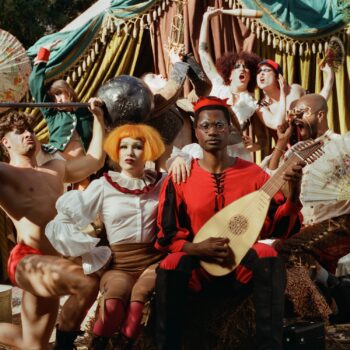
Released January 8, “Dance The Pain Away” heralds the arrival of Haute & Freddy’s long-awaited debut album Big Disgrace, out March 13 via Atlantic Records. The track captures the duo of Michelle Buzz and Lance Shipp at their most expansive and theatrical: pulsing, dramatic drums set the scene as Buzz’s breathtakingly bold, hot-on-the-mic voice slices through the air with urgency and conviction. Around her, soaring synths stretch outward like velvet curtains pulled back to reveal a glittering stage; basslines throb with relentless insistence; melodies shimmer in technicolor delight. It’s dreamy and cinematic, breathtakingly vast – a maximalist pop spectacle that feels larger than life, and yet wholly real and of this world.
Lyrically, the song meets listeners in a place of quiet unraveling. “Break down in the car / You don’t even wanna go no more,” Buzz sings, tracing the exhaustion of modern existence – the pressure to show up, to dress up, to play the game when you’d rather disappear. “It’s sideways in your mind,” she confesses, and suddenly the chaos has a name. But instead of dwelling in the ache, Haute & Freddy turn toward catharsis. The chorus swells not as escapism, but as empowerment – a glittering refusal to run. “What’s in your heart / What’s in your way?” they ask, over and over, as if daring you to answer.
What’s in your heart
What’s in your way
Why don’t we dance the pain
Dance the pain away
For once in your life
Don’t runaway
Why don’t we dance the pain
Dance the pain away
That tension – between overwhelm and ecstasy – is central to the song’s creation. As they shared upon release, “‘Dance The Pain Away’ is a feeling we’ve been dreaming of capturing in a song. That bustling street, grime of the city, crowded dance floor, ready to forget the world kind of feeling… It was everything we were feeling, all the overwhelmed emotions, the chaos of how life can feel, and at the same time, the ease of how it can all go away for a little while when you’re dancing.” You can hear that push and pull in every measure – the frantic pulse of the verse giving way to a chorus that feels like open sky.
A recent addition to the pop canon – they debuted in late 2024 – Haute & Freddy have built a strong global audience thanks to their infectiously irresistible and undeniably unique artistry. Beyond just the music alone, their aesthetic blends genres and blurs centuries – marrying underground club grit with baroque opulence, kaleidoscopic art rock, and then some. And on “Dance the Pain Away,” all the spectacle serves something deeply human. Buzz and Shipp don’t just craft a world; they build a sanctuary. Their devoted fanbase, known as “The Royal Court,” shows up in handmade jester hats and theatrical garb, dissolving the line between stage and audience. That same ethos radiates through this song – the sense that art can be armor, that camp can be catharsis, that chaos can become couture.
Break down in the car
You don’t even wanna go no more
It’s so big everywhere
And what do you say
And what do you wear
It’s sideways in your mind
When did you get out last to find
It’s hard not to start to cry
Hard not to try and
Live a normal life
Can you feel the wind blow
Where you at tonight
Wishing you could let go
With Big Disgrace arriving March 13 via Atlantic Records, the duo stand on the precipice of a larger cultural moment. Already hailed as “the carnival-pop duo… breaking rules” by Rolling Stone, they’ve transformed alt-pop into a fever dream of spectacle and sincerity. But “Dance The Pain Away” proves that beneath the ornate costumes and dramatic flair beats a very real, very tender heart.
That heart runs through the album as a whole. “This has been the craziest journey from writing songs for other artists, to posting Scantily Clad and you all finding us!” Haute & Freddy recently shared. “This album was written from both our lowest and highest points in life and it helped us feel whole again and have fun. This is for anyone who feels like they don’t belong, this is for the weirdos, the freaks, the people with hunger in their eyes, the people who want to run away and leave it all behind, the people who are fabulously different, the Royal Court!” It’s a declaration as theatrical as their sound, but rooted in something deeply sincere: Belonging.
What’s in your heart
What’s in your way
Why don’t we dance the pain
Dance the pain away
For once in your life
Don’t runaway
Why don’t we dance the pain
Dance the pain away
What makes this latest single so striking isn’t just its scale – though it is enormous – but its generosity. “Dance the Pain Away” doesn’t minimize the weight. It doesn’t pretend the ache isn’t there. Instead, it holds your hand, drags you into the lights, and reminds you that release is still possible. When the drums pound and the synths spill out into what feels like eternity, the message is clear: You don’t have to outrun your pain. You can out-dance it.
And maybe, for once in your life, that’s enough.
And if it’s all said and done
You never wanna play the game
But your suit jacket is on
And it’s another modern day
But there’s hunger in your eyes
And a ribbon in your hair
Tell me right now
Tell me right now
What’s in your heart
What’s in your way
Why don’t we dance the pain
Dance the pain away
For once in your life
Don’t runaway
Why don’t we dance the pain
Dance the pain away
Why don’t we dance the pain
Dance the pain away
Why don’t we dance the pain
Dance the pain away
“Madeline”
by FlorentenesChance encounters don’t ask permission – they crash in, electric and pulsing, and leave you grinning long after they’re gone. Florentenes bottle that exact rush on “Madeline,” a rip-roaring indie rock joyride that captures the dizzy high of connection, the blur of a night lived loudly, and the ache that lingers when it’s over. “If we run will we ever return?” frontman William Train Smith sings at the jump, already breathless and halfway out the door. The song isn’t about certainty – it’s about momentum and letting yourself be swept up in the moment, even if you know it can’t last.
If we run there will we ever return?
Now I’m thinking all the things
that I’ll be doing with her
It still don’t feel real
no, it don’t feel real.
And you’d be right to assume,
after the worst of it all
My Madeline’s a song,
and she’s a thrill for the heart
You can’t rush art you can’t rush art
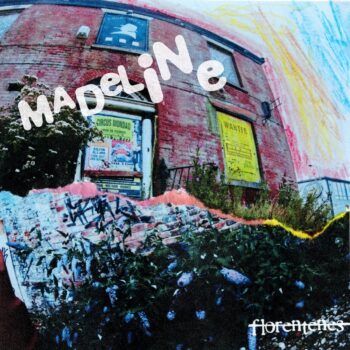
Released January 28, “Madeline” finds the Manchester/Bolton four-piece – William Train Smith (vocals), Luke Holding (guitar), Harry Stubbs (bass), and Liam Fiddy (drums) – leaning hard into the instinctive, guitar-led sound that’s fueled their rapidly growing live reputation. The drums pound with restless urgency; electric guitars roar with bright, youthful abandon; the tempo barely lets you catch your breath. It’s sunlit and scrappy all at once – an infectious rush of energy that feels tailor-made for sticky floors, shouted choruses, and arms slung over shoulders. Simple, direct, exhilarating – sometimes that’s exactly what rock & roll is supposed to be.
“‘Madeline’ is about those moments of chance, connection and letting yourself be swept up in life, the highs, the heartbreaks, and the energy that comes from just living in the moment.” That spirit pulses through every hook. The repeated cry of “Madeline (Yeah)” isn’t just a name – it’s a rallying call, a memory you can’t quite shake, a thrill for the heart that still doesn’t feel real. Even when Smith admits, “My Madeline’s a song, and she’s a thrill for the heart / You can’t rush art you can’t rush art,” there’s a wink in it – a self-awareness wrapped in wide-eyed wonder.
You don’t know where you belong
I never expected more than one
So if we’re out tonight,
then I’ll pull you towards me
The effects of my drink
never ruined your boldness
And you’re long, long gone
Madeline, yeah!
The story behind the song makes its spontaneity all the more fitting. “It’s the only song we’ve ever written where the lyrics came before any of the music,” Smith explains. “I wrote the lyrics on a plane home from a holiday with no music in mind – just plain ramblings, which explains why the verses have so many syllables. Then, when we had our first rehearsal back, I picked up an old riff from around a year ago and the whole song came together quite quickly. It’s probably our most musically simple song but sometimes simple works best.” That looseness – that almost accidental magic – is part of what gives “Madeline” its spark.
Florentenes are still barely a year out of school, but they’re moving fast. Rooted in the North’s storied live music scene and recorded with legendary producer Dave Eringa, the band have quickly earned airplay and praise from Radio X and BBC 6 Music while sharpening their reputation onstage. Influences ranging from The Beatles and The Smiths to Arctic Monkeys and The Stone Roses flicker through their DNA, but “Madeline” feels less like homage and more like ignition – the sound of a young band discovering just how hard they can hit.
There’s nostalgia baked into it, too. “I think in the future, I’ll see the song as a reminder of what it was like growing up and developing as a musician,” Smith reflects. “Right now I cringe on occasion when I hear it because it just reminds me of how I thought and sounded a few years ago! Regardless, the song is endearing to me and it is work which I’m definitely proud of.” He laughs off the specifics of its real-life inspiration – “I had more than enough alcohol to forget it!” – but that blur only adds to the mythology. Some nights aren’t meant to be archived; they’re meant to be felt.
Madeline’s the number 7443
I’m an artist with no name,
but she’s much better than me
And I just don’t see, no, I just don’t see
And if Picasso really said
that all the great artists steal
Then I’ll be the first to really
know how it feels, she said
“You know how it feels?”
Notably, “Madeline” predates much of their current catalogue. “It is OLD,” Smith says. “Old to the point where we had that song before we had a band name… It marks the footprint and start of our journey as a band and we’ll always have a soft spot for it.” That origin story hums beneath the surface – this isn’t just another single; it’s a snapshot of who they were before the spotlight started to find them.
What makes “Madeline” such a standout is its refusal to overthink. It doesn’t brood and it doesn’t posture; instead, it surges, it grins, and it barrels forward with the kind of youthful conviction that reminds you why you fell in love with rock music, and all its roaring, soaring guitars, in the first place. In a world that so often demands caution and calculation, Florentenes choose velocity and volume. “Madeline” is a reminder that sometimes the best moments – the ones that leave your ears ringing and your heart racing – happen when you don’t stop to ask where you belong.
You don’t know where you belong
I never expected more than one
So if we’re out tonight,
then I’ll pull you towards me
The effects of my drink
never ruined your boldness
And you’re long, long gone
Madeline, yeah!
“Real Deal”
by Endearments“And you want it to be said that you’re in love, but you’re not happy.” Love can turn cruel when it becomes a fantasy. When one person is chasing the idea of romance more than the thing itself – more consumed with the aesthetic, the mythology, the grandeur of it all – and the other is left standing there, flesh and blood, trying to be seen. Endearments’ “Real Deal” is about that slow, sickening realization: That you’re not a partner in someone’s life, but a prop in their story. As lush and lilting as it is visceral and raw, the Brooklyn trio’s single aches with the quiet devastation of loving someone whose heart is always looking elsewhere, whose devotion is more about performance than presence.
It feels like such a disease
Wanting everything you give
‘Cause baby you do what you please
And there will never be enough
Enough of your time
Enough is enough
You go
To the beat of no one else
And you want it to be said
that you’re in love
But you’re not happy
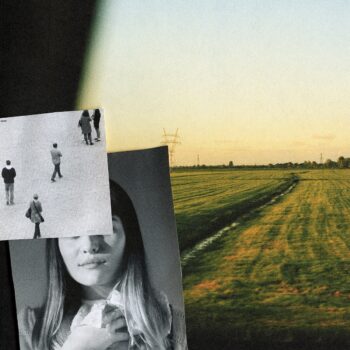
Released January 7th, “Real Deal” serves as the first glimpse into Endearments’ upcoming debut album An Always Open Door, out March 6 via Trash Casual, and it sets the emotional stakes high. Active throughout the past five years, the trio – Kevin Marksson (vocals, bass, synths), Anjali Nair (guitar), and Will Haywood Smith (drums) – have long trafficked in dreamy, synth-kissed indie pop, but here they lean harder into their rock impulses and they don’t look back. Breathy vocals drift over fiery guitar lines; the drums are dynamic and propulsive, white-knuckled and driving; melodies soar skyward even as the lyrics crumble inward. On the surface, the song feels anthemic and invigorating – a rush of shimmer and momentum. Dive deeper, and it’s a glass heart full of cracks, just waiting for the right moment to shatter.
“‘Real Deal’ is a song about feeling like you’re just a supporting player in someone else’s romantic idealization,” frontman Kevin Marksson tells Atwood Magazine. “I hint at Apollo and Daphne in the lyrics and the idea that someone can be so focused on what love ‘should’ feel like that they forget there is a real person on the other end. The music video plays with that concept in a fun way by having our heroine wake up in a strange apartment after what seemed like a perfect evening, but maybe wasn’t as perfect as she thought.” That tension between myth and reality pulses through every measure – between laurel leaves etched in teapots and the bruising awareness of being less a partner, and more a piece of the scenery.
The song’s origin is painfully personal. “The lyrics of ‘Real Deal’ are about what it feels like to be in love with someone who has a mercurial heart,” Marksson shares. “Toward the end of my last relationship, there was about a year where I felt like I had unwittingly become an accessory to my partner’s search for this idealistic feeling of romance. I had this really heartbreaking moment where I thought to myself, ‘I’m just someone safe to come home to. This person is looking for something I can’t give them.’” That confession bleeds into the track’s most cutting refrain – “You want it to be said that you’re in love, but you’re not happy.” It’s the sound of someone finally naming the truth out loud.
There’s an intimate quality to the longing here – “It feels like such a disease / Wanting everything you give,” he sings in the opening lines – as if desire itself has turned corrosive. Yet Endearments refuse to wallow. Nair’s guitars gleam and churn, building toward choruses that feel almost defiant in their size; Haywood Smith’s drums pound with urgency, ratcheting up the tension until it spills over. The band’s love of ‘80s new wave and 2000s indie rock collides in real time, marrying dynamic verses with big, cathartic pop choruses. It’s that friction – between tenderness and sharpness, uplift and undoing – that makes the listening experience so intoxicating, and so human.
You take me whenever you please
To keep a warm wife in your bed
The outline of laurel leaves
On the teapot on your shelf
Out of your sight
Enough is enough
You go
To the beat of no one else
And you want it to be said
that you’re in love
But you’re not happy
You’re not happy
For Endearments, “Real Deal” is more than a breakup song; it’s a reckoning. An Always Open Door as a whole revisits the emotional terrain of their earlier EPs – Father of Wands and It Can Be Like This – but with more distance, more wisdom, more contemplation. “This is a record about looking inward and reevaluating the past,” Marksson reflects. “I don’t think you’re ever totally done processing the big emotional moments in your life – you just get older and gain more wisdom and perspective… It’s about letting go of the people and things that hurt you so that you can find yourself and really embrace what makes you happy.” If “Real Deal” is the album’s emotional thesis, it’s one built on clarity: Recognizing when love has turned into theater, and choosing to step off the stage.
More than anything, Marksson hopes the music cuts deep. “I love when a pop song makes me cry,” he says, “and hope there are listeners who get to experience that feeling with our music.” “Real Deal” absolutely delivers on that promise. It surges and sparkles; it bruises and burns. It’s dreamy and devastating in equal measure – a song that sounds like falling in love with the idea of someone, and waking up to find yourself alone. In naming that ache so honestly, Endearments transform heartbreak into a radiant, hauntingly beautiful anthem.
— — — —

Connect to us on
Facebook, 𝕏, Instagram
Discover new music on Atwood Magazine
Editor’s Picks
follow EDITOR’S PICKS on Spotify