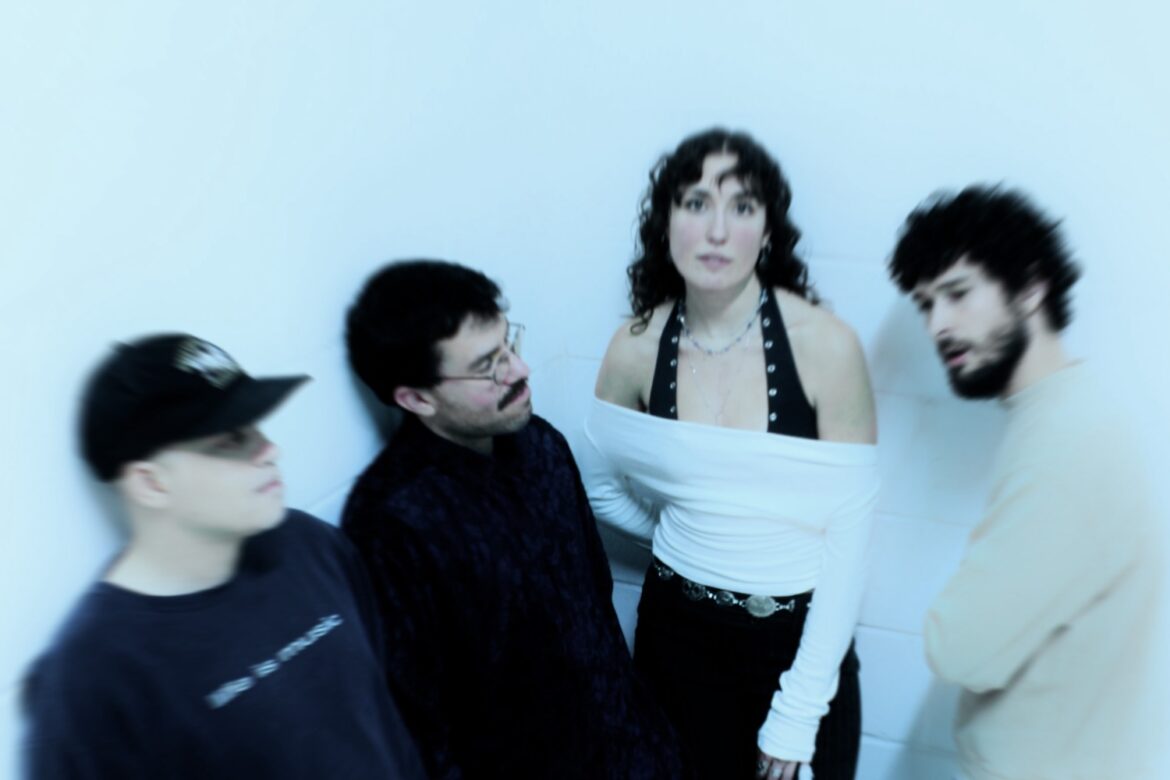
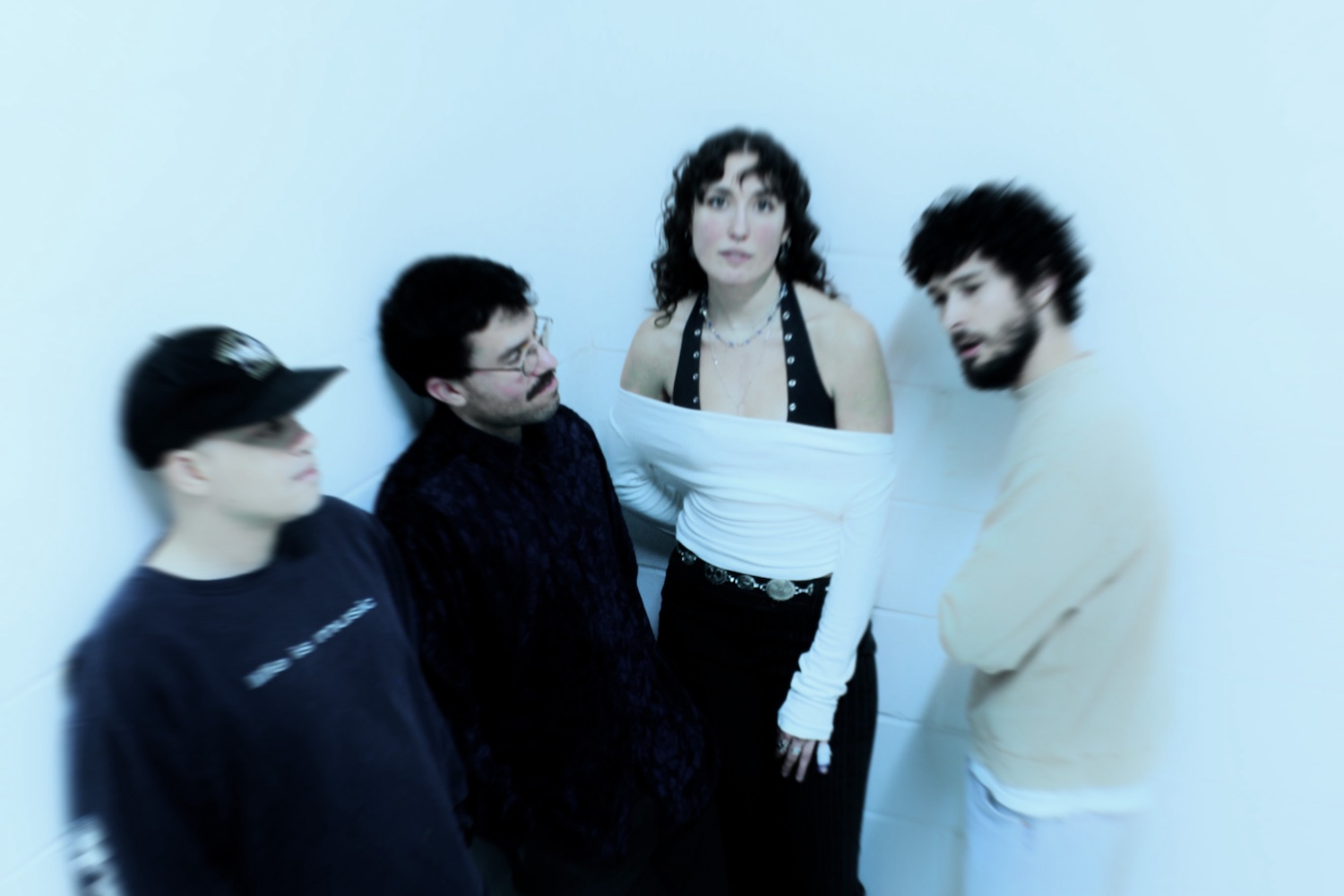
Montreal art-rock band Museums channel youthful urgency, tangled guitars, and infectious melodic momentum into their forthcoming six-song EP ‘This Can’t Be It.’ Growing out of their city’s close-knit creative pockets and sharpened by the chemistry of four musicians finding their footing together, the record captures a kinetic band ready for summer festival stages – and very much worth discovering.
Stream: “Trade” – Museums
Montreal’s Museums don’t sound like a group trying to be preserved behind glass; rather, they’re a band in motion.
Rooted in the city’s vibrant pockets of language, scene, and community, the art-rock four-piece bring a restless live-wire energy to songs that feel dense, melodic, and alive – music that seems to grow more vivid the longer it’s allowed to breathe. That sense of movement feels inseparable from Montreal itself: A city of interconnected neighborhoods, overlapping creative circles, and “little worlds” where different scenes can flourish side by side.
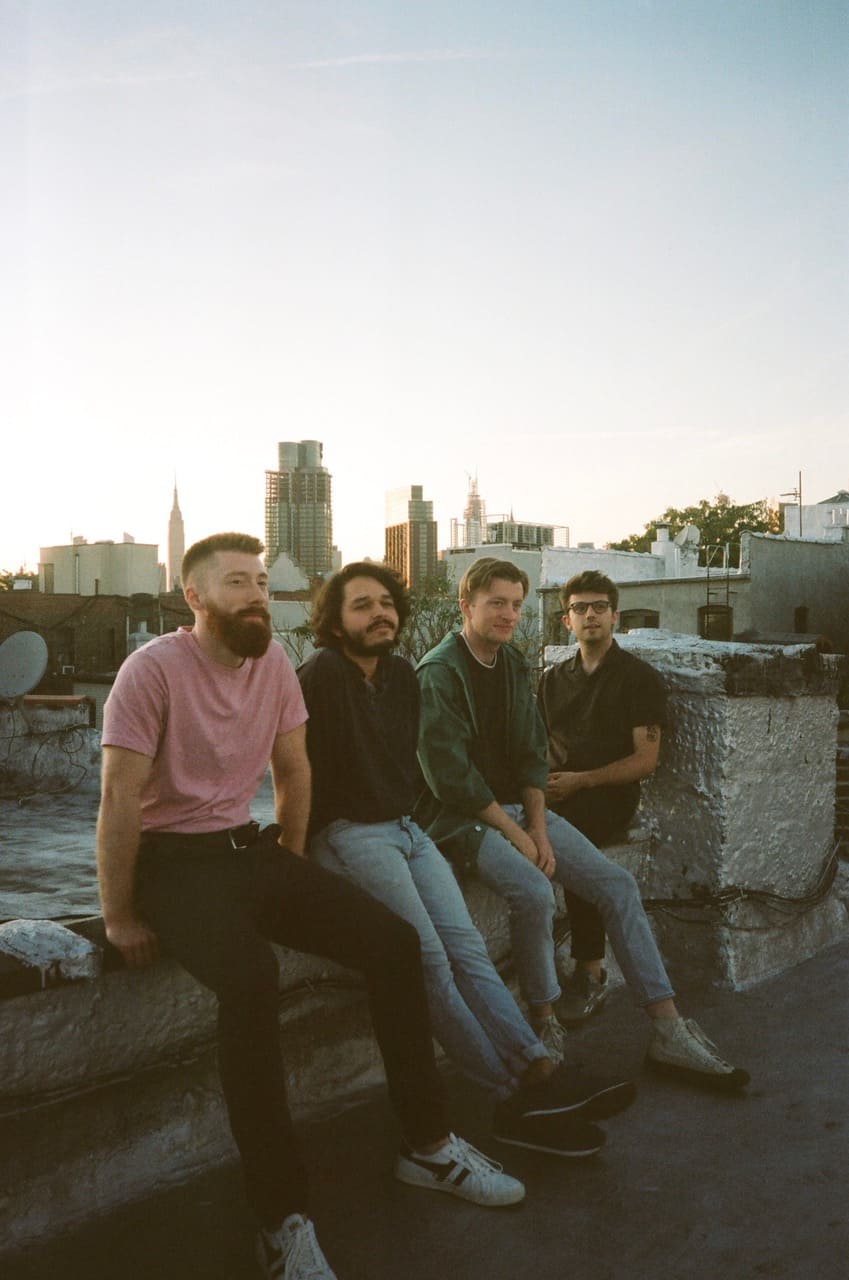
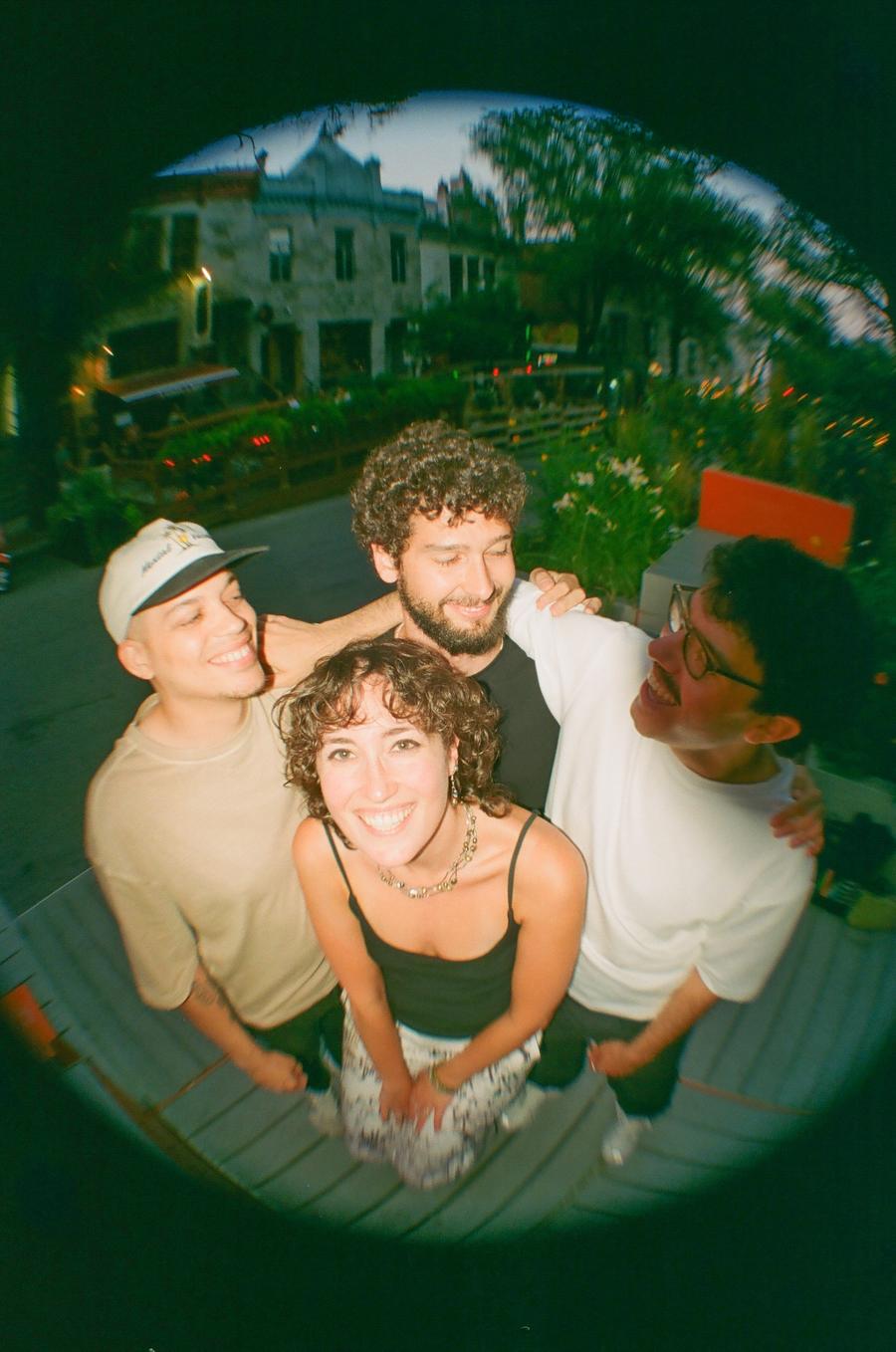
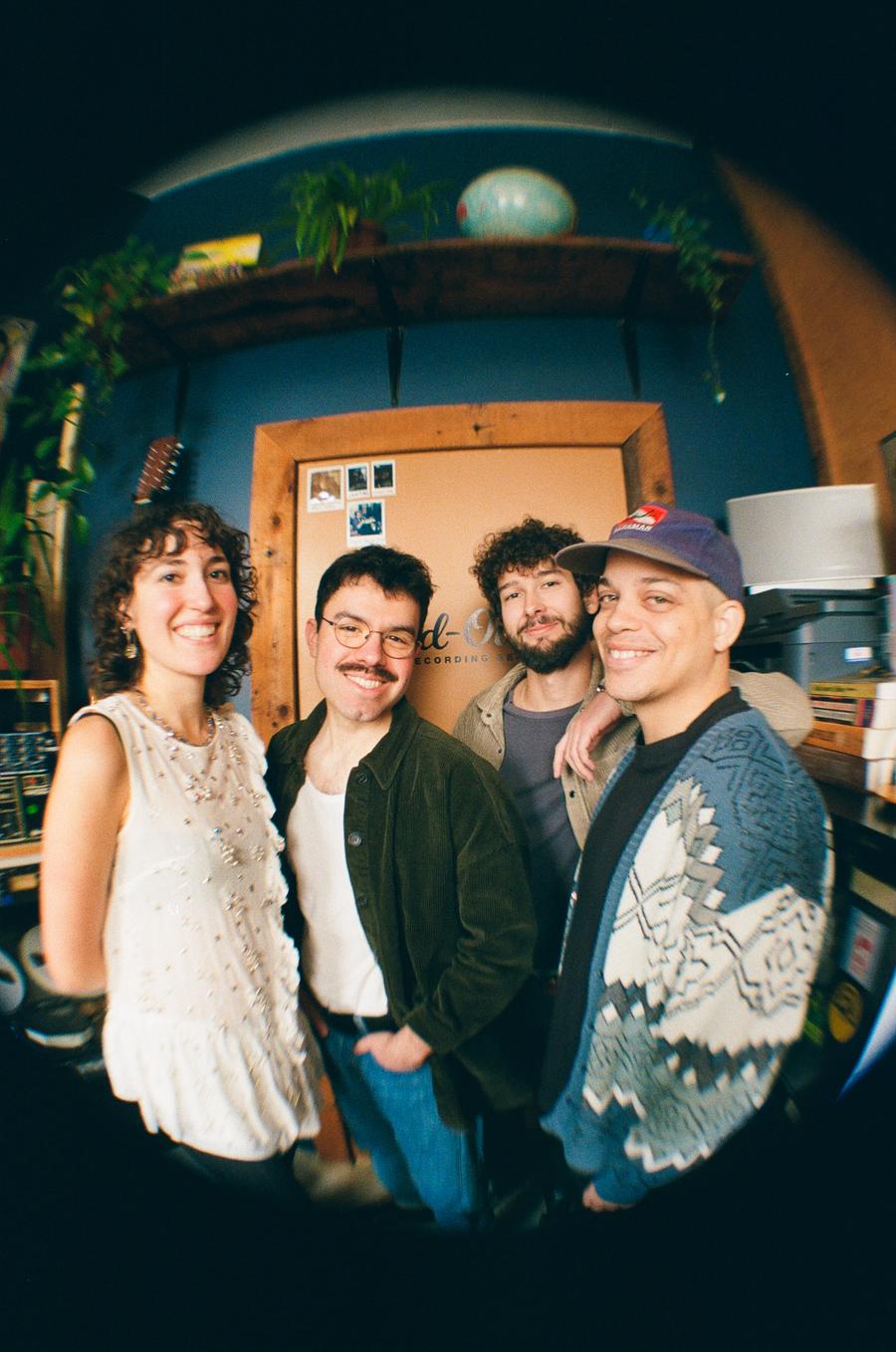
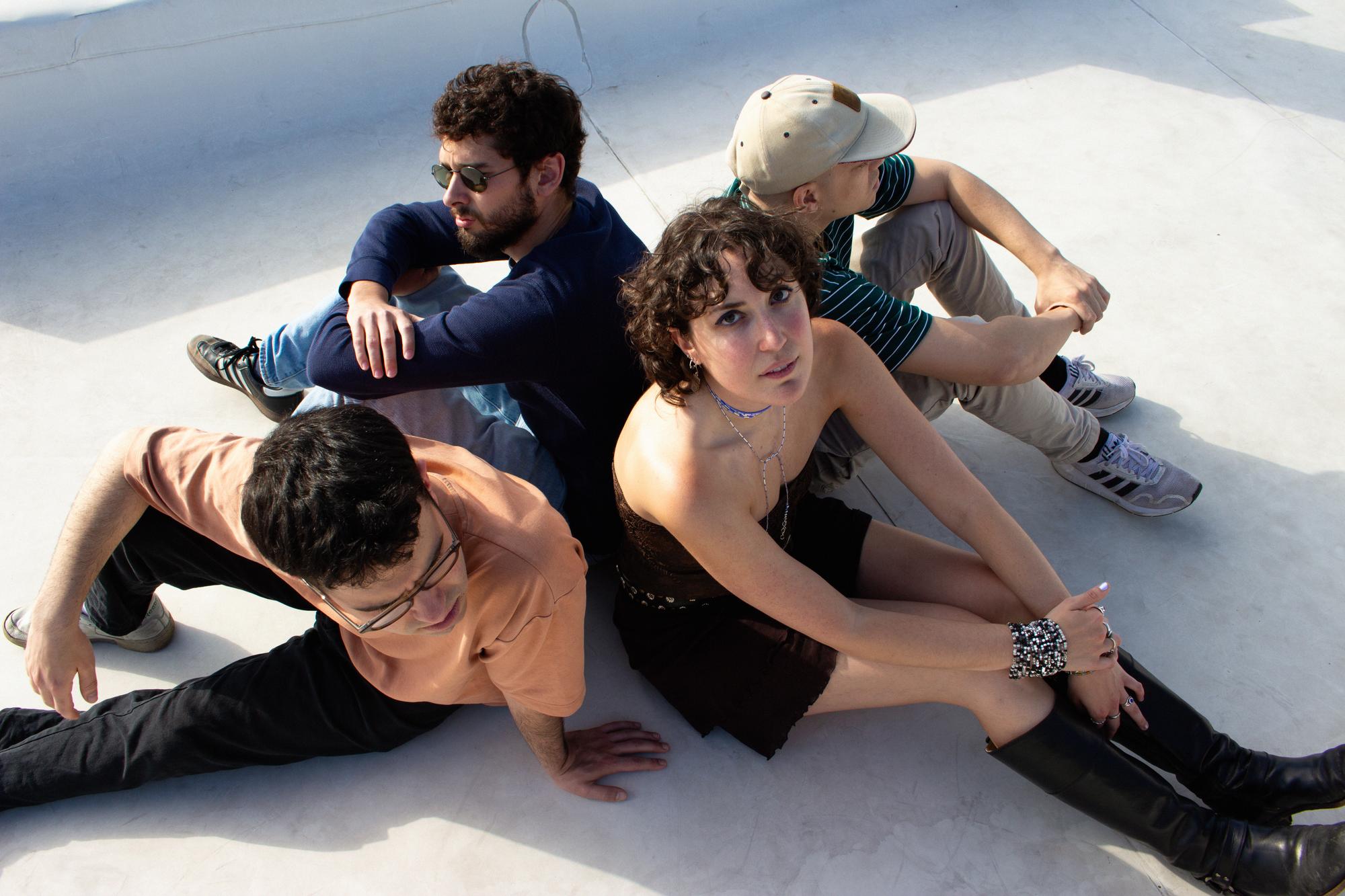
Montreal’s Museums are the art/rock, indie-rock project of Ali Kouri, Nic Barkun, Anthony Kameka, and Lou Raskin. The four members all hail from the city, and their music is characterized by impulsive, evocative vocals coupled with dense, layered guitars. It’s the mix of female vocals with warm, overdriven guitars, strong bass lines, and driving drums that makes the band so enchanting. In 2024, Museums released their debut EP, Sink Your Teeth in My Brain, and followed up with the engrossing double single, “Lost in Your Head” and “Can’t Stop Thinking About It,” a pair of tracks that capture the band’s knack for turning introspection into earworm intensity.
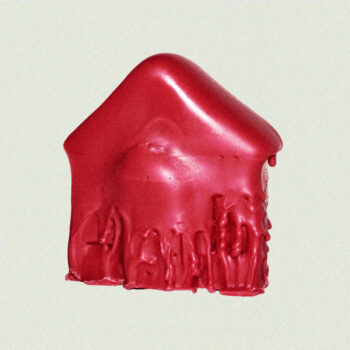
Their forthcoming six-song EP This Can’t Be It releases June 12th via Petit Village Records, a label committed to supporting Montreal’s local music scene and building relationships with like-minded artists and labels in and outside the city. Arriving as the band prepare for a summer appearance at Osheaga, the EP catches Museums at a pivotal moment – one where their recorded world and live presence seem to be coming into focus at the same time.
It’s a stellar release and the sound of a young band growing in confidence, deepening their chemistry, and finding firmer footing with each creative step. As Lou Raskin puts it later in the conversation, “the alchemy is getting stronger,” and that phrase feels like the key to Museums’ current chapter: Four musicians learning how to push, shape, and sharpen one another’s ideas into something increasingly their own.
In conversation with Atwood Magazine, Ali Kouri and Lou Raskin spoke about their home city of Montreal, coming together as a band, the fun of making music in their recording space, playing live, and their forthcoming six-song EP.
This Can’t Be It releases June 12th, Museums are set to play Montreal’s OSHEAGA festival on Saturday, August 1st – a set that’s sure to win over more fans.
— —
:: stream/purchase This Can’t Be It here ::
:: connect with museums here ::
— —
A CONVERSATION WITH MUSEUMS
Atwood Magazine: Bienvenue museums!
Lou Raskin: We’re the weird pocket of Montrealers who are not French natives. We’re not French Canadian, we’re the weird pocket that you find in Montreal Anglophones. I guess it’s weird, I personally don’t feel necessarily Quebecois in terms of the culture I grew up in, but I also don’t feel like I’m from Calgary or Vancouver or anywhere else in Canada at the same time, so it’s a weird mix.
Did you both grow up in Montreal speaking French in school?
Ali Kouri: Yes, I think I feel a little more Quebecois maybe than Lou as my mom is Quebecois. But we did grow up more Anglo. All four of us were born in Montreal. Anthony, our bass player who grew up in Calgary, came back. The rest of us born and raised here.
Artists often, well not just artists, but most people have a love/hate relationship with their hometown. So, is there one thing you love and one thing you hate about Montreal that you could share?
Lou Raskin: There’s a lot more that I love than hate. I’ve never lived anywhere other than in this city. What I love about this city is that there are sort of a bunch of little downtowns or little city centers that are interconnected. So, you go from one neighborhood and maybe walk two kilometers, and you end up in the central street of another neighborhood, and you have a totally different feeling. There’s a different sense of history that made that part of the city, different groups of people and waves of immigration that have been washed through different parts of the town. Maybe that’s not unique to Montreal, but it’s always been a source of interest and fascination for me just to see how things came to be around the city. Then by the same token, just geographically, I think the worst part of the city is that textbook answer of just the roads are awful.
Traffic?
Ali Kouri: Not even just traffic, Ongoing construction, always! Everything takes way longer here than anywhere else. I love pretty much everything about Montreal, there’s just always so much going on to the point where you could go to three or four things in one night, or you have to miss out on something because there’s just too many things to do, and staying home is really hard
Lou Raskin: There’s a lot of universes, a lot of little worlds that people are participating in that are flourishing and that other people are interested in. There’s a lot of different music scenes, even just the variety that you get from the English or French side of things.
When there’s so many universities in the city, you’ve got this influx of young people and energy every year. It’s constantly replenishing that pool of creatives, I guess?
Lou Raskin: 100%
I’ve been listening to your new EP, This Can’t Be It. I always find it interesting in a band’s journey when you’re at the stage where you’re thinking about EP versus an album or making that decision through the digital release cycle.
Talking to a band called Moreish Idols, who are on the Speedy Wunderground label in London, they mentioned the best advice they received was taking the time to make the music right. They released two EPs in a row before they released their debut album. In hindsight, it was the best advice they got. For yourselves, having released multiple singles, and now a forthcoming six track EP, was that a conscious decision?
Ali Kouri: Well, we had initially pretty much all of the singles we’ve released until now were going to be an album with these six songs. But as time went on, I think it just started to become clear that the six fit really well together, and then the rest maybe fit as pockets of songs. For example, “Lost” and “Can’t Stop” were two that were written together many years ago that really fit together but didn’t necessarily fit thematically. Also, in terms of the band’s progression I guess they didn’t fit with these six songs. There were even some we decided to hold off on and wait for an album or maybe for singles in the fall. But we really narrowed it down, and I guess spaced out the releases too. Otherwise, we wouldn’t have anything out right now.
Lou Raskin: There’s a pragmatic answer to that too. We do think about it also in terms of just what will keep a certain momentum of the music going. I know maybe that kind of sucks to think about that compared to sort of artistic reasoning. There is artistic reasoning to it too, but it also just helps to release things a little bit staggered so that you’re not waiting, pooling all your resources for one release, and then it comes out, then there’s nothing for two years. We’re trying to escape that cycle just because of this first EP; we’ve been abandoned for maybe two and a half years at this point. This is the first sort of bigger release, which I guess is not unusual, but we already feel like we’re past these songs which were recorded a year and a half, two years ago. We’re excited to sort of get them out and then keep progressing. Then as we keep writing, I often feel like the release is also just part of the longer career story too, and the only way that we can keep progressing is just to let this out in whatever shape or form that it takes. We thought maybe the EP was the best way one to scatter the singles, but also, like Ali said, these group of songs just fit well together as an EP.
Definitely, listening to the EP nonstop this week, the opening riffs on “Dead Birthday” has a bit of that Neil Young raw seventies feel to it.
Lou Raskin: I like that you said Neil Young, that’s fun. That’s not what I necessarily thought but as I was playing it, I was like, oh… this makes me think of “Down by the river.”
Yes, from that Everybody Knows This Is Nowhere album era! Then you’re leaning more into a bit of indie pop with “Trade,” and on to the slow opening drums on the title track “This Can't Be It” that just keeps building. “Bends” I was thinking this is going to be great live. Those are two songs that really build and then you’ve got “Miscommunication.” I get that they all fit into the EP, but I have to say my favourite still is “Lost,” I love that track. That and “In Waves” are probably my two favourites, but these new ones from the EP are growing on me too!
Lou Raskin: It’s great to hear that you think, “Bends” would be good live because usually when we’re putting a set together, that’s the first one to get clipped! So, we’ll keep that in mind.
I was looking at your possible set list, though. You’ve a really nice lineup now with the tracks from the new six song EP, “Lost in Your Head,” “Can't Stop Thinking About It,” “Sink Your Teeth,” “Fieldfare,” “In Waves,” “Ur Best.”
Lou Raskin: Thanks!
You’re playing the Osheaga festival in August?
Lou Raskin: Yes, as it’s coalesced with this first release, it’s kind of Kismet. We’re like, wow…can’t believe both these things are happening at the same time.
How long of a set will you get for that?
Ali Kouri: It’s pretty short, it’s about thirty minutes. So, we’re trying to, slowly starting to think, which are the ones we play? We’re always playing unreleased new stuff. I mean, these songs are currently unreleased, but people have been hearing them for two years live. Whereas every show we go in with a brand-new song. So now we’re okay, we got to look at the analytics for Osheaga. What is trending? What are the popular songs? How can we really get the crowd going, if they’re coming to see us?
Lou Raskin: And what feels like an intriguing set too? What feels like a good journey to go on? Because that’s something we keep negotiating for the set too… does this go here? How does this feel? Just the flow of things from one song to the next. But it’s thirty minutes, so we’ll see.
You’ve both played in a band together called The Daydreamers before Museums. So, you two are the core members of museums, how did the four of you then come together exactly?
Ali Kouri: We have been friends since high school. Yep. Yeah. We have a kind of a fun story of being friends in high school through his ex and then who was my friend and then reconnecting in university and then shortly after, working in the daydreamers together for a few years. Nick, our drummer, actually, we all grew up in the same neighborhood and then Anthony met through the music community. But in terms of core, I would say it’s equally four of us being core members.
I’ve seen that with the songwriting and the composition. It’s labeled 25% each, four of you equally in those credits.
Lou Raskin: It just makes it less complicated, I think. It’s hard to distinguish sometimes where, for instance, a song that we haven’t released yet called “Mirror World,” I basically wrote the song with guitar, just the sequence of chords and the lyrics. But then bringing it to the band, suddenly, a bass line came out of that from Anthony, and the bass line prompted the drums to be a certain way. Then the song just switched in a completely other direction. So, it’s hard to kind of differentiate who wrote that because you sort of need all these constituent parts to make the product. That’s the process that has been working for us increasingly. At least I think you can start hearing it on the new songs, maybe less so on this EP. But as we keep writing, the alchemy is getting stronger, which is exciting.
When does your best work happen? Is that individually, and then you bring it to the group, and then something a little bit of magic happens collectively in a rehearsal type of space?
Ali Kouri: I think it’s almost always someone bringing in a tiny idea or any kind of idea, whether it’s fully formed or really needs to be fleshed out. Then we just work on it together, and then it changes completely from or changes at least quite a bit from the begin original idea.
Lou Raskin: I do like having something a little bit more substantial to sort of react to. I find it helpful when somebody comes with a loose but solid structure of something, and then it’s easier to chip away at what’s there instead of just concocting something out of nothing. I typically like having an idea for a song and be like, I think this is a museum song and bring it to the band, then it blossoms into something else, which is always fun.
What about rehearsal space in Montreal, is that something that’s problematic, or do you have access to easily?
Ali Kouri: We really lucked out. Some of our good friends for a while, almost all of us lived in this neighborhood called Verdun and so our friends, Will Poulet and Dan, who has this band called Bluebird which I sometimes play in as well got us into their studio. Some of them own where we record and rehearse, and we’re members of the studio now. We jam there weekly and we record there. It’s like our second home. It’s kind of where everything is for us; we can record pretty freely there.
Lou Raskin: We’ve become over two years, pretty acquainted with the room, and it’s become fun to sort of just explore what we can do with the recording process too. But we’re lucky that we have it, I mean we rent it, but it’s a nice place to be. It’s not just somebody’s basement anymore, which is fun.
That’s awesome, because some of the younger emerging bands that I interviewed here in Ireland, especially bands based in Dublin have a lot of difficulty finding reasonably priced rehearsal space in the city, there’s lots of dumps.
Lou Raskin: We have it pretty good. It’s very helpful too just for exploring part of playing together, I find writing the songs and arranging them as if we’re playing them live. But the ability to do that over a have a consistent space over a long period of time allows us to sort of start crafting the production of it too, which is really fun.
And builds confidence, I imagine?
Lou Raskin: For sure.
Familiarity, you’re not worried about the sound how it sounds,
Lou Raskin: Exactly, I know another layer of creative development that is fun to sort of start approaching with the band.
Even talking to you now, I can sense the excitement; you’re on that upward trajectory as a band that you’re growing together. Do you feel that way?
Lou Raskin: For me, it feels like something is occurring. It’s hard to determine where it’ll go or how far it will go, but it definitely feels like a little bit more people are paying attention than before, which is really exciting. It’s also happening at a time where, as you mentioned, there’s confidence in the recording process. For me, at least, I feel like my creative voice is in a good place developmentally and yours is and Anthony’s is and Nick’s is as well. There are four voices that are starting to sort of sing well to each other, not literally sing to each other, but as a band sing well to each other and that takes time. We connect musically together as we start playing, but as time develops, it’s evolving and growing in a way that feels very, creatively exciting to me. It’s fun that that’s happening at the same time as something like Osheaga. Whereas if this happened two years ago, we’d be s*** our pants. I mean it would be fun, but there’s a certain level of feeling comfortable in the clothes that we’re wearing at this point, I think.
What about performing live just in the last couple of years now? Is that something that you get a real enjoyment out of, or was there a slight concern or worries at the start? Is there always a little bit of nerves beforehand?
Ali Kouri: I guess there’s a bit of nerves. Sometimes it depends on the gig, but we perform quite often. We have a really good synergy, and we just play together so much that the only difference really is just that there are a bunch of people watching us now and that we have to look at, instead of looking at each other. Well, not have to, it’s great to look at them!
Lou Raskin: But I feel, though, I’m still not at the place where I feel like I can take as many risks live. Whereas when we’re playing in the studio, it is just completely uninhibited. Sometimes there’s mistakes or whatever that goes in there, but there’s just a sense of freedom with what we’re doing that I’m too self-aware of when we’re playing live. I don’t think that changes; I don’t think it makes the shows any worse. I just come to know what to expect more from playing live than when we’re in the studio and things can be a little looser.
I imagine some musicians lament for the past for that pre mobile phone era, I was listening to an interview of a guitarist called Derek Trucks. He used to play with the Allman Brothers. He mentioned the big difference when he started playing young, back then you could have a bad show, but there was no one there recording it. You could forget it and move on to the next city; you had time to develop without someone recording with a phone and spreading across the socials. I suppose getting used to that all takes time as well?
Lou Raskin: That takes time and for me the evolution, the time period that we’re in, I’m less worried about that. I’m more worried about how to put on a show that can compete with the most not the highest production value shows, but there’s an energy to going to see a DJ that a rock band doesn’t necessarily have, but I want there to be sort of same level of excitement or anticipation for a rock band. Some people see rock music as a thing of the past
No way! I get concerned about artificial intelligence and algorithms and all that, which all just evaporates when I go to see a live show.
Lou Raskin: For sure.
I went to see an Irish musician; he’s a singer songwriter called David Keenan last Saturday night. His album was with a full band, but he was doing a solo gig that night. But my goodness, the room was just electric, and he had the whole crowd singing. My wife walked out of there buzzing, discussing how does he sleep after that? He must be wired with adrenaline after that. Live shows provide our music medication injection which keeps me going until the next gig.
People are still interested in live music and the human connection, but it is a challenge to get them off the couch to go see a band that they maybe not be familiar with, but that comes to their listening habits. I think I came across your music through the Petit Village record label. That’s one of the problems I have with the streaming services, as much Canadian music as I listen to, your music would never have been surfaced to me.
One last question, what about college radio in your city? Does it play a part? I know they say social media is the new radio, but because my show is on college radio, I have a special interest in it.
Ali Kouri: CJLO is the Concordia radio station, and we’ve done a lot of work with them.
Lou Raskin: Because you knew us through or found us through Petit Village. I don’t know if you ever spoke to Ian or Paul who run that label, but, basically, they cut their teeth over the last twenty years on their radio show on CJLO. They are supportive of the local indie music scene in a way that we haven’t really encountered. Not to mention that the same station CJLO recently put together a festival that gave us a show two weeks ago. Generally, a super supportive community of people and artists that are really excited by it too. They put together this excellent festival.
Ali Kouri: Hiding Places from New York were there. They’re awesome.
Lou Raskin: Kelly Elizabeth too.
Ali Kouri: Yes, Kelly Elizabeth. And then, we played as well. It was an awesome festival.
Lou Raskin: Super supportive, great community of people and are helping us make it possible too, which is amazing.
Totally. Well, it was so lovely to talk to you, and I hope to see you in the summer at Osheaga and best of luck with the EP, but you’re rocking it at the moment. Just keep building!
Ali Kouri: Thank you.
‘This Can’t Be It’ releases June 12th, Museums are set to play Montreal’s OSHEAGA festival on Saturday, August 1st and win over more fans.
— —
:: stream/purchase This Can’t Be It here ::
:: connect with museums here ::
— —
Stream: “Faded” – Museums
— — — —
Connect to museums on
Facebook, TikTok, Instagram
Discover new music on Atwood Magazine
r© courtesy of the band
 © courtesy of the band
:: Stream Museums ::