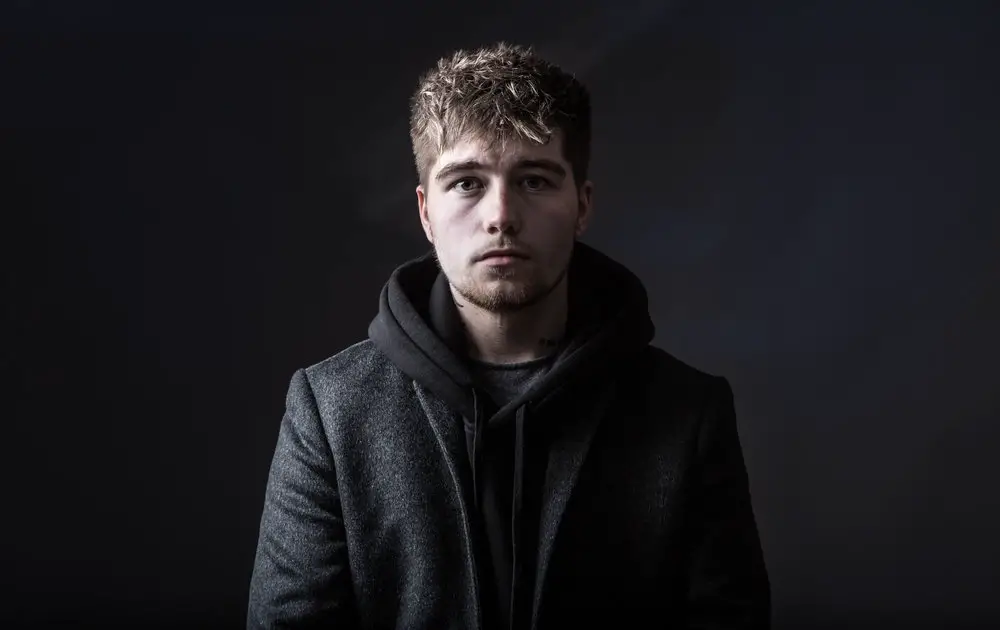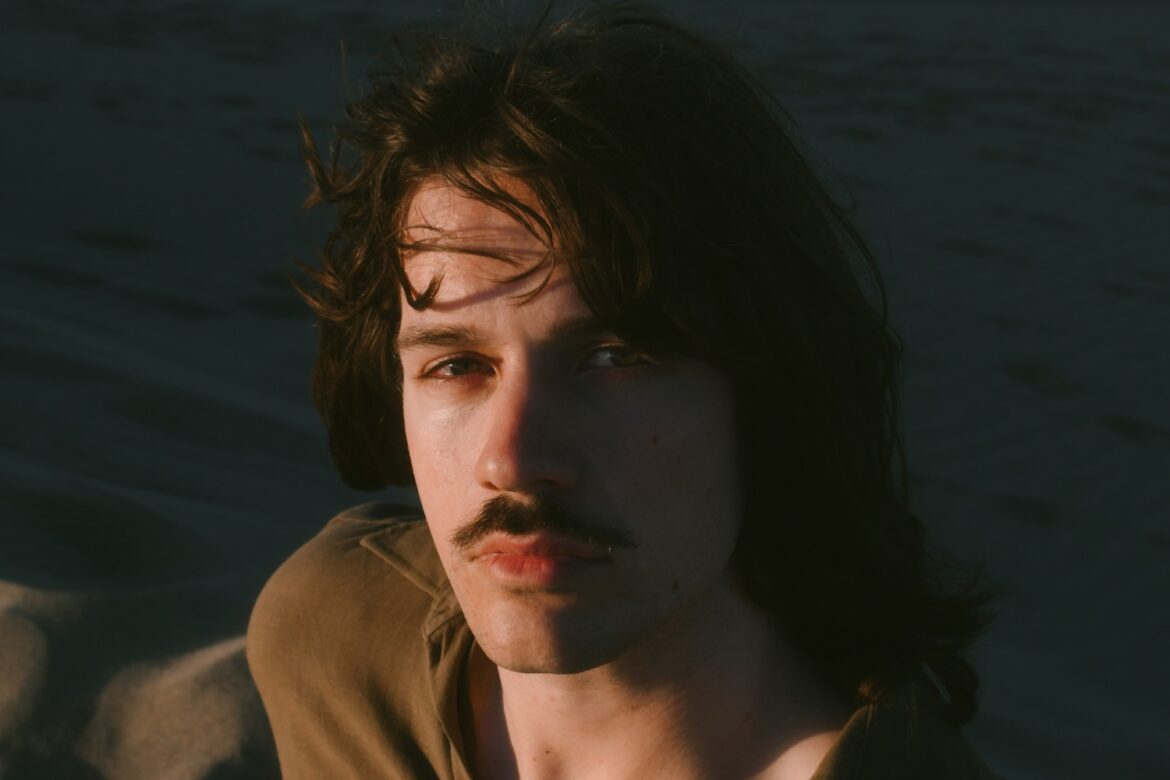
Berlin-based singer/songwriter Paul Holland makes time melt away on ‘SUNFLOWER,’ a radiant, analog-rich debut that wraps heartbreak and hard-won healing in sun-soaked West Coast soft rock, an irresistibly soulful voice, and the transportive glow of another era.
Stream: ‘SUNFLOWER’ – Paul Holland
Time melts away the moment Paul Holland begins to sing.
His debut album SUNFLOWER slips the present into soft focus, carrying listeners toward sunlit highways, wood-paneled studios, and what feels, from this distance, like a simpler time. Dreamy melodies drift through loose band interplay, glowing keys, and richly lived-in guitars, all bearing the unmistakable DNA of the late ‘60s and ‘70s. Holland’s voice completes the spell – classic in its soulfulness and magnetic in its phrasing, with an enchanting charisma that makes even heartbreak sound inviting.
Clouds of haze
You saw me in a daze
The time was rushing in
Same eyes with that radiant light
Will you always to play to win
I don’t even know what I am doing
I’m drawing circles in my head
You’ve been on the search
for something else
Well at least that’s what you said
Baby I’ve been spending my time
Turning back to you
You’ve been on the run
You were loading your gun
But we’re falling right back in
Out of sight out of mind
Then you shoot me in the back again…
– “Clouds of Haze,” Paul Holland
Released May 22 via popup-records, SUNFLOWER is, true to its title, a sun-soaked, slow-blooming record of love, longing, rupture, and return. Paul Holland roots his nine songs in folk, soul, soft rock, Southern rock, French chanson, and West Coast pop, giving a deeply contemporary breakup album the warmth and physicality of another era. The German-British singer/songwriter wrote it while trying to understand who he was after a painful separation, with each track capturing a different stage of loss – grief, nostalgia, sadness, distraction, and the stubborn pull toward the person who remains lodged in your heart.
The cycle of separation and return shapes SUNFLOWER from its opening moments. “clouds of haze” finds Holland “drawing circles” in his head as a recurring Tom figure keeps the song orbiting the unresolved center of an on-again, off-again relationship. His smoky, full-bodied vocal rises alongside soaring, reverb-drenched electric guitars, giving emotional confusion the sweep of an anthem. Later, “love gone wild” carries the same struggle into brighter, more combustible territory: A restrained pulse and sleepless self-questioning open into spacious electric guitars and a rolling West Coast groove as Holland asks whether the pair can “tame a love gone wild.” The soaring music itself sounds determined to pull two people back into balance.
Am I a fool for the words I speak?
Can’t change the nights I’m with no sleep
Nor the hopeful waiting for you to come
Lights hang like smoke
won’t you pour me another one
Am I a fool for the things I seek?
Can you see that this love runs deep?
May you and I be the thing we need
I wish your mother approved of me
Burning eyes
Looking for a love gone wild
Tell me won’t you ease my mind
I don’t wanna look back
Broken hands of all them silly fights
Had a dream with you laying by my side
Baby tell me can we tame
A love gone wild
At the album’s emotional center sits “sunflower,” a dreamy, bruised metaphor for a love that once bloomed. “Sunflower won’t bloom like before,” Holland sings, his delivery lingering between devotion and resignation. “The Sunflower is her favorite flower,” he tells Atwood Magazine. “Sunflowers look so beautiful but also have some sort of melancholy to them. They bloom very late into the year and look so sad once they wither.” In Holland’s hands, the flower holds the album’s deepest tension – beauty and impermanence, growth and loss, and all the life concealed beneath a surface already beginning to fade.
By “june,” Holland has distilled the record’s longing into its most intimate form. Inspired by the French chansons his mother played throughout his childhood, the closing ballad unfolds like a conversation suspended between seasons: “Where have you been? I’m waiting for June. The lovers who dream will meet very soon…” Its melody follows the natural hesitations of speech, and Holland’s voice – weathered, gentle, utterly present – makes distance almost touchable. “The melody feels like a conversation, and it’s most probably my favorite song I ever wrote,” he says.
The album’s immediacy and raw vulnerability grew out of a painstakingly physical recording process. Holland and producer Ralv Milberg spent two days setting up and 31 days in the studio, weighing every microphone, amp, guitar, pedal, snare, and even the picks in their hands. The finished album contains no MIDI. “Music is meant to feel human and real. It moves,” Holland explains. “I wanted it to sound like we are in the room with the listener.” That philosophy breathes through the record’s organ swells, guitar blooms, and small imperfections, allowing SUNFLOWER to reach backward through musical history while making its heartbreak sound immediate.
Sunflower
In my hand
In some hours
I wouldn’t understand
I couldn’t understand
I know her
Do I know myself?
Without her
There is nothing else
There is nothing else
Got caught in a dream
It’s not what it seems
Got caught in a rush
It reminds me of us
The album’s nostalgia gives Holland a language for grief and a room in which love can be examined from every angle: As memory, wound, refuge, and possibility.
These songs may carry us away, but their ache belongs wholly to the present – proof that transportive music can take us somewhere else while still bringing us closer to ourselves.
Atwood Magazine caught up with Paul Holland to discuss the roots of his artistry, the musical world he built on SUNFLOWER, the analog process that brought it to life, the family influences and lived experiences woven throughout its songs, and the disguised blessing he discovered on the other side of heartbreak.
By the album’s end, time has melted away completely. Holland’s debut is a record worth surrendering to – radiant, richly melodic, and alive with an old-soul grace that lets the modern world recede into the distance.
— —
:: stream/purchase SUNFLOWER here ::
:: connect with Paul Holland here ::
— —
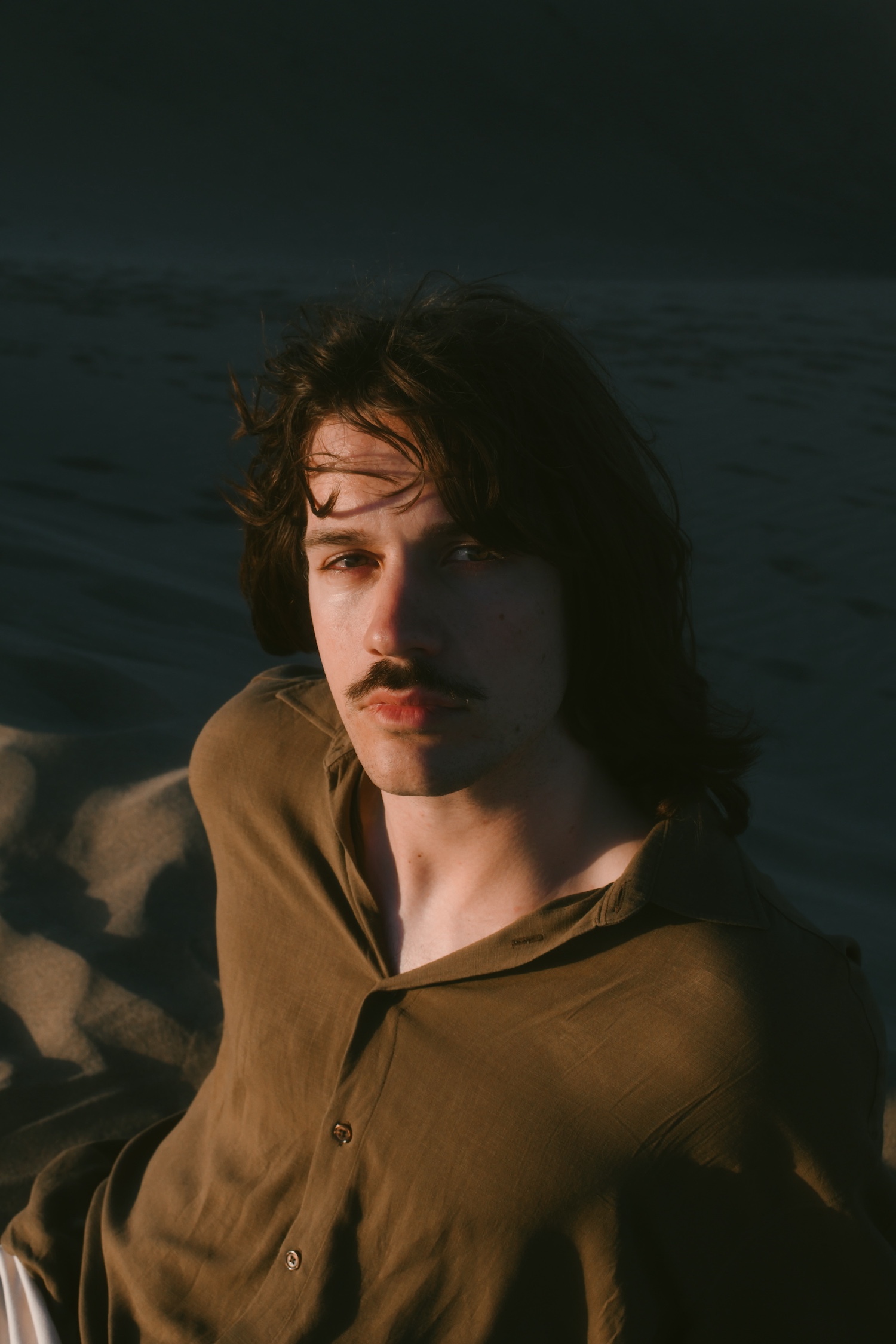
A CONVERSATION WITH PAUL HOLLAND
Atwood Magazine: Paul, hello and thank you for your time! For those who are just discovering you today through this writeup, what do you want them to know about you and your music?
Paul Holland: Thank you for having me! Hey everybody, my name Paul Holland and I’m currently based in Berlin, Germany. My music has its roots in Folk Music, Americana, and a lot of influences from ’70s soft rock. I really put a lot of time into the writing process and also into recording, focusing on very dynamic, analogue and organic feel.
SUNFLOWER is your debut album. How does it feel to finally introduce yourself through these songs, and what’s the story behind this full-length record?
Paul Holland: It feels so, so good. It’s weird working on your songs in such detail for such a long time and then to release it into the world. It’s so personal and therefore so interesting that people take that feeling and implement it on to their own experiences.
The album is about a bad breakup I had, in which I really had to look at myself and find out who I was. Each song captures a different stage of loss in a sense. Grief, nostalgia, sadness, distractions and so forth.
How do you feel SUNFLOWER captures who you are as an artist today, especially compared to your earlier EP Everything?
Paul Holland: The first EP was a very pure folk-record. Which was great and fun but I needed something different. I feel like on this album I’m very much a listener as well as a creator. I’ve really tried to implement my love for all different kinds of music like Soft-Rock, Soul, Psychedelic Rock, as well as my love for the French Chansons on this record. Also playing with a band is very different and exciting for me, due to me actually being a solo folk artist. I didn’t want to play it safe with a pure folk record and show everybody, that I’m more than “just” a guy with a guitar.
You grew up in Ulm, but this album has such a clear love for American folk, soft rock, southern rock, and American West Coast sounds. How do those worlds meet in your music?
Paul Holland: Well, my grandad (the dad of my German mother) played the bass and the guitar and loved Americana Folk Music. He was the main reason I started in the first place.
Also my dad was born in London and absolutely loved the Eagles, Fleetwood Mac, Crosby, Stills and Nash and played their music all the time. He was a stay at home dad. That kind of music just left such a mark on my childhood.
Who are some of your musical north stars, and what drew you toward this warm, nostalgic, ‘70s-inspired sound?
Paul Holland: Definitely The Eagles, Fleetwood Mac, Neil Young, Nick Drake, Joni Mitchell, Crosby, Stills and Nash, Simon & Garfunkel amongst many others. All the greats!
I always drew to this very organic sound. I love different guitar tunings, interesting chord sequences that aren’t overdone and implemented with intent and also how melody driven the music is.
All these artists share the gift of song, as well as serve the song in the instrumentation and production. Music moves sonically. Especially in this world with AI and songs that are edited to the limits, where it lacks the human feel.
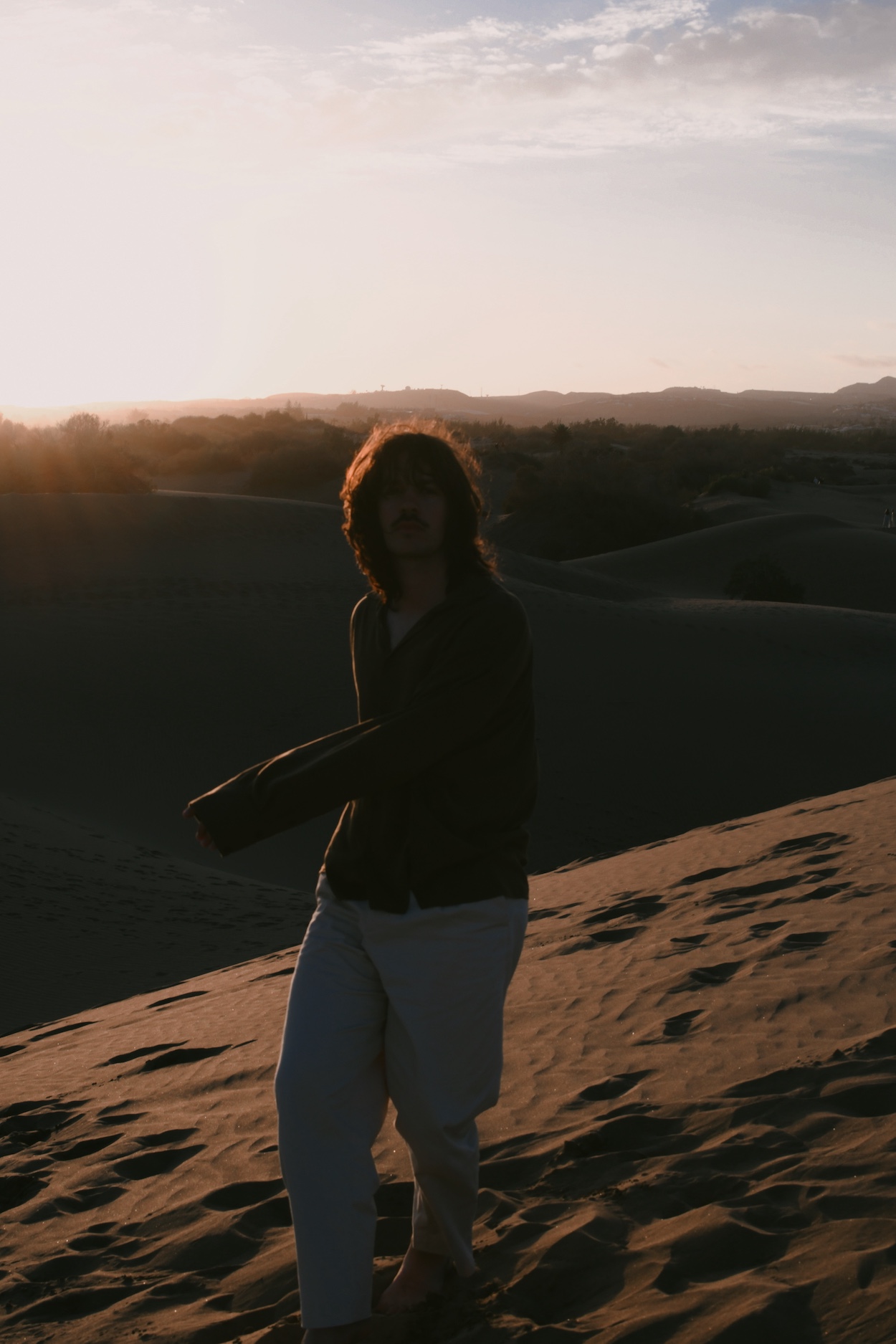
There’s so much beautiful analog texture on this record – organs, keys, electric pianos, rich guitars, and loose band dynamics. What instruments and sounds became essential to the world of SUNFLOWER?
Paul Holland: We took two whole days to set up and soundcheck in the studio. Every detail was important. Every Mic we used, every amp, guitar, pedal, snare, down to what guitar picks we use. We all invested in good instruments and had great vintage equipment in the studio. And my producer Ralv Milberg wanted one to hear that. Nothing in the world can emulate that.
He made the record from start to finish, in which he really took his time, also while mixing and mastering. There isn’t a single MIDI signal on the record, and I do believe that the listener can feel that this record feels organic, which serves the interpretation so well. All in all, we had 31 studio days.
What was your vision for SUNFLOWER from a musical and textural perspective? What kind of world did you want these songs to live in?
Paul Holland: I wanted everything to serve the songs and the interpretation. Music is meant to feel human and real. It moves. I wanted it to sound like we are in the room with the listener.
The album opens with “clouds of haze,” which also served as your first single. Why did this feel like the right way to introduce SUNFLOWER, and how does that song set the scene for you?
Paul Holland: It’s the song with the biggest contrast to the last EP. I wanted to shock the people and give them something they wouldn’t expect. Also, it kind of feels like an anthem and sums up the record so well.
So much of this record seems to live in the space between intimacy and distance – love, longing, leaving, returning, and trying to make sense of what still pulls us back. What were you trying to understand about relationships while writing these songs?
Paul Holland: This album really healed me and funnily enough after I wrote it I got back together with that person who the album is about, in a new way.
I feel that there will always be moments in life where you actively have to choose one another, and decide and evaluate if something still does you well and if you’re willing to work for something. We are living beings, so we change quite naturally all the time.
The title track “sunflower” feels beautifully sad – like a love that bloomed, but maybe couldn’t last forever. What does that image mean to you?
Paul Holland: The Sunflower is her favorite flower. Sunflowers look so beautiful but also have some sort of melancholy to them. They bloom very late into the year and look so sad once they wither. It symbolizes that there’s just so much beneath the surface and the first glance.
Sunflower
Won’t bloom like before
I yearn for your touch
I fall at your door
Won’t fall like before
Got caught in a dream
It’s not what it seems
Got caught in a rush
It reminds me of us
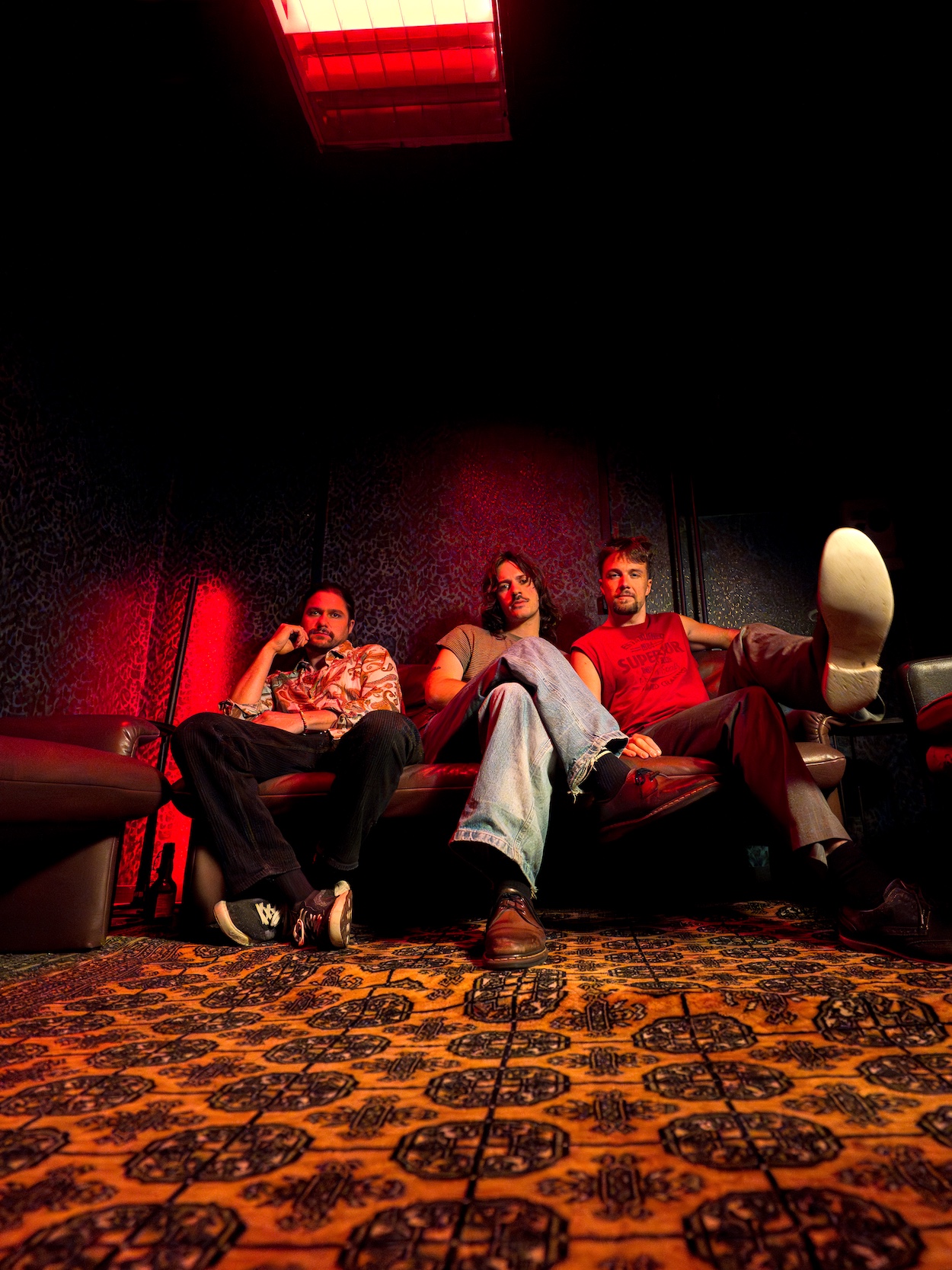
Do you have any definitive favorites or personal highlights off this record?
Paul Holland: It always changes, but I really love the song “June.” Its inspired by the French chansons. The melody feels like a conversation, and it’s most probably my favorite song I ever wrote.
What do you hope listeners take away from SUNFLOWER, and what have you taken away from creating it and now putting it out?
Paul Holland: I hope they can identify with it and that even though some things seem difficult, that there’s often a learning and disguised blessing which we don’t always see. It helped me so much creating it and I hope it helps somebody out there in the same way.
In the spirit of paying it forward, who are you listening to these days that you’d recommend to our readers?
Paul Holland: One of my favorite artists is Noah Derksen. I had the privilege of touring with him and his band. He’s so great!
— —
:: stream/purchase SUNFLOWER here ::
:: connect with Paul Holland here ::
— —
— — — —
Connect to Paul Holland on
Facebook, TikTok, Instagram
Discover new music on Atwood Magazine
© El Leykauf
 © El Leykauf
SUNFLOWER
an album by Paul Holland