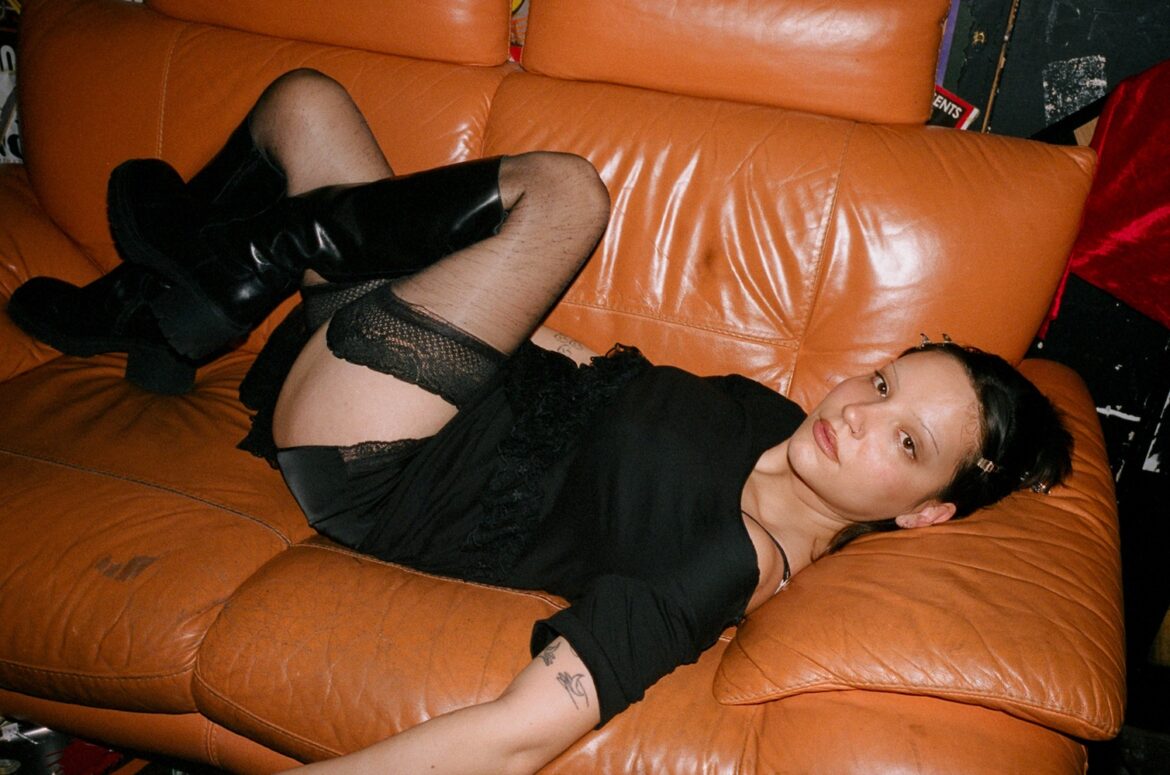
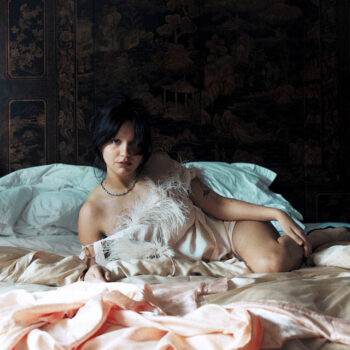
London-based singer/songwriter Bekah Bossard finds unexpected joy in an ex’s happy ending on “American Dream,” a smoldering indie pop anthem that rises from aching confession into an exhilarating, triumphant release. In conversation with Atwood Magazine, Bossard opens up about the future she was taught to want, the love she has chosen instead, and the intimate stories behind her latest releases – music for anyone discovering that the dreams we leave behind can be just as meaningful as the ones we fulfill.
 follow our Today’s Song(s) playlist


Stream: “American Dream” – Bekah Bossard
Sometimes freedom is realizing the life you lost was never really yours.
Tender and smoldering, with a quiet triumph glowing under the ache, Bekah Bossard’s “American Dream” lingers in that beautifully bold afterglow – the place where heartbreak no longer burns the way it used to, but still leaves its shape behind. Originally released last November and later featured on Bossard’s March EP Mothers By July, the song is a tender tempest of indie pop catharsis: Intimate and aching at the edges, soul-stirring and cinematic at full bloom, raw with the shock of realizing someone else’s dream life was never meant to be yours.
I never gave you all of me
I know you got bored
of loving half a girl
I wish I did things differently
but now years have passed
what good are words?
We were friends in my dream last night
just like how it used to be
before we crossed too many lines
no we were never good at simplicity
Born in Los Angeles, raised in Devon, and now based in London, Bossard writes with the kind of exposed nerve that makes confession feel less like a genre choice than a bodily condition. Her music has always carried that direct line from heart to mouth: From the coming-out grief of “What You Wanted” to the anxiety-stricken intimacy of “Four Walls,” the song that first marked her as an Atwood artist-to-watch in 2023, Bossard is steadily building a catalog around emotional survival, queer self-recognition, and the people who help us stay alive through the worst of it. Mothers By July deepens that world with new force, pairing gritty guitars, cinematic textures, and brutal tenderness with songs about family, queerness, grief, love, and the futures we inherit before we know whether we want them.
“I’m excited that the music I’m making now is still honest and raw – perhaps more than ever,” Bossard tells Atwood Magazine. “It’s always been sort of brutally personal but was blurred through imagery and metaphors and now it is even more exposed. I’m proud that despite life’s inflictions, I have stayed true to that part of myself, because it has led me to connect with so many wonderful people. And that is kind of the point of life to me: Making things and creating community through the process!”
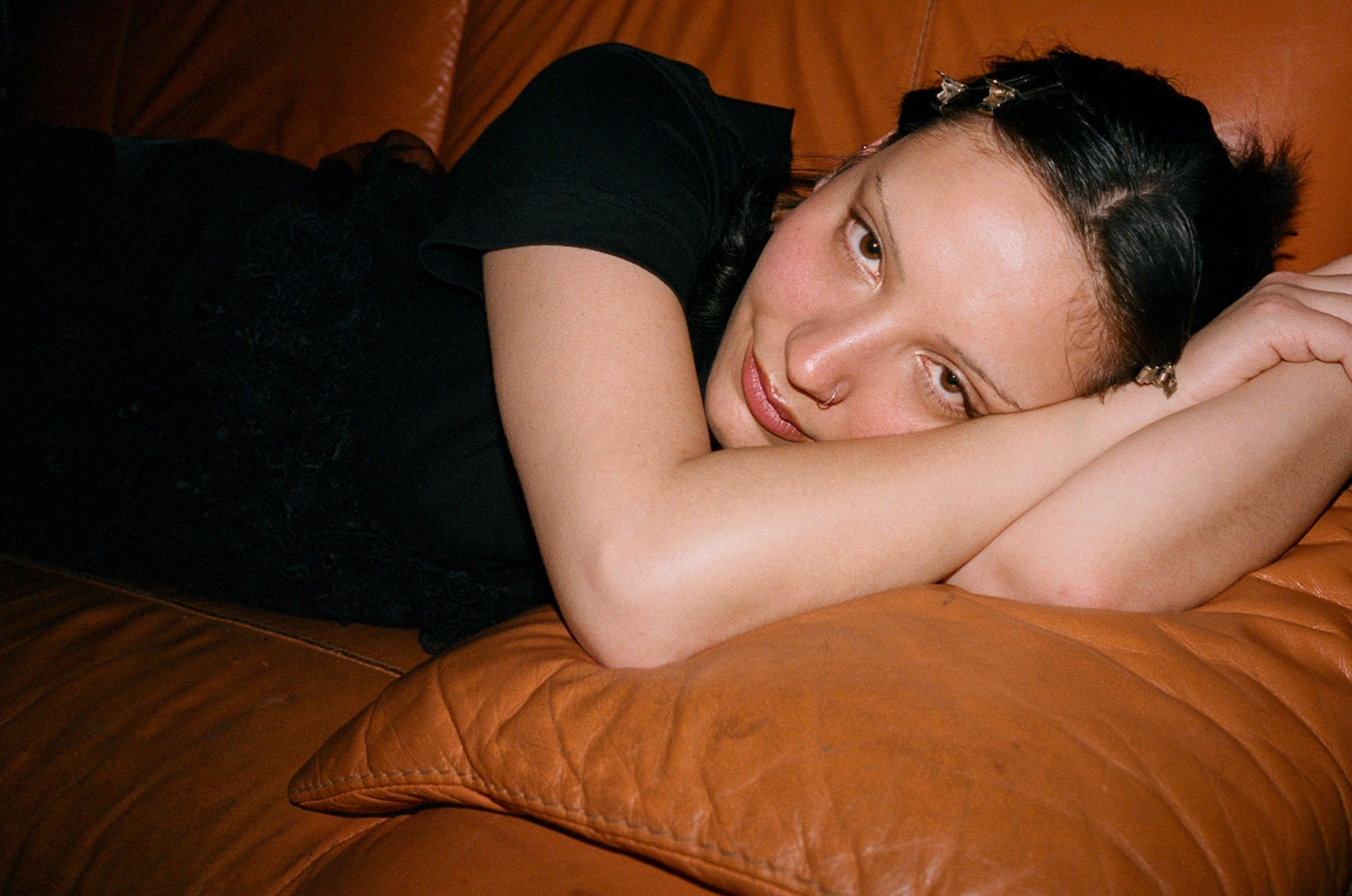
This level of exposure gives “American Dream” its emotional double vision.
The song finds Bossard addressing an old love head-on, not from the fresh wound of abandonment, but from the more complicated distance of acceptance. “Now you’re living the American dream with a girl who doesn’t look a thing like me,” she sings, letting the phrase carry all its irony: The picket fence, the shiny future, the tidy life that never quite fit. There’s pain here, but no smallness. Bossard isn’t clawing at the past or pretending it meant nothing. She’s looking at it clearly enough to see both the sweetness and the mismatch – the strange mercy of not getting the life you once mistook for happiness.
“I wrote this when I realised I was happy for my exes,” Bossard explains. “Not necessarily happy that we broke up, parts of heartbreak will always sting on some level I think, but happy that in strange ways we both got what we wanted, even if it wasn’t in each other. I think sometimes we can cling to ideas of things we once wanted, but in time come to realise it’s not something we want anymore at all.”
Sonically, “American Dream” grows like a confession catching fire. It starts with Bossard close to the mic, voice unguarded and immediate, as if the song begins before she’s had time to brace for it. Guitars chug underneath with a restless pulse, the arrangement slowly gathering heat until the whole track opens into a feverish, full-bodied anthem: Drums surging, textures glowing, Bossard’s vocal rising with ache, clarity, and a breathtakingly radiant surrender. It’s cinematic without losing its closeness, raw without collapsing into ruin, a song that understands growth as both grief and release. By the time she admits, “I’m not as bitter as I thought I would be,” the line feels less like a confession than a breakthrough.
Now you’re living the American dream
and I’m not as bitter as
I thought I would be
I don’t want the past
no you can keep it
but sometimes I wish I could be
your American dream
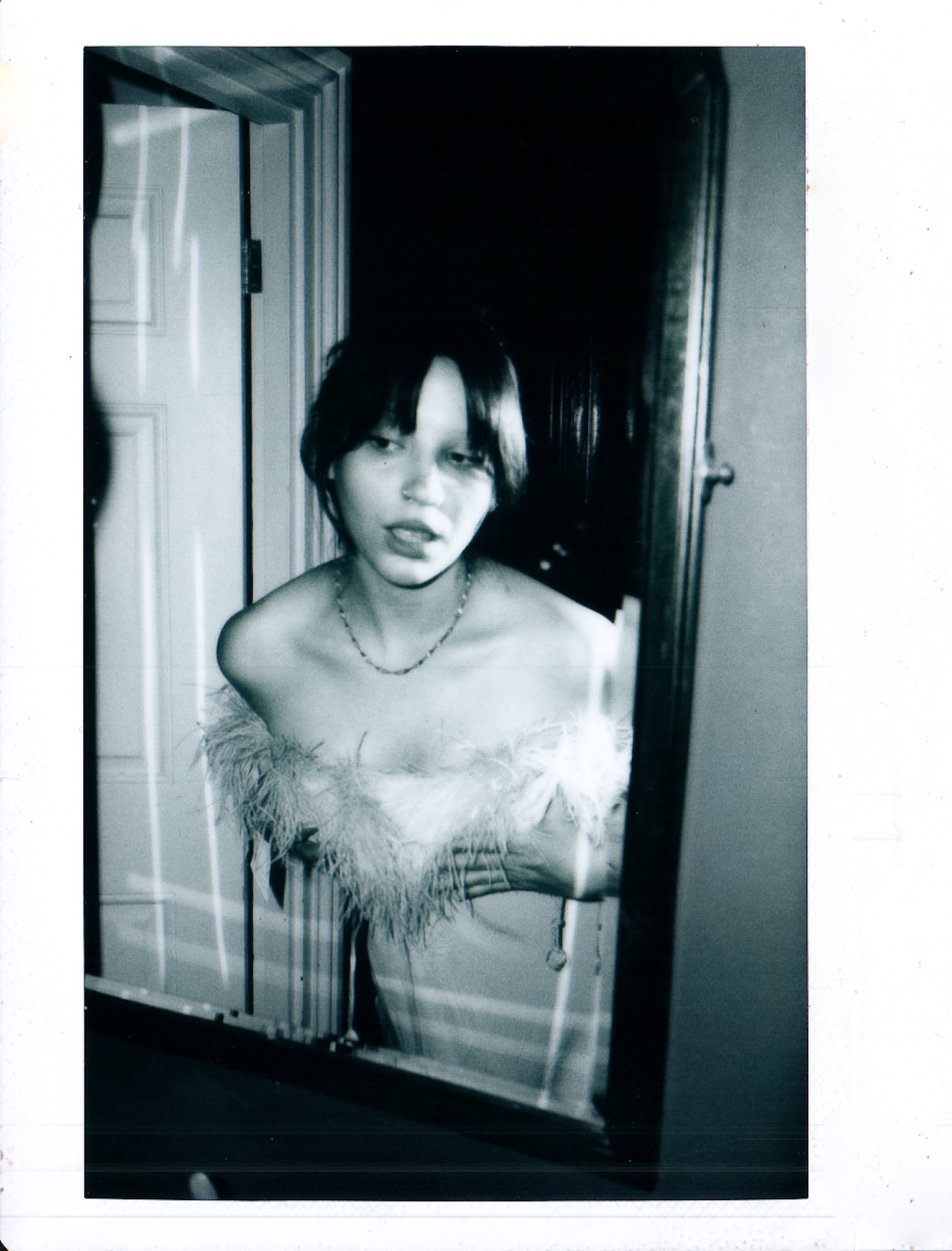
In a curious coincidence, Bossard’s is the third song titled “American Dream” to appear in Atwood Magazine’s Editor’s Picks in recent years.
Artists from wildly different vantage points have wrestled with this supposed promise of upward mobility, freedom, and equality for all – not as a fixed national myth, but as a cracked mirror for whatever life we were taught to chase. In Bossard’s hands, the phrase becomes both personal and queerly defiant: A name for the future she once imagined with someone else, and a rejection of the tidy, heteronormative life that was never hers.
“The phrase was very tongue-in-cheek because of my dual nationality,” she laughs. “And of course the deeper meaning being that the futures I had in mind with my exes turned out to be something that was never meant for me after all – much like the original idea of ‘the American dream.’ I don’t want a picket fence and a hardworking, nice husband. I want a hot girlfriend in a beautiful apartment, where nothing is shiny and polished but it is lived in and everything is real and fully felt and meaningful. That’s what I want – and I’m lucky that I’ve mostly already got it, so turns out I’m grateful that I never got my American dream after all!”
This sweet realization sits beautifully beside the EP’s title track, “Mothers By July,” a devastatingly intimate song about grieving the traditional future queer people were taught to expect, even while living lives full of love.
Born from a conversation with Bossard’s girlfriend about the prospect of starting a family together, the song carries a startlingly ordinary longing: The wish to experience the spontaneity of wondering whether a baby might look like you or the person you love, without every step toward parenthood requiring a deliberate plan. Bossard examines the assumptions buried in the future she was taught to expect, and the complicated grief of discovering that building a family may look very different from the picture she grew up with.
“I think as queer people, despite how fulfilling and full of love our lives are, we still have to grieve the future we were promised, because it wasn’t made for us,” Bossard says.
Written in roughly twenty minutes and posted to TikTok almost on impulse, “Mothers By July” reached nearly a million viewers. The response was more than a surprising number: A private exchange with the woman Bossard loves had reached strangers who recognized themselves in it. The experience strengthened her faith in writing honestly about even the most personal corners of her life, proving that the stories closest to home could travel far beyond it.
The EP’s other songs illuminate different sides of that emotional journey. “In Your Head” confronts the bruising insecurity that can follow a breakup, its gritty, guitar-driven intensity carrying the fear of being fundamentally unlovable. “More,” written for Bossard’s girlfriend, bursts into a brighter, more exuberant register, celebrating the revelation that stability and excitement can coexist in a relationship.
Bossard’s own history gives these revelations greater weight.
Raised in a deeply religious environment where her queerness was met with resistance, she grew up navigating expectations that left little room for the person she was becoming. She and her sibling were also young carers for their mother, whom they later lost – an experience Bossard speaks about with profound love and admiration for her mother’s resilience. Today, she describes her sibling as her best friend and speaks with infectious affection about the girlfriend and friends who welcomed her after she left that restrictive world. The liberation in “American Dream” is grounded in the very real life she has fought to build, and the people who now help make it extraordinary.
Her musical imagination carries its own history of transformation. Bossard began writing poetry at seven, then songs at twelve after her parents bought her a guitar and her father taught her a few chords. She still writes alone, often unexpectedly, but has grown increasingly confident about bringing other musicians and producers into the recording process. Beneath the muscular indie rock textures and electronic flourishes, the child who first discovered songwriting as an outlet remains wonderfully present.
“I’ve always leaned towards the fusion between acoustic sounds and weird alien electronic sounds, and I love merging those two worlds,” Bossard explains. “It always feels like I’m bringing my inner child along for the journey, with her acoustic guitar and poetry, and showing her cool synth sounds and distortion, and then sort of mixing it all together.”
It’s a lovely image of artistic growth: The girl with the guitar hasn’t disappeared beneath the distortion. She has simply discovered how much bigger her music can become, and how exhilarating it is to invite other people into the process. The confessions still begin in private, but the songs now have the power to fill a room with the kind of emotional release that once existed only in Bossard’s imagination.
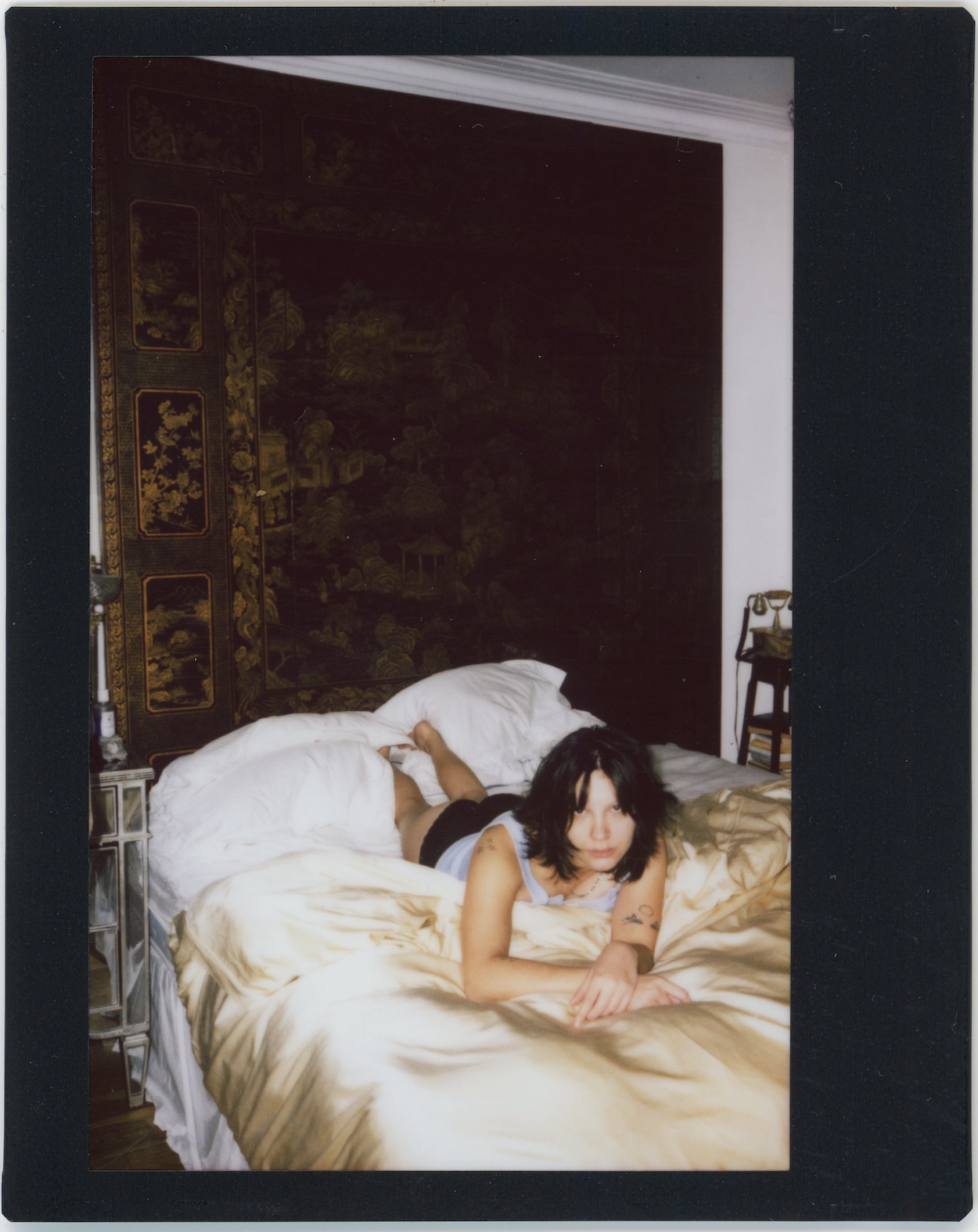
Across the four tracks of Mothers By July, Bossard keeps returning to the lives we inherit and the ones we choose instead, threading family, grief, heartbreak, queer longing, and self-recognition through songs that feel as exposed as they are expansive.
Together, these songs form a portrait of Bekah Bossard at her most open and assured: An artist sorting through inherited dreams, old heartbreaks, chosen love, and the difficult freedom of wanting something truer than what she was promised. “American Dream” doesn’t turn acceptance into a clean ending; it lets the ache remain, lets the sweetness remain, and still walks away with its head up.
“Oh how sweet,” Bossard sings at the end, and the phrase holds everything: The old dream, the ex’s new life, the life Bossard has claimed instead. Through that lens, “American Dream” turns into a spellbinding indie pop reckoning with who we thought we’d be, who we tried to become for others, and the beautiful relief of realizing we were never destined to live inside someone else’s fantasy. Tender at the start and towering by the end, “American Dream” aches, burns, and blooms into the sound of a heart finally choosing the life that was waiting for it all along.
In candid conversation with Atwood Magazine, Bossard reflects on the experiences that shaped her music, the unexpected connections her songs have forged, and the profound relief of finally wanting the life she’s living. Her hope is as generous as her songwriting: That listeners might recognize a little of themselves in these confessions and discover they aren’t quite as alone as they thought.
— —
:: stream/purchase American Dream here ::
:: connect with Bekah Bossard here ::
— —
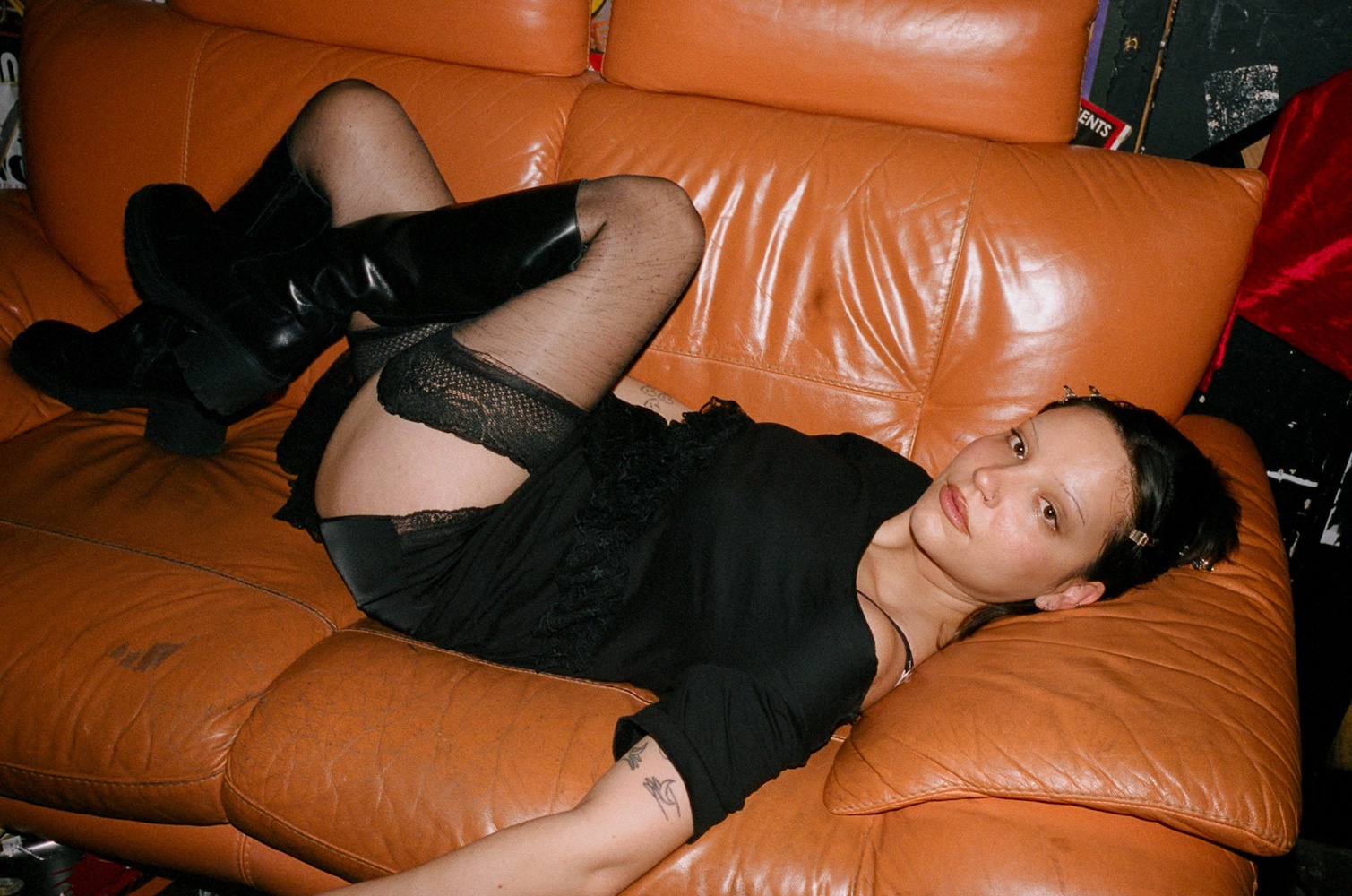
A CONVERSATION WITH BEKAH BOSSARD
Atwood Magazine: Bekah, for those who are just discovering you today through this writeup, what do you want them to know about you and your music?
Bekah Bossard: Hi! I’m Bekah, I’m Indonesian-English, I was born in LA and raised in Devon, the English countryside, and moved to London about 10 years ago! All of these environments have made who I am right now and inspire all the music I make.
When I was about 7 I started writing poetry, then began writing songs when I was 12, when my parents bought me a guitar and my dad showed me a few chords, but I only started releasing music in 2023! I was painfully shy growing up and was raised super religious which sucked because I’m very queer and most people around me weren’t a fan! I luckily got out of that scene (cult) and met my now girlfriend who is the coolest person in the world and found beautiful big-hearted friends.
My best friend is my sibling, who is painfully cool and nicer than anyone you’ll ever meet. They’re a stylist and gave me all my outfits for my first ever tour I went on this year (!!!) ! We grew up as young carers for our beautiful Mum, who we lost almost two years ago now. Her resilience and love gave us the ability to survive a lot of painful things in this life, most of all losing her.
All my emotions exist on the surface, and I physically can’t lie even when sometimes I wish I could lol. I have raging ADHD and struggle to not just say everything I’m thinking, and that definitely comes out in my music, it’s like a direct pipeline from my heart to the listener’s. If you wanna get into it, listen to More if you’re crushing or in love, listen to Venus then call your mom if you can to tell her you love her, listen to What You Wanted if you come out and people don’t get it, listen to In Your Head if you’re heartbroken and American Dream if you need to get over someone!
Who are some of your musical north stars, and what are you most excited about the music you're making today?
Bekah Bossard: James Taylor was my initial invitation to cathartic, heart on your sleeve writing, ever since I heard “Fire and Rain,” closely followed by Joni Mitchell’s “Both Sides Now” and Dolly Parton’s “Coat of Many Colors,” everything changed for me. I realised you could take your pain and make something good out of it. And then I became completely obsessed with Taylor Swift in her Fearless era. They still all guide and inspire me. Adrienne Lenker and Indigo DeSouza are my current muses and musical mothers, without even knowing it themselves. Everything they make is meaningful, and that both comforts and empowers me.
I’m excited that the music I’m making now is still honest and raw, and perhaps more than ever. It’s always been sort of brutally personal, but was blurred through imagery and metaphors and now it is even more exposed. I’m proud that despite life’s inflictions, I have stayed true to that part of myself, because it has led me to connect with so many wonderful people. And that is kind of the point of life to me: making things and creating community through the process!
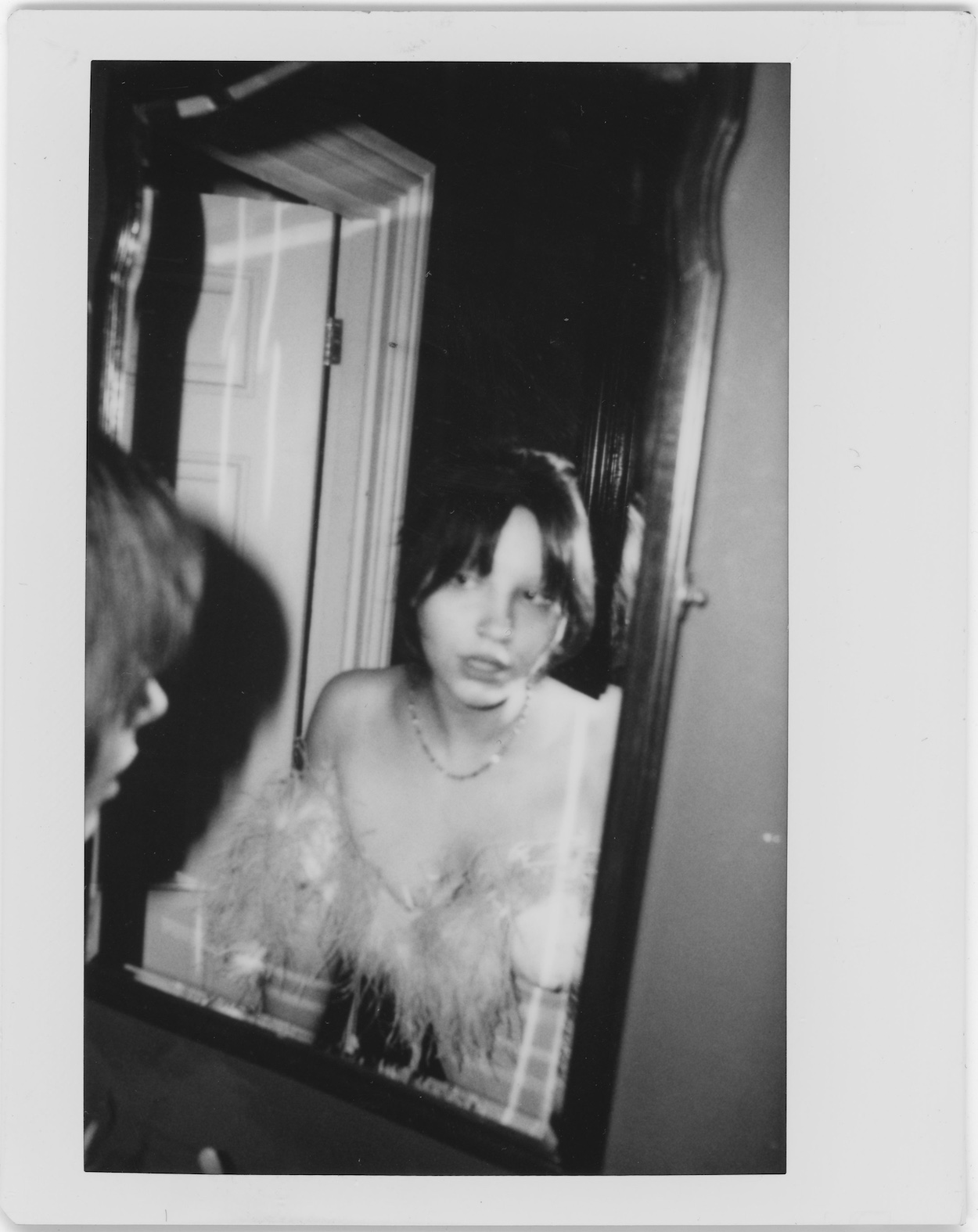
Your single, “Mothers by July,” aches with a particularly poignant sting - that of never being able to conceive a child with your partner, as a queer person. Can you share more about this song, and what it means to you?
Bekah Bossard: I wrote this song because my girlfriend half-jokingly said I should haha! We were talking about the nuances of the idea of starting a family for us now, and how it’s so different from what we were told to expect growing up. I think as queer people, despite how fulfilling and full of love our lives are, we still have to grieve the future we were promised, because it wasn’t made for us.
I wrote it one night in about 20 minutes and chucked it on TikTok not thinking much of it, as I do after most songs I write to be honest, and who knew almost a million people would see it! The internet is weird. It means so much to me because it’s a direct view into mine and my girlfriend’s life which is so precious to me, but also became a realisation for me that the music I write could be meant for more people than I ever imagined. It gave me a faith in what I write that I didn’t have before.
“I want to let loose let you find out if he looks like you,” you sing in the chorus. What does letting loose represent, in the context of this song?
Bekah Bossard: This line is representative of the “ease” of starting a family that was sold to us growing up – the idea that one day I would meet a nice man and get married and have some kids. Now I know it’s not like that at all, whether you’re straight or not! On so many levels it’s so complex. But this line came to me as I was feeling like I just wanted to live in that reality where it was easy to just “try” for kids, to have that moment of spontaneity, to have that ‘happy accident’ and that excitement of wondering which one of us they would look like.
Your 2025 releases also remain on repeat for me – especially “American Dream,” a song about watching your exes fall in love with other people. What’s the story behind this track – how did this one come about?
Bekah Bossard: Ah, that’s so kind! I’m touched that you like it!!! I wrote this when I realised I was happy for my exes, not necessarily happy that we broke up, parts of heartbreak will always sting on some level I think, but happy that in strange ways we both got what we wanted, even if it wasn’t in each other. I think sometimes we can cling to ideas of things we once wanted, but in time come to realise it’s not something we want anymore at all.
I really love the metaphor of the American Dream, especially as it’s used in this song. You’re a British American with roots on both sides of the Atlantic; what does the ‘American Dream’ represent to you?
Bekah Bossard: Oh absolutely! The phrase was very tongue and cheek because of my dual nationality lol. And of course, the deeper meaning being that the futures I had in mind with my exes turned out to be something that was never meant for me after all – much like the original idea of “the American dream.” I don’t want a picket fence and a hardworking, nice husband. I want a hot girlfriend in a beautiful apartment, where nothing is shiny and polished, but it is lived-in and everything is real and fully felt and meaningful. That’s what I want – and I’m lucky that I’ve mostly already got it, so turns out I’m grateful that I never got my American dream after all!
Your music has been described as alt-pop, indie rock, as poetic and gritty... what sounds do you find yourself chasing these days, and what’s driving you musically at the moment?
Bekah Bossard: Those are all very flattering and ideal descriptions, haha! I’ve always leaned towards the fusion between acoustic sounds and weird alien electronic sounds, and I love merging those two worlds. It always feels like I’m bringing my inner child along for the journey, with her acoustic guitar and poetry, and showing her cool synth sounds and distortion, and then sort of mixing it all together. A newfound openness to collaborate is driving me at the moment. I always write alone, mostly because when I end up writing, it takes me by surprise and often feels out of my control, so by nature that experience is very solo, but having the confidence to bring people in to build the sound world with me in the production of the songs, whether that’s producers or musicians, is new and exciting!
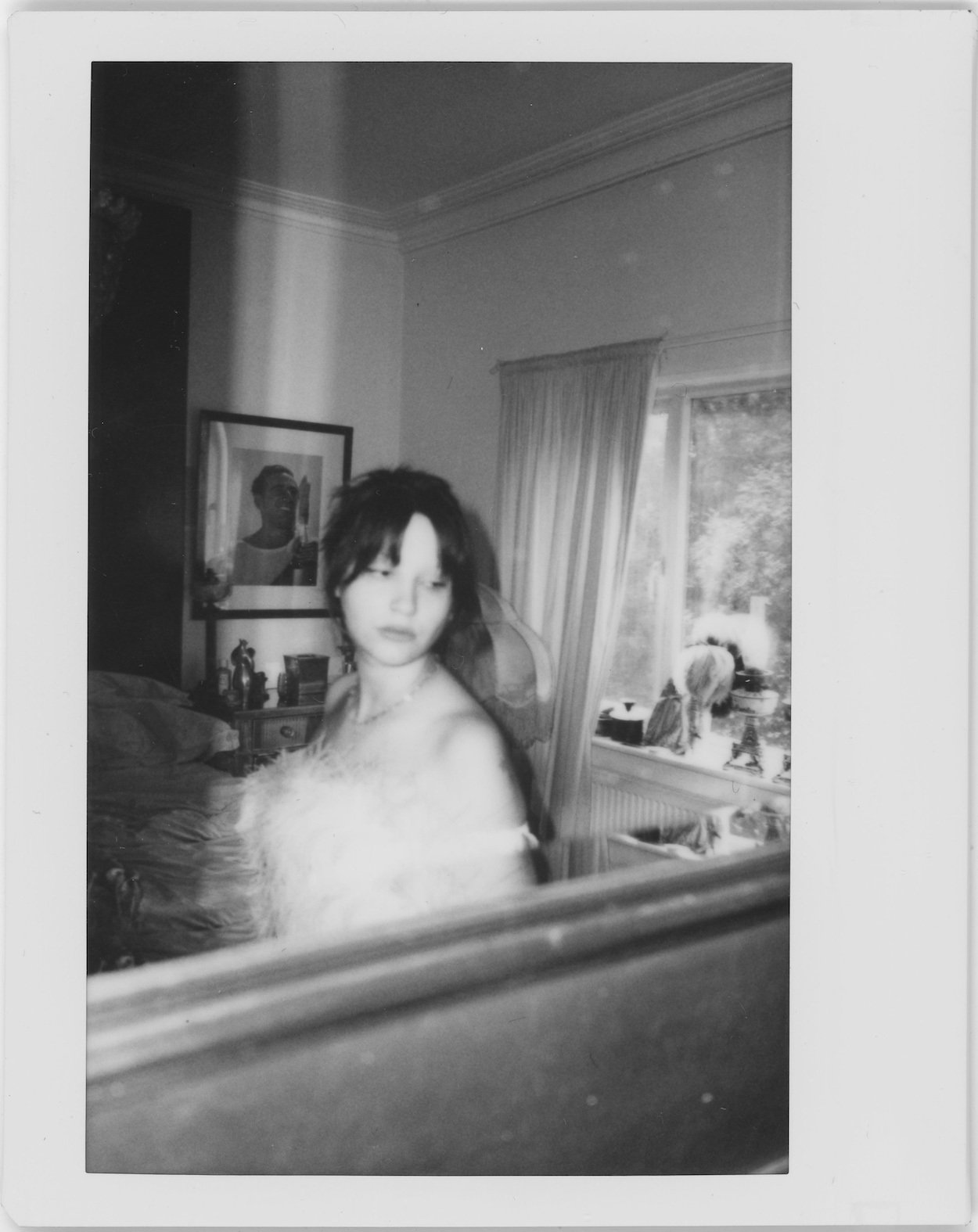
What do you hope listeners take away from your recent tracks, and what have you taken away from creating this music and now putting it out?
Bekah Bossard: I would love it if they could see themselves in my songs and are able to take what they need- my dream is that they feel less alone through my music and know that we are all in this weird life together. I’ve really learned through releasing music that the anxiety and stress of sharing something you’ve made will always be out-weighed by the love and connection forged from it being shared – it’s always worth it.
In the spirit of paying it forward, who are you listening to these days that you would recommend to our readers?
Bekah Bossard: Omg! Listen to Chattysworld – I’m lucky that he’s become a good friend of mine but I definitely started out as a fan of his, haha! He has a remarkable ability to handle nuanced feelings and experiences with grace and humour packaged in a perfect indie bedroom pop parcel.
— —
:: stream/purchase American Dream here ::
:: connect with Bekah Bossard here ::
— —
Stream: “American Dream” – Bekah Bossard
— — — —
Connect to Bekah Bossard on
Facebook, 𝕏, TikTok, Instagram
Discover new music on Atwood Magazine
© courtesy of the artist
 © courtesy of the artist
:: Today’s Song(s) ::
follow our daily playlist on Spotify
:: Stream Bekah Bossard ::