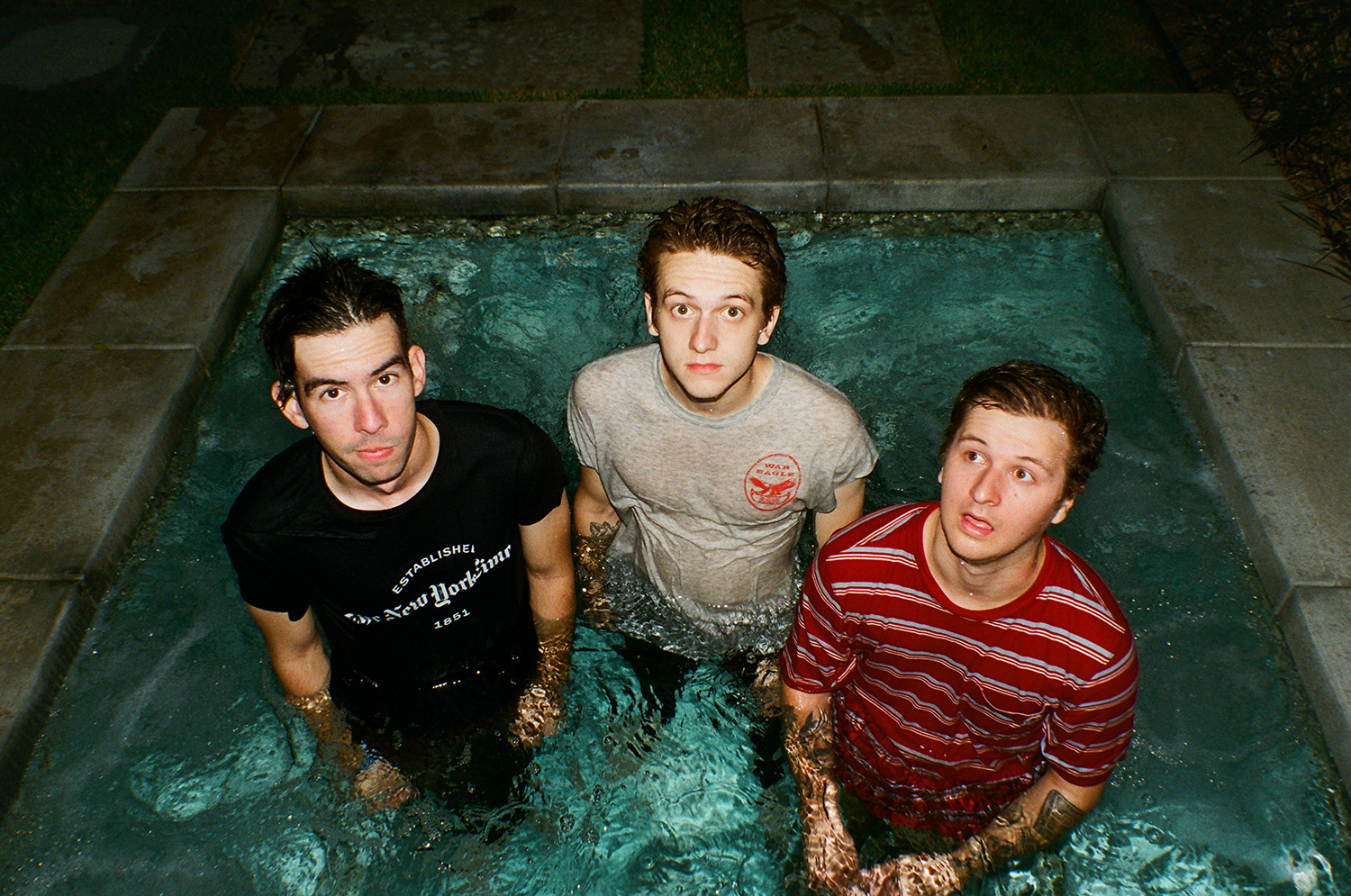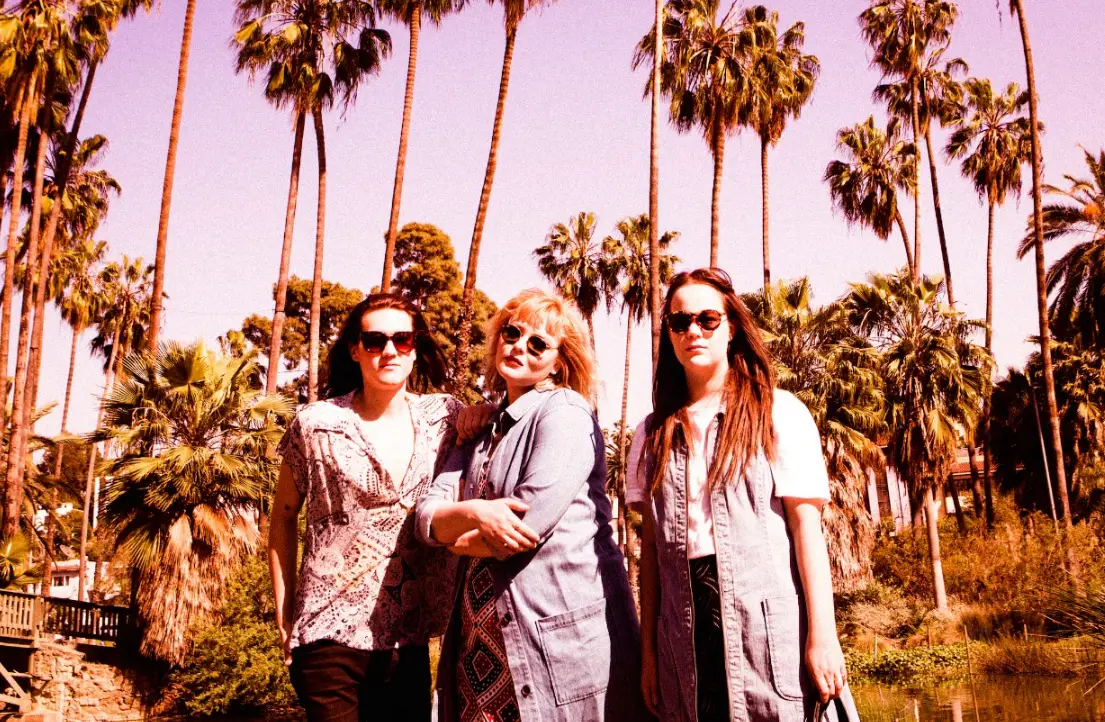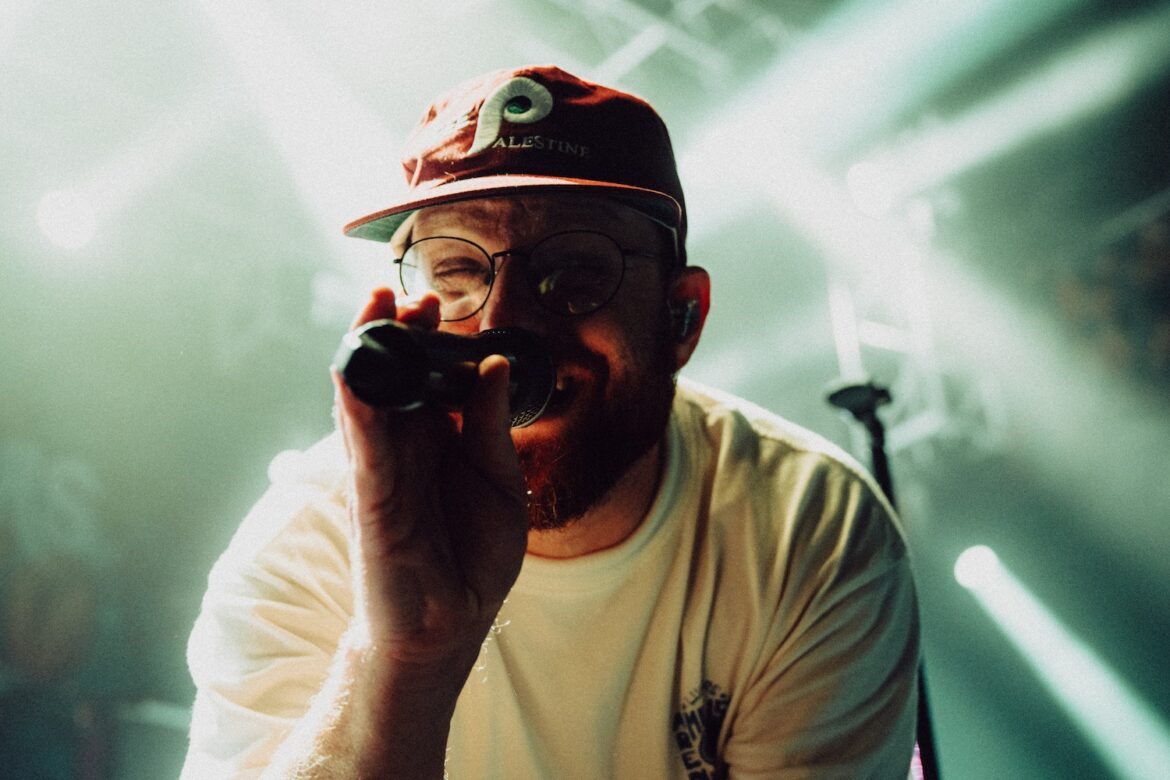
The Wonder Years’ singer Dan Campbell tells Atwood Magazine about No Closer to Heaven’s 10th anniversary, speaking out, and what’s next for the band.
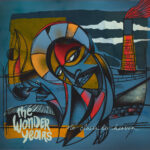
Stream: ‘No Closer to Heaven’ – The Wonder Years
“We’re no saviors, if we can’t save our brothers.”
Most Wonder Years fans were introduced to that line in the bridge to the song “Cardinals,” when it was released ahead of their album No Closer to Heaven in 2015. In the 11 years since that song was released, it’s graduated to a supportive hand, a battle cry, and a promise to try to hold each other up during some of our darkest days.
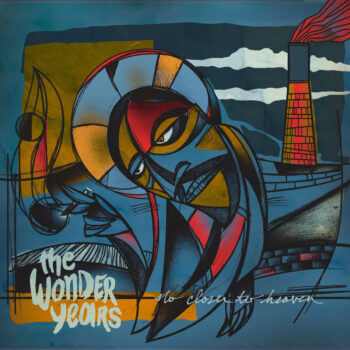
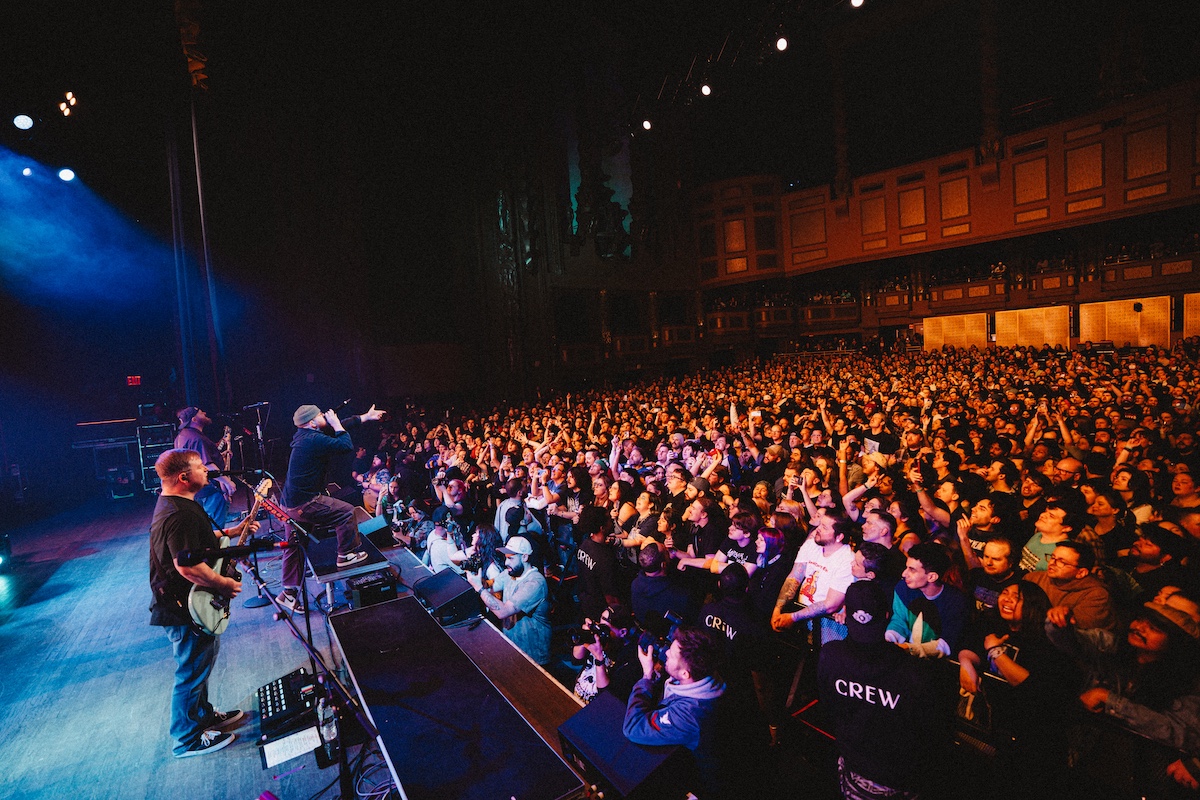
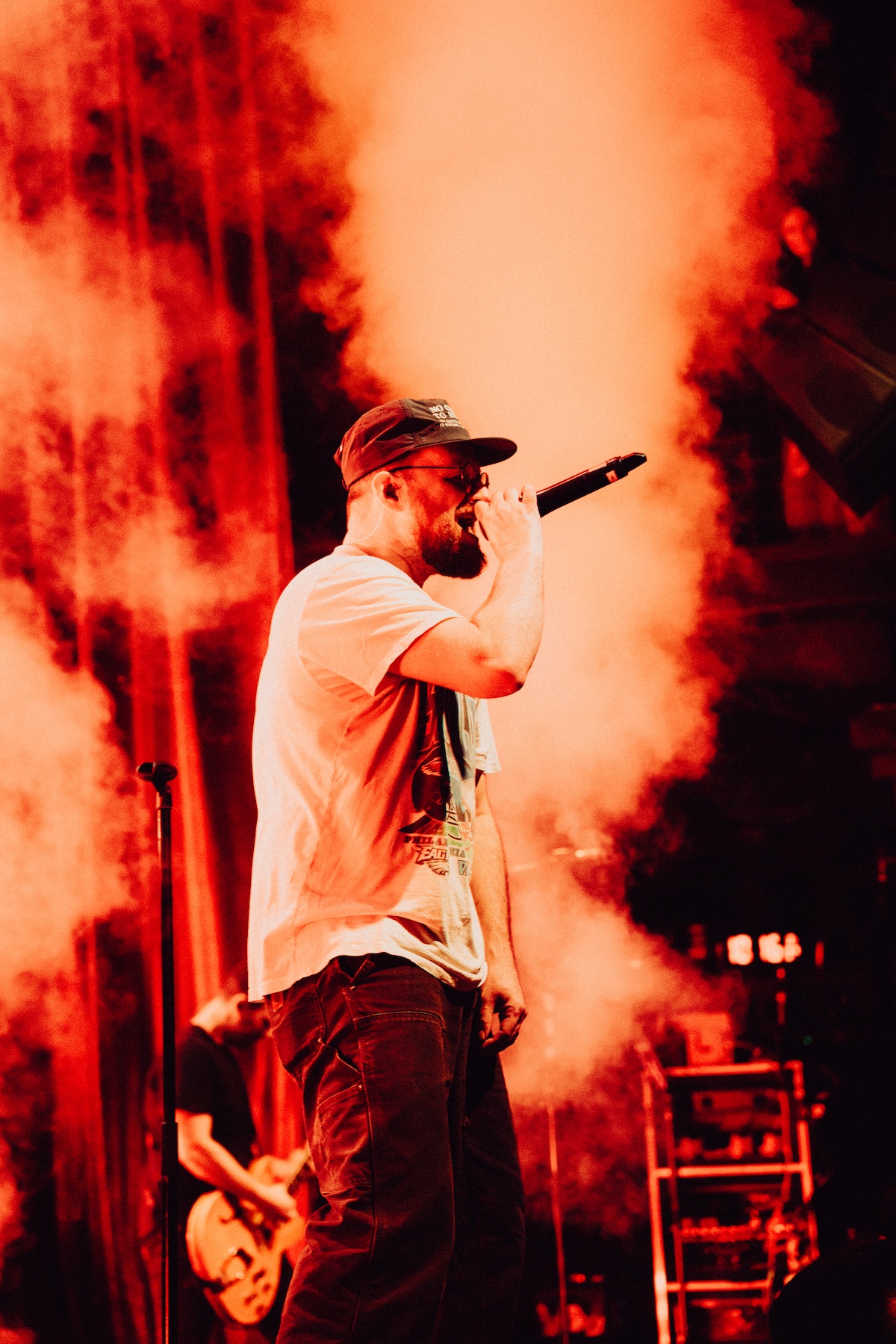
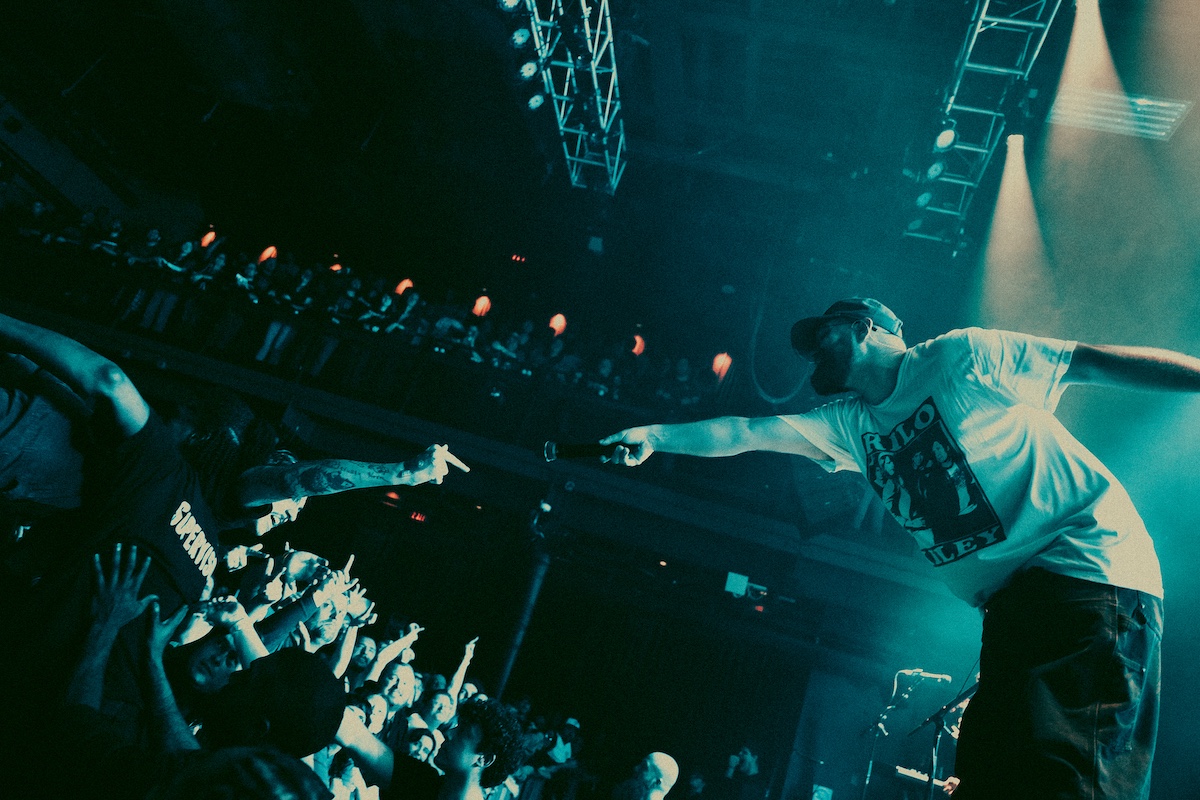
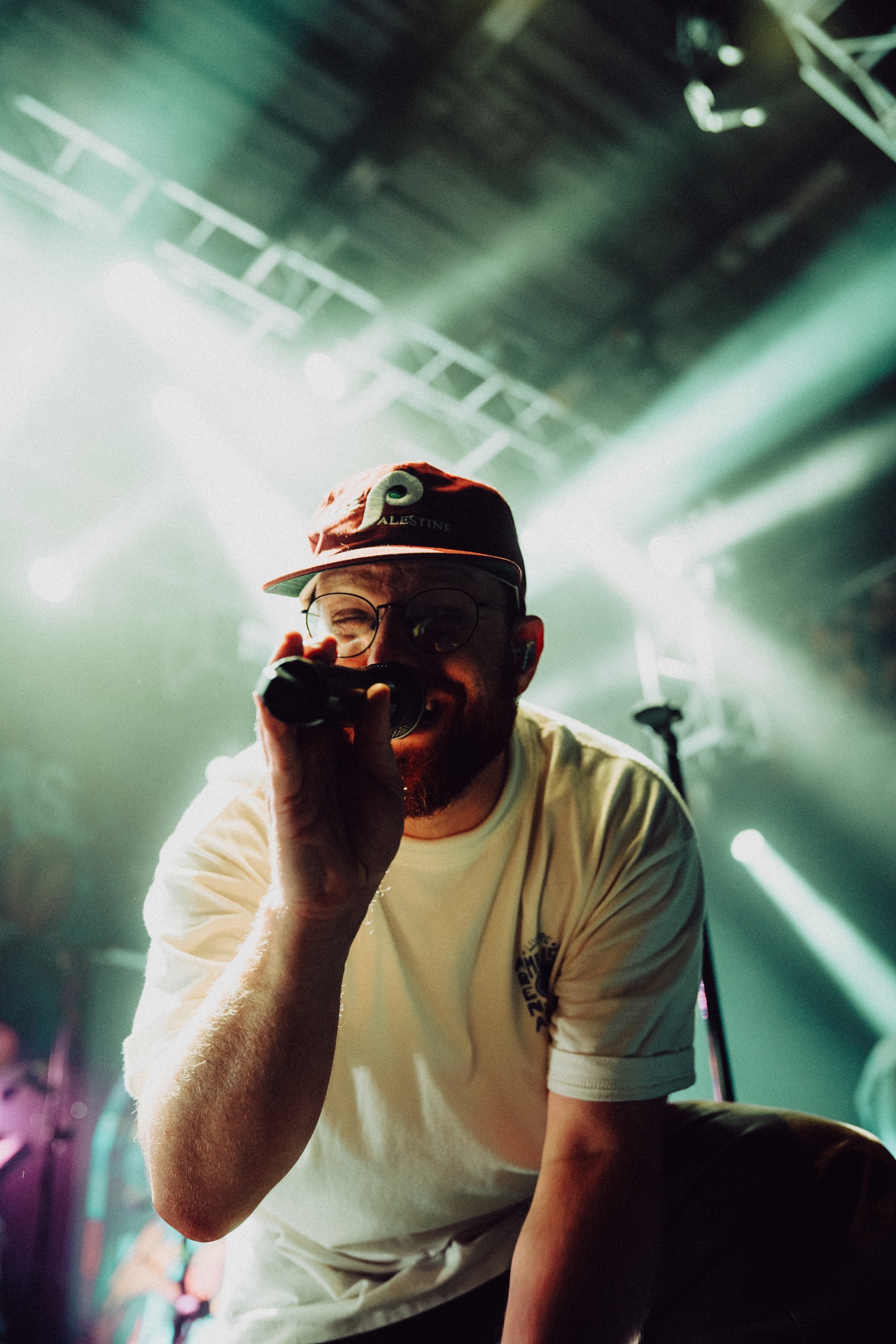
The Wonder Years are currently at the tail end of a tour to celebrate the 10th anniversary of No Closer to Heaven, after re-releasing a remastered box set last year. Each night consists of two sets: One playing the record in full (including the once rare B-side, “Slow Dancing With San Andreas”) and another set spanning the rest of their career. The band has performed some of the most bombastic sets of their career, complete with dualing drumkits, fog cannons, and a hologram projecting letlive’s Jason Aalon Butler during his verse in “Stained Glass Ceilings.”
Yes, this is a record that addresses mortality, depression, loss, and oppressive government systems, but it can also be freeing to jump along with the intro to “I Don’t Like Who I Was Then” or scream the outro to “Cigarettes & Saints” or crowdsurf to “Thanks for the Ride.”
It’s incredibly fitting, because as the band marks its 21st year, vocalist Dan Campbell tells Atwood that the six-piece is currently playing the “biggest headline numbers of our career.”
Barring a few festival appearances, the band will be taking a well-deserved break once this tour ends, but the performances across this run have shown that The Wonder Years still have the vigor of their youth.
Towards the end of their tour, Atwood spoke to Campbell about No Closer to Heaven’s anniversary, how remixing the album has breathed new life into it, the band’s 20th anniversary, and more.
— —
:: stream/purchase No Closer to Heaven here ::
:: connect with The Wonder Years here ::
— —
A CONVERSATION WITH THE WONDER YEARS
Atwood Magazine: I wanted to start by asking you a question that I've kind of been curious about since No Closer to Heaven came out almost 11 years ago. I went to the Brooklyn show, and you give a great speech before “A Song for Ernest Hemingway,” talking about how Hemingway's life story had inspired that song and these plane crashes and how it affected his mental health. I've just always been curious, what's your relationship with Hemingway's writing or his public persona?
The Wonder Years (Dan Campbell): I think I am a fan of his writing. That’s probably my only relationship to it. I think that the idea of that song was about how when you believe your value is based on what you’re able to create, and then you can’t create anymore, you start to feel valueless. And, if you are someone who is already predisposed to bouts of severe depression that unmooring from your value can make that much worse. I was looking at his life story, and I was like, ‘I have also felt my depression exacerbated by my inability to continue creating.’ And just wanted to write about that. I write about the way that I see these patterns in the minds of creative people across obviously a person I’ve never met, right? But we have these similar thought patterns sometimes.
I remember around the time the album came out, you had talked about kind of struggling from writer's block and things like that. Was it something that you were kind of aware of, or a curiosity with Hemingway? Or were you kind of looking into how did other creative people deal with this?
The Wonder Years: I was kind of aware of it, just like from doing my undergrad. And [it was] a thing I remembered one day while I was dealing with that writer’s block. Then, I went back and reread some stuff and worked my way through that song.
So you guys are on the anniversary tour for No Closer to Heaven. That album, to me, always kind of felt like a turning point for the band. It feels like such a huge swing for a band that has always taken big swings. How has your relationship with No Closer to Heaven shifted over the past 10-11 years?
The Wonder Years: Definitely, it’s warmer now than it’s ever been. I think the remix really changed a lot for me in that record—the remix and this tour, because I always loved those songs, but they were caked in so many layers of the grief that the song exists in already, and then the tumult of making that record and how low I felt with the writer’s block and how kind of disconnected I felt from it because I was in such a bad spot mentally when we were doing it. And then like, because of all those things, the record came out, and the mix was not sharp. It was almost like this sonic reflection of—not on purpose—this accidental sonic reflection of how I felt underwater with all these things. So, then the reception of the record was for the first time ever, it wasn’t kind of universally positive. We had released a couple of records before that, where it was just like, everyone loved it. And I was like, great, that’s great. That felt really good. And then you release a record, and there’s a lot more criticism. And most of that criticism was about people not being able to hear it. So it felt like—the metaphor that’s coming to mind is a bad one. I’m sorry [Chuckle]. Have you ever seen one of those videos of people cleaning a like 70 year old cast iron skillet? That’s kind of what it felt like: it’s covered in these layers. There’s the grief layer and the writer’s block and the detachment of the depression layer, and then the mix itself.
Being able to have it remixed, and then go out and play it on this tour and hear it received the way that I always believed it could be is like watching all of those layers of like rust and everything kind of come off of it. You can see it for what it should have been.
One of the things that you talk about on this tour, and it's something that I feel like I've noticed more as I've grown up and gotten older, is that there's always political commentary in Wonder Years songs. Sometimes I feel like it comes across more subtle in albums like The Upsides or Suburbia. When No Closer to Heaven first came out, it felt like it was the first time that it was very direct, talking about pharmaceutical companies, corporate greed, and systemic racism. Ten years later, those issues are still affecting us. What had given you the confidence to be more direct when you first wrote that record? And how do you feel about the fact that those songs still resonate on those fronts?
The Wonder Years: I don’t know that I fully agree. I mean, a song like “Dynamite Shovel” is about as direct as it could get. I think it was just like maybe an underexplored part of what we did lyrically, that was more explored on that record. I don’t know if it was any sort of crisis of confidence in writing about it before or after. I think it was just what I was feeling at the time of writing that record.
I think one of the things is you look back at things, especially things you did when you were younger. Oftentimes, I can be like, ‘Oh, I didn’t quite get that one.’ I wish I had shaped that line a little bit differently to point towards this other thing more specifically. And I know that’s such a nebulous statement. But, oftentimes you can look back at music and be like, ‘I didn’t quite get that lyric right. I didn’t exactly say what I was trying to say, or it doesn’t actually hold true later in life.’
I think the fact that a lot of that record holds true is mostly depressing, I guess. Oh, damn, we did get that right, and it still is bad, worse even. You know, it doesn’t feel good to think about.
I definitely get that. I think part of what kind of had inspired me to ask that is, you do talk about that a little bit before “Stained Glass Ceilings” on the tour where you say that there are corners of the internet where people say ‘When did the band get all political?’ I think part of that is when I was a teenager listening to the early records, I didn't really notice until I got a little bit older, you learn more and more things, and you start to realize: oh, no, this is saying a lot more than what I thought it was saying when I first discovered it.
The Wonder Years: I’ve been saying it on stage, right? These are political songs, but only because they’re personal songs. The personal and the political are one in the same. You can’t not do politics; politics will do you. More to the point I believe them to just be moral stances.
You end every show by saying something along the lines of ‘Protect trans youth, f**k I.C.E., and free Palestine.’ And I feel like it's even more important that you ended your sets on the A Day to Remember tour by saying that.
The Wonder Years: I agree.
What does it mean to you to use your voice and platform to speak out against fascism?
The Wonder Years: I don’t know how to say this and have it sound good. It’s not fun to do. It’s not the part of the show that I like, right? Ideally, I wouldn’t have to talk about those things, because they wouldn’t be problems. And we would just play music, and that would be f***ing sick. And we’d all have a great time and not have to think about the terrible things in the world at a time where I want to just have fun and be on stage and have the crowd having fun. It’s also not fun to do those things and get a bunch of f***ing death threats and shitty comments and lose opportunities, which we very certainly have, because we’re saying those things, right? There are career opportunities that get taken away when you do things like that.
The flip side of it is, I don’t know how I would go to sleep knowing I had the stage and the microphone and said nothing.
Especially on that A Day to Remember-Yellowcard tour. That tour played a lot of markets that don’t always get shows like this, right? We did Biloxi, Mississippi. We did Tulsa. We did places that are not Chicago and New York and LA and Boston and Philly. A show like that is going to bring out a lot of people across this huge age spectrum. And I just thought, maybe there are some younger teenage kids there that have never been confronted with this rhetoric before. I didn’t say like, ‘Believe this or die, right?’ I get on stage and say, ‘This is what this band is about.’ And if you spend a half an hour watching our set and going, ‘Yeah, I f***ed with this music.’ Then that band gets up there and says, ‘This is what we’re about.’ Maybe, at least, you’re curious to look into it. Maybe that’s useful.
On that note, one of the songs from No Closer to Heaven that has remained even more resonant for this messaging is “I Wanted So Badly to be Brave.” What can you tell me about that song?
The Wonder Years: Not a lot, because I don’t like talking about that one. I will say that the lyric on the album that I think is the single most enduring line on the whole record is ‘They’re hateful, because they’re empty.’
I'll pivot to something happier. The album also has “You in January,” which has kind of become a de facto wedding song for so many Wonder Years fans. How does it feel to know that a song that you wrote about your wife has transcended and become an important part of other people's love stories?
The Wonder Years: It is really a cool thing to know that you are forever entangled in somebody’s life and story that way. It’s not just something they listened to, but it’s something they chose to make a cornerstone of one of the most important moments and days of their life is a very, very cool thing.
With a lot of artists with a long career, I feel like you can draw lines between the albums being in conversation with each other. And I feel like No Closer to Heaven for me always feels like it's in conversation with your latest album The Hum Goes On Forever. Part of that is “Cardinals II,” but I do feel like certain themes reoccur. Are you consciously thinking about the ways that a song can continue a story you've been telling, or does it just happen organically?
The Wonder Years: I think it’s both. There’s times where it just bubbles up and becomes that and you’re like, ‘Oh, cool.’ My subconscious gifted me this thing, this connection and this way to tie these albums together. Then, sometimes it is a thing where I’m consciously looking to expand on a theme from an earlier record, and I’ll make notes of lyrics that I want to reference or ideas that I want to reference, motifs and find ways to get back to them.
Last year, the band celebrated 20 years. What's been the biggest ‘Holy shit we made it’ moment for you throughout your career?
The Wonder Years: Oh, man. There are [many]. There’s even these little tiny ones where I remember this show we played at this punk collective in Orlando in this mostly abandoned building in the middle of a field. I remember we sold four hundred dollars in merch, and I was like, ‘We’ve made it.’ I remember the first time we crossed the country, and we pulled across the border into California, and we stopped and took a picture of the sign. We’re like, ‘We’ve made it. We did it. We got all the way across.’ The first time you sell out like any room in any city. I remember the first time we sold out [Philadelphia’s] Chain Reaction was the first show we’d ever sold out in advance, where days before the show, there was no more. You couldn’t buy a ticket. I called my mom and was like, ‘We made it.’ There are a lot of those moments over the years.
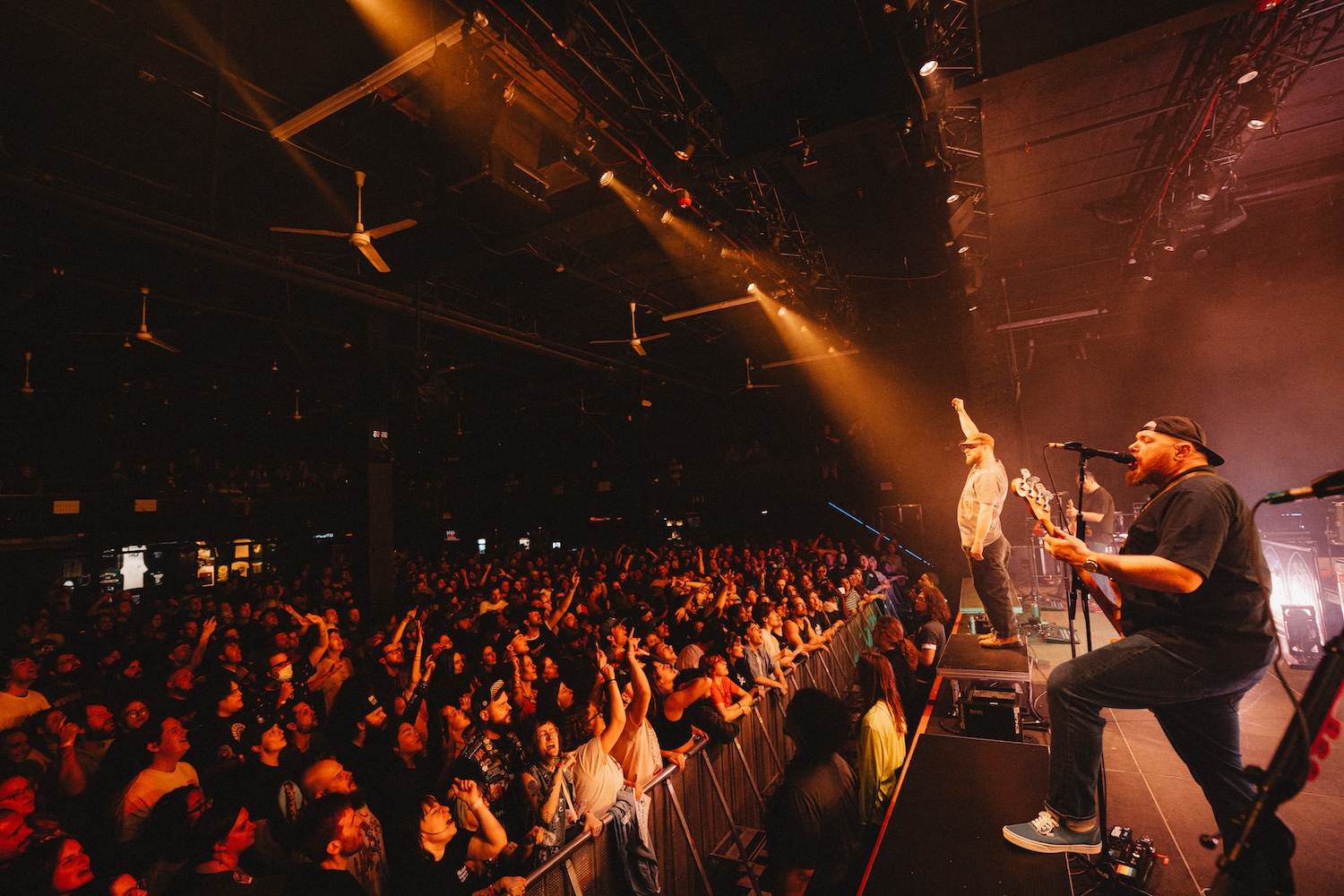
I think one of the coolest things to me is that this tour, in our 21st year as a band, has broken basically every single market’s personal record for ticket sales. I think there are only four markets on this tour where we didn’t break our own record. So to be in year 21, doing the biggest tour of our career, biggest headline numbers of our career, that feels crazy.
I remember at the Brooklyn show, you announced it was the biggest indoor headline show.
The Wonder Years: That was our second biggest headline show ever, and the biggest one indoors.
You guys are taking a hiatus, a break, now after this tour, what's something that you're looking forward to with the hiatus?
The Wonder Years: Being at all of [my son] Wyatt’s baseball games. I already missed a couple. I don’t like that. I want to teach [my son] Jack how to swim this summer. And then, I want to write songs. Ideally, I’d write a Wonder Years record. That’s kind of the plan, but you don’t get to choose that. I think at this point in our career we’re not governed by timelines anymore. At a certain point, record labels would be like, ‘Okay, we need the next one.’ That pressure is gone. There’s no reason for me to rush the process of writing at this point. I just want to let the songs come to us a little bit, but they have started coming to us. So if the pace keeps up, we’ll have a record at some point.
— —
:: stream/purchase No Closer to Heaven here ::
:: connect with The Wonder Years here ::
— —
— — — —
Connect to The Wonder Years on
Facebook, 𝕏, TikTok, Instagram
Discover new music on Atwood Magazine
© Jacob Moniz
 © Jacob Moniz
:: Stream The Wonder Years ::