In honor of Asian American and Pacific Islander Heritage Month, Atwood Magazine has invited artists to participate in a series of essays reflecting on identity, music, culture, inclusion, and more.
•• •• •• ••
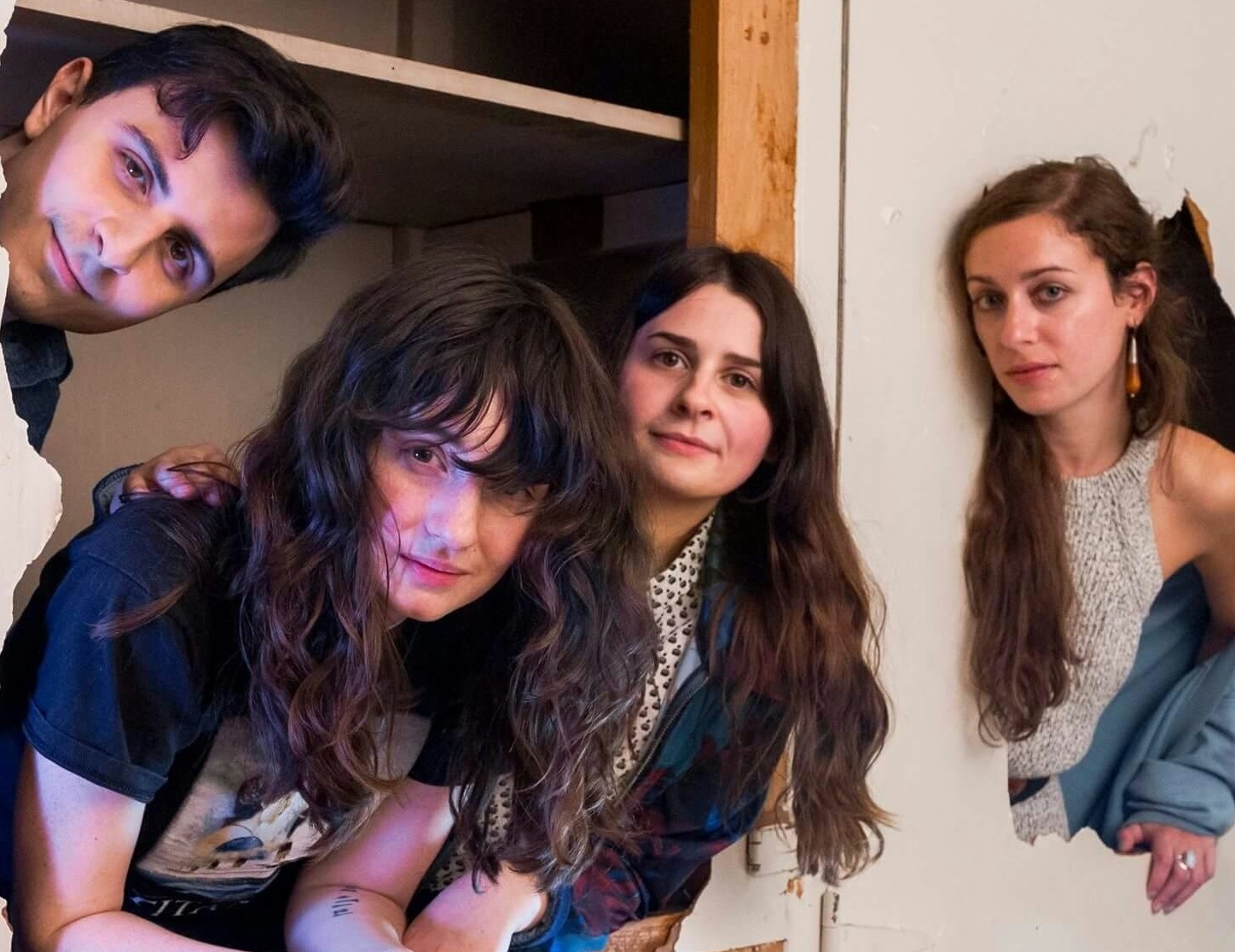
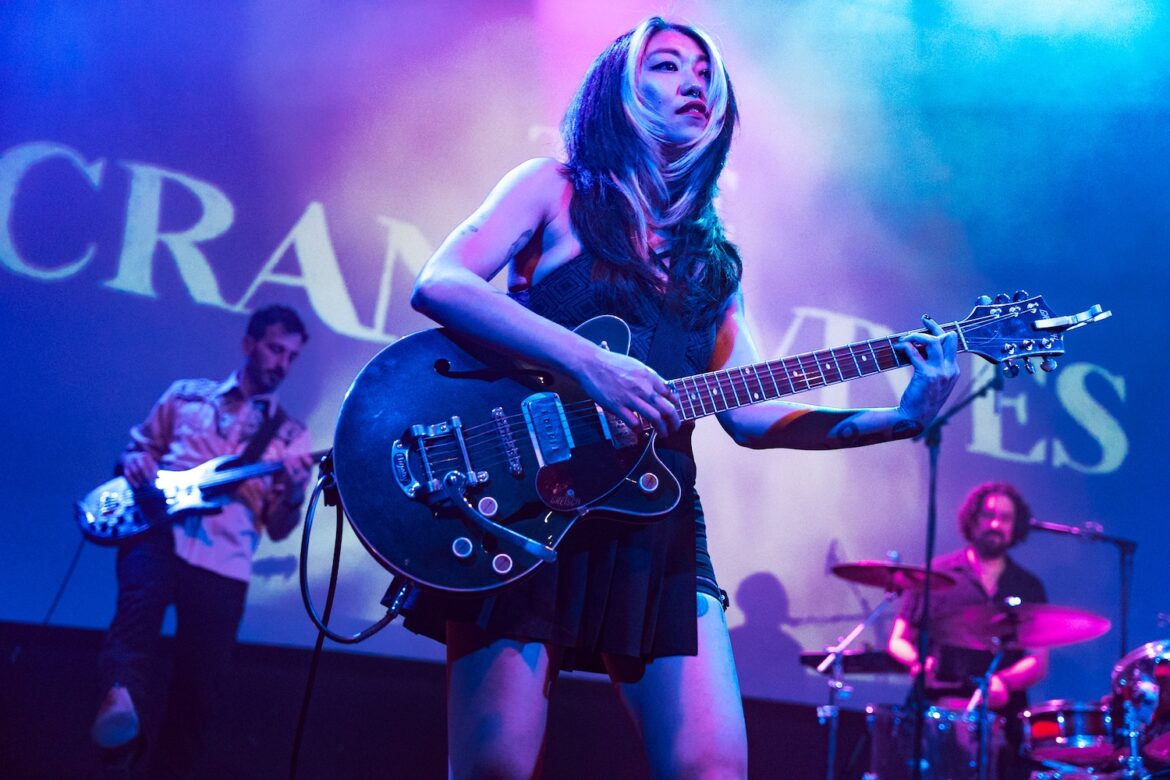
Today, Emilee Petersmark, co-lead singer of four-piece indie folk band The Crane Wives, shares a playlist highlighting her favorite tracks from K-indie bands and what her discovering the indie music scene of the Hongdae neighborhood in Seoul, Korea meant to her, for Atwood Magazine’s AAPI Heritage Month series.
Emilee Petersmark has been a member of the beloved Grand Rapids band the Crane Wives for 15 years now, but parallel to that career she has worked as an acclaimed visual artist, producing original artwork as well as commissions for such musicians as the Accidentals and Melophobix. She also has an ever-growing collection of songs that felt too personal for the Wives’ ever-growing sound, exploring the depths of adoption trauma and the experience of being a queer Korean adoptee growing up in the Midwest. Those songs will grace a solo record set to release in fall of 2026, offering listeners a peek into the soul of a fierce and restless heart.
•• ••
•• ••
RECONNECTING THROUGH MUSIC
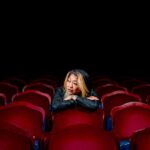
by Emilee Petersmark of The Crane Wives
•• ••
For most of my life, Korea seemed like an imaginary place that only existed in stories told by my adoptive parents.
Theirs was a picture of South Korea in the mid to late ’80s, a country in recovery from years of war and colonization, a country caught between centuries of tradition and western modernization that had exploded like a bomb after the Korean War.
For most of my life, my connection to that place was built out of scraps – a hanbok made for a toddler hanging like a costume in the back of the closet, k-pop songs illegally downloaded to the family computer, a line of clumsily written Hangul that represented a birth name I couldn’t pronounce.
It wasn’t until 2022 that I was able to return to Seoul. After 35 years of Americanization, I felt more like an alien touching down on a foreign planet than a prodigal daughter returning home. I stuck out like a sore thumb with my dyed hair, piercings, and tattoos. Ajumas sucked their teeth and glared with open disapproval at me on the street. An old man approached me in a public park after I’d taken my coat off and exposed my shoulders, assuming I was a prostitute. Not a single person spoke to me in Korean – it was like I had a neon sign over my head spelling “FOREIGNER,” and the locals steered clear.
It was devastating at first. I was a tourist in the city I was born in, an outsider to the people who shared my heritage. It crushed me to think that maybe I was never meant to return to this place, that maybe I was too American now to be considered Korean.
However, once I discovered the indie music scene in Hongdae, things changed.
As a touring musician, it was really important to me to find live music during my visit to Korea. I have a fondness for K-pop, but I wanted to find local bands, mirrors of my own experience carting amps and guitars through back doors.
What I found were my people – dyed hair, piercings, tattoos. Packed rooms that smelled like cigarettes and beer, filled with music so loud it made the air hot. I disappeared in those rooms, one of dozens of Koreans swaying to the beat of the house back line. That feeling of belonging was addicting.
I wanted to share that music and that experience with others who might feel lost in the AAPI diaspora. This is a K-indie playlist of bands that have reshaped the imaginary version of Korea in my head to something accessible and familiar. I hope you enjoy it.
— —
Zozno – “Sofa Traveler”
This music skews a little more twee than my normal taste, but it holds a special place in my heart for being my first real connection to the Korean music community. Zozno is a seasoned indie musician in Seoul who offers walking tours of Hongdae, taking you to important indie venues in the community and explaining their significance to the local music scene. He taught me a lot about how differently artists have to operate in such a crowded city, and years after we first met, he helped me book my first gig in Seoul. His music is unlike a lot of other Korean songwriters’, avoiding the topic of romantic love and instead focusing on his traveling experience (a novelty for many, as there were heavy restrictions for Korean citizens preventing them from traveling abroad until the late ’80s). This song is a simple song about couch surfing and how traveling brings people together.
Bulgogidisco – “Let’s Dance”
This is a band I’ve seen multiple times across multiple visits to Seoul – they appeared on a playlist of mine when prepping for my first trip to Korea, and they cemented themselves as an all time favorite act when we saw the mosh pit open up for them at the DMZ Peace Festival in 2022. They’re a well-known musical act in Korea but if you’re lucky you can still see them in more intimate venues. Their energy is a great fit for smaller rooms, reminiscent of the pop-punk acts I used to worship in high school. This song in particular has a fun call and response that anyone can participate in, regardless of whether they speak Hangul.
Socialclub Hyangwu – “MAD MAN”
This Korean grrl rock band hit the stage at a tiny 3rd floor venue over a dumpling restaurant, and I instantly fell in love. Following a long line up of all-male bands, this group of female musicians was an incredible sidestep from the more popular dream pop and into a ’90s crunch that felt reminiscent of Bikini Kill.
Leenalchi – “Tiger Is Coming”
Okay, hear me out – traditional Korean pansori singers retelling folk songs over a modern groove laid down by a drummer and two bass players, no guitar, accompanied by a troupe of interpretive dancers. Does this spark joy? Hell yes.
This group puts on an unbeatable show. They headlined the DMZ Peace festival in 2022 and were absolutely worth standing in the pouring rain for. The pansori vocals add a unique texture to the music, while the double bass creates an opportunity for rhythmic harmonies and countermelodies to ground the folk vocals. This song is a bop on its own, but combined with the visual of a dozen undulating costumed dancers, it becomes top tier art.
Hwakin – “Dying Soldier”
Iterations of funk and dream pop are extremely present in the local Korean music scene, and it’s refreshing to find a band that feels more rock. This song is such a vibe – the opening guitar riff speaks to me. I love the cadence of the lyrics.
Simile Land – “Universe Party”
I found this band at a venue called Club Bbang, a venue known for only hiring bands that meet the venue owner’s eclectic music tastes. Simile Land arrived onstage in sunglasses and matching silver space suits. They opened their set with this song, which is a celebration of ’80s-esque pop synth and overlapping vocals – seeing a keytar in person was a real treat.
Lee Heemoon – “what’s the point”
Lee Heemoon first came into my orbit with his group SingSing – he dresses in a unique brand of androgyny, complete with colored wigs and stilettos that could kill a man, combining more traditional Korean vocal techniques with modern pop. His music is known for reinventing traditional folk songs that people from both the North and South might recognize, and his genderless aesthetic is a nod to Korean shamanism. While it’s not exactly drag, his genderbent outfits are a refreshing break from the incredibly heteronormative world of popular Korean music.
Kontrajelly – “Traitor”
This ’80s synth pop duo took me by surprise when I saw them in 2024. Following a hardcore metal group, they hit the stage at Club Bbang with a gentler, more upbeat energy. Combining soft feminine vocals with complex synth and guitar andlight choreography, they took the vibe of the room from heavy headbanging to an ’80s dance party.
Meaningful Stone – “Red Car”
I feel like this is the artist I’ve been searching for my whole life – the slow droning grunge of it all, the dissonant guitar solos, the airy vocals… it hits me right where I live. This song in particular has the slow building atmosphere of ’90s alt rock, culminating into a crushing instrumental outro.
The Crane Wives – “Scars”
It feels weird to include my own band on this list, but I’m doing my best to conquer the imposter syndrome I feel when occupying space as a Korean woman. If I can call myself Korean, why can’t I call my band k-indie?
This song is one I wrote in the process of working through my adoption trauma, and in 2024 I was able to perform it for an audience in Seoul. It felt like a real full-circle moment, introducing myself in broken Hangul and singing about how leaving Korea had changed me, about how coming back had made me realize everything I’d lost in the process.
I know I’m doing something that matters. Folk music is evolving. And we’re not just here to be included – we’re here to shape what comes next. – Emilee Petersmark
•• ••
:: connect with The Crane Wives here ::
•• ••
•• ••
•• •• •• ••
Connect to The Crane Wives on
Instagram, X, TikTok, Facebook
Discover new music on Atwood Magazine
📸 © Mauricio Castro
Stream The Crane Wives