Throughout the year, Atwood Magazine invites members of the music industry to participate in a series of essays reflecting on art, identity, culture, inclusion, and more.
•• •• •• ••
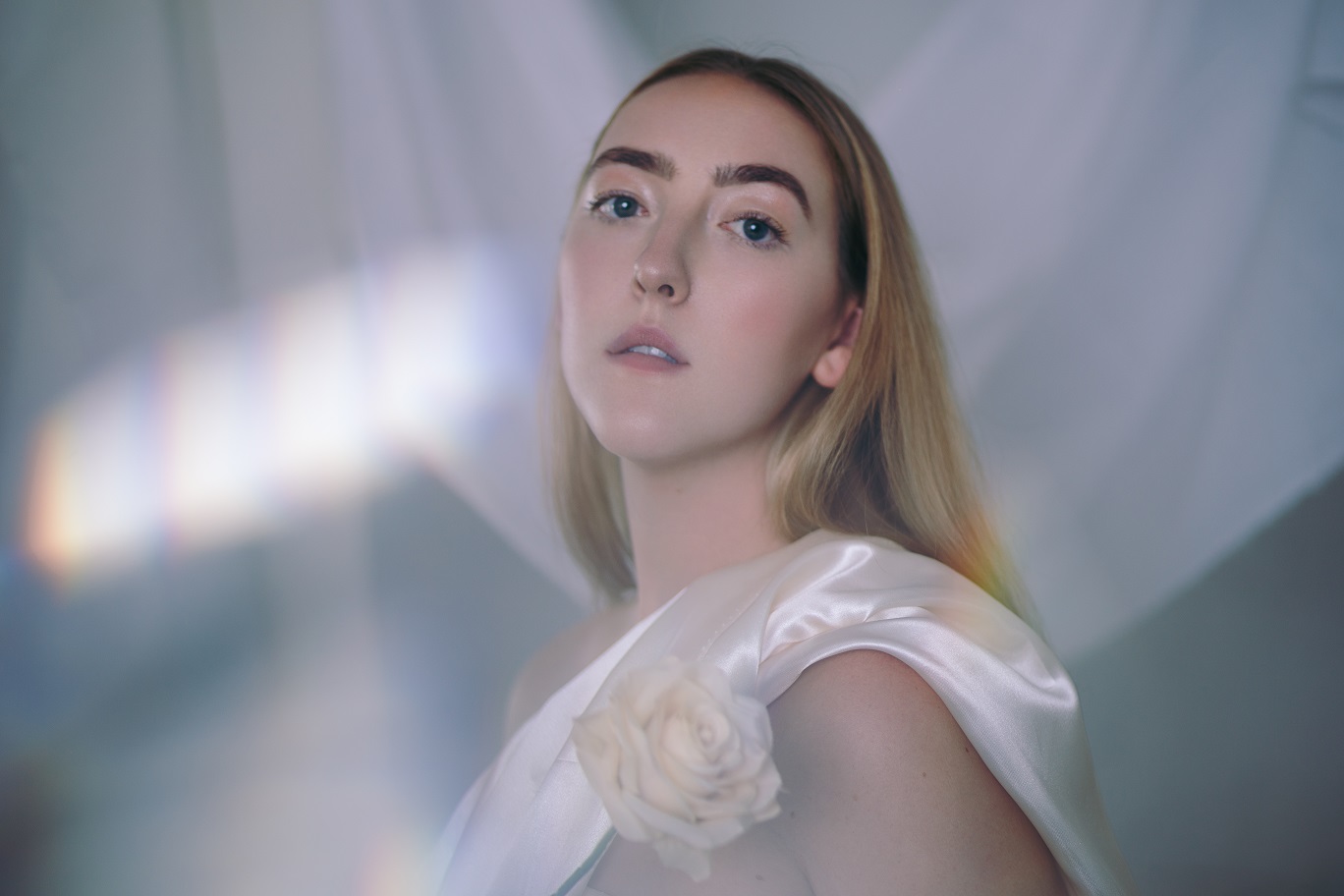
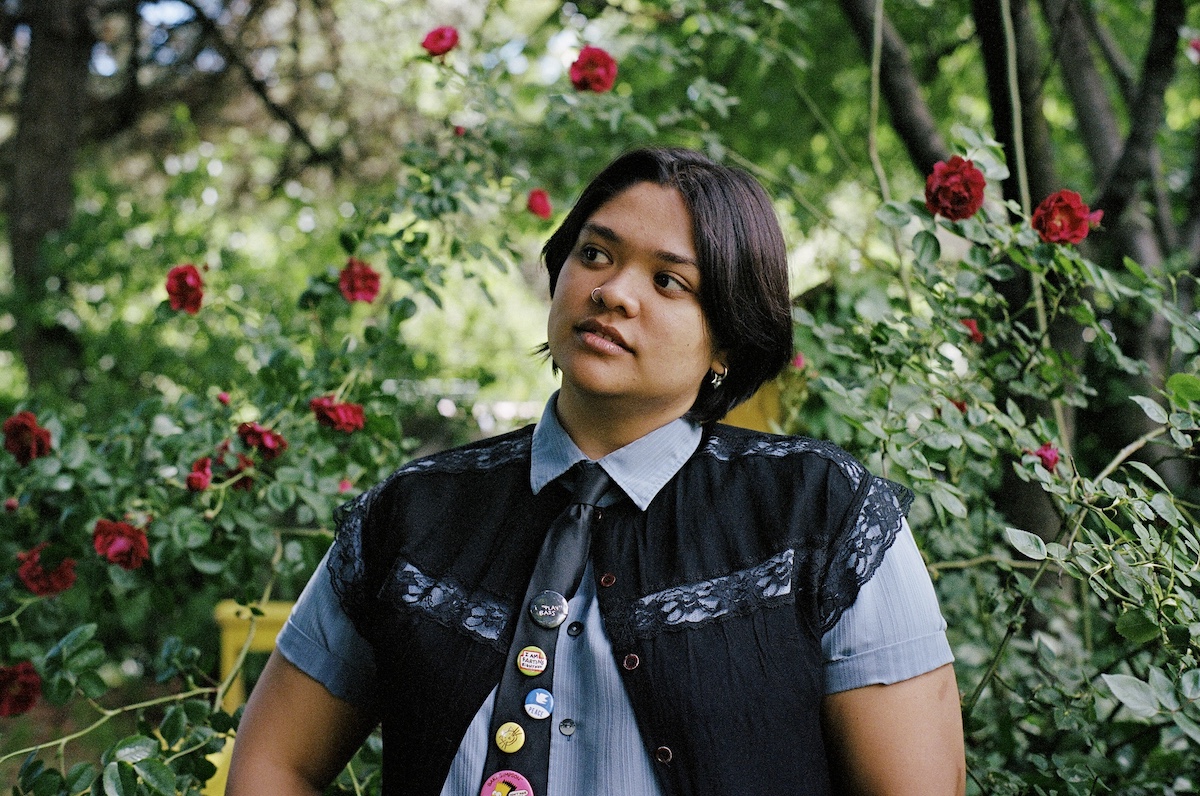
Leilani Patao has just released ‘daisy’ via Audio Antihero (Frog / Avery Friedman / Tiberius / CIAO MALZ / Magana / Josaleigh Pollett). It’s a unique EP they describe as “a pure experiment,” one which sees the artist combine influences from Remi Wolf, Grumpy and Caroline Polachek to create material that’s overflowing with Indie Rock momentum, Pop sensibilities, and Electronic oddities.
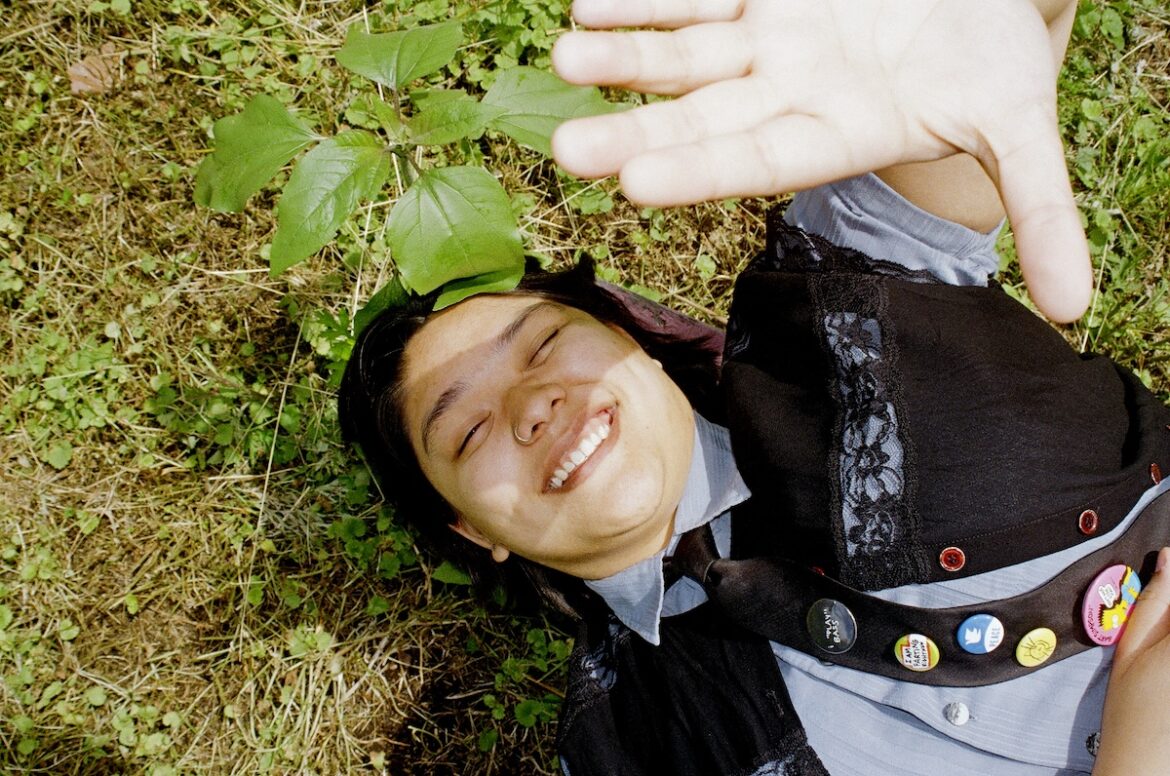
This young Hawaiian American artist seemed to strive to become unrecognisable on their label debut. Originally entering the industry through musical theatre as a celebrated mezzo-soprano, Leilani now obscures their rich range through distortion and chopping. Similarly, those who might remember their cutesy performance on The Tonight Show with Jimmy Kimmel would struggle to recognise the Leilani shown in the music video for lead single “Cut”, in which they’re seen drenched in blood.
Not only does this EP represent Leilani’s efforts to find their true self within their music, but it also sees them honor their work by withdrawing from aspects of the industry that they don’t support. By withholding their art from streaming services, Leilani prioritizes more intentional listener connections through handmade physical media, Bandcamp collections, non-commercial radio sessions, and thoughtfully curated live events.
Atwood Magazine is excited to publish this guest essay by Leilani, where they can tell their story, and share the creation of this very personal record.
— —
:: connect with Leilani Patao here ::
— —
Stream: ‘daisy’ – Leilani Patao
•• ••
“THE MAKING OF ‘DAISY’
And Why It’s Not on Streaming
by Leilani Patao
I often tell people I’m a recovering jack of all trades.
In the year or so I was working on this album, when people essentially asked me what I wanted to be when I grew up, I would tell them, “I just want to do whatever makes money in the music industry. I can do whatever!” And it was true; I was (and am in some ways) doing whatever I could to be involved. I work at my college radio station, WNYU, I’ve been an intern all over the place, I’ve been playing bass in a bunch of my friends’ shows, I even did some audiobook narrating. I like to believe I can pick things up pretty well, I have good taste, and I’m generally enthusiastic. And I learned so much. I learned cool stuff that I always wanted to know, I learned the lunch spots around the different offices, I made cool friends and connections and all that stuff. But I learned a lot about what I wanted.
I think that’s what’s truly behind daisy, if I dig deep, is that this is the first piece of work where I knew what I wanted.
When I’d written music in the past, things sort of just poured out of me. Songs like “The Same” and “When the Tree Dies” were all written in just about 40 minutes and produced in what felt like being asleep and dreaming. Tracks and funny production things would show up, and I wouldn’t remember how they got there. Even when I first started writing songs in high school, it felt like I had a song a day in me. Things would just come out when I picked up an instrument. And I suppose there was some glamour in feeling like I always had something poetic to say. It was fun to say that I wrote a song every day and that some magic music spirit was entering me and making whole songs appear.
But this EP took a bit more out of me. None of the songs on this EP feel like a single moment in my life; none of them are a feeling trapped in a bottle in the way that my other albums are. I sat on this music for so long; I just kept going back with new ideas and new lyrics, and I just kept tweaking and shaping these songs. This was the first time I never felt truly finished. But it was a conscious decision to release now; I didn’t feel rushed, and I didn’t want to wait any longer. I was ready. And now I’m ready to spill all the behind-the-scenes secrets >:))
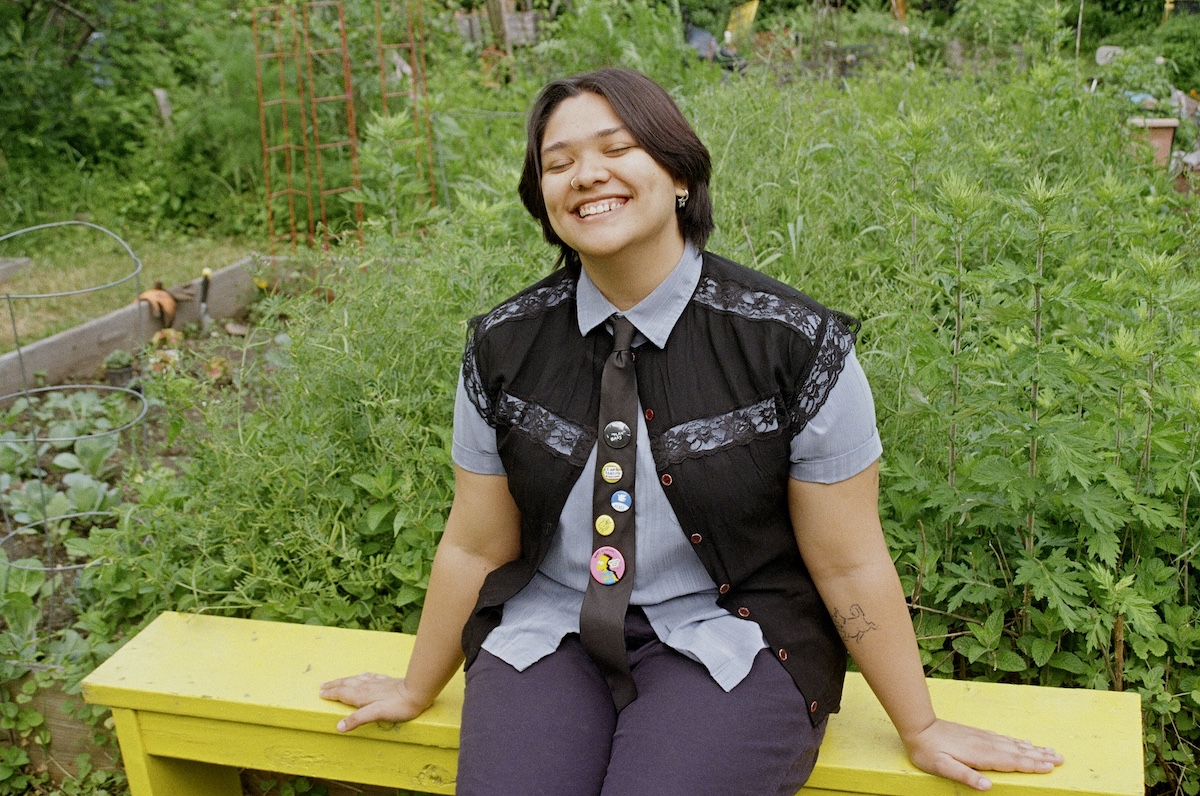
In the year I was working on these songs, I felt like I started actually sitting in the driver’s seat. I was questioning things in my life or the way I reacted to things. I started to feel different in the places that always felt comfortable. My childhood bedroom was suddenly too full of memories, and my dorm room wasn’t mine, and the little cameras on every street corner were suddenly everywhere I’d never noticed, and the East Village was suddenly too full of arseholes, and everyone around me still felt safe in the spots they’d always been. And I had to figure out that something in me was shifting.
And I wasn’t turning to music to process everything in the way I did before. My songs weren’t flowing out of me; I didn’t immediately know how I felt about anything anymore. I wasn’t sitting down with a guitar and plucking at the emotions like I used to; I didn’t seem to have the words for anything. So I started with the sounds. I’d never done that before; I was never able to write to a track. It had always been that the lyrics informed the production. But I was feeling a little turned around anyways, so I might as well do it all backwards.
Songs like “Cut” and “BIRD WHISTLE” came from this practice. Initially, it began as a mere diversion, a way to kill time. I was bored in class, and I had a lot of time on my hands. My girlfriend had just started a new job, so I’d just take an Ableton stock sample, and I would start playing around. And when a track came together, I’d try to write some lyrics, and they were almost always corny. Like bad pop song lyrics, with really oddly high melodies and really random storylines. So I’d just make something, it’d turn out kinda bad, and I would let it sit for a bit.
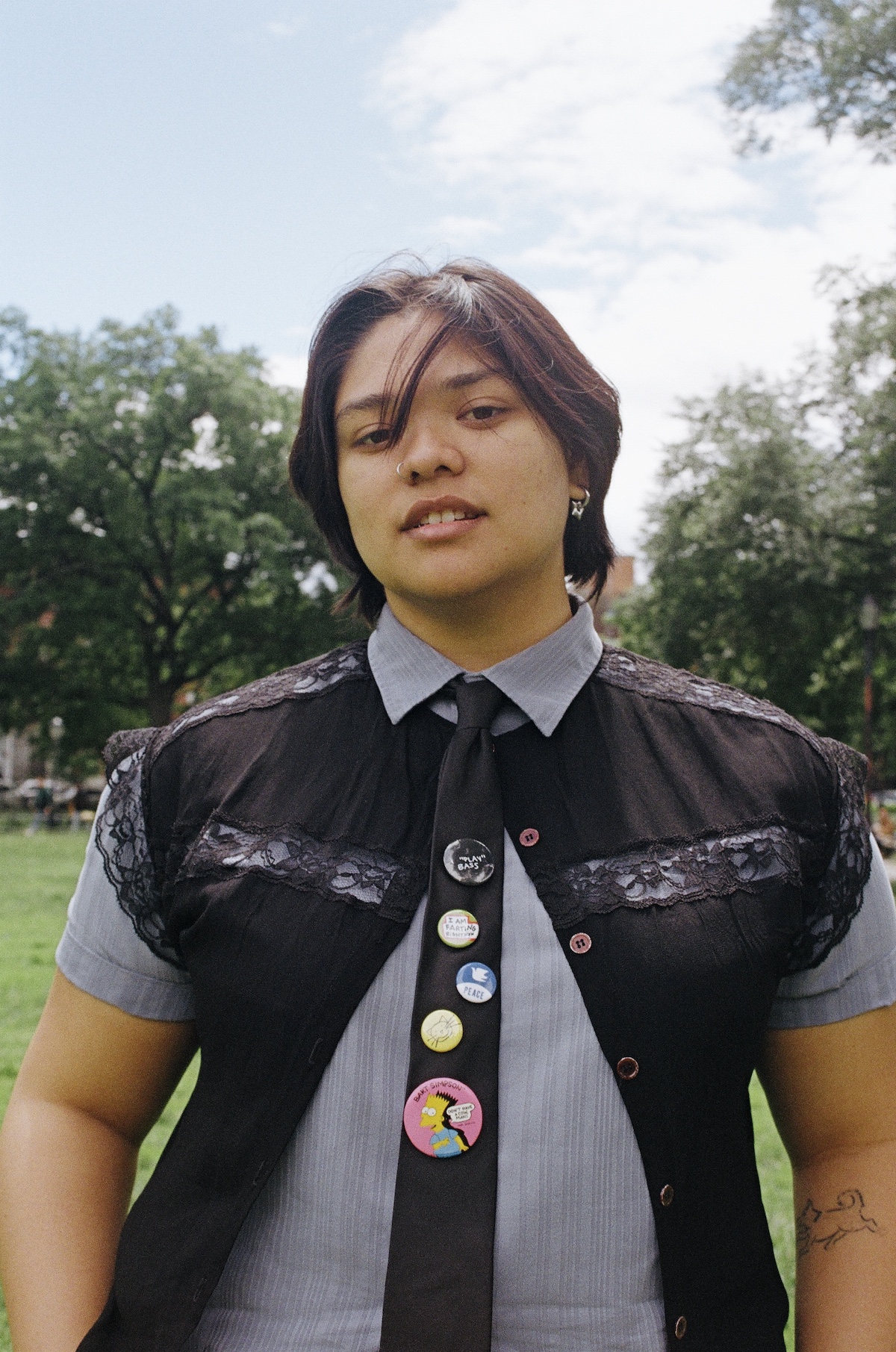
I think it was the sitting for a bit that really let what I wanted to write about come into focus. I found myself writing about situations from the past, things I thought I’d let go. I wasn’t writing about things happening right now but tapping into nearly scabbed-over wounds. And I’d never done that before; I’d always written about something the second it was happening. But here I was, tapping into old feelings I thought I’d let go, and it was a chance to see some things clearer in hindsight.
With a song like “portrait”, it was a chance to reframe my insecurities, to feel hopeful at the end of it all, since I wasn’t in the deep end of the actual feelings. I could sort of pull myself out of the worst parts of my spirals. And on “get ‘em boy”, I revisited an old feeling of jealousy that I hadn’t felt in years. I’d written that when a friend of mine that I was secretly crushing on would call her girlfriend in the middle of band practice. I just wanted to be loved that generously, that sweetly. I felt like a dog, willing to fight dirty to get any scrap of love. But when I was finally revisiting that song years later, I was sitting next to that friend on a plane, on the way to help her move all her things into an apartment in New York so we could be in the same city and finally be together as a couple. I really think it’s that kind of perspective that helped make this EP. I was revisiting these feelings in a better space, with better support in my life.
And I think it’s from this better space and with this better support that I chose to keep my music off of streaming. I’ve been releasing music since I was in high school at varying levels of trying to get my songs heard. And with my last album, But What If?, I was really hung up on the feeling that I’d failed. I was really trying in all the ways I knew. I’d played a bunch of gigs, I got to make a zine about the release, I made CDs and merch, and my friends were so supportive, but I hadn’t gone massively viral, I hadn’t gotten a ton of streams, and I couldn’t get over the fact that I was doing something wrong. It’s so easy to look left and right, to think that everyone else has it figured out, and that if only I could do what other people wanted and to do what they were doing, I’d be happier with the outcome. But I had to define some things for myself and for my art.
I wanted to be in the driver’s seat. I’d been an intern, I’d been a student, and I’d been someone’s support player, all in the hopes that I could just figure out what I wanted. And I think it led me to DIY independent music. It led me to an underground of music, both in LA and in New York, but also online. There were people that felt like I did, who wanted to enjoy music differently, who wanted to pay their artists, and who wanted to find other ways of discovering artists. I wasn’t alone.
So I started with asking myself, “What makes me unhappy with the process of releasing music?” What was it that made me so hesitant to share these songs with people? What’s making me feel daunted, and afraid, and alone? And I found that a lot of my frustration came from streaming. So much pressure is put on monthly listeners, amount of streams, and playlisting. Artists aren’t getting paid enough for how much people are actually listening to their music. And on top of that, Spotify’s former CEO Daniel Ek is helping fund AI military tech startups, and Spotify works with ChatGPTto give app-integrated recommendations. It just was all going in a direction that didn’t align with my morals and values and wasn’t what I wanted as an artist. I wanted to do it all on my terms and in the way that I liked.
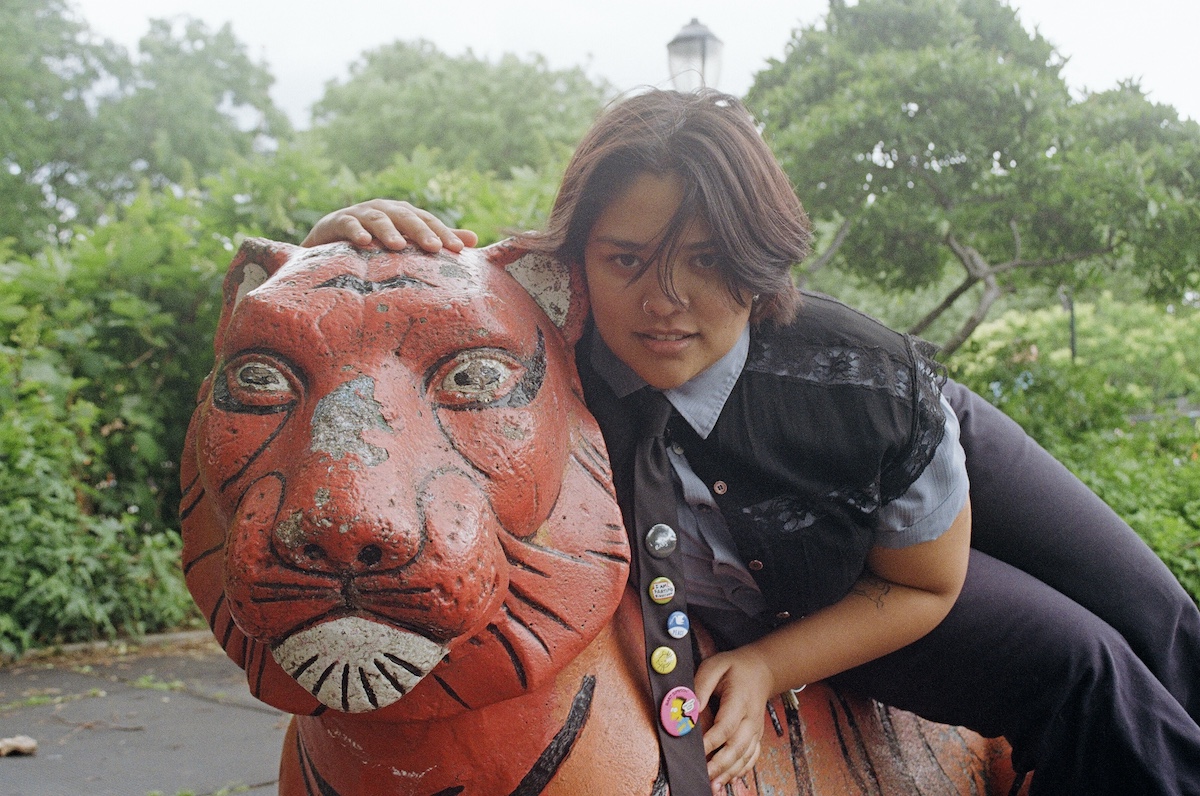
And, on top of it all, I love physical media. I’ve been a vinyl collector since I was in elementary school, I’ve been listening to cassettes since middle school, and I’ve recently started building out my CD collection. There is something so special about holding the music you love, getting to unfold the inserts and read the liner notes. It’s important to me that this music can exist outside of the internet, that it can be experienced in more tangible ways. That’s how I truly fell in love with music, through finding records at the thrift store and playing them on my chevron-printed suitcase turntable. I want people to get to hold daisy in their hands; I want them to hear it through big speakers and little headphones and at parties and in their rooms all alone. So I wanted for there to be a physical release of this EP, at least in the few mediums I can do DIY. So there’s CDs, and there will be cassettes!
After all this work and time, I really believe in myself and in this music. I’m so proud that I can say that now; it took a long time to get here. I’m doing all this because I know that things can be better. And I don’t know if it will work. I don’t know if people will still listen, or if they’ll find me at all, or if they’ll come to the shows or get the CDs. But I had to try for myself. And it’s exciting. I like trying new things, keeping myself on my toes, and checking in with myself at every turn. I like feeling fulfilled by the process this time. I like that it already feels like a success in my mind.
I’m so excited to officially share daisy!! I hope you like it!! – Leilani Patao
— —
:: stream/purchase daisy EP here ::
:: connect with Leilani Patao here ::
— —
Stream: “BIRD WHISTLE” – Leilani Patao
— — — —
Connect to The Noisy on
Facebook, 𝕏, TikTok, Instagram
Discover new music on Atwood Magazine
© Shannon McMahon
 © Shannon McMahon
daisy
an EP by Leilani Patao