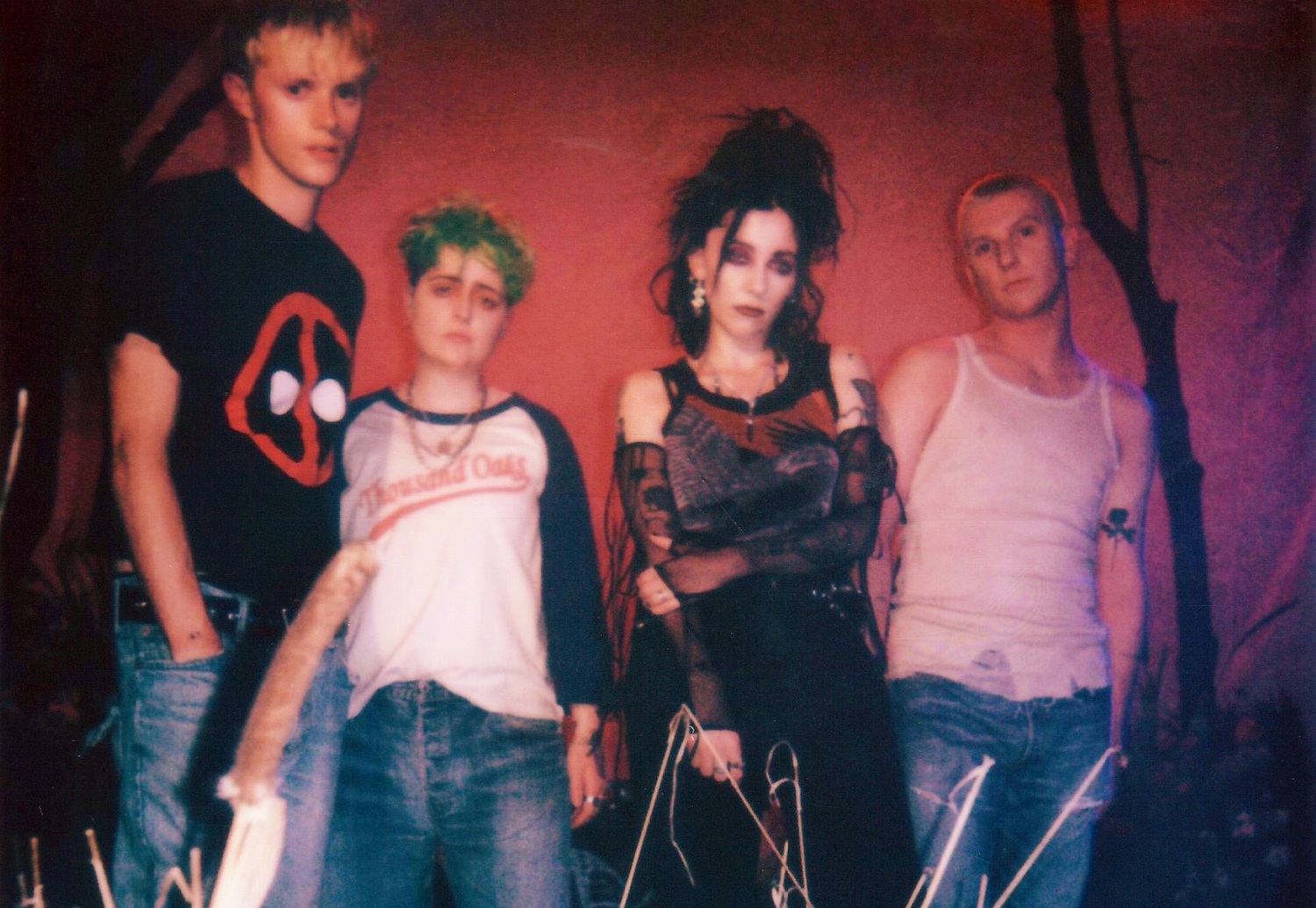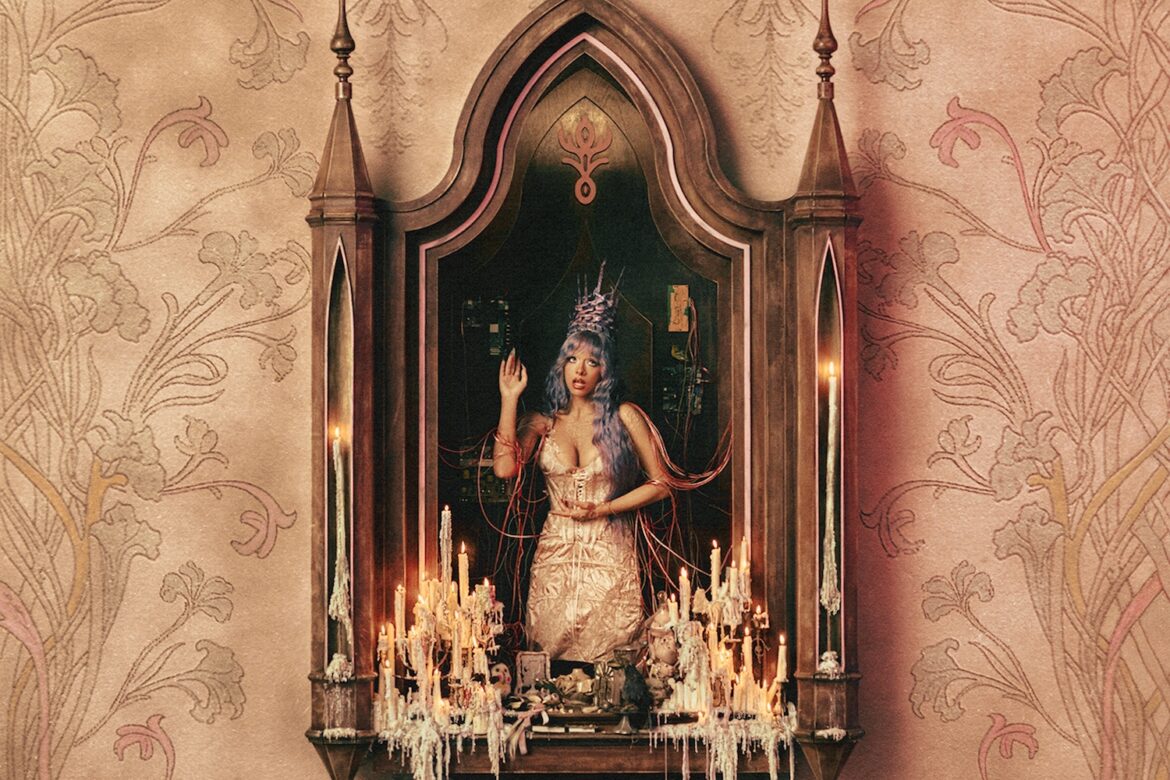
Atwood Magazine’s writers dive into Melanie Martinez’s ambitious and unsettling fourth studio album ‘HADES,’ a mythic pop descent through power, violence, commodification, and collapse – unpacking its cracked-mirror vision of the world we’re already living in, its balance of anger and beauty, and the ways Martinez expands her darkly theatrical universe into something more direct, political, and confrontational.
Featured here are Atwood writers Danielle Holian, Kendall Graham, and Roisin Teeling!
— —
To start, what is your relationship with Melanie Martinez’s music?
Roisin Teeling: I got into Melanie Martinez back in the Dollhouse era, though I didn’t fully realise it at the time. I remember her cover of “Toxic” by Britney Spears from The Voice floating around online and it was a slowed-down, haunting version that felt so different from the original. I loved it, but I never put two and two together that it was the same girl who would later pull me into an entirely different world. I was probably about 12 when I first really heard “Carousel” and there was something about it that felt dreamy but unsettling at the same time. Then I watched the “Dollhouse” music video and there was something experimental and bold about it in the way she mixed nostalgic imagery with heavy, uncomfortable themes.
Kendall Graham: I came into 2015 with Cry Baby taking me by storm. I return to it fairly often because it was so fun and strange and had a winking, in-your-face cheekiness that was supported by great production (and I still have a tangled-up “Crybaby” necklace somewhere among my things.) As a concept album, yes, it is often ridiculous and overstuffed and heavy-handed with extended metaphors, but I think Melanie Martinez is, for the most part, a smart songwriter. I think she gave a voice to the weird, sensitive, internally-chaotic sad girls who maybe didn’t see themselves reflected, or validated, anywhere else in the pop lexicon at the time. I think she succeeded in marrying the disparate elements of childishness and levity with an almost shock-factor-value of dark, heavy, often morbid imagery.
Danielle Holian: I was first introduced to Melanie Martinez through her cover of Britney Spears’ “Toxic,” and it immediately caught my attention. I became a fan during her Cry Baby era, which felt really impactful to me at the time. I connected with a lot of the themes she was exploring, and I loved how she packaged emotional depth into such a stylized, almost cinematic world. I’m naturally drawn to music and art that feels experimental or boundary-pushing, and what stood out most to me was how she uses strong visual storytelling and imagery to turn her songs into full narratives rather than just standalone tracks.
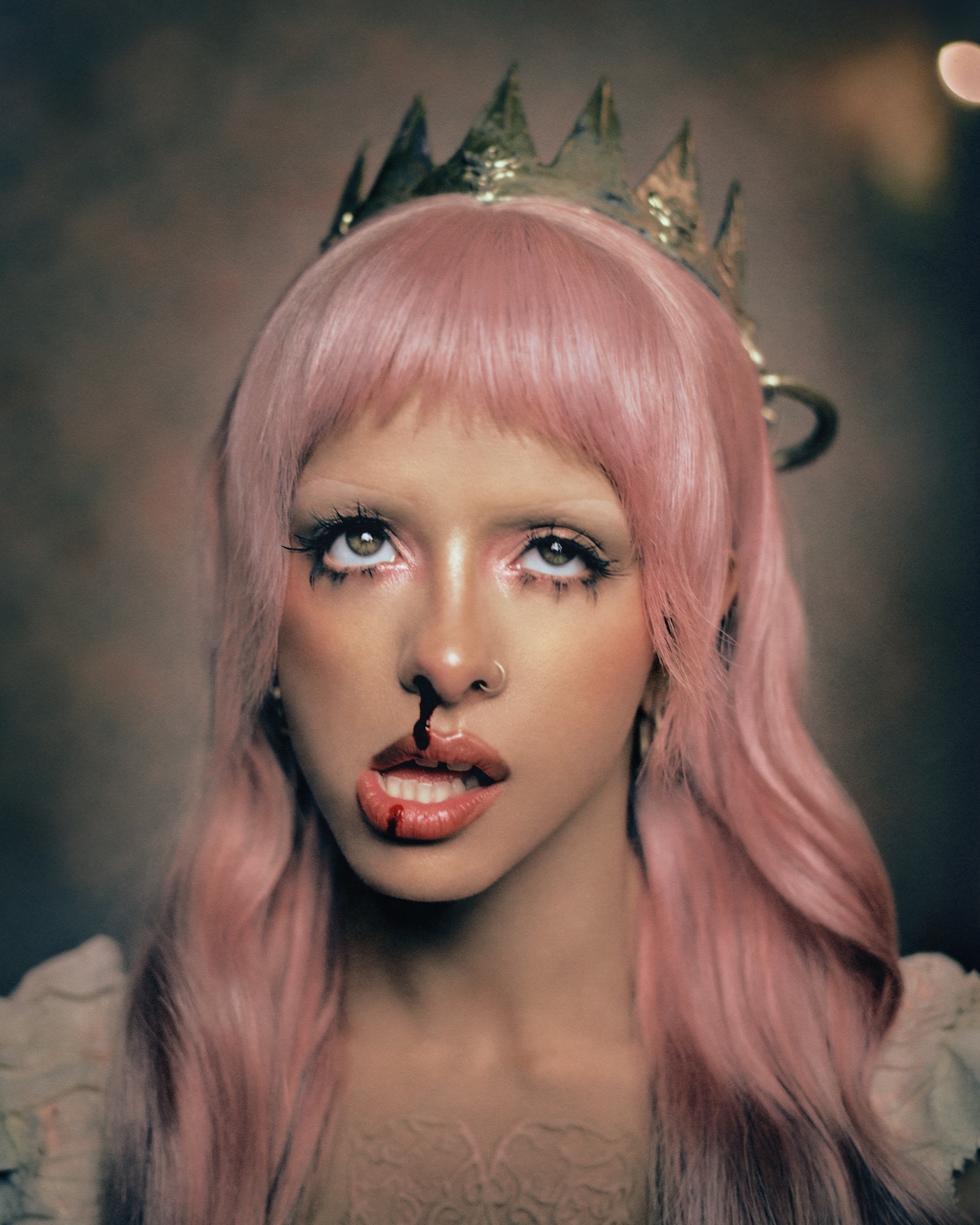
What are your initial impressions and reactions to HADES?
Roisin: The title makes perfect sense. Naming the album HADES after the underworld, the realm of the dead, the domain of all that is dark and inescapable is a deliberate, loaded choice. Martinez herself described each song as exploring a different “trap” set by an “evil, patriarchal energy,” insisting this isn’t about predicting some distant dystopia but about recognising destructive patterns that already exist. So to me, HADES felt like a mirror to the world in all its horror.
Kendall: It feels like Cry Baby, the character on whom her debut is based, went on a years-long spiritual sojourn through a dystopian wasteland, had a full-on ego death, and has come back a very disillusioned adult with the new name “Hades.” I believe that in this reincarnation, she is the “lord” or shepherd of the underworld, guiding us along. I agree with Roisin about the album’s name being a very apt choice for the themes explored in the songs. I was picking up similarities to Dante’s Inferno in that each track is like a circle of Hell, exploring a specific type of suffering or malevolence.
Danielle: My initial impression of, HADES, is that its title feels deliberately loaded and entirely fitting for the world it builds, invoking the idea of the underworld as a space of containment, repetition, and inescapable systems rather than a distant fantasy. Martinez has described the album as exploring different “traps” tied to an “evil, patriarchal energy,” and the record often feels less like a futuristic dystopia and more like an unsettling recognition of patterns that already exist in the present. In that sense, it functions as a mirror to the world in all its discomfort and brutality. I also find Kendall’s interpretation compelling, reading the project as a transformation of the, Cry Baby, figure into something more mythic and disillusioned, a kind of post-ego-death incarnation who now exists in a more symbolic, Hades-like role. Overall, my reaction is that the album feels intentionally weighty and conceptual, using mythology not just as aesthetic framing but as a way to recast familiar realities into something archetypal and psychologically charged.
How does this album compare to 2023’s PORTALS – what are the most striking similarities or differences?
Roisin: The two records feel like they’re pointing in completely different directions. PORTALS was deeply inward-looking. Martinez built it around past life regression therapy, merging the fantasy character with her own real-life experience, processing her own identity, her relationships, her sense of self after killing off the Cry Baby character. HADES introduces an entirely new character Circle, so there’s a fresh-start feeling to it. It also drops a lot of Melanie’s previous dreaminess. It’s more direct and named – there’s a song literally called “WHITE BOY WITH A GUN.” The mythology is still there, but it’s being used as a frame for things happening right now rather than looking for a new world to escape into.
Kendall: PORTALS definitely felt more internal and retrospective, while HADES feels like the opposite: highly allegorical and taking a more “macro” approach to storytelling. I also think there’s more of a directness lyrically on HADES than PORTALS; it reminds me of Cry Baby in that regard.
Danielle: Compared to PORTALS, HADES feels like it’s moving in a very different direction, even though both projects are still rooted in strong conceptual storytelling. PORTALS was much more inward-facing and reflective, built around ideas of past-life regression and identity reconstruction after the “death” of Cry Baby, it felt like Melanie turning the lens on herself and using fantasy as a way to process personal transformation. In contrast, HADES introduces a sense of reset through a new character, Circle, and immediately feels more external and grounded in the present world rather than an inner psychological space. There’s also a noticeable shift in tone: PORTALS leaned into a more ethereal, dreamlike quality, whereas HADES feels more direct, explicit, and politically charged in its imagery and language. Even though mythology is still central to both, PORTALS uses it as a means of self-exploration and escape, while HADES uses it more as a framing device for contemporary realities, making the storytelling feel larger in scale but also more immediate and confrontational.
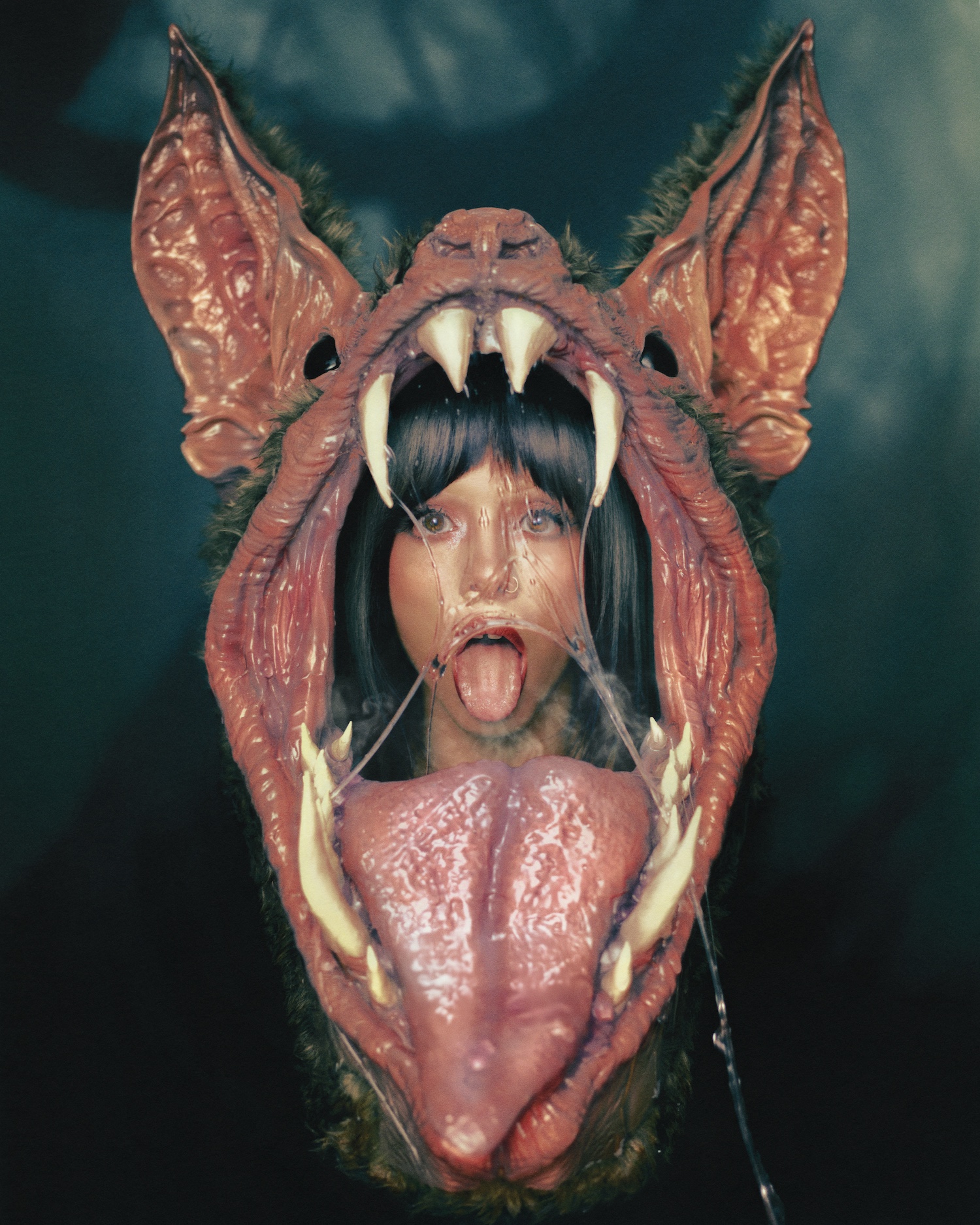
Martinez teased HADES with “POSSESSION” and “DISNEY PRINCESS.” Are these singles faithful representations of the album?
Roisin: Honestly, for me yes and no. They were a decent introduction into the world that Martinez was building but don’t fully prepare you for the album. POSSESSION is hypnotic and pretty while the subject matter is genuinely unsettling, and that is the quality the whole album seems to have. DISNEY PRINCESS is harder to pin down in this way as it is quite playful even though it has an edge to it, sardonic and danceable poking fun at the entertainment industries commodification of women. The full album is considerably heavier and less fun.
Kendall: “DISNEY PRINCESS” I thought was definitely on-brand as a faithful representation of the album. There was a quote from Melanie where she said she really enjoys writing about the entertainment industry and its effects on women and that it’s a perfect microcosm of society and the world around us. I think there’s a kind of performativeness that she as a public figure has always been interested in subverting, and what could be a better allegory of that performativeness and expectation of perfection than a Disney princess? I think “POSSESSION” was another smart choice as a single because to me, it bridges that gap between the death of the Cry Baby character and the introduction of “Hades.” It actually reminds me thematically of “Teddy Bear” from her first album.
Danielle: I actually really loved both singles, and I think they do a great job of opening the door into the world of HADES, even if they don’t fully reveal how deep it goes. “POSSESSION” in particular feels like a perfect entry point: it’s hypnotic and strangely beautiful on the surface, but there’s something genuinely unsettling underneath it that hints at the darker emotional and thematic layers the album explores more fully. “DISNEY PRINCESS” is a really smart contrast, playful, sharp, and almost satirical in its tone, while still carrying that edge of critique around performance and the commodification of women in the entertainment industry. Together, they capture two key sides of the record: seduction and discomfort. That said, the full album definitely feels heavier and more expansive than either single suggests, so in hindsight, they feel less like a full representation and more like carefully chosen “portals” into the world rather than the world itself.
Martinez said, “‘I started this album thinking I was writing a futuristic dystopia, but I realized I was just documenting the world we’re already living in. HADES is a cracked mirror. Beneath the rage, it’s a refusal to go numb – a call to feel, to see clearly, and to ask if we can still create something beautiful from the chaos we’ve been given.” Does this description capture the spirit of these songs, and where do you hear or feel it most?
Roisin: The cracked mirror part feels exactly right. To me, there is nothing futuristic about what she is singing. Gun violence, the entertainment industry eating women alive, billionaires hoarding everything whilst people sleeping on the street. None of that feels dystopian, it feels like a normal Tuesday in 2026. The mythological structure makes it feel like this is ancient and baked into society or the structure of power itself. I think the “refusal to go numb” part comes with the contrast between the sound and the lyrics. If she wanted us to go numb, we would be listening to cold, detached music. But in a way, everything feels danceable and like it has a pulse.
Kendall: I agree that there’s less of a futuristic-dystopian element and more of a current-affairs situation happening throughout the album. I actually really admire the rage threaded through here; I think that’s always been one of my favorite things about Martinez. Even if the music or production or her vocal delivery doesn’t necessarily reflect that rage or anger, her writing does. I like that element of brutality because it does also feel like a “call to feel,” as she put it. “GUTTER,” “GRUDGES” and “WHITE BOY WITH A GUN” are where I hear this spirit very strongly.
Danielle: The “cracked mirror” description feels especially accurate, because there’s very little on HADES, that feels truly futuristic, instead, it often plays like a reflection of the present we’re already living in. Themes like gun violence, the entertainment industry consuming women, and extreme wealth inequality don’t feel dystopian so much as disturbingly familiar. I like how Roisin said it’s almost like a “normal Tuesday in 2026.” The mythological framing gives these realities an ancient, almost inevitable quality, as if they’re baked into systems of power rather than isolated modern crises. I also think the idea of a “refusal to go numb” comes through in the contrast between subject matter and sound: instead of cold or detached production, much of the album stays rhythmic and oddly physical, which keeps it emotionally active rather than numbing. At the same time, there’s a strong sense of urgency in Martinez’s writing that isn’t always mirrored in the production or vocal delivery, but is still deeply present, especially on tracks like “GRUDGES” and “WHITE BOY WITH A GUN,” where that call to feel and confront things head-on feels most immediate.
Which song(s) stand out for you on the album, and why?
Roisin: The standouts for me are spread across the album but they share anger and beauty in a perfect balance. GUTTER is probably the best song on the record. There’s something about it that feels more intimate than the rest of the album. THE VATICAN is a close second and feels like the most fun she has on the whole record. It’s controlled rage dressed up as a bop. You’re enjoying yourself and then you catch what she’s actually saying and the two things crash into each other perfectly.
Kendall: “GRUDGES” definitely does, because she’s basically spitting vitriol the whole time and it’s so energizing and fun. I’m a big champion of female rage. I think there’s something very righteous about its unfiltered expression, so I immediately got on board with it. “DISNEY PRINCESS” is another standout because of the overarching themes reflecting the album as a whole really well in my opinion. And in third place I’d put “BATSHIT INTELLIGENCE” because the title alone sounds like it lands in tinfoil-hat territory, which I like, and because of its straightforward, standard description of a typical dystopian society on the verge of collapse.
Danielle: “POSSESSION” really stands out to me because it came out during a really difficult period in my life, and I found myself relating to every part of its story. The way it captures those emotions made it feel strangely personal, almost like it was putting language to things I couldn’t quite articulate at the time. “BATSHIT INTELLIGENCE” is another standout. The title alone feels like it belongs in some conspiracy-theory corner of the internet, which I actually kind of love. I’m drawn to how it frames a dystopian society in such a straightforward, almost matter-of-fact way, while still feeling chaotic and unsettling underneath it all. I’m especially drawn to “BATSHIT INTELLIGENCE” because the title itself already sets this unhinged, almost conspiratorial tone that I find really engaging. What I like most is how it frames a collapsing dystopian world in a very straightforward way, almost stripping it back to something blunt and matter-of-fact rather than overly stylised. I also really love the overall sound of the album, especially how cohesive and immersive the storytelling is throughout.
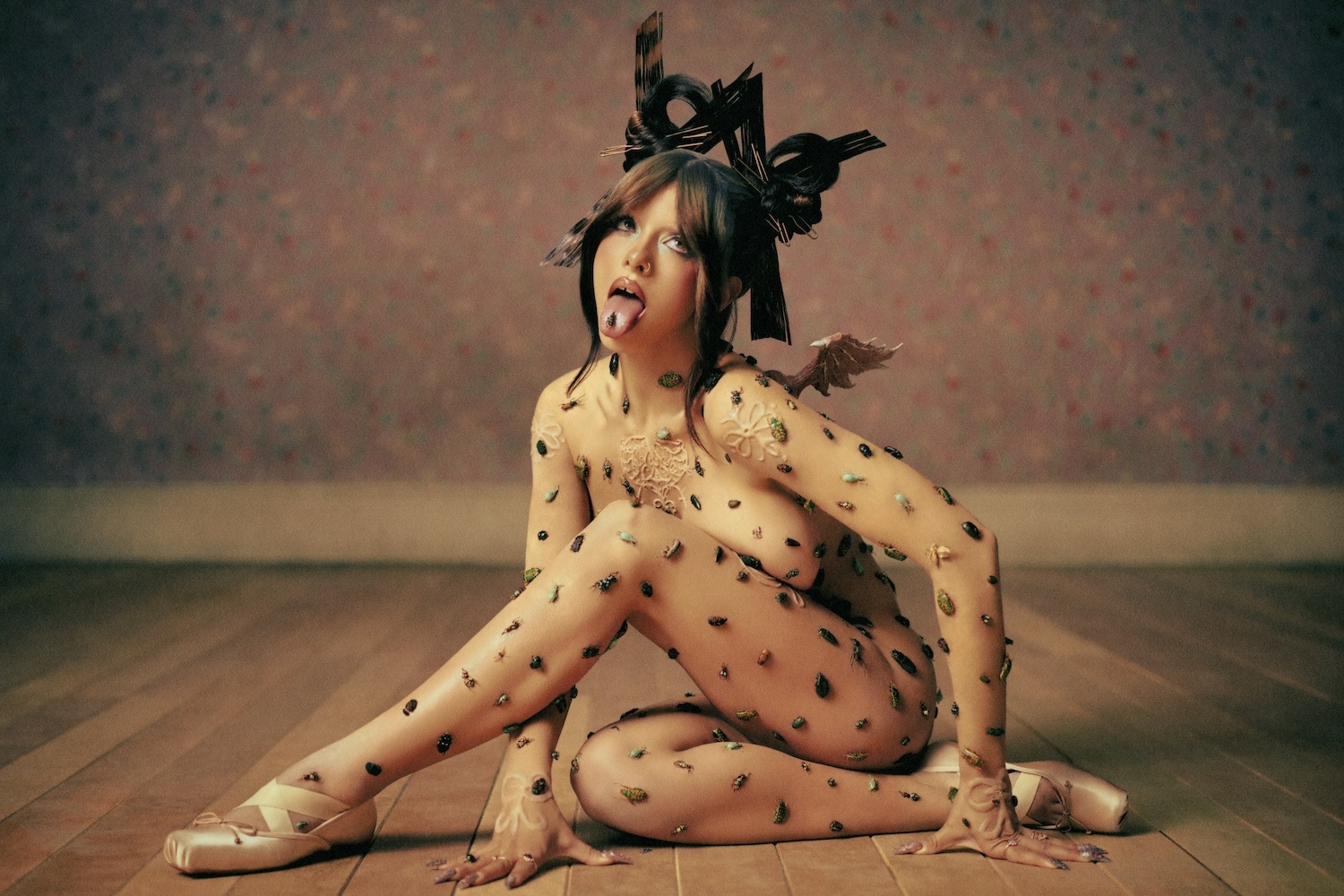
Do you have any favorite lyrics so far? Which lines stand out?
Roisin: “It’s not so easy to get back to what it was” from “HELL’S FRONT PORCH.” For a song about climate change you might expect something more apocalyptic but I like it because it isn’t warning us about this future that might never materialise, it’s saying that the damage is already there and is accumulating rapidly. I also like her bluntness in “GUTTER.” “See the child, they have a mother. You just throw them in the gutter,” could have wrapped homelessness in all kinds of symbolism but this feels much more effective and clever than any of that.
Kendall: The chorus of “BATSHIT INTELLIGENCE” continues to stand out to me: “Rent is high and the taxes due / On a floating rock, burning avenues / Where’s the alien who can save us now? / Mother Nature screams, death is guaranteed / I’ll say it again, burning away.” I think it has really evocative imagery that highlights several classic dystopian motifs.
Danielle: One of the standout lyrical moments for me so far comes from “POSSESSION,” especially the chorus, “Baby, I’m your possession, handle me like a weapon / Gaslight me right, tell me, ‘Keep quiet,’ I’ll go along,” which really hit me emotionally in a visceral way. It captures a kind of dynamic that feels hard to articulate unless you’ve experienced it yourself, and that discomfort is exactly what makes it so powerful. I’m also really drawn to the opening of “GRUDGES,” where the contrast between the polite, almost performative tone and the underlying mistreatment is so stark: “I’m a perfect little angel for you / I always say ‘please’ and ‘thank you’ / And every time you spit in my face / And shit on my space, I still was true.” It’s unsettling in how directly it exposes that imbalance. On a different note, “CHATROOM” stands out for its sharp, almost darkly comedic lyricism, particularly, “I can’t tell if this is a bot / A 45 year old incel / or a 10 year old on their mom’s iPad,” which really captures the chaos and absurdity of online spaces in a very immediate, relatable way.
Where do you feel HADES sits in the pantheon of Melanie Martinez’s discography?
Roisin: Cry Baby will always be my favourite. I think because it has this rare quality of feeling totally original, like nothing else existed that felt like it at the time. HADES is more ambitious in scope and is trying to hold the whole world accountable within 18 tracks, which is a bigger swing than Cry Baby ever took, but it means you occasionally miss that feeling of one person telling you something true about their life. So I think in some places HADES reaches me as much as Cry Baby, and definitely more than PORTALS.
Kendall: I’m in the same boat as Roisin in that Cry Baby is still my favorite Melanie Martinez album, and agree that it was, and still feels, so singular and original. I think I’d place HADES second on the list, because it feels like the most natural extension from her debut; yes, more natural than K-12, which I thought overstretched the concept and motifs from Cry Baby in a way that felt a little exhausting and repetitive. In K-12’s situation, more of a good thing didn’t really turn out to be a good thing. I did mostly enjoy PORTALS, particularly the look inward and the background of past life regression therapy, but I think that the whole alien-nymph character put me off visually, which affected my reception of the music. This may not be a fair judgement of that album, but I thought I’d be honest.
Danielle: I’ve always appreciated Melanie Martinez’s discography as something that evolves with each era, with every album offering a distinct world and perspective. HADES feels like a more mature and ambitious chapter in that progression, especially in its expanded scope and its attempt to address broader societal themes across 18 tracks. That said, my personal attachment still lies with Cry Baby, with K-12 and PORTALS following closely behind. HADES feels like a far more expansive conceptual leap, almost as though it’s aiming to confront and indict an entire world at once, which makes its ambition compelling. However, that broader scale can sometimes dilute the intimacy that gave her earlier work its impact, where the listener felt more like they were being spoken to directly by one person sharing something deeply personal and lived-in.
— —
:: stream/purchase HADES here ::
:: connect with Melanie Martinez here ::
— —
— — — —
Connect to Melanie Martinez on
Facebook, 𝕏, TikTok, Instagram
Discover new music on Atwood Magazine
© Cho Giseok
 © Cho Giseok
HADES
an album by Melanie Martinez